How Flavor Emulsions Manufacturers Improve Beverage Stability
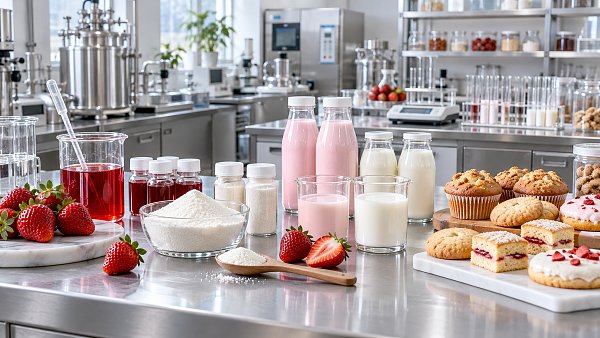
A beverage can taste excellent on the day it is made and still fail in the market weeks later. Oil rings at the neck, sediment-like cloud loss, uneven flavor release, or a dull aroma after heat treatment are usually formulation problems, not simply flavor problems. A capable flavor emulsions manufacturer improves beverage stability by designing the oil phase, emulsifier system, particle size, weighting agents, and process conditions as one connected system.
That distinction matters when a beverage moves from a bench sample to a production line. A flavor emulsion that looks smooth in a laboratory bottle may separate after pasteurization, change under acidic conditions, or lose its intended visual cloud during transport. The practical question is not whether an emulsion can be made. It is whether it can remain consistent through processing, filling, storage, and normal consumer handling.
In simple terms, beverage stability improves when the dispersed oil droplets are small enough, protected well enough, and sufficiently compatible with the finished drink. The supplier's role is to turn that principle into a repeatable ingredient system rather than a one-off sample.
What a Flavor Emulsions Manufacturer Actually Controls
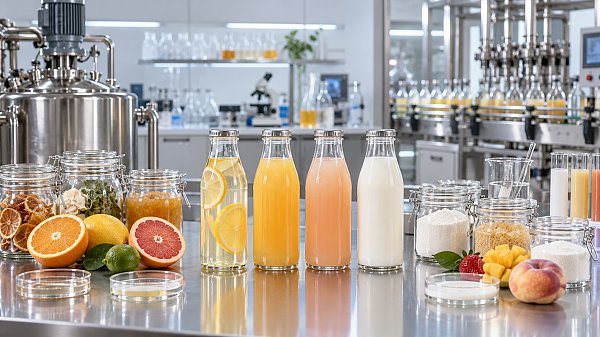
Flavor emulsions are typically used when oil-soluble flavor compounds, essential oils, or visual cloud systems need to be distributed in a water-based beverage. Citrus drinks are the familiar example, but the same challenge appears in botanical beverages, sports drinks, functional waters, dairy-adjacent products, and some ready-to-drink tea applications.
The emulsion contains an oil phase and an aqueous phase that naturally prefer to separate. Emulsifiers help create an interface between them, while homogenization divides the oil into fine droplets. Stabilizers, density modifiers, preservatives, antioxidants, and processing aids may also be involved, depending on the application and the permitted ingredient system.
A manufacturer can improve stability at several points:
- Choosing flavor oils and carriers that remain compatible with the target beverage.
- Matching the emulsifier system to pH, sugar level, protein content, minerals, and processing conditions.
- Controlling droplet size and droplet-size distribution during homogenization.
- Balancing the density of the dispersed phase to reduce creaming or sedimentation.
- Managing oxidation, volatile loss, and batch-to-batch sensory variation.
- Verifying that the emulsion behaves properly after dilution into the finished beverage, not only in its concentrated form.
None of these controls works in isolation. A finer droplet size may help resist visible separation, for example, but it will not solve instability caused by an incompatible preservative, excessive electrolyte content, or a protein interaction in the final formula.
Start With the Failure Mode, Not the Ingredient List
Many development teams begin by asking which emulsifier is being used. That is useful, but it is often too early in the investigation. First identify how the drink fails. The visible symptom provides a better route to the cause.
An oil ring is not automatically evidence that the flavor oil is poor quality. It can result from insufficient shear, a changed sweetener system, an incorrect dilution procedure, or a packaging issue that makes the defect easier to see. In the same way, cloud loss is not always a density problem. If droplets grow because the interface is weak, adjusting density alone may only delay the defect.
This is where experienced suppliers add value: they ask for the complete beverage context before recommending a replacement. A sample request that includes only “orange flavor emulsion for a clear bottle” is not enough to predict long-term behavior.
Particle Size Is Important, but the Number Needs Context
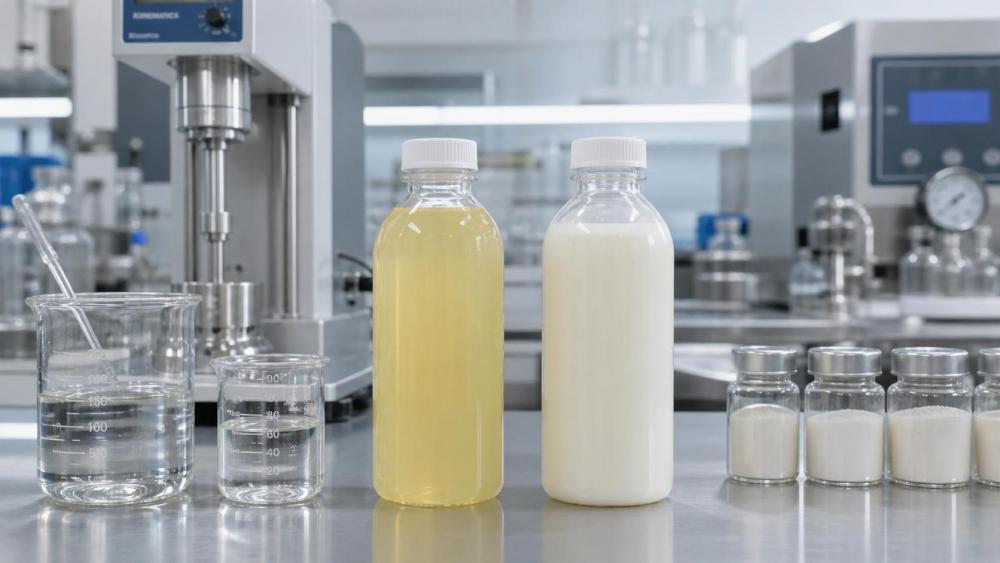
Particle-size control is one of the clearest ways a flavor emulsion manufacturer supports stability. Smaller droplets generally cream more slowly and are less likely to create an obvious oil layer. However, a single average particle-size value should not be treated as proof of performance.
Two emulsions can show a similar average size but behave differently if one has a broad distribution with a small population of larger droplets. Those larger droplets can become the starting point for coalescence, visible separation, or ring formation. Ask how particle size is measured, whether distribution data are available, and whether the result is checked after thermal exposure or storage rather than only immediately after manufacture.
There is also a practical limit to chasing ever-finer droplets. More intensive homogenization can increase cost, alter aroma perception, create processing challenges, or offer little benefit if the actual instability comes from beverage chemistry. The useful target is not the smallest possible droplet. It is a robust droplet population that remains stable in the final drink.
Why finished-beverage testing changes the answer
A concentrated emulsion can appear stable for months while the diluted drink fails quickly. Dilution changes the ratio of oil, emulsifier, acids, sugars, salts, hydrocolloids, and other components. It may also change pH or expose the system to dissolved minerals in process water.
This is especially relevant for functional beverages. Added vitamins, minerals, amino acids, botanical extracts, and protein ingredients can alter interfacial behavior or create haze that masks the early signs of separation. In these cases, a supplier should test the flavor system in a representative beverage base. Generic “stable in water” statements are rarely enough.
Compatibility Is Often the Deciding Factor
Stability problems frequently appear after a formula change that seems unrelated to flavor. A switch in acidulant, sweetener, preservative, colorant, or juice component can change how the emulsion performs. Even a new water source can matter when mineral content changes substantially.
The most useful supplier discussion covers the whole formula, including components that may be confidential. At minimum, the manufacturer needs to know the beverage pH range, target Brix or sweetener system, carbonation level, heat treatment, intended shelf life, packaging format, storage expectations, and any proteins, minerals, gums, or extracts present.
Protein beverages require particular caution. Many conventional cloud emulsion approaches are designed for acidic, water-based soft drinks and may not transfer directly into a protein-containing matrix. The emulsion can interact with proteins, contribute to flocculation, or become visually unsuitable even when the flavor profile is acceptable. A different flavor delivery route, a simpler flavor system, or a tailored stabilizer strategy may be more appropriate.
Clear beverages create another constraint. A cloud emulsion can provide a fresh, juice-like visual cue, but it is the wrong choice when transparency is central to the product concept. In that case, a solubilized flavor system may fit the appearance goal better, though solubilization has its own limits on oil load, flavor character, and ingredient declaration. Stability is not just about preventing separation; it must align with the intended product appearance.
Production Consistency Is a Stability Tool
It is easy to focus on the formulation and overlook manufacturing control. Yet a well-designed emulsion cannot perform consistently when raw materials vary, homogenization conditions drift, or incoming materials are stored outside their intended conditions.
When assessing a supplier, look beyond a standard certificate of analysis. Ask how incoming oils are qualified, how key process parameters are controlled, how retained samples are used, and how a batch that sits near a specification limit is handled. The exact documentation needed depends on the product and market, but the principle is straightforward: the supplier should be able to explain how the commercial batch will match the sample used during development.
Useful questions include:
- Which physical and sensory attributes are checked for each production batch?
- Is droplet-size distribution monitored, or only a visual appearance check?
- How are flavor oils protected from oxidation before use?
- What are the recommended storage conditions and realistic handling limits after delivery?
- Can the supplier provide guidance for dilution order, mixing intensity, and line conditions?
- What happens when a raw material source changes or an ingredient becomes unavailable?
A supplier that answers only with a specification sheet may still be suitable for a low-risk application. For a beverage with a long distribution cycle, high visual sensitivity, or several interacting functional ingredients, practical formulation support is usually more valuable than a low initial price.
Build a Test Plan That Reflects the Actual Product
The most reliable route is to test the emulsion under the stresses the beverage will really face. That means evaluating the finished drink after processing, not merely observing an emulsion sample in a warehouse bottle.
Start with fresh samples, then examine the same formula after the relevant heat step, normal storage, and reasonably anticipated transport conditions. Check for ring formation, creaming, sediment, cloud change, color shift, and sensory drift. If the product is carbonated, test it in its final packaging format. If it will be filled hot or exposed to warm distribution, those conditions should be part of the evaluation.
Accelerated tests can help compare options and reveal weak systems early, but they are screening tools. They should not be used to claim a precise commercial shelf life unless the protocol and product-specific evidence support that conclusion. Packaging, headspace oxygen, light exposure, and warehouse conditions can all change the outcome.
One common mistake is changing several variables at once after a failure. If the team replaces the emulsion, alters the gum system, adjusts pH, and changes processing speed in the same trial, the final result may improve but the actual reason remains unclear. Controlled comparison batches are slower at first and much faster when the issue returns during scale-up.
When a New Emulsion Will Not Solve the Problem
There are cases where changing supplier or requesting a more “stable” emulsion will not address the root cause. A filling line that introduces excessive air, inconsistent homogenization after dilution, poor tank agitation, or unsuitable storage temperatures can damage a system that performed correctly during validation.
Similarly, an oxidation-driven flavor problem may be dominated by packaging oxygen transmission or headspace management rather than emulsion design. An emulsion supplier can help identify the interaction, but the remedy may sit with the packaging team or process engineer.
That is why supplier assessment should include a willingness to say when the emulsion is not the primary problem. A credible technical partner does not promise that one ingredient will solve every beverage stability complaint.
Making the Supplier Decision More Defensible
A strong selection decision combines formulation fit, processing resilience, documentation readiness, and supply reliability. The best sample is not necessarily the one that gives the most vivid first-day aroma. It is the one that delivers the intended sensory profile and physical appearance after the beverage has gone through the conditions it will actually encounter.
Industry knowledge resources such as FCAS can help teams compare the practical roles of emulsifiers, stabilizers, flavor carriers, antioxidants, and related food ingredients before beginning supplier discussions. That background is useful for framing better questions, but it does not replace application trials with the finished formula.
Near the end of the evaluation, request a clear technical handover: target use level, addition order, mixing guidance, storage requirements, known incompatibilities, and the test conditions behind any stability recommendation. This reduces the familiar gap between a successful development sample and an inconsistent first commercial run.
A flavor emulsions manufacturer improves beverage stability when it treats the emulsion as part of the beverage system, not as an isolated flavor ingredient. The right partner brings controlled particle size, compatible ingredient design, reliable manufacturing, and honest application support. Those factors are what keep a beverage looking, tasting, and performing as intended from filling day through shelf life.
Questions That Often Come Up
Can a stable flavor emulsion still form a ring in the final beverage?
Yes. The finished drink may introduce pH changes, minerals, proteins, processing stress, or dilution errors that were not present in the original emulsion. Evaluate the supplier's system in the complete beverage base.
Does a smaller droplet size always mean better stability?
No. Small droplets are helpful, but distribution, interfacial strength, density balance, and compatibility with the beverage formula also matter. A narrow, controlled distribution is often more useful than a single impressive average value.
Should cloud and flavor be sourced as one system?
Often that simplifies development because the sensory oil phase and visual cloud can be designed together. Separate systems may be appropriate when cloud intensity, flavor profile, or label requirements need independent adjustment.
What information should be shared before requesting a sample?
Provide the beverage pH, sweetener system, processing method, packaging, shelf-life target, storage conditions, flavor dosage range, and relevant functional ingredients. This gives the supplier enough context to recommend a realistic starting point.
Related News
 Maillard Reaction Savory FlavorsWhat to Consider When Developing Flavor Bases for Food ApplicationsCan flavor bases be customized for specific food applications? Explore sensory targets, processing stability, compliance, and cost-effective development strategies.MORE+
 Hydrocolloids & EmulsifiersHow Locust Bean Gum Improves Texture and Stability in Dairy ProductsLocust bean gum for dairy products improves creaminess, reduces whey separation, and supports stable yogurt, ice cream, spreads, and dairy drinks.MORE+
 Herbicides & Plant Growth RegulatorsUsing Insect Growth Regulators to Protect Stored Grain from InfestationsInsect growth regulators for stored grain: learn how lifecycle control, precise application, sanitation, and residue planning help safeguard quality and market access.MORE+
 Ultra-pure Semiconductor CleanersHow Ultra-Pure Semiconductor Cleaners Improve Post-CMP Cleaning ResultsSemiconductor cleaners for post CMP cleaning improve residue removal, reduce contamination risk, and protect sensitive wafer surfaces for more reliable yields.MORE+
 Microencapsulated FragrancesHow to Select Air Freshener Fragrances That Last in Car FreshenersDiscover how to select air freshener fragrances for car fresheners with lasting appeal, balancing scent performance, carrier compatibility, heat stability, and packaging.MORE+
 Hydrocolloids & EmulsifiersWhy Clean Label Food Emulsifiers Matter in Modern FormulationClean label food emulsifiers shape stability, texture, processing, and shelf life. Explore practical formulation insights for beverages, sauces, bakery, and more.MORE+
 Nano-microcapsule FormulationsHow Spray Drying Wall Materials Affect Stability and EncapsulationSpray drying wall materials determine powder stability, encapsulation efficiency, moisture resistance, and release. Learn how to select the right matrix for reliable performance.MORE+
 Antioxidants & Natural PreservativesTBHQ Antioxidant Performance, Limits, and Food Safety ComplianceTBHQ antioxidant performance, legal limits, and food safety compliance explained. Learn practical controls for oils, frying, packaging, shelf life, and documentation.MORE+
 Supercritical CO2 Essential OilsHow to Evaluate a Natural Aroma Chemicals Supplier for QualityNatural aroma chemicals supplier evaluation made practical: assess quality, traceability, odor consistency, documentation, packaging, and total delivered cost before you buy.MORE+
 Hydrocolloids & EmulsifiersHow Natural Food Emulsifiers Improve Plant-Based Product TextureNatural food emulsifiers for plant based products improve creaminess, stability, and texture. Explore practical formulation strategies for beverages, dressings, desserts, and more.MORE+
 Herbicides & Plant Growth RegulatorsSelecting Benzyl Alcohol for Stable Agrochemical FormulationsBenzyl alcohol for agrochemical formulations: discover how to improve solubility, emulsion stability, storage performance, compliance, and supplier qualification.MORE+
 Targeted Bio-pesticides & APIsHow Botanical Insecticides Protect Vegetable Crops EffectivelyBotanical insecticides for vegetables help growers improve pest control, spray coverage, IPM compatibility, and crop protection results. Explore practical application insights.MORE+
 Antioxidants & Natural PreservativesNatural Food Preservatives for Sauces That Protect Shelf LifeNatural food preservatives for sauces: discover practical strategies for safer shelf life, clean-label formulation, pH control, packaging, and validation.MORE+
 Maillard Reaction Savory FlavorsHow Oil Soluble Aroma Ingredients Improve Flavor ConsistencyOil soluble aroma ingredients improve flavor consistency in fat-based foods by enhancing distribution, stability, and controlled aroma release. Discover practical selection tips.MORE+
 Supercritical CO2 Essential OilsHow to Verify CO2 Botanical Extract Supplier CertificationsCO2 botanical extracts supplier certifications: learn how to verify certificates, site scope, batch traceability, and process controls before approving suppliers.MORE+
 Antioxidants & Natural PreservativesHow Herbal Extracts for Functional Foods Support Product DevelopmentHerbal extracts for functional foods: explore smarter selection, sensory balance, processing stability, documentation, and scalable supply for successful product development.MORE+
 Microencapsulated FragrancesHow Encapsulated Perfumes for Fabric Care Improve Scent LongevityEncapsulated perfumes for fabric care extend scent longevity through controlled release, fiber deposition, and smarter formulation—discover how to create lasting fragrance experiences.MORE+
 Supercritical CO2 Essential OilsHow Oleoresins Bulk Price Changes with Crop Quality and SupplyOleoresins bulk price insights: learn how crop quality, extraction yield, grade availability and supply risks shape costs—compare supplier offers with confidence.MORE+
 Maillard Reaction Savory FlavorsWhat to Check Before Choosing Flavor Bases Wholesale for BeveragesFlavor bases wholesale guide for beverage buyers: evaluate taste, stability, documentation, dosage costs, and supplier reliability before scaling production.MORE+
 Zero-Calorie Sweeteners & AcidulantsHow Food Grade Stevia Sweetener Affects Taste and Label ClaimsFood grade stevia sweetener: learn how glycoside profiles, taste control, processing stability, and label claims shape successful lower-sugar products.MORE+
 Antioxidants & Natural PreservativesWhat Quality Checks Matter When Sourcing Butylparaben for Personal CareButylparaben for personal care sourcing guide: compare assay, impurities, physical performance, documentation, traceability, and supplier quality to reduce formulation risk.MORE+
 Nano-microcapsule FormulationsHow Encapsulated Flavors Protect Taste During Processing and StorageEncapsulated Flavors protect taste from heat, oxygen, moisture, and storage loss. Explore smarter release, carrier selection, and processing strategies.MORE+
 Chelated Trace Element FertilizersHow Greenhouse Fertigation Systems Reduce Water and Fertilizer WasteGreenhouse fertigation systems reduce water and fertilizer waste with precise dosing, uniform irrigation, drainage monitoring, and smarter crop-zone control. Learn practical strategies.MORE+
 Supercritical CO2 Essential OilsHow Natural Essential Oil Blends Improve Consistent Product FragranceNatural essential oil blends help brands achieve consistent, appealing fragrance across batches. Explore smart blend design, stability testing, and product compatibility strategies.MORE+
 Non-ionic Surfactants & DefoamersHow to Choose Non Ionic Low Foaming Surfactants for CIP CleaningNon ionic low foaming surfactants for CIP cleaning: learn how to balance wetting, foam control, compatibility, and rinseability for reliable cleaning performance.MORE+
 Nano-microcapsule FormulationsHow Food Grade Cyclodextrin Complexes Protect Sensitive FlavorsFood grade cyclodextrin inclusion complexes help protect sensitive flavors from oxidation, evaporation, and processing loss while supporting controlled release and consistent sensory quality.MORE+
 Polymer-Coated Water Soluble NPKHow Fertilizer Coating Polymers Improve NPK Granule ReleaseFertilizer coating polymers for NPK granules improve controlled nutrient release, reduce loss risks, and enhance product consistency. Discover key selection and process insights.MORE+
 Chelated Trace Element FertilizersWhat Diammonium Phosphate Means for Crop Nutrition PlanningDiammonium Phosphate: learn how DAP supports early phosphorus access, nitrogen budgeting, smart placement, and balanced crop nutrition planning.MORE+
 Maillard Reaction Savory FlavorsHow to Assess a Flavor Bases Supplier List for Reliable SourcingGlobal Fine Chemicals & Agrochemical Intelligence Network flavor bases supplier list: assess specs, samples, supply risk, and true cost to source with confidence.MORE+
 Hydrocolloids & EmulsifiersHow Konjac Gum Powder Improves Texture in Low-Calorie FoodsKonjac gum powder improves body, stability, and mouthfeel in low-calorie foods. Discover practical tips for smoother sauces, beverages, and reduced-fat formulations.MORE+
 Supercritical CO2 Essential OilsWhat to Check Before Choosing a Botanical Essential Oils ManufacturerChoose a botanical essential oils manufacturer with confidence. Explore key checks for purity, traceability, compliance, batch consistency, and reliable supply.MORE+
 Microencapsulated FragrancesHow Fragrance Carriers for Detergents Improve Scent PerformanceFragrance carriers for detergents improve stability, fabric deposition, and long-lasting scent. Explore practical solutions for better wash-to-wear fragrance performance.MORE+
 Antioxidants & Natural PreservativesWhen Propyl Gallate Antioxidant Is the Right Choice for Oil StabilityPropyl gallate antioxidant: learn when it is the right choice for oil stability, shelf-life protection, processing compatibility, and smarter formulation decisions.MORE+
 Antioxidants & Natural PreservativesHow Potassium Sorbate Extends Shelf Life in Food and Beverage ProductsPotassium Sorbate helps food and beverage brands control yeast and mold spoilage. Explore pH, dosage, processing, and packaging strategies for reliable shelf life.MORE+
 Antioxidants & Natural PreservativesHow to Source Bulk Herbal Extracts With Reliable Quality ControlBulk herbal extracts sourcing guide: compare suppliers, verify traceability, review CoAs, and build reliable quality controls for safer, consistent purchasing.MORE+
 Antioxidants & Natural PreservativesWhat to Check Before Sourcing Butylparaben for Personal Care FormulasButylparaben for personal care sourcing guide: check market eligibility, purity, supplier controls, formula compatibility, packaging, and total risk before buying.MORE+
 Targeted Bio-pesticides & APIsChoosing Microbial Fungicides for Foliar Diseases in Integrated Crop ProgramsMicrobial fungicides for foliar diseases: learn how to match biology, formulation, tank compatibility, and timing for stronger integrated crop protection.MORE+
 Targeted Bio-pesticides & APIsHow Microbial Insecticides Control Caterpillars With Lower Crop Residue RiskMicrobial insecticides for caterpillars help protect crops with targeted early-larval control and lower residue-management pressure. Learn timing, coverage, compliance, and scouting essentials.MORE+
 Microencapsulated FragrancesHow to Add Encapsulated Laundry Fragrances Without Weakening Wash ResultsEncapsulated laundry fragrances: learn how to boost long-lasting scent while protecting cleaning power, stability, foam control, and fabric care.MORE+
 Supercritical CO2 Essential OilsHow Aroma Ingredients Shape Lasting and Skin-Safe Personal Care ProductsAroma ingredients for personal care: discover how to achieve lasting scent, formulation stability, skin safety, and confident product performance.MORE+