What Diammonium Phosphate Means for Crop Nutrition Planning
Diammonium phosphate (DAP) is most useful in crop nutrition planning when a field needs readily available phosphorus and a meaningful amount of nitrogen near the start of crop growth. It is not simply a general-purpose “high analysis” fertilizer. Its value depends on whether phosphorus is limiting, how the fertilizer is placed, the soil’s reaction conditions, and whether the season-long nitrogen plan is adjusted to account for the nitrogen supplied with DAP.
For practical planning, the main question is not “Is DAP a good fertilizer?” It is: Does this field need concentrated phosphorus at establishment, and can the crop access it without creating placement or balance problems? Answering that question prevents two common mistakes: applying DAP automatically every season despite adequate soil phosphorus, or treating it as a complete fertility program because it supplies two major nutrients.
What DAP contributes to a nutrition program
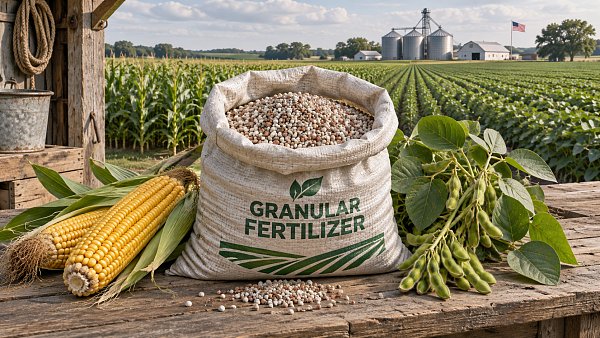
DAP is a granular phosphate fertilizer that supplies phosphorus and nitrogen in the ammonium form. Phosphorus supports early root development, energy transfer within the plant, crop establishment, and reproductive processes later in the season. Nitrogen supports vegetative growth, but its role in DAP is usually best understood as an early contribution rather than the entire nitrogen requirement.
This combination is why DAP is often considered during pre-plant or planting-stage decisions. A young crop needs access to phosphorus before its root system has explored much soil volume. Where soil phosphorus availability is limited, placing a phosphorus source close to the developing root zone can be more relevant than applying the same nutrient broadly across the field.
That does not mean every crop response is visible as a dramatic early-season change. Phosphorus response is shaped by soil test results, soil temperature, moisture, pH, root health, compaction, residue management, and crop demand. A fertilizer can be chemically sound and still produce limited economic value if phosphorus was already sufficient or root growth is restricted by another factor.
Why phosphorus behavior matters more than the bag analysis
Phosphorus is not highly mobile in most soils. After application, it tends to react with soil minerals and become less available than it was immediately after placement. This does not mean that all applied phosphorus disappears, but it does mean timing and placement deserve attention.
In soils that strongly bind phosphorus, broadcasting DAP and incorporating it may build soil fertility over time, yet the immediate availability to a newly emerging crop can differ from a carefully placed starter application. In other situations, broad application is appropriate because the aim is to maintain or rebuild the field’s phosphorus status rather than only support the current crop.
Soil pH also changes the decision. Very acidic or strongly alkaline conditions can reduce phosphorus availability through different soil reactions. Applying more DAP may not solve the underlying constraint. A soil pH issue, low organic matter, poor drainage, or compaction can limit nutrient use enough that fertilizer rate alone becomes an inefficient lever.

For this reason, a useful crop nutrition plan begins with the soil rather than the fertilizer product. A recent, representative soil test provides the starting point: phosphorus status, pH, and other relevant nutrient levels. Field history then adds context. A field with repeated manure applications, a history of high-phosphorus fertilizers, or uneven yield zones should not be managed as though every area has the same need.
Placement decisions can change the result
DAP may be used in broadcast, incorporated, banded, or starter-fertilizer programs, depending on local equipment, crop system, and agronomic guidance. These methods are not interchangeable.
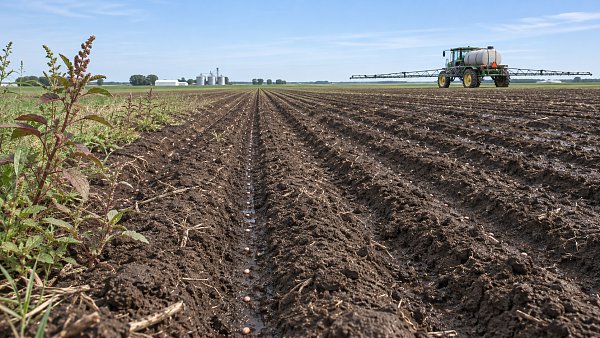
The main risk with seed-zone use is not that DAP is inherently unsuitable, but that concentrated fertilizer too close to seed can impair germination or early growth. Risk depends on crop sensitivity, soil moisture, soil texture, application rate, row spacing, and the exact placement pattern. Dry soils and light-textured soils generally provide less margin for error than moist, well-buffered conditions.
It is also important to distinguish phosphorus need from starter-fertilizer habit. A starter band can be helpful in cool soils or where early rooting is slow, but it should not substitute for a diagnosis of the field’s nutrient status. Conversely, a field testing adequately for phosphorus may still benefit from a carefully designed starter strategy under certain establishment conditions, though the expected response should be evaluated realistically.
DAP is part of the nitrogen budget, not an extra input
The nitrogen in diammonium phosphate is often overlooked when growers build their main nitrogen program around urea, liquid nitrogen, manure, or other sources. That creates a simple planning error: applying the planned nitrogen rate and then adding DAP without crediting its nitrogen contribution.
In a balanced plan, the nitrogen from DAP is counted toward total crop requirement. Whether it can replace later nitrogen depends on the crop’s uptake pattern and loss risk. Nitrogen applied well before peak demand may not serve the same role as nitrogen supplied through a split application, sidedress, fertigation program, or controlled-release source. The correct comparison is therefore not only total nitrogen quantity, but also when nitrogen becomes available relative to crop uptake and weather conditions.
Ammonium nitrogen can be useful around the root zone, but it also has an acidifying effect over time as soil processes convert it to nitrate. This is one reason pH monitoring belongs in repeated fertilizer planning, particularly where ammonium-containing products are used regularly. The point is not to avoid DAP; it is to recognize that repeated use has soil-management implications beyond the immediate season.
Where DAP fits well, and where another option may fit better
DAP often fits crops and fields that need phosphorus before or at establishment, particularly when a granular pre-plant or planting-time application matches the farm’s equipment and workflow. It can be practical where a concentrated dry fertilizer simplifies handling, transport, storage, and field application.
It may be less suitable as the primary answer when the crop nutrition strategy requires highly soluble fertilizer through drip irrigation, frequent small nutrient doses, or a low-phosphorus blend tailored to a field with adequate phosphorus reserves. Water-soluble fertilizers and liquid formulations can provide more flexibility in fertigation systems. Controlled-release products may be considered where nutrient timing and reduced application frequency are the primary objectives. These products address different operational problems; they are not direct replacements in every situation.
Another alternative, monoammonium phosphate (MAP), is often considered alongside DAP. Both provide phosphorus and ammonium nitrogen, but their behavior near seed and their fit with blends may differ. The appropriate choice depends on placement method, crop sensitivity, soil conditions, and the desired nutrient ratio. Selecting between them by price per tonne alone can miss the actual cost of a poor placement decision or an unbalanced nutrient program.
A practical sequence before choosing or purchasing DAP
Procurement and agronomy decisions are stronger when they follow the same sequence:
- Review representative soil test results, especially phosphorus status and pH.
- Define the crop’s nutrient demand and identify the growth stage where phosphorus access matters most.
- Choose an application method that matches available equipment and protects seed or roots from excessive localized concentration.
- Credit the nitrogen supplied by DAP within the whole-season nitrogen budget.
- Check whether potassium, sulfur, micronutrients, liming needs, or soil physical constraints are more limiting than phosphorus.
- For purchasing, compare nutrient analysis, granule quality, moisture condition, packaging, batch consistency, storage behavior, and supplier documentation alongside delivered cost.
This order matters because product selection should follow the nutrient plan, not define it. A fertilizer can be competitively priced and consistently manufactured yet still be poorly matched to a field’s actual requirement.
Common planning errors
Using DAP as a default annual input: Repeated phosphorus application without testing can raise soil phosphorus beyond the crop’s immediate need. The result may be unnecessary cost and a less disciplined nutrient plan.
Assuming more phosphorus always corrects weak early growth: Cold, wet conditions, shallow compaction, poor drainage, root disease, or soil pH can all restrict nutrient uptake. Adding more fertilizer may not address the cause.
Ignoring nutrient balance: DAP supplies no potassium and does not address every secondary or micronutrient need. A crop can receive adequate phosphorus and nitrogen while still being constrained by another nutrient or soil condition.
Choosing a rate without considering placement: The same product can be appropriate in a broadcast program and risky when concentrated too close to seed. Rate decisions and placement decisions should be made together.
Buying on analysis alone: For distributors and procurement teams, reliable product selection also includes physical condition, handling characteristics, packaging integrity, storage expectations, documentation, and consistency across shipments. These details affect whether the fertilizer performs as intended in blending, transport, and field application.
Turning fertilizer knowledge into a workable plan
Diammonium phosphate has a clear role in crop nutrition planning: it can provide phosphorus where early access matters and contribute nitrogen to the crop’s broader nutrient budget. Its best use is targeted rather than automatic. Soil test interpretation, crop stage, placement, seasonal nitrogen management, and the presence of other limiting factors determine whether it is the right choice.
For teams comparing fertilizer technologies, it is useful to assess DAP alongside water-soluble products, controlled-release fertilizers, micronutrient formulations, and soil-improvement inputs as parts of one program rather than isolated products. FCAS organizes fertilizer and plant nutrition topics around those practical application decisions, helping buyers and technical teams compare product fit, handling requirements, and crop-management objectives before a purchase or formulation decision is made.
Related News
 Supercritical CO2 Essential OilsHow Are Food Grade Essential Oil Extracts Made with CO2?Discover how food grade essential oil extracts are made with CO2, what shapes their flavor, and how to assess safety and suitability for food applications.MORE+
 Ultra-pure Semiconductor CleanersHow to Choose Electronic Cleaning Chemicals for Corrosion ProtectionElectronic cleaning chemicals corrosion protection starts with the right selection. Discover how to assess compatibility, residues, drying, and safety.MORE+
 Microencapsulated FragrancesHow Can Microencapsulation Help Essential Oil Blends Last Longer?Essential Oil Blends can retain their aroma longer with the right microencapsulation strategy. Explore carrier choices, release mechanisms, and stability testing.MORE+
 Synthesis CAPEX & Yield ROIWhat Affects the Triple Superphosphate Bulk Price?Explore what affects triple superphosphate bulk price, from raw materials and freight to quality and demand, and learn how to compare offers with confidence.MORE+
 Antioxidants & Natural PreservativesHow Do Food Preservation Ingredients Extend Shelf Life?Food Preservation Ingredients extend shelf life by slowing microbial growth and oxidation. Discover how to select and validate the right solution for your product.MORE+
 EPA FIFRA & FDA GRAS RegsEPA Issues Cancellation Order Affecting Certain Pesticide RegistrationsEPA pesticide registration cancellations may affect select products and supply chains. Learn what businesses should verify before making purchasing decisions.MORE+
 Chelated Trace Element FertilizersHow to Apply Single Superphosphate for Sulfur Deficient SoilLearn how to apply single superphosphate for sulfur deficient soil, calculate the right rate, and balance phosphorus needs for healthier crops.MORE+
 Heavy-duty Industrial DegreasersHow to Choose Parts Wash Cleaners for Spray WashersChoose parts wash cleaners for spray washers with confidence. Compare cleaning power, material compatibility, foam control, safety, and supplier support.MORE+
 Polymer-Coated Water Soluble NPKHow to Use Calcium Nitrate Fertilizer in Drip IrrigationCalcium Nitrate Fertilizer in drip irrigation: learn how to calculate doses, mix stock solutions, prevent clogged emitters, and support healthy crops.MORE+
 Micelle Fluidics & ChelationHow Venturi Fertigation Systems Control Fertilizer InjectionDiscover how venturi fertigation systems control fertilizer injection, and learn how pressure, sizing, and calibration affect dosing accuracy.MORE+
 Nano-microcapsule FormulationsHow to Choose a Capsule Suspension Pesticides SupplierChoose a capsule suspension pesticides supplier with confidence. Compare formulation quality, regulatory documentation, delivery reliability and total costs.MORE+
 Polymer-Coated Water Soluble NPK2026 Fertilizer Price Swings Shape 2027 Planting Decisions2026 fertilizer price swings are shaping 2027 planting decisions. Explore nutrient cost pressures and practical strategies for planning purchases.MORE+
 EPA FIFRA & FDA GRAS RegsEPA Reviews Glyphosate Safety, With Decision Expected in Early 2027EPA glyphosate safety review: Discover what the decision expected in early 2027 could mean for health, the environment, and businesses.MORE+
 Targeted Bio-pesticides & APIsHow Are Fungicide APIs Used in Crop Protection Products?Fungicide APIs for crop protection power disease control products. Discover how formulation, application and resistance management affect results.MORE+
 Ultra-pure Semiconductor CleanersWhat Affects the Bulk Price of Semiconductor Process Cleaners?Semiconductor process cleaners bulk price depends on purity, packaging, logistics, and more. Discover how to compare quotes and control costs.MORE+
 Microencapsulated FragrancesHow to Choose a Fragrance Capsules Manufacturer for Your ProductChoose the right fragrance capsules manufacturer with practical tips on formulation testing, quality specifications, compliance, and supply reliability.MORE+
 Targeted Bio-pesticides & APIsHow to Evaluate Quality Control at a Botanical Insecticides FactoryEvaluate a botanical insecticides factory with practical checks for sourcing, testing, batch traceability and stability. Learn how to identify quality risks before choosing a supplier.MORE+
 Herbicides & Plant Growth RegulatorsHow Do Herbicide Intermediates Affect Production Yield?Discover how Herbicide Intermediates influence production yield, from impurity control to product recovery, and learn how to evaluate suppliers with confidence.MORE+
 EPA FIFRA & FDA GRAS RegsEPA Seeks Comment on Voluntary Pesticide Registration CancellationsEPA pesticide registration cancellations are open for public comment. Discover what the proposed changes could mean for product uses, compliance and supply.MORE+
 Polymer-Coated Water Soluble NPKRecord Fertilizer Prices Could Shape 2027 US Corn and Soybean Planting DecisionsRecord fertilizer prices could influence 2027 US corn and soybean planting decisions. Explore the potential impact on farm budgets and acreage.MORE+
 Non-ionic Surfactants & DefoamersChoosing Low Residue Surfactants for Hard Surface CleaningLow residue surfactants for hard surface cleaning: discover how to compare cleaning performance, rinseability, residue testing, and total cost.MORE+
 Ultra-pure Semiconductor CleanersHow to Evaluate Low Ionic Electronic Grade Cleaners for ChipmakingDiscover how to evaluate low ionic electronic grade cleaners for chipmaking, from surface residue and material compatibility to supplier qualification.MORE+
 Zero-Calorie Sweeteners & AcidulantsHow to Use High Sweetness Sucralose in Reduced-Sugar DrinksDiscover how to use high sweetness sucralose in reduced-sugar drinks, with practical tips for balancing taste, mouthfeel, stability, and compliance.MORE+
 Herbicides & Plant Growth RegulatorsHow to Choose Crop Protection Chemicals for Effective Weed ControlChoose Crop Protection Chemicals with confidence. Discover how to match herbicides to weeds, crop stages, field conditions, and resistance risks for effective control.MORE+
 Hydrocolloids & EmulsifiersHow Do Hydrocolloid Gums Improve Texture and Stability in Foods?Discover how hydrocolloid gums improve food texture and stability, and learn how to choose the right gum for your formulation.MORE+
 Polymer-Coated Water Soluble NPKUSDA Announces $1.34 Billion Investment to Expand Domestic Fertilizer SupplyUSDA’s $1.34 billion fertilizer investment targets eight domestic projects. Discover what the plans could mean for suppliers, buyers and future sourcing.MORE+
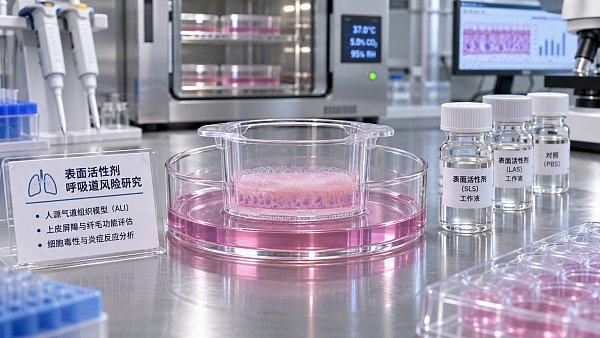
 Non-ionic Surfactants & DefoamersEPA Adopts Human Airway Tissue Method for Surfactant Inhalation Risk AssessmentEPA surfactant inhalation risk assessment may use human airway tissue. Explore potential impacts for industrial cleaners and the details still to verify.MORE+
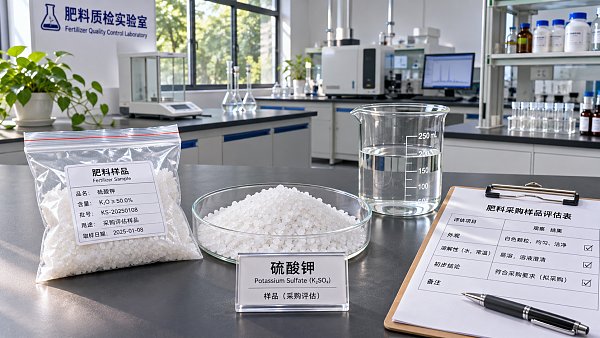
 Polymer-Coated Water Soluble NPKHow to Choose a Potassium Sulfate Fertilizer SupplierChoose a potassium sulfate fertilizer supplier with confidence. Compare product quality, delivered costs, reliability, and contract terms before you buy.MORE+
 Micelle Fluidics & ChelationHow to Use Cocamidopropyl Betaine for Hand Soap FormulasDiscover how to use cocamidopropyl betaine for hand soap, balance surfactants, adjust pH and viscosity, and troubleshoot common formulation issues.MORE+
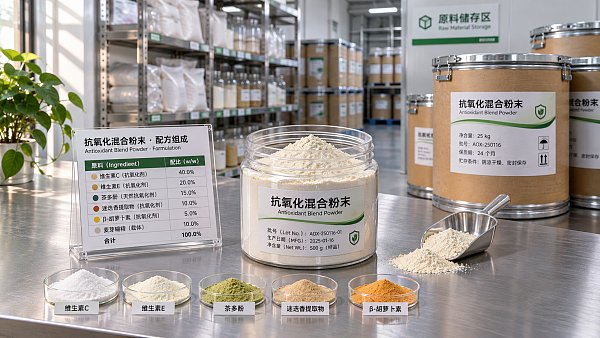
 Antioxidants & Natural PreservativesWhat Drives Antioxidant Blends Bulk Price Changes?Discover what drives antioxidant blends bulk price changes, from ingredient costs to delivery terms, and learn how to compare quotes for better value.MORE+
 Non-ionic Surfactants & DefoamersWhy Do Low Foam Linear Alcohol Ethoxylates Still Cause Foam?Why do low foam linear alcohol ethoxylates still foam? Discover common causes and practical troubleshooting tips to restore consistent performance.MORE+
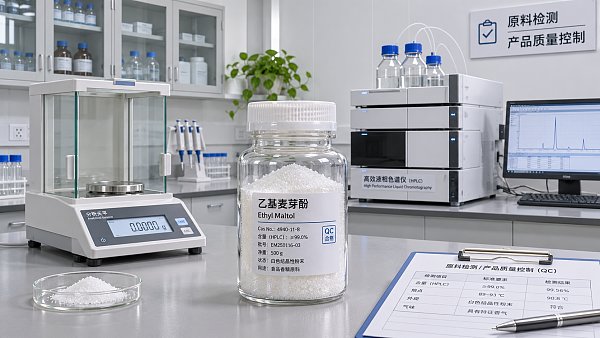
 Maillard Reaction Savory FlavorsHow Does an Ethyl Maltol Factory Control Product Quality?How does an ethyl maltol factory ensure consistent quality? Explore testing, contamination controls, traceability, and key questions to ask suppliers.MORE+
 Herbicides & Plant Growth RegulatorsBayer Launches First Group 12 Pre-Emergence Herbicide Convintro in the USBayer's Convintro brings a Group 12 pre-emergence herbicide option to US corn and soybean growers. Explore its potential role and key purchasing considerations.MORE+
 Herbicides & Plant Growth RegulatorsCalifornia Report Shows Continued Decline in High-Risk Pesticide UseCalifornia pesticide use reportedly declined 28% for carcinogen-classified products. Explore what this could mean for suppliers, buyers and market access.MORE+
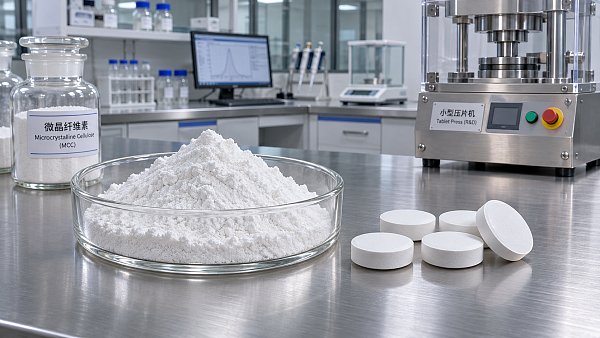
 Controlled-Release ThermodynamicsHow to Select a Microcrystalline Cellulose Excipient for TabletsChoose the right microcrystalline cellulose excipient for tablets. Compare MCC grades, processing properties, and supplier documentation with this practical guide.MORE+
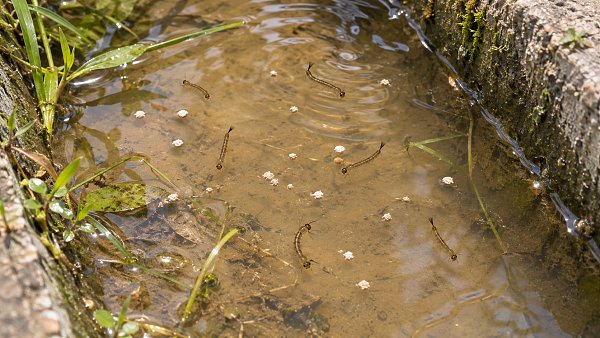
 Targeted Bio-pesticides & APIsHow Microbial Insecticides for Public Health Control MosquitoesDiscover how microbial insecticides for public health control mosquito larvae, and learn how to choose formulations and improve field results.MORE+
 Non-ionic Surfactants & DefoamersHow to Measure Foam Control Efficiency in Cleaning DefoamersMeasure cleaning defoamers foam control efficiency with practical tests, dose-response analysis, and plant trials to find the right solution for your process.MORE+
 Hydrocolloids & EmulsifiersHow to Use Hydrocolloid Stabilizer Blends for SaucesDiscover how to use hydrocolloid stabilizer blends for sauces to improve texture, prevent separation, and achieve consistent results from trial to production.MORE+
 Maillard Reaction Savory FlavorsHow Spray Dried Flavors Retain Flavor in Dry Food MixesDiscover how Spray Dried Flavors preserve aroma in dry food mixes, and learn how formulation, storage and packaging influence flavor quality.MORE+
 Micelle Fluidics & ChelationHow to Evaluate an Industrial Dispersants ManufacturerEvaluate an industrial dispersants manufacturer with confidence. Learn how to assess formulation performance, batch consistency, quality controls and supply risk.MORE+