Why Clean Label Food Emulsifiers Matter in Modern Formulation
Clean label food emulsifiers have moved from a packaging preference to a formulation constraint with direct effects on product design. A label that appears familiar to consumers still has to support oil-water stability, aeration, crumb softness, controlled fat crystallization, viscosity, flavor release, and shelf-life consistency. Replacing a conventional emulsifier therefore changes more than the ingredient statement. It can alter the way a batter mixes, the way a beverage survives temperature cycling, or the way a sauce separates after distribution.
The market pressure behind clean label positioning is clear: ingredient lists are being read more closely, and names perceived as simple, recognizable, or kitchen-derived carry greater value in many food categories. Yet “clean label” has no single technical definition. An ingredient accepted in one product concept may be unsuitable in another because of regional labeling conventions, source expectations, processing aids, allergen considerations, or the product's required texture. Formulation work starts with a more precise question: what function must the emulsifier system deliver, under which process and storage conditions, while fitting the intended label strategy?
The label and the interface are different problems
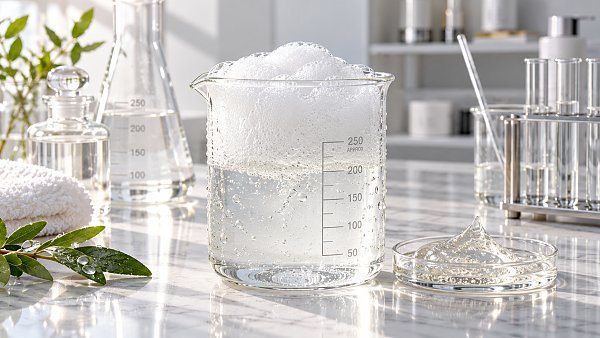
An emulsifier operates at the interface between ingredients that would otherwise separate, most commonly oil and water. Its molecular structure has both water-affinitive and oil-affinitive portions, allowing it to lower interfacial tension and help form smaller, more stable droplets. In a food product, however, its contribution rarely stops at droplet formation. It can interact with proteins, starch, hydrocolloids, fat crystals, air cells, and flavor compounds. The same material may improve one part of a system while weakening another.
That is why a shorter or more familiar ingredient declaration does not automatically indicate a simpler formulation. Lecithin, citrus fiber, starches, proteins, gum systems, oat-derived components, or other recognizable materials may contribute emulsification or stabilization, but they do so through different mechanisms. A phospholipid-rich lecithin can adsorb at an oil-water interface quickly. A protein may form a viscoelastic interfacial film. A hydrocolloid may not be the primary emulsifier at all, yet it can slow droplet movement by increasing viscosity in the continuous phase. These approaches can appear similar when a freshly made sauce looks smooth, but their behavior under heat, shear, acid exposure, freeze-thaw cycling, or long storage can diverge sharply.
Clean label food emulsifiers therefore matter because they force formulation teams to connect label language with physical performance rather than treating either subject as separate. The most credible products are built around a system in which the selected ingredient, process window, package, and distribution conditions support the same claim direction.
Why replacement projects often reveal hidden dependencies
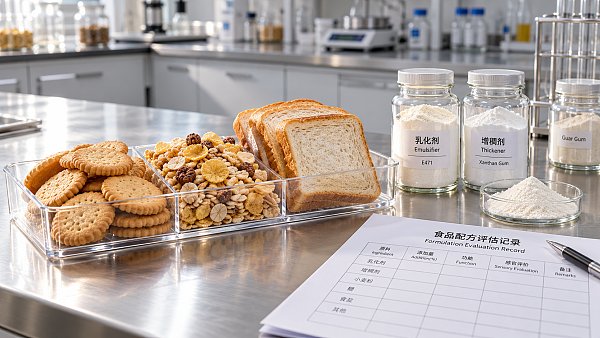
Conventional emulsifier systems are frequently used because they deliver reliable functionality at low use levels and tolerate manufacturing variation. When one is removed, the lost functionality may have been partially invisible. A bakery emulsifier, for example, may support batter aeration, improve gas-cell stability during baking, interact with starch during staling, and influence the perceived softness of the finished crumb. Replacing it solely by matching batter viscosity can lead to a loaf that appears acceptable on day one but firms more quickly or loses volume after routine line variation.
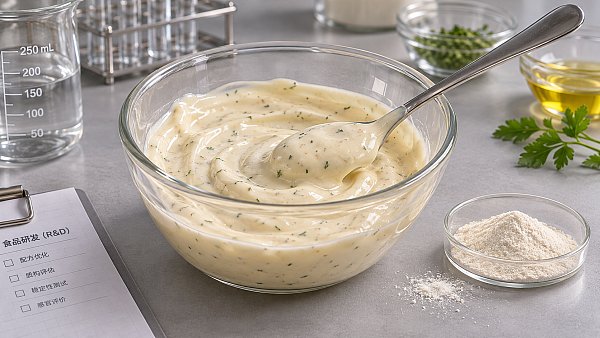
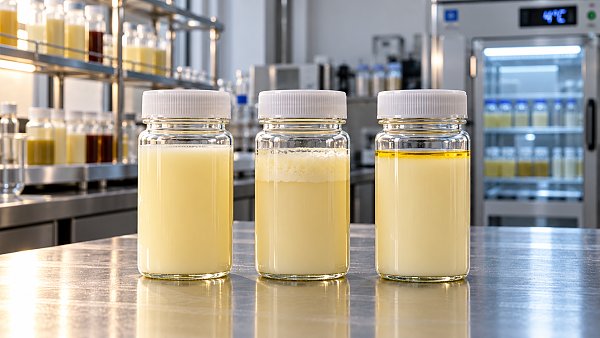
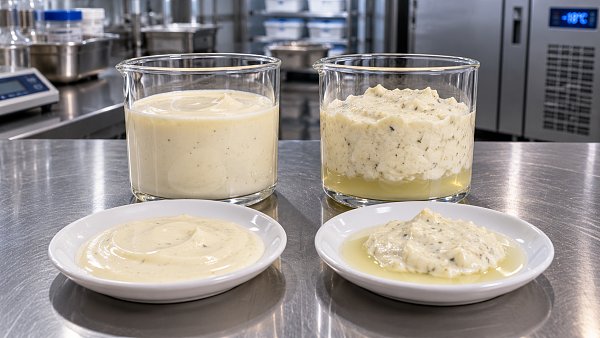
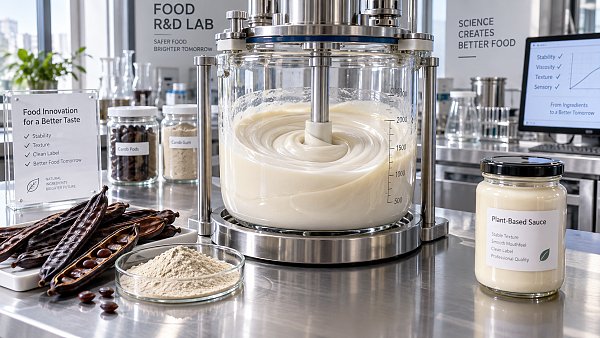
In dressings and sauces, the visual defect is often separation, but separation itself has several causes. Large droplets caused by insufficient homogenization are different from coalescence caused by weak interfacial coverage. Both differ from creaming, where droplets remain intact but migrate upward because density and viscosity are poorly balanced. A thickener may reduce creaming without preventing coalescence; a stronger emulsifier may protect droplets while leaving an unappealingly thin texture. Treating all three defects as an “emulsifier issue” is a common source of unnecessary reformulation cycles.
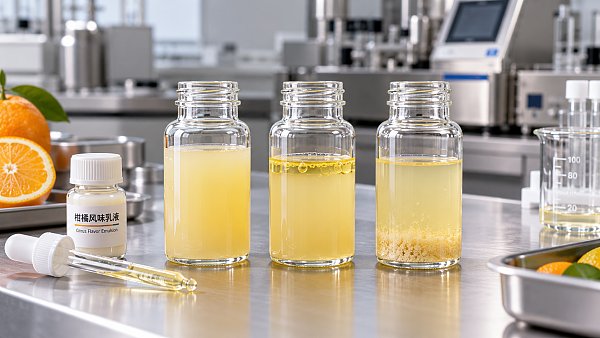
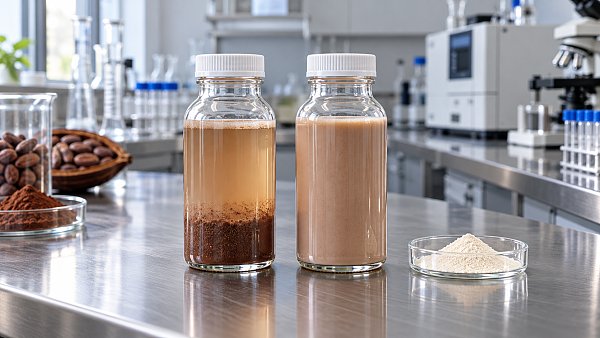
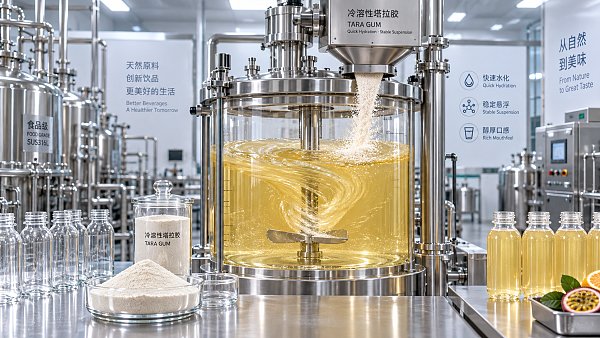
Acidified beverages present another form of hidden dependence. Protein-based systems can be stable at one pH and unstable near the protein's isoelectric region, where charge repulsion declines and particles aggregate. A plant-based beverage may also contain minerals, insoluble particles, or flavor oils that compete at interfaces. The ingredient choice has to be assessed alongside pH, ionic strength, thermal profile, homogenization pressure, order of addition, and the time between processing stages. A stable pilot sample prepared immediately before review is not sufficient evidence of commercial robustness.
Function changes with the food matrix
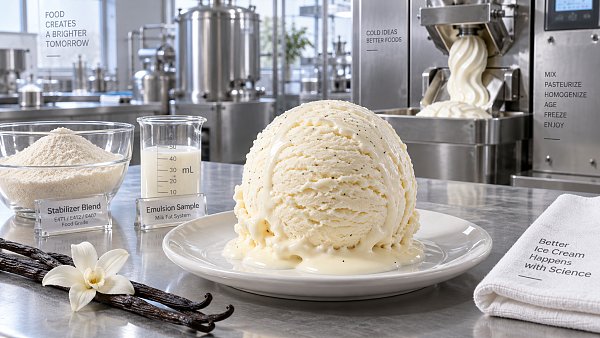
No material can be described as a universally effective clean label substitute because the matrix determines what “effective” means. In an oil-in-water beverage, rapid interfacial adsorption and droplet-size control are central. In an aerated frozen dessert, the system must manage fat destabilization and air-cell structure without producing a waxy or greasy melt. In a cake, the concern may be incorporation of fat and air before baking, followed by starch retrogradation during storage. In a nut or seed spread, low-water conditions shift attention toward oil binding, particulate suspension, and fat crystallization rather than classic oil-in-water emulsification.
Source variation deserves attention as well. Natural-origin materials may have broader compositional variation than highly standardized alternatives. That is not inherently a quality issue, but it requires an appropriate specification. Color, odor, phospholipid profile, moisture, insoluble matter, viscosity, microbiological status, and oxidation markers can each influence use in a sensitive food matrix. A material that works in a strongly flavored baked item may create an unacceptable note in a lightly flavored beverage or an emulsified nutritional product.
Processing conditions are part of ingredient selection
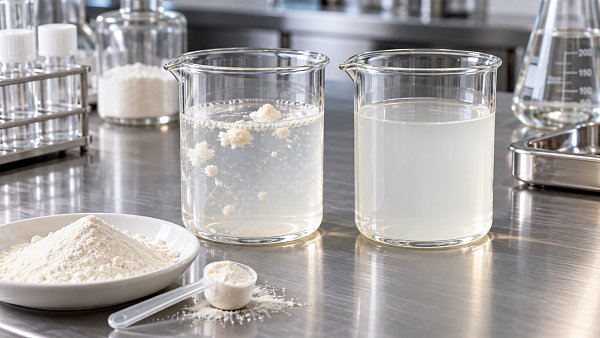
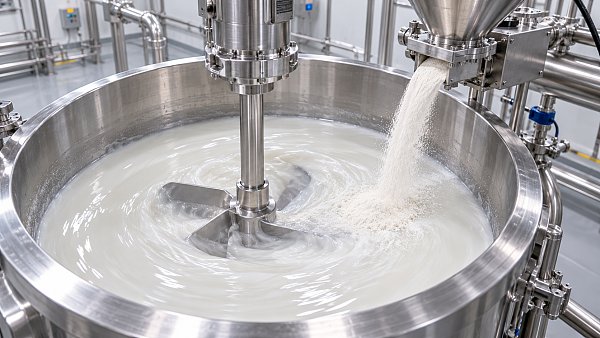
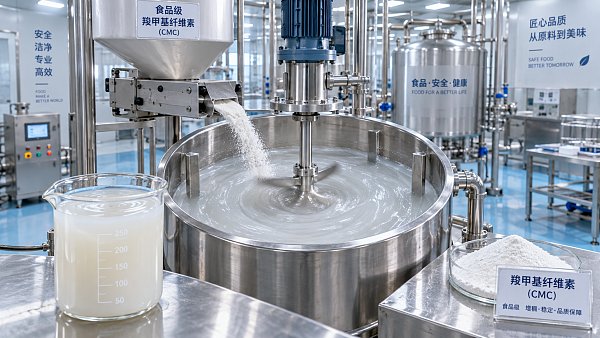
Many clean label failures originate in the process rather than in the raw material. The same formula can produce different droplet-size distributions when ingredient hydration time, premix temperature, mixing geometry, or homogenizer loading changes. If a hydrocolloid is introduced directly into a high-solids mixture without adequate dispersion, localized hydration can create fish-eyes or gel particles. If an emulsifying protein is exposed to unfavorable pH before oil addition, it may lose its ability to form a protective interface. If flavor oil is added too early or too late, its distribution may differ from bench-scale expectations.
Shear should be treated carefully. Higher shear often reduces droplet size and can improve emulsion stability, but only until the system reaches a practical limit. Excessive processing may damage delicate biopolymers, introduce foam, raise temperature, or expose more interfacial area than the available emulsifier can cover. A lower-viscosity premix can be easier to homogenize, while the finished product may need greater viscosity for suspension stability. That sequence sometimes calls for staged addition rather than a single all-in mixing procedure.
Heat adds another layer. Some emulsification systems strengthen during thermal processing because proteins unfold and create a firmer network; others lose function through denaturation, hydrolysis, or phase changes in the fat. Retort processing, hot filling, UHT treatment, baking, and pasteurization should not be treated as interchangeable stress tests. Their temperature-time profile, shear exposure, oxygen contact, and cooling rate are different, and each can expose a different weakness.
Texture and shelf life cannot be judged from appearance alone
A stable emulsion may still deliver the wrong eating experience. Very fine droplets can create opacity and body in a beverage, while a broad droplet-size distribution can create a richer sensory impression in a sauce. Higher continuous-phase viscosity may delay creaming but can mute flavor release or create a gummy finish. Some natural emulsifying systems introduce a cereal, legume, or seed-associated note that becomes more noticeable after storage. Masking the note with flavor is not always effective when oxidation, heat, or pH changes its character over time.
Shelf-life assessment should connect visual, physical, chemical, and sensory observations. Physical screening can include centrifugation, temperature cycling, particle or droplet-size monitoring, and viscosity tracking. These are useful comparative tools, but they do not replicate every transport or storage condition. A sample that survives centrifugation may still show a thin serum layer after repeated moderate temperature variation. Conversely, a minor visual ring at the top of a product may be reversible with gentle shaking and have little effect on use, while a subtle increase in graininess may indicate irreversible aggregation.
Oxidative stability requires particular care when the oil phase includes unsaturated fats or flavor oils. An emulsifier changes the location and area of the oil-water interface, which can affect exposure to pro-oxidant metals and oxygen. A formulation that looks physically stable can develop stale notes before it visibly separates. Ingredient quality, antioxidant strategy, oxygen management, packaging barrier, headspace, and trace metal control belong in the same evaluation, especially in products with long ambient distribution.
Claim language should follow formulation evidence
Clean label is often used as a broad market expression, but a food label is governed by ingredient identity, local rules, and substantiation for any associated claim. “Natural,” “recognizable,” “free from,” and similar descriptions do not carry identical meaning across markets. A replacement material may satisfy a product development preference while creating a different declaration issue because of its source, processing method, carrier, allergen status, or compound ingredient composition.
Documentation should be reviewed early enough to prevent late-stage label redesign. Relevant questions include the declared ingredient name, processing aids used upstream, composition range, carrier materials, allergen controls, country-specific status, handling requirements, and lot-to-lot specification. This work is not merely administrative. A technical data sheet that omits a carrier or fails to define an important compositional range can leave a formulation team unable to explain an unexpected change in product behavior.
There is also a practical distinction between reducing a label's perceived complexity and preserving a specific claim. Replacing one emulsifier with a blend of fibers, proteins, starches, and gums may achieve satisfactory performance, yet the final ingredient statement may not be viewed as simpler. The best route depends on the product's existing label, sensory target, permitted processing changes, and the degree of functional replacement required.
A more useful way to compare options
Early screening is stronger when materials are compared against a defined failure mode rather than against an abstract clean label ideal. The baseline should include the current product's key attributes: viscosity range, droplet or particle characteristics where relevant, appearance, processing tolerance, sensory profile, and stability at meaningful points in shelf life. The replacement should then be tested under realistic formulation variation, not only at the most favorable lab condition.
- For a beverage, compare sediment, phase separation, heat response, and flavor release after the intended process rather than evaluating a cold-mixed sample alone.
- For bakery, track batter density, deposit behavior, finished volume, crumb structure, and firmness progression; a visually similar batter can still bake differently.
- For sauces, distinguish temporary creaming from permanent coalescence before increasing stabilizer levels, since extra viscosity can conceal the defect without solving it.
- Where a natural-source ingredient is used, set acceptance criteria for the attributes that affect the finished product instead of relying only on a generic certificate of analysis.
Supply continuity also intersects with formulation reliability. A technically suitable material with variable lead time, limited regional availability, or inconsistent physical form can create production changes that are mistaken for formula failure. Powder flow, dispersibility, storage temperature, moisture sensitivity, and packaging integrity affect how an ingredient performs before it ever reaches the finished food. A change from one lot to another should be interpreted against raw-material analytics and process records, not sensory impressions alone.
The strongest clean label emulsifier strategy is usually a balanced system rather than a single-ingredient substitution. It aligns a credible ingredient declaration with the actual physics of the food, retains enough process tolerance for normal manufacturing variation, and sets performance expectations that match the product category. That discipline turns clean label from a surface-level claim into a formulation choice that remains defensible after processing, distribution, and shelf life.
Facing technical bottlenecks in manufacturing or looking for more efficient industrial solutions? Leave your details below and let the engineering experts at FCAS solve them for you.
We respect your privacy. Your information is strictly confidential.
Related News
 Hydrocolloids & EmulsifiersHow Does Agar Work as a Gelling Agent in Food?Discover how agar transforms liquids into firm gels, what affects texture and setting, and how to troubleshoot common problems in food formulations.MORE+
 Hydrocolloids & EmulsifiersHow Do Hydrocolloid Gums Improve Texture and Stability in Foods?Discover how hydrocolloid gums improve food texture and stability, and learn how to choose the right gum for your formulation.MORE+
 Hydrocolloids & EmulsifiersHow to Use Hydrocolloid Stabilizer Blends for SaucesDiscover how to use hydrocolloid stabilizer blends for sauces to improve texture, prevent separation, and achieve consistent results from trial to production.MORE+
 Hydrocolloids & EmulsifiersWhat to Look for in a Konjac Gum ManufacturerChoosing a konjac gum manufacturer? Learn how to assess quality, consistency, food safety, pricing, and supply reliability before you buy.MORE+
 Hydrocolloids & EmulsifiersHow to Choose Flavor Carriers for Spray Dried FlavorsChoose flavor carriers for spray dried flavors with confidence. Compare maltodextrin, gum arabic and modified starch for retention, stability and release.MORE+
 Hydrocolloids & EmulsifiersHow to Use Tara Gum for Dessert Toppings With Better StabilityDiscover how to use tara gum for dessert toppings to improve texture and stability, with practical hydration, formulation, and testing tips.MORE+
 Hydrocolloids & EmulsifiersHow Seaweed Extract Hydrocolloids Improve Food TextureSeaweed Extract Hydrocolloids improve food texture and stability. Discover how alginate, carrageenan, and agar perform in real formulations.MORE+
 Hydrocolloids & EmulsifiersWhat to Check Before Buying Carboxymethyl Cellulose WholesaleBuying carboxymethyl cellulose wholesale? Learn how to compare grades, supplier documents, performance and delivered costs before placing your order.MORE+
 Hydrocolloids & EmulsifiersHow Cocamidopropyl Betaine Improves Foam in Bath ProductsDiscover how cocamidopropyl betaine for bath products can enhance foam, support a creamy lather, and help formulators improve bath and shower products.MORE+
 Hydrocolloids & EmulsifiersHow Does Low DE Maltodextrin Affect Texture in Powdered Drinks?Discover how low de maltodextrin adds body to powdered drinks with minimal sweetness. Learn how to select grades, improve mixing, and fine-tune texture for a better drinking experience.MORE+
 Hydrocolloids & EmulsifiersHow Do You Choose Flavor Emulsions for Beverages With Low Sugar?Choose flavor emulsions for beverages with low sugar. Learn how to balance taste, validate stability, compare cost per dose, and meet labeling requirements for a confident selection.MORE+
 Hydrocolloids & EmulsifiersNutrition Experts Urge White House to Define Ultra-Processed FoodsUltra-processed foods face a push for an official White House definition. Explore what the proposed criteria could mean for ingredient suppliers and food product development.MORE+
 Hydrocolloids & EmulsifiersHow Can Flavor Emulsions for Beverages Stay Stable During Storage?Keep flavor emulsions for beverages stable during storage. Discover practical ways to control droplet size, prevent oil rings, protect aroma, and validate shelf life.MORE+
 Hydrocolloids & EmulsifiersHow Does Locust Bean Gum Compare With Guar Gum as a Thickener?Compare locust bean gum thickener with guar gum for hydration, texture, stability, and cost. Discover which option fits your process and delivers better product performance.MORE+
 Hydrocolloids & EmulsifiersHow Can You Verify Quality at a Microcrystalline Cellulose Factory?Verify quality at a microcrystalline cellulose factory with practical audit tips on traceability, testing, and batch consistency. Explore the guide to make confident sourcing decisions.MORE+
 Hydrocolloids & EmulsifiersHow Do Clean Label Stabilizer Blends Prevent Separation in Drinks?Discover how clean label stabilizer blends help reduce drink separation while preserving texture. Learn how to choose and validate the right blend for your beverage.MORE+
 Hydrocolloids & EmulsifiersHow to Choose Food Thickeners That Keep Sauces Stable After FreezingChoose Food Thickeners that keep frozen sauces smooth and stable. Compare starches, gums, and freeze–thaw tests to reduce water separation and find the right fit for your formulation.MORE+
 Hydrocolloids & EmulsifiersHow to Prevent Lumps When Mixing Powder Hydrocolloid Stabilizer BlendsPrevent lumps in powder hydrocolloid stabilizer blends with practical tips on feeding, dispersion, temperature, and hydration. Learn how to achieve smoother, more consistent batches.MORE+
 Hydrocolloids & EmulsifiersHow Can You Use Carboxymethyl Cellulose for Food Thickening Without Clumps?Use carboxymethyl cellulose for food thickening without clumps. Discover practical dispersion, mixing, and hydration tips for smoother textures and fewer wasted batches.MORE+
 Hydrocolloids & EmulsifiersWhich Encapsulation Wall Materials for Flavors Work Best in Baking?Compare encapsulation wall materials for flavors in baking. Explore starch, gum arabic, protein and lipid options to improve aroma retention and find the right fit for your products.MORE+
 Hydrocolloids & EmulsifiersHow Locust Bean Gum Improves Texture and Stability in Dairy ProductsLocust bean gum for dairy products improves creaminess, reduces whey separation, and supports stable yogurt, ice cream, spreads, and dairy drinks.MORE+
 Hydrocolloids & EmulsifiersWhy Clean Label Food Emulsifiers Matter in Modern FormulationClean label food emulsifiers shape stability, texture, processing, and shelf life. Explore practical formulation insights for beverages, sauces, bakery, and more.MORE+
 Hydrocolloids & EmulsifiersHow Natural Food Emulsifiers Improve Plant-Based Product TextureNatural food emulsifiers for plant based products improve creaminess, stability, and texture. Explore practical formulation strategies for beverages, dressings, desserts, and more.MORE+
 Hydrocolloids & EmulsifiersHow Konjac Gum Powder Improves Texture in Low-Calorie FoodsKonjac gum powder improves body, stability, and mouthfeel in low-calorie foods. Discover practical tips for smoother sauces, beverages, and reduced-fat formulations.MORE+
 Hydrocolloids & EmulsifiersHow Bulk Price Factors Affect Hydrocolloid Stabilizer Blend SourcingHydrocolloid stabilizer blends bulk price: compare dosage efficiency, quality consistency, logistics, and documentation to reduce total sourcing costs.MORE+
 Hydrocolloids & EmulsifiersHow Hydrocolloid Systems for Meat Products Improve Texture and YieldHydrocolloid systems for meat products improve yield, texture, water retention, and slicing quality. Explore practical formulation strategies for stable, high-performing meat products.MORE+
 Hydrocolloids & EmulsifiersHow Locust Bean Gum Thickener Improves Texture and StabilityLocust bean gum thickener improves texture, water retention, suspension, and stability. Learn practical hydration and blending tips for better product performance.MORE+
 Hydrocolloids & EmulsifiersChoosing Maltodextrin for Flavor Carriers in Dry Food BlendsMaltodextrin for flavor carriers: discover how to optimize aroma protection, powder flow, moisture control, compliance, and supply reliability in dry food blends.MORE+
 Hydrocolloids & EmulsifiersHow Guar Gum Derivatives Solve Texture and Stability IssuesGuar Gum Derivatives help solve texture, settling, separation, and viscosity loss. Discover practical formulation strategies for stable, high-performing products.MORE+
 Hydrocolloids & EmulsifiersHow Non-GMO Food Emulsifiers Improve Label-Friendly FormulationsNon-GMO food emulsifiers help create stable, label-friendly sauces, beverages, bakery products, and frozen foods. Explore sourcing, processing, and formulation insights.MORE+
 Hydrocolloids & EmulsifiersWhat to Evaluate When Choosing a Hydrocolloid Systems ManufacturerHydrocolloid systems manufacturer selection made easier: evaluate performance, documentation, supply reliability, and total cost for dependable results.MORE+
 Hydrocolloids & EmulsifiersWhat to Check Before Buying Natural Food Emulsifiers WholesaleNatural food emulsifiers wholesale: learn how to evaluate label fit, formula performance, documentation, supplier reliability, and total landed cost before buying.MORE+
 Hydrocolloids & EmulsifiersPreventing Melt-Down With Ice Cream Stabilizer Blend SelectionHydrocolloid stabilizer blends for ice cream: diagnose melt-down, improve creamy melt quality, and select formulas for stable texture and cold-chain resilience.MORE+
 Hydrocolloids & EmulsifiersWhen Cold Soluble Tara Gum Is the Right Choice for Beverage FormulasCold soluble tara gum helps beverage formulators achieve rapid hydration, smooth texture, and reliable stability. Explore when it delivers the right processing advantage.MORE+
 Hydrocolloids & EmulsifiersHow High Viscosity Locust Bean Gum Improves Texture StabilityHigh viscosity locust bean gum improves texture stability, water control, and mouthfeel in dairy, sauces, fillings, and frozen foods. Explore practical selection insights.MORE+
 Hydrocolloids & EmulsifiersFood Texturants: How to Match Hydrocolloids to Beverage and Sauce SystemsFood texturants guide: match hydrocolloids to beverage and sauce systems for stable texture, smooth processing, and better sensory performance.MORE+
 Hydrocolloids & EmulsifiersChoosing Cold Soluble Hydrocolloid Systems for Instant Beverage TextureCold soluble hydrocolloid systems for instant beverages: compare dispersion, texture, stability, process fit, and cost to select the right solution for scalable production.MORE+
 Hydrocolloids & EmulsifiersWhy Spray Dried Gum Arabic Is Used to Improve Powder StabilitySpray dried gum arabic improves powder stability by protecting sensitive ingredients, supporting flow, and enhancing water dispersibility. Discover its key benefits.MORE+
 Hydrocolloids & EmulsifiersHow to Select Flavor Emulsions That Keep Juice Drinks Smooth and StableFlavor emulsions for juice drinks: learn how to select stable systems that prevent oil rings, maintain cloud, protect aroma, and support smooth shelf-life performance.MORE+
 Hydrocolloids & EmulsifiersWhy Gellan Gum Is Used to Control Texture in Modern FoodsGellan Gum gives modern foods precise texture control, from light beverage suspension to clean gels and creamy body. Explore uses, processing factors, and formulation tips.MORE+