How Potassium Sorbate Extends Shelf Life in Food and Beverage Products
How Potassium Sorbate Extends Shelf Life in Food and Beverage Products
For quality control and food safety teams, potassium sorbate is most valuable when it prevents predictable yeast and mold spoilage within a validated formulation.
It is not a universal preservation solution. Its performance depends heavily on product acidity, microbial load, water activity, processing hygiene, packaging integrity, and storage conditions.
When these factors are controlled, potassium sorbate can help manufacturers protect sensory quality, reduce spoilage claims, and support dependable distribution shelf life.
Why Potassium Sorbate Is Used in Food and Beverage Preservation
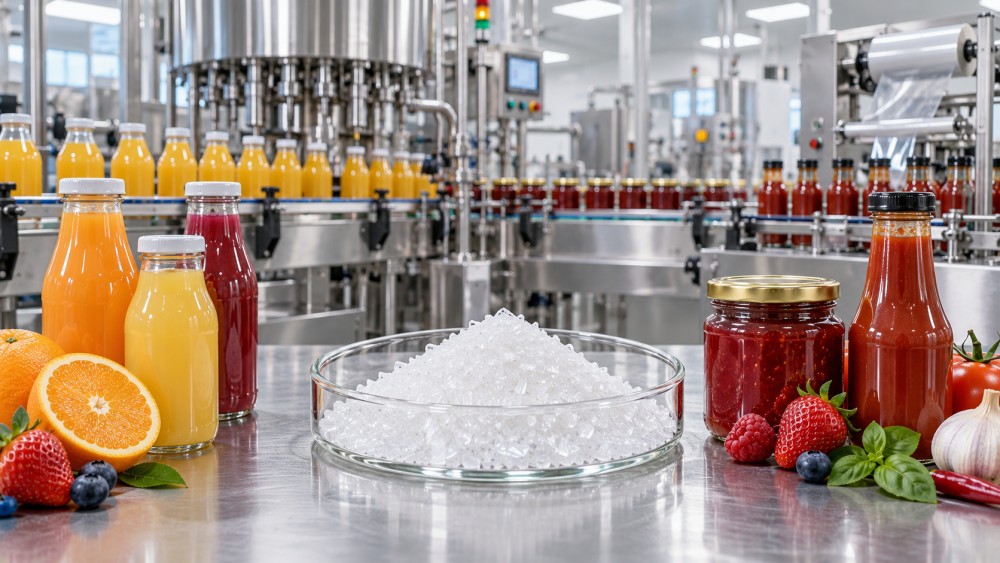
Potassium sorbate is the potassium salt of sorbic acid, a widely used preservative that primarily inhibits molds, yeasts, and selected microorganisms.
It is commonly selected because it has good water solubility, relatively low sensory impact at appropriate levels, and broad application potential.
Food manufacturers use it in products where fungal spoilage presents a practical commercial risk, particularly during storage, transport, retail display, and household use.
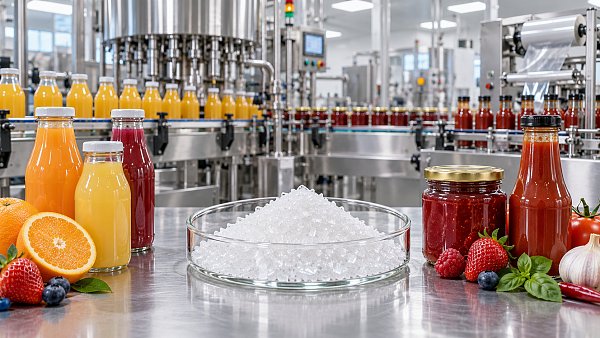
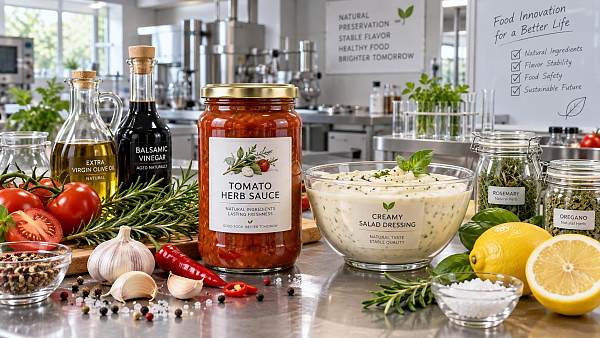
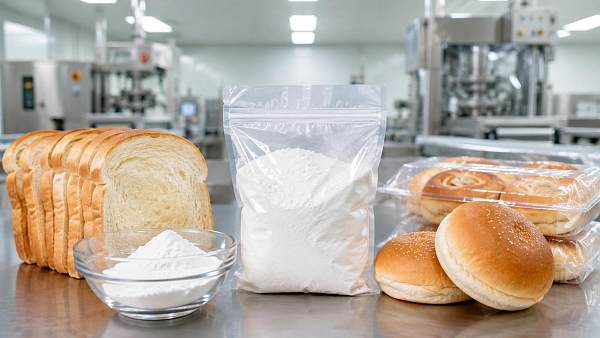
Typical applications include fruit beverages, concentrates, syrups, sauces, dressings, bakery fillings, dairy alternatives, cheese products, jams, and confectionery systems.
Its main benefit is not simply extending a date label. It helps maintain the intended product condition throughout the distribution chain.
For quality teams, that means fewer swollen packages, visible mold incidents, fermentation defects, off-odors, gas formation, and customer complaints.
Potassium sorbate is especially relevant where a product has enough moisture and nutrient availability to support yeast or mold growth after processing.
It is often used alongside other preservation controls rather than as the only barrier protecting finished product microbiological stability.
A practical preservation program combines appropriate formulation design, validated heat treatment, sanitation controls, approved packaging, and controlled storage conditions.
This multi-hurdle approach gives potassium sorbate a defined role and reduces the risk of overreliance on a single additive.
How Potassium Sorbate Controls Yeast and Mold Growth
The antimicrobial effect comes mainly from undissociated sorbic acid, which can enter microbial cells and interfere with important metabolic functions.
Once inside susceptible yeast or mold cells, sorbic acid can disrupt enzyme activity, membrane processes, and growth-related energy pathways.
The result is generally growth inhibition rather than immediate sterilization. Existing contamination can remain a problem if initial microbial levels are excessive.
This distinction matters for food safety management. Potassium sorbate should support good manufacturing practice, not compensate for poor sanitation or contaminated raw materials.
Its strongest practical activity is against spoilage yeasts and molds, including organisms that may survive acidic conditions unsuitable for many bacteria.
Some acid-tolerant yeasts can still challenge preserved beverages, fruit preparations, and sauces, especially when filling hygiene or packaging seals are inconsistent.
Manufacturers should therefore evaluate likely spoilage organisms in their own products rather than assuming laboratory data applies to every production environment.
Challenge testing, environmental monitoring, retained-sample observation, and complaint trend analysis provide more useful evidence than generic preservative assumptions.
Potassium sorbate is not normally the primary control for pathogenic bacteria. A product safety plan must separately address bacterial hazards through validated controls.
Those controls may include acidification, thermal processing, refrigerated storage, water activity reduction, hygienic design, and raw material supplier qualification.
Why pH Is the Most Important Performance Variable
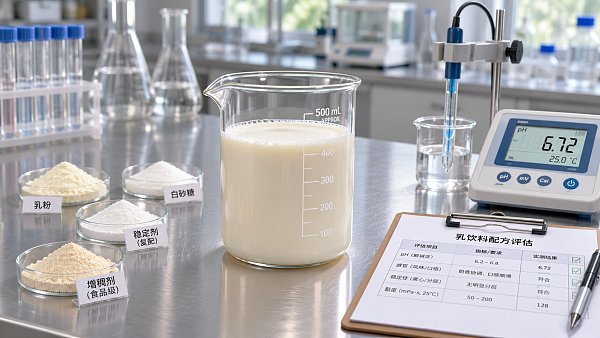
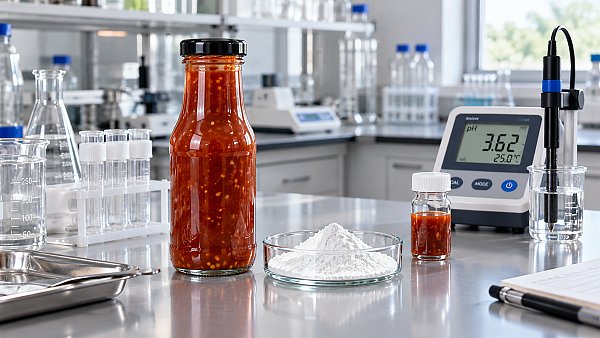
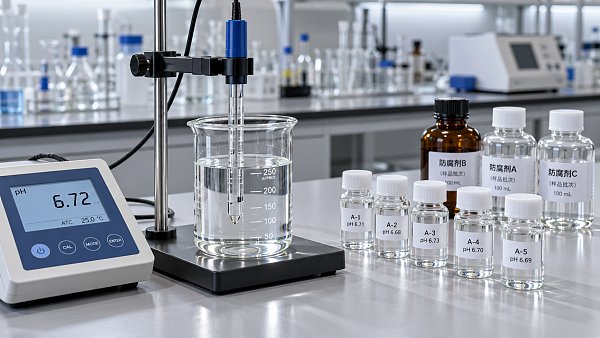
pH is usually the first technical question when evaluating potassium sorbate because preservative activity changes substantially with product acidity.
At lower pH, a greater proportion of sorbic acid remains undissociated, which generally improves its ability to inhibit target spoilage organisms.
As pH increases, the active undissociated fraction decreases. A formulation that performs well at pH 3.5 may behave differently near pH 5.5.
Quality teams should confirm finished-product pH, not only the theoretical formulation value calculated from ingredient specifications or batch recipes.
Natural raw material variation, buffering ingredients, water quality, fruit content, protein systems, and process adjustments can all influence final pH.
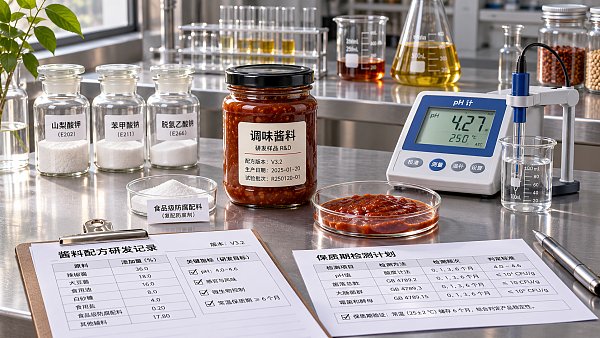
For acidic beverages and sauces, routine pH monitoring is therefore closely connected to preservative performance and shelf-life consistency.
Product development teams should establish a realistic operating range, action limits, test frequency, and corrective process when measured pH moves outside specification.
It is also important to consider pH drift during storage. Fermentation, ingredient interactions, or packaging-related changes can affect product stability over time.
When a formulation operates close to its microbial stability limit, small pH changes may create a disproportionate increase in spoilage risk.
A controlled formulation target is more reliable than designing a product around the highest pH that may appear technically acceptable.
Choosing the Right Dosage Requires More Than a Legal Maximum
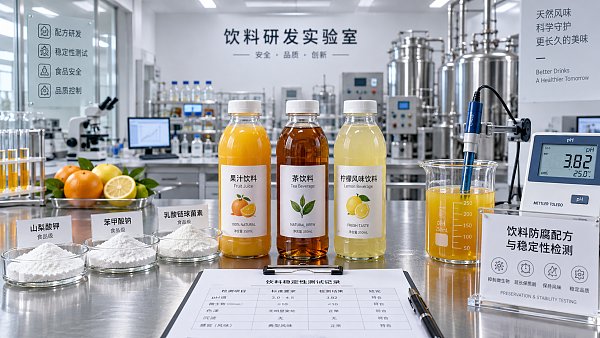
Potassium sorbate dosage should be determined through technical validation, applicable regulations, sensory testing, and the actual spoilage risk of the finished product.
Using the maximum permitted level does not automatically provide the best outcome. Excess use can increase cost and may affect flavor perception.
Conversely, a low concentration selected only for label or cost reasons may fail when storage temperatures rise or microbial pressure increases.
Regulatory limits differ by country, food category, and product type. Manufacturers must verify current local requirements for each target market.
Specifications should clearly state whether limits and test methods are expressed as sorbic acid equivalents or as potassium sorbate quantities.
This point can affect calculations, supplier certificates, batch records, regulatory declarations, and communication between procurement and quality assurance teams.
A dosage study should include expected production variability, worst-case storage conditions, intended shelf life, package format, and likely consumer handling after opening.
For products distributed across long distances, temperature abuse scenarios deserve particular attention because warm storage accelerates fungal growth and product deterioration.
Preservative validation is strongest when it combines microbiological challenge testing with real-time shelf-life studies using commercial-scale or representative pilot batches.
Testing should compare control samples and preserved samples, identify relevant organisms, and define objective acceptance criteria before commercial launch.
Formulation Compatibility Can Decide Whether the Preservative Works
Potassium sorbate must be evaluated within the full formulation because ingredients can alter solubility, pH, microbial behavior, and preservative availability.
High sugar levels can reduce water activity and support preservation, but they may also select for osmophilic yeasts capable of surviving stressful conditions.
Proteins, starches, hydrocolloids, flavor emulsions, and particulate ingredients can create complex microenvironments that require product-specific assessment.
In beverages, poor dissolution or inadequate mixing may cause uneven preservative distribution, leaving some portions less protected than others.
Manufacturers commonly dissolve potassium sorbate in a suitable water phase before adding it to the batch under controlled mixing conditions.
Water temperature, order of addition, mixing time, and batch volume should be documented where they influence dissolution and uniformity.
Acidification sequence also matters. Adding acids, sweeteners, flavors, or stabilizers in different orders can alter process behavior and final pH control.
In some systems, potassium sorbate may be paired with other authorized preservatives or preservation hurdles to broaden practical spoilage protection.
Such combinations need formal validation because ingredient interactions, sensory effects, labeling requirements, and permitted use levels may differ by market.
Procurement teams should avoid treating preservative replacement as a simple kilogram-for-kilogram sourcing decision without technical review of the full formula.
Processing and Packaging Still Determine Shelf-Life Results
Even an appropriate potassium sorbate level cannot reliably protect a product that receives excessive microbial contamination during manufacturing or filling.
Quality assurance should review raw material specifications, cleaning effectiveness, equipment sanitation, personnel practices, air quality, and post-process handling controls.
Particular attention is needed after heat treatment, where contamination introduced through fillers, caps, transfer lines, or cooling equipment can undermine product stability.
Environmental monitoring should focus on areas where yeasts and molds can persist, including drains, wet surfaces, gasket assemblies, fillers, and packaging zones.
For beverages, package closure integrity is a critical preservation factor. Oxygen ingress, leakage, or contaminated closures can support spoilage during distribution.
For sauces and semi-solid foods, headspace conditions, filling temperature, seal performance, and product residues around closures require routine verification.
Packaging selection should account for product acidity, intended storage temperature, moisture transfer, oxygen barrier needs, and compatibility with the preservative system.
Retained samples should be stored under both normal and reasonably foreseeable abuse conditions to understand actual shelf-life behavior beyond ideal warehouse assumptions.
Useful observations include gas formation, swelling, haze, sediment changes, visible mold, pH variation, odor change, flavor degradation, and microbial counts.
Trend data from these checks can reveal whether failures originate from formulation weakness, process deviation, raw material variation, or logistics conditions.
Common Quality Failures and How to Investigate Them
A product can fail despite meeting its potassium sorbate specification. In many cases, the issue is process control rather than preservative identity.
Visible mold near the cap or lid may indicate closure contamination, poor seal integrity, headspace exposure, or residue left during filling.
Cloudiness, gas formation, and fermented aromas in acidic beverages may point to yeast contamination, insufficient acidity, or poor filling hygiene.
Batch-to-batch variation can result from inaccurate dosing, incomplete dissolution, pH measurement errors, inconsistent raw material acidity, or mixing limitations.
When failures occur, teams should first confirm product identity, batch records, dosage calculations, pH results, processing parameters, and package integrity findings.
Microbiological identification is also important. Knowing the specific spoilage organism helps determine whether the preservative system should be adjusted or sanitation improved.
Do not assume that a higher dose is the correct corrective action. It can mask the true cause while adding cost or sensory risk.
A structured investigation should compare failed and compliant batches, inspect production conditions, review supplier changes, and examine transport history where available.
Corrective actions may include tighter pH limits, revised addition procedures, sanitation improvements, packaging changes, enhanced environmental monitoring, or reformulation trials.
Each corrective action should be verified with follow-up production data and shelf-life testing rather than considered complete after a single satisfactory batch.
Supplier Documentation and Regulatory Control Matter
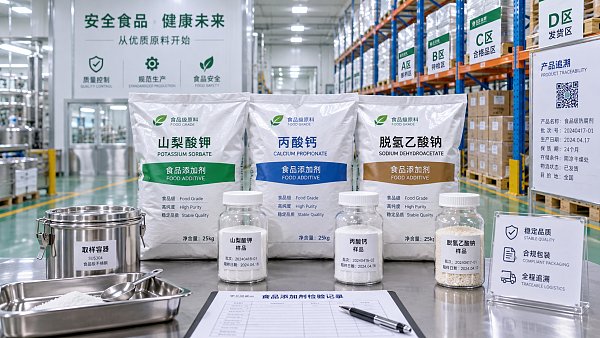
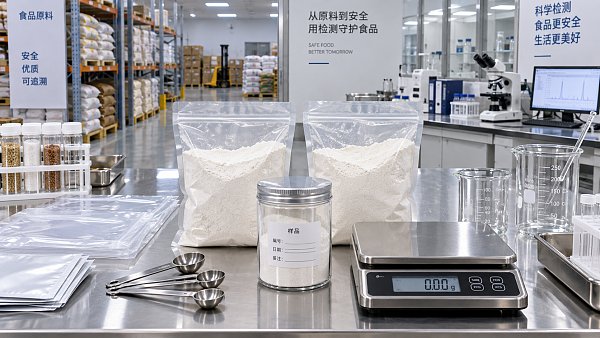
For a food-grade potassium sorbate purchase, quality teams should assess more than price, assay value, and basic appearance.
Relevant documentation may include certificates of analysis, food-grade compliance statements, allergen information, origin details, safety data, and traceability records.
Specifications should define assay, moisture, insoluble matter, particle characteristics where relevant, microbiological expectations, packaging requirements, and storage conditions.
Supplier qualification should also consider batch consistency, change notification procedures, manufacturing controls, analytical capability, complaint response, and logistics reliability.
Incoming inspection plans should be risk-based. They may include identity verification, certificate review, package condition checks, and periodic independent testing.
Storage controls are important because damaged packaging, moisture exposure, or poor stock rotation can affect handling quality and material usability.
Finished-product labels must reflect applicable local rules. Permitted names, additive codes, declarations, maximum levels, and category definitions vary among jurisdictions.
Regulatory affairs teams should review the intended market before launch, particularly when products are exported or sold through multiple regional channels.
Claims such as “preservative-free” or “clean label” require special care because they can conflict with formulation choices or market expectations.
Clear cross-functional communication between procurement, R&D, quality, regulatory, and commercial teams prevents avoidable rework after scale-up or export approval.
Building a Reliable Shelf-Life Decision Framework
Potassium sorbate is most effective when teams evaluate it as one component of a defined shelf-life system, not as an isolated ingredient.
The core questions are straightforward: what organisms are likely, what conditions support them, and which validated barriers prevent their growth?
Start with product pH, water activity, intended shelf life, process lethality, post-process contamination risk, package design, and storage conditions.
Then confirm that potassium sorbate dosage, dissolution method, regulatory status, and sensory profile are appropriate for the specific product and market.
Finally, verify commercial performance through challenge testing, retained samples, manufacturing records, complaint reviews, and periodic shelf-life reassessment.
For quality control and food safety teams, this approach creates clearer decisions than relying on generic dosage guidance or supplier claims alone.
Potassium sorbate can provide dependable mold and yeast control, but only when supported by disciplined formulation, hygienic processing, suitable packaging, and evidence-based verification.
Used correctly, it helps food and beverage manufacturers protect product quality, reduce spoilage risk, and deliver the shelf-life performance customers expect.
Facing technical bottlenecks in manufacturing or looking for more efficient industrial solutions? Leave your details below and let the engineering experts at FCAS solve them for you.
We respect your privacy. Your information is strictly confidential.
Related News
 Antioxidants & Natural PreservativesHow Do Food Preservative Blends for Dairy Beverages Work?Food preservative blends for dairy beverages work differently across formulations. Discover how pH, processing and testing shape shelf-life performance.MORE+
 Antioxidants & Natural PreservativesIndexBox Forecasts Moderate BHT Market Growth Through 2035BHT market growth is forecast at 2.5% annually through 2035. Explore the demand drivers and what the outlook means for suppliers and buyers.MORE+
 Antioxidants & Natural PreservativesHow Do Food Preservation Ingredients Extend Shelf Life?Food Preservation Ingredients extend shelf life by slowing microbial growth and oxidation. Discover how to select and validate the right solution for your product.MORE+
 Antioxidants & Natural PreservativesWhat Drives Antioxidant Blends Bulk Price Changes?Discover what drives antioxidant blends bulk price changes, from ingredient costs to delivery terms, and learn how to compare quotes for better value.MORE+
 Antioxidants & Natural PreservativesWhat Affects Benzyl Alcohol Wholesale Pricing and Quality?Benzyl alcohol wholesale prices vary by purity, packaging, and delivery terms. Learn how to compare quality and total costs before you buy.MORE+
 Antioxidants & Natural PreservativesHow Preservative Blends Help Control Spoilage in FoodsPreservative Blends can help control food spoilage and support shelf life. Discover how to select and validate the right system for your product.MORE+
 Antioxidants & Natural PreservativesWhat Affects the Bulk Price of Food Preservation Ingredients?Explore what drives the food preservation ingredients bulk price, from specifications and order volume to freight, compliance, and supplier reliability.MORE+
 Antioxidants & Natural PreservativesHow to Choose Tocopherols for Food Oxidation ControlDiscover how to choose Tocopherols for food oxidation control. Compare profiles, dosage, formulation compatibility, and shelf-life testing.MORE+
 Antioxidants & Natural PreservativesHow Does pH Affect the Performance of Antimicrobial Preservatives?Antimicrobial Preservatives perform differently as pH shifts. Learn how to select effective systems, avoid formulation pitfalls, and validate lasting product protection.MORE+
 Antioxidants & Natural PreservativesHow to Select Natural Food Preservatives for Chilled Ready MealsSelect natural food preservatives for ready meals with confidence. Compare options, assess pH and packaging, and validate shelf life while protecting taste. Explore the guide.MORE+
 Antioxidants & Natural PreservativesWhat Affects the Bulk Price of Antioxidant Blends for Food Use?Compare antioxidant blends bulk price factors, from active concentration to dosage and delivery costs. Learn how to assess quotes and choose better value for food applications.MORE+
 Antioxidants & Natural PreservativesHow Do Propionates Prevent Mold Without Slowing Yeast in Bread?Propionates help delay mold in bread while allowing effective proofing. Discover how pH, dosage, and process control balance longer shelf life with yeast performance.MORE+
 Antioxidants & Natural PreservativesWhat Makes Stable Synthetic Aroma Chemicals Resist Degradation?Learn why stable synthetic aroma chemicals resist degradation, how formulation and packaging affect performance, and what to test when choosing ingredients for lasting fragrance quality.MORE+
 Antioxidants & Natural PreservativesHow Do You Choose a Natural Food Preservatives Supplier You Can Trust?Choose a natural food preservatives supplier you can trust. Learn how to verify compliance, validate performance, and assess supply reliability before you buy.MORE+
 Antioxidants & Natural PreservativesWhat Determines TBHQ Bulk Price and How Can You Compare Quotes?Compare tbhq bulk price with confidence. Discover key cost drivers, specification checks, and landed-cost essentials to evaluate supplier quotes and avoid hidden costs.MORE+
 Antioxidants & Natural PreservativesHow to Choose Food Preservation Ingredients for Beverages That LastChoose food preservation ingredients for beverages with confidence. Explore pH, microbial control, compliance, and testing to protect flavor and achieve reliable shelf life.MORE+
 Antioxidants & Natural PreservativesWhat Purity Tests Are Needed for Cosmetic Grade Butylparaben?Cosmetic grade butylparaben needs more than a high assay. Discover essential purity tests, impurity controls, and supplier checks to make confident sourcing decisions.MORE+
 Antioxidants & Natural PreservativesTBHQ Antioxidant Performance, Limits, and Food Safety ComplianceTBHQ antioxidant performance, legal limits, and food safety compliance explained. Learn practical controls for oils, frying, packaging, shelf life, and documentation.MORE+
 Antioxidants & Natural PreservativesNatural Food Preservatives for Sauces That Protect Shelf LifeNatural food preservatives for sauces: discover practical strategies for safer shelf life, clean-label formulation, pH control, packaging, and validation.MORE+
 Antioxidants & Natural PreservativesHow Herbal Extracts for Functional Foods Support Product DevelopmentHerbal extracts for functional foods: explore smarter selection, sensory balance, processing stability, documentation, and scalable supply for successful product development.MORE+
 Antioxidants & Natural PreservativesWhat Quality Checks Matter When Sourcing Butylparaben for Personal CareButylparaben for personal care sourcing guide: compare assay, impurities, physical performance, documentation, traceability, and supplier quality to reduce formulation risk.MORE+
 Antioxidants & Natural PreservativesWhen Propyl Gallate Antioxidant Is the Right Choice for Oil StabilityPropyl gallate antioxidant: learn when it is the right choice for oil stability, shelf-life protection, processing compatibility, and smarter formulation decisions.MORE+
 Antioxidants & Natural PreservativesHow Potassium Sorbate Extends Shelf Life in Food and Beverage ProductsPotassium Sorbate helps food and beverage brands control yeast and mold spoilage. Explore pH, dosage, processing, and packaging strategies for reliable shelf life.MORE+
 Antioxidants & Natural PreservativesHow to Source Bulk Herbal Extracts With Reliable Quality ControlBulk herbal extracts sourcing guide: compare suppliers, verify traceability, review CoAs, and build reliable quality controls for safer, consistent purchasing.MORE+
 Antioxidants & Natural PreservativesWhat to Check Before Sourcing Butylparaben for Personal Care FormulasButylparaben for personal care sourcing guide: check market eligibility, purity, supplier controls, formula compatibility, packaging, and total risk before buying.MORE+
 Antioxidants & Natural PreservativesNatural Food Antioxidants That Help Extend Shelf Life in Clean LabelsNatural Food Antioxidants: learn how tocopherols, rosemary extracts, and ascorbic systems help protect flavor, color, and shelf life in clean-label foods.MORE+
 Antioxidants & Natural PreservativesWhat to Check Before Choosing a Butylparaben Wholesale SupplierButylparaben wholesale buyers: learn how to assess quality, documentation, market fit, packaging, supply reliability, and total landed cost before choosing a supplier.MORE+
 Antioxidants & Natural PreservativesWhat to Check Before Choosing a Synthetic Food Preservatives SupplierSynthetic food preservatives supplier selection: check regulatory fit, batch consistency, documentation, logistics, and support to reduce risks and hidden costs.MORE+
 Antioxidants & Natural PreservativesWhat to Verify Before Choosing a Synthetic Food Preservatives FactorySynthetic food preservatives factory checklist: verify food-grade quality, impurity control, traceability, packaging, and regulatory fit before supplier approval.MORE+
 Antioxidants & Natural PreservativesHow to Compare Food Preservative Blends Wholesale QuotesFood preservative blends wholesale: compare quotes by true cost, dosage, compliance, quality consistency, and supply reliability to choose the best-value solution.MORE+
 Antioxidants & Natural PreservativesHow Natural Food Preservatives Keep Sauces Fresh Without Sacrificing FlavorNatural food preservatives for sauces help balance microbial control, shelf life, and authentic flavor. Explore practical formulation, processing, and packaging strategies.MORE+
 Antioxidants & Natural PreservativesHow Propionates Extend Shelf Life While Meeting Food Safety RequirementsPropionates extend shelf life by controlling mold in bakery and moisture-sensitive foods. Explore smart dosage, compliance, supplier quality, and safer distribution strategies.MORE+
 Antioxidants & Natural PreservativesHow Oxidation Resistant Flavor Encapsulates Protect Taste During ProcessingOxidation resistant flavor encapsulates help protect delicate taste through heat, oxygen, and storage. Discover how to improve flavor retention, release, and processing consistency.MORE+
 Antioxidants & Natural PreservativesHow to Choose Green Tea Extract for Stable, Consistent FormulationsGreen Tea Extract selection guide for stable, consistent formulations—compare standardization, solubility, carriers, stability, and batch quality with confidence.MORE+
 Antioxidants & Natural PreservativesIs TBHQ for Shortening Safe and Effective for Longer Shelf Life?TBHQ for shortening: discover how safe, compliant antioxidant use can reduce rancidity, protect quality, and support longer shelf life through validated controls.MORE+
 Antioxidants & Natural PreservativesWhy Ferulic Acid Matters in Modern Antioxidant FormulationsFerulic Acid helps modern formulations enhance oxidative stability, protect sensitive ingredients, and support differentiated product performance across key applications.MORE+
 Antioxidants & Natural PreservativesHow Natural Food Preservatives Extend Shelf Life Without CompromiseNatural Food Preservatives extend shelf life through smart hurdle systems, balancing safety, clean-label appeal, sensory quality, and regulatory compliance.MORE+
 Antioxidants & Natural PreservativesHow to Choose a Food Preservation Ingredients Manufacturer with ConfidenceFood preservation ingredients manufacturer selection starts with risk control. Learn how to compare quality, documentation, supply stability, and technical support with confidence.MORE+
 Antioxidants & Natural PreservativesIs Cosmetic Grade Butylparaben Still a Smart Choice for FormulatorsCosmetic grade butylparaben remains a key consideration for formulators. Explore when it still makes sense, when to replace it, and how to balance performance, compliance, and market demands.MORE+
 Antioxidants & Natural PreservativesHow to Choose a Reliable Gum Arabic Powder Supplier for Consistent QualityGum arabic powder supplier selection starts with quality, traceability, and supply stability. Learn how to compare specs, compliance, and continuity to reduce sourcing risk.MORE+