How Botanical Insecticides Protect Vegetable Crops Effectively
How Botanical Insecticides Protect Vegetable Crops Effectively
Botanical insecticides for vegetables offer growers and field operators a practical way to manage pest pressure while supporting residue-conscious crop production. Derived from plant-based active compounds, these products can help control key vegetable pests when matched with the right crop stage, application method, and integrated pest management plan. Understanding their modes of action, formulation behavior, and handling requirements is essential for effective, consistent protection.
The important point is that “botanical” does not automatically mean simple, harmless, or suitable for every pest situation. Vegetable fields can move from low pest pressure to commercially damaging infestations quickly, particularly where crop canopies are dense, harvest intervals are short, or weather favors repeated insect generations. A botanical product can be a strong tool in that environment, but its value depends on timing, coverage, pest identification, and disciplined follow-up rather than on its natural origin alone.
Why Vegetable Crops Need a Different Protection Approach
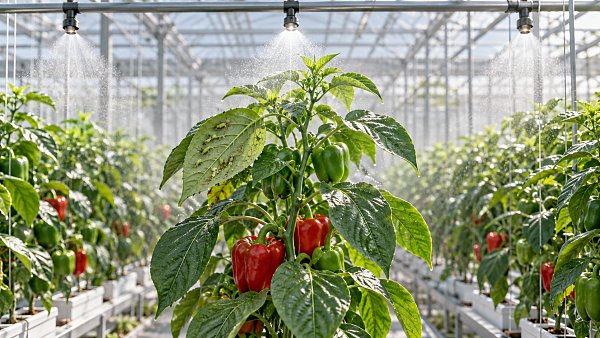
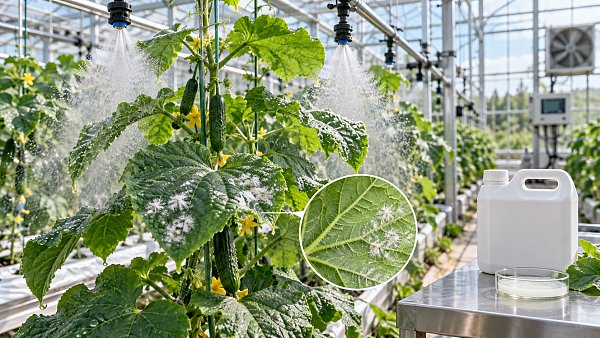
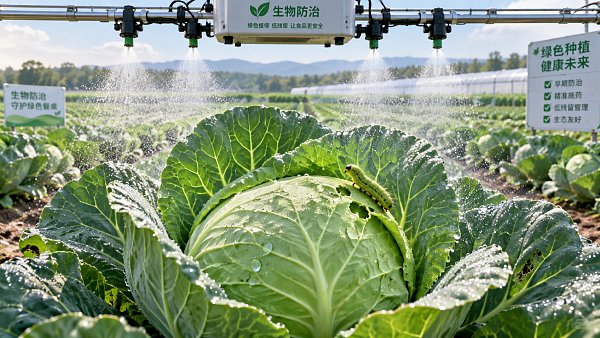
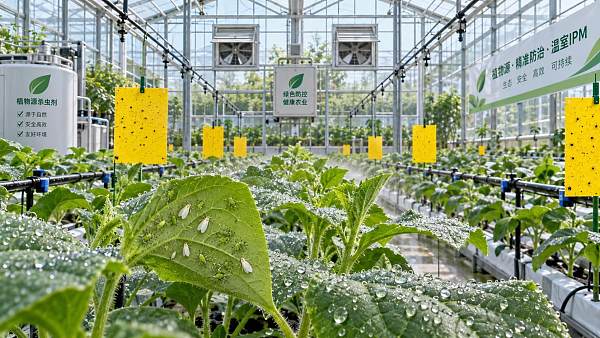
Vegetables are unusually demanding crops for insect management. Leafy greens, brassicas, tomatoes, peppers, cucurbits, onions, and beans all present different leaf surfaces, canopy structures, harvest practices, and market requirements. A chewing larva hidden in a cabbage head does not present the same treatment challenge as aphids colonizing the underside of pepper leaves. Whiteflies in a protected tomato crop may require attention to both adult movement and immature stages, while thrips management depends heavily on early detection and where insects are feeding.
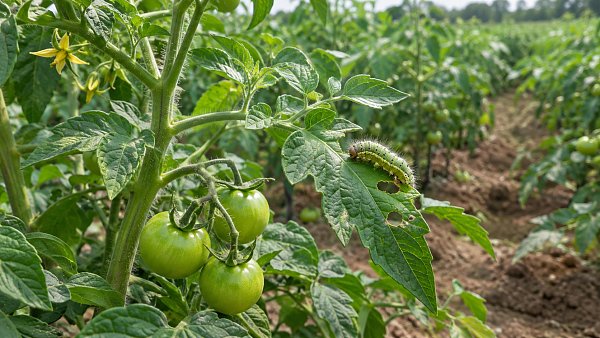
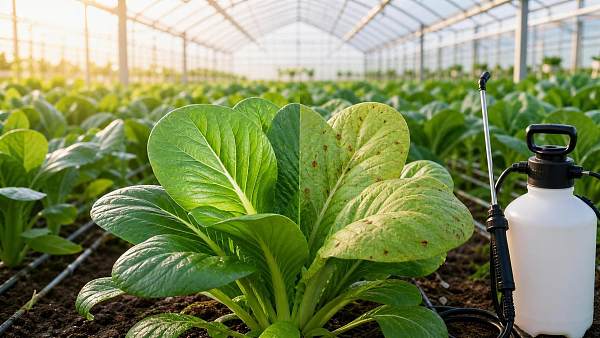
For operators, this means pest scouting should come before product selection. Symptoms such as curled leaves, silvery feeding scars, honeydew, webbing, holes, or distorted new growth may indicate different pest groups and different treatment needs. Applying a contact-oriented botanical insecticide after insects have moved into sheltered plant tissue is unlikely to give the same result as an early application that reaches exposed feeding stages.
Harvest timing also matters. Many vegetable operations make repeated picks, which creates pressure to balance efficacy, worker safety procedures, pre-harvest requirements, and residue expectations in the intended market. The legal label and local registration status always control how a product may be used. Operators should not assume that a material permitted on one vegetable crop, or in one country, is approved for another crop or market.
What Botanical Insecticides Actually Do
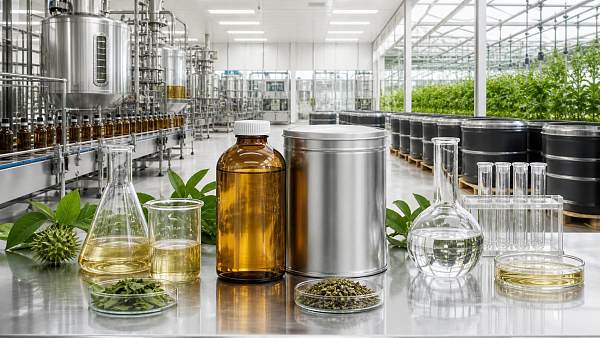
Botanical insecticides are made from, or based on, compounds obtained from plants. Common categories in commercial crop protection discussions include pyrethrins, azadirachtin-based materials derived from neem, and certain essential-oil-based products. Their modes of action differ significantly, which is why they should not be treated as interchangeable “natural sprays.”
Pyrethrins are generally known for rapid knockdown activity against susceptible insects when spray droplets reach the target. Their field persistence can be limited by sunlight and environmental exposure, so spray timing and repeat-treatment strategy often deserve close attention. Azadirachtin-based products are commonly associated with feeding disruption and interference with insect development. They may be more useful when applied early against susceptible immature stages than when used as a late rescue treatment against a heavy adult infestation.
Essential-oil-based insecticides may act through contact, repellency, or disruption of insect physiological processes, depending on the active composition and formulation. Their performance can be sensitive to direct contact, temperature, plant condition, and the pest species involved. Some formulations can also raise crop-safety questions under hot conditions or on tender foliage. A small-area phytotoxicity check is sensible when a product is new to a crop, especially during warm weather or when tank mixing is planned.
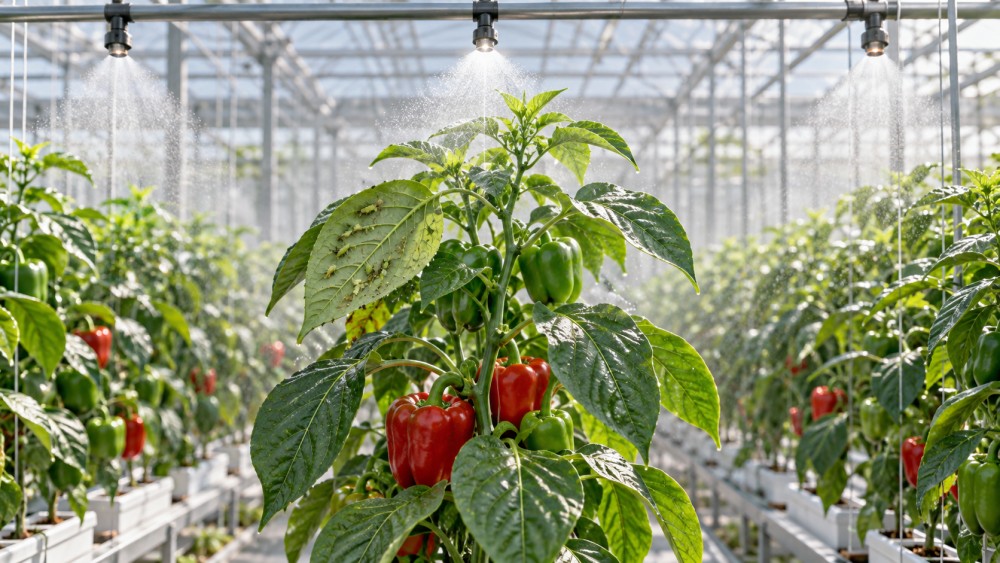
The practical lesson is straightforward: botanical insecticides for vegetables work best when operators understand whether the selected product needs direct contact, targets early life stages, requires repeated applications, or has limited residual activity. These characteristics influence everything from nozzle choice to spray interval planning.
Coverage Is Often the Deciding Factor
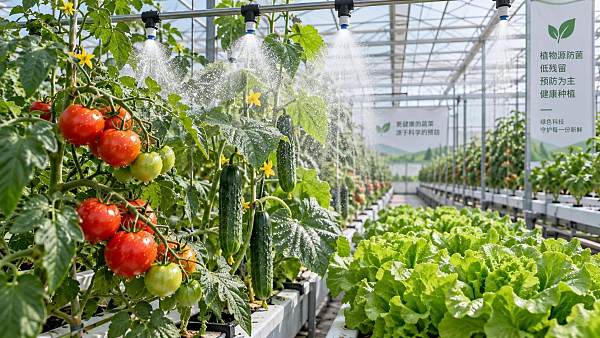
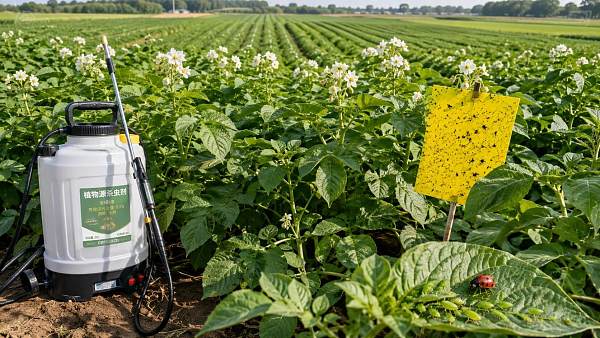
In vegetable protection, poor spray coverage is a common reason for disappointing results. Many soft-bodied pests feed on leaf undersides, within growing points, beneath curled leaves, or deep inside a mature canopy. A product with good laboratory activity will not perform well in the field if the spray does not reach where the insects are located.
Operators should assess the crop before filling the spray tank. Is the canopy open or closed? Are pests concentrated on lower leaves, new terminals, flowers, or fruiting zones? Is the crop under water stress? Is wind likely to reduce deposition or cause drift? These observations are more useful than treating every block with the same spray pattern.
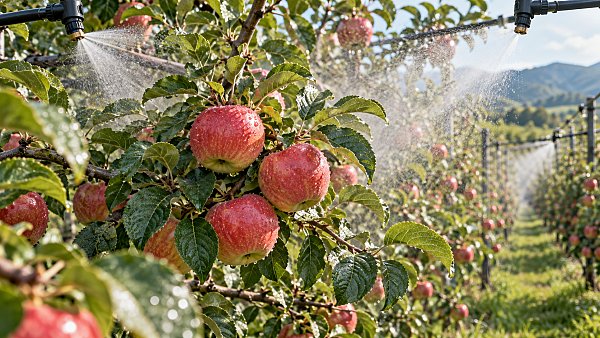
Nozzle type, droplet spectrum, spray volume, travel speed, pressure, and air assistance all affect deposition. There is no universal setup for every crop, but the objective is clear: place sufficient spray on the pest habitat while minimizing drift and runoff. Excessive runoff is not proof of better treatment. It can waste material, increase unwanted exposure, and still leave protected plant surfaces untreated.
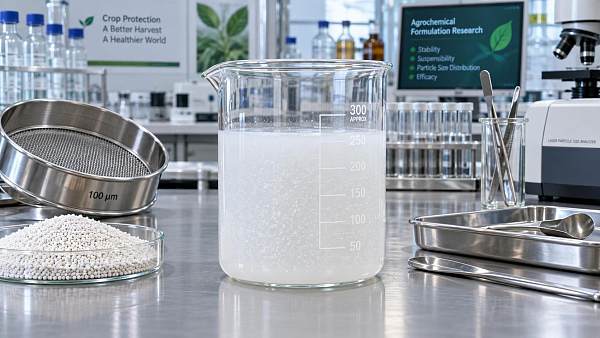
Water quality deserves attention as well. Some active ingredients and formulated products can be affected by water pH, hardness, or extended time in a mixed spray solution. Product labels and technical documents should guide mixing order, agitation, compatibility, and any water-conditioning requirement. If information is unclear, a jar test can help identify obvious physical incompatibility before a full tank is prepared, although it does not replace crop-safety or efficacy evaluation.
Early Intervention Usually Beats Emergency Spraying
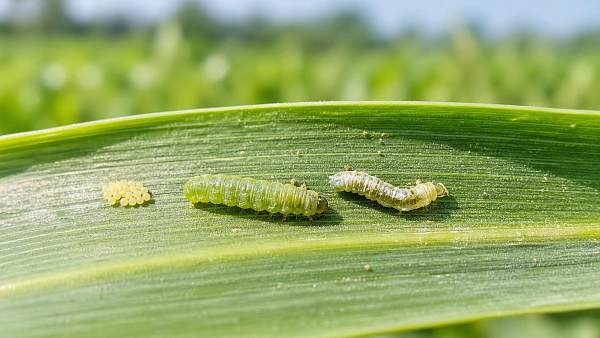
Botanical insecticides are commonly most useful within an integrated pest management program, not as a last-minute response after pest populations have exceeded practical control thresholds. Early scouting allows operators to identify the first colonies, egg masses, larvae, or migrating adults before extensive crop damage occurs. At that point, a product with limited residual activity or contact-dependent activity has a better chance of reaching enough of the target population.
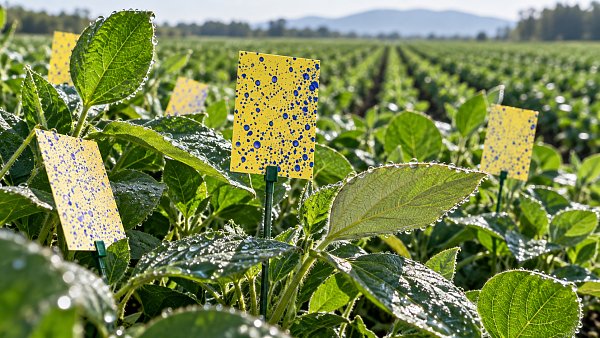
Regular monitoring can include visual leaf checks, examination of growing points, crop-row inspections, sticky traps where appropriate, and records of pest hotspots. The goal is not merely to find insects; it is to understand whether the population is increasing, where it is concentrated, and which life stage is dominant. This creates a more realistic basis for deciding whether to apply, wait, improve coverage, or use another registered control option.
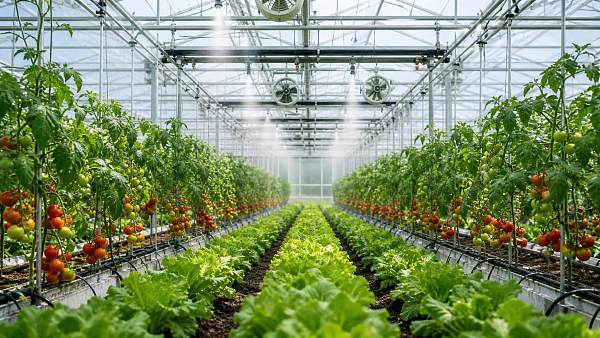
In protected cultivation, temperature and crop density can accelerate pest development. In outdoor production, rainfall, sunlight, and rapid crop growth can change the effective treatment window. Operators should revisit treated areas rather than assuming that a single application has resolved the issue. A follow-up inspection helps distinguish between surviving pests, newly hatched individuals, reinfestation from untreated areas, and a basic application failure.
Compatibility with Beneficial Insects Requires Careful Reading
One reason growers consider plant-derived insecticides is their potential fit within biological and integrated programs. Yet it is unsafe to assume that every botanical insecticide is benign to pollinators, predatory insects, parasitoids, or mites. A contact-active material may affect beneficial organisms that are directly exposed, even if its persistence is relatively short.
Treatment decisions should take account of flowering weeds, crop bloom, managed pollinators, and established beneficial releases. Avoiding applications when bees are actively foraging is a basic precaution, but the correct approach must follow the specific product label and local requirements. Where beneficial insects are being released in a greenhouse or tunnel, compatibility information from the biological-control supplier and crop-protection adviser may be needed before treatment.
A practical IPM program also reduces dependence on any one insecticide category. Sanitation, weed management, exclusion screens, removal of heavily infested crop residues, irrigation management, resistant varieties where available, and selective use of different registered modes of action can all contribute. Rotation is still relevant for botanicals. Repeated use of the same active substance, particularly under persistent pest pressure, should not be treated as a resistance-proof strategy.
Formulation Quality Changes Field Performance
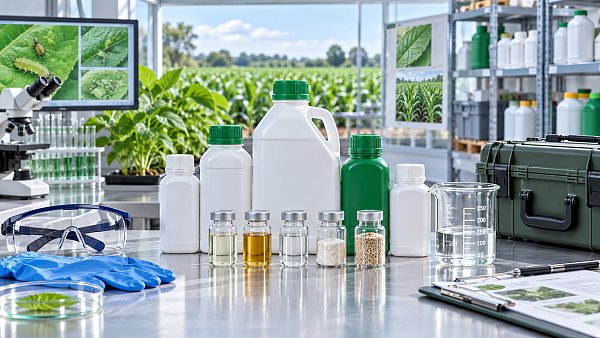
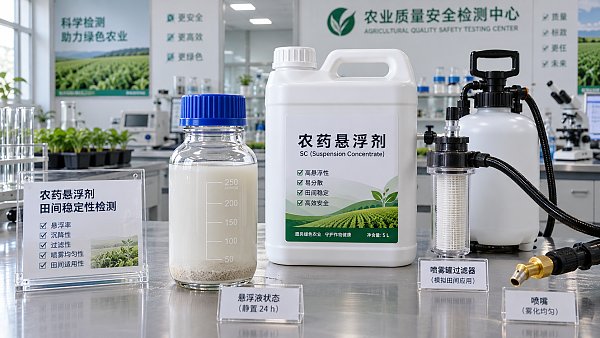
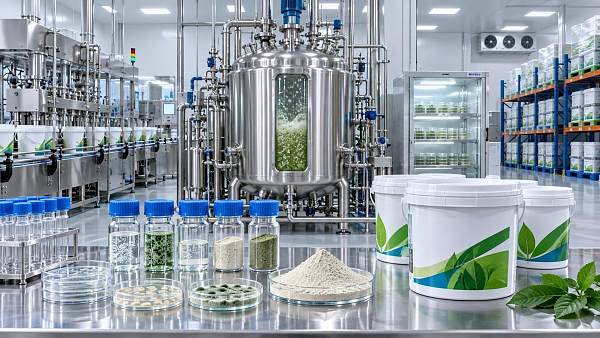
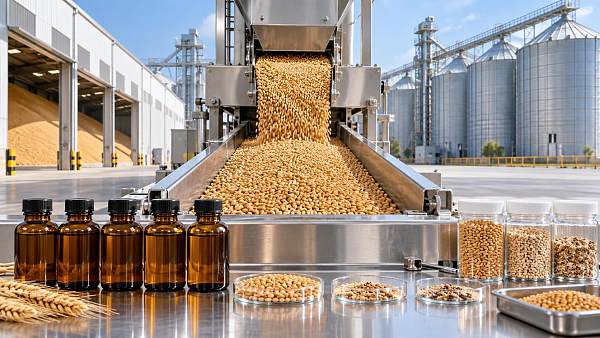
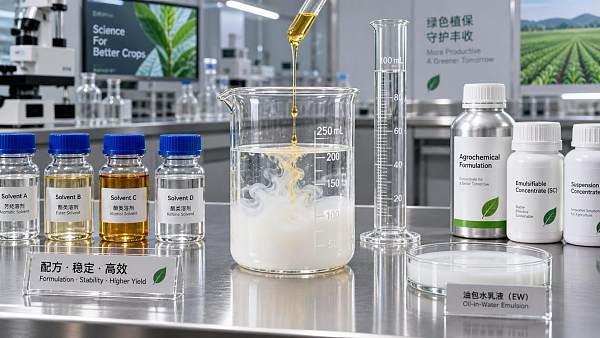
A botanical active ingredient is only part of the final field result. The formulation determines how well the product disperses in water, remains stable during storage, wets the leaf surface, resists separation in the tank, and deposits on the crop. Emulsifiers, dispersants, carriers, solvents, wetting agents, and stabilizers can all influence usability and performance.
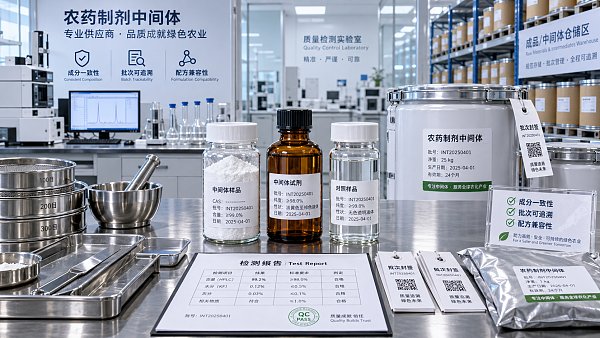
For procurement teams and technical managers, evaluating a product therefore involves more than comparing declared active content. Relevant questions include whether the formulation is designed for the intended application equipment, whether it remains stable under expected storage conditions, whether the packaging protects the product adequately, and whether the supplier provides clear batch documentation and handling information. Consistency matters when a product is used across multiple production sites or sold through a distribution network.
This broader view is central to the work of Global Fine Chemicals & Agrochemical Intelligence Network (FCAS). In crop protection, FCAS examines botanical extracts, biological materials, adjuvants, and formulation systems in the context that matters in practice: active ingredient behavior, carrier selection, dispersibility, particle characteristics, application method, crop stage, safety documentation, and supply-chain reliability. That perspective helps users move beyond a simple “natural versus conventional” comparison.
Common Operating Mistakes to Avoid
Several mistakes repeatedly undermine otherwise reasonable treatment plans. The first is applying too late, after pests have entered protected plant tissue or populations have built beyond what a short-residual product can manage. The second is spraying only the top of a dense canopy while the main infestation is below it. The third is assuming that higher concentration automatically means stronger control; it may instead increase crop stress or create avoidable residue and safety concerns.
Another issue is casual tank mixing. Fertilizers, foliar nutrients, fungicides, spreaders, oils, and insecticides may not behave predictably together. Physical separation in the tank, altered spray pH, reduced efficacy, or leaf injury can result. Only label-permitted mixtures should be considered, and a cautious test on a limited crop area is often justified when local guidance is unavailable.
Finally, “plant-based” should never lead to relaxed handling. Operators need to use the personal protective equipment, re-entry instructions, storage conditions, and disposal procedures stated on the label and safety documentation. Concentrated formulations can still irritate skin or eyes, and improper storage may degrade product quality or create risk for people and animals.
A More Reliable Decision Process
Before choosing botanical insecticides for vegetables, begin with five practical checks: identify the pest accurately; confirm that the product is registered for the crop and use situation; determine the dominant pest stage; inspect whether spray coverage can reach the infestation; and plan a field review after application. These steps are more valuable than selecting a product solely because it is familiar or marketed as low residue.
For businesses evaluating a new formulation or supplier, the next layer includes technical specification, formulation stability, batch consistency, packaging, transportation conditions, local regulatory documentation, and application support. Requirements vary by market and crop destination, so residue expectations and compliance obligations should be verified for the actual sales channel rather than assumed.
Effective botanical insect control is rarely about finding a single substitute for every conventional treatment. It is about using the right active material at the right moment, delivering it to the pest habitat, protecting crop quality, and checking the result before the next pest generation gains momentum. When those operating details are managed well, botanical tools can become a credible and flexible part of modern vegetable crop protection.
Facing technical bottlenecks in manufacturing or looking for more efficient industrial solutions? Leave your details below and let the engineering experts at FCAS solve them for you.
We respect your privacy. Your information is strictly confidential.
Related News
 Targeted Bio-pesticides & APIsWhen Should You Apply Botanical Insecticides for Fruit Trees?When should you apply botanical insecticides for fruit trees? Discover how to time treatments for vulnerable pests while protecting pollinators and your harvest.MORE+
 Targeted Bio-pesticides & APIsHow to Use Microbial Fungicides for Soil Borne DiseasesDiscover how to use microbial fungicides for soil borne diseases, from product selection to root-zone application, and build a more effective crop protection program.MORE+
 Targeted Bio-pesticides & APIsHow to Choose Insecticides Based on the Pest and CropChoose insecticides with confidence. Learn how to match treatments to pests and crops while protecting beneficial insects and meeting harvest requirements.MORE+
 Targeted Bio-pesticides & APIsHow Are Fungicide APIs Used in Crop Protection Products?Fungicide APIs for crop protection power disease control products. Discover how formulation, application and resistance management affect results.MORE+
 Targeted Bio-pesticides & APIsHow to Evaluate Quality Control at a Botanical Insecticides FactoryEvaluate a botanical insecticides factory with practical checks for sourcing, testing, batch traceability and stability. Learn how to identify quality risks before choosing a supplier.MORE+
 Targeted Bio-pesticides & APIsHow Microbial Insecticides for Public Health Control MosquitoesDiscover how microbial insecticides for public health control mosquito larvae, and learn how to choose formulations and improve field results.MORE+
 Targeted Bio-pesticides & APIsHow Effective Are Botanical Fungicides for Anthracnose?Botanical fungicides for anthracnose can help suppress disease, but results vary. Discover what affects performance and how to choose and use them effectively.MORE+
 Targeted Bio-pesticides & APIsHow to Select Insecticide APIs for Ultra Low Volume FormulationsExplore how to select insecticide APIs for ultra low volume formulations, from stability and droplet performance to regulatory compliance and supply.MORE+
 Targeted Bio-pesticides & APIsEFSA Publishes Peer Review of Trichoderma asperellum ICC012EFSA’s peer review of Trichoderma asperellum ICC012 finds no safety concerns for its assessed EU uses. Explore the implications for biopesticide compliance.MORE+
 Targeted Bio-pesticides & APIsHow to Apply Microbial Pesticides to Foliage EffectivelyMicrobial pesticides for foliar application work best with proper mixing, timing, and leaf coverage. Discover practical steps to improve results and avoid common mistakes.MORE+
 Targeted Bio-pesticides & APIsHow to Use Botanical Fungicides for Fruits EffectivelyBotanical fungicides for fruits can help protect your crop when used correctly. Learn how to choose, time, and apply treatments for healthier fruit.MORE+
 Targeted Bio-pesticides & APIsHow Are Insecticide APIs Used in Public Health Programs?Insecticide APIs for public health support vector control through sprays, treated nets and larvicides. Discover how formulation, resistance and safety shape product selection.MORE+
 Targeted Bio-pesticides & APIsGerman Research Reinforces Pesticide Risks to Aquatic EcosystemsPesticide risks to aquatic ecosystems gain new support from German research. Explore the findings and why holistic approaches matter for agriculture and environmental protection.MORE+
 Targeted Bio-pesticides & APIsSulfonium Modification Offers a Potential Route Around Antifungal ResistanceSulfonium modification shows potential against antifungal resistance in wax moth larvae. Explore what this early finding could mean for future antifungal drug development.MORE+
 Targeted Bio-pesticides & APIsHow Do Microbial Fungicides for Seed Treatment Reduce Damping-Off?Discover how microbial fungicides for seed treatment help reduce damping-off. Learn what to check in strains, coatings, and efficacy data to protect seedlings.MORE+
 Targeted Bio-pesticides & APIsHow to Evaluate a Microbial Insecticides Supplier Before OrderingEvaluate a microbial insecticides supplier with confidence. Learn to verify potency, shelf life, compliance, and delivery quality before ordering to reduce risk and protect your budget.MORE+
 Targeted Bio-pesticides & APIsWhich Quality Specifications Matter When Sourcing Bioherbicide APIs?Sourcing Bioherbicide APIs? Discover the quality specs that matter—from identity and potency to impurities and stability—to compare suppliers and buy with confidence.MORE+
 Targeted Bio-pesticides & APIsHow to Select Residue-Compliant Insect Growth Regulators for CropsSelect residue compliant insect growth regulators with confidence. Discover key checks for crop approvals, export MRLs, harvest intervals, and testing to make informed treatment decisions.MORE+
 Targeted Bio-pesticides & APIsHow to Choose a Reliable Supplier of Insect Growth RegulatorsChoose a reliable insect growth regulators supplier with confidence. Learn how to verify quality, regulatory fit, traceability, and delivery before committing to your next order.MORE+
 Targeted Bio-pesticides & APIsHow Botanical Insecticides Protect Vegetable Crops EffectivelyBotanical insecticides for vegetables help growers improve pest control, spray coverage, IPM compatibility, and crop protection results. Explore practical application insights.MORE+
 Targeted Bio-pesticides & APIsChoosing Microbial Fungicides for Foliar Diseases in Integrated Crop ProgramsMicrobial fungicides for foliar diseases: learn how to match biology, formulation, tank compatibility, and timing for stronger integrated crop protection.MORE+
 Targeted Bio-pesticides & APIsHow Microbial Insecticides Control Caterpillars With Lower Crop Residue RiskMicrobial insecticides for caterpillars help protect crops with targeted early-larval control and lower residue-management pressure. Learn timing, coverage, compliance, and scouting essentials.MORE+
 Targeted Bio-pesticides & APIsInsecticides Explained Through Labels, Active Ingredients, and SafetyInsecticides explained through labels, active ingredients, formulations, and safety. Learn how to compare products, manage risk, and make informed crop protection decisions.MORE+
 Targeted Bio-pesticides & APIsHow to Evaluate Pesticide Suspension Concentrates for Field StabilityPesticide Suspension Concentrates: learn how to evaluate field stability, redispersibility, dilution, tank-mix compatibility, and spray safety for reliable performance.MORE+
 Targeted Bio-pesticides & APIsHow Microbial Inoculants for Seed Treatment Improve Early Crop VigorDiscover how microbial inoculants for seed treatment support early crop vigor through viable microbes, precise application, compatibility, storage, and stronger root establishment.MORE+
 Targeted Bio-pesticides & APIsSelecting Fungicide APIs for Soluble Liquid FormulationsFungicide APIs for soluble liquid formulations: explore solubility, stability, solvent selection, compliance, and sourcing factors for scalable product development.MORE+
 Targeted Bio-pesticides & APIsHow to Qualify a Pesticide Formulation Intermediates SupplierChoose a reliable pesticide formulation intermediates supplier with proven quality control, traceability, formulation testing, and change management expertise.MORE+
 Targeted Bio-pesticides & APIsHow to Evaluate a Microbial Insecticides Factory Before You Place an OrderEvaluate a microbial insecticides factory with confidence. Compare strain control, formulation stability, batch consistency, documents, logistics, and real cost before ordering.MORE+
 Targeted Bio-pesticides & APIsHow to Select Insecticide APIs for Reliable Stored Grain ProtectionInsecticide APIs for stored grain: learn how to select compliant, reliable actives for pest control, residue limits, formulation fit, and supplier quality.MORE+
 Targeted Bio-pesticides & APIsHow Botanical Insecticides Support Greenhouse Pest ControlBotanical insecticides for greenhouse use: learn practical IPM strategies for pest control, spray coverage, crop safety, and beneficial insect protection.MORE+
 Targeted Bio-pesticides & APIsChoosing Fungicide APIs for Stable Water Dispersible GranulesFungicide APIs for water dispersible granules: learn how particle behavior, wettability, carrier compatibility, and stability drive reliable WDG performance.MORE+
 Targeted Bio-pesticides & APIsHow Botanical Fungicides Protect Vegetables Without Residue RisksBotanical fungicides for vegetables help reduce residue risks while supporting effective disease control, compliance, and market-ready crop quality.MORE+
 Targeted Bio-pesticides & APIsHow to Select Intermediates for Stable Emulsifiable ConcentratesPesticide formulation intermediates for emulsifiable concentrate: learn how to select solvents and emulsifiers for robust solubility, dilution stability, hard-water performance, and scalable EC products.MORE+
 Targeted Bio-pesticides & APIsHow Organic Botanical Insecticides Can Improve Integrated Pest ManagementOrganic botanical insecticides can strengthen IPM through targeted pest control, smarter monitoring, safer application, and better protection of crops and beneficial insects.MORE+
 Targeted Bio-pesticides & APIsWhat to Evaluate Before Choosing a Botanical Insecticides ManufacturerBotanical insecticides manufacturer selection guide: evaluate raw material traceability, formulation stability, regulatory documents, supply continuity, and cost per hectare.MORE+
 Targeted Bio-pesticides & APIsHow Chitin Synthesis Inhibitors Control Insects Without ResistanceChitin synthesis inhibitor insect growth regulators disrupt pest development. Learn timing, coverage, monitoring, and resistance-management strategies for smarter control.MORE+
 Targeted Bio-pesticides & APIsIs Microbial Inoculants Wholesale the Right Move for Cost ControlMicrobial inoculants wholesale can cut costs—but only when storage, shelf life, logistics, and supplier consistency protect product performance. Learn what distributors must check before buying.MORE+
 Targeted Bio-pesticides & APIsWhen Microbial Fungicides Work Best for Greenhouse CropsMicrobial fungicides for greenhouse crops work best when applied early under balanced humidity, clean sanitation, and strong scouting. Learn the best timing, crop stages, and use tips for better disease control.MORE+
 Targeted Bio-pesticides & APIsBiocontrol Agents for Fruit Crops That Help Cut Residue and Pest PressureBiocontrol agents for fruit crops help reduce residue risk, ease pest pressure, and support resistance management. Learn where they fit best for orchards and vineyards.MORE+
 Targeted Bio-pesticides & APIsWhen Microbial Fungicides for Foliar Diseases Work Better Than ChemicalsMicrobial fungicides for foliar diseases can outperform chemicals when timing, coverage, and residue control matter most. See where they deliver stronger field results.MORE+