How to Verify CO2 Botanical Extract Supplier Certifications
A certificate file is useful only when it proves a controlled activity at the site that actually produces, processes, or releases the extract being offered. For a CO2 botanical extract, verification starts by matching the certificate to the legal entity, physical facility, product category, and intended application. A valid-looking document can still be irrelevant when it belongs to a trading office, covers a different plant, applies to a narrow activity such as warehousing, or has expired.
The approval record should connect four evidence sets: the supplier’s certification status, the extraction and manufacturing process, the batch-specific quality documents, and the regulatory position of the finished material. A gap between any two sets deserves clarification before the material is qualified.
Read the certificate beyond its logo
Request the complete certificate rather than a marketing sheet or a cropped image. The document should identify the certified organization, its address, the issuing certification body, certificate number, issue and expiry dates, and the scope of certification. Compare the legal name and address with the quotation, specification, safety data sheet, invoice details, and manufacturing declaration. Minor differences such as an abbreviated company suffix are often explainable; a different legal entity or an unlisted production site is a more serious issue.
Scope language matters. A quality-management certificate that covers “trading of natural ingredients” does not establish control over supercritical fluid extraction, botanical receiving, solvent handling, blending, or final batch release. Likewise, a broad statement covering “food ingredients” may not automatically include the particular plant extract, concentration format, or repackaging activity proposed for supply.
Confirm the certificate through the issuing body’s official directory or by written confirmation from the certification body. Use the certificate number, organization name, and facility location together. Directory records can lag behind recent changes, so an apparent mismatch should be resolved with current documentation rather than assumed to be acceptable. A supplier’s assertion that an audit is scheduled or renewal is pending is not equivalent to an active certificate.
Match certifications to the intended use
There is no single certificate that confirms suitability across food, cosmetics, fragrance, supplements, and agricultural applications. The intended use determines which controls and declarations are relevant. Certification may support confidence in a management system, but it does not itself grant permission to use a botanical extract in a finished product in a particular market.
For food or beverage use, the material description, ingredient identity, composition, carrier system, allergen status, microbiological limits where relevant, contaminant controls, and food-contact suitability of packaging need to align with the receiving product’s requirements. A certificate related to food safety systems has limited value if the product is supplied in a non-food-grade carrier or if its specification lacks defined acceptance criteria for contaminants associated with the plant source.
For cosmetic or personal-care use, assess whether the documentation identifies the botanical source accurately, distinguishes plant part and extraction method, and supports traceability to the incoming raw material. The safety data and quality package should also address the actual supplied form. A dense waxy CO2 extract, a selectively fractionated extract, and an extract diluted into an oil or solvent can have different composition, handling characteristics, and labeling implications even when derived from the same botanical.
For agrochemical, crop-care, or technical applications, certification review must be tied to the role of the extract in the formulation. A material used as an active component, repellent, adjuvant, fragrance, or processing aid does not carry the same evidence expectations. Compatibility, impurity profile, storage stability, and local regulatory status require separate assessment. Do not treat a food-oriented or cosmetic-oriented certificate as proof of fitness for a plant-protection claim or agricultural use.

Establish that the CO2 process is controlled
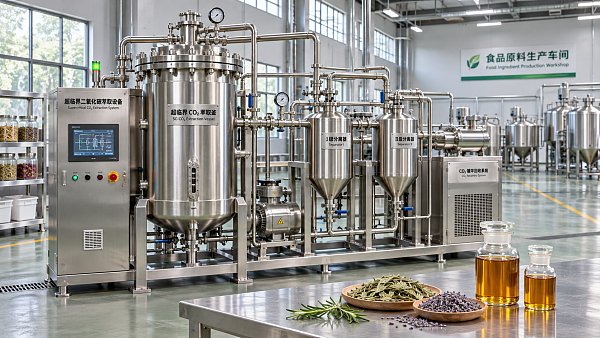
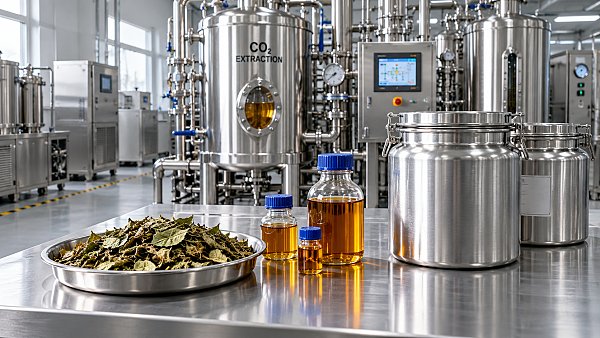
“CO2 extracted” describes a production approach, not a uniform quality grade. Supercritical or subcritical carbon dioxide extraction can selectively recover different aromatic, lipophilic, waxy, or resinous fractions as pressure, temperature, residence time, fraction collection, and post-extraction processing change. A certificate cannot replace a clear process description.
The supplier should be able to state whether the material is a total extract, a selected fraction, a deodorized or dewaxed fraction, or a standardized blend. Ask whether another carrier, processing aid, antioxidant, or diluent is present and whether it is declared on the specification and certificate of analysis. An extract described as “pure” while containing a standardizing oil or a permitted stabilizer creates a documentation inconsistency that must be corrected before approval.
Carbon dioxide is commonly used because it can be removed from the finished extract, but that fact alone does not answer every residual-solvent question. Botanical material may have been exposed to solvents earlier in the supply chain, and some production routes combine extraction methods or use post-processing steps. Request a process flow that identifies botanical receiving, cleaning or drying where applicable, milling, extraction, fractionation, filtration, blending, filling, and storage. It need not disclose proprietary operating settings, yet it should disclose steps that affect composition, contaminants, or traceability.
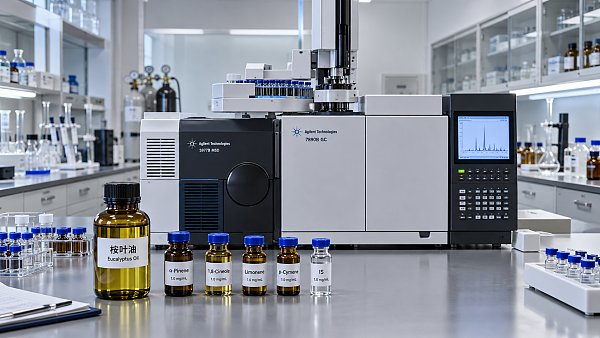
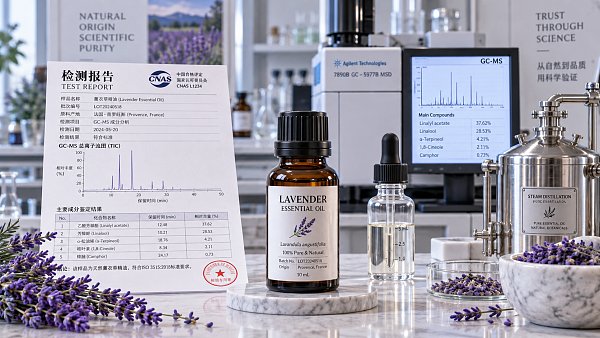
Batch consistency should be judged against meaningful markers rather than appearance alone. Color, odor, viscosity, and refractive behavior can vary naturally with harvest conditions and botanical origin. Where characteristic marker compounds are relevant to performance or identity, the specification should define the analytical method, reporting basis, and acceptance range. A chromatographic fingerprint can be useful when it is linked to approved reference material and controlled release criteria. A chart with unlabeled peaks or no comparison standard is weak evidence.
Trace the material back to the botanical lot
Certificates demonstrate system-level controls; traceability records demonstrate whether those controls reached a specific shipment. The lot number on the certificate of analysis, container label, packing list, and invoice should agree. The supplier should be able to connect the finished extract lot to one or more incoming botanical lots, along with the plant’s botanical name, plant part, origin, harvest or collection information when relevant, and internal receiving status.
Traceability becomes especially important where botanicals have known substitution, adulteration, pesticide-residue, heavy-metal, microbial, or identity risks. The correct level of detail depends on the material and application, but generic terms such as “herbal extract” or a common name alone can conceal meaningful differences. Closely related species, different chemotypes, leaf versus seed material, fresh versus dried feedstock, and cultivated versus wild-collected material may produce distinct chemical profiles.
Review the supplier’s identity-control approach. Organoleptic inspection is useful as a preliminary screen, yet it cannot reliably distinguish every species or detect dilution. The record should explain how incoming botanicals and the finished extract are authenticated, what reference criteria are used, and how nonconforming materials are segregated. Where testing is outsourced, identify the laboratory, test method, sample chain of custody, and whether the reported result belongs to the exact lot being offered.
Batch documentation should tell a consistent story
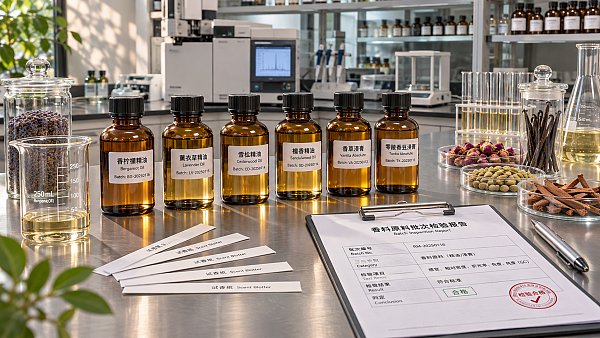
A strong certificate of analysis is issued for a defined batch and includes product name, batch number, manufacturing or retest information where used, test results, units, specification limits, methods or method references, and release authorization. Results reported only as “complies” can be adequate for a simple attribute, but they provide little basis for comparing lots when composition affects formulation behavior.
Compare the certificate of analysis with the technical data sheet. Conflicts often appear in marker ranges, density, solubility statement, carrier declaration, storage temperature, or shelf-life language. For example, a technical sheet that calls an extract oil-soluble while the batch record identifies a high-wax fraction should prompt a practical compatibility review. The issue may be a terminology difference, but it may also indicate that the sample was prepared differently from the commercial lot.
Retain the supplied batch documents with the approval record rather than relying on a current generic certificate for later deliveries. Certification status can remain unchanged while a plant source, extraction fraction, analytical method, packaging line, or subcontracted activity changes. Batch records are the evidence needed to detect those shifts.
Look for controls that certificates do not show
Several quality risks sit outside the certificate itself. Storage and transport can affect aromatic and oxidation-sensitive constituents. Determine whether the extract requires light protection, controlled temperature, nitrogen headspace, tightly sealed containers, or specific container materials. A supplier may hold a relevant quality certificate while the proposed packaging is unsuitable for a viscous extract that absorbs odors, separates at low temperature, or reacts with an incompatible liner.
Ask how deviations are handled. Useful evidence includes a change-control policy, complaint process, recall or traceability exercise procedure, and notification commitments for changes to botanical source, country of origin, extraction parameters, carrier, test method, specification, manufacturing site, or packaging. The concern is not that changes occur; natural-material supply chains require adjustments. The concern is whether changes can enter supply without evaluation.
Subcontracting deserves direct attention. Extraction may occur at one facility, blending and filling at another, while final documentation is issued by a third entity. This arrangement can be acceptable when responsibilities are defined and the certified scope covers the relevant activities. It becomes difficult to defend when the certificate holder cannot identify the subcontractor, audit status, material flow, or batch-release authority.
Resolve discrepancies before qualification
Document inconsistencies should be handled as technical questions with written responses. Request a corrected document where the discrepancy is clerical. Request a deviation assessment or additional test evidence where the inconsistency affects identity, composition, safety, application performance, or regulatory classification. Verbal explanations are not durable evidence for a future batch review, audit, complaint investigation, or product change assessment.
- An expired certificate paired with a statement that renewal is underway should remain unresolved until current status is independently confirmed.
- A certificate issued to a parent organization requires evidence that the named production site and supplied activity fall within the certified arrangement.
- Different botanical names across the specification, analysis certificate, and label require confirmation of the accepted scientific identity and plant part.
- A missing extraction-method declaration may matter when the product specification, claims, residue expectations, or formulation behavior depend on the material being a CO2 extract.
- A test report without a lot number, method, unit, or laboratory identity cannot reliably support release of the shipment in question.
Final approval is strongest when certificate verification is treated as a document-to-material exercise. The active certificate establishes the operating framework; the site and scope show whether it applies; process and traceability records connect that framework to the extract; and batch evidence confirms what was actually delivered. This sequence prevents a polished certificate from carrying more weight than the material history behind it.
Facing technical bottlenecks in manufacturing or looking for more efficient industrial solutions? Leave your details below and let the engineering experts at FCAS solve them for you.
We respect your privacy. Your information is strictly confidential.
Related News
 Supercritical CO2 Essential OilsWhat Should You Check When Choosing a CO2 Essential Oils Supplier?Choosing a CO2 essential oils supplier? Learn how to assess sourcing, batch testing, documentation, and delivery to secure quality and reliable supply.MORE+
 Supercritical CO2 Essential OilsWhat Affects the Botanical Oleoresins Bulk Price?Botanical oleoresins bulk price depends on sourcing, strength, extraction and freight. Learn how to compare supplier quotes and reduce total costs.MORE+
 Supercritical CO2 Essential OilsHow Are Food Grade Essential Oil Extracts Made with CO2?Discover how food grade essential oil extracts are made with CO2, what shapes their flavor, and how to assess safety and suitability for food applications.MORE+
 Supercritical CO2 Essential OilsWhat to Check When Buying Aroma Ingredients WholesaleBuying aroma ingredients wholesale? Discover how to assess quality, supplier reliability, documentation and landed cost before placing your order.MORE+
 Supercritical CO2 Essential OilsHow to Choose Citrus Oils for Beverages Without CloudingChoose citrus oils for beverages with confidence. Compare delivery systems and stability tests to prevent clouding while preserving fresh citrus flavor.MORE+
 Supercritical CO2 Essential OilsWhat to Check When Choosing a CO2 Botanical Extracts ManufacturerChoosing a CO2 botanical extracts manufacturer? Discover how to assess quality, traceability, compliance and true costs before you commit.MORE+
 Supercritical CO2 Essential OilsHow Can You Verify Quality Controls at a CO2 Extracts Factory?Evaluate a co2 extracts factory with confidence. Learn how to verify batch testing, traceability, and quality controls to reduce sourcing risks and choose a reliable supplier.MORE+
 Supercritical CO2 Essential OilsWhat Determines Essential Oil Blend Bulk Prices Beyond Order Size?Explore essential oil blends bulk price factors beyond volume, from botanical quality to testing and freight. Learn how to compare suppliers and uncover the true cost before buying.MORE+
 Supercritical CO2 Essential OilsHow Do Extraction Methods and Grades Affect Oleoresin Bulk Prices?Compare oleoresins bulk price by extraction method, grade, and potency. Discover how to evaluate supplier quotes, verify quality, and lower costs at the right application dose.MORE+
 Supercritical CO2 Essential OilsWhat Should You Ask a Citrus Oils Supplier About CO2 Extraction?Choosing a citrus oils supplier? Discover what to ask about CO2 extraction, purity, testing, and cost to verify quality, avoid costly mistakes, and buy with confidence.MORE+
 Supercritical CO2 Essential OilsWhat Determines the Bulk Price of CO2 Botanical Extracts Before Shipping?Compare co2 botanical extracts bulk price drivers before shipping, from yield and potency to testing and packaging. Learn how to assess supplier quotes and buy with confidence.MORE+
 Supercritical CO2 Essential OilsHow to Verify the Purity of High Cineole Eucalyptus Oil With GC-MSVerify high cineole eucalyptus oil with GC-MS. Learn how to confirm identity, measure cineole accurately, and spot quality risks before approving your next batch.MORE+
 Supercritical CO2 Essential OilsHow Does Supercritical CO2 Extraction Affect Bulk Tea Tree Oil?Discover how supercritical CO2 extraction affects bulk tea tree oil composition, stability, and formulation performance—and what to check before approving a bulk replacement.MORE+
 Supercritical CO2 Essential OilsHow Do CO2 Botanical Extract Certifications Affect Sourcing Costs?CO2 botanical extracts supplier certifications can raise prices but lower sourcing costs. Learn how to verify coverage, compare total costs, and pay only for credentials that add value.MORE+
 Supercritical CO2 Essential OilsHow to Evaluate a Natural Aroma Chemicals Supplier for QualityNatural aroma chemicals supplier evaluation made practical: assess quality, traceability, odor consistency, documentation, packaging, and total delivered cost before you buy.MORE+
 Supercritical CO2 Essential OilsHow to Verify CO2 Botanical Extract Supplier CertificationsCO2 botanical extracts supplier certifications: learn how to verify certificates, site scope, batch traceability, and process controls before approving suppliers.MORE+
 Supercritical CO2 Essential OilsHow Oleoresins Bulk Price Changes with Crop Quality and SupplyOleoresins bulk price insights: learn how crop quality, extraction yield, grade availability and supply risks shape costs—compare supplier offers with confidence.MORE+
 Supercritical CO2 Essential OilsHow Natural Essential Oil Blends Improve Consistent Product FragranceNatural essential oil blends help brands achieve consistent, appealing fragrance across batches. Explore smart blend design, stability testing, and product compatibility strategies.MORE+
 Supercritical CO2 Essential OilsWhat to Check Before Choosing a Botanical Essential Oils ManufacturerChoose a botanical essential oils manufacturer with confidence. Explore key checks for purity, traceability, compliance, batch consistency, and reliable supply.MORE+
 Supercritical CO2 Essential OilsHow Aroma Ingredients Shape Lasting and Skin-Safe Personal Care ProductsAroma ingredients for personal care: discover how to achieve lasting scent, formulation stability, skin safety, and confident product performance.MORE+
 Supercritical CO2 Essential OilsHow to Evaluate a Natural Cardamom Oil Supplier for Reliable SupplyNatural cardamom oil supplier evaluation guide: verify botanical origin, purity, batch consistency, documentation, packaging, and delivery reliability for confident sourcing.MORE+
 Supercritical CO2 Essential OilsHow to Choose Eucalyptus Oil Grades for Clean, Consistent ProductsChoose the right Eucalyptus Oil grade with confidence. Compare cineole content, purity, origin, processing, documentation, and application fit for consistent products.MORE+
 Supercritical CO2 Essential OilsHow Food Grade Citrus Oils Improve Flavor in Beverage FormulationsFood grade citrus oils help beverage formulators create brighter, more authentic flavor. Learn how to select, stabilize, dose, and protect citrus oils for lasting appeal.MORE+
 Supercritical CO2 Essential OilsWhy Citrus Terpene Fragrances Are Growing in Home Care ProductsCitrus terpene fragrances are transforming home care products with fresh, trusted cleaning cues. Explore performance, stability, compliance, sourcing, and cost factors for smarter fragrance selection.MORE+
 Supercritical CO2 Essential OilsHow to Choose Ginger Oil for Beverages With a Clean Flavor ProfileGinger oil for beverages: learn how to select a clean, bright, stable profile that performs through processing, shelf life, and every sip.MORE+
 Supercritical CO2 Essential OilsCO2 Essential Oil Extracts for Functional Foods and Clean LabelsDiscover CO2 essential oil extracts for functional foods: clean-label potential, botanical flavor innovation, formulation insights, and smarter sourcing strategies.MORE+
 Supercritical CO2 Essential OilsHow to Use Cardamom Oil for Flavoring Without Overpowering FoodsCardamom oil for flavoring: learn dilution, dispersion, blending, and process tips to create balanced beverages, bakery, and desserts without overpowering taste.MORE+
 Supercritical CO2 Essential OilsWhat to Evaluate When Sourcing Custom Essential Oil BlendsCustom essential oil blends: discover how to evaluate formulation fit, quality consistency, compliance, total cost, and supply reliability for confident sourcing decisions.MORE+
 Supercritical CO2 Essential OilsHow to Verify Purity and Sourcing of Cosmetic Grade Lavender OilCosmetic grade lavender oil: learn how to verify botanical origin, batch-specific purity, GC-MS reports, sourcing, storage, and safe cosmetic use before you buy.MORE+
 Supercritical CO2 Essential OilsWhat to Evaluate Before Choosing an Aromatic Extracts FactoryChoose the right aromatic extracts factory with expert guidance on traceability, extraction methods, batch consistency, documentation, and reliable supply.MORE+
 Supercritical CO2 Essential OilsAre CO2 Botanical Extracts More Stable Than Solvent Extracts?Are CO2 botanical extracts more stable than solvent extracts? Compare oxidation risk, packaging, and formulation factors to make smarter sourcing decisions.MORE+
 Supercritical CO2 Essential OilsWhy High Terpinen Tea Tree Oil Quality Depends on Chemotype and TestingHigh terpinen tea tree oil quality starts with verified chemotype, full GC/MS testing, oxidation control, and traceable storage—learn how to choose reliable oil.MORE+
 Supercritical CO2 Essential OilsHow Mint Oils for Oral Care Improve Flavor and Fresh BreathMint oils for oral care create cooling flavor, lasting freshness, and a better daily brushing experience. Explore peppermint, spearmint, and smart product choices.MORE+
 Supercritical CO2 Essential OilsWhat to Evaluate Before Choosing an Essential Oil Blends ManufacturerEssential oil blends manufacturer selection guide: evaluate quality, traceability, compliance, formula performance, and supply reliability to source with confidence.MORE+
 Supercritical CO2 Essential OilsHow to Evaluate a Natural Aroma Chemicals Manufacturer for Reliable SupplyNatural aroma chemicals manufacturer evaluation guide: verify traceability, batch consistency, compliance, application support, capacity, and total cost to secure reliable supply.MORE+
 Supercritical CO2 Essential OilsWhat Should You Know About Natural Aroma Chemicals and Their UsesNatural Aroma Chemicals: explore how to select, test, and formulate natural aroma ingredients for fragrances, food, personal care, and home care products.MORE+
 Supercritical CO2 Essential OilsWhen Oil Soluble Essential Oil Extracts Work Best in FormulationsOil soluble essential oil extracts work best in anhydrous beauty, fragrance, food, and cleaning formulas. Explore compatibility, stability, and application tips.MORE+
 Supercritical CO2 Essential OilsWhy Solvent Free Aromatic Extracts Matter for Clean Label Fragrance FormulasSolvent free aromatic extracts are reshaping clean label fragrance formulas by improving transparency, sensory appeal, and sourcing credibility. Learn why they matter now.MORE+
 Supercritical CO2 Essential OilsWhy Citrus Oils Matter in Clean Label Food and Wellness TrendsCitrus Oils drive clean label food and wellness innovation with fresh flavor, natural appeal, and versatile formulation value. Explore why buyers and brands are paying closer attention.MORE+
 Supercritical CO2 Essential OilsWhy Steam Distilled Clove Oil Is Gaining Ground in Natural FormulationsSteam distilled clove oil is gaining attention for its natural appeal, eugenol profile, and formulation versatility. Discover why buyers value it across personal care, fragrance, and home care.MORE+