TBHQ Antioxidant Performance, Limits, and Food Safety Compliance
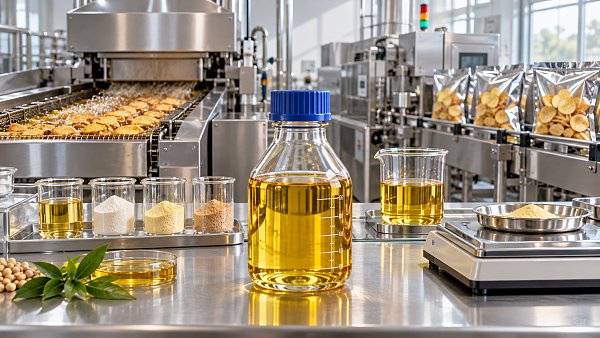
A fryer oil may pass its initial sensory check yet begin producing darker color, stale notes, smoke, or inconsistent finished-product flavor after repeated heating cycles. In a packaged snack, the same issue may appear later as cardboard-like odor, fading seasoning character, or a shelf-life complaint that cannot be explained by microbiological results. TBHQ antioxidant can help slow oxidation in fats and oils, but it is not a universal fix for poor raw-material quality, excessive heat exposure, oxygen ingress, or uncontrolled processing.
For food safety and quality teams, the central judgment is straightforward: TBHQ should be used only where it is legally permitted, at the applicable maximum level, in a food matrix where it is technically effective, and under a controlled documented process. Its performance depends heavily on the oil type, point of addition, thermal history, packaging, and interaction with other ingredients. A compliant specification alone does not prove that the finished food is compliant or protected throughout its intended shelf life.
What TBHQ does—and what it cannot do
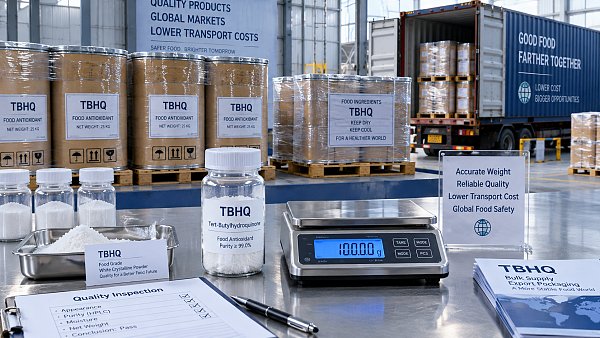
TBHQ, short for tert-butylhydroquinone, is a synthetic phenolic antioxidant used principally to delay oxidative deterioration of edible fats and oils. Oxidation is a chain reaction in which unsaturated lipids react with oxygen and form compounds that contribute to rancid odor, flavor deterioration, color change, and loss of nutritional or sensory quality. TBHQ acts by interrupting parts of that chain reaction, helping preserve the usable life of susceptible lipid systems.
Its strongest role is preventive. It should be introduced before oxidation has advanced significantly, not after an oil has already developed a high level of degradation products. Once off-flavors, excessive polar compounds, persistent foaming, or severe darkening are present in a frying medium, adding antioxidant will not restore the original oil quality. The appropriate action may instead involve replacing or blending out the oil, reviewing filtration practice, controlling food carryover, and investigating frying temperature and residence time.
TBHQ also does not replace good packaging or storage. Oxygen-barrier performance, headspace oxygen, light exposure, warehouse temperature, metal contamination, and the quality of the incoming fat all affect oxidation rate. A formulation that relies on TBHQ while using poor oxygen control may show an acceptable initial result but fail late in storage.
The first compliance question: permitted where, and in which food?
There is no single global TBHQ limit that can be applied across all food products. Legal status, permitted food categories, maximum use levels, calculation basis, and labeling requirements vary by jurisdiction. Some rules address TBHQ in oils and fats; others regulate its use in specific processed foods or treat antioxidant mixtures differently. A product sold in more than one market may therefore need separate regulatory review even when the recipe is unchanged.
Before approving use, the compliance file should establish four points:
- Whether TBHQ is authorized in the intended market and food category.
- Whether the limit applies to the finished food, the fat or oil portion, or a defined formulation stage.
- Whether other antioxidants are used and whether combined limits, group limits, or carry-over provisions apply.
- What ingredient declaration, additive naming, or code format is required on the label.
A recurring error occurs when a processor receives antioxidant-treated oil from a supplier and later adds another antioxidant-containing ingredient, seasoning, premix, or flavor carrier. Each input may appear acceptable in isolation, but the final product can exceed an applicable limit when all relevant sources are considered. This is particularly important in fried snacks, coated nuts, bakery fillings, instant products, and seasoning systems where added fat is delivered through multiple ingredients.
Regulatory review should not stop with a supplier statement saying that the oil contains TBHQ. The statement must identify the concentration, the basis of measurement, the applicable specification, and the intended use assumptions. Quality teams need enough information to calculate the likely level in the finished food and determine whether process losses or concentration effects alter that estimate.
Why technically compliant use can still give weak oxidation control
TBHQ antioxidant performance is influenced by the composition and handling history of the lipid phase. Oils rich in polyunsaturated fatty acids are generally more oxidation-prone than more saturated or monounsaturated systems, although actual stability also depends on refining quality, trace metals, natural tocopherols, and exposure conditions. A change in oil source, refining route, blend ratio, or storage duration can therefore change the apparent response to the same antioxidant program.
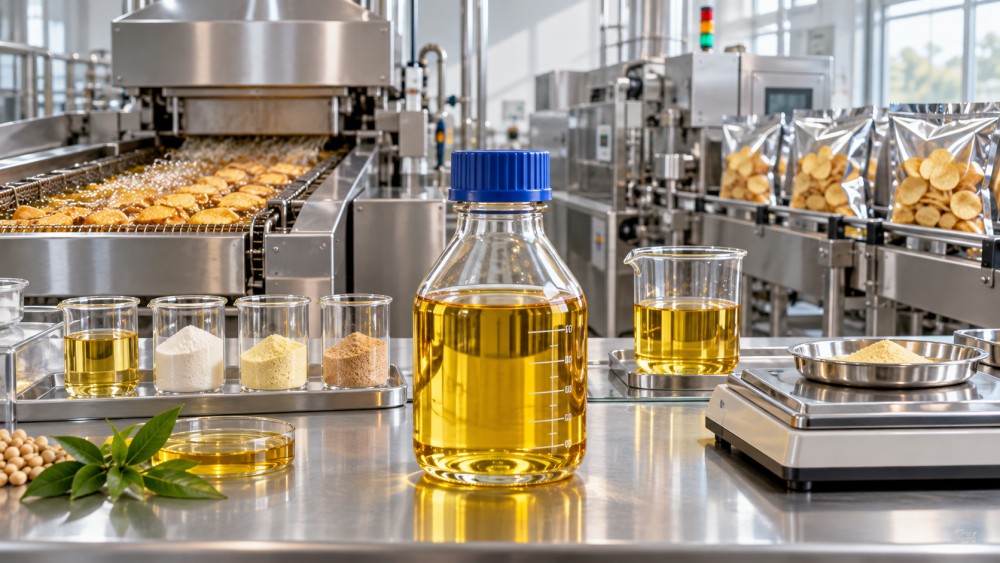
Heat is another practical limit. TBHQ is often selected for oils used in elevated-temperature applications because it can offer useful protection in many frying and high-heat systems. However, “heat stable” should not be interpreted as “unaffected by any frying condition.” Repeated high-temperature exposure, continuous oxygen contact, moisture transfer from food, crumbs, salt, and metal surfaces all accelerate oil deterioration. In long frying operations, the antioxidant may be depleted while the oil continues to receive oxidative stress.
Point of addition matters just as much as dose. In many processes, the antioxidant needs to be fully and uniformly dissolved in the oil phase before the oil undergoes significant oxidative loading. Poor dispersion can create inconsistent protection between batches. Adding a concentrated antioxidant preparation into a partially cooled, poorly mixed, or already degraded oil stream may lead to uneven distribution and weak process control.
Food matrices can also complicate the result. A packaged product may contain oil in the base, oil in the coating, and oil carried by flavors or seasonings. The fat with the highest oxidation risk may not be the bulk oil. For example, a surface-applied seasoning oil can receive substantial oxygen exposure after packaging and may drive sensory failure even when the frying oil was managed correctly. Oxidative stability testing should reflect the real lipid locations within the product, not only the specification of the main oil.
Distinguish dose control from process control
When a shelf-life result is disappointing, increasing TBHQ dosage is often the first suggestion. That response can be both technically ineffective and legally risky. The better approach is to separate an antioxidant question from a process-control question.
Oil turnover is especially important in frying. Fresh make-up oil brings antioxidant into the system, while food uptake and disposal remove oil and degradation products. A process with very low turnover can accumulate heat-damaged material despite an otherwise acceptable initial antioxidant treatment. Conversely, an operation with substantial oil replenishment may show a different antioxidant balance over time. These are process variables, not merely formulation variables.
A practical approval path for quality and safety teams
Approval should begin with the intended food and target markets, then move backward to the ingredient and process. Starting with a general technical data sheet and assuming it covers the final application creates avoidable gaps.
- Define the food matrix. Identify every added fat and oil source, including carriers in flavors, seasonings, inclusions, fillings, sprays, and release agents where relevant.
- Confirm legal applicability. Match the specific product category and country or region of sale to the current applicable requirements. Record the permitted use condition, maximum level, basis of calculation, and labeling rule.
- Review the additive specification. Obtain the supplier specification, certificate of analysis, identity information, purity-related requirements, storage condition, lot traceability, and declared concentration where TBHQ is supplied in a blend or treated oil.
- Calculate expected finished-product exposure. Use formulation weights, oil content, process yields, and all ingredient sources. Do not rely on a nominal dose in the bulk oil without relating it to the regulated food category.
- Validate the addition method. Confirm weighing accuracy, dilution procedure, dissolution, mixing time, addition temperature, and records for each batch. The procedure should prevent local over-concentration.
- Evaluate finished-product stability. Use a storage protocol relevant to the product’s expected temperature, light exposure, package, and distribution conditions. Assess meaningful quality indicators rather than relying on one isolated measure.
- Control change management. Reassess when oil suppliers, blend ratios, packaging, flavor systems, frying conditions, or markets change.
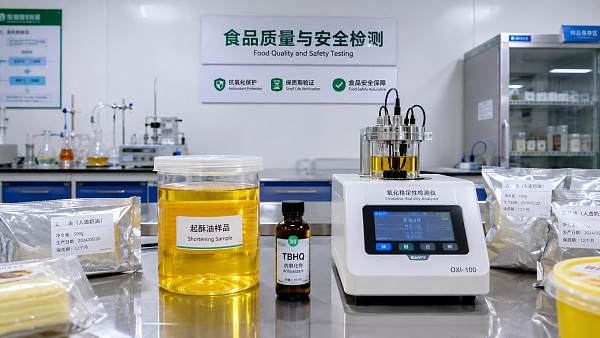
The stability assessment should be designed around the product’s actual failure mode. Sensory review may be important where flavor deterioration is the first commercial signal. Chemical oxidation indicators can support trend monitoring, but they need to be interpreted within the product type and validated internal method. In a fried product, oil quality during production may be as important as oxidation status after packaging. In a high-fat dry mix, package oxygen and headspace management may deserve greater attention.
Documentation that supports an inspection-ready decision
TBHQ control is easier to defend when regulatory, technical, and production evidence can be linked from raw material to finished product. The file does not need unnecessary paperwork, but it should allow a reviewer to answer basic questions without relying on memory or informal supplier assurances.
- Current legal assessment for each destination market and food category.
- Approved ingredient specification and supplier declaration for the antioxidant-treated material.
- Incoming lot records, certificates of analysis where required, and storage conditions.
- Formula calculation showing all contributing TBHQ sources and the compliance basis used.
- Batch addition records, verification of weighing equipment, and mixing instructions.
- Finished-product label review and version control.
- Stability, sensory, or process-monitoring records appropriate to the risk profile.
- Change-control documentation when ingredients, suppliers, process conditions, or markets are altered.
A certificate of analysis is useful but has limits. It confirms information about a particular supplied lot under stated test conditions; it does not by itself verify correct dosing in the factory, final-product concentration, label compliance, or shelf-life performance. Likewise, an internal formulation calculation is not enough if the supplier concentration is unknown or if the calculation excludes antioxidant carried by minor ingredients.
When TBHQ is not the right corrective action
TBHQ may not be the most effective answer when the main problem is oxygen permeability, poor sealing, light exposure, excessive metal contamination, or a fundamentally unsuitable oil for the target shelf life. It may also be inappropriate where the destination market does not authorize the intended use, where product positioning requires a different ingredient approach, or where the available regulatory margin is too narrow to accommodate normal manufacturing variability.
Antioxidant systems are sometimes evaluated as combinations, potentially alongside other permitted antioxidants, chelating strategies, packaging improvements, or changes in oil selection. Such decisions require care because technical synergy does not remove legal restrictions. Every component, the total use level, and the final food category must remain within applicable requirements. A blend that performs well in a pilot trial should not move directly to routine production without confirming its legal status and calculation method.
Questions that often arise during review
Can TBHQ be added after frying oil has already deteriorated?
It may slow some further oxidation, but it will not reverse existing thermal degradation, off-flavors, darkening, or accumulated breakdown compounds. Review the oil-management process and replacement criteria rather than treating post-deterioration addition as a recovery method.
Does a lower dosage always mean lower compliance risk?
Not necessarily. A lower amount may fall within a legal limit but still provide inadequate oxidative protection, leading to product-quality failure. The aim is a legally permitted, technically justified level supported by controlled addition and finished-product evaluation.
Is an antioxidant-treated oil automatically suitable for every finished food?
No. Suitability depends on the final food category, destination-market rules, the contribution from other ingredients, and how the oil is used during processing. The treated oil specification is only one part of the approval decision.
The most reliable TBHQ program is therefore not defined by a single number on a purchase specification. It is defined by a traceable chain: approved use, known concentration, controlled addition, realistic oxidation testing, and review of the conditions that can overwhelm antioxidant protection. That chain gives quality and safety teams a defensible basis for both shelf-life control and food safety compliance.
Facing technical bottlenecks in manufacturing or looking for more efficient industrial solutions? Leave your details below and let the engineering experts at FCAS solve them for you.
We respect your privacy. Your information is strictly confidential.
Related News
 Antioxidants & Natural PreservativesHow Do Food Preservative Blends for Dairy Beverages Work?Food preservative blends for dairy beverages work differently across formulations. Discover how pH, processing and testing shape shelf-life performance.MORE+
 Antioxidants & Natural PreservativesIndexBox Forecasts Moderate BHT Market Growth Through 2035BHT market growth is forecast at 2.5% annually through 2035. Explore the demand drivers and what the outlook means for suppliers and buyers.MORE+
 Antioxidants & Natural PreservativesHow Do Food Preservation Ingredients Extend Shelf Life?Food Preservation Ingredients extend shelf life by slowing microbial growth and oxidation. Discover how to select and validate the right solution for your product.MORE+
 Antioxidants & Natural PreservativesWhat Drives Antioxidant Blends Bulk Price Changes?Discover what drives antioxidant blends bulk price changes, from ingredient costs to delivery terms, and learn how to compare quotes for better value.MORE+
 Antioxidants & Natural PreservativesWhat Affects Benzyl Alcohol Wholesale Pricing and Quality?Benzyl alcohol wholesale prices vary by purity, packaging, and delivery terms. Learn how to compare quality and total costs before you buy.MORE+
 Antioxidants & Natural PreservativesHow Preservative Blends Help Control Spoilage in FoodsPreservative Blends can help control food spoilage and support shelf life. Discover how to select and validate the right system for your product.MORE+
 Antioxidants & Natural PreservativesWhat Affects the Bulk Price of Food Preservation Ingredients?Explore what drives the food preservation ingredients bulk price, from specifications and order volume to freight, compliance, and supplier reliability.MORE+
 Antioxidants & Natural PreservativesHow to Choose Tocopherols for Food Oxidation ControlDiscover how to choose Tocopherols for food oxidation control. Compare profiles, dosage, formulation compatibility, and shelf-life testing.MORE+
 Antioxidants & Natural PreservativesHow Does pH Affect the Performance of Antimicrobial Preservatives?Antimicrobial Preservatives perform differently as pH shifts. Learn how to select effective systems, avoid formulation pitfalls, and validate lasting product protection.MORE+
 Antioxidants & Natural PreservativesHow to Select Natural Food Preservatives for Chilled Ready MealsSelect natural food preservatives for ready meals with confidence. Compare options, assess pH and packaging, and validate shelf life while protecting taste. Explore the guide.MORE+
 Antioxidants & Natural PreservativesWhat Affects the Bulk Price of Antioxidant Blends for Food Use?Compare antioxidant blends bulk price factors, from active concentration to dosage and delivery costs. Learn how to assess quotes and choose better value for food applications.MORE+
 Antioxidants & Natural PreservativesHow Do Propionates Prevent Mold Without Slowing Yeast in Bread?Propionates help delay mold in bread while allowing effective proofing. Discover how pH, dosage, and process control balance longer shelf life with yeast performance.MORE+
 Antioxidants & Natural PreservativesWhat Makes Stable Synthetic Aroma Chemicals Resist Degradation?Learn why stable synthetic aroma chemicals resist degradation, how formulation and packaging affect performance, and what to test when choosing ingredients for lasting fragrance quality.MORE+
 Antioxidants & Natural PreservativesHow Do You Choose a Natural Food Preservatives Supplier You Can Trust?Choose a natural food preservatives supplier you can trust. Learn how to verify compliance, validate performance, and assess supply reliability before you buy.MORE+
 Antioxidants & Natural PreservativesWhat Determines TBHQ Bulk Price and How Can You Compare Quotes?Compare tbhq bulk price with confidence. Discover key cost drivers, specification checks, and landed-cost essentials to evaluate supplier quotes and avoid hidden costs.MORE+
 Antioxidants & Natural PreservativesHow to Choose Food Preservation Ingredients for Beverages That LastChoose food preservation ingredients for beverages with confidence. Explore pH, microbial control, compliance, and testing to protect flavor and achieve reliable shelf life.MORE+
 Antioxidants & Natural PreservativesWhat Purity Tests Are Needed for Cosmetic Grade Butylparaben?Cosmetic grade butylparaben needs more than a high assay. Discover essential purity tests, impurity controls, and supplier checks to make confident sourcing decisions.MORE+
 Antioxidants & Natural PreservativesTBHQ Antioxidant Performance, Limits, and Food Safety ComplianceTBHQ antioxidant performance, legal limits, and food safety compliance explained. Learn practical controls for oils, frying, packaging, shelf life, and documentation.MORE+
 Antioxidants & Natural PreservativesNatural Food Preservatives for Sauces That Protect Shelf LifeNatural food preservatives for sauces: discover practical strategies for safer shelf life, clean-label formulation, pH control, packaging, and validation.MORE+
 Antioxidants & Natural PreservativesHow Herbal Extracts for Functional Foods Support Product DevelopmentHerbal extracts for functional foods: explore smarter selection, sensory balance, processing stability, documentation, and scalable supply for successful product development.MORE+
 Antioxidants & Natural PreservativesWhat Quality Checks Matter When Sourcing Butylparaben for Personal CareButylparaben for personal care sourcing guide: compare assay, impurities, physical performance, documentation, traceability, and supplier quality to reduce formulation risk.MORE+
 Antioxidants & Natural PreservativesWhen Propyl Gallate Antioxidant Is the Right Choice for Oil StabilityPropyl gallate antioxidant: learn when it is the right choice for oil stability, shelf-life protection, processing compatibility, and smarter formulation decisions.MORE+
 Antioxidants & Natural PreservativesHow Potassium Sorbate Extends Shelf Life in Food and Beverage ProductsPotassium Sorbate helps food and beverage brands control yeast and mold spoilage. Explore pH, dosage, processing, and packaging strategies for reliable shelf life.MORE+
 Antioxidants & Natural PreservativesHow to Source Bulk Herbal Extracts With Reliable Quality ControlBulk herbal extracts sourcing guide: compare suppliers, verify traceability, review CoAs, and build reliable quality controls for safer, consistent purchasing.MORE+
 Antioxidants & Natural PreservativesWhat to Check Before Sourcing Butylparaben for Personal Care FormulasButylparaben for personal care sourcing guide: check market eligibility, purity, supplier controls, formula compatibility, packaging, and total risk before buying.MORE+
 Antioxidants & Natural PreservativesNatural Food Antioxidants That Help Extend Shelf Life in Clean LabelsNatural Food Antioxidants: learn how tocopherols, rosemary extracts, and ascorbic systems help protect flavor, color, and shelf life in clean-label foods.MORE+
 Antioxidants & Natural PreservativesWhat to Check Before Choosing a Butylparaben Wholesale SupplierButylparaben wholesale buyers: learn how to assess quality, documentation, market fit, packaging, supply reliability, and total landed cost before choosing a supplier.MORE+
 Antioxidants & Natural PreservativesWhat to Check Before Choosing a Synthetic Food Preservatives SupplierSynthetic food preservatives supplier selection: check regulatory fit, batch consistency, documentation, logistics, and support to reduce risks and hidden costs.MORE+
 Antioxidants & Natural PreservativesWhat to Verify Before Choosing a Synthetic Food Preservatives FactorySynthetic food preservatives factory checklist: verify food-grade quality, impurity control, traceability, packaging, and regulatory fit before supplier approval.MORE+
 Antioxidants & Natural PreservativesHow to Compare Food Preservative Blends Wholesale QuotesFood preservative blends wholesale: compare quotes by true cost, dosage, compliance, quality consistency, and supply reliability to choose the best-value solution.MORE+
 Antioxidants & Natural PreservativesHow Natural Food Preservatives Keep Sauces Fresh Without Sacrificing FlavorNatural food preservatives for sauces help balance microbial control, shelf life, and authentic flavor. Explore practical formulation, processing, and packaging strategies.MORE+
 Antioxidants & Natural PreservativesHow Propionates Extend Shelf Life While Meeting Food Safety RequirementsPropionates extend shelf life by controlling mold in bakery and moisture-sensitive foods. Explore smart dosage, compliance, supplier quality, and safer distribution strategies.MORE+
 Antioxidants & Natural PreservativesHow Oxidation Resistant Flavor Encapsulates Protect Taste During ProcessingOxidation resistant flavor encapsulates help protect delicate taste through heat, oxygen, and storage. Discover how to improve flavor retention, release, and processing consistency.MORE+
 Antioxidants & Natural PreservativesHow to Choose Green Tea Extract for Stable, Consistent FormulationsGreen Tea Extract selection guide for stable, consistent formulations—compare standardization, solubility, carriers, stability, and batch quality with confidence.MORE+
 Antioxidants & Natural PreservativesIs TBHQ for Shortening Safe and Effective for Longer Shelf Life?TBHQ for shortening: discover how safe, compliant antioxidant use can reduce rancidity, protect quality, and support longer shelf life through validated controls.MORE+
 Antioxidants & Natural PreservativesWhy Ferulic Acid Matters in Modern Antioxidant FormulationsFerulic Acid helps modern formulations enhance oxidative stability, protect sensitive ingredients, and support differentiated product performance across key applications.MORE+
 Antioxidants & Natural PreservativesHow Natural Food Preservatives Extend Shelf Life Without CompromiseNatural Food Preservatives extend shelf life through smart hurdle systems, balancing safety, clean-label appeal, sensory quality, and regulatory compliance.MORE+
 Antioxidants & Natural PreservativesHow to Choose a Food Preservation Ingredients Manufacturer with ConfidenceFood preservation ingredients manufacturer selection starts with risk control. Learn how to compare quality, documentation, supply stability, and technical support with confidence.MORE+
 Antioxidants & Natural PreservativesIs Cosmetic Grade Butylparaben Still a Smart Choice for FormulatorsCosmetic grade butylparaben remains a key consideration for formulators. Explore when it still makes sense, when to replace it, and how to balance performance, compliance, and market demands.MORE+
 Antioxidants & Natural PreservativesHow to Choose a Reliable Gum Arabic Powder Supplier for Consistent QualityGum arabic powder supplier selection starts with quality, traceability, and supply stability. Learn how to compare specs, compliance, and continuity to reduce sourcing risk.MORE+