How Food Grade Stevia Sweetener Affects Taste and Label Claims
For quality control and food safety teams, selecting a food grade stevia sweetener involves more than reducing sugar in a finished product.
Purity, steviol glycoside profile, bitterness control, solubility, and processing stability directly influence sensory performance, supplier qualification, and compliant product label claims.
The practical conclusion is clear: stevia selection should be managed as a formulation, quality, documentation, and regulatory-control decision rather than a simple purchasing substitution.
Start With the Steviol Glycoside Profile
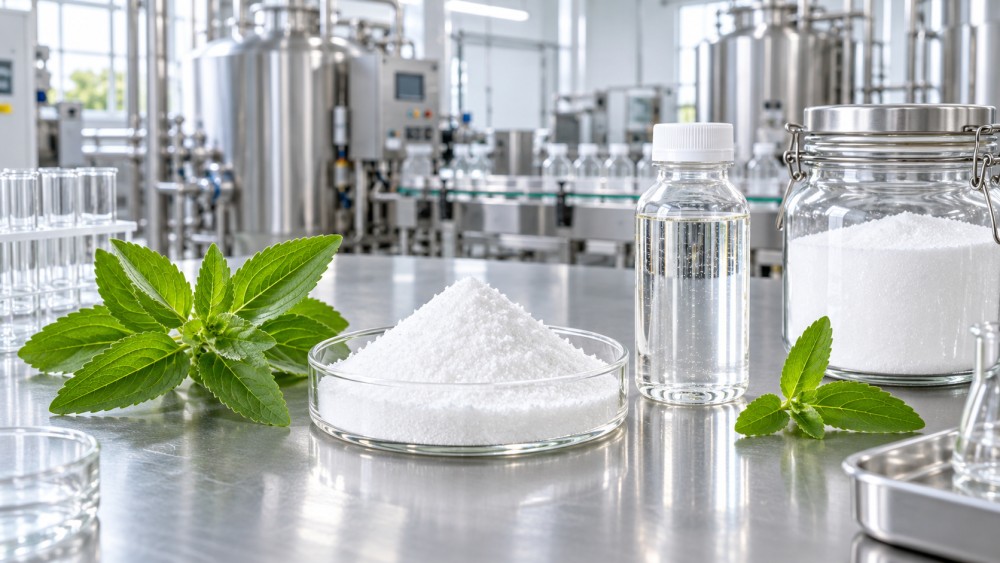
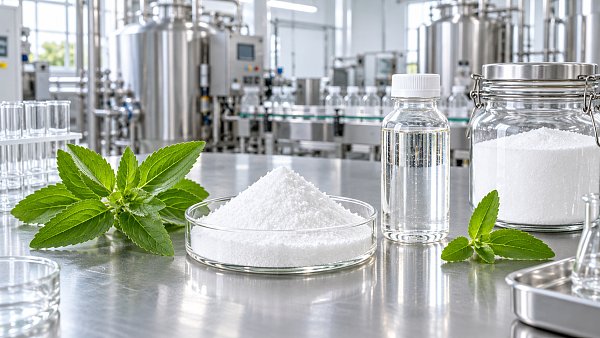
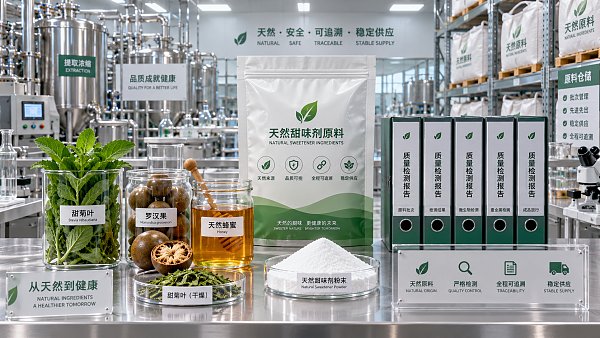
A food grade stevia sweetener is commonly derived from Stevia rebaudiana leaves, but commercial materials can differ substantially in composition, sweetness character, and production consistency.
The key quality parameter is the steviol glycoside profile, including compounds such as stevioside, rebaudioside A, rebaudioside M, rebaudioside D, and related minor glycosides.
These glycosides do not deliver identical sensory effects. Their relative proportions influence sweetness onset, sweetness duration, bitterness, licorice notes, and possible cooling sensations.
Traditional high-Reb A ingredients often provide strong sweetness but may create a more pronounced bitter or lingering aftertaste in demanding low-sugar applications.
Ingredients with higher proportions of Reb M or Reb D can offer a cleaner sweetness profile, although their commercial availability, cost, and documentation may differ.
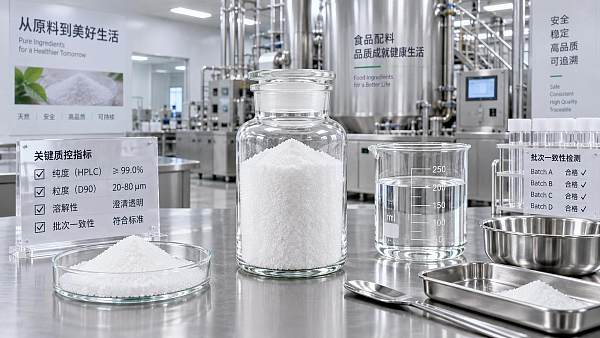
Quality teams should avoid qualifying stevia solely by total glycoside percentage. A 95% steviol glycoside specification does not guarantee equivalent flavor performance between suppliers.
Why Purity Does Not Automatically Mean Better Taste
Higher purity can reduce unwanted plant-derived compounds, pigments, odors, and variability. However, purity alone cannot predict whether a sweetener will fit a specific beverage or food matrix.
A highly purified product dominated by one glycoside may still taste less balanced than a lower-cost blend designed for a particular sensory target.
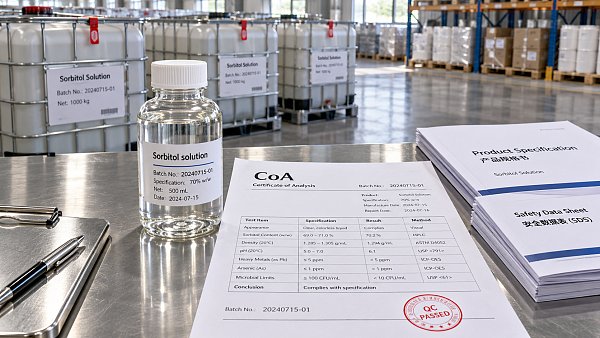
For this reason, certificates of analysis should be reviewed alongside detailed glycoside composition data, sensory evaluation results, and application-specific trial samples.
Procurement teams may prefer a single numerical purity specification because it simplifies comparison. Quality teams should explain why this approach can create formulation risk.
Supplier specifications should identify the measurement method, the reporting basis, and acceptable ranges for principal glycosides rather than reporting only a total assay value.
Batch-to-batch limits matter because relatively small composition changes may be noticeable in products with light flavor systems, especially water, dairy, tea, and unsweetened beverages.
Bitterness Control Requires Formulation Testing
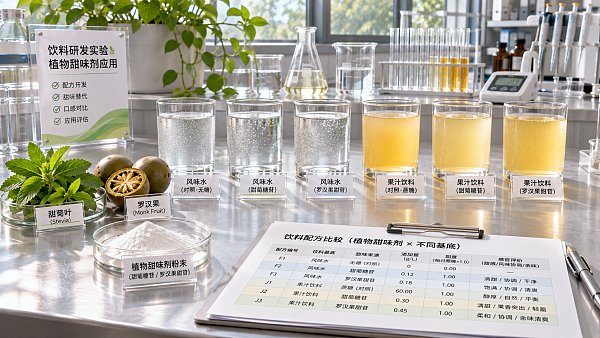
Stevia bitterness is not determined by the sweetener alone. It is affected by dosage, product acidity, flavor profile, salt content, protein level, fat content, and processing conditions.
In acidic drinks, certain off-notes may become more apparent as sweetness fades. In dairy systems, protein interactions and flavor masking can change consumer perception.
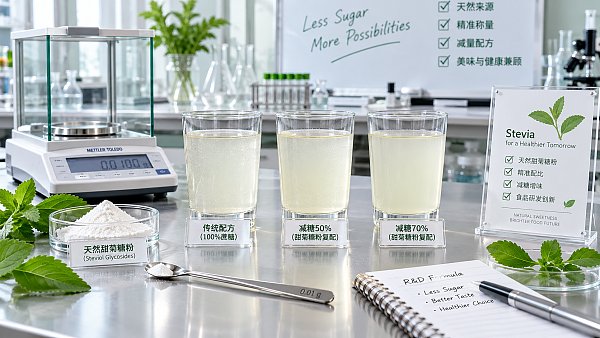
Quality control teams should test the actual finished formulation, not merely a sweetener solution prepared in water at an equivalent sweetness level.
A structured sensory protocol should assess initial sweetness, peak sweetness, lingering sweetness, bitter aftertaste, metallic notes, mouthfeel, and flavor recovery after swallowing.
Blind comparison against the existing full-sugar product helps determine whether sugar reduction has created a commercially meaningful sensory gap rather than a laboratory-only difference.
Common mitigation approaches include blending stevia with erythritol, allulose, soluble fibers, sugar, flavor modulators, acids, or other approved high-intensity sweeteners where appropriate.
Solubility and Dispersion Affect Manufacturing Consistency
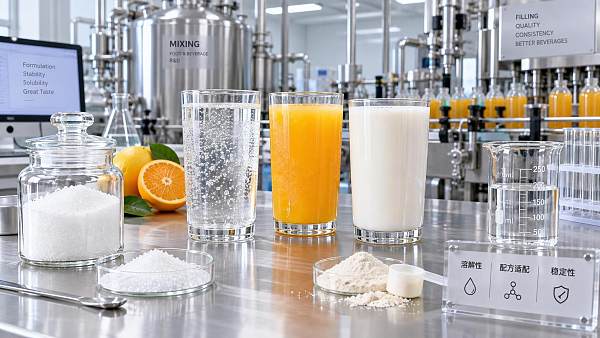
Food grade stevia sweetener is used at low dosage, which can make poor dispersion difficult to identify until sweetness variation appears in finished product testing.
Powder grade, particle size, agglomeration behavior, moisture content, and carrier selection can influence whether the ingredient disperses evenly during production.
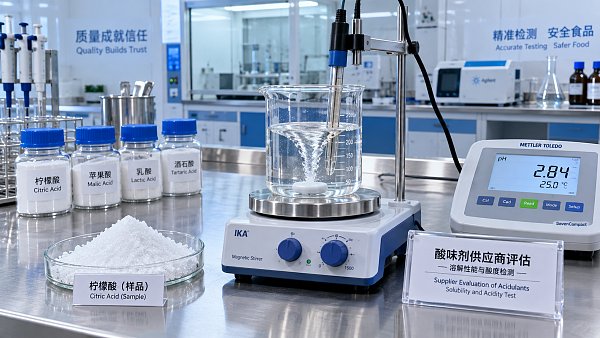
Direct addition to a large processing tank may cause floating powder, wall adhesion, localized concentration, or incomplete dissolution, particularly in cold or high-solids systems.
Many manufacturers prepare a premix or stock solution to improve dosing accuracy. The procedure should define water temperature, mixing time, concentration, filtration, and holding limits.
Quality teams should verify sweetness uniformity across the batch, including samples drawn from early, middle, and late filling stages where segregation is possible.
When a supplier changes particle size distribution, carrier material, or processing method, the change should trigger a compatibility review even if chemical specifications remain unchanged.
Heat and Storage Stability Must Be Verified in Context
Steviol glycosides are generally stable under many food processing conditions, but stability claims should be evaluated against the product's actual time, temperature, pH, and packaging conditions.
Pasteurization, baking, extrusion, retort processing, and extended hot-fill operations expose ingredients to different stresses and may also alter flavor perception through matrix changes.
A sweetener may remain chemically present while the overall taste becomes less acceptable because other flavor compounds degrade, concentrate, or react during processing.
Accelerated shelf-life studies should include sensory assessment, not only assay testing. A stable glycoside result does not prove that sweetness quality remains commercially acceptable.
Moisture exposure can affect powder flow, dissolution behavior, and handling accuracy. Warehousing controls should address temperature, humidity, resealing practices, and traceable lot management.
For liquid premixes, teams should confirm microbiological control, preservative compatibility, pH stability, and the approved maximum storage period before routine manufacturing use.
Label Claims Depend on More Than the Sweetener
Stevia is often selected to support reduced-sugar, no-added-sugar, sugar-free, lower-calorie, or naturally sweetened positioning. These claims are regulated differently across markets.
A food grade stevia sweetener can support a formulation objective, but it does not independently authorize any claim on packaging, advertising, or product information.
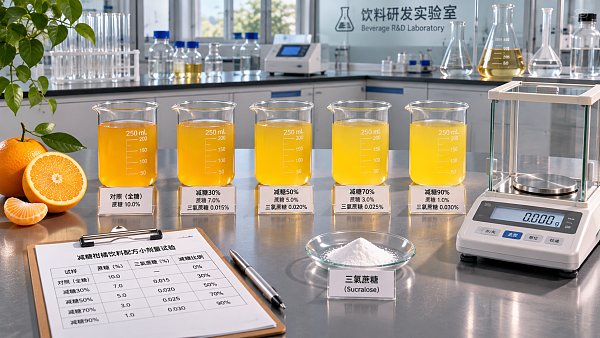
For example, a reduced-sugar claim normally requires comparison against a defined reference product and a measurable reduction meeting the applicable local regulatory threshold.
A no-added-sugar claim may be unavailable when ingredients naturally contribute sugars, when concentrates are used, or when mandatory qualifying statements are required by local law.
Sugar-free claims often depend on residual sugar levels in the finished food rather than the absence of sucrose added during the formulation process.
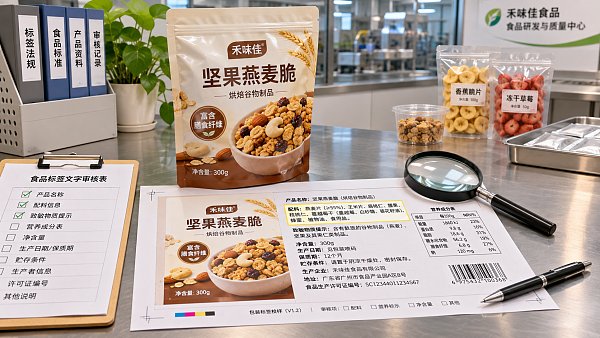
Label review should therefore involve regulatory affairs, product development, nutrition specialists, and quality personnel before artwork is approved for commercial printing.
Check Ingredient Naming and Regulatory Status Early
Ingredient declaration requirements vary by jurisdiction. Labels may require a category name, a specific sweetener name, an additive number, or wording prescribed by local regulations.
Teams should confirm whether the material is authorized as steviol glycosides, stevia leaf extract, a specified rebaudioside, or another legally defined ingredient category.
“Natural” is particularly sensitive language. A botanical origin does not automatically establish that a finished product may be marketed as natural in every target market.
Manufacturing route can also matter. Some newer glycosides may be produced through bioconversion or fermentation-based processes, creating additional labeling and market-authorization questions.
Supplier documentation should clearly state the identity, origin, production process where relevant, legal status, intended use conditions, and market-specific compliance position.
Do not rely exclusively on broad marketing statements such as “clean label” or “label-friendly.” These descriptions are commercial language, not regulatory conclusions.
Build a Supplier Qualification File Around Real Risks
A robust qualification file for food grade stevia sweetener should include specifications, certificates of analysis, allergen statements, GMO status, country of origin, and traceability information.
Food safety teams should also request microbiological limits, heavy metal controls, pesticide residue information, solvent declarations, contaminant monitoring, and packaging material specifications.
Where applicable, review food safety certification, manufacturing site audit information, change-control procedures, complaint history, and the supplier's ability to support investigations promptly.
Identity testing should be risk-based and proportionate. High-risk or unfamiliar supply channels may require stronger verification than established suppliers with proven quality history.
Supplier change notifications are essential because a revised extraction process, glycoside ratio, processing aid, or production location can affect taste and legal documentation.
Quality agreements should specify notification timelines, retained sample expectations, certificate requirements, deviation handling, and responsibilities when finished-product performance changes unexpectedly.
Use a Practical Approval Workflow Before Commercial Release
Start with a written target profile defining desired sweetness equivalence, permitted aftertaste, intended consumer segment, target markets, shelf life, and label claim objectives.
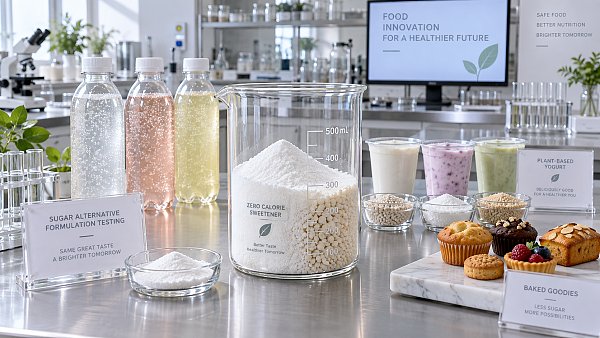
Screen candidate sweeteners through bench trials in the final product matrix. Include control formulas, supplier alternatives, and relevant sweetener blends in the same sensory session.
Move promising candidates into pilot-scale production because mixing behavior, heat exposure, filling conditions, and ingredient interactions are often different from laboratory preparation.
Review analytical, microbiological, sensory, and packaging data before approving the ingredient. Document the selected grade and the reasons competing options were rejected.
Complete regulatory and labeling review before commercial scale-up, particularly when products will be distributed in multiple countries with different additive and claim requirements.
After launch, trend complaints, sensory deviations, sweetness consistency, and incoming material results. Post-launch monitoring is often the fastest way to detect supplier drift.
Match the Stevia Grade to the Product Category
Clear beverages usually demand the cleanest sensory profile because there is little fat, flavor intensity, or texture to mask bitterness and sweetness persistence.
Flavored beverages may tolerate wider stevia options, but citrus, tea, coffee, and botanical flavors should be individually tested because they can amplify different aftertaste notes.
Dairy, yogurt, and protein products require evaluation for sweetness balance, flavor release, and interactions with protein or mineral systems during storage.
Bakery and confectionery applications need more than sweetness replacement. Sugar contributes bulk, browning, moisture retention, texture, freezing-point depression, and processability.
Sauces, dressings, and savory products require careful evaluation because salt, acid, spices, and umami ingredients can either mask or emphasize stevia's lingering character.
There is rarely one universally best food grade stevia sweetener. The correct grade is the one that meets sensory, operational, safety, and documentation requirements together.
Conclusion: Treat Stevia as a Controlled Ingredient Decision
Food grade stevia sweetener can help manufacturers reduce sugar while maintaining a marketable flavor profile, but successful use depends on much more than sweetness potency.
Quality and safety teams should prioritize glycoside profile, application-specific sensory validation, process compatibility, supplier control, and evidence supporting every intended label claim.
When these checks are completed before scale-up, manufacturers can make better sourcing decisions, reduce reformulation delays, and launch lower-sugar products with greater confidence.
Facing technical bottlenecks in manufacturing or looking for more efficient industrial solutions? Leave your details below and let the engineering experts at FCAS solve them for you.
We respect your privacy. Your information is strictly confidential.
Related News
 Zero-Calorie Sweeteners & AcidulantsHow to Choose Plant Based Natural Sweeteners for BeveragesChoose plant based natural sweeteners for beverages with confidence. Compare stevia, monk fruit and blends for taste, processing, labeling and cost.MORE+
 Zero-Calorie Sweeteners & AcidulantsChina’s New Food Labeling Standard to Prohibit “Zero Addition” ClaimsChina’s new food labeling standard targets “zero addition” and “no added” claims. Discover what the change means for food brands and ingredient suppliers.MORE+
 Zero-Calorie Sweeteners & AcidulantsHow to Use High Sweetness Sucralose in Reduced-Sugar DrinksDiscover how to use high sweetness sucralose in reduced-sugar drinks, with practical tips for balancing taste, mouthfeel, stability, and compliance.MORE+
 Zero-Calorie Sweeteners & AcidulantsChoosing High Intensity Sweeteners for Tabletop UseHigh intensity sweeteners for tabletop use: compare taste, formats, stability and compliance to create a consistent product consumers will enjoy.MORE+
 Zero-Calorie Sweeteners & AcidulantsHow to Evaluate a Maltitol Manufacturer for Consistent QualityEvaluate a maltitol manufacturer with confidence. Discover how to assess batch consistency, food safety, traceability, and trial performance before you buy.MORE+
 Zero-Calorie Sweeteners & AcidulantsChattogram Customs Seizes 4.2 Tonnes of Banned SweetenerChattogram Customs seized 4.2 tonnes of banned sodium cyclamate. Explore what the seizure means for sweetener sourcing and food compliance in Bangladesh.MORE+
 Zero-Calorie Sweeteners & AcidulantsHow to Evaluate a Crystalline Polyols ManufacturerChoosing a crystalline polyols manufacturer? Learn how to compare quality, production performance, documentation, and delivered costs with confidence.MORE+
 Zero-Calorie Sweeteners & AcidulantsHow to Evaluate a Sucralose Supplier Before Placing a Bulk OrderEvaluate a sucralose supplier with confidence. Learn how to verify quality, compliance, traceability, delivery reliability, and total costs before placing a bulk order.MORE+
 Zero-Calorie Sweeteners & AcidulantsHow to Choose Low Calorie Bulk Sweeteners for Reduced-Sugar FoodsChoose low calorie bulk sweeteners with confidence. Compare options for taste, texture, shelf life, and compliance to create better reduced-sugar foods.MORE+
 Zero-Calorie Sweeteners & AcidulantsWhich Quality Documents Should a Liquid Sorbitol Supplier Provide?Choosing a liquid sorbitol supplier? Learn which quality documents to request, how to verify CoAs and traceability, and what gaps should block release before you buy.MORE+
 Zero-Calorie Sweeteners & AcidulantsWhat Should You Check Before Choosing an Acidulants Supplier?Choosing an acidulants supplier? Learn how to verify specifications, batch quality, compliance, and delivery reliability to reduce risks and compare true usable costs.MORE+
 Zero-Calorie Sweeteners & AcidulantsHow Can You Reduce Bitterness When Using Natural Stevia Powder?Reduce bitterness in natural stevia sweetener powder with smarter dosing, glycoside selection, and sweetener blends. Discover practical tips for cleaner sweetness and a better finish.MORE+
 Zero-Calorie Sweeteners & AcidulantsHow Food Grade Stevia Sweetener Affects Taste and Label ClaimsFood grade stevia sweetener: learn how glycoside profiles, taste control, processing stability, and label claims shape successful lower-sugar products.MORE+
 Zero-Calorie Sweeteners & AcidulantsHow to Choose a Natural Sweeteners Supplier for Clean-Label ProductsNatural sweeteners supplier selection guide for clean-label products: compare formulation fit, traceability, documentation, and supply reliability.MORE+
 Zero-Calorie Sweeteners & AcidulantsWhat Drives Zero Calorie Sweeteners Bulk Price in 2026Zero calorie sweeteners bulk price in 2026: compare specifications, dosage, quality, freight, and supply risk to make smarter sourcing decisions.MORE+
 Zero-Calorie Sweeteners & AcidulantsHow to Choose Zero Calorie Sweeteners for Sugar Free ProductsZero calorie sweeteners for sugar free products: compare taste, stability, labeling, and cost to choose the right system for beverages, bakery, and functional foods.MORE+
 Zero-Calorie Sweeteners & AcidulantsChoosing Sucralose for Dairy Products Without Compromising TasteSucralose for dairy products: learn how to protect clean sweetness, optimize sensory performance, verify quality, and source reliably for reduced-sugar dairy.MORE+
 Zero-Calorie Sweeteners & AcidulantsHow to Choose Artificial Sweeteners for Beverages That Taste BetterArtificial sweeteners for beverages: learn how to choose solutions with better taste, stability, labeling fit, and cost efficiency for successful reduced-sugar drinks.MORE+
 Zero-Calorie Sweeteners & AcidulantsHow Acidity Regulators Improve Beverage Flavor and Shelf LifeAcidity Regulators help beverage brands balance flavor, pH control, microbial stability, and shelf life. Explore practical formulation insights for safer, more consistent drinks.MORE+
 Zero-Calorie Sweeteners & AcidulantsKey Quality Checks for High Purity Aspartame in Food FormulationHigh purity aspartame quality checks for food formulation: evaluate assay, impurities, particle consistency, stability, documentation, and total cost.MORE+
 Zero-Calorie Sweeteners & AcidulantsHow Liquid Flavors for Soft Drinks Improve Taste Consistency at ScaleLiquid flavors for soft drinks help manufacturers achieve reliable taste consistency at scale through accurate dosing, controlled mixing, stability management, and sensory quality control.MORE+
 Zero-Calorie Sweeteners & AcidulantsWhat to Check When Choosing a Saccharin Sodium Supplier for Global OrdersChoose a reliable saccharin sodium supplier for global orders. Learn how to assess quality, documentation, packaging, export readiness, and total landed reliability.MORE+
 Zero-Calorie Sweeteners & AcidulantsAre High Intensity Sweeteners for Tabletop Use Right for Your ProductExplore high intensity sweeteners for tabletop use: compare taste, carriers, serving cost, stability, packaging, and compliance to build a successful product.MORE+
 Zero-Calorie Sweeteners & AcidulantsSaccharin Sodium Selection Factors for Zero-Calorie FormulasSaccharin Sodium selection factors for zero-calorie formulas: optimize taste, purity, solubility, compliance, and batch consistency for reliable production.MORE+
 Zero-Calorie Sweeteners & AcidulantsHow High Purity Aspartame Supports Consistent Zero-Calorie FormulasHigh purity aspartame supports consistent zero-calorie formulas with reliable sweetness, process stability, traceability, and quality control across every batch.MORE+
 Zero-Calorie Sweeteners & AcidulantsHow Acesulfame Potassium for Soft Drinks Affects Taste and CostAcesulfame potassium for soft drinks can improve sweetness efficiency and lower formulation cost, but only with the right blend, taste control, and sourcing strategy. Learn what drives the best ROI.MORE+