How Microbial Insecticides Control Caterpillars With Lower Crop Residue Risk
Microbial insecticides can reduce residue-management pressure in caterpillar programs, but only when they are used against the right larval stage and within a disciplined spray schedule. Their central advantage is selectivity: many products act mainly after a susceptible caterpillar feeds on treated plant tissue, rather than relying on broad contact activity across many insect groups. This can make them valuable where harvest intervals are tight, beneficial insects matter, or residue limits are commercially sensitive.
That advantage should not be confused with “no residue” or “no compliance risk.” A microbial product still has a label, a registered use pattern, formulation ingredients, a pre-harvest interval where applicable, and market-specific residue requirements. The lower-residue value comes from the biological nature and targeted activity of the control mechanism, combined with correct timing and fewer unnecessary applications—not from an assumption that any biological treatment is automatically exempt from residue control.
Why caterpillars are a difficult target
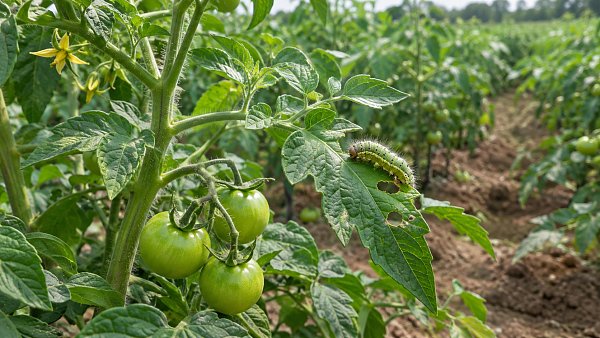
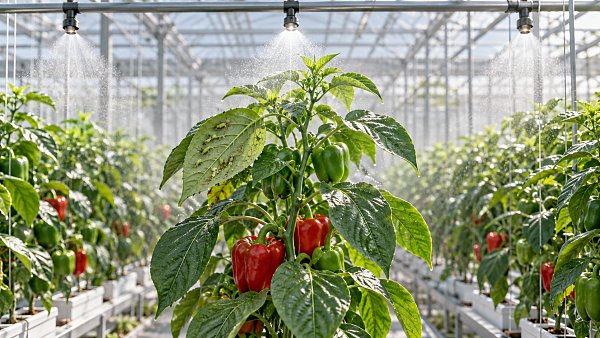
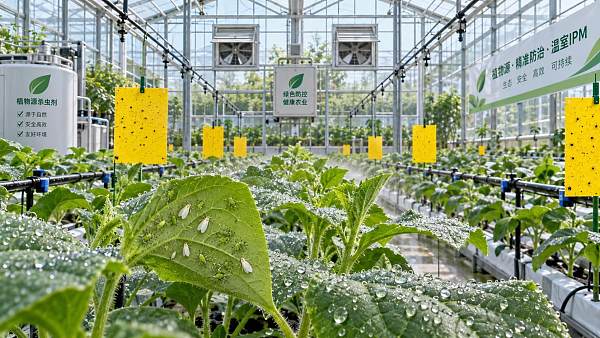
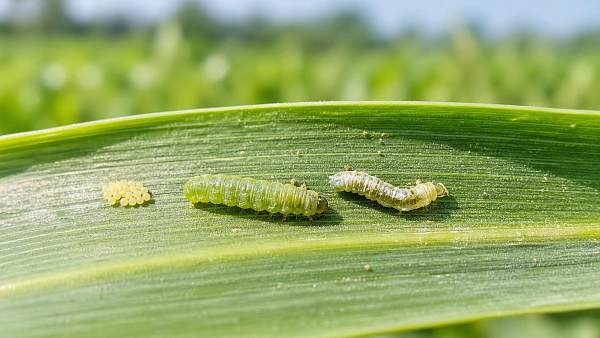
Caterpillars can cause damage that is disproportionate to their numbers. Small larvae may skeletonize leaves or create shallow feeding marks, while larger larvae can enter fruit, ears, heads, pods, or growing points. Once larvae move into protected plant structures, spray deposits may no longer reach them adequately. In crops sold for fresh consumption, even limited feeding damage, frass, webbing, or contamination can make produce unmarketable.
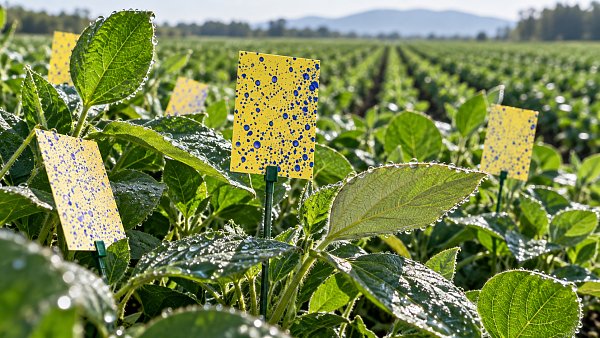
The practical consequence is that control decisions must be based on larval stage and feeding location, not merely on the presence of adult moths. Pheromone traps are useful for detecting flights and signalling that crop inspections should intensify, but a trap catch is not itself proof that a spray is required. Eggs, newly hatched larvae, crop growth stage, damaged plant parts, and the local treatment threshold determine whether intervention is justified.
Microbial insecticides for caterpillars are strongest when larvae are small, exposed, and actively feeding. They are generally less reliable as a rescue treatment for late-instar larvae already established inside fruit or dense crop canopies. That distinction explains many disappointing results: the product may be appropriate, but the application begins after the biological window has narrowed.
How the main microbial options work
Bacillus thuringiensis, usually referred to as Bt, is the most familiar microbial option for caterpillar control. Different Bt strains and products produce insecticidal proteins that must be eaten by susceptible larvae. In the caterpillar gut, the proteins are activated and bind to target sites in the gut lining. Feeding slows or stops after ingestion, although visible larval death may take longer than with a fast-acting broad-spectrum contact insecticide.
Bt products are not interchangeable. Strain selection, target pest species, formulation quality, crop registration, and local label directions all matter. A product labelled for lepidopteran larvae may perform well against certain armyworms, loopers, diamondback moth larvae, or fruit borers, but should not be assumed to control every caterpillar in every crop. Species identification is especially important where several lepidopteran pests occur together or where the pest may be confused with beetle larvae, sawfly larvae, or other leaf-feeding insects.
Baculoviruses, including nucleopolyhedroviruses (NPVs) and granuloviruses (GVs), are another targeted group. These are viruses that infect specific insect hosts or closely related groups. Larvae consume virus particles from treated surfaces; infection develops internally, and mortality may be slower than with conventional insecticides. Their high host specificity can preserve many non-target organisms, but it also means that pest identification is non-negotiable. A virus effective against one target caterpillar may offer little or no control of another species in the same field.
Some caterpillar programs also use insecticidal substances derived from microbial fermentation, such as spinosyn-based products. These are biologically derived but operate differently from living microbial agents or Bt proteins. Their residue profile, non-target effects, pre-harvest interval, pollinator precautions, and resistance-management role must be assessed according to the exact active substance and local registration. Grouping all “biological” products into one operational category can lead to incorrect assumptions about safety, compatibility, and residue status.
Lower crop residue risk depends on the full application system
Residue risk is shaped by more than the active ingredient. The crop, application rate, number of treatments, timing before harvest, spray coverage, spray-water quality, tank-mix partners, and destination market can all change the compliance picture. A microbial insecticide may support a lower-residue strategy because it can replace or reduce reliance on certain conventional treatments, but the program must still be designed around the actual residue requirements of the crop and market.
For crops moving through export channels, the relevant standard is not simply the pesticide registration in the production country. The buyer may require compliance with the maximum residue limit (MRL) in the destination market, and private specifications may be stricter than legal limits. Operators should not infer that a biological product has unrestricted market access. The approved use, active ingredient status, and any applicable residue requirement should be checked before treatment programs are finalized.
Pre-harvest interval instructions remain operationally important. Where a label specifies a PHI, it must be followed exactly. Where no PHI is required under a particular registration, that does not remove the need for documented applications, clean tank management, and control of other inputs used in the same crop cycle. Residue problems often arise from the whole spray history, including incompatible tank mixes or an overlooked late-season application, rather than from one product chosen for its biological profile.
Start with identification, not a spray decision
Before selecting a microbial treatment, inspect several areas of the field or greenhouse. Look for eggs, feeding holes, fresh frass, folded leaves, webbing, entry holes, and larvae in sheltered sites. Note whether larvae are present on outer leaves, within the canopy, under leaf surfaces, inside flowers, or within fruiting structures. Record approximate larval size rather than simply marking “caterpillars present.”
A practical field distinction is between early instars, which are small and require relatively little feeding to ingest a lethal dose, and older larvae, which consume more tissue, may be less susceptible, and are harder to reach. If a large proportion of the population is already mature or protected inside the crop, a microbial product alone may not provide an acceptable rescue response. The correct decision may be a different registered intervention, followed by a microbial product in the next early-larval window to prevent renewed establishment.
Do not rely on damage symptoms alone where the pest identity affects treatment choice. Some species feeding on the same crop can differ substantially in their response to Bt strains or baculoviruses. Where identification is uncertain, use local technical guidance, diagnostic support, or a reliable pest reference before making repeated applications.
Coverage is the difference between treatment and exposure
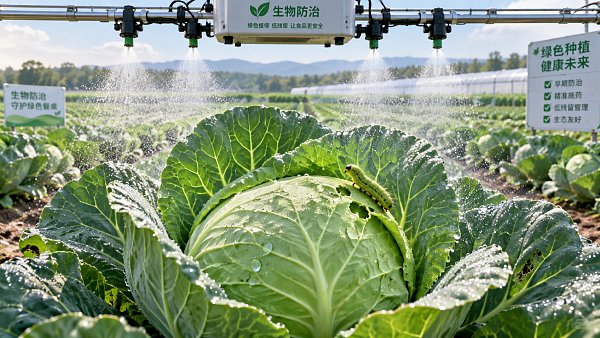
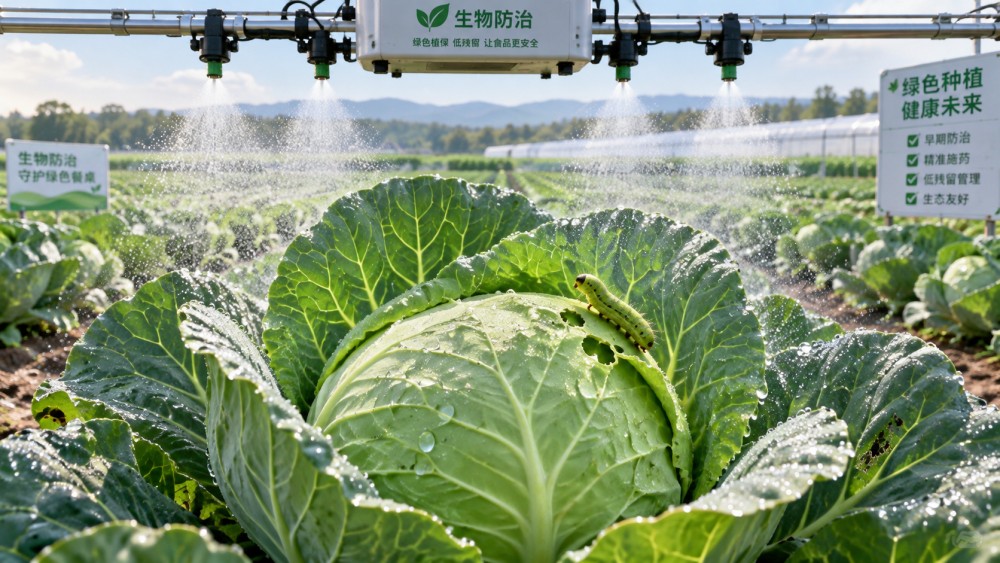
Most microbial caterpillar products require ingestion. This means the spray must reach the plant surfaces that larvae will eat. A spray that coats only the upper canopy may look visually adequate while leaving feeding sites untreated on leaf undersides, internal foliage, flower clusters, or developing fruit zones.
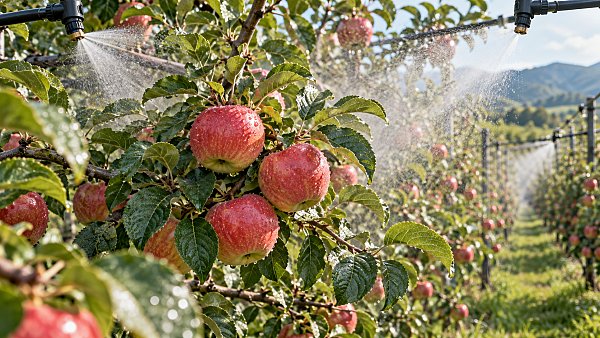
Application volume, nozzle type, pressure, travel speed, canopy density, and air movement all influence deposit distribution. Dense vegetable crops, orchards, protected crops, and flowering crops often need special attention to penetration. The objective is not simply to apply more liquid; it is to create a uniform deposit at active feeding sites without runoff, drift, or excessive dilution.
Coverage checks should be part of routine work. Water-sensitive paper, clean-water nozzle checks, observation of spray pattern, and inspection of target zones can reveal whether the equipment reaches the intended surfaces. Blocked nozzles, uneven boom height, worn tips, poor agitation, or an incorrect travel speed can undermine a well-chosen product before pest biology becomes relevant.
Application timing also matters because many microbial products are sensitive to environmental degradation. Strong ultraviolet light can reduce the persistence of Bt proteins and viral particles on foliage. High temperatures, low humidity, rainfall after spraying, and rapid leaf expansion can further shorten effective exposure. Labels may provide specific instructions, but as a general operating principle, treatment should be scheduled to maximize deposition on dry foliage and minimize immediate wash-off or intense UV exposure. Early morning or late-day spraying may be operationally preferable where label directions and local conditions allow.
Water quality and tank mixing can quietly reduce performance
Microbial products should be prepared with clean water and used according to label instructions for pH, agitation, and mixing order. Highly alkaline water can be unsuitable for some biological materials, while sediment, residual disinfectants, or incompatible additives may affect product performance. There is no universal tank-mix rule: compatibility depends on the exact formulation and partner product.
A common mistake is to add a microbial insecticide to a tank already containing fungicides, foliar fertilizers, oils, alkaline materials, disinfectants, or other crop-protection products without checking compatibility. The mixture may remain physically uniform while the biological activity has been reduced. Where a tank mix is permitted, follow the product label and carry out a small physical compatibility test when appropriate. A jar test can identify separation, precipitation, or excessive foaming, but it cannot confirm biological efficacy. When uncertainty remains, separate applications are safer than assuming compatibility.
Spray tanks and lines also need attention. Residues from previous applications, particularly sanitizers or products with extreme pH, can be problematic. Thorough cleaning between products is not only a residue-management practice; it helps protect the activity of sensitive biological treatments.
Use microbial products as part of a sequence, not as an isolated event
A successful caterpillar program normally combines monitoring, crop inspection, treatment timing, and resistance management. Repeated use of a single mode of action can select for less susceptible pest populations, including where Bt products are used intensively. Resistance-management guidance varies by crop and region, but the basic discipline is consistent: avoid unnecessary repeat applications of the same active group, use labelled rates, treat within the recommended larval stage, and rotate with suitable alternatives when further control is needed.
Microbial products can fit particularly well after a pest flight has been detected and egg hatch is beginning. A follow-up inspection is essential. Because biological control may not produce the immediate knockdown associated with some conventional treatments, judging efficacy too soon can result in unnecessary re-spraying. The more meaningful observations are reduced feeding, fewer live small larvae on treated tissue, and whether the remaining population is still capable of causing economic damage.
However, patience should not become inaction. If scouting shows continued egg hatch, uneven coverage, large larvae, fresh internal feeding, or pest pressure beyond what the chosen product can manage, the program needs adjustment quickly. Delayed correction is especially costly in high-value crops where larvae can enter the marketable portion of the plant.
Where microbial control is most likely to fit
Microbial approaches are well suited to situations where the target pest is known, larvae can be detected early, and crop scouting is frequent enough to act before feeding damage escalates. They are often useful in leafy vegetables, brassicas, fruiting vegetables, field crops, orchards, and protected production systems, provided the product is registered for the crop and target pest.
They are less suited to a “spray after visible damage becomes severe” approach. Fields with poor monitoring, highly uneven pest development, inaccessible crop interiors, or a large population of late larvae require a more cautious assessment. The question is not whether biological control is good or bad; it is whether the product can deliver sufficient ingestion by susceptible larvae before the crop suffers unacceptable damage.
Operational checks before and after treatment
- Confirm the pest species and estimate larval size.
- Check that the selected product is registered for the crop, target pest, and production location.
- Review the label for rate, application interval, maximum number of uses, re-entry requirements, PHI, and mixing restrictions.
- Inspect nozzles, filters, agitation, boom height, and spray pattern before mixing.
- Apply where foliage conditions and weather support retention on feeding surfaces.
- Record product name, batch details where required, rate, field, crop stage, weather, water volume, tank-mix partners, and application time.
- Scout again at an interval appropriate to the pest’s development rate and the product’s expected speed of action.
The most reliable way to obtain lower-residue benefits from microbial insecticides is to treat them as precision tools. Correct identification, early intervention, thorough coverage, careful mixing, and complete records matter as much as the product category. When those conditions are met, microbial insecticides can suppress susceptible caterpillars while supporting a crop-protection program that is more targeted and easier to align with residue-sensitive production requirements.
Facing technical bottlenecks in manufacturing or looking for more efficient industrial solutions? Leave your details below and let the engineering experts at FCAS solve them for you.
We respect your privacy. Your information is strictly confidential.
Related News
 Targeted Bio-pesticides & APIsWhen Should You Apply Botanical Insecticides for Fruit Trees?When should you apply botanical insecticides for fruit trees? Discover how to time treatments for vulnerable pests while protecting pollinators and your harvest.MORE+
 Targeted Bio-pesticides & APIsHow to Use Microbial Fungicides for Soil Borne DiseasesDiscover how to use microbial fungicides for soil borne diseases, from product selection to root-zone application, and build a more effective crop protection program.MORE+
 Targeted Bio-pesticides & APIsHow to Choose Insecticides Based on the Pest and CropChoose insecticides with confidence. Learn how to match treatments to pests and crops while protecting beneficial insects and meeting harvest requirements.MORE+
 Targeted Bio-pesticides & APIsHow Are Fungicide APIs Used in Crop Protection Products?Fungicide APIs for crop protection power disease control products. Discover how formulation, application and resistance management affect results.MORE+
 Targeted Bio-pesticides & APIsHow to Evaluate Quality Control at a Botanical Insecticides FactoryEvaluate a botanical insecticides factory with practical checks for sourcing, testing, batch traceability and stability. Learn how to identify quality risks before choosing a supplier.MORE+
 Targeted Bio-pesticides & APIsHow Microbial Insecticides for Public Health Control MosquitoesDiscover how microbial insecticides for public health control mosquito larvae, and learn how to choose formulations and improve field results.MORE+
 Targeted Bio-pesticides & APIsHow Effective Are Botanical Fungicides for Anthracnose?Botanical fungicides for anthracnose can help suppress disease, but results vary. Discover what affects performance and how to choose and use them effectively.MORE+
 Targeted Bio-pesticides & APIsHow to Select Insecticide APIs for Ultra Low Volume FormulationsExplore how to select insecticide APIs for ultra low volume formulations, from stability and droplet performance to regulatory compliance and supply.MORE+
 Targeted Bio-pesticides & APIsEFSA Publishes Peer Review of Trichoderma asperellum ICC012EFSA’s peer review of Trichoderma asperellum ICC012 finds no safety concerns for its assessed EU uses. Explore the implications for biopesticide compliance.MORE+
 Targeted Bio-pesticides & APIsHow to Apply Microbial Pesticides to Foliage EffectivelyMicrobial pesticides for foliar application work best with proper mixing, timing, and leaf coverage. Discover practical steps to improve results and avoid common mistakes.MORE+
 Targeted Bio-pesticides & APIsHow to Use Botanical Fungicides for Fruits EffectivelyBotanical fungicides for fruits can help protect your crop when used correctly. Learn how to choose, time, and apply treatments for healthier fruit.MORE+
 Targeted Bio-pesticides & APIsHow Are Insecticide APIs Used in Public Health Programs?Insecticide APIs for public health support vector control through sprays, treated nets and larvicides. Discover how formulation, resistance and safety shape product selection.MORE+
 Targeted Bio-pesticides & APIsGerman Research Reinforces Pesticide Risks to Aquatic EcosystemsPesticide risks to aquatic ecosystems gain new support from German research. Explore the findings and why holistic approaches matter for agriculture and environmental protection.MORE+
 Targeted Bio-pesticides & APIsSulfonium Modification Offers a Potential Route Around Antifungal ResistanceSulfonium modification shows potential against antifungal resistance in wax moth larvae. Explore what this early finding could mean for future antifungal drug development.MORE+
 Targeted Bio-pesticides & APIsHow Do Microbial Fungicides for Seed Treatment Reduce Damping-Off?Discover how microbial fungicides for seed treatment help reduce damping-off. Learn what to check in strains, coatings, and efficacy data to protect seedlings.MORE+
 Targeted Bio-pesticides & APIsHow to Evaluate a Microbial Insecticides Supplier Before OrderingEvaluate a microbial insecticides supplier with confidence. Learn to verify potency, shelf life, compliance, and delivery quality before ordering to reduce risk and protect your budget.MORE+
 Targeted Bio-pesticides & APIsWhich Quality Specifications Matter When Sourcing Bioherbicide APIs?Sourcing Bioherbicide APIs? Discover the quality specs that matter—from identity and potency to impurities and stability—to compare suppliers and buy with confidence.MORE+
 Targeted Bio-pesticides & APIsHow to Select Residue-Compliant Insect Growth Regulators for CropsSelect residue compliant insect growth regulators with confidence. Discover key checks for crop approvals, export MRLs, harvest intervals, and testing to make informed treatment decisions.MORE+
 Targeted Bio-pesticides & APIsHow to Choose a Reliable Supplier of Insect Growth RegulatorsChoose a reliable insect growth regulators supplier with confidence. Learn how to verify quality, regulatory fit, traceability, and delivery before committing to your next order.MORE+
 Targeted Bio-pesticides & APIsHow Botanical Insecticides Protect Vegetable Crops EffectivelyBotanical insecticides for vegetables help growers improve pest control, spray coverage, IPM compatibility, and crop protection results. Explore practical application insights.MORE+
 Targeted Bio-pesticides & APIsChoosing Microbial Fungicides for Foliar Diseases in Integrated Crop ProgramsMicrobial fungicides for foliar diseases: learn how to match biology, formulation, tank compatibility, and timing for stronger integrated crop protection.MORE+
 Targeted Bio-pesticides & APIsHow Microbial Insecticides Control Caterpillars With Lower Crop Residue RiskMicrobial insecticides for caterpillars help protect crops with targeted early-larval control and lower residue-management pressure. Learn timing, coverage, compliance, and scouting essentials.MORE+
 Targeted Bio-pesticides & APIsInsecticides Explained Through Labels, Active Ingredients, and SafetyInsecticides explained through labels, active ingredients, formulations, and safety. Learn how to compare products, manage risk, and make informed crop protection decisions.MORE+
 Targeted Bio-pesticides & APIsHow to Evaluate Pesticide Suspension Concentrates for Field StabilityPesticide Suspension Concentrates: learn how to evaluate field stability, redispersibility, dilution, tank-mix compatibility, and spray safety for reliable performance.MORE+
 Targeted Bio-pesticides & APIsHow Microbial Inoculants for Seed Treatment Improve Early Crop VigorDiscover how microbial inoculants for seed treatment support early crop vigor through viable microbes, precise application, compatibility, storage, and stronger root establishment.MORE+
 Targeted Bio-pesticides & APIsSelecting Fungicide APIs for Soluble Liquid FormulationsFungicide APIs for soluble liquid formulations: explore solubility, stability, solvent selection, compliance, and sourcing factors for scalable product development.MORE+
 Targeted Bio-pesticides & APIsHow to Qualify a Pesticide Formulation Intermediates SupplierChoose a reliable pesticide formulation intermediates supplier with proven quality control, traceability, formulation testing, and change management expertise.MORE+
 Targeted Bio-pesticides & APIsHow to Evaluate a Microbial Insecticides Factory Before You Place an OrderEvaluate a microbial insecticides factory with confidence. Compare strain control, formulation stability, batch consistency, documents, logistics, and real cost before ordering.MORE+
 Targeted Bio-pesticides & APIsHow to Select Insecticide APIs for Reliable Stored Grain ProtectionInsecticide APIs for stored grain: learn how to select compliant, reliable actives for pest control, residue limits, formulation fit, and supplier quality.MORE+
 Targeted Bio-pesticides & APIsHow Botanical Insecticides Support Greenhouse Pest ControlBotanical insecticides for greenhouse use: learn practical IPM strategies for pest control, spray coverage, crop safety, and beneficial insect protection.MORE+
 Targeted Bio-pesticides & APIsChoosing Fungicide APIs for Stable Water Dispersible GranulesFungicide APIs for water dispersible granules: learn how particle behavior, wettability, carrier compatibility, and stability drive reliable WDG performance.MORE+
 Targeted Bio-pesticides & APIsHow Botanical Fungicides Protect Vegetables Without Residue RisksBotanical fungicides for vegetables help reduce residue risks while supporting effective disease control, compliance, and market-ready crop quality.MORE+
 Targeted Bio-pesticides & APIsHow to Select Intermediates for Stable Emulsifiable ConcentratesPesticide formulation intermediates for emulsifiable concentrate: learn how to select solvents and emulsifiers for robust solubility, dilution stability, hard-water performance, and scalable EC products.MORE+
 Targeted Bio-pesticides & APIsHow Organic Botanical Insecticides Can Improve Integrated Pest ManagementOrganic botanical insecticides can strengthen IPM through targeted pest control, smarter monitoring, safer application, and better protection of crops and beneficial insects.MORE+
 Targeted Bio-pesticides & APIsWhat to Evaluate Before Choosing a Botanical Insecticides ManufacturerBotanical insecticides manufacturer selection guide: evaluate raw material traceability, formulation stability, regulatory documents, supply continuity, and cost per hectare.MORE+
 Targeted Bio-pesticides & APIsHow Chitin Synthesis Inhibitors Control Insects Without ResistanceChitin synthesis inhibitor insect growth regulators disrupt pest development. Learn timing, coverage, monitoring, and resistance-management strategies for smarter control.MORE+
 Targeted Bio-pesticides & APIsIs Microbial Inoculants Wholesale the Right Move for Cost ControlMicrobial inoculants wholesale can cut costs—but only when storage, shelf life, logistics, and supplier consistency protect product performance. Learn what distributors must check before buying.MORE+
 Targeted Bio-pesticides & APIsWhen Microbial Fungicides Work Best for Greenhouse CropsMicrobial fungicides for greenhouse crops work best when applied early under balanced humidity, clean sanitation, and strong scouting. Learn the best timing, crop stages, and use tips for better disease control.MORE+
 Targeted Bio-pesticides & APIsBiocontrol Agents for Fruit Crops That Help Cut Residue and Pest PressureBiocontrol agents for fruit crops help reduce residue risk, ease pest pressure, and support resistance management. Learn where they fit best for orchards and vineyards.MORE+
 Targeted Bio-pesticides & APIsWhen Microbial Fungicides for Foliar Diseases Work Better Than ChemicalsMicrobial fungicides for foliar diseases can outperform chemicals when timing, coverage, and residue control matter most. See where they deliver stronger field results.MORE+