What to Check Before Choosing a Botanical Essential Oils Manufacturer
Choosing a botanical essential oils manufacturer involves more than comparing prices or aroma profiles. Business evaluators must assess sourcing, processing, documentation, consistency, compliance, packaging, and supply reliability.
A qualified supplier protects formulation performance and brand credibility. A weak supplier can introduce adulteration, variable sensory quality, regulatory delays, rejected batches, or unexpected supply interruptions.
Start With the Commercial Risk, Not the Product Catalog
Before reviewing samples, define why the oil is being purchased. Food flavoring, personal care, home care, aromatherapy, and industrial fragrance applications require different specifications and controls.
Business evaluators should translate internal requirements into a written sourcing brief. This document should define intended application, annual volume, target markets, required certifications, preferred origin, packaging, and delivery expectations.
The botanical essential oils manufacturer should understand the commercial role of the ingredient. Suppliers that only sell generic oils may not recognize the technical consequences of an unsuitable grade.
For example, a citrus oil used in a detergent may prioritize odor stability and cost control. A citrus oil used in beverages may require food-grade documentation and tighter contaminant monitoring.
Clarify whether the product will be used directly, blended with other oils, encapsulated, emulsified, diluted, or incorporated into a finished formulation. Each pathway creates different quality risks.
Price should therefore be evaluated against total procurement exposure. A lower quotation may become expensive when additional testing, reformulation, rejected inventory, or urgent replacement purchases are required.
Verify the Botanical Identity and Raw Material Origin
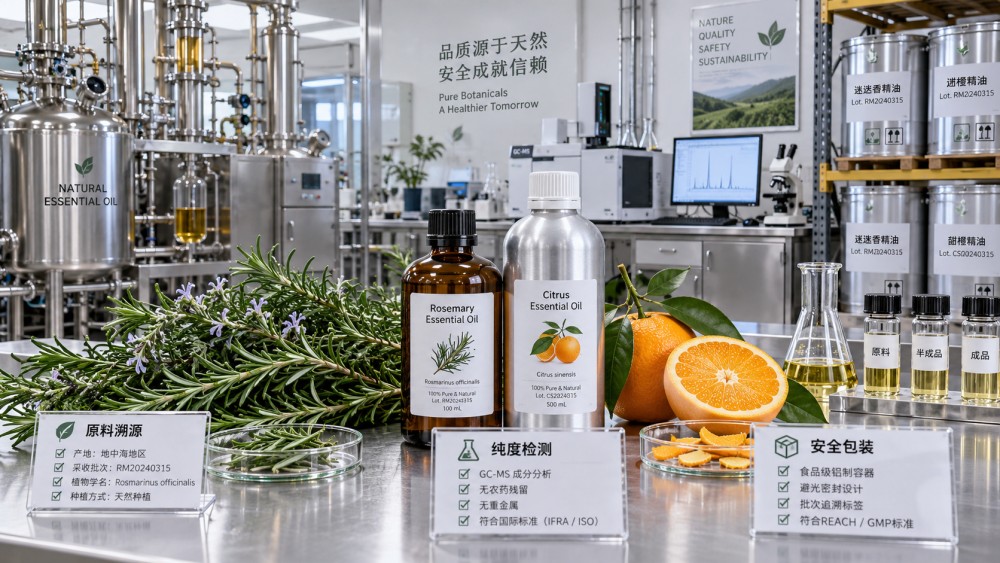
Botanical naming is the first control point. A reliable supplier should provide the complete Latin name, plant part, chemotype where relevant, cultivation status, and geographic origin.
Common names can be misleading across regions. “Rosemary oil,” “tea tree oil,” or “eucalyptus oil” may refer to materials with different chemical profiles and commercial suitability.
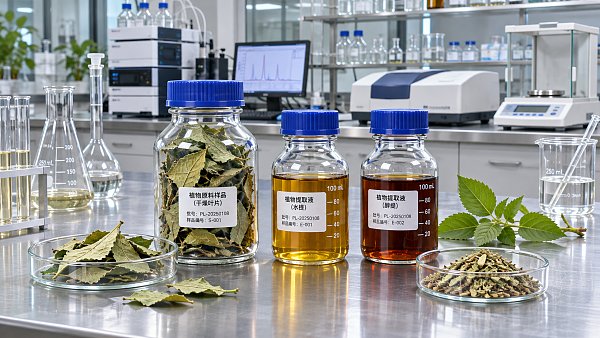
Ask whether the oil comes from leaves, flowers, roots, seeds, bark, peel, wood, or whole plant material. The plant part strongly influences composition, odor, yield, and performance.
Origin should not be treated as a marketing detail. Climate, soil, harvest timing, drying conditions, and local processing practices can materially change an essential oil’s constituents.
For high-value oils, determine whether raw materials are wild-harvested, conventionally cultivated, organically cultivated, or collected through managed community sourcing programs. Each model has different traceability implications.
A capable botanical essential oils manufacturer should explain seasonal variation and supply constraints. Buyers should be cautious when suppliers promise identical characteristics regardless of harvest location or season.
Understand the Extraction Method and Its Effect on Quality
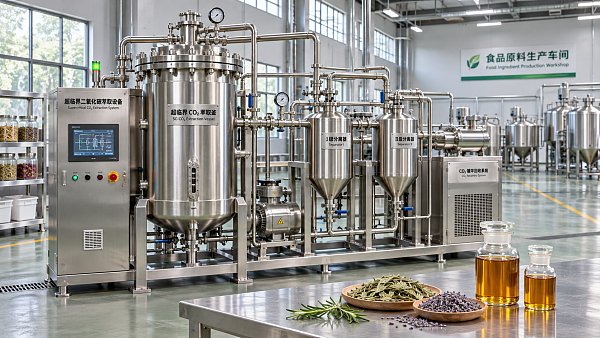
Extraction method affects both the sensory profile and technical behavior of essential oils. Buyers should request a clear explanation of how the material is produced.
Steam distillation remains common for herbs, woods, flowers, and leaves. Cold pressing is widely used for citrus peels, while solvent extraction may be used for delicate aromatic materials.
Different processes can produce oils with distinct volatile compounds, color, oxidation stability, wax content, and trace residues. These differences matter in fragrance, food, and personal care formulations.
Ask whether the material is distilled at the supplier’s own facility, sourced from partner distilleries, or purchased through traders. Direct processing generally improves control, although it does not guarantee quality.
Distillation conditions should be managed carefully. Excessive heat, poor water quality, extended processing times, or inadequate equipment maintenance can alter sensitive constituents and create off-notes.
Where applicable, request information about post-processing. Rectification, fractionation, terpene removal, filtration, deodorization, and blending may be legitimate, but they must be disclosed clearly.
Assess Purity, Adulteration Controls, and Test Methods
Purity claims should be supported by analytical evidence rather than attractive labeling. “Natural,” “pure,” and “therapeutic grade” are not standardized guarantees of composition or suitability.
Gas chromatography and mass spectrometry are central tools for evaluating many botanical oils. Ask for recent chromatograms and certificates of analysis for the offered batch.
Review whether the supplier compares results against internal reference standards, recognized pharmacopeias, ISO standards, or established industry ranges. Test interpretation matters as much as test availability.
A robust quality program screens for dilution with cheaper oils, synthetic aroma chemicals, isolated components, non-declared carrier oils, and inappropriate botanical substitutions.
Business evaluators should also ask about physical parameters such as refractive index, relative density, optical rotation, color, and solubility. These tests provide useful complementary screening information.
Test results should correspond to the specific lot being purchased. Generic specifications or undated sample reports do not demonstrate the quality of future commercial deliveries.
Check Batch Consistency Before Approving a Supplier
Natural variation is expected in botanical ingredients, but unmanaged variation can undermine finished-product quality. The supplier should define acceptable ranges for critical chemical and sensory characteristics.
Request certificates of analysis from several recent production lots, ideally covering more than one harvest period. This reveals whether batch quality remains within usable formulation limits.
For fragrance-oriented products, sensory evaluation should accompany instrumental testing. An oil can meet a chemical profile while still presenting green, harsh, oxidized, smoky, or weak aroma notes.
Ask how the manufacturer handles natural seasonal changes. Some suppliers use controlled blending of compatible lots to create a stable commercial profile without concealing material identity.
Consistency also includes color, clarity, moisture control, particulate levels, and oxidation status. These properties can affect appearance, shelf life, emulsification behavior, and customer acceptance.
Establish an approved reference sample and a change-control process. The supplier should notify the buyer before changing source region, extraction site, specification, packaging, or blending approach.
Review Regulatory Documentation for Your Target Markets
Regulatory readiness should be evaluated before purchase orders are issued. The required documentation depends on the application, destination market, concentration, claims, and finished-product category.
For food and beverage uses, buyers may need food-grade specifications, allergen information, flavor status, contaminant data, and documentation supporting local food-contact or ingredient requirements.
Personal care and household product buyers may require safety data sheets, ingredient disclosures, allergen declarations, IFRA-related information, toxicological support, and transport classification.
For European Union markets, evaluate whether REACH, CLP, cosmetic ingredient, or relevant food regulations affect the material. Requirements may differ based on volumes and intended use.
Ask how often documents are updated and who owns regulatory responsibility. A supplier that provides documents only after repeated requests may slow product launches or complicate customer audits.
Documentation should be internally consistent. The botanical name, CAS number, INCI name where relevant, origin, hazard classification, and specification should not conflict across supplied records.
Evaluate Traceability and Supplier Quality Systems
Traceability is essential when sourcing natural ingredients with multiple agricultural and processing steps. Buyers should be able to trace a finished drum back to source batches and processing records.
Ask whether the manufacturer maintains lot codes for harvested material, distillation runs, storage tanks, blending operations, laboratory testing, and final packaging. Gaps create recall and investigation risks.
Quality certifications can provide useful evidence, but they should not replace due diligence. ISO, GMP, HACCP, FSSC, organic, kosher, halal, and other certifications vary in relevance.
Review audit scope rather than relying on certificate logos. Confirm whether the actual manufacturing site, warehouse, testing laboratory, and relevant product category are covered by the certification.
Suppliers should have documented procedures for deviations, complaints, nonconforming material, recalls, corrective actions, and supplier qualification. These systems indicate whether problems can be managed responsibly.
For strategic or high-volume purchases, conduct a site audit or use a qualified third-party auditor. Focus on material segregation, sanitation, storage, testing controls, calibration, and record management.
Examine Packaging, Storage, and Transport Protection
Essential oils are sensitive materials. Exposure to oxygen, light, heat, moisture, or incompatible packaging can change aroma, increase oxidation products, and shorten usable shelf life.
Ask which container materials are used. Coated steel drums, aluminum containers, amber glass, and suitable high-barrier packaging may be appropriate depending on the oil and shipment size.
The supplier should demonstrate compatibility between the oil and packaging materials. Certain highly aromatic or reactive oils may interact with unsuitable plastics, seals, liners, or adhesives.
Review whether containers are nitrogen flushed, tamper-evident, sealed against leakage, and labeled with batch number, production date, net weight, storage conditions, and hazard information.
Transportation planning matters for international procurement. Long transit times, port delays, temperature extremes, and rough handling can create quality concerns even when the original batch was acceptable.
Define receiving inspection requirements before shipments begin. These can include visual checks, seal verification, retained samples, analytical confirmation, and procedures for reporting damaged or suspect containers.
Measure Supply Reliability Beyond Current Availability
Availability today does not prove supply reliability next season. Many botanical oils depend on agricultural conditions, regional harvest cycles, weather patterns, labor availability, and local export conditions.
Ask the manufacturer about annual production capacity, inventory strategy, lead times, minimum order quantities, and ability to reserve stock for contracted customers. Request realistic, documented figures.
Understand whether the supplier operates a single-source model or maintains qualified alternative origins. Multiple origins can reduce disruption risk, but may increase composition and sensory variation.
For critical oils, discuss forecasts and supply agreements early. A rolling demand forecast helps manufacturers plan raw material purchasing, distillation schedules, storage capacity, and export logistics.
Evaluate communication quality during disruptions. A dependable supplier reports shortages, delays, quality deviations, or regulatory issues promptly, with practical alternatives rather than vague assurances.
Also assess financial and operational stability. Long-term supply depends on competent management, realistic pricing, sound logistics relationships, and sufficient investment in quality infrastructure.
Compare Total Value Instead of Quoted Price Alone
When comparing suppliers, use a weighted scorecard instead of selecting solely by price. This method makes quality, compliance, supply, technical support, and commercial terms visible in one decision.
Suggested categories include botanical authenticity, analytical controls, documentation completeness, lot consistency, manufacturing oversight, packaging, lead time, responsiveness, and total landed cost.
Assign greater weight to factors that could stop production or damage finished-product performance. For regulated food, cosmetic, or consumer applications, documentation and traceability may outweigh small price differences.
Include internal costs in the comparison. Additional incoming testing, quality investigations, reformulation work, customer complaints, and emergency freight can quickly erase an initial purchasing saving.
Trial orders remain valuable before a long-term commitment. Evaluate samples in real formulations, then verify that the first commercial shipment matches the approved performance and documentation package.
The best botanical essential oils manufacturer is not necessarily the largest or cheapest. It is the supplier that can repeatedly deliver fit-for-purpose material with transparent evidence and predictable support.
Conclusion: Make Supplier Qualification a Repeatable Process
Choosing a botanical essential oils manufacturer requires structured evaluation of source identity, extraction, purity, consistency, regulatory readiness, traceability, packaging, and supply continuity.
For business evaluators, the central question is whether the supplier can control natural variability while providing evidence that the oil remains suitable for the intended application.
A clear sourcing brief, documented quality criteria, representative batch review, and weighted supplier scorecard create a stronger foundation than decisions based on price or aroma samples alone.
By qualifying manufacturers against technical, commercial, and regulatory requirements, procurement teams can reduce avoidable risk while building a more dependable supply base for botanical ingredients.