How to Choose an Encapsulated Perfumes Manufacturer
The right encapsulated perfumes manufacturer is one that can deliver the intended scent experience in your finished product, at a consistent cost and quality, with documentation suitable for your markets. A competitive price per kilogram is useful only after the fragrance survives processing, remains stable in storage, and releases at the right point in use.
Start by defining what the fragrance needs to do, then compare suppliers using the same formulation, test conditions, and commercial assumptions. This makes it easier to distinguish a genuinely economical supply option from a low-priced material that requires a higher dosage or creates production problems.
Define the application before requesting quotations
Encapsulated perfume consists of fragrance held within a carrier or capsule system designed to protect it or influence its release. Different systems respond to different conditions: some are designed to release fragrance when rubbed or otherwise stressed, while others may release it gradually. The fragrance composition, capsule structure, and surrounding formulation all affect the result.
A supplier cannot select an appropriate system from the fragrance description alone. A detergent, fabric conditioner, shampoo, and dry household product can place very different demands on the same material. The purchasing brief should give the manufacturer enough information to recommend a suitable product and identify potential limitations.
- Product and format: Identify the end product and whether the fragrance will be added to a liquid, powder, or another format.
- Manufacturing conditions: Describe when the ingredient is added and any relevant heat, mixing, or processing conditions.
- Desired scent experience: Specify whether the priority is fragrance during use, on a treated surface, after drying, or during later handling.
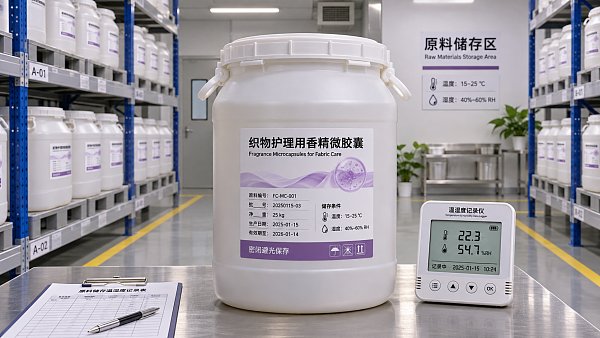
- Storage and distribution: Share the expected shelf life, packaging format, and conditions the product may encounter.
- Commercial requirements: Provide an expected volume range, delivery location, and target launch schedule.
Also explain whether the fragrance is an existing proprietary oil or whether the supplier is expected to develop the scent. A manufacturer may be capable of encapsulating certain oils but need to assess a new fragrance for process compatibility, stability, and commercial feasibility.
Evaluate performance in the finished formulation
A sample that smells appealing in its container has not yet demonstrated that it will work in a production formula. Capsules may be affected by surfactants, solvents, pH, processing temperature, and mixing forces. They also need to remain acceptably distributed throughout the product.
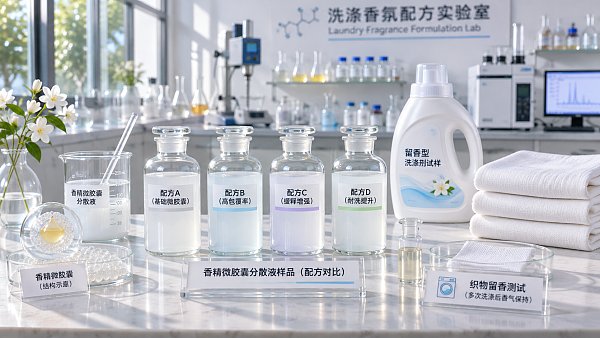
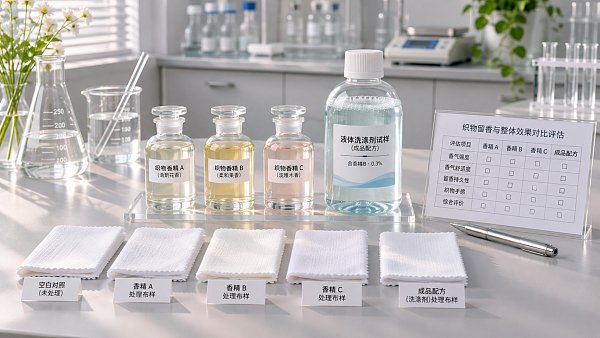
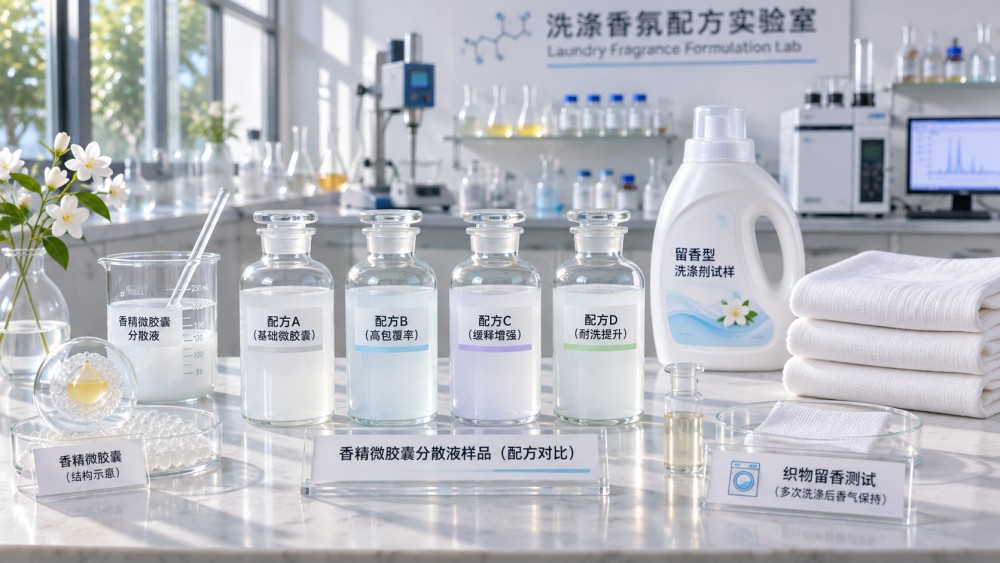
Ask each shortlisted supplier for a sample suitable for the intended application and incorporate it into a representative formulation. Compare products at the same initial dosage, then adjust the dosage where necessary to reach an agreed sensory target. Record both the dosage and the result: the cheapest sample at equal weight may not be the cheapest way to achieve the required scent.
Assess the stages that matter to the consumer. For a laundry application, that may include the scent of the product before use, the fabric after washing and drying, and the scent released when the fabric is handled later. For a personal care product, the emphasis may be on how the product smells during use and whether any residual fragrance is appropriate for the intended experience.
Include an unencapsulated fragrance or an existing commercial benchmark where useful. Encapsulation is not automatically the best choice: if the desired effect is immediate fragrance during use, a conventional fragrance may offer adequate performance at a simpler cost and formulation profile.
Stability assessment should cover both the fragrance and the finished product. Look for changes in scent, appearance, viscosity, separation, sedimentation, and dispensing behavior under relevant storage conditions. A stable supplier sample can still behave differently once combined with the rest of the formula.
Compare cost at the required performance level
When reviewing quotes from an encapsulated perfumes manufacturer, separate the cost of the supplied material from the cost of achieving the target result. Suppliers may quote products with different fragrance loads, carrier contents, and recommended use levels. A direct price-per-kilogram comparison can therefore be misleading.
A practical comparison starts with the delivered ingredient cost per unit of finished product at the dosage that passes your performance test. Add foreseeable costs associated with freight, packaging, minimum order quantities, inventory, and any additional processing or quality checks. Keep trial results alongside the calculation so a lower cost is not accepted at the expense of the intended fragrance experience.
For a custom fragrance or capsule system, ask how development fees, ownership, and future pricing are handled. The lowest initial quote may be less attractive if the formula is difficult to transfer or if the purchase commitment is larger than the expected demand.
Check manufacturing capability and batch consistency
Clarify who actually manufactures the encapsulated material. A distributor can be a useful supplier, particularly when local inventory and support matter, but the buyer should understand which company controls production, quality testing, and technical changes.
Ask about the production site, available capacity for the proposed volume, normal lead times, and arrangements for scaling up. A laboratory sample is an early screening tool, not evidence that full production batches will behave identically. Before committing to a launch, request a production-representative batch and run it through the intended manufacturing process.
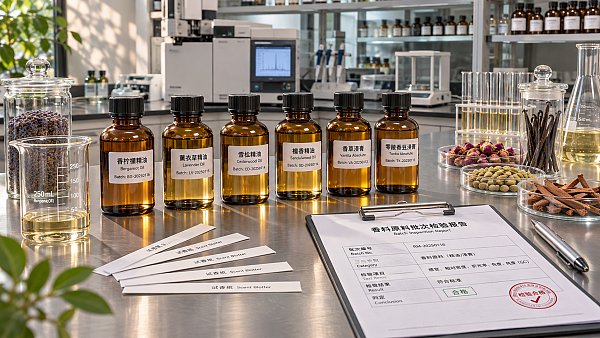
Agree on specifications that relate to the application. Depending on the product, these may include appearance, fragrance content or another suitable measure of active material, particle size distribution, and limits relevant to stability or processing. The supplier should explain its test methods and provide a certificate of analysis for each batch against the agreed specifications.
Specifications alone do not define the sensory result. Where fragrance character and release are commercially important, establish an approved reference and a practical method for assessing batch-to-batch variation. The agreement should also describe how out-of-specification material, complaints, and investigations will be handled.
Ask for advance notification of meaningful changes to the fragrance, capsule materials, manufacturing site, or process. Such changes may require renewed formulation testing or document review even when the product name remains unchanged.
Review safety and regulatory documents for the intended market
Documentation should cover the complete supplied material, not just the fragrance oil. Request a current safety data sheet, technical data sheet, composition information appropriate to the review, and statements relevant to the intended use and sales markets. Depending on the application, the review may also involve fragrance allergen information, restrictions on particular ingredients, and the status of capsule or carrier materials.
An IFRA conformity statement can be useful for assessing the fragrance mixture in a defined product category, but it is not a blanket approval of the finished product or a substitute for assessing local legal requirements. Give the supplier the intended product category and maximum use level so the documentation matches the proposed application.
For products sold across multiple markets, involve the regulatory team before final selection. Requirements may differ according to product type, ingredients, claims, and destination. Discuss confidentiality arrangements early if detailed composition information is needed for a meaningful assessment.
Qualify the supply relationship before placing a large order
Once a material passes laboratory screening, use a staged qualification process. A pilot or production trial can reveal problems that a small sample does not, such as difficult incorporation, product separation, fragrance loss during processing, or packaging and dispensing issues. Retain samples and record the process conditions so later batches can be compared on the same basis.
Before approval, settle the commercial details in writing:
- Confirm the product specification, approved reference, packaging, shelf life, and storage conditions.
- Agree on order quantities, lead times, delivery terms, and the process for communicating forecast changes.
- Define the documents supplied with each shipment and the procedure for reporting quality issues.
- Set expectations for technical support, change notification, and replacement or credit when material does not meet the agreement.
- Clarify fragrance ownership, confidentiality, and any restrictions on using the formulation with another supplier.
Where supply continuity is critical, discuss backup production or a second qualified source. An alternative is most useful when it has already been tested in the finished formula; two materials with similar descriptions are not necessarily interchangeable.
Make the final decision using the same evidence for every candidate: application performance, cost at the approved dosage, production consistency, documentation, and supply terms. A supplier that meets those requirements at a sustainable delivered cost is a stronger choice than one selected on fragrance appeal or unit price alone.
Related News
 Micelle Fluidics & ChelationHow Eco Friendly Detergent Builders Perform in Hard WaterExplore how eco friendly detergent builders tackle hard water, compare citrate, zeolite and chelants, and find the right approach for cleaner results.MORE+
 Microencapsulated FragrancesHow to Choose an Encapsulated Perfumes ManufacturerChoose an encapsulated perfumes manufacturer with confidence. Compare fragrance performance, true costs, quality, compliance, and supply reliability.MORE+
 Polymer-Coated Water Soluble NPKWhen to Apply Sulfate of Potash Fertilizer to Chloride-Sensitive CropsSulfate of potash fertilizer timing can make all the difference. Discover when and how to apply it to chloride-sensitive crops for efficient nutrient delivery.MORE+
 Nano-microcapsule FormulationsHow to Choose Seed Coating Agents for Better Seed CoverageChoose Seed Coating Agents with confidence. Learn how to assess coverage, dust-off, compatibility, drying, and germination for reliable results.MORE+
 Polymer-Coated Water Soluble NPKUS Commerce Department Says Ending Moroccan Fertilizer Duty Would Harm IndustryMoroccan fertilizer duty removal could harm the US industry, the Commerce Department says. Explore what the finding means ahead of the ITC vote.MORE+
 EPA FIFRA & FDA GRAS RegsEPA Settles with Colgate-Palmolive Over Chemical Import ReportingEPA's Colgate-Palmolive settlement highlights chemical import reporting obligations. Explore the CDR compliance lessons for importers and supply-chain teams.MORE+
 Nano-microcapsule FormulationsHow Flavor Encapsulates for Bakery Fillings Retain FlavorDiscover how flavor encapsulates for bakery fillings protect aroma, support shelf-life stability, and help you choose the right carrier for your formulation.MORE+
 Heavy-duty Industrial DegreasersHow to Choose Metal Degreasing Cleaners for Different SoilsChoose Metal Degreasing Cleaners for oils, grease, waxes and baked-on soils. Discover how to protect components, improve cleaning and avoid costly residue.MORE+
 Non-ionic Surfactants & DefoamersHow Non Ionic Wetting Agents Improve Surface CoverageDiscover how non ionic wetting agents improve surface coverage in coatings, cleaning, and sprays, and learn how to select and test the right formulation.MORE+
 Zero-Calorie Sweeteners & AcidulantsHow to Evaluate a Maltitol Manufacturer for Consistent QualityEvaluate a maltitol manufacturer with confidence. Discover how to assess batch consistency, food safety, traceability, and trial performance before you buy.MORE+
 Antioxidants & Natural PreservativesWhat Affects Benzyl Alcohol Wholesale Pricing and Quality?Benzyl alcohol wholesale prices vary by purity, packaging, and delivery terms. Learn how to compare quality and total costs before you buy.MORE+
 Zero-Calorie Sweeteners & AcidulantsChattogram Customs Seizes 4.2 Tonnes of Banned SweetenerChattogram Customs seized 4.2 tonnes of banned sodium cyclamate. Explore what the seizure means for sweetener sourcing and food compliance in Bangladesh.MORE+
 Targeted Bio-pesticides & APIsEFSA Publishes Peer Review of Trichoderma asperellum ICC012EFSA’s peer review of Trichoderma asperellum ICC012 finds no safety concerns for its assessed EU uses. Explore the implications for biopesticide compliance.MORE+
 Supercritical CO2 Essential OilsWhat to Check When Buying Aroma Ingredients WholesaleBuying aroma ingredients wholesale? Discover how to assess quality, supplier reliability, documentation and landed cost before placing your order.MORE+
 Microencapsulated FragrancesHow to Choose a Fabric Fragrances ManufacturerChoose a fabric fragrances manufacturer with confidence. Learn how to compare scent performance, quality controls, documentation, costs, and supply reliability.MORE+
 Zero-Calorie Sweeteners & AcidulantsHow to Evaluate a Crystalline Polyols ManufacturerChoosing a crystalline polyols manufacturer? Learn how to compare quality, production performance, documentation, and delivered costs with confidence.MORE+
 Herbicides & Plant Growth RegulatorsHow to Choose Adjuvant Systems for Herbicide FormulationsChoose Adjuvant Systems that improve herbicide performance without sacrificing crop safety or stability. Explore practical selection and testing strategies.MORE+
 Microencapsulated FragrancesHow to Keep Encapsulated Perfumes for Fabric Care Fresh LongerKeep encapsulated perfumes for fabric care fresh longer with practical storage, handling, formulation and testing tips that help preserve lasting fragrance.MORE+
 Microencapsulated FragrancesHow to Choose Home Fragrances for Room Sprays That LastDiscover how to choose home fragrances for room sprays that last, with practical tips on scent longevity, formula compatibility, and testing.MORE+
 Antioxidants & Natural PreservativesHow Preservative Blends Help Control Spoilage in FoodsPreservative Blends can help control food spoilage and support shelf life. Discover how to select and validate the right system for your product.MORE+
 Targeted Bio-pesticides & APIsHow to Apply Microbial Pesticides to Foliage EffectivelyMicrobial pesticides for foliar application work best with proper mixing, timing, and leaf coverage. Discover practical steps to improve results and avoid common mistakes.MORE+
 Antioxidants & Natural PreservativesWhat Affects the Bulk Price of Food Preservation Ingredients?Explore what drives the food preservation ingredients bulk price, from specifications and order volume to freight, compliance, and supplier reliability.MORE+
 Supercritical CO2 Essential OilsHow to Choose Citrus Oils for Beverages Without CloudingChoose citrus oils for beverages with confidence. Compare delivery systems and stability tests to prevent clouding while preserving fresh citrus flavor.MORE+
 Polymer-Coated Water Soluble NPKGlobal Fertilizer Prices May Fall as Demand Weakens and Stocks Remain HighGlobal fertilizer prices may fall as weak demand and high stocks reshape the market. Explore what this could mean for purchasing and inventory planning.MORE+
 Polymer-Coated Water Soluble NPKWhen to Apply Potassium Sulfate Fertilizer for PotatoesLearn when to apply potassium sulfate fertilizer for potatoes, from pre-planting to tuber growth, and build a soil-test-based plan for your crop.MORE+
 Targeted Bio-pesticides & APIsHow to Use Botanical Fungicides for Fruits EffectivelyBotanical fungicides for fruits can help protect your crop when used correctly. Learn how to choose, time, and apply treatments for healthier fruit.MORE+
 Controlled-Release ThermodynamicsHow Resin Based Fertilizer Coating Polymers Control Nutrient ReleaseDiscover how resin based fertilizer coating polymers control nutrient release and learn which factors matter when choosing a coating for your crop.MORE+
 Chelated Trace Element FertilizersHow Soil pH Affects the Performance of Chelated Iron FertilizersDiscover how soil pH affects Chelated Iron Fertilizers and learn how to choose the right chelate for healthier crops and more effective applications.MORE+
 Herbicides & Plant Growth RegulatorsHow to Choose Adjuvant Systems for HerbicidesChoose adjuvant systems for herbicides with confidence. Explore label requirements, compatibility, crop safety, and field testing to make better-informed decisions.MORE+
 Antioxidants & Natural PreservativesHow to Choose Tocopherols for Food Oxidation ControlDiscover how to choose Tocopherols for food oxidation control. Compare profiles, dosage, formulation compatibility, and shelf-life testing.MORE+
 Non-ionic Surfactants & DefoamersDo Industrial Dispersants Require Special Handling During Transport?Do industrial dispersants require special handling during transport? Discover how to protect product quality, meet shipping rules, and prevent costly delays.MORE+
 Hydrocolloids & EmulsifiersHow Seaweed Extract Hydrocolloids Improve Food TextureSeaweed Extract Hydrocolloids improve food texture and stability. Discover how alginate, carrageenan, and agar perform in real formulations.MORE+
 Hydrocolloids & EmulsifiersWhat to Check Before Buying Carboxymethyl Cellulose WholesaleBuying carboxymethyl cellulose wholesale? Learn how to compare grades, supplier documents, performance and delivered costs before placing your order.MORE+
 Non-ionic Surfactants & DefoamersCalifornia OEHHA Proposes Proposition 65 Cancer Listing for PFHxA and Its SaltsPFHxA and its salts face a proposed California Proposition 65 cancer listing. Explore what the OEHHA notice could mean for suppliers and compliance.MORE+
 EPA FIFRA & FDA GRAS RegsEPA Exempts DMSO in Pesticide Formulations From Residue Tolerance RequirementsEPA exempts DMSO from pesticide residue tolerance requirements for specified uses. Explore the rule’s scope and what it means for formulators.MORE+
 Targeted Bio-pesticides & APIsHow Are Insecticide APIs Used in Public Health Programs?Insecticide APIs for public health support vector control through sprays, treated nets and larvicides. Discover how formulation, resistance and safety shape product selection.MORE+
 Polymer-Coated Water Soluble NPKHow to Evaluate a Controlled Release Fertilizer Systems SupplierChoosing a controlled release fertilizer systems supplier? Compare release performance, quality, supply reliability, and total costs with this practical guide.MORE+
 Supercritical CO2 Essential OilsWhat to Check When Choosing a CO2 Botanical Extracts ManufacturerChoosing a CO2 botanical extracts manufacturer? Discover how to assess quality, traceability, compliance and true costs before you commit.MORE+
 Hydrocolloids & EmulsifiersHow Cocamidopropyl Betaine Improves Foam in Bath ProductsDiscover how cocamidopropyl betaine for bath products can enhance foam, support a creamy lather, and help formulators improve bath and shower products.MORE+
 Microencapsulated FragrancesHow to Choose Bulk Cyclodextrins for Fragrance EncapsulationChoose bulk cyclodextrins for fragrance encapsulation with confidence. Compare formulation fit, scent retention, supplier quality, and total cost.MORE+