How Non Ionic Wetting Agents Improve Surface Coverage
A liquid can contain the right active ingredients and still perform unevenly if it beads up, retracts, or fails to reach parts of a surface. Non ionic wetting agents can improve coverage by lowering the surface tension of the liquid and changing how it interacts with the substrate. Their value is most apparent on difficult-to-wet surfaces, where small differences in spreading can determine whether a coating forms a continuous film, a cleaner contacts a soil, or a spray reaches the intended area.
Lower surface tension alone, however, does not guarantee better coverage. The result depends on how quickly the surfactant reaches the new surface, the condition and chemistry of the substrate, the rest of the formulation, and what happens after application. A useful evaluation therefore measures coverage under realistic conditions, alongside the performance the coverage is intended to deliver.
What changes when a liquid wets a surface?
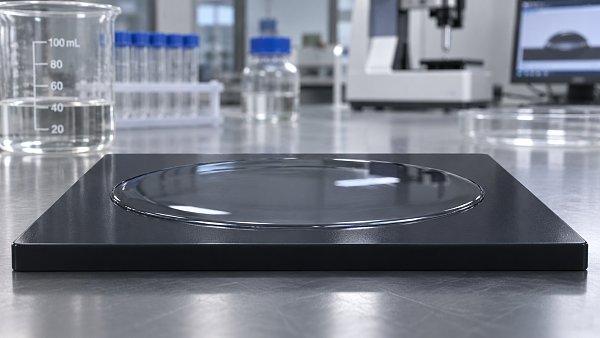
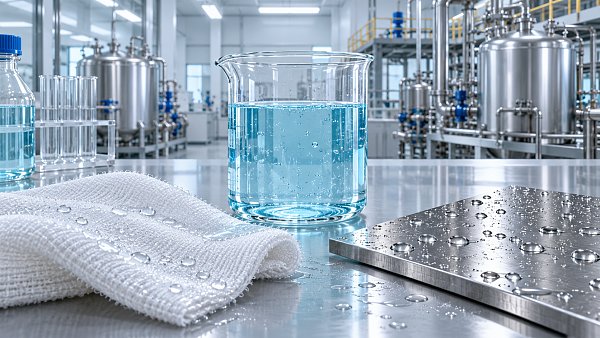
When a droplet lands on a surface, it may remain rounded, spread outward, soak into the material, or retract after initial spreading. These behaviors reflect the balance between forces within the liquid and interactions at the liquid–solid and liquid–air interfaces. A surfactant accumulates at interfaces and can reduce the energy needed to create new liquid surface area, making spreading more favorable.
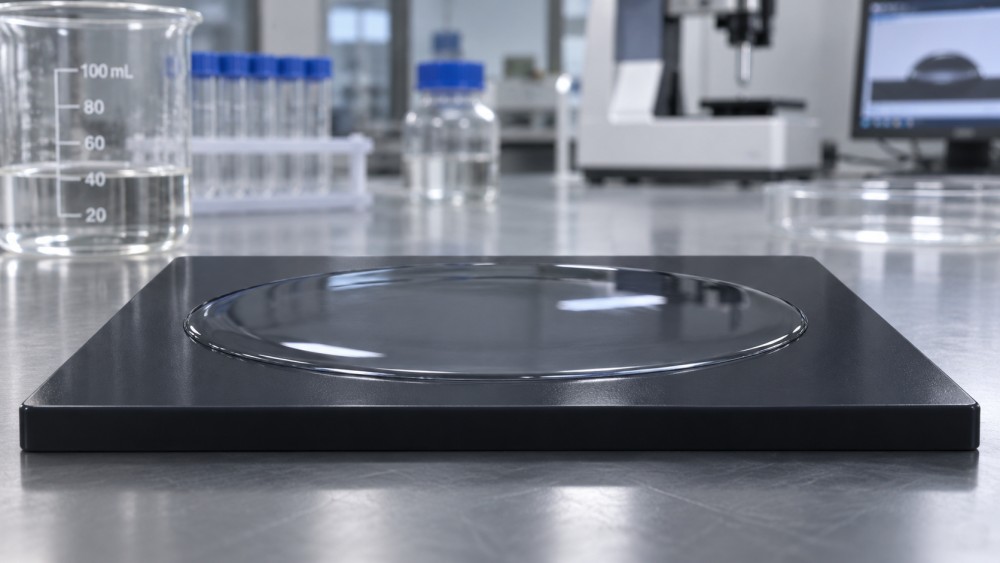
On a smooth, uniform surface, contact angle is a useful way to describe the shape of a droplet. A lower angle generally indicates better wetting under the measurement conditions. In practical systems, though, roughness, porosity, contamination, and surface heterogeneity complicate the picture. A liquid may show a low contact angle because it penetrates a porous substrate, for example, while leaving less material on the exposed surface than intended.
Non-ionic surfactants have hydrophilic and hydrophobic portions but carry no formal ionic charge in solution. Different molecular structures produce different balances of water compatibility, adsorption behavior, and affinity for particular surfaces or formulation components. Consequently, two non-ionic materials can produce similar equilibrium surface tensions yet give different coverage during a fast application.
The distinction between equilibrium and dynamic surface tension matters. Equilibrium measurements describe a surface after sufficient time for surfactant distribution to stabilize. During spraying, rolling, or high-speed coating, fresh surfaces can be created faster than some surfactants adsorb. In those cases, a dynamic measurement at a relevant surface age can be more informative than a single equilibrium value.
Where improved wetting changes application performance
Coatings and inks: continuity before appearance
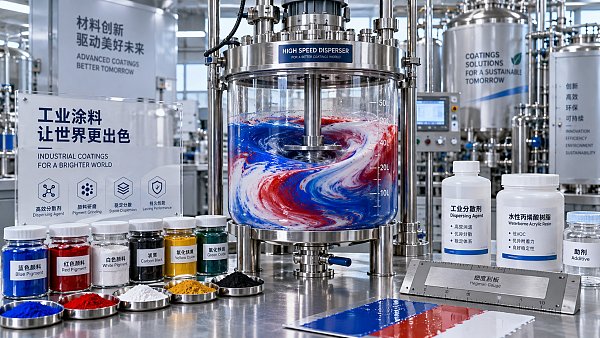
In a water-based coating, poor wetting may appear as craters, pinholes, edge retraction, or areas of insufficient film build. A suitable wetting agent can help the liquid contact low-energy or contaminated areas more uniformly before the film sets. On plastics, coated metals, or recycled substrates, this can be especially relevant because surface condition may vary across a single production run.
Better initial spreading does not automatically produce a better finished film. Excessive spreading can reduce film thickness locally, and migration of surfactant during drying can affect surface properties or intercoat behavior. The formulator should examine the dried film for defects, adhesion, appearance, and any sensitivity to water or subsequent processing. Surface preparation also remains important: a wetting agent may reduce the visible effect of contamination without resolving its cause.
Industrial cleaning: contact with the soil and the surface
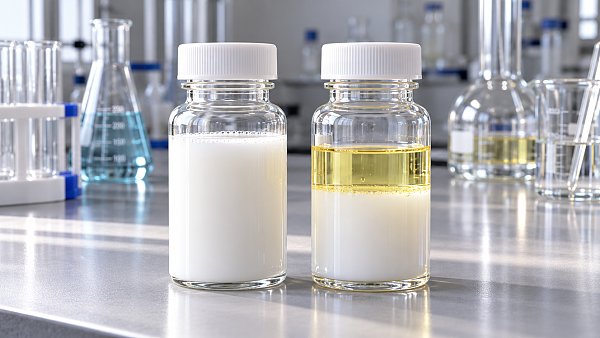
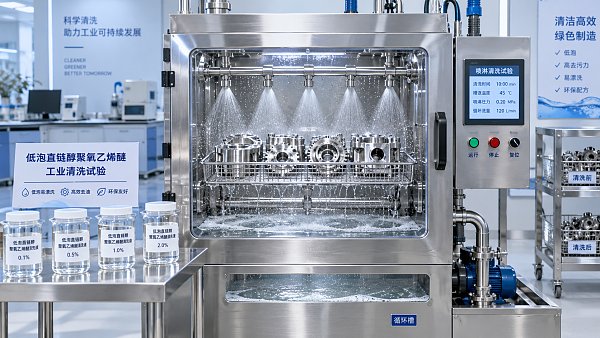
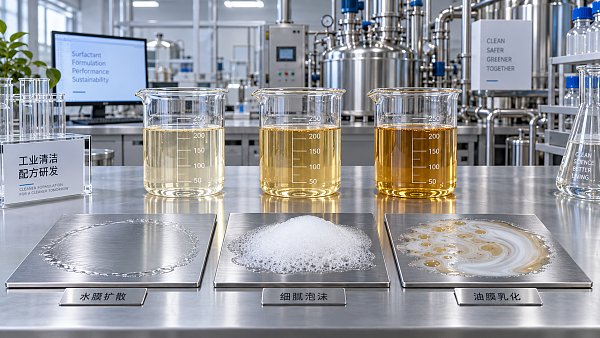
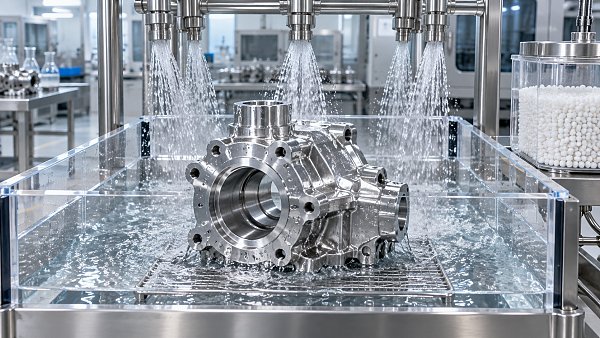
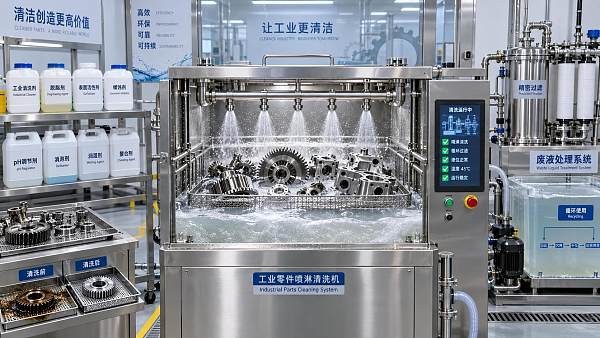
For a cleaning solution, wetting helps the liquid contact both the substrate and the soil. On an oily or irregular surface, improved contact may allow other formulation components to act more consistently. Non-ionic surfactants can also contribute to emulsification or soil removal, depending on their chemistry and the rest of the formulation.
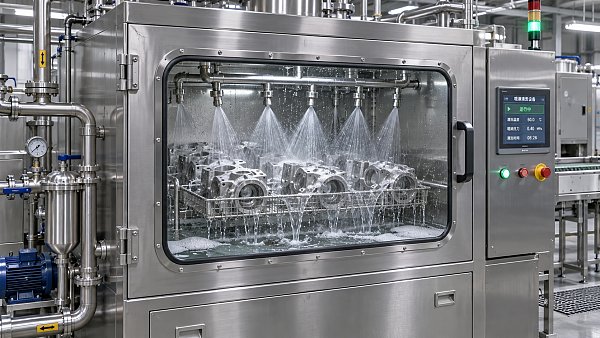
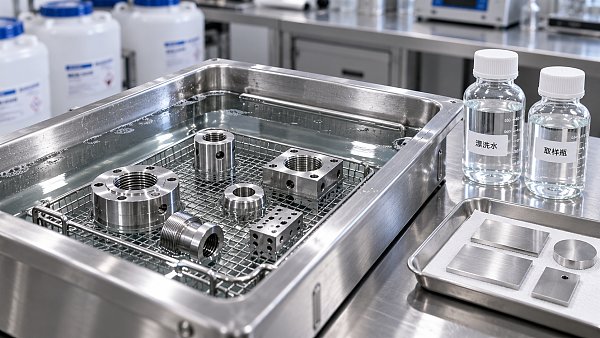
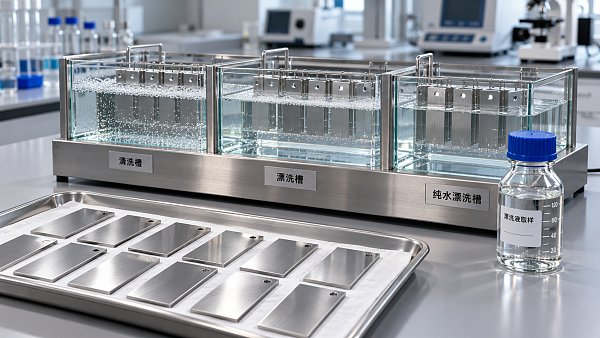
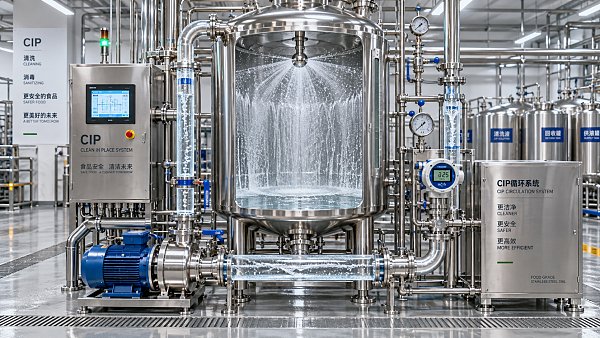
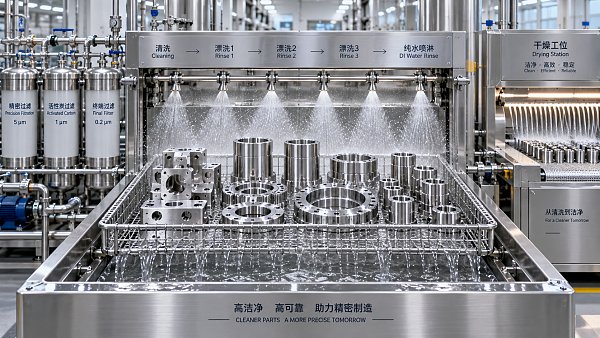
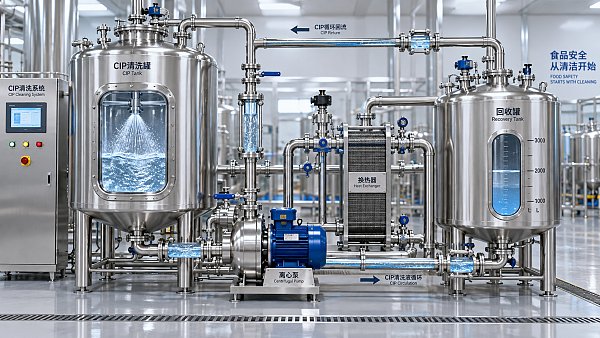
Coverage should be assessed together with cleaning and rinsing. A solution that spreads rapidly but leaves a persistent film may be unsuitable for a process with strict downstream cleanliness requirements. Temperature and agitation matter as well: they affect surfactant behavior, soil removal, foam formation, and the way the solution drains. On sensitive components, check material compatibility and residue using the complete cleaning process rather than a wetting test alone.
Crop protection: retention matters as much as spreading
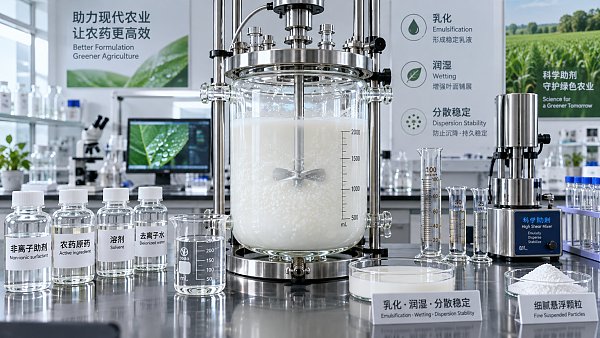
Leaf surfaces vary in wax composition, texture, orientation, and age. A spray droplet that beads on one leaf may spread or run off another. An appropriate non-ionic adjuvant can improve wetting and distribution on some foliage, but more spreading is not always beneficial: excessive runoff can reduce retained spray, and changes in deposition may affect crop safety or biological performance.
Evaluation should therefore include retained coverage, runoff, and the performance of the complete spray mixture on the target crop. Use must follow the applicable product label and local requirements; a wetting agent should not be assumed compatible with every crop protection product or crop stage.
Why results differ between formulations
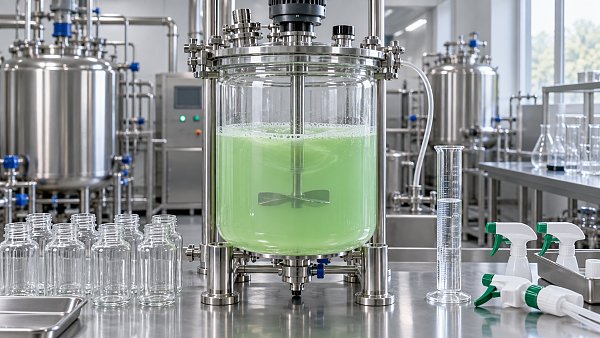
The surfactant is only one part of the liquid reaching the surface. Solvents, salts, polymers, pigments, other surfactants, and active ingredients can alter adsorption and spreading. Water quality and temperature can change the behavior of a formulation that appeared stable under laboratory conditions. These interactions make it risky to select a wetting agent solely from a neat-product data sheet.
Concentration needs a response curve. Increasing the dose can improve wetting up to a point, but the relationship is not necessarily linear. Once the interface is sufficiently populated, additional surfactant may provide limited surface-tension benefit while increasing cost, foam, residue, or formulation instability. The critical micelle concentration can help explain solution behavior, but it is not a universal optimum dose for a finished formulation: other ingredients and the application process can change the outcome.
Temperature can change solubility and performance. Some non-ionic surfactants, particularly certain ethoxylated types, show a cloud point in water as temperature rises. The observed cloud point depends on composition and test conditions, and a finished formulation can behave differently from a simple aqueous solution. Where the process involves heating, cooling, or storage across a temperature range, check clarity, phase stability, and wetting at the temperatures actually encountered.
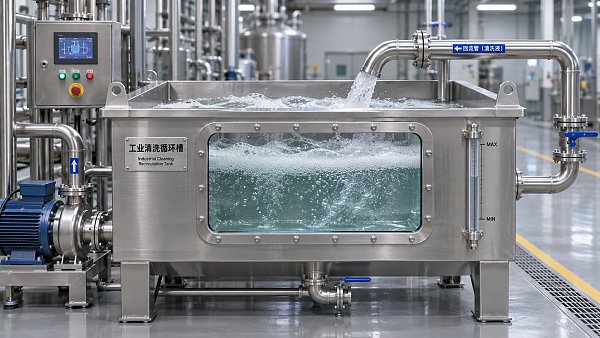
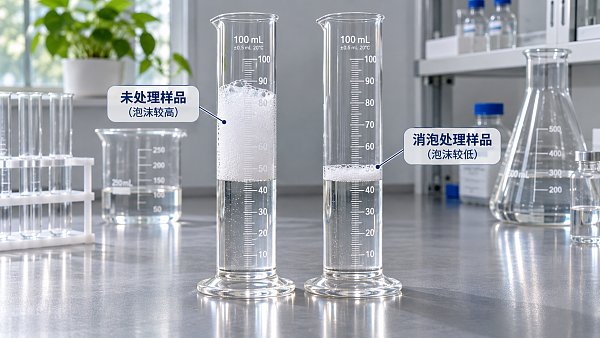
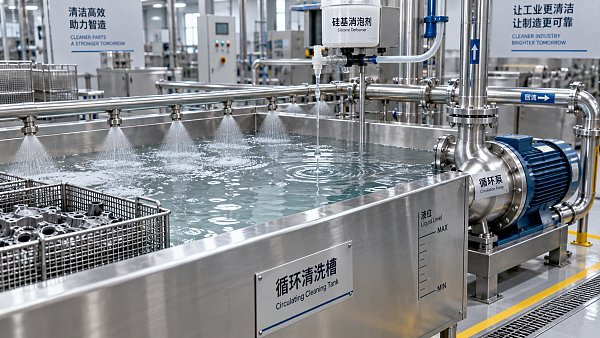
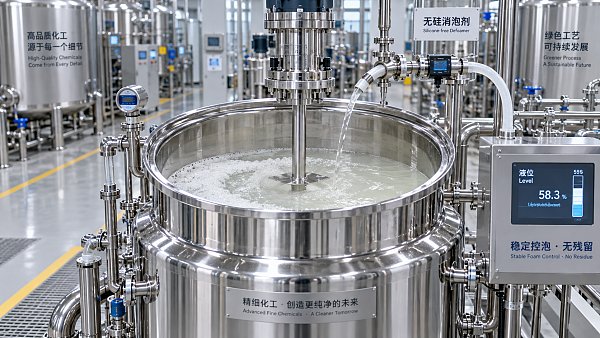
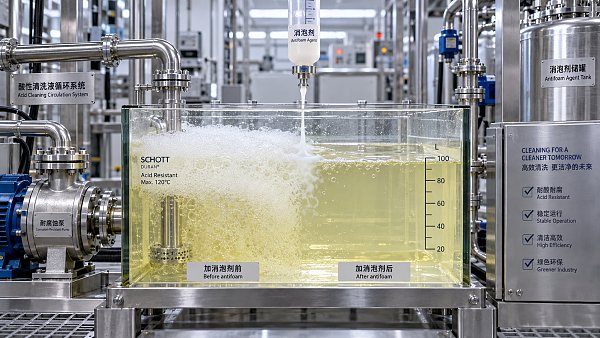
Foam is a process constraint, not a proxy for wetting. A material that wets well may generate or stabilize more foam than a spray washer, recirculating cleaner, or high-speed coating line can tolerate. A defoamer may help, but it can also affect surface defects or spreading. Test the combined system under representative agitation rather than assuming that a low-foam claim settles the question.
A practical way to compare candidates
Begin with the failure to be corrected. Is the issue a rounded droplet, an uncovered patch, film retraction, inadequate penetration into a texture, or insufficient cleaning? Each points to a slightly different test. Define the substrate, formulation, application method, and time available for spreading before comparing candidates.
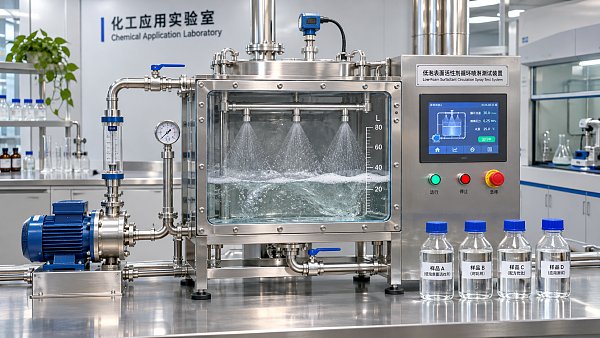
Use the complete formulation wherever possible, including the intended dilution water and order of addition. Include a control without the candidate wetting agent, and compare several concentrations. Keep the applied volume, surface preparation, temperature, and observation time consistent. Replicate measurements and examine variation across the substrate, especially where surface condition is not uniform.
For a coating, the final comparison might be a defect count and film assessment after drying. For a cleaner, it may be soil removal followed by a residue check. For a spray, it may require both deposition and retention measurements before a biological assessment. In each case, a simple droplet test is useful for screening, but it cannot substitute for the intended end-use test.
Supplier data can narrow the shortlist when it describes the test medium, concentration, temperature, and method. Ask for information on compatibility, storage stability, relevant impurities, and handling as appropriate to the application. Claims made in pure water should be treated as a starting point when the working formulation contains salts, solvents, or other surface-active ingredients.
The strongest candidate is the one that delivers sufficiently uniform coverage within the process window without creating a more consequential problem elsewhere. A small improvement in spreading can be valuable, but only when the deposited film, retained cleaner, or spray deposit continues to perform as intended.
Facing technical bottlenecks in manufacturing or looking for more efficient industrial solutions? Leave your details below and let the engineering experts at FCAS solve them for you.
We respect your privacy. Your information is strictly confidential.
Related News
 Non-ionic Surfactants & DefoamersHow Do Low Foam Ethoxylated Surfactants Perform in Cleaning?Discover how low foam ethoxylated surfactants balance cleaning power and foam control, and learn what to test before selecting one for your process.MORE+
 Non-ionic Surfactants & DefoamersChoosing Low Residue Surfactants for Hard Surface CleaningLow residue surfactants for hard surface cleaning: discover how to compare cleaning performance, rinseability, residue testing, and total cost.MORE+
 Non-ionic Surfactants & DefoamersEPA Adopts Human Airway Tissue Method for Surfactant Inhalation Risk AssessmentEPA surfactant inhalation risk assessment may use human airway tissue. Explore potential impacts for industrial cleaners and the details still to verify.MORE+
 Non-ionic Surfactants & DefoamersWhy Do Low Foam Linear Alcohol Ethoxylates Still Cause Foam?Why do low foam linear alcohol ethoxylates still foam? Discover common causes and practical troubleshooting tips to restore consistent performance.MORE+
 Non-ionic Surfactants & DefoamersHow to Measure Foam Control Efficiency in Cleaning DefoamersMeasure cleaning defoamers foam control efficiency with practical tests, dose-response analysis, and plant trials to find the right solution for your process.MORE+
 Non-ionic Surfactants & DefoamersWhat to Check Before Choosing a Low Foaming Surfactants FactoryChoosing a low foaming surfactants factory? Discover how to assess foam performance, quality controls, documentation, supply reliability, and true working costs.MORE+
 Non-ionic Surfactants & DefoamersHow Non Ionic Wetting Agents Improve Surface CoverageDiscover how non ionic wetting agents improve surface coverage in coatings, cleaning, and sprays, and learn how to select and test the right formulation.MORE+
 Non-ionic Surfactants & DefoamersDo Industrial Dispersants Require Special Handling During Transport?Do industrial dispersants require special handling during transport? Discover how to protect product quality, meet shipping rules, and prevent costly delays.MORE+
 Non-ionic Surfactants & DefoamersCalifornia OEHHA Proposes Proposition 65 Cancer Listing for PFHxA and Its SaltsPFHxA and its salts face a proposed California Proposition 65 cancer listing. Explore what the OEHHA notice could mean for suppliers and compliance.MORE+
 Non-ionic Surfactants & DefoamersWhat Should a Quote From an Industrial Wetting Agents Exporter Include?Choosing an industrial wetting agents exporter? Learn what a complete quote should include, from product specs and active content to shipping terms, compliance, and true landed costs.MORE+
 Non-ionic Surfactants & DefoamersBASF Starts Up Expanded APG Production in Cincinnati to Serve North American DemandBASF expands APG production in Cincinnati to meet North American demand. Explore how added capacity supports local supply of bio-based, biodegradable surfactants.MORE+
 Non-ionic Surfactants & DefoamersWhat Should You Check When Buying Low-Residue Surfactants in Bulk?Buying low residue surfactants wholesale? Learn how to verify residue claims, assess batch consistency, and compare total costs before your next bulk order.MORE+
 Non-ionic Surfactants & DefoamersBASF Raises Bid for Evonik to €24 a ShareBASF raises its Evonik takeover bid to €24 a share, valuing the offer above €11 billion. Explore the revised terms, German plant pledges and employment guarantees.MORE+
 Non-ionic Surfactants & DefoamersWhen Do High Spreading Adjuvant Systems Improve Leaf Coverage?Discover when high spreading adjuvant systems improve leaf coverage on waxy foliage, and learn how to balance wetting, retention, compatibility, and crop safety for better spray performance.MORE+
 Non-ionic Surfactants & DefoamersHow Do You Evaluate a Low Residue Surfactants Supplier for Cleaning?Evaluate a low residue surfactants supplier with proven residue tests, batch consistency, and rinse performance. Learn how to reduce cleaning risks and choose with confidence.MORE+
 Non-ionic Surfactants & DefoamersHow Do Tank Mix Adjuvant Systems Affect Herbicide Spray Performance?Explore how tank mix adjuvant systems affect herbicide coverage, drift, and uptake. Get practical tips to check compatibility, choose additives, and improve spray performance.MORE+
 Non-ionic Surfactants & DefoamersHow Does Ethoxylation Affect Octylphenol Ethoxylates as Emulsifiers?Choosing an octylphenol ethoxylates emulsifier? Discover how ethoxylation affects HLB, cloud point, and stability to select the right grade for your formulation.MORE+
 Non-ionic Surfactants & DefoamersWhen Do Industrial Wetting Agents Improve Pesticide Spray Coverage?Do industrial wetting agents improve pesticide spray coverage? Discover when they help, how to test retention and compatibility, and what to check for crop safety before selecting an adjuvant.MORE+
 Non-ionic Surfactants & DefoamersHow Do Amine Oxides Affect Foam Stability in Cleaning Formulations?Amine Oxides can enhance foam stability in cleaning formulations. Discover how surfactant blends, pH, and soil affect performance—and learn to balance lasting foam with easy rinsing.MORE+
 Non-ionic Surfactants & DefoamersHow to Choose Linear Alcohol Ethoxylates for Textile WettingChoose linear alcohol ethoxylates for textile wetting with confidence. Compare penetration, foam, and bath compatibility to improve uniformity and find the right grade for your process.MORE+
 Non-ionic Surfactants & DefoamersHow Do You Choose Low Foam Linear Alcohol Ethoxylates for Cleaning?Choose low foam linear alcohol ethoxylates with confidence. Discover how cloud point, foam testing, and rinseability help you achieve reliable cleaning and stable equipment performance.MORE+
 Non-ionic Surfactants & DefoamersHow to Choose Non Ionic Low Foaming Surfactants for CIP CleaningNon ionic low foaming surfactants for CIP cleaning: learn how to balance wetting, foam control, compatibility, and rinseability for reliable cleaning performance.MORE+
 Non-ionic Surfactants & DefoamersWhat Cationic Surfactants Do and Where They Are UsedCationic Surfactants deliver antimicrobial action, conditioning, antistatic control, and surface treatment benefits. Explore key uses, compatibility, and safe selection tips.MORE+
 Non-ionic Surfactants & DefoamersChoosing Defoamers for Agrochemical Formulations Without Reducing EfficacyDefoamers for agrochemical formulations: learn how to control foam while protecting stability, spray performance, and active ingredient efficacy.MORE+
 Non-ionic Surfactants & DefoamersWhy Mild Cocamidopropyl Betaine Matters in Gentle Cleansing FormulasMild cocamidopropyl betaine helps create gentler cleansers with creamy foam, balanced viscosity, and improved surfactant compatibility. Explore its formulation benefits.MORE+
 Non-ionic Surfactants & DefoamersHow to Compare Alkyl Polyglucosides for High-Performance CleanersAlkyl Polyglucosides guide: compare APG grades for wetting, grease removal, foam control, stability, and substrate safety in high-performance cleaners.MORE+
 Non-ionic Surfactants & DefoamersHow Low Residue Wet Cleaning Agents Improve Precision Cleaning ResultsLow residue wet cleaning agents improve precision cleaning with better wetting, efficient rinsing, reduced films, and reliable results for sensitive surfaces.MORE+
 Non-ionic Surfactants & DefoamersHow to Compare Degreasing Surfactants Bulk Price and PerformanceCompare degreasing surfactants bulk price beyond cost per kg. Evaluate dosage, foam, rinse quality, compatibility, and supplier reliability to choose the best-value cleaner.MORE+
 Non-ionic Surfactants & DefoamersWhy Silicone Cleaning Defoamers Prevent Foam-Related Production DelaysSilicone cleaning defoamers prevent foam-related production delays by stabilizing cleaning systems, improving pump performance, and protecting process efficiency.MORE+
 Non-ionic Surfactants & DefoamersHow Non Ionic Intermediates Improve Pesticide Formulation StabilityDiscover how non ionic pesticide formulation intermediates enhance emulsion stability, wetting, hard-water tolerance, and storage performance in crop protection products.MORE+
 Non-ionic Surfactants & DefoamersHow to Choose Low Foam Cleaning Auxiliaries for CIP SystemsLow foam cleaning auxiliaries for CIP systems: learn how to balance foam control, wetting, soil removal, compatibility, and rinseability for reliable cleaning results.MORE+
 Non-ionic Surfactants & DefoamersWhen Silicone Free Industrial Defoaming Agents Solve Process FoamSilicone free industrial defoaming agents control persistent process foam while protecting coating quality, cleaning performance, and downstream compatibility. Explore smarter selection.MORE+
 Non-ionic Surfactants & DefoamersDo Industrial Dispersants Require Special Transport Handling?Do industrial dispersants require special handling during transport? Learn how SDS classification, packaging, temperature control, and freight modes determine safe, compliant delivery.MORE+
 Non-ionic Surfactants & DefoamersAre Cleaning Defoamers Compatible With Acidic Cleaning Solutions?Are cleaning defoamers compatible with acidic cleaning solutions? Discover how to select acid-stable, low-residue defoamers for reliable foam control, cleaner rinsing, and safer industrial performance.MORE+
 Non-ionic Surfactants & DefoamersDo Detergent Builders Improve Cleaning Efficiency in Cold Water?Do detergent builders increase cleaning efficiency in cold water? Discover how they control hardness, reduce redeposition, and optimize cold-water detergent performance.MORE+
 Non-ionic Surfactants & DefoamersHow to Choose Industrial Dispersants for Water-Based CoatingsHow to choose industrial dispersants for water-based coatings? Explore pigment, binder, milling, rheology, VOC, and stability factors for smarter formulation decisions.MORE+
 Non-ionic Surfactants & DefoamersLow-Foaming Nonionic Surfactants for CIP Cleaning: Selection by Soil LoadLow foaming nonionic surfactants for CIP cleaning: learn how to match wetting, emulsification, temperature stability, and rinseability to light, heavy, protein, and mixed soil loads.MORE+
 Non-ionic Surfactants & DefoamersWhat Are Octylphenol Ethoxylates and Where Are They RestrictedOctylphenol Ethoxylates explained: explore their uses, environmental risks, global restrictions, compliance challenges, and practical replacement strategies.MORE+
 Non-ionic Surfactants & DefoamersAre Octylphenol Ethoxylates Still Suitable for Industrial CleanersExplore whether octylphenol ethoxylates for industrial cleaners still deliver reliable performance amid evolving regulations, wastewater demands, and safer formulation alternatives.MORE+
 Non-ionic Surfactants & DefoamersHow Ethoxylated Surfactants Improve Wetting and Cleaning in Textile ProcessingDiscover how ethoxylated surfactants for textile processing enhance wetting, oil removal, foam control, and rinse performance for reliable fabric quality.MORE+