How to Evaluate a Maltitol Manufacturer for Consistent Quality
A reliable maltitol manufacturer should be able to demonstrate consistent production, not just supply a certificate showing that one batch met specification. Start with the product’s intended use, then examine batch data, manufacturing controls, testing methods, traceability, and the evidence behind its food safety program. A low price or an attractive purity figure cannot compensate for gaps in these areas.
The right choice also depends on how the ingredient behaves in your process. A maltitol grade that works in a baked product may not be interchangeable with one used in sugar-free confectionery. Quality evaluation should therefore connect supplier evidence with a defined specification and a controlled production trial.
Start with the grade and the application
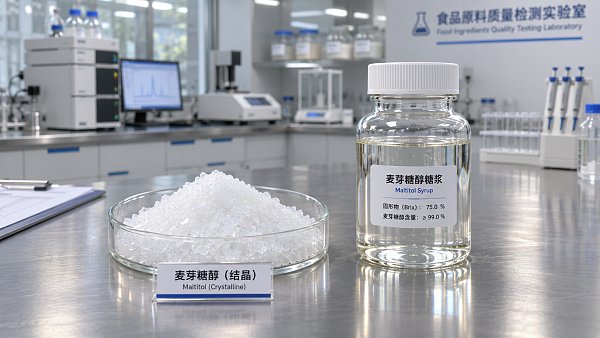
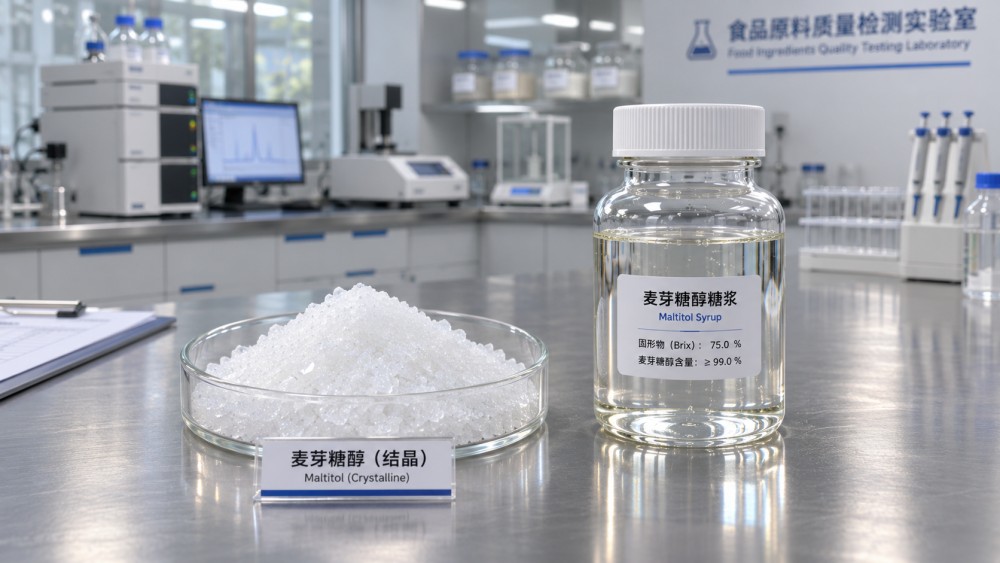
Before comparing suppliers, establish exactly what the product must do. Maltitol is supplied in solid and liquid forms, and products marketed under similar names can differ in composition and physical characteristics. A maltitol syrup, for example, should not be treated as interchangeable with crystalline maltitol simply because both contribute sweetness and bulk.
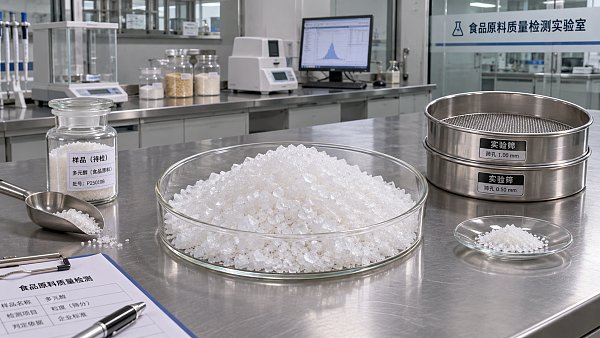
For solid maltitol, particle size, moisture, flow, and dissolution behavior may affect handling and processing. In a dry blend, differences in particle size can contribute to segregation or uneven mixing. In confectionery, the composition and physical form may influence crystallization, texture, and the way a finished product changes during storage.
For syrup, solids content and composition affect the amount of water and sweetening material introduced into a formulation. They can also influence pumping, concentration, and the final texture. Comparing suppliers on price per unit of syrup alone may therefore give a misleading picture of the cost in use.
Document the intended application, process conditions, packaging configuration, shelf-life expectations, and destination markets before requesting quotations. This allows suppliers to recommend a specific grade and makes their responses easier to compare.
Make the specification a working agreement
A product specification should describe the material you intend to purchase, the attributes that matter to your process, and the methods used to assess them. Avoid accepting a generic sales sheet as the sole quality agreement: it may describe a broad product range rather than the grade and manufacturing site supplying your order.
Depending on the form and application, the specification may address identity, maltitol content, related polyol composition, moisture or solids content, appearance, microbiological criteria, and relevant contaminants. Solid products may need defined particle-size or flow requirements; liquid products may need agreed characteristics for handling and formulation. Include packaging, storage, shelf life, and any application-specific sensory requirements where they affect acceptance.
Methods matter as much as limits. Two laboratories can report different values if they use different sample preparation, calculations, or analytical procedures. Ask the supplier to identify the method associated with each critical result, including whether values are reported on a dry basis or an as-supplied basis when relevant. Agree on how results will be compared and how disputes will be resolved.
Do not automatically choose the narrowest available limits. A tighter limit is useful when it controls a demonstrated safety or performance risk, but an unnecessary restriction may increase cost or reduce supply flexibility without improving the finished product. Set limits using regulatory requirements, formulation needs, process capability, and evidence from trials.
Look beyond a single certificate of analysis
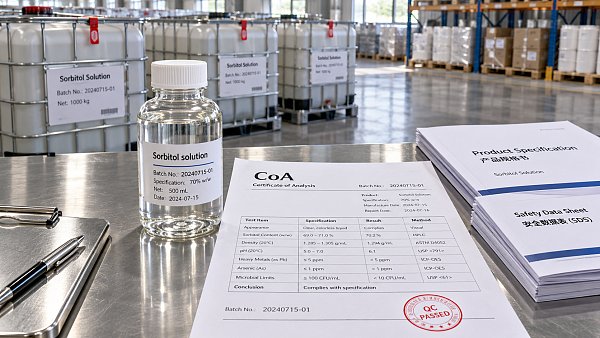
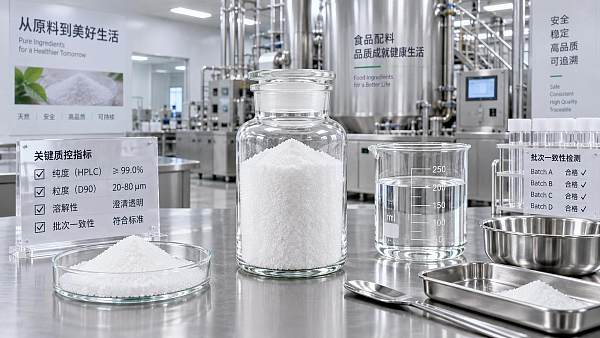
A certificate of analysis, or COA, is useful for checking a shipment, but one passing result says little about the variation between batches. Request representative historical results for the exact grade and, where possible, the manufacturing site proposed for supply. Review the data against your proposed specification and look for trends, unexplained shifts, and results repeatedly close to a limit.
Ask which values are measured on every lot and which are assessed through a risk-based monitoring program. Some COA fields may be based on periodic testing or documented controls rather than a fresh test of each shipment. That distinction is not necessarily a defect, but it should be clear before the material is approved.
For each critical attribute, establish what happens when a result is out of specification or an unusual trend appears. A credible response should explain investigation, assessment of affected material, disposition, corrective action, and notification. Be cautious when a supplier can provide a polished COA but cannot explain how the result was obtained or how an exception would be handled.
Where a distributor is involved, establish which organization issues the COA and whether it reproduces the original manufacturer’s results. Repacking or relabeling can introduce a separate traceability and handling step, even when the underlying product is unchanged.
Examine the manufacturing controls behind the numbers
Maltitol production involves conversion and purification steps, so consistency depends on control of incoming materials, processing conditions, and the prevention of contamination. A supplier does not need to disclose proprietary operating details to explain its control strategy. It should be able to identify the critical stages, the types of checks performed, and how deviations are managed.
Focus the discussion on controls that can affect the ingredient you receive:
- Raw materials: How are incoming materials qualified, identified, and monitored when their composition can affect the final product?
- Processing and purification: How are relevant impurities and residual processing aids controlled, and what evidence supports the finished-product limits?
- Equipment and cleaning: Are production lines dedicated or shared? How are cleaning effectiveness and cross-contact risks assessed?
- Physical contamination: What controls address foreign material during processing, packing, and warehouse handling?
- Release: Who reviews production and test records, and can a batch be shipped before formal quality release?
A shared line is not automatically unacceptable. The decision depends on what else is manufactured there, the effectiveness of cleaning, and whether residues or cross-contact could affect your product. Request evidence relevant to those risks instead of relying on a simple statement that the facility follows good manufacturing practices.
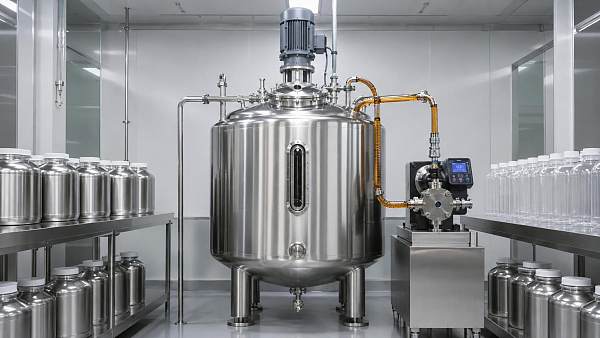
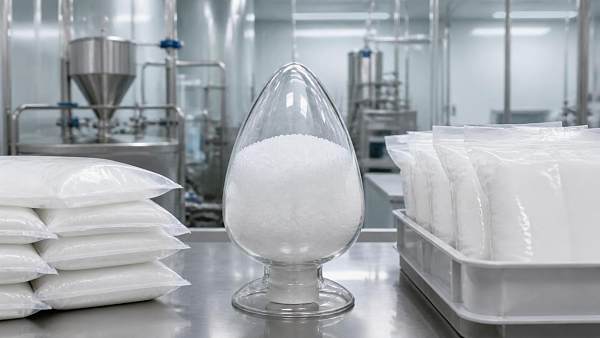
For liquid products, ask how storage vessels, transfer lines, and loading equipment are cleaned and protected from contamination. For powders, review moisture protection and handling controls that can affect caking, foreign matter, or product identity.
Assess food safety and documentation as a system
Supplier approval should cover the facility that makes the material, not only the company name on the quotation. Request documentation that identifies the manufacturing site and its food safety management arrangements. An independent certification can support the assessment, but check its scope, site, product activities, and validity; a certificate held by a head office does not by itself establish controls at every production location.
Review the supplier’s hazard analysis, relevant prerequisite programs, audit outcomes where available, and approach to corrective actions. An on-site or remote audit may be appropriate when the ingredient is critical, the supply chain is complex, or document review leaves material questions unanswered. Audit depth should reflect the risk and the evidence already available.
For regulatory review, collect a current ingredient description, applicable food-grade statements, composition information, and documentation needed for the intended markets and finished-product categories. Food additive permissions, naming, and labeling obligations depend on jurisdiction and use. The supplier’s documentation should give your regulatory team enough detail to assess the intended application rather than merely state that the product is “globally compliant.”
Where relevant to the finished product, request statements covering allergens and cross-contact, genetically modified source materials, and other customer or market requirements. These statements should identify the product and site or otherwise make their scope clear. A broad company policy is less useful when it does not address the material being purchased.
Test traceability and change control before approval
Traceability should work in both directions: from incoming materials through production to the lots shipped to you, and from your received lot back to the relevant manufacturing records. Ask how the supplier identifies batches, handles rework where applicable, and links a finished lot to raw materials, packaging, and distribution records.
A practical exercise is to select a sample lot and ask the supplier to describe the records it can retrieve and the steps it would take if that lot were implicated in a recall. For distributors, include any intermediate warehouse, repacking operation, and relabeling activity. Your own receiving records must preserve the link between the supplier’s lot and the batches in which it is used.
Change control deserves equal attention. A change in raw material source, production site, process, analytical method, specification, or packaging can affect the ingredient even when its commercial name stays the same. Agree which changes require advance notification, what supporting data will be supplied, and whether your team must approve the change before implementation.
Also establish how urgent safety issues, product withdrawals, and supply interruptions will be communicated. Named contacts and a documented escalation route are more useful than a general customer service address when material may already be in production.
Run a trial that reflects normal production
A laboratory sample can identify obvious incompatibilities, but it does not establish that routine deliveries will perform consistently. Once documentation and initial testing are satisfactory, trial the proposed grade under representative conditions. Use the actual equipment where feasible, and include normal storage and handling steps rather than testing only freshly opened material.
Define acceptance criteria before the trial. Depending on the application, these may include mixing behavior, dissolution, processing time, texture, appearance, sensory profile, and changes during the intended shelf life. Compare the candidate with the current approved ingredient using the same formulation and process conditions. Record any adjustments required to achieve the target result; those adjustments are part of the supplier comparison.
Where supply risk or process sensitivity justifies it, evaluate material from more than one production lot. A successful single-lot trial demonstrates that the sample can work under the tested conditions; it does not establish the full range of normal variation.
Retain samples and trial records according to your internal procedures. If a later shipment behaves differently, the retained material, COAs, process records, and lot history provide a basis for investigating whether the difference came from the ingredient, the production process, or another component.
Decide on approval conditions, not just a preferred supplier
Bring the evidence together in a supplier assessment covering specification fit, food safety controls, analytical capability, traceability, trial performance, documentation, and delivery arrangements. Distinguish a manageable gap from an unacceptable one: an incomplete administrative form may be resolved before the first order, while an inability to trace lots or explain a critical contaminant control calls for a pause.
Approval can be conditional. For example, a supplier may be accepted for a particular grade and site, subject to agreed incoming tests, change notification, and review of initial deliveries. Set a review point and define who can remove those conditions. Do not assume that approval of one grade, factory, or distributor automatically extends to another.
After onboarding, monitor the measures that informed the original decision: nonconformances, batch trends, complaints, delivery performance, and responsiveness to changes. The strongest supplier relationship is one in which both parties know which properties matter, how they are measured, and what happens when the material or the process changes.
Facing technical bottlenecks in manufacturing or looking for more efficient industrial solutions? Leave your details below and let the engineering experts at FCAS solve them for you.
We respect your privacy. Your information is strictly confidential.
Related News
 Zero-Calorie Sweeteners & AcidulantsHow to Choose Plant Based Natural Sweeteners for BeveragesChoose plant based natural sweeteners for beverages with confidence. Compare stevia, monk fruit and blends for taste, processing, labeling and cost.MORE+
 Zero-Calorie Sweeteners & AcidulantsChina’s New Food Labeling Standard to Prohibit “Zero Addition” ClaimsChina’s new food labeling standard targets “zero addition” and “no added” claims. Discover what the change means for food brands and ingredient suppliers.MORE+
 Zero-Calorie Sweeteners & AcidulantsHow to Use High Sweetness Sucralose in Reduced-Sugar DrinksDiscover how to use high sweetness sucralose in reduced-sugar drinks, with practical tips for balancing taste, mouthfeel, stability, and compliance.MORE+
 Zero-Calorie Sweeteners & AcidulantsChoosing High Intensity Sweeteners for Tabletop UseHigh intensity sweeteners for tabletop use: compare taste, formats, stability and compliance to create a consistent product consumers will enjoy.MORE+
 Zero-Calorie Sweeteners & AcidulantsHow to Evaluate a Maltitol Manufacturer for Consistent QualityEvaluate a maltitol manufacturer with confidence. Discover how to assess batch consistency, food safety, traceability, and trial performance before you buy.MORE+
 Zero-Calorie Sweeteners & AcidulantsChattogram Customs Seizes 4.2 Tonnes of Banned SweetenerChattogram Customs seized 4.2 tonnes of banned sodium cyclamate. Explore what the seizure means for sweetener sourcing and food compliance in Bangladesh.MORE+
 Zero-Calorie Sweeteners & AcidulantsHow to Evaluate a Crystalline Polyols ManufacturerChoosing a crystalline polyols manufacturer? Learn how to compare quality, production performance, documentation, and delivered costs with confidence.MORE+
 Zero-Calorie Sweeteners & AcidulantsHow to Evaluate a Sucralose Supplier Before Placing a Bulk OrderEvaluate a sucralose supplier with confidence. Learn how to verify quality, compliance, traceability, delivery reliability, and total costs before placing a bulk order.MORE+
 Zero-Calorie Sweeteners & AcidulantsHow to Choose Low Calorie Bulk Sweeteners for Reduced-Sugar FoodsChoose low calorie bulk sweeteners with confidence. Compare options for taste, texture, shelf life, and compliance to create better reduced-sugar foods.MORE+
 Zero-Calorie Sweeteners & AcidulantsWhich Quality Documents Should a Liquid Sorbitol Supplier Provide?Choosing a liquid sorbitol supplier? Learn which quality documents to request, how to verify CoAs and traceability, and what gaps should block release before you buy.MORE+
 Zero-Calorie Sweeteners & AcidulantsWhat Should You Check Before Choosing an Acidulants Supplier?Choosing an acidulants supplier? Learn how to verify specifications, batch quality, compliance, and delivery reliability to reduce risks and compare true usable costs.MORE+
 Zero-Calorie Sweeteners & AcidulantsHow Can You Reduce Bitterness When Using Natural Stevia Powder?Reduce bitterness in natural stevia sweetener powder with smarter dosing, glycoside selection, and sweetener blends. Discover practical tips for cleaner sweetness and a better finish.MORE+
 Zero-Calorie Sweeteners & AcidulantsHow Food Grade Stevia Sweetener Affects Taste and Label ClaimsFood grade stevia sweetener: learn how glycoside profiles, taste control, processing stability, and label claims shape successful lower-sugar products.MORE+
 Zero-Calorie Sweeteners & AcidulantsHow to Choose a Natural Sweeteners Supplier for Clean-Label ProductsNatural sweeteners supplier selection guide for clean-label products: compare formulation fit, traceability, documentation, and supply reliability.MORE+
 Zero-Calorie Sweeteners & AcidulantsWhat Drives Zero Calorie Sweeteners Bulk Price in 2026Zero calorie sweeteners bulk price in 2026: compare specifications, dosage, quality, freight, and supply risk to make smarter sourcing decisions.MORE+
 Zero-Calorie Sweeteners & AcidulantsHow to Choose Zero Calorie Sweeteners for Sugar Free ProductsZero calorie sweeteners for sugar free products: compare taste, stability, labeling, and cost to choose the right system for beverages, bakery, and functional foods.MORE+
 Zero-Calorie Sweeteners & AcidulantsChoosing Sucralose for Dairy Products Without Compromising TasteSucralose for dairy products: learn how to protect clean sweetness, optimize sensory performance, verify quality, and source reliably for reduced-sugar dairy.MORE+
 Zero-Calorie Sweeteners & AcidulantsHow to Choose Artificial Sweeteners for Beverages That Taste BetterArtificial sweeteners for beverages: learn how to choose solutions with better taste, stability, labeling fit, and cost efficiency for successful reduced-sugar drinks.MORE+
 Zero-Calorie Sweeteners & AcidulantsHow Acidity Regulators Improve Beverage Flavor and Shelf LifeAcidity Regulators help beverage brands balance flavor, pH control, microbial stability, and shelf life. Explore practical formulation insights for safer, more consistent drinks.MORE+
 Zero-Calorie Sweeteners & AcidulantsKey Quality Checks for High Purity Aspartame in Food FormulationHigh purity aspartame quality checks for food formulation: evaluate assay, impurities, particle consistency, stability, documentation, and total cost.MORE+
 Zero-Calorie Sweeteners & AcidulantsHow Liquid Flavors for Soft Drinks Improve Taste Consistency at ScaleLiquid flavors for soft drinks help manufacturers achieve reliable taste consistency at scale through accurate dosing, controlled mixing, stability management, and sensory quality control.MORE+
 Zero-Calorie Sweeteners & AcidulantsWhat to Check When Choosing a Saccharin Sodium Supplier for Global OrdersChoose a reliable saccharin sodium supplier for global orders. Learn how to assess quality, documentation, packaging, export readiness, and total landed reliability.MORE+
 Zero-Calorie Sweeteners & AcidulantsAre High Intensity Sweeteners for Tabletop Use Right for Your ProductExplore high intensity sweeteners for tabletop use: compare taste, carriers, serving cost, stability, packaging, and compliance to build a successful product.MORE+
 Zero-Calorie Sweeteners & AcidulantsSaccharin Sodium Selection Factors for Zero-Calorie FormulasSaccharin Sodium selection factors for zero-calorie formulas: optimize taste, purity, solubility, compliance, and batch consistency for reliable production.MORE+
 Zero-Calorie Sweeteners & AcidulantsHow High Purity Aspartame Supports Consistent Zero-Calorie FormulasHigh purity aspartame supports consistent zero-calorie formulas with reliable sweetness, process stability, traceability, and quality control across every batch.MORE+
 Zero-Calorie Sweeteners & AcidulantsHow Acesulfame Potassium for Soft Drinks Affects Taste and CostAcesulfame potassium for soft drinks can improve sweetness efficiency and lower formulation cost, but only with the right blend, taste control, and sourcing strategy. Learn what drives the best ROI.MORE+