How Are Insecticide APIs Used in Public Health Programs?
Insecticide active ingredients help public health programs control mosquitoes and other disease vectors, but the ingredient alone does not determine the result. Indoor residual spraying, insecticide-treated nets and larval control each depend on a different combination of formulation, application method, local vector behavior and resistance patterns. Understanding how insecticide APIs for public health are selected and used helps researchers and program planners assess their benefits, safety considerations and regulatory requirements.
From active ingredient to public health intervention
In this context, API means the active ingredient responsible for an insecticidal effect, not a finished medicine or an application programming interface. Technical-grade active material is usually incorporated into a formulation or manufactured product designed for a particular use. A sprayable suspension, a treated net and a larvicide granule may all contain insecticidal active ingredients, but they are not interchangeable.
The distinction matters because a public health program buys and deploys performance in a real environment, not just a chemical name. The finished product determines how the active ingredient is distributed, how long it remains available to the target insect and how people may be exposed to it. Two products containing the same active ingredient can therefore differ in stability, residual performance, handling requirements and authorized uses.
For an initial assessment, the useful question is not simply “Does this ingredient kill mosquitoes?” It is “Can an appropriately authorized product deliver a useful effect against the local vector, under the conditions in which the program will operate?”
Where insecticidal ingredients are used
Indoor residual spraying
Indoor residual spraying, or IRS, places an insecticide on selected interior surfaces where vectors are likely to rest. The intended effect depends on contact: an insect that feeds or shelters indoors must land on a treated surface and encounter a sufficient residue.
That makes local behavior central to the decision. If the main vector commonly rests indoors after feeding, IRS may fit the transmission setting. If it tends to bite or rest outdoors, indoor spraying may address only part of the problem. Wall material also matters: porous and non-porous surfaces can retain products differently, so residual performance should be assessed using evidence relevant to the formulation and surfaces in question.
Operational quality is as important as the laboratory result. Coverage, equipment maintenance, trained personnel, household acceptance and safe re-entry instructions all affect whether a planned intervention is delivered as intended.
Insecticide-treated nets
Insecticide-treated nets combine a physical barrier with an insecticidal effect. Their contribution depends on people having access to nets, using them consistently and maintaining them in usable condition. Holes, washing, abrasion and normal wear can change performance over time; the relevant durability evidence is for the finished net, not simply for its active ingredient.
Some nets use more than one active component. Others combine an insecticide with a synergist, such as piperonyl butoxide, which can inhibit certain metabolic resistance mechanisms but is not itself an insecticide. These designs should not be treated as equivalent: the combination, its evidence and its suitability for local resistance conditions all require review.
Larval control and other targeted applications
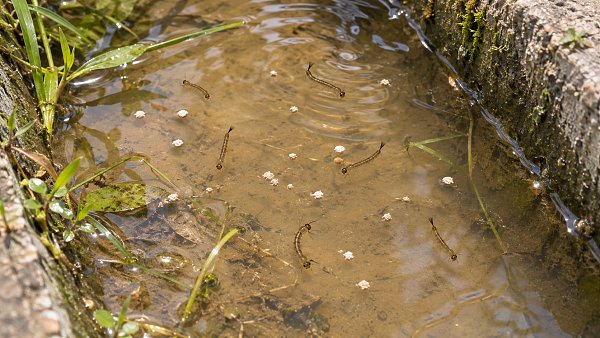
Larvicides target immature mosquitoes in water before they become flying adults. This approach can be useful when breeding sites are identifiable and manageable, such as certain containers or defined water bodies. It is harder to implement where habitats are numerous, temporary, inaccessible or constantly changing.
Options include microbial products based on Bacillus thuringiensis israelensis and insect growth regulators such as pyriproxyfen, depending on local authorization and the use site. Biological origin does not remove the need to review the finished product, application conditions and potential environmental effects. Eliminating or managing breeding sites can also reduce reliance on chemical treatment.
Programs may also use space spraying against adult mosquitoes in specific circumstances, including some outbreak responses. Its effect is generally directed at exposed flying insects rather than providing the lasting surface deposit associated with IRS. Timing, equipment and local guidance are therefore particularly important; fogging alone should not be assumed to provide sustained control.

Why formulation changes the outcome
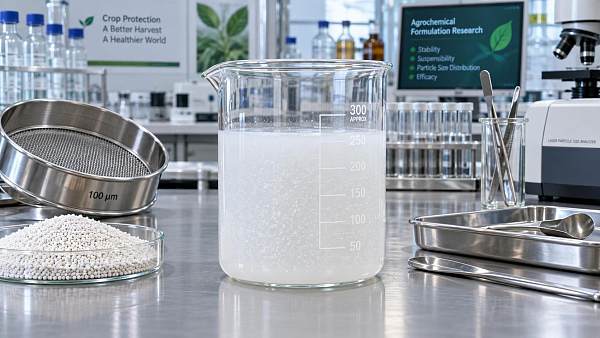
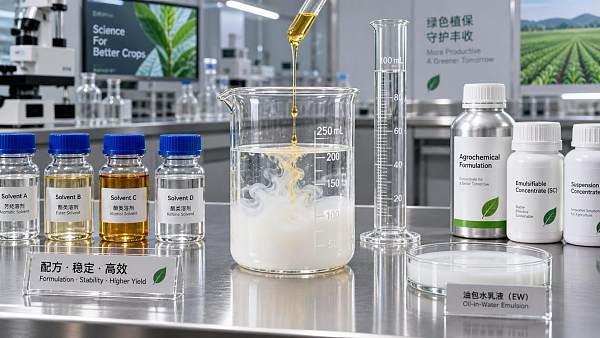
A formulation is the delivery system for the active ingredient. Suspension concentrates, wettable powders and microencapsulated products, for example, can behave differently during storage, dilution and application. Particle size, dispersants and other formulation components affect whether material stays evenly distributed and whether the intended deposit reaches the treated surface.
Microencapsulation may modify how an active ingredient is released or protected, but it is not a guarantee of longer field performance. The capsule design, wall type, climate and target insect all matter. Similarly, a product that looks stable in a laboratory sample may still face difficulties after prolonged transport or storage under conditions outside its specifications.
For nets, manufacturing choices influence how the active ingredient is incorporated or applied to the fibers and how it remains available at the surface. For larvicides, the carrier and particle form affect placement, dispersal and persistence in water. These are reasons to compare finished-product evidence rather than extrapolating from technical-grade purity.
Resistance can change the answer
Repeated exposure can select for insect populations that survive a previously effective insecticide. Resistance can involve changes at the target site, increased metabolic detoxification or other mechanisms. A product can still be correctly manufactured and applied yet perform poorly if the local vector population is resistant.
This is why product selection should be informed by local, recent susceptibility data where available. The species tested, collection location, test method and interpretation all matter. A finding from one area cannot automatically be transferred to another, and a laboratory resistance result does not by itself describe every consequence for disease transmission.
Resistance management may include rotation between suitable modes of action or use of appropriate combination products, alongside surveillance and non-insecticidal measures. Simply changing brand names is not necessarily a meaningful rotation: products with different commercial names can rely on the same active ingredient or mode of action. Cross-resistance also needs consideration.
Safety and authorization are use-specific
Public health uses bring insecticides close to homes, sleeping areas, workers, water and non-target organisms. Risk depends on both hazard and exposure. A responsible assessment therefore considers the finished formulation, application method, protective equipment, storage, transport, disposal and the people or environments likely to encounter the product.
An ingredient authorized for agriculture is not automatically authorized for indoor spraying, treated nets or application to water. Nor should a product intended for one setting be repurposed because its active ingredient appears familiar. National registration and label conditions govern the permitted use; requirements vary by jurisdiction and product.
The World Health Organization provides guidance on vector control and evaluates certain vector control products through its prequalification process. A WHO listing or recommendation can inform assessment, but it does not replace national authorization or eliminate the need to verify the exact product, intended use and current status. Publicly available WHO guidance and national regulatory records are useful starting points for checking these details.
Community communication is also a practical safety measure. Residents need understandable information about preparation, application, re-entry and any relevant precautions. Applicators need training and appropriate protective measures consistent with the product label and local program procedures.
What should researchers and program teams compare?
Early research is more productive when chemical information is connected to the proposed intervention. A comparison might begin with the following evidence rather than a list of active ingredients:
- Vector and setting: target species, biting and resting behavior, seasonality and the places where contact with the product is expected.
- Product performance: evidence for the finished formulation or net, including the conditions under which efficacy and residual activity were assessed.
- Resistance profile: available local susceptibility information, relevant modes of action and possible cross-resistance.
- Quality and stability: active ingredient content, relevant impurities, batch consistency, storage conditions and shelf-life evidence for the product being assessed.
- Authorization and documentation: current registration, approved label, safety data sheet, product specifications and any applicable evaluation or procurement requirements.
- Delivery constraints: packaging, transport, equipment, workforce capacity, waste handling and whether the intervention can reach the intended population or breeding sites.
These points are connected. A formulation with promising residual activity may not be the right choice if it cannot be used on common local surfaces or if the program cannot maintain adequate coverage. Conversely, a lower-cost product is not necessarily economical if storage losses, frequent replacement or operational limitations undermine its useful life.
Putting the evidence in context
Vector control is rarely a single-product decision. Surveillance, environmental management, community participation and appropriate insecticidal interventions can complement one another, with the mix determined by the disease, vector and setting. Monitoring should cover not only insect susceptibility but also product coverage, condition and implementation quality.
The Global Fine Chemicals & Agrochemical Intelligence Network (FCAS) approaches chemical information through this link between ingredient properties, formulation and real application conditions. For an initial review of insecticide APIs for public health, the next step is to identify the intended use and location, then check the current authorization, finished-product evidence and local vector data before drawing conclusions about suitability.
Facing technical bottlenecks in manufacturing or looking for more efficient industrial solutions? Leave your details below and let the engineering experts at FCAS solve them for you.
We respect your privacy. Your information is strictly confidential.
Related News
 Targeted Bio-pesticides & APIsWhen Should You Apply Botanical Insecticides for Fruit Trees?When should you apply botanical insecticides for fruit trees? Discover how to time treatments for vulnerable pests while protecting pollinators and your harvest.MORE+
 Targeted Bio-pesticides & APIsHow to Use Microbial Fungicides for Soil Borne DiseasesDiscover how to use microbial fungicides for soil borne diseases, from product selection to root-zone application, and build a more effective crop protection program.MORE+
 Targeted Bio-pesticides & APIsHow to Choose Insecticides Based on the Pest and CropChoose insecticides with confidence. Learn how to match treatments to pests and crops while protecting beneficial insects and meeting harvest requirements.MORE+
 Targeted Bio-pesticides & APIsHow Are Fungicide APIs Used in Crop Protection Products?Fungicide APIs for crop protection power disease control products. Discover how formulation, application and resistance management affect results.MORE+
 Targeted Bio-pesticides & APIsHow to Evaluate Quality Control at a Botanical Insecticides FactoryEvaluate a botanical insecticides factory with practical checks for sourcing, testing, batch traceability and stability. Learn how to identify quality risks before choosing a supplier.MORE+
 Targeted Bio-pesticides & APIsHow Microbial Insecticides for Public Health Control MosquitoesDiscover how microbial insecticides for public health control mosquito larvae, and learn how to choose formulations and improve field results.MORE+
 Targeted Bio-pesticides & APIsHow Effective Are Botanical Fungicides for Anthracnose?Botanical fungicides for anthracnose can help suppress disease, but results vary. Discover what affects performance and how to choose and use them effectively.MORE+
 Targeted Bio-pesticides & APIsHow to Select Insecticide APIs for Ultra Low Volume FormulationsExplore how to select insecticide APIs for ultra low volume formulations, from stability and droplet performance to regulatory compliance and supply.MORE+
 Targeted Bio-pesticides & APIsEFSA Publishes Peer Review of Trichoderma asperellum ICC012EFSA’s peer review of Trichoderma asperellum ICC012 finds no safety concerns for its assessed EU uses. Explore the implications for biopesticide compliance.MORE+
 Targeted Bio-pesticides & APIsHow to Apply Microbial Pesticides to Foliage EffectivelyMicrobial pesticides for foliar application work best with proper mixing, timing, and leaf coverage. Discover practical steps to improve results and avoid common mistakes.MORE+
 Targeted Bio-pesticides & APIsHow to Use Botanical Fungicides for Fruits EffectivelyBotanical fungicides for fruits can help protect your crop when used correctly. Learn how to choose, time, and apply treatments for healthier fruit.MORE+
 Targeted Bio-pesticides & APIsHow Are Insecticide APIs Used in Public Health Programs?Insecticide APIs for public health support vector control through sprays, treated nets and larvicides. Discover how formulation, resistance and safety shape product selection.MORE+
 Targeted Bio-pesticides & APIsGerman Research Reinforces Pesticide Risks to Aquatic EcosystemsPesticide risks to aquatic ecosystems gain new support from German research. Explore the findings and why holistic approaches matter for agriculture and environmental protection.MORE+
 Targeted Bio-pesticides & APIsSulfonium Modification Offers a Potential Route Around Antifungal ResistanceSulfonium modification shows potential against antifungal resistance in wax moth larvae. Explore what this early finding could mean for future antifungal drug development.MORE+
 Targeted Bio-pesticides & APIsHow Do Microbial Fungicides for Seed Treatment Reduce Damping-Off?Discover how microbial fungicides for seed treatment help reduce damping-off. Learn what to check in strains, coatings, and efficacy data to protect seedlings.MORE+
 Targeted Bio-pesticides & APIsHow to Evaluate a Microbial Insecticides Supplier Before OrderingEvaluate a microbial insecticides supplier with confidence. Learn to verify potency, shelf life, compliance, and delivery quality before ordering to reduce risk and protect your budget.MORE+
 Targeted Bio-pesticides & APIsWhich Quality Specifications Matter When Sourcing Bioherbicide APIs?Sourcing Bioherbicide APIs? Discover the quality specs that matter—from identity and potency to impurities and stability—to compare suppliers and buy with confidence.MORE+
 Targeted Bio-pesticides & APIsHow to Select Residue-Compliant Insect Growth Regulators for CropsSelect residue compliant insect growth regulators with confidence. Discover key checks for crop approvals, export MRLs, harvest intervals, and testing to make informed treatment decisions.MORE+
 Targeted Bio-pesticides & APIsHow to Choose a Reliable Supplier of Insect Growth RegulatorsChoose a reliable insect growth regulators supplier with confidence. Learn how to verify quality, regulatory fit, traceability, and delivery before committing to your next order.MORE+
 Targeted Bio-pesticides & APIsHow Botanical Insecticides Protect Vegetable Crops EffectivelyBotanical insecticides for vegetables help growers improve pest control, spray coverage, IPM compatibility, and crop protection results. Explore practical application insights.MORE+
 Targeted Bio-pesticides & APIsChoosing Microbial Fungicides for Foliar Diseases in Integrated Crop ProgramsMicrobial fungicides for foliar diseases: learn how to match biology, formulation, tank compatibility, and timing for stronger integrated crop protection.MORE+
 Targeted Bio-pesticides & APIsHow Microbial Insecticides Control Caterpillars With Lower Crop Residue RiskMicrobial insecticides for caterpillars help protect crops with targeted early-larval control and lower residue-management pressure. Learn timing, coverage, compliance, and scouting essentials.MORE+
 Targeted Bio-pesticides & APIsInsecticides Explained Through Labels, Active Ingredients, and SafetyInsecticides explained through labels, active ingredients, formulations, and safety. Learn how to compare products, manage risk, and make informed crop protection decisions.MORE+
 Targeted Bio-pesticides & APIsHow to Evaluate Pesticide Suspension Concentrates for Field StabilityPesticide Suspension Concentrates: learn how to evaluate field stability, redispersibility, dilution, tank-mix compatibility, and spray safety for reliable performance.MORE+
 Targeted Bio-pesticides & APIsHow Microbial Inoculants for Seed Treatment Improve Early Crop VigorDiscover how microbial inoculants for seed treatment support early crop vigor through viable microbes, precise application, compatibility, storage, and stronger root establishment.MORE+
 Targeted Bio-pesticides & APIsSelecting Fungicide APIs for Soluble Liquid FormulationsFungicide APIs for soluble liquid formulations: explore solubility, stability, solvent selection, compliance, and sourcing factors for scalable product development.MORE+
 Targeted Bio-pesticides & APIsHow to Qualify a Pesticide Formulation Intermediates SupplierChoose a reliable pesticide formulation intermediates supplier with proven quality control, traceability, formulation testing, and change management expertise.MORE+
 Targeted Bio-pesticides & APIsHow to Evaluate a Microbial Insecticides Factory Before You Place an OrderEvaluate a microbial insecticides factory with confidence. Compare strain control, formulation stability, batch consistency, documents, logistics, and real cost before ordering.MORE+
 Targeted Bio-pesticides & APIsHow to Select Insecticide APIs for Reliable Stored Grain ProtectionInsecticide APIs for stored grain: learn how to select compliant, reliable actives for pest control, residue limits, formulation fit, and supplier quality.MORE+
 Targeted Bio-pesticides & APIsHow Botanical Insecticides Support Greenhouse Pest ControlBotanical insecticides for greenhouse use: learn practical IPM strategies for pest control, spray coverage, crop safety, and beneficial insect protection.MORE+
 Targeted Bio-pesticides & APIsChoosing Fungicide APIs for Stable Water Dispersible GranulesFungicide APIs for water dispersible granules: learn how particle behavior, wettability, carrier compatibility, and stability drive reliable WDG performance.MORE+
 Targeted Bio-pesticides & APIsHow Botanical Fungicides Protect Vegetables Without Residue RisksBotanical fungicides for vegetables help reduce residue risks while supporting effective disease control, compliance, and market-ready crop quality.MORE+
 Targeted Bio-pesticides & APIsHow to Select Intermediates for Stable Emulsifiable ConcentratesPesticide formulation intermediates for emulsifiable concentrate: learn how to select solvents and emulsifiers for robust solubility, dilution stability, hard-water performance, and scalable EC products.MORE+
 Targeted Bio-pesticides & APIsHow Organic Botanical Insecticides Can Improve Integrated Pest ManagementOrganic botanical insecticides can strengthen IPM through targeted pest control, smarter monitoring, safer application, and better protection of crops and beneficial insects.MORE+
 Targeted Bio-pesticides & APIsWhat to Evaluate Before Choosing a Botanical Insecticides ManufacturerBotanical insecticides manufacturer selection guide: evaluate raw material traceability, formulation stability, regulatory documents, supply continuity, and cost per hectare.MORE+
 Targeted Bio-pesticides & APIsHow Chitin Synthesis Inhibitors Control Insects Without ResistanceChitin synthesis inhibitor insect growth regulators disrupt pest development. Learn timing, coverage, monitoring, and resistance-management strategies for smarter control.MORE+
 Targeted Bio-pesticides & APIsIs Microbial Inoculants Wholesale the Right Move for Cost ControlMicrobial inoculants wholesale can cut costs—but only when storage, shelf life, logistics, and supplier consistency protect product performance. Learn what distributors must check before buying.MORE+
 Targeted Bio-pesticides & APIsWhen Microbial Fungicides Work Best for Greenhouse CropsMicrobial fungicides for greenhouse crops work best when applied early under balanced humidity, clean sanitation, and strong scouting. Learn the best timing, crop stages, and use tips for better disease control.MORE+
 Targeted Bio-pesticides & APIsBiocontrol Agents for Fruit Crops That Help Cut Residue and Pest PressureBiocontrol agents for fruit crops help reduce residue risk, ease pest pressure, and support resistance management. Learn where they fit best for orchards and vineyards.MORE+
 Targeted Bio-pesticides & APIsWhen Microbial Fungicides for Foliar Diseases Work Better Than ChemicalsMicrobial fungicides for foliar diseases can outperform chemicals when timing, coverage, and residue control matter most. See where they deliver stronger field results.MORE+