How Preservative Blends Help Control Spoilage in Foods
Preservative blends can slow food spoilage by combining ingredients that act on different microorganisms or work under different conditions. They are most useful when a single preservative does not provide enough protection across a product’s formulation, processing and distribution conditions. Their performance, however, depends on the finished food: a blend that works in an acidic sauce may offer little benefit in a higher-pH filling.
For quality control and food safety teams, the practical question is whether the blend controls the organisms that matter for the full intended shelf life without compromising sensory quality or regulatory compliance. That requires more than checking an ingredient list. The product’s pH, water activity, processing, packaging and expected storage conditions all influence the result.
How a blend can provide broader spoilage control
Foods can deteriorate through the growth of yeasts, molds and bacteria, but these groups do not respond equally to every preservative. A blend may combine ingredients with complementary activity to address more than one type of organism, or pair an antimicrobial with an acidulant that creates conditions in which the antimicrobial works more effectively.
Organic acids and their salts illustrate the importance of formulation. Sorbates are commonly used to help control yeasts and molds, while benzoates can contribute to control in suitable acidic foods. Propionates are used in some bakery products where mold is a concern. Their activity varies with the food and target organism; these examples should not be treated as interchangeable recommendations.
For weak organic acids, pH affects the proportion present in the undissociated form, which can enter microbial cells and disrupt their normal function. As pH rises, a smaller proportion is generally present in that form, reducing the antimicrobial effect under otherwise comparable conditions. Simply adding more preservative may not restore the expected performance and can create sensory or regulatory problems.
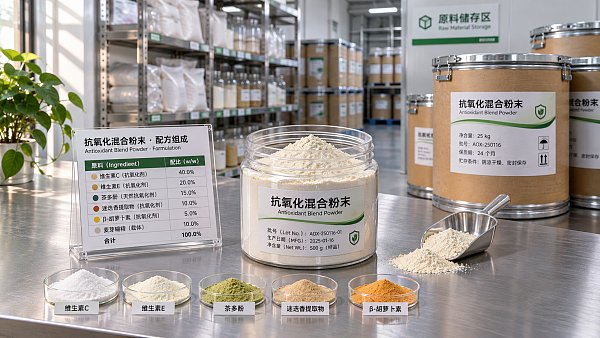
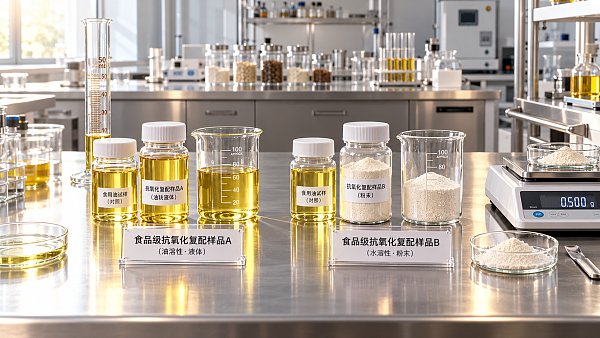
A blend may also include ingredients that help protect food quality in other ways. Antioxidants, for example, can slow certain oxidation reactions that cause rancidity or color changes. They do not replace antimicrobial protection. When assessing a combined system, teams should distinguish the component intended to inhibit microbial growth from the component intended to manage oxidation, acidity or another quality attribute.
Complementary action is not automatically synergy. Two ingredients can address different spoilage risks without producing a combined effect greater than would be expected from their individual contributions. A synergy claim requires evidence from an appropriately designed comparison in the relevant food system.
Why the same blend performs differently across foods
Preservatives act within a food matrix, not in isolation. Before comparing products or concentrations, identify the conditions that determine whether the active ingredients can reach and inhibit the organisms of concern.
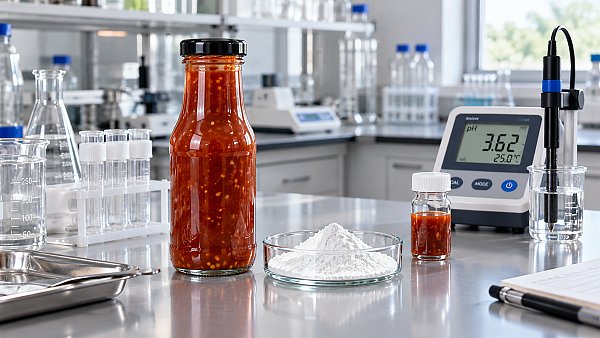
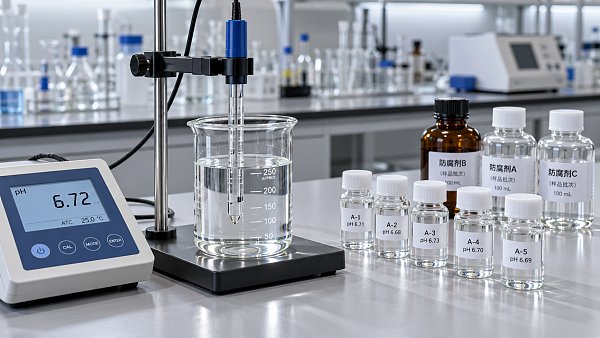
pH and acidity distribution. The measured pH of the finished product is more useful than the pH of a single ingredient. In mixed or layered products, local conditions may differ: a sauce, filling and particulate component can expose microorganisms to different acidity levels. Changes during storage can also affect performance, so pH should be monitored at relevant points in the shelf-life study.
Water activity. Microorganisms need available water to grow, although their tolerance varies. Reducing water activity can support preservation, but a low-moisture ingredient does not guarantee a uniformly low water activity throughout a finished product. Moisture migration between components can create more favorable conditions for growth in a previously stable area.
Composition and physical structure. Fat, protein, particles and emulsions can affect how a preservative is distributed and how much is available in the phase where microorganisms grow. A preservative incorporated into the bulk mix may not adequately protect a surface that is contaminated after processing. Similarly, uneven mixing can leave parts of a batch less protected than the average formula suggests.
Processing and storage. Heat treatment, cooling, filling, package integrity and temperature control all influence the microbial load and the opportunity for subsequent growth. Some ingredients may be affected by processing conditions or losses during manufacture. The relevant concentration is the effective amount in the finished food throughout its shelf life, not just the amount weighed into the formulation.
These factors also explain why a refrigerated product can fail early after temperature abuse, even when the preservative system performed adequately under controlled storage. Conversely, an ambient-stable claim needs evidence under the intended distribution conditions; refrigeration cannot be assumed as an unlisted safeguard.
Match the system to the product’s failure mode
The most useful starting point is the way the food is expected to spoil. That guides both formulation and testing.
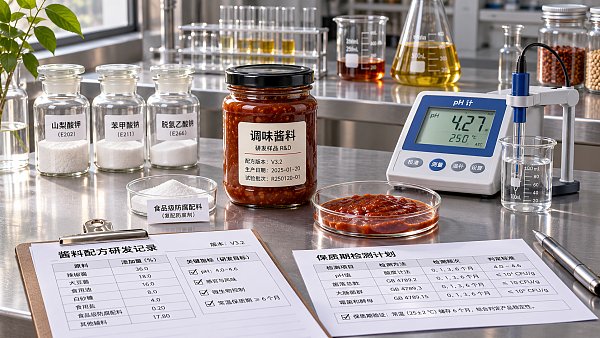
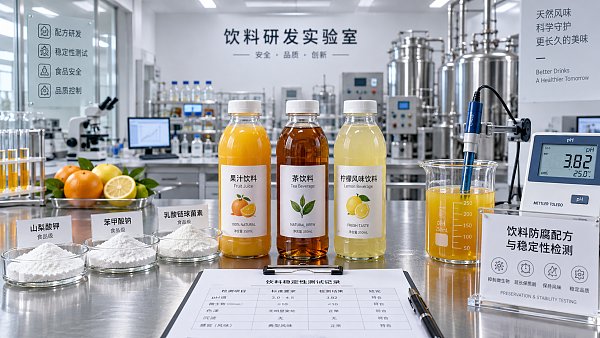
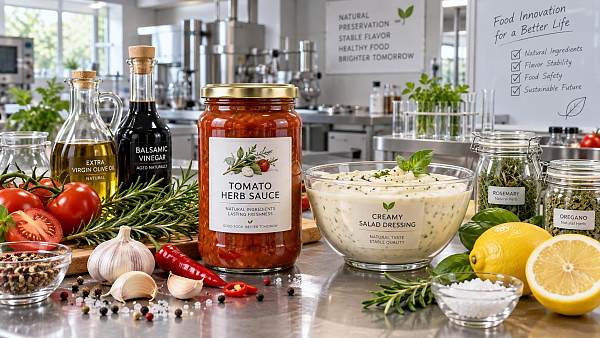
In an acidic beverage or sauce, yeast and mold growth may be a concern, particularly where contamination can occur after heat treatment. An acid-compatible preservative system may help suppress growth, but its effect depends on finished-product pH, distribution and the organisms present. If the filling process or package allows repeated contamination, the preservative may be asked to manage a load beyond the conditions for which it was validated.
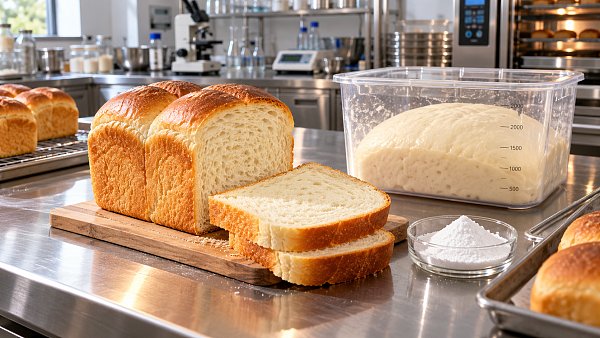
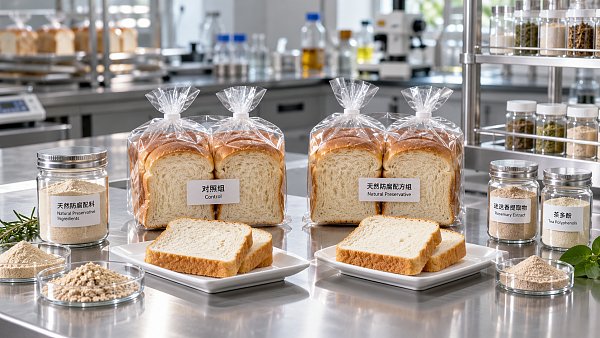
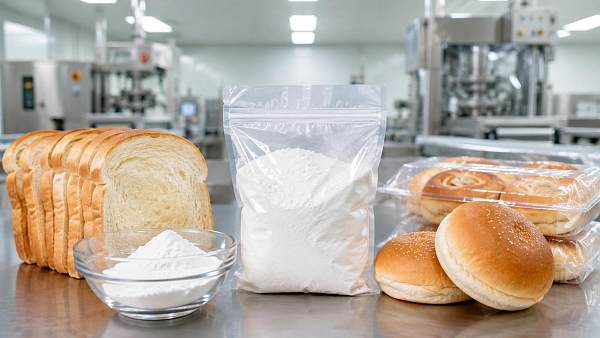
In sliced bread or other bakery products, visible mold growth may define the end of shelf life. A propionate-containing system may be considered where permitted, but surface contamination after baking, cooling conditions and packaging remain important. A formulation that protects a well-controlled line should not be assumed to compensate for poor post-bake hygiene.
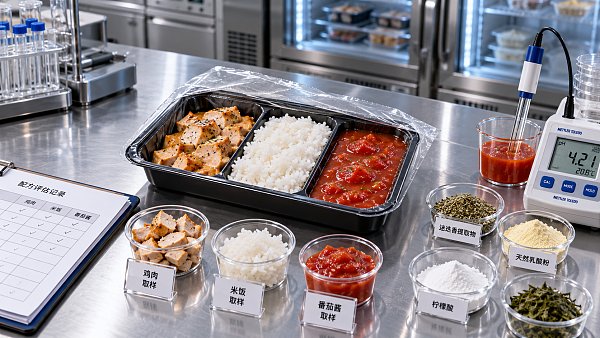
Refrigerated prepared foods present a different challenge. Their ingredients can vary in pH and water activity, and handling after a lethality step may introduce microorganisms. A blend intended to manage spoilage organisms may contribute to shelf-life control, but its effect on relevant pathogens must be assessed separately. An acceptable appearance or smell does not demonstrate that a food is safe.
In each case, define the intended effect before selecting the blend: delay visible mold, limit yeast growth, control a specified spoilage bacterium, or support a broader preservation system. A vague goal such as “extend shelf life” makes it difficult to select meaningful tests or interpret results.
How to establish that the blend works
Laboratory screening can narrow the options, but validation should reflect the commercial product and its foreseeable conditions of use. A preservative may look effective in a simple laboratory medium and perform differently in a food containing fats, particulates or multiple phases.
A practical assessment starts with a documented product description: formulation, target and allowable pH range, water activity where relevant, process steps, packaging, storage temperature and proposed shelf life. The team should then identify likely spoilage organisms and any relevant pathogens based on the food, ingredients, process and intended use.
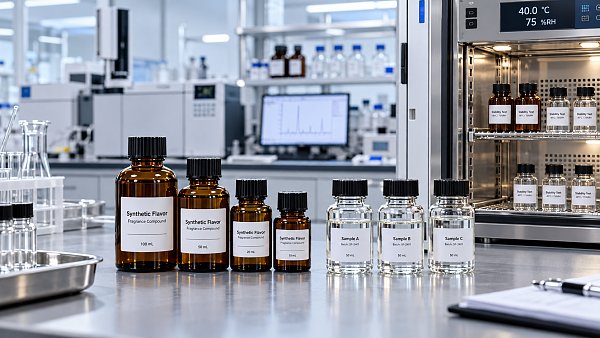
Use representative production or pilot batches to compare the proposed system with an appropriate control. Where the question is whether ingredients provide complementary or synergistic effects, include suitable individual-component comparisons as well as the blend. Monitor microbiological and sensory outcomes over the proposed shelf life, including conditions that reasonably represent the limits of normal production and distribution.
A challenge study may be appropriate when the team needs to understand whether selected organisms can grow or decline in the product. Its design should specify the organisms and strains, inoculation approach, sampling schedule, storage conditions and acceptance criteria. The choice of organisms matters: a study using one strain under one temperature profile cannot establish control of every potential contaminant. Challenge studies involving pathogens require appropriate expertise, facilities and containment.
Natural shelf-life testing and challenge testing answer different questions. Natural testing can show what happens with contamination present in the tested batches, but a clean batch may reveal little about the product’s ability to suppress a particular organism. A challenge study deliberately tests defined conditions, yet still needs to be interpreted alongside process controls and actual production variability.
- Microbiological results: Assess the organisms relevant to the product and define action limits or acceptance criteria before testing.
- Physical and chemical results: Track pH, water activity where relevant, preservative stability and any changes that could affect distribution or activity.
- Sensory results: Check flavor, aroma, appearance and texture throughout storage, not only immediately after manufacture.
- Operational variation: Consider realistic variation in mixing, process conditions, packaging and storage when designing the study.
Repeat or reassess validation when changes could affect performance. A new acidulant, different supplier specification, altered heat process, replacement package or revised storage claim can change the conditions under which the original result was obtained. The extent of additional work should follow the significance of the change and the food safety assessment.
Regulatory and supplier checks before approval
Permission to use a preservative depends on the jurisdiction, food category and conditions of use. A blend described as suitable for food applications is not automatically permitted in every product or market. Review each component, its permitted function and applicable use limits, as well as any rules governing combined use, labeling and claims. The amount of each active substance contributed by the blend matters more than the total blend addition rate alone.
For technical approval, request a composition or sufficient disclosure to establish the identity and amount of relevant active ingredients, along with a specification, recommended storage conditions and evidence supporting the intended application. The quality agreement should address batch consistency, identification, relevant purity or contaminant controls and change notification. Confidentiality arrangements may be needed when full formulation details are commercially sensitive, but the manufacturer still needs enough information to assess safety, legality and performance.
The final decision should rest on evidence from the intended food and process. A blend can be a useful hurdle against spoilage, but it remains one part of a control system that includes hygienic manufacture, validated processing, suitable packaging and storage conditions that can be maintained through distribution.
Facing technical bottlenecks in manufacturing or looking for more efficient industrial solutions? Leave your details below and let the engineering experts at FCAS solve them for you.
We respect your privacy. Your information is strictly confidential.
Related News
 Antioxidants & Natural PreservativesHow Do Food Preservative Blends for Dairy Beverages Work?Food preservative blends for dairy beverages work differently across formulations. Discover how pH, processing and testing shape shelf-life performance.MORE+
 Antioxidants & Natural PreservativesIndexBox Forecasts Moderate BHT Market Growth Through 2035BHT market growth is forecast at 2.5% annually through 2035. Explore the demand drivers and what the outlook means for suppliers and buyers.MORE+
 Antioxidants & Natural PreservativesHow Do Food Preservation Ingredients Extend Shelf Life?Food Preservation Ingredients extend shelf life by slowing microbial growth and oxidation. Discover how to select and validate the right solution for your product.MORE+
 Antioxidants & Natural PreservativesWhat Drives Antioxidant Blends Bulk Price Changes?Discover what drives antioxidant blends bulk price changes, from ingredient costs to delivery terms, and learn how to compare quotes for better value.MORE+
 Antioxidants & Natural PreservativesWhat Affects Benzyl Alcohol Wholesale Pricing and Quality?Benzyl alcohol wholesale prices vary by purity, packaging, and delivery terms. Learn how to compare quality and total costs before you buy.MORE+
 Antioxidants & Natural PreservativesHow Preservative Blends Help Control Spoilage in FoodsPreservative Blends can help control food spoilage and support shelf life. Discover how to select and validate the right system for your product.MORE+
 Antioxidants & Natural PreservativesWhat Affects the Bulk Price of Food Preservation Ingredients?Explore what drives the food preservation ingredients bulk price, from specifications and order volume to freight, compliance, and supplier reliability.MORE+
 Antioxidants & Natural PreservativesHow to Choose Tocopherols for Food Oxidation ControlDiscover how to choose Tocopherols for food oxidation control. Compare profiles, dosage, formulation compatibility, and shelf-life testing.MORE+
 Antioxidants & Natural PreservativesHow Does pH Affect the Performance of Antimicrobial Preservatives?Antimicrobial Preservatives perform differently as pH shifts. Learn how to select effective systems, avoid formulation pitfalls, and validate lasting product protection.MORE+
 Antioxidants & Natural PreservativesHow to Select Natural Food Preservatives for Chilled Ready MealsSelect natural food preservatives for ready meals with confidence. Compare options, assess pH and packaging, and validate shelf life while protecting taste. Explore the guide.MORE+
 Antioxidants & Natural PreservativesWhat Affects the Bulk Price of Antioxidant Blends for Food Use?Compare antioxidant blends bulk price factors, from active concentration to dosage and delivery costs. Learn how to assess quotes and choose better value for food applications.MORE+
 Antioxidants & Natural PreservativesHow Do Propionates Prevent Mold Without Slowing Yeast in Bread?Propionates help delay mold in bread while allowing effective proofing. Discover how pH, dosage, and process control balance longer shelf life with yeast performance.MORE+
 Antioxidants & Natural PreservativesWhat Makes Stable Synthetic Aroma Chemicals Resist Degradation?Learn why stable synthetic aroma chemicals resist degradation, how formulation and packaging affect performance, and what to test when choosing ingredients for lasting fragrance quality.MORE+
 Antioxidants & Natural PreservativesHow Do You Choose a Natural Food Preservatives Supplier You Can Trust?Choose a natural food preservatives supplier you can trust. Learn how to verify compliance, validate performance, and assess supply reliability before you buy.MORE+
 Antioxidants & Natural PreservativesWhat Determines TBHQ Bulk Price and How Can You Compare Quotes?Compare tbhq bulk price with confidence. Discover key cost drivers, specification checks, and landed-cost essentials to evaluate supplier quotes and avoid hidden costs.MORE+
 Antioxidants & Natural PreservativesHow to Choose Food Preservation Ingredients for Beverages That LastChoose food preservation ingredients for beverages with confidence. Explore pH, microbial control, compliance, and testing to protect flavor and achieve reliable shelf life.MORE+
 Antioxidants & Natural PreservativesWhat Purity Tests Are Needed for Cosmetic Grade Butylparaben?Cosmetic grade butylparaben needs more than a high assay. Discover essential purity tests, impurity controls, and supplier checks to make confident sourcing decisions.MORE+
 Antioxidants & Natural PreservativesTBHQ Antioxidant Performance, Limits, and Food Safety ComplianceTBHQ antioxidant performance, legal limits, and food safety compliance explained. Learn practical controls for oils, frying, packaging, shelf life, and documentation.MORE+
 Antioxidants & Natural PreservativesNatural Food Preservatives for Sauces That Protect Shelf LifeNatural food preservatives for sauces: discover practical strategies for safer shelf life, clean-label formulation, pH control, packaging, and validation.MORE+
 Antioxidants & Natural PreservativesHow Herbal Extracts for Functional Foods Support Product DevelopmentHerbal extracts for functional foods: explore smarter selection, sensory balance, processing stability, documentation, and scalable supply for successful product development.MORE+
 Antioxidants & Natural PreservativesWhat Quality Checks Matter When Sourcing Butylparaben for Personal CareButylparaben for personal care sourcing guide: compare assay, impurities, physical performance, documentation, traceability, and supplier quality to reduce formulation risk.MORE+
 Antioxidants & Natural PreservativesWhen Propyl Gallate Antioxidant Is the Right Choice for Oil StabilityPropyl gallate antioxidant: learn when it is the right choice for oil stability, shelf-life protection, processing compatibility, and smarter formulation decisions.MORE+
 Antioxidants & Natural PreservativesHow Potassium Sorbate Extends Shelf Life in Food and Beverage ProductsPotassium Sorbate helps food and beverage brands control yeast and mold spoilage. Explore pH, dosage, processing, and packaging strategies for reliable shelf life.MORE+
 Antioxidants & Natural PreservativesHow to Source Bulk Herbal Extracts With Reliable Quality ControlBulk herbal extracts sourcing guide: compare suppliers, verify traceability, review CoAs, and build reliable quality controls for safer, consistent purchasing.MORE+
 Antioxidants & Natural PreservativesWhat to Check Before Sourcing Butylparaben for Personal Care FormulasButylparaben for personal care sourcing guide: check market eligibility, purity, supplier controls, formula compatibility, packaging, and total risk before buying.MORE+
 Antioxidants & Natural PreservativesNatural Food Antioxidants That Help Extend Shelf Life in Clean LabelsNatural Food Antioxidants: learn how tocopherols, rosemary extracts, and ascorbic systems help protect flavor, color, and shelf life in clean-label foods.MORE+
 Antioxidants & Natural PreservativesWhat to Check Before Choosing a Butylparaben Wholesale SupplierButylparaben wholesale buyers: learn how to assess quality, documentation, market fit, packaging, supply reliability, and total landed cost before choosing a supplier.MORE+
 Antioxidants & Natural PreservativesWhat to Check Before Choosing a Synthetic Food Preservatives SupplierSynthetic food preservatives supplier selection: check regulatory fit, batch consistency, documentation, logistics, and support to reduce risks and hidden costs.MORE+
 Antioxidants & Natural PreservativesWhat to Verify Before Choosing a Synthetic Food Preservatives FactorySynthetic food preservatives factory checklist: verify food-grade quality, impurity control, traceability, packaging, and regulatory fit before supplier approval.MORE+
 Antioxidants & Natural PreservativesHow to Compare Food Preservative Blends Wholesale QuotesFood preservative blends wholesale: compare quotes by true cost, dosage, compliance, quality consistency, and supply reliability to choose the best-value solution.MORE+
 Antioxidants & Natural PreservativesHow Natural Food Preservatives Keep Sauces Fresh Without Sacrificing FlavorNatural food preservatives for sauces help balance microbial control, shelf life, and authentic flavor. Explore practical formulation, processing, and packaging strategies.MORE+
 Antioxidants & Natural PreservativesHow Propionates Extend Shelf Life While Meeting Food Safety RequirementsPropionates extend shelf life by controlling mold in bakery and moisture-sensitive foods. Explore smart dosage, compliance, supplier quality, and safer distribution strategies.MORE+
 Antioxidants & Natural PreservativesHow Oxidation Resistant Flavor Encapsulates Protect Taste During ProcessingOxidation resistant flavor encapsulates help protect delicate taste through heat, oxygen, and storage. Discover how to improve flavor retention, release, and processing consistency.MORE+
 Antioxidants & Natural PreservativesHow to Choose Green Tea Extract for Stable, Consistent FormulationsGreen Tea Extract selection guide for stable, consistent formulations—compare standardization, solubility, carriers, stability, and batch quality with confidence.MORE+
 Antioxidants & Natural PreservativesIs TBHQ for Shortening Safe and Effective for Longer Shelf Life?TBHQ for shortening: discover how safe, compliant antioxidant use can reduce rancidity, protect quality, and support longer shelf life through validated controls.MORE+
 Antioxidants & Natural PreservativesWhy Ferulic Acid Matters in Modern Antioxidant FormulationsFerulic Acid helps modern formulations enhance oxidative stability, protect sensitive ingredients, and support differentiated product performance across key applications.MORE+
 Antioxidants & Natural PreservativesHow Natural Food Preservatives Extend Shelf Life Without CompromiseNatural Food Preservatives extend shelf life through smart hurdle systems, balancing safety, clean-label appeal, sensory quality, and regulatory compliance.MORE+
 Antioxidants & Natural PreservativesHow to Choose a Food Preservation Ingredients Manufacturer with ConfidenceFood preservation ingredients manufacturer selection starts with risk control. Learn how to compare quality, documentation, supply stability, and technical support with confidence.MORE+
 Antioxidants & Natural PreservativesIs Cosmetic Grade Butylparaben Still a Smart Choice for FormulatorsCosmetic grade butylparaben remains a key consideration for formulators. Explore when it still makes sense, when to replace it, and how to balance performance, compliance, and market demands.MORE+
 Antioxidants & Natural PreservativesHow to Choose a Reliable Gum Arabic Powder Supplier for Consistent QualityGum arabic powder supplier selection starts with quality, traceability, and supply stability. Learn how to compare specs, compliance, and continuity to reduce sourcing risk.MORE+