How to Use Botanical Fungicides for Fruits Effectively
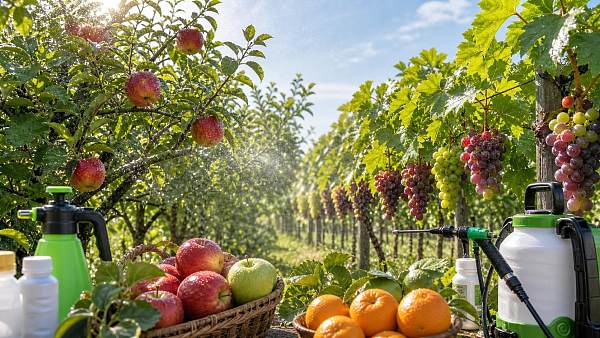
Botanical fungicides can help protect fruit crops from fungal diseases, but they are not interchangeable treatments for every infection. Effective use depends on matching a registered formulation to the crop and disease, applying it at the right stage, and covering the plant surfaces that need protection.
Many botanical products work best before infection or during the earliest stages of disease development. A spray applied after extensive fruit rot or leaf damage is visible may have limited value. The product label, local disease conditions, and the state of the crop should therefore guide the treatment decision—not the assumption that a plant-derived ingredient will work as a general cure.
Identify the disease before choosing a spray
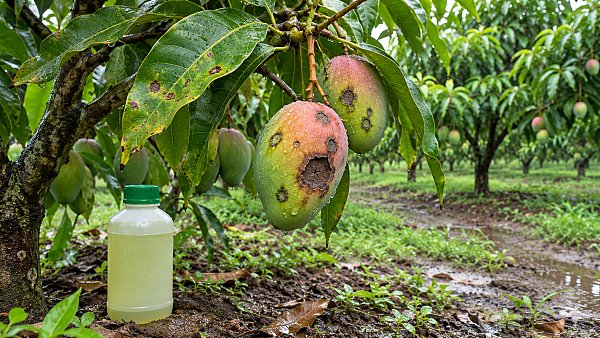
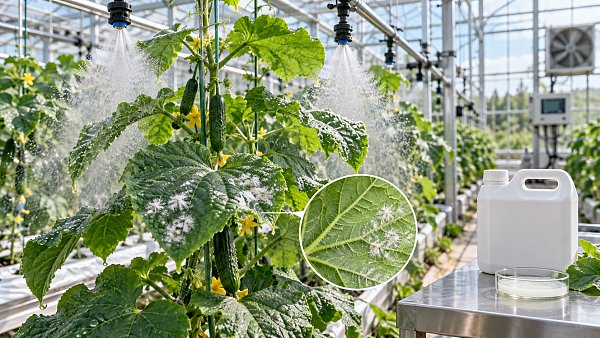
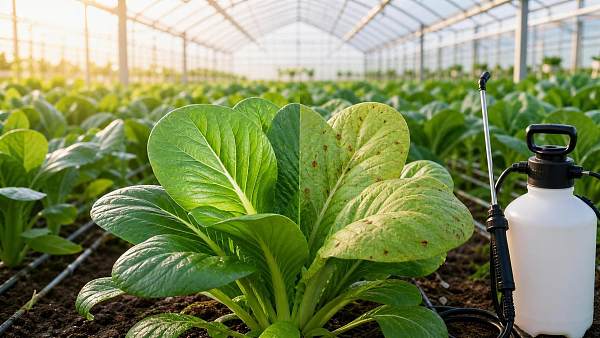
Start by inspecting both the affected fruit and the surrounding plant tissue. Note where symptoms first appeared, which plant parts are affected, and whether the problem is spreading. Powdery growth on leaves, sunken fruit lesions, and soft rot after harvest can point to different diseases and may require different management approaches.
Appearance alone is not always enough for a reliable diagnosis. Insect injury, sunburn, nutrient problems, and chemical damage can resemble disease symptoms. If the cause is uncertain or the potential loss is substantial, consult a local extension service, crop adviser, or diagnostic laboratory before treating a large area.
Diagnosis also helps establish whether spraying can still protect the crop. A fungicide cannot restore tissue that has already rotted. Depending on the disease, removing infected fruit or pruning affected material may reduce sources of infection, but sanitation practices should be chosen with local guidance: moving diseased material through a wet canopy, for example, can spread some pathogens.
Consider the infection pathway as well. A disease that infects blossoms and later appears on mature fruit may need management long before harvest. By contrast, treating leaves alone will not reliably protect fruit if the target pathogen primarily infects fruit surfaces and the spray never reaches them.
Match the formulation to the fruit, disease, and use pattern
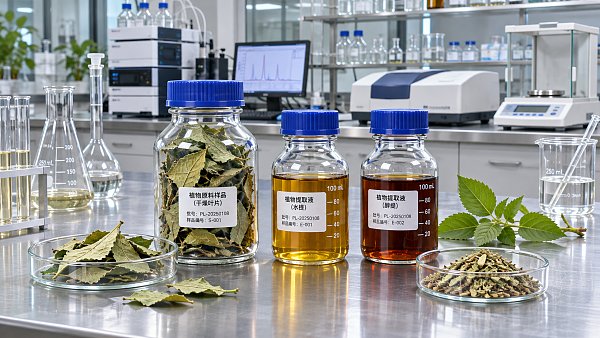
Botanical fungicides are formulations based on plant-derived substances, including certain plant extracts and essential-oil constituents. The source plant does not determine the whole product’s performance. Active ingredient concentration, formulation, application rate, and permitted use all matter.
Before mixing, check the label for:
- The specific fruit crop, or an applicable crop group, and the disease being treated.
- The permitted use site, such as an orchard, field, greenhouse, or postharvest facility.
- The application rate, water volume or concentration, and any maximum number of applications.
- Timing restrictions, including crop stage, minimum retreatment interval, and any preharvest interval.
- Required protective equipment, re-entry restrictions, and environmental precautions.
A product labeled for one fruit crop is not automatically permitted on another. Likewise, a material registered for use on a growing crop is not necessarily approved for washing, dipping, or treating harvested fruit. Registration and label requirements vary by jurisdiction, so use the label applicable to the location and formulation being applied.
Do not substitute a culinary essential oil, homemade extract, or concentrated raw ingredient for a formulated crop-protection product. The concentration and composition may be inconsistent, and an unformulated oil can injure fruit or foliage. It may also lack authorization for pesticide use.
For fruit intended for export, check destination-market residue requirements as well as local use authorization. A legally applied product does not automatically satisfy every buyer specification or importing-market requirement. Keep the product identity and application records available for traceability.
Time applications around infection risk
For products with primarily protective activity, the aim is to deposit the treatment before the pathogen infects susceptible tissue. Begin with the label’s recommended crop stage and use local disease forecasts, weather information, and scouting observations to judge when protection is needed.
For example, a grower managing a blossom-associated disease should determine whether the product is labeled for use during bloom and whether it can be applied without unacceptable risk to pollinators. Waiting until damaged fruit becomes visible may miss the period when treatment could have protected the blossoms. Conversely, spraying a product early in the season without regard to later fruit susceptibility can leave a gap when fruit is most exposed.
Rain, irrigation, rapid growth, and sunlight can affect how long deposits remain useful. Do not assume that a botanical fungicide provides season-long protection after one spray. Follow the label’s retreatment instructions and any rain-related directions. If rain occurs soon after application, consult the label or manufacturer’s technical guidance rather than automatically repeating the spray; a repeat application must still comply with rate and interval limits.
When disease pressure is high or symptoms are already widespread, reassess the program rather than simply increasing the concentration. A registered alternative, a different application window, or stronger sanitation may be needed. Higher-than-label rates can damage the crop and are not a reliable way to recover lost control.
Prepare the spray without compromising crop safety
Use clean equipment and measure the product and water accurately. Read the mixing directions for the specific formulation: some products require agitation, a particular order of addition, or use soon after preparation. Avoid leaving a mixed spray in the tank overnight unless the label permits it.
Calculate the amount needed for the area and the calibrated spray volume. If the label gives a product rate per unit area, changing the water volume does not automatically change the allowed amount of product per unit area. If it specifies a concentration or includes separate instructions for different equipment, follow those directions. Do not rely on a rate copied from another formulation containing a similar botanical ingredient.
Tank mixing deserves particular care. Fertilizers, adjuvants, other pesticides, and water conditioners can alter physical stability or increase crop injury. Only use combinations permitted by the relevant labels. A small jar test can reveal separation, clumping, or other physical incompatibility, but it cannot prove that a mixture is safe on fruit or effective against disease.
Where the label permits and uncertainty remains, treat a small representative area before applying broadly. Include the relevant variety and growth stage, then observe it for signs of injury before expanding the treatment. Small-scale testing does not override label restrictions or guarantee safety under different weather conditions.
Oil-based and other botanical formulations can mark fruit or burn foliage under unsuitable conditions. Pay particular attention to label warnings about heat, strong sunlight, drought-stressed plants, and application near other products. Do not add extra wetting agents or spreaders unless the label allows them; improved spreading is not useful if it causes russeting or other injury to marketable fruit.
Cover the infection sites, not just the outside of the canopy
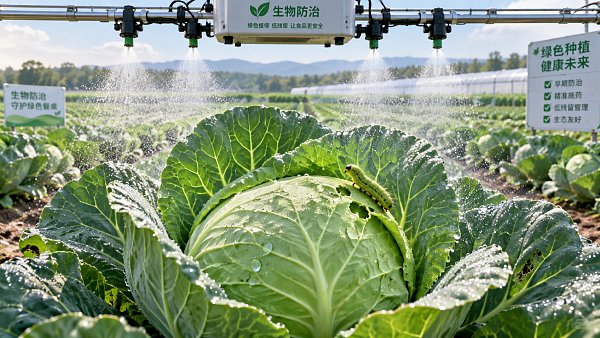
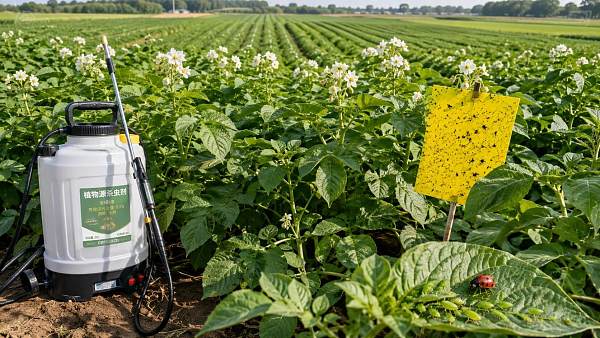
Coverage is often the difference between a sound product choice and a disappointing result. Many treatments need to reach the surface before infection, so untreated areas can remain vulnerable even when the correct total quantity has been applied.
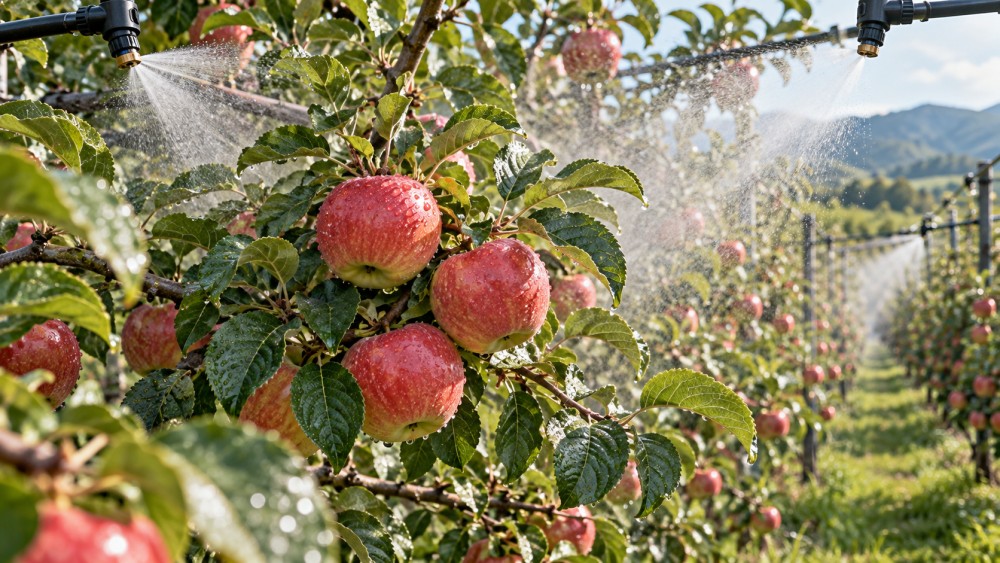
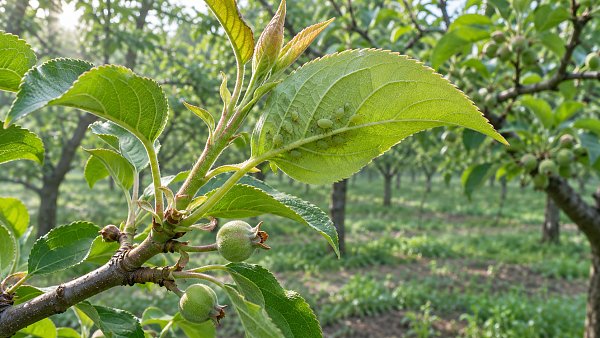
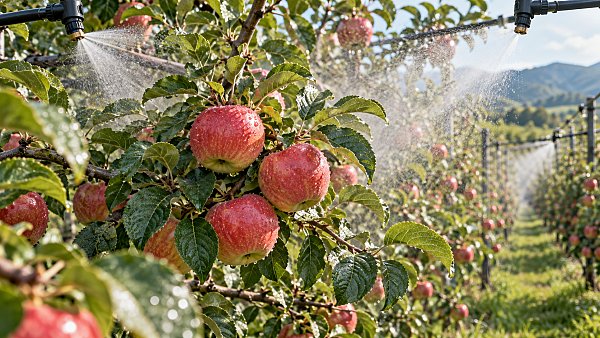
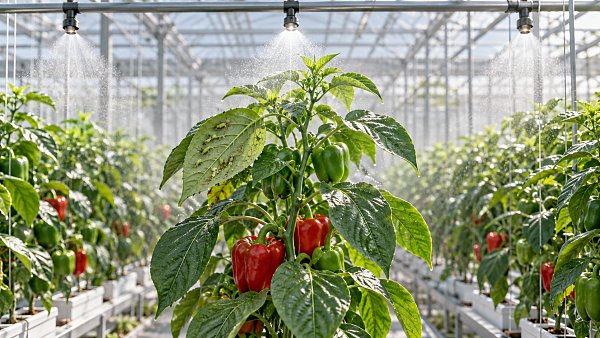
Adjust the sprayer to the crop’s size, canopy density, and training system. In an orchard, dense foliage can prevent spray from reaching fruit inside the tree. In berries or other small-fruit plantings, overlapping leaves and clusters can shield susceptible tissue. Direct the spray toward the target area and use a water volume and travel speed that provide coverage consistent with the label and equipment guidance.
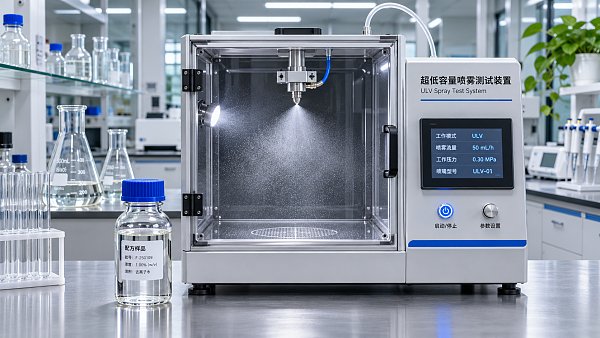
Check that nozzles are clean, functioning, and producing an even pattern. Calibrate the equipment before use and whenever nozzle selection, pressure, travel speed, or crop conditions change. Water-sensitive paper placed at different canopy positions can help reveal where droplets are reaching and where coverage is poor. Inspect inner and outer foliage as well as upper and lower areas; a well-covered canopy edge does not prove that fruit inside the canopy received treatment.
More spray is not always better. Excessive application can cause runoff, waste product, and increase exposure to nearby areas without improving retention. The objective is adequate coverage of the susceptible surfaces, subject to the label’s rate and volume limits.
Weather affects both deposition and safety. Avoid spraying when wind could carry droplets away from the target or when conditions conflict with label restrictions. Consider nearby crops, water, people, and pollinator activity. Follow any buffer zones and pollinator-protection statements on the label.
Protect workers and handle residues responsibly
Plant-derived does not mean risk-free. Concentrated botanical ingredients can irritate skin or eyes, and spray droplets or vapors can present exposure hazards. Wear the personal protective equipment specified on the label during mixing, loading, application, and equipment cleaning. Use the stated re-entry interval and prevent unprotected workers from entering treated areas until the applicable requirements have been met.
Observe the preharvest interval even when the product is described as natural. Also check whether the label places restrictions on the amount applied, the number of treatments, or the timing of the final spray. Organic production requires a separate check: a botanical ingredient alone does not establish that a particular formulation is allowed under the applicable organic standard.
Dispose of leftover spray, rinse water, and empty containers according to the label and local rules. Do not pour material into drains or watercourses. Clean equipment in a manner that prevents residues from affecting the next crop or contaminating water sources.
Judge results against an untreated area and the disease cycle
Record the crop, variety, disease target, product, rate, water volume, application time, weather, and observed crop response. These details make it easier to distinguish a product problem from a timing or coverage problem and support harvest and residue decisions.
After treatment, inspect the same areas again. Look for new lesions on previously healthy tissue rather than expecting old damage to disappear. Where practical and permitted, a small untreated comparison area can help show whether disease progression differs from the treated crop. Interpret the comparison cautiously: shade, airflow, plant vigor, and initial infection levels can differ within the same block.
If control is poor, check the diagnosis and application sequence before changing products. Was the disease correctly identified? Was susceptible tissue protected before infection? Did the spray reach the inner canopy? Did rain, rapid growth, or a missed interval leave new tissue exposed? Were signs of phytotoxicity mistaken for disease?
Botanical fungicides are most useful when they fit into a wider disease-management program that includes monitoring, sanitation, canopy management, and other registered treatments where needed. For resistance management, follow local guidance and label instructions on rotating effective modes of action; switching between two plant-derived products does not necessarily mean their modes of action differ. The practical goal is consistent protection of healthy fruit, not repeated spraying after losses have already occurred.
Facing technical bottlenecks in manufacturing or looking for more efficient industrial solutions? Leave your details below and let the engineering experts at FCAS solve them for you.
We respect your privacy. Your information is strictly confidential.
Related News
 Targeted Bio-pesticides & APIsWhen Should You Apply Botanical Insecticides for Fruit Trees?When should you apply botanical insecticides for fruit trees? Discover how to time treatments for vulnerable pests while protecting pollinators and your harvest.MORE+
 Targeted Bio-pesticides & APIsHow to Use Microbial Fungicides for Soil Borne DiseasesDiscover how to use microbial fungicides for soil borne diseases, from product selection to root-zone application, and build a more effective crop protection program.MORE+
 Targeted Bio-pesticides & APIsHow to Choose Insecticides Based on the Pest and CropChoose insecticides with confidence. Learn how to match treatments to pests and crops while protecting beneficial insects and meeting harvest requirements.MORE+
 Targeted Bio-pesticides & APIsHow Are Fungicide APIs Used in Crop Protection Products?Fungicide APIs for crop protection power disease control products. Discover how formulation, application and resistance management affect results.MORE+
 Targeted Bio-pesticides & APIsHow to Evaluate Quality Control at a Botanical Insecticides FactoryEvaluate a botanical insecticides factory with practical checks for sourcing, testing, batch traceability and stability. Learn how to identify quality risks before choosing a supplier.MORE+
 Targeted Bio-pesticides & APIsHow Microbial Insecticides for Public Health Control MosquitoesDiscover how microbial insecticides for public health control mosquito larvae, and learn how to choose formulations and improve field results.MORE+
 Targeted Bio-pesticides & APIsHow Effective Are Botanical Fungicides for Anthracnose?Botanical fungicides for anthracnose can help suppress disease, but results vary. Discover what affects performance and how to choose and use them effectively.MORE+
 Targeted Bio-pesticides & APIsHow to Select Insecticide APIs for Ultra Low Volume FormulationsExplore how to select insecticide APIs for ultra low volume formulations, from stability and droplet performance to regulatory compliance and supply.MORE+
 Targeted Bio-pesticides & APIsEFSA Publishes Peer Review of Trichoderma asperellum ICC012EFSA’s peer review of Trichoderma asperellum ICC012 finds no safety concerns for its assessed EU uses. Explore the implications for biopesticide compliance.MORE+
 Targeted Bio-pesticides & APIsHow to Apply Microbial Pesticides to Foliage EffectivelyMicrobial pesticides for foliar application work best with proper mixing, timing, and leaf coverage. Discover practical steps to improve results and avoid common mistakes.MORE+
 Targeted Bio-pesticides & APIsHow to Use Botanical Fungicides for Fruits EffectivelyBotanical fungicides for fruits can help protect your crop when used correctly. Learn how to choose, time, and apply treatments for healthier fruit.MORE+
 Targeted Bio-pesticides & APIsHow Are Insecticide APIs Used in Public Health Programs?Insecticide APIs for public health support vector control through sprays, treated nets and larvicides. Discover how formulation, resistance and safety shape product selection.MORE+
 Targeted Bio-pesticides & APIsGerman Research Reinforces Pesticide Risks to Aquatic EcosystemsPesticide risks to aquatic ecosystems gain new support from German research. Explore the findings and why holistic approaches matter for agriculture and environmental protection.MORE+
 Targeted Bio-pesticides & APIsSulfonium Modification Offers a Potential Route Around Antifungal ResistanceSulfonium modification shows potential against antifungal resistance in wax moth larvae. Explore what this early finding could mean for future antifungal drug development.MORE+
 Targeted Bio-pesticides & APIsHow Do Microbial Fungicides for Seed Treatment Reduce Damping-Off?Discover how microbial fungicides for seed treatment help reduce damping-off. Learn what to check in strains, coatings, and efficacy data to protect seedlings.MORE+
 Targeted Bio-pesticides & APIsHow to Evaluate a Microbial Insecticides Supplier Before OrderingEvaluate a microbial insecticides supplier with confidence. Learn to verify potency, shelf life, compliance, and delivery quality before ordering to reduce risk and protect your budget.MORE+
 Targeted Bio-pesticides & APIsWhich Quality Specifications Matter When Sourcing Bioherbicide APIs?Sourcing Bioherbicide APIs? Discover the quality specs that matter—from identity and potency to impurities and stability—to compare suppliers and buy with confidence.MORE+
 Targeted Bio-pesticides & APIsHow to Select Residue-Compliant Insect Growth Regulators for CropsSelect residue compliant insect growth regulators with confidence. Discover key checks for crop approvals, export MRLs, harvest intervals, and testing to make informed treatment decisions.MORE+
 Targeted Bio-pesticides & APIsHow to Choose a Reliable Supplier of Insect Growth RegulatorsChoose a reliable insect growth regulators supplier with confidence. Learn how to verify quality, regulatory fit, traceability, and delivery before committing to your next order.MORE+
 Targeted Bio-pesticides & APIsHow Botanical Insecticides Protect Vegetable Crops EffectivelyBotanical insecticides for vegetables help growers improve pest control, spray coverage, IPM compatibility, and crop protection results. Explore practical application insights.MORE+
 Targeted Bio-pesticides & APIsChoosing Microbial Fungicides for Foliar Diseases in Integrated Crop ProgramsMicrobial fungicides for foliar diseases: learn how to match biology, formulation, tank compatibility, and timing for stronger integrated crop protection.MORE+
 Targeted Bio-pesticides & APIsHow Microbial Insecticides Control Caterpillars With Lower Crop Residue RiskMicrobial insecticides for caterpillars help protect crops with targeted early-larval control and lower residue-management pressure. Learn timing, coverage, compliance, and scouting essentials.MORE+
 Targeted Bio-pesticides & APIsInsecticides Explained Through Labels, Active Ingredients, and SafetyInsecticides explained through labels, active ingredients, formulations, and safety. Learn how to compare products, manage risk, and make informed crop protection decisions.MORE+
 Targeted Bio-pesticides & APIsHow to Evaluate Pesticide Suspension Concentrates for Field StabilityPesticide Suspension Concentrates: learn how to evaluate field stability, redispersibility, dilution, tank-mix compatibility, and spray safety for reliable performance.MORE+
 Targeted Bio-pesticides & APIsHow Microbial Inoculants for Seed Treatment Improve Early Crop VigorDiscover how microbial inoculants for seed treatment support early crop vigor through viable microbes, precise application, compatibility, storage, and stronger root establishment.MORE+
 Targeted Bio-pesticides & APIsSelecting Fungicide APIs for Soluble Liquid FormulationsFungicide APIs for soluble liquid formulations: explore solubility, stability, solvent selection, compliance, and sourcing factors for scalable product development.MORE+
 Targeted Bio-pesticides & APIsHow to Qualify a Pesticide Formulation Intermediates SupplierChoose a reliable pesticide formulation intermediates supplier with proven quality control, traceability, formulation testing, and change management expertise.MORE+
 Targeted Bio-pesticides & APIsHow to Evaluate a Microbial Insecticides Factory Before You Place an OrderEvaluate a microbial insecticides factory with confidence. Compare strain control, formulation stability, batch consistency, documents, logistics, and real cost before ordering.MORE+
 Targeted Bio-pesticides & APIsHow to Select Insecticide APIs for Reliable Stored Grain ProtectionInsecticide APIs for stored grain: learn how to select compliant, reliable actives for pest control, residue limits, formulation fit, and supplier quality.MORE+
 Targeted Bio-pesticides & APIsHow Botanical Insecticides Support Greenhouse Pest ControlBotanical insecticides for greenhouse use: learn practical IPM strategies for pest control, spray coverage, crop safety, and beneficial insect protection.MORE+
 Targeted Bio-pesticides & APIsChoosing Fungicide APIs for Stable Water Dispersible GranulesFungicide APIs for water dispersible granules: learn how particle behavior, wettability, carrier compatibility, and stability drive reliable WDG performance.MORE+
 Targeted Bio-pesticides & APIsHow Botanical Fungicides Protect Vegetables Without Residue RisksBotanical fungicides for vegetables help reduce residue risks while supporting effective disease control, compliance, and market-ready crop quality.MORE+
 Targeted Bio-pesticides & APIsHow to Select Intermediates for Stable Emulsifiable ConcentratesPesticide formulation intermediates for emulsifiable concentrate: learn how to select solvents and emulsifiers for robust solubility, dilution stability, hard-water performance, and scalable EC products.MORE+
 Targeted Bio-pesticides & APIsHow Organic Botanical Insecticides Can Improve Integrated Pest ManagementOrganic botanical insecticides can strengthen IPM through targeted pest control, smarter monitoring, safer application, and better protection of crops and beneficial insects.MORE+
 Targeted Bio-pesticides & APIsWhat to Evaluate Before Choosing a Botanical Insecticides ManufacturerBotanical insecticides manufacturer selection guide: evaluate raw material traceability, formulation stability, regulatory documents, supply continuity, and cost per hectare.MORE+
 Targeted Bio-pesticides & APIsHow Chitin Synthesis Inhibitors Control Insects Without ResistanceChitin synthesis inhibitor insect growth regulators disrupt pest development. Learn timing, coverage, monitoring, and resistance-management strategies for smarter control.MORE+
 Targeted Bio-pesticides & APIsIs Microbial Inoculants Wholesale the Right Move for Cost ControlMicrobial inoculants wholesale can cut costs—but only when storage, shelf life, logistics, and supplier consistency protect product performance. Learn what distributors must check before buying.MORE+
 Targeted Bio-pesticides & APIsWhen Microbial Fungicides Work Best for Greenhouse CropsMicrobial fungicides for greenhouse crops work best when applied early under balanced humidity, clean sanitation, and strong scouting. Learn the best timing, crop stages, and use tips for better disease control.MORE+
 Targeted Bio-pesticides & APIsBiocontrol Agents for Fruit Crops That Help Cut Residue and Pest PressureBiocontrol agents for fruit crops help reduce residue risk, ease pest pressure, and support resistance management. Learn where they fit best for orchards and vineyards.MORE+
 Targeted Bio-pesticides & APIsWhen Microbial Fungicides for Foliar Diseases Work Better Than ChemicalsMicrobial fungicides for foliar diseases can outperform chemicals when timing, coverage, and residue control matter most. See where they deliver stronger field results.MORE+