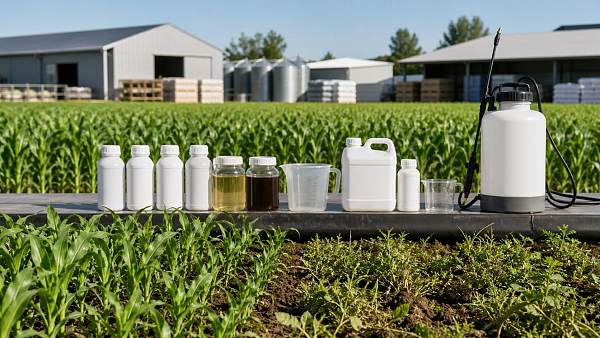
How to Choose Adjuvant Systems for Herbicides
Selecting adjuvant systems for herbicides requires more than comparing surfactant types or application rates. Technical evaluators must consider the herbicide formulation, target weeds, crop sensitivity, water quality, spray conditions, and compatibility with other tank-mix components. The right system can improve wetting, retention, or uptake, but its performance depends on the specific application. A choice that works well in one field may add cost or crop injury risk in another.
The most useful starting point is not “Which adjuvant is strongest?” but “Which part of this application needs support, and does the herbicide label permit it?” That question helps narrow a crowded product category into a manageable technical evaluation.
Start with the herbicide, not the adjuvant catalog
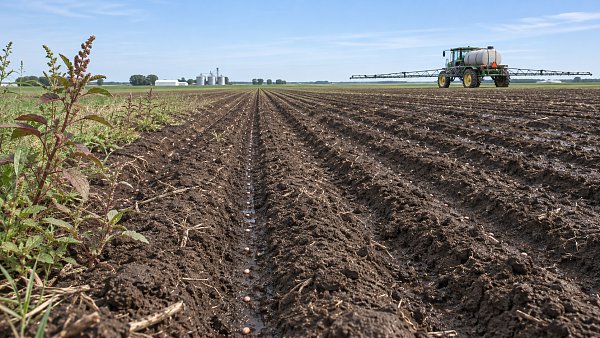
Herbicides differ in their chemistry, formulation, site of action, and route of entry into the plant. A foliar-applied product must reach and remain on leaf surfaces before enough active ingredient can enter the weed. A soil-applied product, by contrast, depends more on distribution in the soil and the conditions needed for activation. An adjuvant intended to improve foliar uptake may have little relevance to a pre-emergence treatment and should not be assumed suitable.
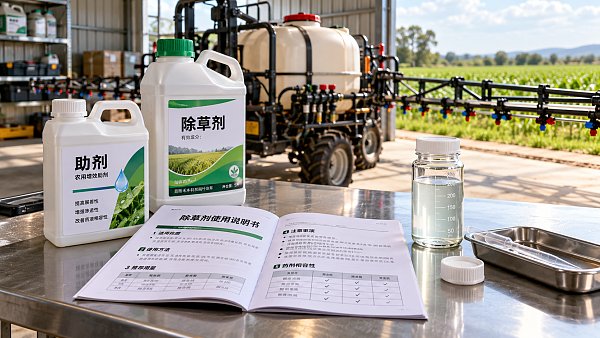
Review the finished herbicide formulation as well as the active ingredient. Some products already contain a substantial adjuvant package; others rely on an approved tank-mix addition under specified conditions. Adding another surfactant or oil without checking the label can increase leaf injury, disrupt the intended spray characteristics, or simply duplicate what is already present.
Before comparing candidates, establish the following:
- Application timing: Is the herbicide being applied before weed emergence or onto established foliage?
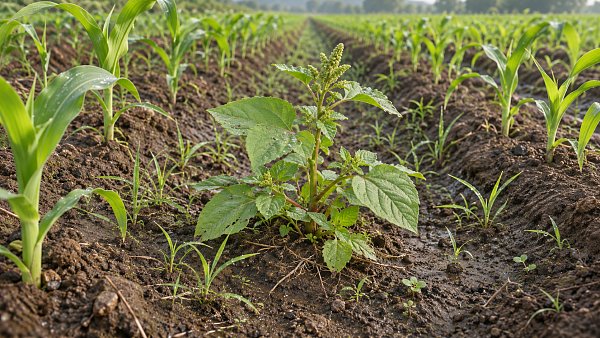
- Target species and growth stage: Are the weeds small and actively growing, or larger and potentially harder to wet or control?
- Crop exposure: Will the spray contact a crop, and how sensitive is it at the intended stage?
- Label direction: Is an adjuvant required, recommended, restricted, or prohibited? Is a particular type or rate specified?
- Operational conditions: What carrier volume, nozzle setup, water source, and tank-mix sequence are expected?
These details form the boundary of the decision. If the label limits the choice to a specified adjuvant category, comparisons outside that category are not useful, even if another product appears technically attractive.
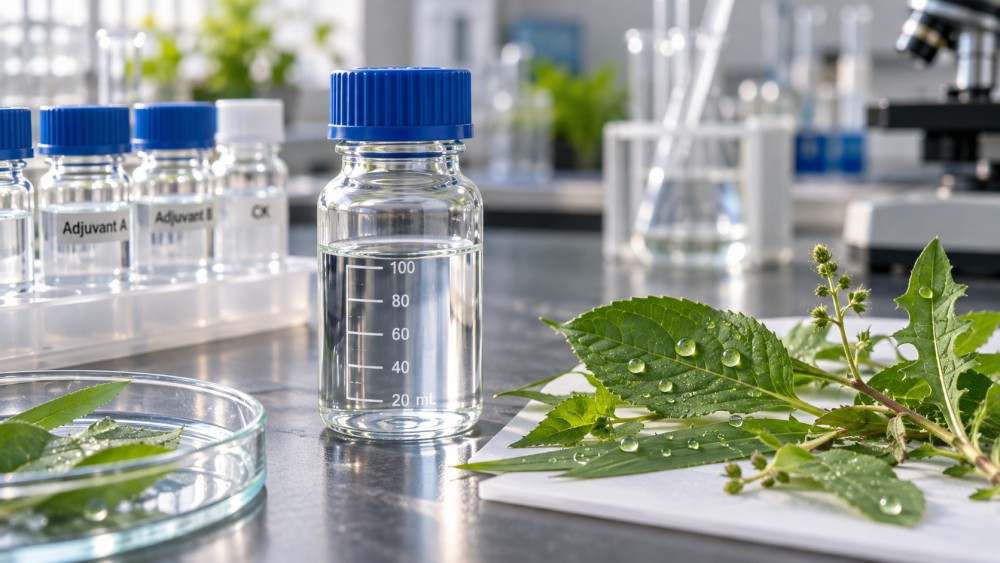
Match adjuvant function to the likely performance barrier
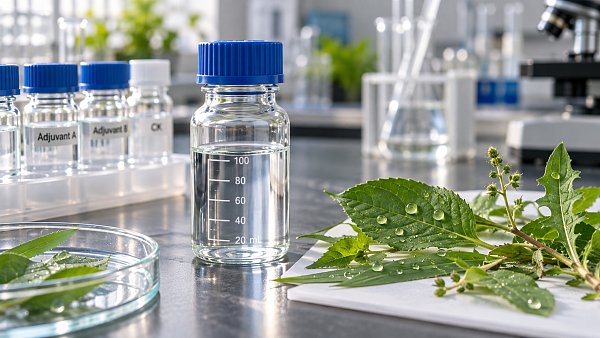
Adjuvants are often sold as multifunctional blends, so the trade name alone may not reveal what the system is designed to do. Ask for the composition, intended use, and technical documentation, then assess the principal functions against the application problem.
These categories can overlap. A product marketed as an oil adjuvant may also contain emulsifiers and surfactants; a water-conditioning blend may include wetting agents. Compare the declared functions and use directions, not just broad category names. Also distinguish a tank-mix adjuvant, added by the applicator, from formulation components already built into the herbicide.
Wetting is useful, but it is not the same as uptake
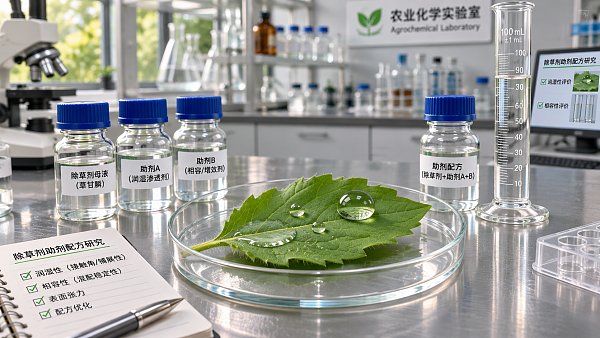
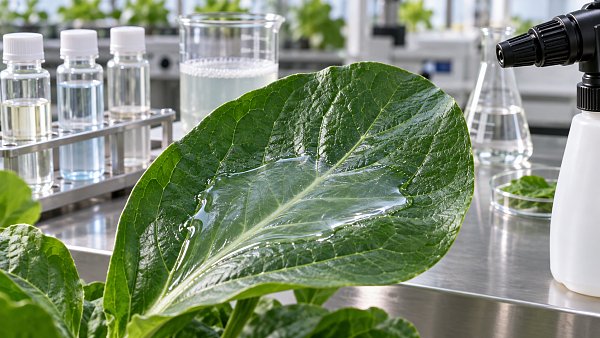
A spray droplet must contact and remain on the target before uptake can occur. Leaf hairs, wax, leaf angle, and surface contamination can all affect retention. Surfactants may improve contact on difficult-to-wet foliage, but extensive spreading does not automatically produce better absorption. Excessive spreading can contribute to runoff, while faster uptake is not always desirable if it also increases crop injury.
Likewise, oil-based systems should not be treated as universally more effective than nonionic surfactants. Their contribution depends on the active ingredient, formulated product, weed surface, weather, and application rate. Where both types are permitted, the decision should be supported by comparative results under representative conditions.
Read the field conditions before choosing the chemistry
A technically sound adjuvant can disappoint if the target weed is stressed or the spray never reaches enough leaf area. Consider environmental and application factors alongside product selection.
- Weed condition: Drought, temperature stress, maturity, and dust may change spray retention or herbicide uptake. An adjuvant is not a reliable substitute for correct application timing.
- Weather: Temperature, humidity, wind, and rainfall influence evaporation, deposition, drift risk, and rainfastness. Follow the herbicide label and local application guidance rather than assuming an adjuvant extends the treatment window.
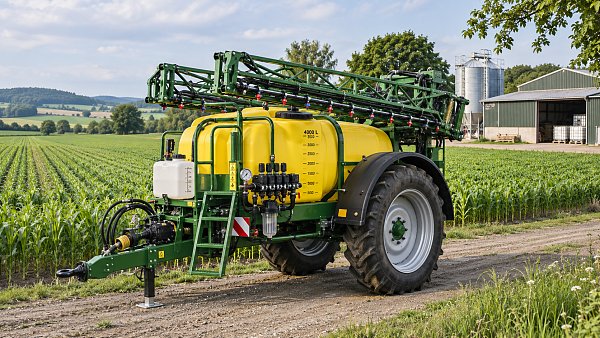
- Coverage: Nozzle selection, spray pressure, carrier volume, boom height, and travel speed affect where droplets land. A deposition aid cannot correct a poorly configured sprayer.
- Crop sensitivity: Tender growth, stress, and certain tank mixes can make crop response less predictable. Evaluate selectivity under both favorable and challenging conditions permitted by the label.
For example, if a treatment is inconsistent on waxy weeds but equipment coverage is adequate, a permitted wetting or oil-based option may merit comparison. If streaking follows changes in boom height or nozzle condition, the stronger hypothesis may be application uniformity—not a missing adjuvant.
Water quality and tank mixes: test the actual combination
Water is the largest component of many spray mixtures, yet its quality can vary between sources and seasons. Hardness, pH, suspended solids, and dissolved salts may affect particular herbicides or formulations. The significance depends on the chemistry: a pH adjustment that benefits one product may be unnecessary or harmful to another. Avoid treating a target pH as a universal answer.
Where water quality is uncertain, obtain a relevant analysis and compare it with herbicide and adjuvant supplier guidance. Some herbicides are sensitive to interactions with hardness ions; in those cases, an appropriate conditioner may be useful when allowed by the label. The product, rate, and order of addition matter. Do not assume that every acidifier is also an effective hardness conditioner.
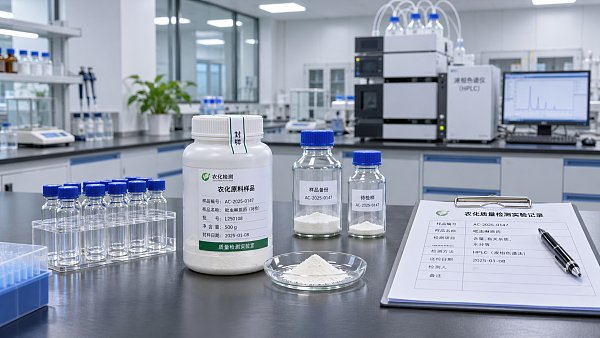
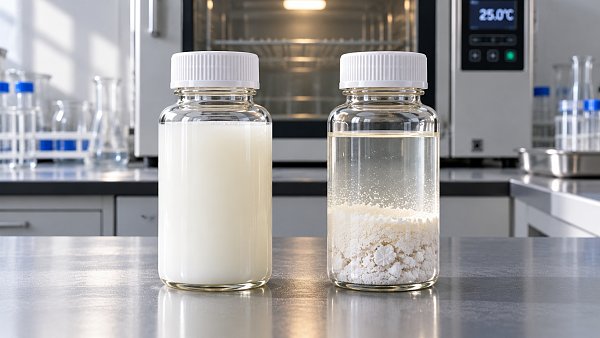
Physical compatibility deserves its own check, especially when the tank contains multiple herbicides, fertilizers, micronutrients, or other crop protection products. A small-scale jar test using the actual water and products can reveal separation, sediment, excessive foam, gel formation, or heat generation. Follow product instructions for dilution and mixing order, use appropriate protective equipment, and stop if an unsafe reaction occurs.
A successful jar test is only a screen for visible physical problems. It does not establish herbicide efficacy, crop safety, chemical stability over a full spray day, or legal tank-mix permission. Conversely, a compatibility agent should not be used to justify a mixture that labels prohibit.
Build a comparison that can support a decision
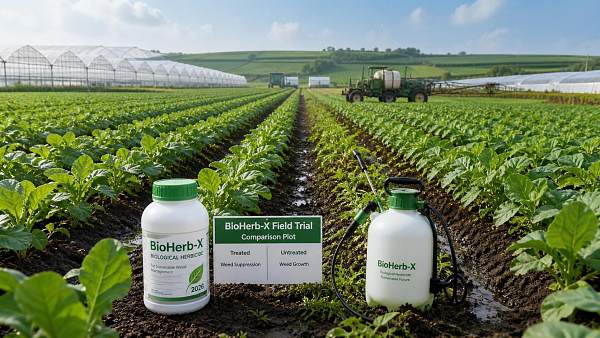
When several adjuvant systems look plausible, a structured trial is more informative than a single demonstration strip. Begin with a clear hypothesis—for example, whether a permitted oil system improves control of a difficult-to-wet weed compared with the label-recommended surfactant, without increasing crop injury.
- Choose a meaningful reference. Include the herbicide with its label-directed adjuvant program. Add a no-adjuvant comparison only when the label and trial protocol permit it.
- Limit changing factors. Keep herbicide rate, carrier volume, nozzle configuration, application timing, and tank-mix partners consistent across treatments unless one of those factors is the subject of the test.
- Replicate and randomize. Use replicated, randomized plots where practical to reduce the influence of weed patches, soil differences, and field position. Test across relevant sites or conditions before drawing broad conclusions.
- Record more than an early visual score. Assess control by weed species and growth stage at appropriate intervals, along with crop injury, recovery, and any operational issues such as foaming or nozzle blockage.
- Document the conditions. Record water source and quality, weather, spray settings, exact products and rates, mixing order, and time between mixing and application.
Interpret results in context. A treatment that looks faster in the first assessment may not provide better final control. A small apparent improvement in one strip may reflect uneven weed pressure rather than an adjuvant effect. Where data allow, use suitable statistical analysis and distinguish a repeatable agronomic benefit from normal field variation.
Cost should enter the discussion after technical suitability is established. Compare the complete permitted program, including adjuvant use rate and any operational implications, against the consistency and selectivity observed. The least expensive addition is not necessarily the lowest-cost decision if it leaves a meaningful control problem unresolved; equally, a more complex blend needs evidence that its extra functions matter.
What technical evaluators should request from suppliers
A product name and a claim such as “improves penetration” are not enough for a defensible comparison. Request a current label or use directions, safety data sheet, technical data sheet, composition information available for disclosure, recommended rates, storage conditions, and relevant compatibility guidance. Confirm whether supporting trials used the same herbicide formulation, target weeds, crop, and application method as the intended use.
Ask how performance was measured and whether a suitable reference treatment was included. Evidence from one active ingredient or crop cannot automatically be transferred to another. For procurement teams, batch consistency, packaging suitability, shelf life, and access to technical support also matter: a promising laboratory result has limited value if the material cannot be supplied consistently or documented for the intended market.
Regulatory treatment of spray adjuvants differs by jurisdiction. Check local registration, labeling, use, and distribution requirements for both the herbicide and the adjuvant. Product labels and applicable regulations take precedence over general recommendations; where directions appear unclear or conflict, seek clarification from the relevant manufacturer or regulatory authority.
A practical selection rule
Choose the simplest permitted adjuvant system that addresses an identified limitation and demonstrates acceptable weed control, crop safety, and handling in the intended application. Keep alternative candidates available when water quality, weed spectrum, or tank-mix composition varies, but do not add functions without a reason to expect value.
FCAS approaches formulation and crop protection decisions through this combination of application performance, compatibility, documentation, and supply considerations. For technical evaluators, the goal is a repeatable decision that remains sound when the spray moves from a controlled comparison to an ordinary field day.
Facing technical bottlenecks in manufacturing or looking for more efficient industrial solutions? Leave your details below and let the engineering experts at FCAS solve them for you.
We respect your privacy. Your information is strictly confidential.
Related News
 Herbicides & Plant Growth RegulatorsChina Pesticide Retail Prices Diverge as Lambda-Cyhalothrin and Glyphosate Lead GainsChina pesticide retail prices diverge as lambda-cyhalothrin and glyphosate lead gains. Explore the implications for buyers, suppliers and procurement.MORE+
 Herbicides & Plant Growth RegulatorsHow to Apply Powder Single Superphosphate for Better Root GrowthDiscover how to apply powder single superphosphate for better root growth, with practical guidance on soil testing, fertilizer rates, safe placement, and application.MORE+
 Herbicides & Plant Growth RegulatorsEnvironmental Groups Urge EPA to Release Paraquat Litigation MaterialsParaquat litigation materials are at the center of a push for EPA disclosure. Explore what environmental groups are requesting and why it matters for the herbicide review.MORE+
 Herbicides & Plant Growth RegulatorsHow to Choose a Reliable Herbicide APIs ManufacturerChoose a reliable herbicide APIs manufacturer with confidence. Discover how to assess quality, compliance, delivered costs and supply reliability.MORE+
 Herbicides & Plant Growth RegulatorsEU Pesticide Reduction Stalls as Binding Targets Are ScrappedEU pesticide reduction is stalling as binding targets are scrapped. Discover what the uncertainty means for sourcing, compliance and supply-chain planning.MORE+
 Herbicides & Plant Growth RegulatorsNAFDAC Seizes Banned Farm Chemicals Worth 200 Million Naira in KanoNAFDAC seizes banned farm chemicals worth 200 million naira in Kano. Discover what the action means for pesticide suppliers, buyers and storage operators.MORE+
 Herbicides & Plant Growth RegulatorsHow Do Herbicide Intermediates Affect Production Yield?Discover how Herbicide Intermediates influence production yield, from impurity control to product recovery, and learn how to evaluate suppliers with confidence.MORE+
 Herbicides & Plant Growth RegulatorsHow to Choose Crop Protection Chemicals for Effective Weed ControlChoose Crop Protection Chemicals with confidence. Discover how to match herbicides to weeds, crop stages, field conditions, and resistance risks for effective control.MORE+
 Herbicides & Plant Growth RegulatorsBayer Launches First Group 12 Pre-Emergence Herbicide Convintro in the USBayer's Convintro brings a Group 12 pre-emergence herbicide option to US corn and soybean growers. Explore its potential role and key purchasing considerations.MORE+
 Herbicides & Plant Growth RegulatorsCalifornia Report Shows Continued Decline in High-Risk Pesticide UseCalifornia pesticide use reportedly declined 28% for carcinogen-classified products. Explore what this could mean for suppliers, buyers and market access.MORE+
 Herbicides & Plant Growth RegulatorsHow to Choose Adjuvant Systems for Herbicide FormulationsChoose Adjuvant Systems that improve herbicide performance without sacrificing crop safety or stability. Explore practical selection and testing strategies.MORE+
 Herbicides & Plant Growth RegulatorsHow to Choose Adjuvant Systems for HerbicidesChoose adjuvant systems for herbicides with confidence. Explore label requirements, compatibility, crop safety, and field testing to make better-informed decisions.MORE+
 Herbicides & Plant Growth RegulatorsReport Forecasts Global Agrochemical Market to Reach $387.7 Billion by 2031Global agrochemical market could reach $387.7 billion by 2031. Explore how technology, regulation and agricultural drones may shape industry decisions.MORE+
 Herbicides & Plant Growth RegulatorsWisconsin DNR Board to Vote on Drafting New Pesticide RulesWisconsin DNR pesticide rules are up for a drafting vote. See what the decision could mean for farmers, suppliers and future compliance.MORE+
 Herbicides & Plant Growth RegulatorsHow Do Herbicide APIs for Formulation Affect Final Product Stability?Discover how herbicide APIs for formulation affect product stability. Learn which impurities, particle properties, and tests matter to reduce storage failures and qualify reliable suppliers.MORE+
 Herbicides & Plant Growth RegulatorsHow Do You Choose Spray Adjuvant Systems for Herbicide Applications?Choose spray adjuvant systems with confidence. Compare surfactants, oils, and water conditioners, check label requirements, and learn how to avoid costly herbicide application mistakes.MORE+
 Herbicides & Plant Growth RegulatorsHow Can Plant Growth Regulators Control Excessive Shoot Growth?Plant Growth Regulators help control excessive shoot growth. Discover how crop-specific selection, timing, and application can improve canopy management without over-suppressing plants.MORE+
 Herbicides & Plant Growth RegulatorsCanadian Coalition Calls for Removal of Bill C-31 Pesticide ProvisionBill C-31 faces calls from a Canadian coalition to remove Section 13 over pesticide oversight concerns. Explore the debate and potential implications for farmers and suppliers.MORE+
 Herbicides & Plant Growth RegulatorsUS EPA Approves Three Controversial New Pesticide Active IngredientsExplore reported US EPA approvals of epyrifenacil, diflufenican and trifludimoxazin. Understand PFAS concerns and discover key checks for pesticide buyers and agricultural suppliers.MORE+
 Herbicides & Plant Growth RegulatorsEnvironmental Groups Sue EPA to Seek Atrazine Water Quality StandardsAtrazine water quality standards are at the center of a reported EPA lawsuit. Explore potential impacts on growers and suppliers, plus practical steps to prepare for possible regulatory changes.MORE+
 Herbicides & Plant Growth RegulatorsUsing Insect Growth Regulators to Protect Stored Grain from InfestationsInsect growth regulators for stored grain: learn how lifecycle control, precise application, sanitation, and residue planning help safeguard quality and market access.MORE+
 Herbicides & Plant Growth RegulatorsSelecting Benzyl Alcohol for Stable Agrochemical FormulationsBenzyl alcohol for agrochemical formulations: discover how to improve solubility, emulsion stability, storage performance, compliance, and supplier qualification.MORE+
 Herbicides & Plant Growth RegulatorsWhat to Verify Before Choosing a Suspoemulsion Pesticides SupplierChoose a reliable suspoemulsion pesticides supplier with confidence. Verify formulation stability, dilution performance, documentation, packaging, batch control, and supply reliability.MORE+
 Herbicides & Plant Growth RegulatorsHow to Assess Quality Risks at a Pesticide Formulation Intermediates FactoryPesticide formulation intermediates factory assessment guide: identify quality risks in raw materials, processes, testing, traceability, and storage.MORE+
 Herbicides & Plant Growth RegulatorsSoluble Concentrates Explained for Reliable Field ApplicationsSoluble Concentrates explained: improve mixing, calibration, water quality, compatibility, and spray coverage for more reliable field applications.MORE+
 Herbicides & Plant Growth RegulatorsHow to Test Wetting Agents for Crop Protection FormulationsHow to test industrial wetting agents for crop protection use? Explore practical checks for leaf coverage, foam, stability, sprayability, and crop safety to select the right formulation additive.MORE+
 Herbicides & Plant Growth RegulatorsWhat Does Water-Dispersible Granules Mean in Crop Protection Formulations?Water dispersible granules meaning explained: discover how WDG crop protection formulations disperse in water, improve handling, and support reliable spray performance.MORE+
 Herbicides & Plant Growth RegulatorsHow Plant Growth Promoters Improve Crop Uniformity and YieldPlant Growth Promoters help improve crop uniformity, root development, stress recovery, and yield potential. Learn how to choose the right product, timing, and application strategy.MORE+
 Herbicides & Plant Growth RegulatorsAre Bioherbicides Ready to Replace Conventional Weed Control in 2026Bioherbicides are gaining ground in 2026, but can they replace conventional weed control? Explore where they truly perform, what limits adoption, and which markets offer the biggest opportunity.MORE+
 Herbicides & Plant Growth RegulatorsHow to Compare Herbicides for Cost, Control, and Crop SafetyHerbicides comparison made practical: learn how to assess true cost per hectare, weed control reliability, crop safety, resistance risk, and supplier quality before you buy.MORE+