EPA Settles with Colgate-Palmolive Over Chemical Import Reporting
The US Environmental Protection Agency (EPA) announced on November 4 that it had reached a settlement with Colgate-Palmolive over unreported chemical imports, drawing attention to compliance with the Chemical Data Reporting (CDR) rule. The year of the announcement and the date of the underlying event were not specified in the supplied information. For chemical importers and their supply-chain partners, the case raises questions about how import information is collected and checked for reporting purposes.
Settlement Addresses Unreported Chemical Imports
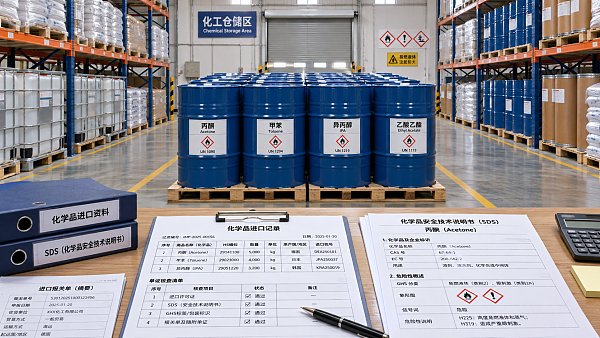
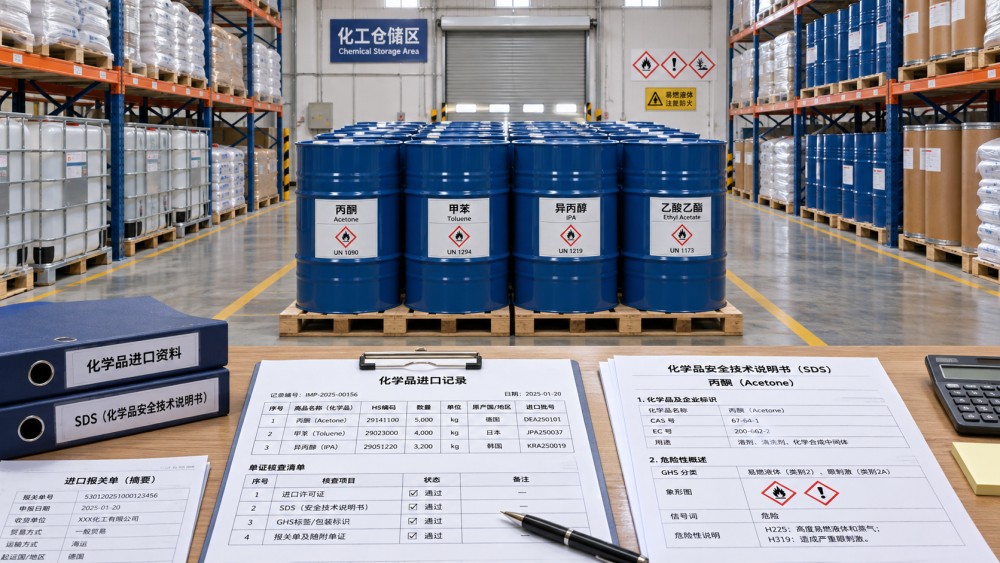
The settlement resolves violations involving Colgate-Palmolive's failure to report, as required, substantial quantities of imported chemical substances between 2016 and 2019. The EPA announced the agreement on November 4. The action is intended to support compliance with the CDR rule and reinforce regulatory compliance for bulk chemical imports.
Where Reporting May Affect the Supply Chain
Importers Face a Closer Look at Data
From an industry perspective, the settlement is a reminder that importers may need to examine whether information about their chemical imports is sufficient to assess their CDR reporting obligations. Analysis suggests that gaps between import records and reporting processes could create compliance exposure, although the supplied information does not identify the specific reporting failures or settlement terms.
Procurement and Suppliers May Need to Coordinate
For companies purchasing imported chemical substances, analysis suggests that reporting reviews may depend on information held across procurement, suppliers and import operations. Requests to verify substance information or quantities could affect documentation workflows and, potentially, procurement planning. The supplied information does not establish that such delays or changes have occurred.
Manufacturers May Revisit Import Records
Manufacturers that import chemical substances may find it useful to assess how purchasing and import records are brought together for compliance review. This is a potential management response to the enforcement action, not a newly announced requirement or evidence that all manufacturers are subject to the same reporting obligations.
Preparing for a CDR Compliance Review
Check the Scope of Imports
Companies may consider identifying the chemical substances and import activities relevant to their operations, then checking applicable CDR requirements against current official guidance. The settlement announcement as described in the supplied information does not specify reporting thresholds, exemptions or submission procedures.
Review Supporting Records
Importers may review whether purchasing and import records provide the information needed for an assessment of their reporting obligations. Where records are incomplete or inconsistent, they can consider verifying details with relevant suppliers and internal teams before drawing conclusions.
Monitor Official Clarification
Businesses may wish to follow subsequent EPA information for any clarification relevant to the settlement or CDR implementation. Any effect on reporting practices, procurement schedules or supplier documentation should be assessed against confirmed requirements and the company's own circumstances.
Enforcement Signal, Not a Confirmed Rule Change
At this stage, it is more appropriate to understand the settlement as an enforcement signal concerning compliance with the existing CDR rule, rather than as confirmation of a new rule or revised reporting requirement. Further official detail and evidence of how businesses respond would help establish whether the action affects compliance practices more broadly.
Compliance Checks Remain the Practical Priority
The case highlights the potential importance of reliable import information and a clear reporting review process. The measured response is to verify applicable obligations and supporting records while avoiding assumptions about new requirements or market-wide effects that have not been established.
Basis for This Report
This article is based on the user-provided title, event timing and summary. No specific official source link was provided in the input, so the announcement, settlement details and applicable requirements should be verified against official EPA materials as they become available. Further attention to implementation guidance and business responses may also help clarify the practical implications.
Facing technical bottlenecks in manufacturing or looking for more efficient industrial solutions? Leave your details below and let the engineering experts at FCAS solve them for you.
We respect your privacy. Your information is strictly confidential.
Related News
 EPA FIFRA & FDA GRAS RegsEPA Cancels Pesticide Registrations Over Unpaid Maintenance FeesEPA pesticide registration cancellations over unpaid maintenance fees may affect procurement. Learn what buyers and suppliers should verify before the stated effective date.MORE+
 EPA FIFRA & FDA GRAS RegsEPA Issues Cancellation Order Affecting Certain Pesticide RegistrationsEPA pesticide registration cancellations may affect select products and supply chains. Learn what businesses should verify before making purchasing decisions.MORE+
 EPA FIFRA & FDA GRAS RegsEPA Reviews Glyphosate Safety, With Decision Expected in Early 2027EPA glyphosate safety review: Discover what the decision expected in early 2027 could mean for health, the environment, and businesses.MORE+
 EPA FIFRA & FDA GRAS RegsEPA Seeks Comment on Voluntary Pesticide Registration CancellationsEPA pesticide registration cancellations are open for public comment. Discover what the proposed changes could mean for product uses, compliance and supply.MORE+
 EPA FIFRA & FDA GRAS RegsEPA Lists Six Voluntary Paraquat Registration Cancellations for CommentEPA lists six voluntary paraquat registration cancellation requests for comment. Explore the potential supply impact and key deadline for buyers and suppliers.MORE+
 EPA FIFRA & FDA GRAS RegsEPA Settles with Colgate-Palmolive Over Chemical Import ReportingEPA's Colgate-Palmolive settlement highlights chemical import reporting obligations. Explore the CDR compliance lessons for importers and supply-chain teams.MORE+
 EPA FIFRA & FDA GRAS RegsEPA Exempts DMSO in Pesticide Formulations From Residue Tolerance RequirementsEPA exempts DMSO from pesticide residue tolerance requirements for specified uses. Explore the rule’s scope and what it means for formulators.MORE+
 EPA FIFRA & FDA GRAS RegsHow Do FDA Rules Affect Synthetic Food Preservatives for Beverages?Synthetic food preservatives for beverages face specific FDA requirements. Explore permitted uses, dosage, labeling, and safety validation to make smarter compliance decisions.MORE+
 EPA FIFRA & FDA GRAS RegsWhat FDA Compliance Records Should a Synthetic Food Preservatives Supplier Provide?Choosing a synthetic food preservatives supplier? Discover key FDA compliance records, batch certificates, and traceability checks to approve suppliers with confidence.MORE+
 EPA FIFRA & FDA GRAS RegsU.S. Health Aide’s Exit Raises Deregulation Hopes for Korean Food ExportersKorean food exporters eye U.S. deregulation after a health aide’s exit. Explore what uncertain ultra-processed food rules and additive policies mean for export planning.MORE+
 EPA FIFRA & FDA GRAS RegsTrump Administration Grants 202 Facilities Waivers From EPA Air Pollution RulesTrump administration EPA air pollution waivers cover 202 facilities. Explore what the Clean Air Act exemptions mean for industrial emissions and potential public health risks.MORE+
 EPA FIFRA & FDA GRAS RegsHow to Evaluate an Aroma Ingredients Manufacturer for Food UseEvaluate an aroma ingredients manufacturer for food use with practical checks on compliance, impurity controls, traceability, and batch consistency. Make confident sourcing decisions.MORE+
 EPA FIFRA & FDA GRAS RegsWhat Food Safety Documents Should an Ethyl Maltol Manufacturer Provide?Choosing an ethyl maltol manufacturer? Discover the COA, food-use compliance statements, and traceability records to request for safer sourcing and confident supplier approval.MORE+
 EPA FIFRA & FDA GRAS RegsSynthetic Food Preservatives Rules That Support Safer FormulasSynthetic Food Preservatives: learn the rules for safer formulas, compliant use levels, validated shelf life, labeling, and reliable microbial control.MORE+
 EPA FIFRA & FDA GRAS RegsButylparaben for Wet Wipes and Key Safety Compliance ConsiderationsButylparaben for wet wipes: explore regulatory compliance, preservative efficacy, skin safety, packaging risks, and supplier controls for confident product development.MORE+
 EPA FIFRA & FDA GRAS RegsWhat to Check When Using Synthetic Food Preservatives SafelySynthetic Food Preservatives: learn the essential checks for safe, compliant use—from dosage and pH to supplier control, labeling, and shelf-life validation.MORE+
 EPA FIFRA & FDA GRAS RegsWhat Certifications Do Flavor Bases Need for Food Export?What certifications do flavor bases need for food export? Explore food safety standards, market compliance, allergen documents, and export-ready paperwork.MORE+
 EPA FIFRA & FDA GRAS RegsHow Food Grade CO2 Extracts Meet Safety and Labeling RequirementsFood grade CO2 extracts: learn how source control, targeted testing, traceability, and accurate labeling support food safety compliance and confident product launches.MORE+
 EPA FIFRA & FDA GRAS RegsHow High Intensity Sweeteners for Tabletop Use Meet Labeling StandardsHigh intensity sweeteners for tabletop use: discover how accurate labeling, serving claims, ingredient lists, nutrition data, and regional rules support compliant market entry.MORE+
 EPA FIFRA & FDA GRAS RegsWhat to Check Before Choosing a Sucralose Supplier for Food ProductionChoose a reliable sucralose supplier with confidence. Explore essential checks for quality, compliance, batch consistency, traceability, packaging, and supply reliability.MORE+