How to Evaluate a Controlled Release Fertilizer Systems Supplier
Choosing a controlled release fertilizer systems supplier involves more than comparing nutrient content and price. Business evaluators need evidence that release performance matches their application.
Manufacturing consistency, documentation, supply capacity, regulatory requirements, packaging, and logistics also affect commercial risk. A strong supplier can substantiate its claims and support decisions throughout the purchasing process.
The best choice is not necessarily the product with the longest release period or the lowest price per tonne. It is the supplier whose system delivers verifiable performance and dependable supply at an acceptable total cost.
Start With Crop Requirements and Release Performance

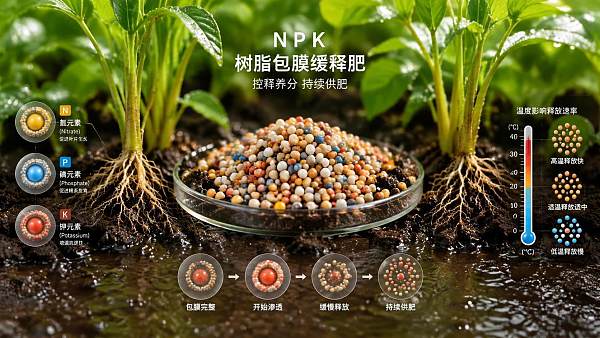
A controlled-release fertilizer is designed to make nutrients available over time. Its commercial value depends on whether that release pattern aligns with crop demand and local growing conditions.
Ask each supplier to identify the nutrient grade, stated release duration, coating technology, recommended application rate, and crops or production systems for which the product has been tested.
Release duration is not a universal guarantee. Temperature, moisture, placement, handling, and other conditions can affect performance, so the conditions behind a supplier’s claim matter as much as the claim itself.
Request release curves for the specific product and nutrient, including test temperature, measurement intervals, test method, and batch identification. A single statement such as “six-month release” is insufficient for comparison.
Compare the reported release profile with the crop’s nutrient demand. A product that releases too slowly may leave early growth underfed; one that releases too quickly may require additional applications.
Pay particular attention to initial nutrient release and the proportion remaining near the end of the growing cycle. Both can affect supplemental fertilizer needs and the economics of the program.
Where suppliers use different test methods or temperatures, their curves may not be directly comparable. Ask for a common test basis or commission independent testing before making a final decision.
Laboratory results are useful screening tools, but they do not replace field or production trials. Request relevant crop data, location details, management practices, and the results of any conventional fertilizer comparison.
Can the Supplier Demonstrate Consistent Quality?
A promising trial is less valuable if subsequent shipments vary. Evaluate whether the supplier can consistently produce the specified nutrient content, granule characteristics, coating quality, and release behavior.
Request a product specification and certificates of analysis for several recent batches. Check whether nutrient declarations, moisture, particle size distribution, and other agreed parameters remain within stated tolerances.
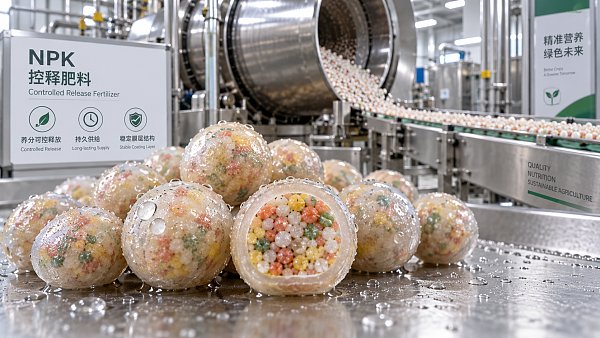
For coated products, ask how the manufacturer monitors coating integrity and protects granules during production and packing. Abrasion or damaged coatings may change release behavior and increase handling losses.
Find out whether release testing is performed on every batch, periodically, or only during product development. Agree on a practical testing frequency and escalation process for out-of-specification results.
Review the supplier’s quality management procedures, including raw material controls, traceability, equipment maintenance, complaint handling, and corrective actions. Relevant certifications help, but they do not replace product-specific evidence.
Ask whether production is performed in-house or outsourced. In either case, identify the actual manufacturing site and confirm who is accountable for quality, change notifications, and remedial action.
For strategically important purchases, consider a site audit or a qualified third-party assessment. Focus on process controls and traceability rather than accepting a factory tour as proof of consistency.
What Evidence Supports the Expected Business Return?
A controlled-release product often costs more per tonne than conventional fertilizer. The decision should therefore compare the cost of the complete nutrition program, not just the purchase price.
Build a baseline using current fertilizer expenditure, application frequency, labor, machinery, irrigation practices, and any supplemental nutrient applications. Include realistic estimates for losses and crop performance where reliable records exist.
Then model the proposed program using the supplier’s recommended rate, expected application schedule, freight, storage, and trial costs. Do not assume that a lower application rate will always be appropriate.
Potential benefits may include fewer applications, improved timing of nutrient availability, or more consistent crop performance. Their value depends on the crop, growing environment, and existing management system.
For example, a nursery with high labor costs may benefit from fewer applications, while a field operation using existing equipment may find that labor savings are less significant.
Use conservative, expected, and favorable scenarios. Include the cost of corrective fertilizer if release is slower than needed, and identify the minimum performance improvement required to justify the premium.
Express results per hectare, production cycle, or saleable unit rather than per tonne alone. This makes comparisons more useful when products have different nutrient concentrations and recommended rates.
Claims of reduced nutrient losses or environmental benefits should be evaluated separately and supported by relevant evidence. Results from another crop or climate should not be treated as guaranteed outcomes.
How Reliable Are Manufacturing Capacity and Supply?
Seasonal fertilizer demand makes delivery reliability a commercial issue. Confirm the supplier’s production location, normal lead time, peak-season constraints, and ability to serve the intended destination market.
Ask for annual capacity and the portion realistically available for your order. Capacity figures alone are not commitments; discuss reserved volumes, production scheduling, and allocation rules during shortages.
Check dependencies on coating materials, nutrient inputs, utilities, and third-party manufacturers. A supplier should explain how it manages disruptions and communicates changes that could affect delivery or product performance.
Review minimum order quantities, forecast requirements, order confirmation timelines, and options for repeat purchases. These terms are especially important when demand varies by season or customer project.
For larger contracts, consider delivery milestones, agreed service levels, and remedies for delays. Verify the supplier’s financial and operational standing through appropriate due diligence before committing critical volumes.
Where supply continuity is essential, assess a qualified alternative product or supplier. A substitute should be tested independently because the same nutrient grade does not guarantee the same release profile.
Which Documents and Regulatory Checks Matter?
Regulatory requirements vary by destination, product composition, labeling, and intended use. Confirm the applicable rules with local specialists before purchase or import; do not assume approval in one market transfers elsewhere.
Request a current technical data sheet, safety data sheet where applicable, product specification, certificate of analysis, and proposed label. Check that documents identify the same product and manufacturing source.
Review nutrient declarations, ingredient or coating disclosures where required, contaminant limits, registration status, labeling language, and permitted claims. The precise obligations depend on the jurisdiction and product classification.
Ask who holds registrations and who is responsible for renewals, label updates, and communicating regulatory changes. Distributors should also understand whether they can use the supplier’s existing documentation.
Evaluate coating-related environmental claims carefully. Terms such as “biodegradable” or “environmentally friendly” should be supported by relevant test methods, conditions, and evidence appropriate to the intended market.
Confirm transport classification and any applicable storage or handling requirements for the actual formulation. Where documentation is incomplete, assign responsibility and a deadline before the commercial agreement is finalized.
Can Packaging and Logistics Protect Product Performance?
Packaging is part of the product system. Discuss bag strength, moisture protection, pallet configuration, container loading, and handling practices for the proposed transport route and storage period.
Request storage conditions and shelf-life guidance supported by the supplier’s available evidence. Clarify whether stated limits apply to unopened packaging and how exposure to heat or moisture affects usability.
Consider whether repeated handling, pneumatic transfer, or blending with other materials could damage coated granules. Ask for compatibility information and test the intended process before scaling up.
Agree on delivery terms, insurance responsibilities, inspection procedures, and the process for reporting damaged or nonconforming goods. Record batch numbers so issues can be traced to specific shipments.
How Much Technical Support Will You Actually Receive?
Technical support should help translate specifications into a workable nutrient program. Ask who will advise on product selection, application rates, crop timing, and adjustments when conditions change.
Determine whether support is available locally, remotely, or through a distributor. Confirm response times, languages, and escalation contacts for urgent issues during planting or production cycles.
Discuss how the supplier investigates performance complaints. A credible process should review batch records, application details, weather, irrigation, and comparable controls before drawing conclusions about the cause.
Request training or written guidance for sales teams and end users where needed. Clear recommendations reduce the risk that an otherwise suitable product is applied at the wrong rate or time.
Use a Practical Supplier Scorecard
A consistent scorecard helps procurement, technical, and regulatory teams compare offers against the same requirements. Set mandatory criteria before reviewing prices or negotiating commercial terms.
For example, assign 30 points to demonstrated application performance, 25 to quality consistency, 20 to supply reliability, 15 to total economics, and 10 to documentation and support.
Adjust these weights to the project. A regulated import may require a higher documentation weighting, while a time-sensitive seasonal program may place greater emphasis on delivery reliability.
Score each category against defined evidence, such as relevant trial results, batch records, and confirmed lead times. Mark unsupported claims as unverified rather than awarding points for assurances alone.
Use pass-or-fail gates for critical requirements, including legal market access, acceptable specifications, and the ability to supply required volumes. A low price should not compensate for a failed gate.
Document assumptions and unresolved questions alongside the score. This makes the recommendation easier to defend and gives the supplier a clear opportunity to address gaps before selection.
Run a Trial Before Making a Major Commitment
A structured trial can reduce uncertainty when laboratory data or previous field results do not match your operating conditions. Agree on the trial design before ordering commercial volumes.
Define the crop, location, baseline program, application rates, plot or production units, measurements, and evaluation period. Where practical, use replication and comparable management across treatments.
Measure nutrient availability or plant response as appropriate, along with yield, quality, application labor, and supplemental fertilizer use. Record weather and irrigation because they can influence interpretation.
Set decision thresholds in advance and identify who will analyze the results. A single site or season may not capture variability, so scale purchasing gradually when the commercial exposure is significant.
Include the proposed shipment and handling process in the trial where possible. This helps reveal problems that may not appear when testing a carefully prepared sample alone.
Final Decision: Select Evidence, Not Just a Fertilizer Grade
The right controlled release fertilizer systems supplier combines a suitable release profile with consistent manufacturing, dependable delivery, usable documentation, and responsive technical support.
Start with mandatory application and regulatory requirements, compare total program costs, and validate important claims through representative testing. Record the risks that remain and how each party will manage them.
A supplier that can explain its product’s limitations as well as its benefits gives business evaluators a stronger basis for a durable, commercially sound purchasing decision.
Facing technical bottlenecks in manufacturing or looking for more efficient industrial solutions? Leave your details below and let the engineering experts at FCAS solve them for you.
We respect your privacy. Your information is strictly confidential.
Related News
 Polymer-Coated Water Soluble NPKHow to Use Calcium Nitrate Fertilizer in Drip IrrigationCalcium Nitrate Fertilizer in drip irrigation: learn how to calculate doses, mix stock solutions, prevent clogged emitters, and support healthy crops.MORE+
 Polymer-Coated Water Soluble NPK2026 Fertilizer Price Swings Shape 2027 Planting Decisions2026 fertilizer price swings are shaping 2027 planting decisions. Explore nutrient cost pressures and practical strategies for planning purchases.MORE+
 Polymer-Coated Water Soluble NPKRecord Fertilizer Prices Could Shape 2027 US Corn and Soybean Planting DecisionsRecord fertilizer prices could influence 2027 US corn and soybean planting decisions. Explore the potential impact on farm budgets and acreage.MORE+
 Polymer-Coated Water Soluble NPKUSDA Announces $1.34 Billion Investment to Expand Domestic Fertilizer SupplyUSDA’s $1.34 billion fertilizer investment targets eight domestic projects. Discover what the plans could mean for suppliers, buyers and future sourcing.MORE+
 Polymer-Coated Water Soluble NPKHow to Choose a Potassium Sulfate Fertilizer SupplierChoose a potassium sulfate fertilizer supplier with confidence. Compare product quality, delivered costs, reliability, and contract terms before you buy.MORE+
 Polymer-Coated Water Soluble NPKIndonesian Farmers' Association Warns of Prolonged Fertilizer ShortagesIndonesia fertilizer shortages could persist as high prices and supply disruptions strain farmers. Explore the risks for agriculture and the regional market.MORE+
 Polymer-Coated Water Soluble NPKEU Fertilizer Prices Remain High Amid Gas Costs and Supply DisruptionsEU fertilizer prices remain high amid gas costs and supply disruptions. Explore the impact on farmers, suppliers and purchasing decisions.MORE+
 Polymer-Coated Water Soluble NPKUS Commerce Department Recommends Keeping Duties on Moroccan Phosphate FertilizersUS Commerce Department recommends keeping duties on Moroccan phosphate fertilizers. Explore the findings and what comes next for exporters and US buyers.MORE+
 Polymer-Coated Water Soluble NPKWhen to Apply Sulfate of Potash Fertilizer to Chloride-Sensitive CropsSulfate of potash fertilizer timing can make all the difference. Discover when and how to apply it to chloride-sensitive crops for efficient nutrient delivery.MORE+
 Polymer-Coated Water Soluble NPKUS Commerce Department Says Ending Moroccan Fertilizer Duty Would Harm IndustryMoroccan fertilizer duty removal could harm the US industry, the Commerce Department says. Explore what the finding means ahead of the ITC vote.MORE+
 Polymer-Coated Water Soluble NPKGlobal Fertilizer Prices May Fall as Demand Weakens and Stocks Remain HighGlobal fertilizer prices may fall as weak demand and high stocks reshape the market. Explore what this could mean for purchasing and inventory planning.MORE+
 Polymer-Coated Water Soluble NPKWhen to Apply Potassium Sulfate Fertilizer for PotatoesLearn when to apply potassium sulfate fertilizer for potatoes, from pre-planting to tuber growth, and build a soil-test-based plan for your crop.MORE+
 Polymer-Coated Water Soluble NPKHow to Evaluate a Controlled Release Fertilizer Systems SupplierChoosing a controlled release fertilizer systems supplier? Compare release performance, quality, supply reliability, and total costs with this practical guide.MORE+
 Polymer-Coated Water Soluble NPKHow to Choose Potassium Chloride Fertilizer for Bulk BlendingChoose potassium chloride fertilizer for bulk blending with confidence. Learn how particle size, durability, and moisture affect blend quality—and compare suppliers beyond price.MORE+
 Polymer-Coated Water Soluble NPKUSDA Pushes Domestic Fertilizer Capacity as Analysts Expect Further Price DeclinesUSDA fertilizer policies and expanded domestic production could push prices lower. Explore what shifting supply expectations mean for farm input costs and buying decisions.MORE+
 Polymer-Coated Water Soluble NPKHow to Choose Fertilizer Coating Resins for Controlled ReleaseChoose fertilizer coating resins for controlled release with confidence. Compare release profiles, processing needs, durability, and total costs in this practical selection guide.MORE+
 Polymer-Coated Water Soluble NPKShould You Use Potassium Chloride or Coated NPK as Basal Fertilizer?Compare potassium chloride fertilizer for basal application with coated NPK. Discover how soil needs, chloride sensitivity, nutrient timing, and costs guide your best choice.MORE+
 Polymer-Coated Water Soluble NPKUSDA Selects Eight Fertilizer Projects for $573M Under FIELDS ProgramUSDA selects eight fertilizer projects for $573M under the FIELDS Program. Explore plans to add over 1 million tons of U.S. capacity and the potential impact on supply chains.MORE+
 Polymer-Coated Water Soluble NPKWhen Is Potassium Chloride Fertilizer with 60% K2O Right for Crops?Is potassium chloride fertilizer 60 k2o right for your crops? Discover how soil tests, chloride tolerance, and application timing guide smarter fertilizer choices.MORE+
 Polymer-Coated Water Soluble NPKAlgeria Directs Producers to Stop Urea Exports to FranceAlgeria reportedly halts urea exports to France, raising supply concerns for fertilizer buyers. Explore potential price risks and practical steps to protect procurement plans.MORE+
 Polymer-Coated Water Soluble NPKGlobal Fertilizer Uncertainty Complicates Buying for U.S. Corn and Soybean GrowersGlobal fertilizer uncertainty challenges U.S. corn and soybean growers. Explore supply risks, cost pressures and practical buying checks to make more informed purchasing decisions.MORE+
 Polymer-Coated Water Soluble NPKWhen Are Polymer-Coated Granular NPK Fertilizers Worth the Cost?Granular NPK Fertilizers: Are polymer coatings worth the premium? Compare release timing, application savings, and break-even costs to make a smarter fertilizer investment.MORE+
 Polymer-Coated Water Soluble NPKUAN32, UAN28 and Anhydrous Ammonia Lead US Fertilizer Gains in October 2026, Week 2UAN32, UAN28 and anhydrous ammonia lead US fertilizer price gains in October 2026, Week 2. Explore reported trends and key procurement checks before revising quotes, budgets or orders.MORE+
 Polymer-Coated Water Soluble NPKHow to Compare Fully Soluble NPK Fertilizer Grades Before BuyingCompare fully soluble npk fertilizer grades by nutrient balance, solubility, water compatibility, and batch quality. Learn what to check before buying to avoid costly mistakes.MORE+
 Polymer-Coated Water Soluble NPKChina’s Phosphate Fertilizer Export Collapse Squeezes Global SupplyChina’s phosphate fertilizer export collapse tightens global supply. Explore procurement risks, sulfur shortages and practical steps to verify suppliers and protect delivery plans.MORE+
 Polymer-Coated Water Soluble NPKHow Does High Potassium Sulfate Fertilizer Fit Into NPK Blends?See how high potassium sulfate fertilizer fits into NPK blends. Learn to balance potassium and sulfur, control chloride, and select the right grade for reliable performance.MORE+
 Polymer-Coated Water Soluble NPKHow Should You Apply Water Soluble NPK Fertilizers to Greenhouse Crops?Apply npk water soluble fertilizers for greenhouse crops with confidence. Learn precise dosing, fertigation, and EC/pH monitoring techniques to support healthy growth and avoid salt stress.MORE+
 Polymer-Coated Water Soluble NPKHow Fertilizer Coating Polymers Improve NPK Granule ReleaseFertilizer coating polymers for NPK granules improve controlled nutrient release, reduce loss risks, and enhance product consistency. Discover key selection and process insights.MORE+
 Polymer-Coated Water Soluble NPKHow Fully Soluble NPK Fertilizer Improves Precision FertigationFully soluble NPK fertilizer improves precision fertigation with clean injection, uniform nutrient delivery, flexible crop-stage feeding, and lower clogging risk. Learn practical system-management tips.MORE+
 Polymer-Coated Water Soluble NPKHow Potassium Chloride Fertilizer 60 K2O Supports Crop YieldPotassium chloride fertilizer 60 K2O supports crop yield with efficient potassium nutrition. Explore benefits, chloride considerations, application tips, and smarter fertilizer selection.MORE+
 Polymer-Coated Water Soluble NPKWhat Determines Fertigation Systems Price and Long-Term Operating CostFertigation systems price depends on capacity, automation, filtration, water quality, and fertilizer compatibility. Explore total ownership costs and compare suppliers smarter.MORE+
 Polymer-Coated Water Soluble NPKHow Drip Irrigation Fertilizers Improve Nutrient EfficiencyDrip Irrigation Fertilizers improve nutrient efficiency with precise root-zone feeding, smarter timing, and reduced waste. Discover practical fertigation strategies.MORE+
 Polymer-Coated Water Soluble NPKHow to Choose Resin Coated NPK Fertilizers for Efficient Nutrient ReleaseResin Coated NPK Fertilizers: learn how to match release duration, nutrient profiles, granule quality, and supplier reliability to your crop programme for better efficiency and lower costs.MORE+
 Polymer-Coated Water Soluble NPKWhich Specialty Fertilizers Best Support High-Value Crop Production?Specialty Fertilizers for high-value crops: compare controlled-release, water-soluble, micronutrient, and biostimulant options for precision, quality, and reliable results.MORE+
 Polymer-Coated Water Soluble NPKWhat Fertilizer Coatings Mean for Nutrient Efficiency and Cost ControlFertilizer Coatings improve nutrient timing, cut loss risk, and support cost control. Discover how coated fertilizers can boost efficiency and strengthen field performance.MORE+