How Cationic Surfactants Affect Emulsion Stability
Cationic Surfactants can influence whether an emulsion remains uniform during storage and use. Their effectiveness depends on the formulation, water quality, handling procedures, and operating conditions.
For operators, the practical question is not simply whether an emulsion contains a cationic ingredient. It is whether the complete product stays suitable for its intended use.
A positively charged interface can help droplets resist aggregation, but incompatible ingredients, unsuitable pH, or excessive salt can undermine that protection. Visible separation also does not always mean irreversible failure.
How Do Cationic Surfactants Stabilize an Emulsion?
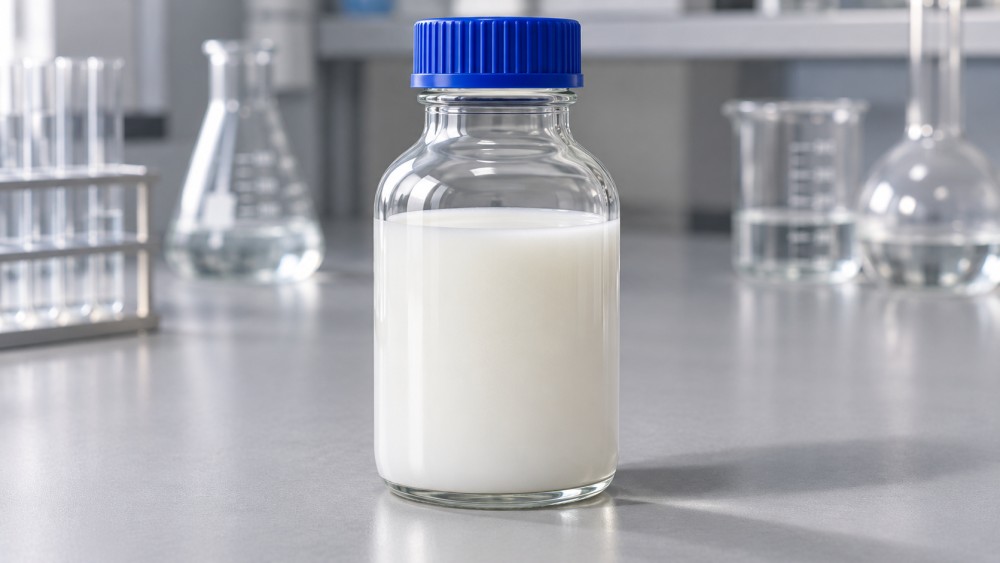
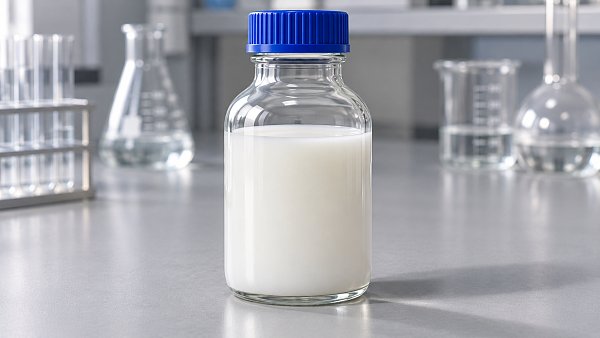
An emulsion contains droplets of one liquid dispersed in another, usually oil in water or water in oil. Without adequate stabilization, those droplets tend to separate.
Cationic surfactant molecules have a positively charged head group and a hydrophobic portion. Many accumulate at the oil–water interface, where they can lower interfacial tension.
During suitable mixing, lower interfacial tension can make droplets easier to form. The surfactant layer can also make it harder for droplets to merge after collisions.
In some formulations, similarly charged droplet surfaces repel each other. This electrostatic repulsion can reduce close contact, although its strength depends on the surrounding liquid.
Some cationic ingredients or their blends also provide a physical barrier at the interface. The effectiveness of that barrier varies with molecular structure and formulation composition.
These mechanisms do not guarantee stability. A surfactant that works in one oil, concentration, or water source may perform poorly when any of those conditions change.
What Does Emulsion Instability Look Like?
Operators should distinguish between reversible changes in droplet distribution and changes that permanently alter droplet size. The distinction determines whether gentle mixing might restore acceptable appearance.
- Creaming: Droplets concentrate toward the top, forming a lighter layer. The droplets may remain intact, and the product may redisperse if the formulation permits.
- Sedimentation: Denser droplets or suspended solids collect toward the bottom. Check the product specification because a settled layer may contain solids rather than separated oil.
- Flocculation: Droplets gather into loose clusters without necessarily merging. This can accelerate creaming or sedimentation and may precede more serious instability.
- Coalescence: Droplets merge into larger droplets as their interfacial films fail. Ordinary remixing usually cannot restore the original droplet distribution without suitable processing equipment.
- Breaking: Distinct liquid phases form extensively. A broken emulsion generally requires investigation and may not be recoverable under normal operating conditions.
- Ostwald ripening: Larger droplets grow as dispersed material transfers from smaller droplets through the continuous phase. This may occur without obvious droplet collisions.
Do not judge a batch by appearance alone. Compare it with an approved reference and check relevant specifications such as viscosity, pH, droplet size, or redispersibility.
A thin cream layer can sometimes be acceptable, while an apparently uniform product may already contain growing droplets. Follow the manufacturer’s acceptance criteria and sampling instructions.
Which Operating Conditions Matter Most?
Water quality and salt content
Dissolved ions can screen electrical repulsion between charged droplets. As salt concentration increases, droplets may approach each other more easily, increasing the risk of flocculation or coalescence.
Water hardness is worth monitoring because calcium and magnesium levels vary between sources. Its actual effect depends on the full formulation, not on hardness alone.
Use the water grade specified for the product. When changing sources, compare conductivity and hardness with established limits, then perform an approved compatibility test before full-scale use.
pH and temperature
Some cationic surfactants, including protonated amine-based materials, change charge as pH changes. Many quaternary ammonium surfactants remain positively charged across a broad practical pH range.
Even when the surfactant stays charged, pH can affect other ingredients, viscosity, corrosion, and overall stability. Measure it at the specified temperature and dilution.
Heat can change viscosity, interfacial behavior, and droplet movement. Cold conditions can cause crystallization or viscosity changes, while freeze–thaw exposure may irreversibly damage some emulsions.
Store and process within the supplier’s stated temperature range. After an excursion, isolate the material and assess it against the approved procedure before use.
Mixing and addition order
Mixing must provide enough energy and time for the intended dispersion. Too little mixing can leave large droplets or local concentration differences that shorten stability.
More mixing is not automatically better. Excessive shear, air entrainment, heating, or mixing time can damage certain formulations or create foam that interferes with handling.
Add ingredients in the approved sequence and at the specified rate. Introducing concentrated incompatible materials directly together can create local precipitation even when the final dilution seems reasonable.
Which Ingredients Can Cause Compatibility Problems?
Anionic surfactants and polymers deserve particular attention. Their negative charges can interact with cationic ingredients, potentially causing complexes, precipitation, viscosity changes, or loss of emulsifying performance.
Some deliberately designed cationic–anionic systems can work, so their combination is not universally prohibited. Compatibility must be demonstrated for the actual concentrations and operating conditions.
Nonionic surfactants are often considered as co-surfactants, but they are not automatically compatible. Their structure, concentration, temperature response, and interaction with the oil phase all matter.
Thickeners, preservatives, fragrances, dyes, solvents, and active ingredients can also affect stability. A seemingly minor substitution may change charge balance, interfacial coverage, or product viscosity.
For crop protection products, follow the pesticide label and local requirements when preparing tank mixtures. A stable concentrate does not guarantee compatibility after dilution with other inputs.
Never assume an industrial cationic emulsifier is appropriate for food, personal care, or agricultural use. Permitted ingredients, exposure limits, and labeling requirements depend on jurisdiction and application.
How Can Operators Check Compatibility Before Use?
A small-scale test can identify obvious problems before a tank or production batch is committed. Use the site’s approved procedure and appropriate personal protective equipment.
- Collect representative samples of the product, intended dilution water, and all proposed additives. Record product identifiers, batch numbers, water source, and test temperature.
- Use a clean, compatible container and prepare the mixture at the intended use concentration. Add materials in the same order planned for full-scale operation.
- Mix consistently, then observe immediately and again after the period specified by the product supplier or site procedure. Record any changes rather than relying on memory.
- Check for flakes, sediment, oiling out, unusual foam, excessive thickening, or persistent separation. Compare observations with an approved control when one is available.
- Escalate questionable results to the technical team. A visually acceptable test does not establish long-term stability, biological efficacy, material compatibility, or regulatory compliance.
For agricultural tank mixes, follow label directions and use an approved jar test where applicable. Do not treat a jar test as permission for a prohibited mixture.
When water quality or temperature varies significantly in practice, test representative conditions. Scale-up can introduce different mixing forces and addition times, so confirm performance during production.
How Should an Unstable Emulsion Be Troubleshot?
Start by stopping use where product quality or safety may be affected. Identify and segregate the material according to site procedures, then notify the responsible technical contact.
Document the symptoms, when they appeared, and whether they affect one container or multiple batches. Photograph the product and retain representative samples where procedures allow.
Review recent changes in water source, temperature, storage duration, addition sequence, mixing equipment, and ingredient batches. Compare actual conditions with the approved manufacturing or use instructions.
Measure pH, conductivity, viscosity, and droplet size only where appropriate methods and trained personnel are available. Results are most useful when compared with reliable baseline data.
If separation appears limited to creaming, consult the supplier’s redispersion instructions. Use only the specified mixing method and verify that the restored product meets acceptance criteria.
If there is persistent oil separation, precipitation, or evidence of coalescence, do not assume that stronger mixing will fix it. Reprocessing requires technical assessment and authorization.
Avoid adding extra surfactant, acid, alkali, or solvent based on guesswork. Such adjustments can worsen instability, alter product performance, create hazards, or invalidate regulatory compliance.
What Should Users Confirm With a Supplier?
Technical documentation should identify the intended application, recommended concentration or dilution, storage conditions, and any known incompatibilities. Request current instructions for both handling and use.
Ask how the supplier defines an acceptable emulsion after storage and transport. Useful criteria may include appearance, phase separation, viscosity range, redispersibility, and relevant particle-size measurements.
Confirm the recommended water quality, mixing sequence, equipment requirements, and response to temperature excursions. Where possible, request data generated under conditions similar to your operation.
Obtain the applicable safety data sheet and product specifications. Review exposure controls, chemical compatibility, spill procedures, disposal requirements, and packaging suitability before introducing the material.
For procurement teams, consistent composition and documentation matter as much as initial performance. Agree on change notification, batch traceability, shelf life, and the process for investigating deviations.
Conclusion
Cationic surfactants can help stabilize emulsions by forming protective interfacial layers and, in suitable systems, promoting repulsion between droplets. Their presence alone does not guarantee stability.
For reliable operation, control water quality, pH, temperature, mixing, and ingredient compatibility. Investigate unusual separation against product specifications before remixing, adjusting, or releasing the material.
- Last One:No more articles
- Next Article:How to Select Insecticide APIs for Ultra Low Volume Formulations2026-11-06
Related News
 Micelle Fluidics & ChelationHow Cationic Surfactants Affect Emulsion StabilityCationic Surfactants can improve emulsion stability—but formulation matters. Discover key risks, compatibility checks, and practical troubleshooting tips.MORE+
 Targeted Bio-pesticides & APIsHow to Select Insecticide APIs for Ultra Low Volume FormulationsExplore how to select insecticide APIs for ultra low volume formulations, from stability and droplet performance to regulatory compliance and supply.MORE+
 Microencapsulated FragrancesHow to Choose Fragrance Bases for Consistent Product ScentFragrance Bases can make or break scent consistency. Learn how to compare performance, stability, supplier controls and true cost before you buy.MORE+
 Controlled-Release ThermodynamicsHow Temperature Responsive Coating Resins Control Nutrient ReleaseDiscover how temperature responsive coating resins control fertilizer nutrient release, and learn what affects performance in real soil conditions.MORE+
 Maillard Reaction Savory FlavorsHow to Choose Spray Dried Flavors for Better Powder StabilityChoose Spray Dried Flavors with confidence. Compare carriers, moisture behavior, particle properties, and packaging to improve powder stability and flavor retention.MORE+
 Heavy-duty Industrial DegreasersChina to Continue Countervailing Duties on US-Origin n-PropanolChina extends countervailing duties on US-origin n-propanol for five years from November 6, 2026. Explore the rates and potential sourcing implications.MORE+
 Micelle Fluidics & ChelationHow Eco Friendly Detergent Builders Perform in Hard WaterExplore how eco friendly detergent builders tackle hard water, compare citrate, zeolite and chelants, and find the right approach for cleaner results.MORE+
 Microencapsulated FragrancesHow to Choose an Encapsulated Perfumes ManufacturerChoose an encapsulated perfumes manufacturer with confidence. Compare fragrance performance, true costs, quality, compliance, and supply reliability.MORE+
 Polymer-Coated Water Soluble NPKWhen to Apply Sulfate of Potash Fertilizer to Chloride-Sensitive CropsSulfate of potash fertilizer timing can make all the difference. Discover when and how to apply it to chloride-sensitive crops for efficient nutrient delivery.MORE+
 Nano-microcapsule FormulationsHow to Choose Seed Coating Agents for Better Seed CoverageChoose Seed Coating Agents with confidence. Learn how to assess coverage, dust-off, compatibility, drying, and germination for reliable results.MORE+
 Polymer-Coated Water Soluble NPKUS Commerce Department Says Ending Moroccan Fertilizer Duty Would Harm IndustryMoroccan fertilizer duty removal could harm the US industry, the Commerce Department says. Explore what the finding means ahead of the ITC vote.MORE+
 EPA FIFRA & FDA GRAS RegsEPA Settles with Colgate-Palmolive Over Chemical Import ReportingEPA's Colgate-Palmolive settlement highlights chemical import reporting obligations. Explore the CDR compliance lessons for importers and supply-chain teams.MORE+
 Nano-microcapsule FormulationsHow Flavor Encapsulates for Bakery Fillings Retain FlavorDiscover how flavor encapsulates for bakery fillings protect aroma, support shelf-life stability, and help you choose the right carrier for your formulation.MORE+
 Heavy-duty Industrial DegreasersHow to Choose Metal Degreasing Cleaners for Different SoilsChoose Metal Degreasing Cleaners for oils, grease, waxes and baked-on soils. Discover how to protect components, improve cleaning and avoid costly residue.MORE+
 Non-ionic Surfactants & DefoamersHow Non Ionic Wetting Agents Improve Surface CoverageDiscover how non ionic wetting agents improve surface coverage in coatings, cleaning, and sprays, and learn how to select and test the right formulation.MORE+
 Zero-Calorie Sweeteners & AcidulantsHow to Evaluate a Maltitol Manufacturer for Consistent QualityEvaluate a maltitol manufacturer with confidence. Discover how to assess batch consistency, food safety, traceability, and trial performance before you buy.MORE+
 Antioxidants & Natural PreservativesWhat Affects Benzyl Alcohol Wholesale Pricing and Quality?Benzyl alcohol wholesale prices vary by purity, packaging, and delivery terms. Learn how to compare quality and total costs before you buy.MORE+
 Zero-Calorie Sweeteners & AcidulantsChattogram Customs Seizes 4.2 Tonnes of Banned SweetenerChattogram Customs seized 4.2 tonnes of banned sodium cyclamate. Explore what the seizure means for sweetener sourcing and food compliance in Bangladesh.MORE+
 Targeted Bio-pesticides & APIsEFSA Publishes Peer Review of Trichoderma asperellum ICC012EFSA’s peer review of Trichoderma asperellum ICC012 finds no safety concerns for its assessed EU uses. Explore the implications for biopesticide compliance.MORE+
 Supercritical CO2 Essential OilsWhat to Check When Buying Aroma Ingredients WholesaleBuying aroma ingredients wholesale? Discover how to assess quality, supplier reliability, documentation and landed cost before placing your order.MORE+
 Microencapsulated FragrancesHow to Choose a Fabric Fragrances ManufacturerChoose a fabric fragrances manufacturer with confidence. Learn how to compare scent performance, quality controls, documentation, costs, and supply reliability.MORE+
 Zero-Calorie Sweeteners & AcidulantsHow to Evaluate a Crystalline Polyols ManufacturerChoosing a crystalline polyols manufacturer? Learn how to compare quality, production performance, documentation, and delivered costs with confidence.MORE+
 Herbicides & Plant Growth RegulatorsHow to Choose Adjuvant Systems for Herbicide FormulationsChoose Adjuvant Systems that improve herbicide performance without sacrificing crop safety or stability. Explore practical selection and testing strategies.MORE+
 Microencapsulated FragrancesHow to Keep Encapsulated Perfumes for Fabric Care Fresh LongerKeep encapsulated perfumes for fabric care fresh longer with practical storage, handling, formulation and testing tips that help preserve lasting fragrance.MORE+
 Microencapsulated FragrancesHow to Choose Home Fragrances for Room Sprays That LastDiscover how to choose home fragrances for room sprays that last, with practical tips on scent longevity, formula compatibility, and testing.MORE+
 Antioxidants & Natural PreservativesHow Preservative Blends Help Control Spoilage in FoodsPreservative Blends can help control food spoilage and support shelf life. Discover how to select and validate the right system for your product.MORE+
 Targeted Bio-pesticides & APIsHow to Apply Microbial Pesticides to Foliage EffectivelyMicrobial pesticides for foliar application work best with proper mixing, timing, and leaf coverage. Discover practical steps to improve results and avoid common mistakes.MORE+
 Antioxidants & Natural PreservativesWhat Affects the Bulk Price of Food Preservation Ingredients?Explore what drives the food preservation ingredients bulk price, from specifications and order volume to freight, compliance, and supplier reliability.MORE+
 Supercritical CO2 Essential OilsHow to Choose Citrus Oils for Beverages Without CloudingChoose citrus oils for beverages with confidence. Compare delivery systems and stability tests to prevent clouding while preserving fresh citrus flavor.MORE+
 Polymer-Coated Water Soluble NPKGlobal Fertilizer Prices May Fall as Demand Weakens and Stocks Remain HighGlobal fertilizer prices may fall as weak demand and high stocks reshape the market. Explore what this could mean for purchasing and inventory planning.MORE+
 Polymer-Coated Water Soluble NPKWhen to Apply Potassium Sulfate Fertilizer for PotatoesLearn when to apply potassium sulfate fertilizer for potatoes, from pre-planting to tuber growth, and build a soil-test-based plan for your crop.MORE+
 Targeted Bio-pesticides & APIsHow to Use Botanical Fungicides for Fruits EffectivelyBotanical fungicides for fruits can help protect your crop when used correctly. Learn how to choose, time, and apply treatments for healthier fruit.MORE+
 Controlled-Release ThermodynamicsHow Resin Based Fertilizer Coating Polymers Control Nutrient ReleaseDiscover how resin based fertilizer coating polymers control nutrient release and learn which factors matter when choosing a coating for your crop.MORE+
 Chelated Trace Element FertilizersHow Soil pH Affects the Performance of Chelated Iron FertilizersDiscover how soil pH affects Chelated Iron Fertilizers and learn how to choose the right chelate for healthier crops and more effective applications.MORE+
 Herbicides & Plant Growth RegulatorsHow to Choose Adjuvant Systems for HerbicidesChoose adjuvant systems for herbicides with confidence. Explore label requirements, compatibility, crop safety, and field testing to make better-informed decisions.MORE+
 Antioxidants & Natural PreservativesHow to Choose Tocopherols for Food Oxidation ControlDiscover how to choose Tocopherols for food oxidation control. Compare profiles, dosage, formulation compatibility, and shelf-life testing.MORE+
 Non-ionic Surfactants & DefoamersDo Industrial Dispersants Require Special Handling During Transport?Do industrial dispersants require special handling during transport? Discover how to protect product quality, meet shipping rules, and prevent costly delays.MORE+
 Hydrocolloids & EmulsifiersHow Seaweed Extract Hydrocolloids Improve Food TextureSeaweed Extract Hydrocolloids improve food texture and stability. Discover how alginate, carrageenan, and agar perform in real formulations.MORE+
 Hydrocolloids & EmulsifiersWhat to Check Before Buying Carboxymethyl Cellulose WholesaleBuying carboxymethyl cellulose wholesale? Learn how to compare grades, supplier documents, performance and delivered costs before placing your order.MORE+
 Non-ionic Surfactants & DefoamersCalifornia OEHHA Proposes Proposition 65 Cancer Listing for PFHxA and Its SaltsPFHxA and its salts face a proposed California Proposition 65 cancer listing. Explore what the OEHHA notice could mean for suppliers and compliance.MORE+