How to Choose a Reliable Fragrance Carriers Supplier
A reliable fragrance carriers supplier should be able to demonstrate that its material performs consistently in the intended formulation, not simply offer an attractive price and a short quoted lead time. The strongest purchasing decision connects the carrier’s technical specification with batch controls, documentation, delivery commitments, and the cost of qualifying or replacing the material.
The carrier can affect how a fragrance dissolves, remains stable, and releases from a finished product. A low-cost substitute that changes clarity, odor, or packaging compatibility may create production costs well beyond the saving on the ingredient itself. Supplier comparison should therefore begin with the intended use and a shared definition of an acceptable material.
Define what the carrier must do before requesting quotes
“Fragrance carrier” describes a function rather than one standardized chemical. Depending on the application, it may be a liquid solvent or diluent used with a fragrance concentrate, or a solid material used to support a fragrance in a powder. These options are not interchangeable merely because they serve as carriers.
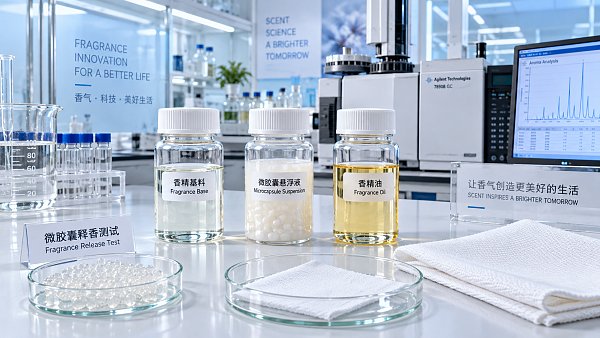
For a liquid carrier, establish whether the material will be used in a fragrance concentrate, an alcohol-based spray, a personal care product, or a home care formulation. The required loading, water content, processing temperature, and final packaging all influence suitability. A carrier that produces a clear concentrate can still cause haze or separation when that concentrate is added to a water-rich base.
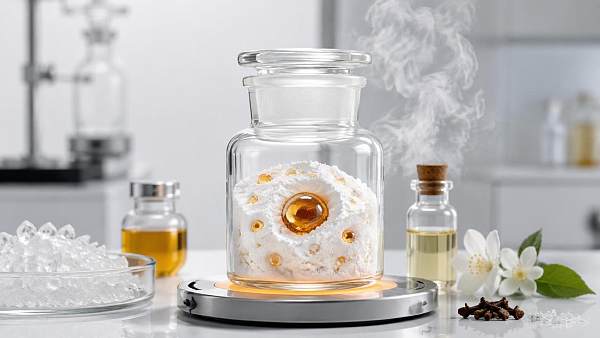
Solid carriers require a different discussion. Particle size, flow, dust generation, fragrance loading, and handling conditions can affect both manufacturing and scent release. A supplier offering a suitable liquid diluent is not automatically qualified to supply a powder carrier for the same fragrance.
A useful request for quotation should identify the material and grade, intended application, estimated order volume, delivery destination, packaging format, and any mandatory specification or documentation requirements. Where formulation information is confidential, provide a representative test brief or use an appropriate confidentiality agreement. Without a common brief, suppliers may quote materials that appear comparable but differ in composition, grade, or suitability.
Check formulation fit, not just the product name
Start with the technical data sheet and proposed specification, then confirm performance in the actual formulation. A favorable property on paper does not establish compatibility with a particular fragrance blend or finished product.

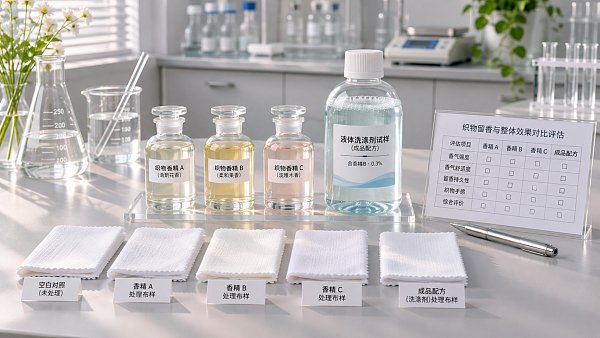
Agree on a sample evaluation plan before ordering. It should cover the intended concentration, mixing sequence, appearance immediately after production, and observations after storage under relevant conditions. Where scent performance matters, compare the candidate with the existing material using the same fragrance concentration and assessment conditions. Accelerated storage can help identify potential problems, but it does not replace a shelf-life assessment appropriate to the product.
When a candidate requires a different dose or additional processing to achieve the same result, record that difference during qualification. The quoted price per kilogram does not reflect the real cost of substitution if the formulation must use more carrier, more solubilizer, or additional mixing time.
Separate a representative sample from a reliable specification
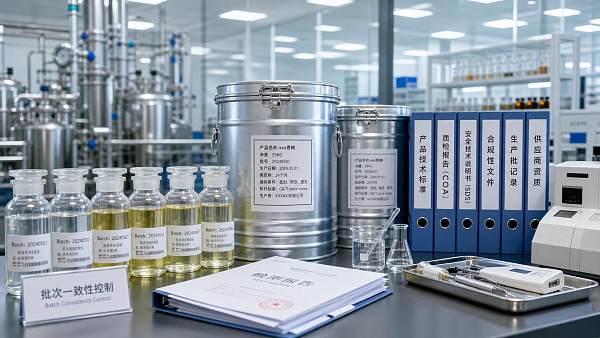
A satisfactory sample shows that one quantity of material can meet the application need. Reliability depends on whether subsequent shipments can do the same within agreed limits. Ask for the proposed commercial specification and certificates of analysis for recent batches, where available. Compare the tested characteristics, acceptance ranges, and test methods rather than reviewing a single headline purity value.
Relevant controls depend on the material. Appearance, color, odor, water content, composition, and selected impurities may be important for a liquid carrier; particle size and moisture may be more significant for a solid one. Set limits in consultation with formulation and quality teams. An unnecessarily narrow limit can increase cost or restrict supply, while a broad limit may allow variation that is unacceptable in the finished product.
The certificate of analysis should identify the product, batch, relevant results, and applicable specification. Ask whether it reports actual results or only confirms compliance. Also clarify who performs the tests, how deviations are handled, and whether retained samples and batch records are available for investigation. A supplier should be able to explain how a reported result relates to its release decision.
Odor deserves particular attention because an acceptable numerical purity result does not necessarily establish sensory neutrality. Agree on the odor assessment approach and, where critical, retain an approved reference sample. If incoming inspection detects a difference, the purchase agreement should establish how the parties will investigate it and determine whether the batch is usable.
Verify the supply chain behind the offer
A supplier may manufacture the carrier, source it from another producer, or distribute material from several sources. Each arrangement can work, but the level of control and visibility differs. Identify the manufacturing site or approved source, the party responsible for quality release, and the route by which the material will reach the receiving location.
Questions worth resolving before approval include:
- Is the quoted material from a single manufacturing source, and will the source be identified on each shipment?
- Can the supplier trace each delivered batch through production or distribution records?
- What notice and approval process applies if the manufacturing site, raw material source, process, specification, or packaging changes?
- What stock is actually available, where is it held, and what lead time applies when that stock is exhausted?
- How are shortages, delayed shipments, and quality complaints communicated and resolved?
A distributor’s local inventory may reduce immediate delivery risk, but it does not by itself guarantee continuity if replenishment depends on a single production site. Conversely, a direct manufacturer relationship does not eliminate transport, capacity, or raw material risks. Ask for a realistic replenishment scenario rather than relying only on the delivery time for stock currently on hand.
For a critical carrier, a second qualified source can reduce disruption, but only if it has passed the relevant formulation, quality, and documentation checks. An alternative with the same chemical name may still differ in odor, impurity profile, or processing behavior. Maintain enough information to understand whether the second source is genuinely independent or supplied from the same upstream producer.
Match documentation to the product and destination
Request a current safety data sheet for the supplied grade and the relevant market, along with the technical data sheet, commercial specification, and batch certificate. The safety data sheet supports hazard communication and handling decisions; it is not proof that the material is authorized for every intended use.
Regulatory suitability depends on the carrier’s identity, concentration, intended product category, claims, and markets where the finished product will be sold. Request a composition or identity declaration at the level needed for the assessment, plus applicable statements on restricted substances or impurities where justified by the use. The responsible team should assess the finished formulation against the rules applicable in each destination.
IFRA Standards are relevant to fragrance ingredients and mixtures within their scope, but an IFRA certificate is not a universal substitute for the carrier’s safety data, composition information, or a finished-product compliance review. If a fragrance mixture is involved, clarify who provides the relevant IFRA documentation and what product categories and use levels it covers.
Certifications for quality management, sustainability, or origin can be useful when they address a defined purchasing requirement. Check the issuing body, certificate validity, covered site, and scope. A certificate for a distributor’s office, for example, does not automatically establish controls at the manufacturing site.
Compare the delivered cost of an approved material
Ask suppliers to quote against the same specification, quantity, packaging, currency, delivery location, and Incoterms rule. A lower unit price may exclude freight, insurance, duties, local charges, or the cost of returning containers. The comparison should state which party bears each charge and where responsibility for transport risk transfers under the agreed term.
Include the costs that change between alternatives:
- Effective use cost: carrier quantity needed per unit of finished product, including any change in fragrance loading or additional ingredients.
- Manufacturing cost: changes in mixing, filtration, heating, cleaning, yield, or production time.
- Quality cost: incoming testing, added inspection, rejected batches, and investigation requirements.
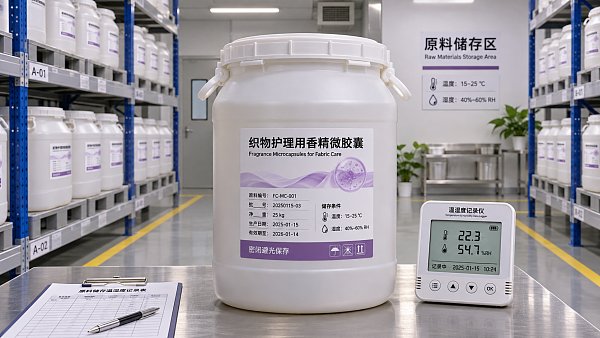
- Inventory cost: minimum order quantity, shelf life, storage conditions, safety stock, and working capital.
- Supply cost: freight, packaging, import charges, and the commercial effect of unreliable delivery.
- Change cost: formulation testing, customer approvals, documentation updates, and any required label or regulatory review.
For example, if one carrier is cheaper per kilogram but needs a higher inclusion rate, compare cost per batch of finished product rather than cost per kilogram of raw material. Then add any repeatable processing or testing cost associated with the substitution. One-time qualification expenses should be shown separately from recurring costs so that the expected purchasing volume can be considered.
Request price validity, order-size breaks, payment terms, and the conditions under which a price can be revised. For longer agreements, define how changes in input or freight costs are communicated and when revised pricing takes effect. A quote that is inexpensive today but leaves source changes or delivery obligations undefined is difficult to compare with a more complete offer.
Turn supplier approval into enforceable purchasing terms
Once a material is technically acceptable, the purchase specification and quality agreement should preserve the conditions under which it was approved. Reference the material identity, grade, specification version, testing requirements, approved source, packaging, labeling, shelf-life requirements on delivery, and storage instructions. Include batch traceability and the documents that must accompany each shipment.
Change control is especially important for fragrance carriers because a composition or source change can affect odor or compatibility without an obvious change in product name. Define which changes require advance notification, what supporting data must be supplied, and whether shipment can proceed before written approval. Set a process for nonconforming material, including notification, sample retention, investigation, disposition, and responsibility for agreed costs.
A practical decision is to approve the supplier and the specific material-source combination together. Release routine orders only after the sample, documentation, commercial terms, and supply arrangements meet the agreed requirements. Reassess performance against delivery, batch conformance, complaint handling, and change notifications; a supplier relationship remains reliable only while those controls continue to work.
Facing technical bottlenecks in manufacturing or looking for more efficient industrial solutions? Leave your details below and let the engineering experts at FCAS solve them for you.
We respect your privacy. Your information is strictly confidential.
Related News
 Microencapsulated FragrancesHow Fragrance Preparations for Home Care Retain Their ScentDiscover how fragrance preparations for home care retain their scent through formulation, deposition, packaging, and controlled release—and how to test performance.MORE+
 Microencapsulated FragrancesHow to Test Personal Care Fragrances for Shampoo StabilityDiscover how to test personal care fragrances for shampoo stability, from viscosity and odor to packaging and preservative efficacy, and make confident formulation decisions.MORE+
 Microencapsulated FragrancesHow Can Citrus Terpene Fragrances Stay Fresh in Formulations?Keep citrus terpene fragrances fresh for longer. Explore practical formulation, packaging, and testing strategies to protect their vibrant scent.MORE+
 Microencapsulated FragrancesHow Fragrance Encapsulation Systems for Detergents WorkDiscover how fragrance encapsulation systems for detergents protect perfume, deposit on fabric, and release scent—and learn how to choose the right system.MORE+
 Microencapsulated FragrancesHow to Choose a Reliable Fragrance Carriers SupplierChoose a reliable fragrance carriers supplier with confidence. Compare formulation fit, quality controls, documentation, supply risks, and total cost.MORE+
 Microencapsulated FragrancesHow Can Microencapsulation Help Essential Oil Blends Last Longer?Essential Oil Blends can retain their aroma longer with the right microencapsulation strategy. Explore carrier choices, release mechanisms, and stability testing.MORE+
 Microencapsulated FragrancesHow to Choose a Fragrance Capsules Manufacturer for Your ProductChoose the right fragrance capsules manufacturer with practical tips on formulation testing, quality specifications, compliance, and supply reliability.MORE+
 Microencapsulated FragrancesHow to Choose Fragrance Bases for Consistent Product ScentFragrance Bases can make or break scent consistency. Learn how to compare performance, stability, supplier controls and true cost before you buy.MORE+
 Microencapsulated FragrancesHow to Choose an Encapsulated Perfumes ManufacturerChoose an encapsulated perfumes manufacturer with confidence. Compare fragrance performance, true costs, quality, compliance, and supply reliability.MORE+
 Microencapsulated FragrancesHow to Choose a Fabric Fragrances ManufacturerChoose a fabric fragrances manufacturer with confidence. Learn how to compare scent performance, quality controls, documentation, costs, and supply reliability.MORE+
 Microencapsulated FragrancesHow to Keep Encapsulated Perfumes for Fabric Care Fresh LongerKeep encapsulated perfumes for fabric care fresh longer with practical storage, handling, formulation and testing tips that help preserve lasting fragrance.MORE+
 Microencapsulated FragrancesHow to Choose Home Fragrances for Room Sprays That LastDiscover how to choose home fragrances for room sprays that last, with practical tips on scent longevity, formula compatibility, and testing.MORE+
 Microencapsulated FragrancesHow to Choose Bulk Cyclodextrins for Fragrance EncapsulationChoose bulk cyclodextrins for fragrance encapsulation with confidence. Compare formulation fit, scent retention, supplier quality, and total cost.MORE+
 Microencapsulated FragrancesHow to Choose Stable Synthetic Aroma Chemicals for EncapsulationChoose stable synthetic aroma chemicals for encapsulation with confidence. Learn how to assess compatibility, verify supplier quality, and protect aroma through storage and release.MORE+
 Microencapsulated FragrancesHow Do You Evaluate a Fragrance Encapsulation Systems Manufacturer?Evaluate a fragrance encapsulation systems manufacturer for compatibility, scent retention, quality, and compliance. Discover key checks to reduce risk and choose the right supplier.MORE+
 Microencapsulated FragrancesHow Does Microencapsulation Affect the Release of Fine Fragrances?Fine Fragrances meet controlled release: discover how microencapsulation shapes scent longevity, aroma balance, and performance—and what to test before choosing a system.MORE+
 Microencapsulated FragrancesHow Do Fragrance Bases Affect Scent Release After Encapsulation?Discover how Fragrance Bases shape scent release after encapsulation. Explore volatility, shell compatibility, and testing strategies to improve lasting aroma and product performance.MORE+
 Microencapsulated FragrancesHow Microencapsulation Helps Personal Care Fragrances Last LongerPersonal Care Fragrances can last longer with microencapsulation. Discover how controlled release, formula compatibility, and testing help deliver a lasting scent experience.MORE+
 Microencapsulated FragrancesHow to Select Air Freshener Fragrances That Last in Car FreshenersDiscover how to select air freshener fragrances for car fresheners with lasting appeal, balancing scent performance, carrier compatibility, heat stability, and packaging.MORE+
 Microencapsulated FragrancesHow Encapsulated Perfumes for Fabric Care Improve Scent LongevityEncapsulated perfumes for fabric care extend scent longevity through controlled release, fiber deposition, and smarter formulation—discover how to create lasting fragrance experiences.MORE+
 Microencapsulated FragrancesHow Fragrance Carriers for Detergents Improve Scent PerformanceFragrance carriers for detergents improve stability, fabric deposition, and long-lasting scent. Explore practical solutions for better wash-to-wear fragrance performance.MORE+
 Microencapsulated FragrancesHow to Add Encapsulated Laundry Fragrances Without Weakening Wash ResultsEncapsulated laundry fragrances: learn how to boost long-lasting scent while protecting cleaning power, stability, foam control, and fabric care.MORE+
 Microencapsulated FragrancesHow Laundry Fragrances for Liquid Detergents Improve Scent LongevityLaundry fragrances for liquid detergents: discover how fragrance design, deposition, and encapsulation create lasting fabric freshness and stronger product appeal.MORE+
 Microencapsulated FragrancesHow Fragrance Delivery Systems Improve Fabric Softener LongevityFragrance delivery systems for fabric softeners improve scent longevity through smart protection, reliable deposition, and controlled release for lasting freshness.MORE+
 Microencapsulated FragrancesEssential Oil Extracts Compared for Fragrance and Wellness UsesEssential Oil Extracts compared for fragrance and wellness: explore scent profiles, extraction methods, stability, safety, and sourcing insights for smarter formulation choices.MORE+
 Microencapsulated FragrancesHow Aroma Chemicals Shape Lasting Fine Fragrance PerformanceAroma chemicals for fine fragrance enhance longevity, diffusion, and signature retention. Discover how smart material selection creates stable, premium scent performance.MORE+
 Microencapsulated FragrancesHow Encapsulated Laundry Fragrances Improve Scent LongevityEncapsulated laundry fragrances deliver controlled scent release for longer-lasting freshness on fabrics. Discover how they improve deposition, durability, and re-bloom.MORE+
 Microencapsulated FragrancesHow to Select Perfume Ingredients for Long-Lasting FragrancePerfume Ingredients guide: learn how to select balanced, long-lasting fragrance materials for fine fragrance, personal care, laundry, and home care products.MORE+
 Microencapsulated FragrancesHow Fragrance Encapsulates Extend Scent Performance in Household ProductsFragrance encapsulates for household products deliver longer-lasting scent in laundry, fabric care, and cleaners. Discover release triggers, formula compatibility, and practical selection tips.MORE+
 Microencapsulated FragrancesWater Soluble Air Freshener Fragrances That Prevent CloudinessWater soluble air freshener fragrances: learn how to prevent cloudiness with smarter fragrance selection, solubilizers, water quality, and stability testing.MORE+
 Microencapsulated FragrancesHow Cyclodextrin Inclusion Complexes for Fragrances Improve Scent LongevityCyclodextrin inclusion complexes for fragrances enhance scent longevity through controlled release, improved stability, and application-specific performance. Discover how to optimize lasting aroma.MORE+
 Microencapsulated FragrancesHow Microencapsulated Fragrance Systems Improve Long-Lasting ScentMicroencapsulated fragrance systems protect scent, control release triggers, and deliver longer-lasting fragrance across laundry, personal care, and cleaning products.MORE+
 Microencapsulated FragrancesHow Aroma Chemicals Shape Consistent Fragrance PerformanceAroma Chemicals shape fragrance stability, diffusion, solubility, and lasting sensory appeal. Explore practical strategies for reliable performance across product formulas.MORE+
 Microencapsulated FragrancesWhat to Look for in a Scratch and Sniff Fragrances ManufacturerScratch and sniff fragrances manufacturer guide: evaluate encapsulation, print compatibility, compliance documents, quality control, and total sourcing cost for reliable sensory campaigns.MORE+
 Microencapsulated FragrancesWhat a Reliable Perfume Compounds Manufacturer Should Offer in 2026Perfume compounds manufacturer selection in 2026 demands more than scent creativity. Learn how to assess consistency, compliance, scalability, and supply reliability before you buy.MORE+
 Microencapsulated FragrancesHow Fragrance Capsules for Detergents Improve Scent LongevityFragrance capsules for detergents help protect perfume during washing and release scent gradually, keeping clothes fresher longer. Learn how they work and why they’re worth choosing.MORE+
 Microencapsulated FragrancesWhy Terpene Fragrances Supplier Options Matter in Premium Scent DevelopmentTerpene fragrances supplier selection shapes premium scent quality, stability, compliance, and scale. Discover how to choose the right partner for safer, more consistent fragrance development.MORE+