How Chelated Fertilizers Improve Micronutrient Availability
Chelated fertilizers help keep essential micronutrients such as iron, zinc, manganese, and copper available to plants by binding them to protective molecules.
They can be especially useful in alkaline soils, but results depend on the chelating agent, soil conditions, application method, and the crop’s actual needs.
The most reliable choice starts with a confirmed deficiency and a suitable application plan. A chelated product is not automatically better for every nutrient problem.
How do chelated fertilizers make micronutrients more available?
Plants need small amounts of micronutrients to support processes such as chlorophyll formation, enzyme activity, growth, and reproduction. A shortage can limit performance even when nitrogen, phosphorus, and potassium are adequate.
Many micronutrients occur in soil, but their presence does not guarantee that roots can absorb them. Soil pH, moisture, aeration, organic matter, and interactions with other elements influence availability.
A chelating agent is an organic molecule that binds a metal ion at multiple sites, forming a complex. This association can keep the metal dissolved and reduce unwanted reactions.
For example, soluble iron can react in alkaline conditions and form poorly soluble compounds. A suitable iron chelate can slow that process and help maintain iron in the root zone.
The complex must still interact with the plant’s uptake system before the nutrient becomes useful. Chelation improves the opportunity for uptake; it does not guarantee absorption or a yield response.
Performance also varies between metals. A chelating agent that works well with iron under certain conditions should not automatically be assumed to perform identically with zinc or manganese.
When are chelated fertilizers most useful?
High soil pH is one of the clearest reasons to investigate chelated micronutrients. Iron availability commonly falls in alkaline and calcareous soils, making iron chlorosis a frequent concern.
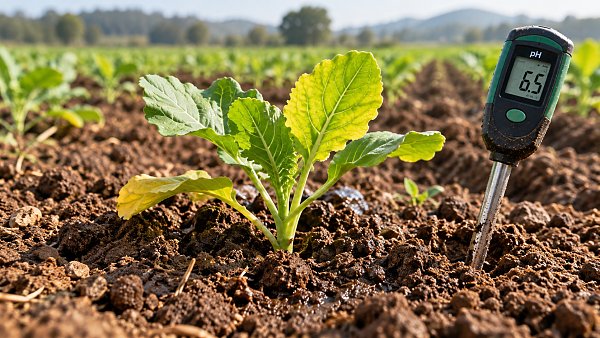
Iron deficiency often appears as yellowing between the veins of young leaves while the veins remain greener. Severe cases can restrict growth and reduce crop quality.
Similar symptoms can have other causes, including waterlogging, root damage, disease, or shortages of different nutrients. Diagnosis should combine field observations with soil and, where appropriate, tissue tests.
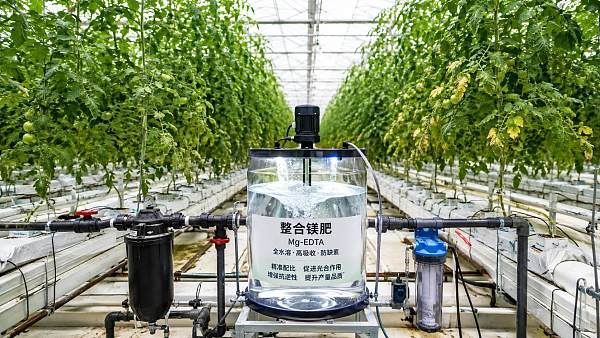
Chelates can also be useful in fertigation and hydroponics, where maintaining micronutrients in solution matters. Their suitability depends on water chemistry, nutrient concentrations, and the complete formulation.
In contrast, a conventional micronutrient salt may be sufficient where soil conditions favor availability and the nutrient can reach active roots. Local trial results help establish whether chelation earns its additional cost.
The crop matters too. Fruit trees, ornamentals, vegetables, and other high-value crops may justify targeted correction when visible deficiency threatens marketable quality or long-term productivity.
Which chelating agent should you choose?
The right choice depends on the metal being supplied and the conditions around it. Soil pH is particularly important for soil applications, while water chemistry also matters in nutrient solutions.
EDTA is widely used in micronutrient products and can be useful in acidic to moderately alkaline conditions. Its iron complex generally becomes less reliable as pH rises.
DTPA holds iron more effectively than EDTA under moderately alkaline conditions. It may suit some fertigation and soil programs, although performance still depends on the formulation and growing environment.
EDDHA iron chelates are commonly selected for strongly alkaline or calcareous soils because they can maintain iron availability over a wider alkaline pH range than EDTA or DTPA.
EDDHA products differ in composition. The proportion of the ortho-ortho isomer is an important specification for iron availability in alkaline soils, but it should be assessed alongside total chelated iron and product quality.
Other agents, including biodegradable alternatives such as EDDS and IDHA, are used in some formulations. Their stability, environmental behavior, and suitability depend on the specific metal complex and application.
Published pH ranges are useful screening tools, not guarantees. Competing metals, bicarbonate, concentration, temperature, and contact time can change how a product behaves in practice.
These comparisons focus primarily on iron. For zinc, manganese, and copper, ask the supplier for stability and performance data relevant to that metal and the intended application.
How do chelates compare with conventional micronutrient fertilizers?
Conventional fertilizers such as iron sulfate or zinc sulfate can supply micronutrients effectively when applied under suitable conditions. They are often less expensive per unit of nutrient.
Their limitation is that the dissolved metal may react with soil components or other substances before roots absorb it. The extent of that loss varies considerably by site.
A chelated source can reduce some of those reactions, potentially allowing more of the applied nutrient to remain available. This advantage is most valuable where fixation or precipitation is significant.
However, a chelate usually costs more, and its benefit may be small where a conventional source already corrects the deficiency. Compare outcomes per treated area, not purchase price alone.
For a meaningful comparison, use equal amounts of the relevant elemental micronutrient, follow appropriate application methods, and measure crop response over a suitable period.
Do not assume that every product described as complexed is a true chelate. Ask how the nutrient is bound and what evidence supports its behavior under your conditions.
Does application method change how well chelated fertilizers work?
Yes. Soil treatment, fertigation, and foliar spraying place the nutrient in different environments, so each method presents different opportunities and limitations.
Soil application
Soil-applied products must remain available long enough to reach active roots. Placement, irrigation, root distribution, and soil chemistry all affect the result.
For alkaline soils with confirmed iron deficiency, an appropriate iron chelate may be applied near the active root zone according to the product label and local guidance.
Soil correction may provide more sustained access than a single foliar spray, but the duration of benefit depends on the crop, product, soil, and irrigation practices.
Fertigation
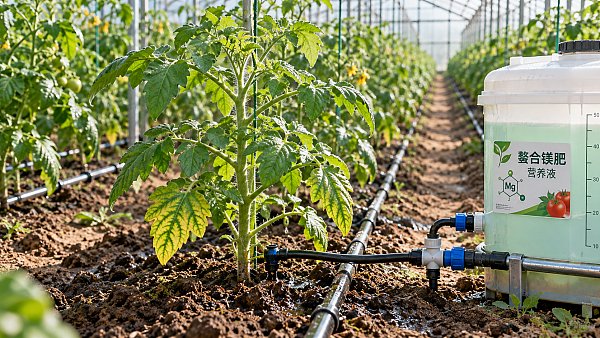
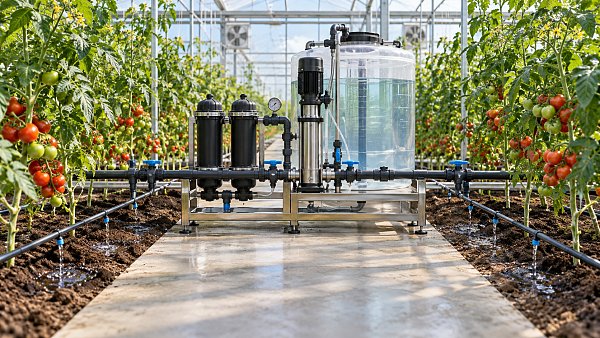
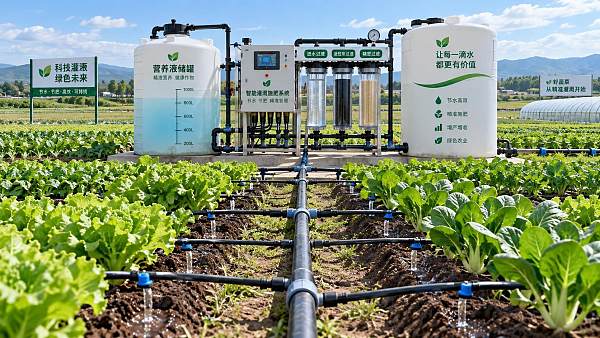
Fertigation delivers nutrients through irrigation water, making solubility and compatibility especially important. Water pH, bicarbonate, calcium, and the other fertilizers in the system can influence stability.
Prepare stock solutions according to supplier instructions and test unfamiliar combinations before mixing. A visible precipitate is a warning, although a clear solution alone does not prove long-term stability.
Injection location, dilution, filtration, and maintenance also matter. Poorly managed mixtures can reduce nutrient delivery or contribute to deposits that interfere with irrigation equipment.
Foliar application
Foliar sprays can provide relatively quick correction of some deficiencies, particularly when soil conditions restrict root uptake. Coverage and timing influence how much nutrient reaches the leaves.
They may require repeated applications as new leaves develop, and they do not necessarily correct the underlying soil problem. Concentrated or poorly timed sprays can damage foliage.
Follow crop-specific label rates and avoid assuming that a soil rate can be converted directly into a spray concentration. Test unfamiliar mixes on a small area first.
How can you tell whether a crop needs a chelated micronutrient?
Start by identifying the affected crop, growth stage, symptom pattern, and field history. Note whether symptoms occur across the field or only in particular soil or irrigation zones.
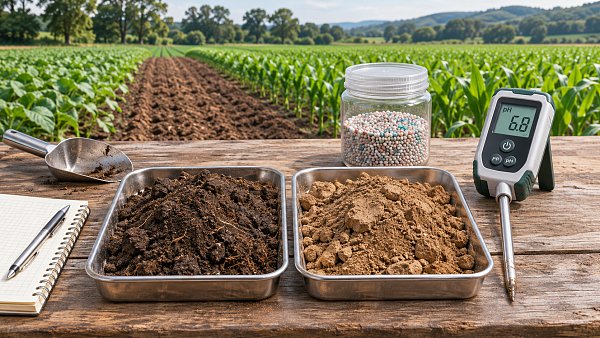
Check soil pH and relevant soil-test results using methods suited to the region. Interpret micronutrient values with local thresholds because extraction methods and soil conditions affect results.
Plant tissue analysis can show whether nutrient concentrations are low in the sampled crop. Sampling the correct plant part at the recommended growth stage is essential for interpretation.
Review irrigation water and root conditions as well. Poor drainage, compacted soil, salinity, or damaged roots can limit nutrient uptake even when a fertilizer contains adequate micronutrients.
Where uncertainty remains, compare a treatment with an untreated or standard-practice area. Use comparable conditions and record nutrient rates, timing, costs, symptoms, and crop outcomes.
A positive tissue response or greener leaves may be useful evidence, but the business case should also consider yield, marketable quality, and whether the improvement persists.
What should buyers check on a product specification?
Begin with the nutrient identity and guaranteed elemental concentration. A product name alone does not reveal how much iron, zinc, manganese, or copper is actually supplied.
Check the stated proportion of nutrient present in chelated form and identify the chelating agent. For iron EDDHA, request the ortho-ortho isomer content and the analytical basis used.
Confirm whether concentrations are expressed by product weight or solution volume. These details affect cost comparisons and the calculation of an application rate.
Request information on solubility, recommended pH conditions, storage, shelf life, and compatibility with common fertilizers. For liquid products, ask about crystallization or separation during storage.
Also review impurity limits, including relevant heavy metals, and request a current certificate of analysis and safety documentation. Requirements differ by jurisdiction and intended market.
Before procurement, compare the delivered cost per unit of chelated nutrient and per treated area. Include freight, handling, application costs, and any expected repeat treatments.
Finally, ask for field or greenhouse data in conditions resembling the intended use. Evidence from a different crop, soil, or application method may not predict local performance.
What are the limitations and environmental considerations?
Chelated fertilizers cannot fix every cause of poor nutrition. Waterlogged roots, unsuitable soil structure, disease, and irrigation problems may need attention before a nutrient treatment can work.
Overapplication can cause toxicity, waste money, or create nutrient imbalances. Copper and other micronutrients can accumulate in soil, so application should reflect existing levels and crop requirements.
Some chelating agents persist longer in the environment than others and can influence the mobility of metals. Environmental behavior depends on the compound, soil, water, and application conditions.
Biodegradable alternatives may be appropriate in some situations, but biodegradability alone does not establish agronomic suitability. Check metal-specific stability, local rules, and performance data before switching.
Always follow local fertilizer regulations and product labels. Claims, permitted ingredients, impurity limits, and documentation requirements can vary across markets.
Conclusion: choose the formulation that solves the diagnosed problem
Chelated fertilizers can improve micronutrient availability by keeping metals soluble and reducing unwanted reactions. Their greatest value appears where those reactions would otherwise restrict crop uptake.
For alkaline soils, iron source and chelating agent deserve particular attention. For every application, confirm the deficiency, assess soil or water conditions, and select a compatible delivery method.
Compare products using nutrient content, chelate composition, application cost, and relevant trial evidence. A measured crop response is the strongest basis for deciding whether the investment is worthwhile.
Facing technical bottlenecks in manufacturing or looking for more efficient industrial solutions? Leave your details below and let the engineering experts at FCAS solve them for you.
We respect your privacy. Your information is strictly confidential.
Related News
 Chelated Trace Element FertilizersHow Chelated Fertilizers Improve Micronutrient AvailabilityChelated Fertilizers can improve micronutrient availability. Learn how to choose the right chelate, diagnose deficiencies, and get more value from your application.MORE+
 Chelated Trace Element FertilizersHormuz Conflict Disrupts Fertilizer Trade as UN Warns of Food Security RisksHormuz conflict disrupts fertilizer trade as the UN warns of food security risks. Explore potential supply impacts and practical steps for buyers.MORE+
 Chelated Trace Element FertilizersHow to Apply Single Superphosphate for Sulfur Deficient SoilLearn how to apply single superphosphate for sulfur deficient soil, calculate the right rate, and balance phosphorus needs for healthier crops.MORE+
 Chelated Trace Element FertilizersHow to Choose Micronutrient Fertilizers for Different SoilsChoose Micronutrient Fertilizers with confidence. Compare soil conditions, nutrient forms and application methods to make better-informed decisions.MORE+
 Chelated Trace Element FertilizersHow Soil pH Affects the Performance of Chelated Iron FertilizersDiscover how soil pH affects Chelated Iron Fertilizers and learn how to choose the right chelate for healthier crops and more effective applications.MORE+
 Chelated Trace Element FertilizersWhen Should You Apply Chelated Magnesium Fertilizers to Crops?When should you apply Chelated Magnesium Fertilizers? Discover test-based timing tips, key growth stages, and foliar or fertigation options to support crop nutrition.MORE+
 Chelated Trace Element FertilizersCan Triple Superphosphate for Field Crops Be Used With Chelated Zinc?Can triple superphosphate for field crops be used with chelated zinc? Explore compatibility checks, mixing risks, and application strategies to make informed nutrient decisions.MORE+
 Chelated Trace Element FertilizersHuma Enters Agricultural Granular Fertilizer Market With Gro-PowerHuma enters the agricultural granular fertilizer market with Gro-Power’s humic-based products. Explore the launch, soil amendment options and key considerations for farm buyers.MORE+
 Chelated Trace Element FertilizersHow Greenhouse Fertigation Systems Reduce Water and Fertilizer WasteGreenhouse fertigation systems reduce water and fertilizer waste with precise dosing, uniform irrigation, drainage monitoring, and smarter crop-zone control. Learn practical strategies.MORE+
 Chelated Trace Element FertilizersWhat Diammonium Phosphate Means for Crop Nutrition PlanningDiammonium Phosphate: learn how DAP supports early phosphorus access, nitrogen budgeting, smart placement, and balanced crop nutrition planning.MORE+
 Chelated Trace Element FertilizersHow Precision Fertigation Systems Improve Water and Nutrient ControlPrecision fertigation systems improve water and nutrient control with accurate dosing, uniform irrigation, smart monitoring, and reduced waste. Discover how to optimize crop performance.MORE+
 Chelated Trace Element FertilizersHow Fertigation Fertilizer Improves Nutrient Delivery in IrrigationFertigation Fertilizer improves nutrient delivery with precise, water-based feeding. Learn how to prevent clogging, optimize timing, and support healthier crop growth.MORE+
 Chelated Trace Element FertilizersHow Granular Calcium Ammonium Nitrate Improves Nitrogen EfficiencyGranular calcium ammonium nitrate improves nitrogen efficiency with rapid uptake, reliable spreading, and lower volatilization risk. Explore smarter application strategies.MORE+
 Chelated Trace Element FertilizersHow Nitrogen Stabilizers Improve Fertilizer Efficiency in Field UseNitrogen Stabilizers improve fertilizer efficiency by reducing volatilization, leaching, and denitrification risks. Discover how to match the right solution to field conditions.MORE+
 Chelated Trace Element FertilizersTriple Superphosphate for Soybeans: When Soil-Test P Justifies an ApplicationTriple superphosphate for soybean: learn when low soil-test P justifies application, plus practical guidance on rate, placement, timing, and ROI.MORE+
 Chelated Trace Element FertilizersOrchard Phosphorus Programs: When Triple Superphosphate Fits Young TreesTriple superphosphate for orchard crops: discover when TSP supports young-tree roots, smart placement, soil testing, and efficient phosphorus management.MORE+
 Chelated Trace Element FertilizersUsing Triple Superphosphate in Fertilizer Blends Without Segregation RisksTriple superphosphate for fertilizer blends: learn how to match granule size, density, and moisture control to prevent segregation and ensure uniform field application.MORE+
 Chelated Trace Element FertilizersTriple Superphosphate 46% P2O5: Specifications That Protect Nutrient ValueTriple superphosphate 46 P2O5 specifications protect nutrient value through verified phosphate availability, moisture, granule quality, packaging, and storage controls.MORE+
 Chelated Trace Element FertilizersPowdered Triple Superphosphate: Handling, Storage, and Blend CompatibilityPowder triple superphosphate handling guide: control dust, moisture, caking, storage, and blend compatibility for reliable fertilizer performance.MORE+
 Chelated Trace Element FertilizersHow to Assess a Triple Superphosphate Factory Before Signing a Supply ContractTriple superphosphate factory assessment guide: verify capacity, quality control, raw-material security, compliance, logistics, and contract terms before choosing a reliable TSP supplier.MORE+
 Chelated Trace Element FertilizersWhat to Check When Choosing a Compound Fertilizer Granules SupplierChoose a reliable compound fertilizer granules supplier with this practical guide to formulation, granule quality, batch control, packaging, and supply consistency.MORE+
 Chelated Trace Element FertilizersWhat to Check Before Buying Powder Potassium Chloride FertilizerPowder potassium chloride fertilizer buying guide: compare nutrient value, chloride suitability, particle size, moisture, packaging, and delivered cost before ordering.MORE+
 Chelated Trace Element FertilizersHow Fertigation Systems Help Vegetable Farms Reduce Water and Fertilizer WasteDiscover how fertigation systems for vegetable farming reduce water and fertilizer waste, improve root-zone delivery, and support more consistent crop quality.MORE+
 Chelated Trace Element FertilizersChoosing Chelated Magnesium Fertilizers for More Efficient Crop NutritionChelated Magnesium Fertilizers: learn how to match product stability, water quality, and application methods for efficient crop nutrition and stronger results.MORE+
 Chelated Trace Element FertilizersHow to Use Triple Superphosphate for Phosphorus Deficient SoilTriple superphosphate for phosphorus deficient soil: learn soil testing, precise rates, smart placement, and pH management to improve crop phosphorus uptake.MORE+
 Chelated Trace Element FertilizersPhosphate Fertilizers Market Trends Shaping Crop Nutrition in 2026Phosphate Fertilizers trends for 2026: explore efficient crop nutrition, fertigation solutions, sustainable sourcing, and smarter procurement strategies.MORE+
 Chelated Trace Element FertilizersWhen Does Single Superphosphate Fertilizer Improve Soil PhosphorusSingle superphosphate fertilizer improves soil phosphorus most effectively with early placement, adequate moisture, and soil-test-guided rates. Learn practical timing tips.MORE+