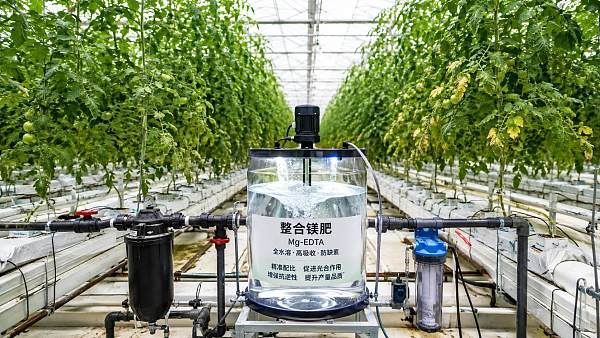
Apply chelated magnesium fertilizers when testing identifies inadequate magnesium supply, preferably before rapid crop demand or promptly after deficiency is confirmed during active growth.
The best timing depends on crop stage, root conditions, and application method. Foliar sprays provide supplemental correction, while fertigation helps maintain supply through functioning roots.
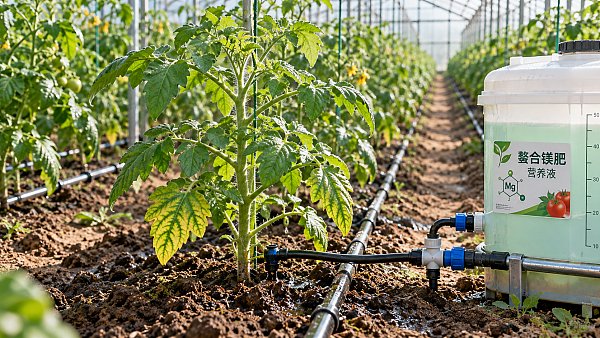
Older leaves showing interveinal yellowing deserve investigation, but symptoms alone cannot confirm magnesium deficiency. Check tissue results, soil conditions, and competing nutrients before choosing treatment.
Which Application Window Fits Your Crop?
There is no universal calendar date for magnesium application. Match treatment to a documented shortage, anticipated nutrient demand, and conditions that allow effective uptake.
Use the following timing guide to decide whether your crop needs preventive nutrition, an in-season correction, or further diagnosis before another fertilizer application is justified.
A preventive application makes sense when testing and field history indicate risk. Routine spraying without that evidence can add cost without improving crop performance.
For an established deficiency, avoid delaying treatment until large areas become severely chlorotic. Damaged leaves may recover incompletely even after magnesium availability has improved.
However, urgency does not justify spraying under unsuitable conditions. A short delay for cooler weather or improved root-zone moisture can make application more appropriate.
Confirm Magnesium Deficiency Before Scheduling Treatment
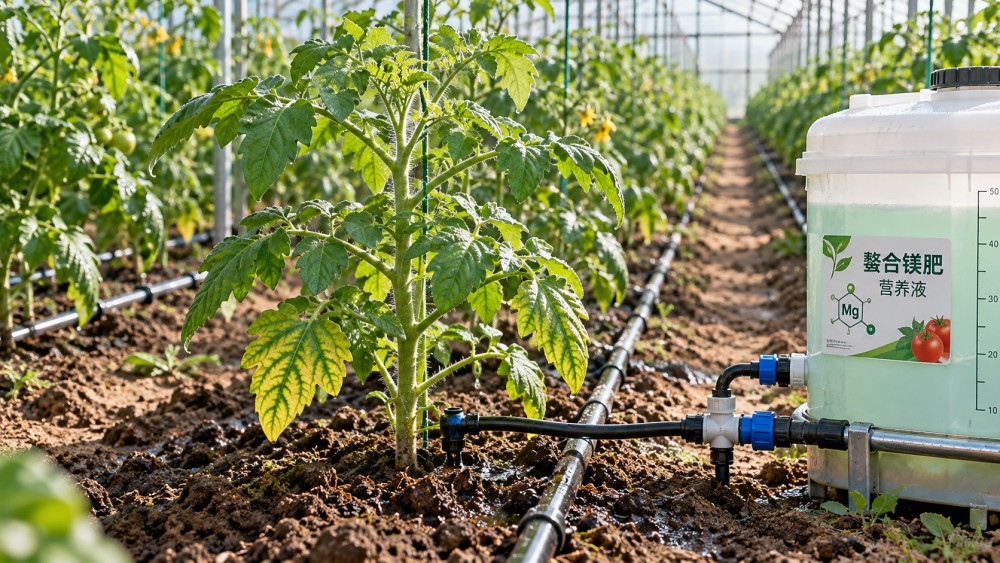
Magnesium is mobile within plants, so deficiency commonly appears first on older leaves. Tissue between veins becomes pale while the veins initially remain greener.
As deficiency progresses, affected leaves may develop necrotic areas or drop prematurely. Symptom patterns differ among crops, and several unrelated problems can produce similar discoloration.
Inspect whether symptoms follow older foliage consistently across affected plants. Also examine roots, irrigation coverage, disease pressure, and field patterns before assuming fertilizer shortage.
Collect tissue samples according to the laboratory’s crop-specific instructions. Leaf position and growth stage matter because they determine whether nutrient concentrations can be interpreted reliably.
Sample before applying a foliar product whenever possible. Residue on treated leaves can distort subsequent tissue results, so discuss sampling intervals with your laboratory.
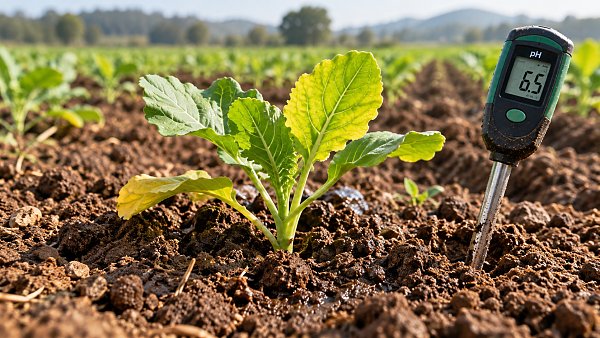
Pair tissue analysis with soil or substrate testing. Review available magnesium, pH, salinity, and the recent fertilizer program to understand why uptake may be inadequate.
High potassium supply can contribute to magnesium imbalance, particularly when magnesium availability is already marginal. Correcting the nutrient balance may matter more than repeating sprays.
Should You Apply Before Rapid Vegetative Growth?
When tests show insufficient supply, correcting magnesium before rapid canopy expansion helps support chlorophyll formation and photosynthesis as the crop builds its productive leaf area.
In annual crops, review magnesium status during preplant planning and early establishment. The appropriate timing depends on soil reserves, rooting progress, and expected growth rate.
For perennial crops, combine seasonal tissue records with soil information and local guidance. A single calendar recommendation cannot account for different climates or harvest systems.
Where acidic soil requires liming, dolomitic lime may address both acidity and magnesium supply. Its slower reaction makes advance planning essential for timely benefit.
Where pH adjustment is unnecessary, other magnesium sources may be more suitable. Compare nutrient concentration, solubility, application equipment, and delivered cost before selecting chelated magnesium.
Chelated products are not automatically the preferred option for correcting a substantial soil deficit. Their value depends on formulation performance and the specific application problem.
Does Flowering or Fruit Development Justify Another Application?
Flowering, fruit set, and fruit filling can coincide with substantial nutrient demand. Apply magnesium during these stages when evidence indicates supply is inadequate for growth.
A heavy crop load alone does not prove deficiency. Use stage-appropriate tissue interpretation, visible symptoms, and the existing nutrient budget to decide whether supplementation is warranted.
Review potassium inputs carefully during fruit development. Increasing potassium without checking magnesium supply can aggravate an existing imbalance in susceptible production systems and growing conditions.
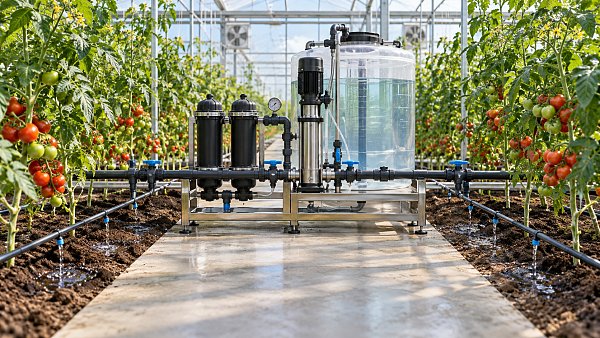
In fertigated vegetables or protected crops, smaller scheduled nutrient inputs can help match ongoing demand. Frequency should follow irrigation management, substrate behavior, and monitoring results.
Late applications require closer scrutiny because the remaining productive period may be short. Consider whether enough active foliage and growth remain for a useful response.
Avoid promising recovery of yield or quality already lost to prolonged deficiency. Timely correction supports remaining growth, but it cannot reverse every earlier physiological effect.
When Is Foliar Application the Better Timing Choice?
Foliar chelated magnesium fertilizers can supplement nutrition when a confirmed shortage needs attention and root uptake is temporarily constrained, provided adequate healthy leaf area remains.
They generally deliver limited magnesium compared with whole-crop requirements. Treat foliar feeding as a targeted supplement while addressing inadequate root-zone supply or impaired root function.
Choose a cool, calm application period within the product’s instructions. Early morning or late afternoon may be suitable, depending on humidity, dew, and drying conditions.
Avoid spraying heat-stressed or severely wilted plants. Rapid drying can increase salt concentration on leaves, while stressed tissue may be more vulnerable to spray injury.
Do not assume heavy dew improves uptake. Excess water can dilute deposits or promote runoff, so assess leaf wetness and the product’s coverage requirements.
Check the forecast and follow any stated rainfast interval. Rain shortly after application may remove deposits, but the relevant interval depends on the specific formulation.
Calibrate equipment for uniform coverage without excessive runoff. Follow label directions for concentration, water volume, adjuvants, and crop restrictions rather than adopting a generic recipe.
When Should You Use Fertigation or Root-Zone Application?
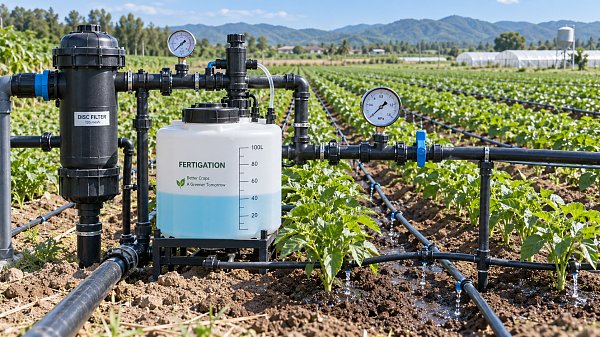
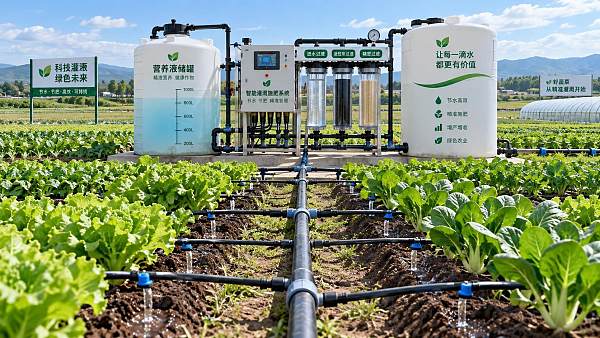
Fertigation is useful when active roots can access the wetted zone and the system distributes nutrients uniformly. It allows magnesium supply to accompany irrigation management.
Schedule injection within an irrigation cycle that distributes nutrients through the intended root zone. Avoid excessive irrigation that carries soluble nutrients below effective rooting depth.
Waterlogging, drought, cold substrates, and root disease can limit uptake even when magnesium is present. Correct these constraints alongside any justified change in nutrient supply.
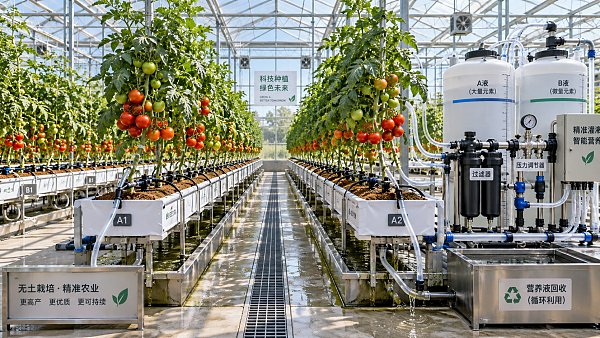
In container production and hydroponics, monitor the nutrient solution and root-zone conditions regularly. Changes in pH, electrical conductivity, or ion balance can affect nutritional management.
Check concentrated-stock compatibility before injection, especially with phosphate-containing materials or alkaline water. Chelation does not guarantee that every mixture will remain soluble under all conditions.
Follow system guidance for injection timing, filtration, and flushing. A compatible fertilizer still needs reliable delivery to reach the crop evenly and avoid equipment problems.
What Does “Chelated” Change About the Timing Decision?
A chelating agent binds magnesium in a soluble complex, but product behavior depends on the ligand, formulation, dilution, pH, and other ions in solution.
Magnesium chemistry differs from iron chemistry, so claims about chelated iron should not be transferred automatically. A chelated label alone does not establish superior field performance.
Some products marketed as chelated magnesium contain organic complexes or blends with differing binding characteristics. Ask suppliers to identify the magnesium source and complexing agent.
Request the guaranteed magnesium analysis, recommended application route, compatibility information, and evidence relevant to your crop. These details matter more than broad claims about uptake.
Convert the product rate into actual magnesium supplied before comparing options. Confirm whether the label expresses concentration as elemental magnesium or magnesium oxide equivalent.
Then compare the delivered nutrient cost with suitable alternatives, including magnesium sulfate where appropriate. Select the formulation that addresses the diagnosed problem within operational constraints.
How Should Operators Prepare and Check Each Application?
Start with the current label and crop-specific local recommendations. Application rates vary with nutrient concentration, crop sensitivity, delivery method, and the severity of the shortage.
Test the intended mixture using the actual water source and intended proportions. A jar test can reveal visible incompatibility, although it cannot establish crop safety.
When introducing a new foliar mixture, treat a small representative area first if label directions allow. Observe crop response before extending treatment across the field.
Record the product, batch, rate, water volume, application time, weather, and crop stage. These records help explain results and prevent accidental duplication within nutrient programs.
Mark representative plants and photograph symptoms before treatment. Review symptom progression and healthy growth afterward, allowing for crop growth rate and the application method used.
Use follow-up testing when appropriate, with sampling advice that accounts for foliar residues. Do not repeat treatment solely because previously damaged leaves remain visibly discolored.
If symptoms persist, revisit the diagnosis, nutrient balance, and root environment. Repeated magnesium applications cannot resolve a disease problem or an irrigation-related restriction on uptake.
Make Timing Follow Evidence, Crop Demand, and Application Conditions
The strongest application window combines three factors: confirmed magnesium need, sufficient remaining crop demand, and conditions that allow the selected product to reach its target.
Apply before rapid growth when testing predicts a shortage, or correct a confirmed in-season deficiency promptly. Choose foliar supplementation or root-zone delivery according to circumstances.
For operators, the practical sequence is straightforward: diagnose the cause, select a suitable source, apply under favorable conditions, and evaluate response before scheduling another treatment.