Yes, triple superphosphate and chelated zinc can support the same crop nutrition program, but that does not automatically make them suitable for direct mixing.
Compatibility depends on the zinc chelate, fertilizer formulation, application method, water chemistry, and soil conditions. Physical compatibility alone cannot establish nutrient availability or crop response.
For technical evaluators, the essential distinction is between coordinated application and direct blending. Each requires different evidence, testing procedures, and criteria for a defensible recommendation.
This guide explains phosphorus–zinc interactions, identifies practical compatibility checks, and shows when separate placement or application timing can provide a more reliable approach in field crops.
What Does “Used Together” Mean in Practice?
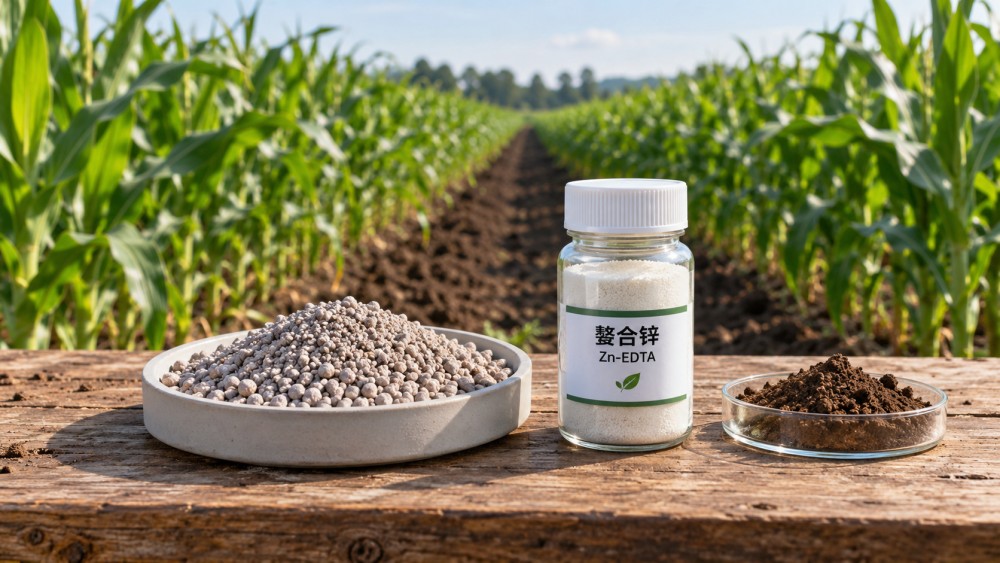
Before evaluating triple superphosphate for field crops alongside chelated zinc, define whether the proposal involves separate applications, a dry blend, a coating, or liquid mixing.
These arrangements expose nutrients to different concentrations, moisture levels, and contact times. Evidence supporting one arrangement should not be transferred automatically to another application method.
Using separate delivery systems can allow both nutrients to reach the crop without requiring prolonged contact inside a concentrated fertilizer mixture before application occurs.
Technical approval should therefore describe the exact products, rates, equipment, contact duration, and operating conditions. A general statement that the ingredients are compatible is insufficient.
Why Can Phosphorus Affect Zinc Availability?
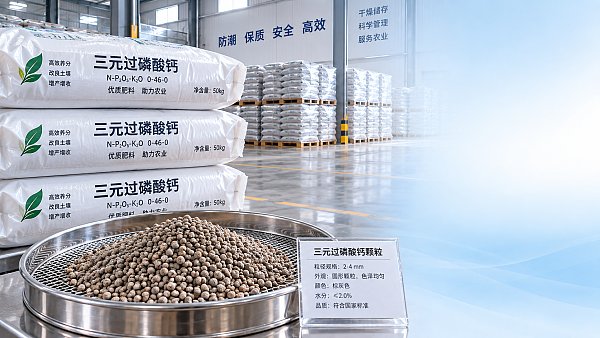
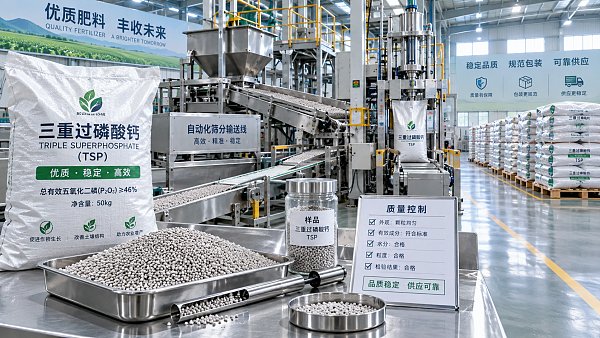
Triple superphosphate, commonly sold as approximately 0-46-0, supplies concentrated phosphorus primarily through monocalcium phosphate. Confirm the actual nutrient analysis and specifications for each product.
Its phosphorus content is expressed as phosphate equivalent, P₂O₅, rather than elemental phosphorus. This distinction matters when comparing nutrient budgets, research findings, and application rates.
Phosphorus and zinc interactions occur through several pathways, including soil reactions and processes within plants. Their importance varies with nutrient status, crop species, and growing conditions.
Where zinc is already marginal, excessive phosphorus supply can increase the likelihood of zinc deficiency. This does not mean every phosphorus application causes zinc problems.
Under some chemical conditions, dissolved zinc can form sparingly soluble phosphate compounds. Chelation can reduce the free zinc available for such reactions while the complex remains intact.
However, chelation does not eliminate every soil or plant interaction associated with phosphorus and zinc. A chemically stable mixture may still produce an inadequate crop response.
High soil pH, carbonates, low available zinc, and cool early growth conditions can increase concern. Evaluate these factors together instead of attributing deficiency solely to fertilizer mixing.
Which Chelated Zinc Specifications Actually Matter?
“Chelated zinc” describes a product category, not a single material. Different ligands, zinc concentrations, carriers, and manufacturing methods can produce substantially different application behavior.
Start with the chelating agent’s identity, total zinc content, water-soluble zinc content, and declared chelated fraction. These measurements describe different characteristics and should remain separate.
A product containing zinc and an organic ingredient is not necessarily fully chelated. Request analytical support for chelation claims rather than relying on marketing terminology alone.
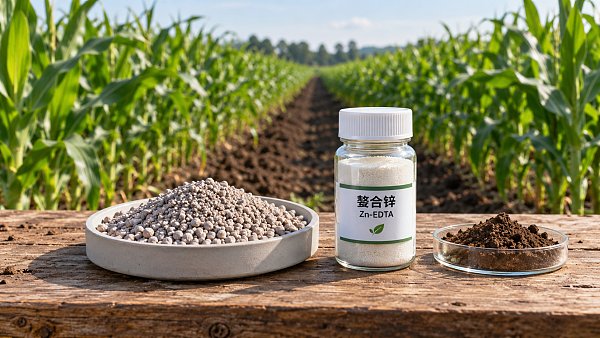
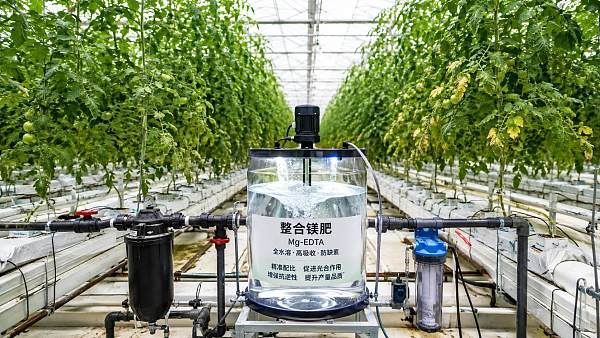
Zn-EDTA is a familiar option, but its performance still depends on concentration, pH, competing ions, and exposure time. Other complexes require their own supporting evidence.
Do not apply the published pH stability range of one metal chelate to another. Ligand identity alone does not establish stability under actual fertilizer conditions.
Ask suppliers for compatibility data involving the intended phosphate source and dilution. Data for another phosphorus fertilizer cannot automatically establish suitability with granular triple superphosphate.
For procurement, request a technical data sheet, safety data sheet, representative certificate of analysis, and written application guidance covering the proposed combination and use conditions.
Can the Products Be Dry-Blended or Stored Together?
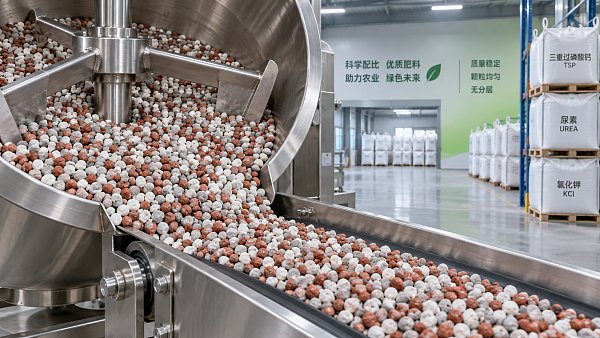
A dry blend may appear chemically uneventful yet distribute nutrients unevenly. Differences in particle size, density, and shape can cause segregation during handling and spreading.
This matters particularly for micronutrients because their application rates are relatively small. Uneven zinc distribution can leave untreated areas despite an apparently correct average rate.
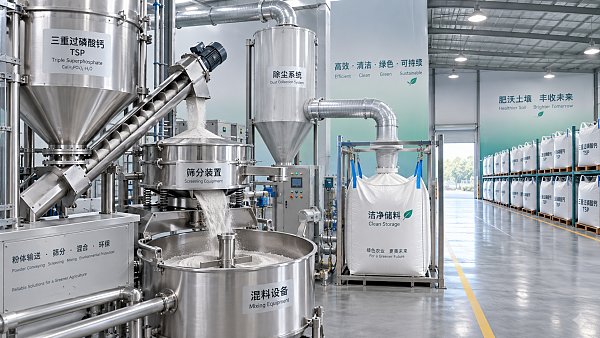
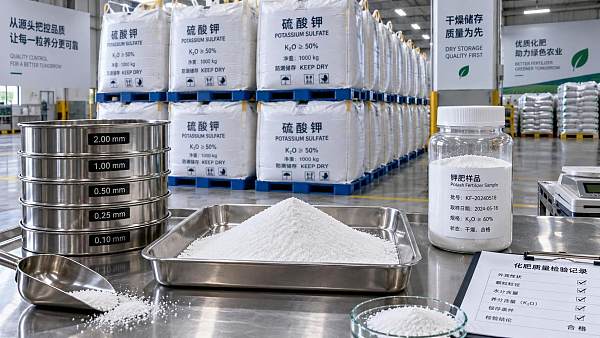
Evaluate particle size distributions, bulk densities, dust generation, and blend uniformity. Sample material after realistic conveying, transport, and discharge rather than checking only the mixer.
Moisture introduces additional concerns, including caking, localized dissolution, and changes in granule strength. Testing should reflect expected humidity, packaging, storage temperature, and storage duration.
Applying liquid zinc chelate onto TSP granules is a coating operation. Added liquid can affect drying requirements, surface tackiness, handling behavior, and nutrient distribution.
Validate the coating rate, application uniformity, granule durability, and zinc recovery after storage. A visually uniform color does not prove that zinc is evenly distributed.
Where supporting evidence is limited, blending shortly before use may reduce storage exposure. It does not resolve segregation, chemical instability, or unsuitable placement by itself.
Is Tank Mixing or Fertigation a Suitable Route?
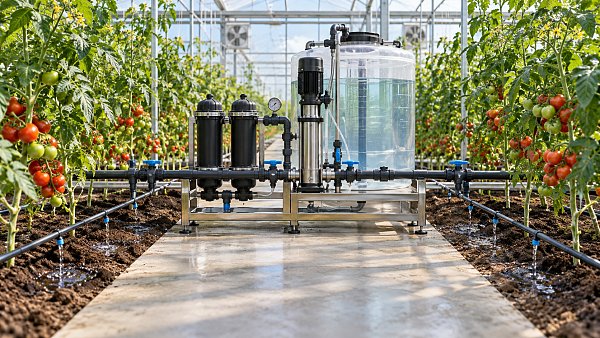
Conventional granular TSP should not be assumed suitable for liquid tanks or fertigation. Water-soluble phosphorus content does not guarantee complete dissolution or freedom from insoluble residues.
Commercial products may contain materials that settle or obstruct filters and emitters. Confirm the intended application route before attempting to develop a liquid mixing procedure.
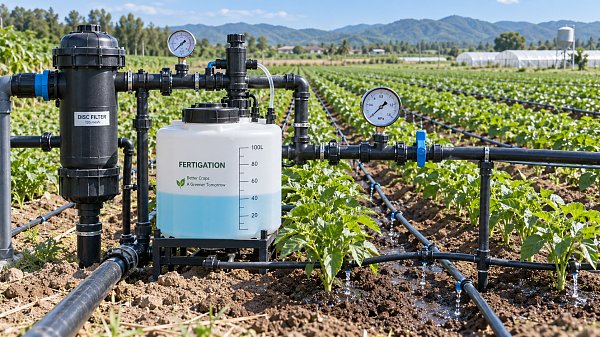
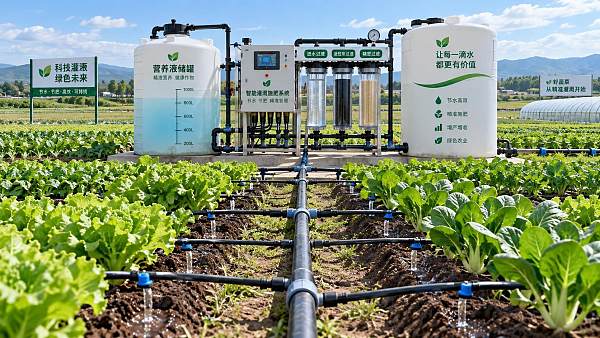
For fertigation, a phosphate fertilizer specifically intended for that system is generally easier to evaluate. It still requires compatibility assessment with zinc and irrigation water.
Water pH, alkalinity, hardness, temperature, and fertilizer concentration affect mixture behavior. Calcium, magnesium, and other dissolved constituents can contribute to precipitation under certain conditions.
Test the intended dilution and mixing sequence using the actual water supply. Concentrated stock solutions require separate evaluation because their behavior can differ substantially from final dilutions.
When product instructions permit mixing, a jar test can reveal sediment, flocculation, cloudiness, or separation. Observe the mixture over the expected holding period before use.
A clear jar test does not prove chelate integrity, adequate zinc availability, or field effectiveness. Laboratory measurements may be necessary for commercial formulation approval decisions.
Do not develop an improvised tank mixing recipe from ingredient names alone. Use documented product instructions and confirm suitability for the equipment and intended crop application.
When Are Separate Placement or Timing More Reliable?
Separate application deserves consideration when both nutrients are justified but concentrated contact creates uncertainty. It allows each product to follow an appropriate placement and delivery strategy.
For example, soil-applied TSP can address a documented phosphorus requirement, while zinc follows a locally validated soil, seed treatment, or foliar recommendation where appropriate.
These zinc delivery routes are not interchangeable. Crop sensitivity, product registration, seed safety, uptake efficiency, and application rate must guide the choice for each field.
Band placement can improve access to phosphorus under suitable conditions, but concentrated fertilizer near seed can cause injury. Follow crop-specific guidance for spacing and rates.
There is no universal separation distance or waiting period that guarantees phosphorus–zinc compatibility. Recommendations depend on soil properties, equipment, nutrient rates, and the cropping system.
Foliar zinc may help address an identified deficiency when crop stage and product instructions support treatment. It does not necessarily replace correction of underlying soil constraints.
For calcareous or high-pH soils, compare locally supported zinc sources and placements. Higher product cost alone does not demonstrate better uptake or a stronger yield response.
How Should Technical Evaluators Validate a Proposed Combination?
Begin with representative soil testing using locally calibrated methods. Review available phosphorus, available zinc, pH, and relevant field history before deciding that both nutrients are required.
Interpret tissue analysis against crop-specific sampling guidance, including plant part and growth stage. Tissue phosphorus-to-zinc ratios should not serve as a universal standalone diagnostic threshold.
Next, define the proposed formulation and application conditions precisely. Record product identities, batch specifications, nutrient rates, water quality, mixing sequence, contact time, and placement details.
Match testing to the actual failure risks: blend segregation for dry products, granule integrity for coatings, and precipitation or filterability for permitted liquid applications under review.
Where chemical stability matters, measure appropriate soluble zinc fractions and, where feasible, chelate integrity. Total zinc concentration alone cannot show whether the intended complex remains intact.
For agronomic validation, compare the proposed combination against a relevant standard practice. Include controls that help distinguish phosphorus response, zinc response, and any interaction between them.
Replicated field strips or trials provide stronger evidence than visual comparisons alone. Record establishment, deficiency symptoms, tissue results, yield, and application costs under representative conditions.
Define acceptance criteria before testing begins. These might include nutrient uniformity, acceptable handling performance, maintained soluble zinc, and agronomic performance comparable with the established practice.
Assess economics using the cost of delivering an effective nutrient treatment. Include extra mixing, testing, storage, application passes, and potential losses from poor distribution or instability.
What Is the Practical Decision?
Triple superphosphate for field crops can be used alongside chelated zinc when soil fertility needs and application practices support both inputs within a coordinated program.
Direct blending, coating, or liquid mixing requires additional evidence specific to the products and operating conditions. Neither a chelate label nor visual compatibility provides sufficient approval.
When compatibility evidence is incomplete, use validated separate applications and monitor crop response. Approve direct combinations only when formulation stability, application performance, and agronomic suitability are demonstrated.