

  • Intelligence Dimension

    
    • EPA FIFRA & FDA GRAS Regs

    • Micelle Fluidics & Chelation

    • Synthesis CAPEX & Yield ROI

  • Eco-Pesticides & Crop Protection

    
    • Targeted Bio-pesticides & APIs

    • Herbicides & Plant Growth Regulators

    • Nano-microcapsule Formulations

  • Compound Fertilizers & Nutrition

    
    • Polymer-Coated Water Soluble NPK

    • Chelated Trace Element Fertilizers

    • Controlled-Release Thermodynamics

  • Food Additives & Ingredients

    
    • Antioxidants & Natural Preservatives

    • Hydrocolloids & Emulsifiers

    • Zero-Calorie Sweeteners & Acidulants

  • Flavors & Fragrances

    
    • Supercritical CO2 Essential Oils

    • Microencapsulated Fragrances

    • Maillard Reaction Savory Flavors

  • Cleaning Auxiliaries & Surfactants

    
    • Heavy-duty Industrial Degreasers

    • Ultra-pure Semiconductor Cleaners

    • Non-ionic Surfactants & Defoamers

Search

Location: Home > News
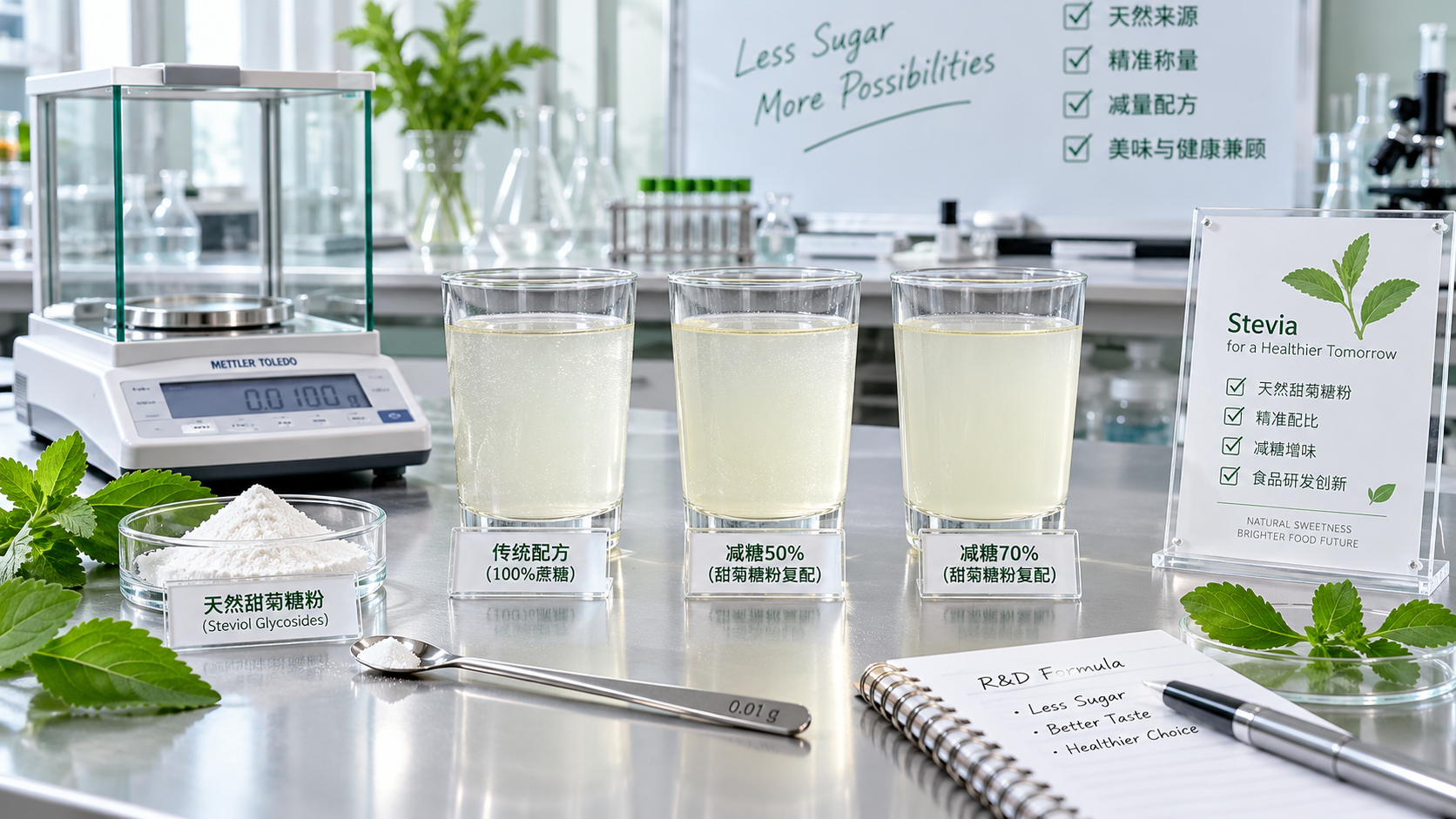
  • How Can You Reduce Bitterness When Using Natural Stevia Powder?
    How Can You Reduce Bitterness When Using Natural Stevia Powder?
    Reduce bitterness in natural stevia sweetener powder with smarter dosing, glycoside selection, and sweetener blends. Discover practical tips for cleaner sweetness and a better finish.
  • How to Choose a Natural Sweeteners Supplier for Clean-Label Products
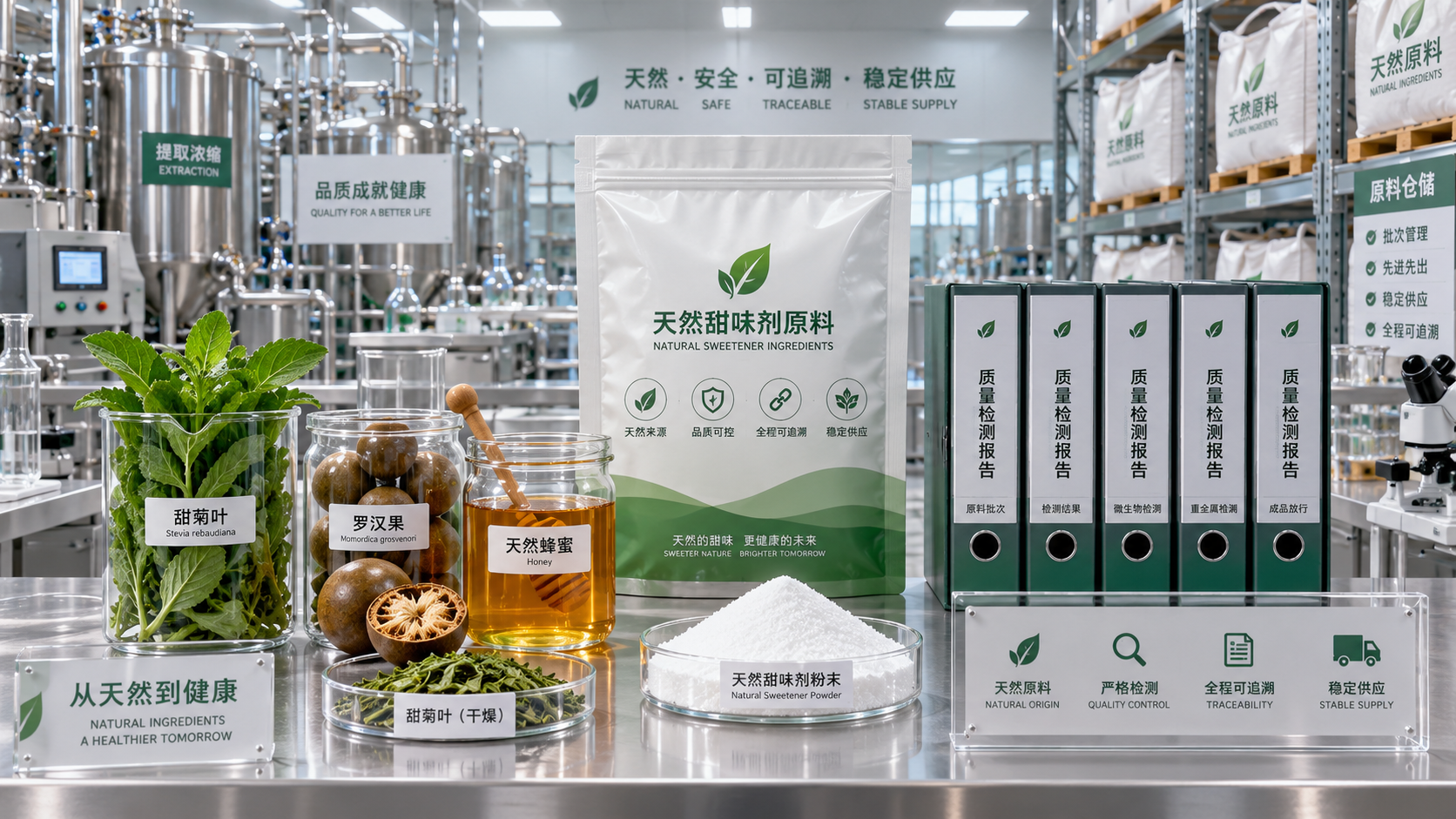
    How to Choose a Natural Sweeteners Supplier for Clean-Label Products
    Natural sweeteners supplier selection guide for clean-label products: compare formulation fit, traceability, documentation, and supply reliability.
    Related Industries

    • 

      Intelligence Dimension

      • EPA FIFRA & FDA GRAS Regs

      • Micelle Fluidics & Chelation

      • Synthesis CAPEX & Yield ROI

    • 

      Eco-Pesticides & Crop Protection

      • Targeted Bio-pesticides & APIs

      • Herbicides & Plant Growth Regulators

      • Nano-microcapsule Formulations

    • 

      Compound Fertilizers & Nutrition

      • Polymer-Coated Water Soluble NPK

      • Chelated Trace Element Fertilizers

      • Controlled-Release Thermodynamics

    • 

      Food Additives & Ingredients

      • Antioxidants & Natural Preservatives

      • Hydrocolloids & Emulsifiers

      • Zero-Calorie Sweeteners & Acidulants

    • 

      Flavors & Fragrances

      • Supercritical CO2 Essential Oils

      • Microencapsulated Fragrances

      • Maillard Reaction Savory Flavors

    • 

      Cleaning Auxiliaries & Surfactants

      • Heavy-duty Industrial Degreasers

      • Ultra-pure Semiconductor Cleaners

      • Non-ionic Surfactants & Defoamers

    Trending in Tech

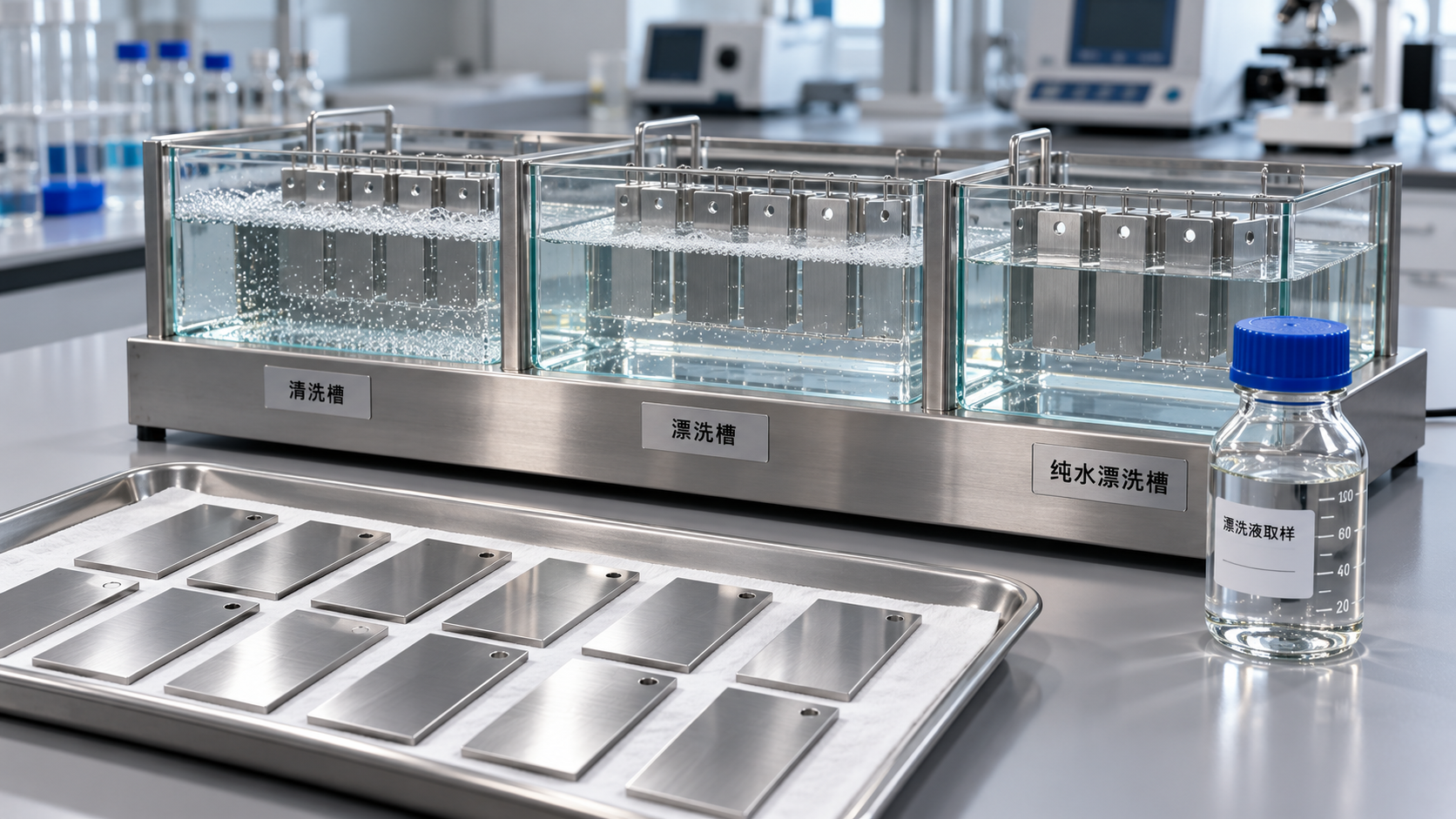
    • How Do You Evaluate a Low Residue Surfactants Supplier for Cleaning?
      How Do You Evaluate a Low Residue Surfactants Supplier for Cleaning?
      Oct 22, 2026
      Surfactant Fluidics Fellow
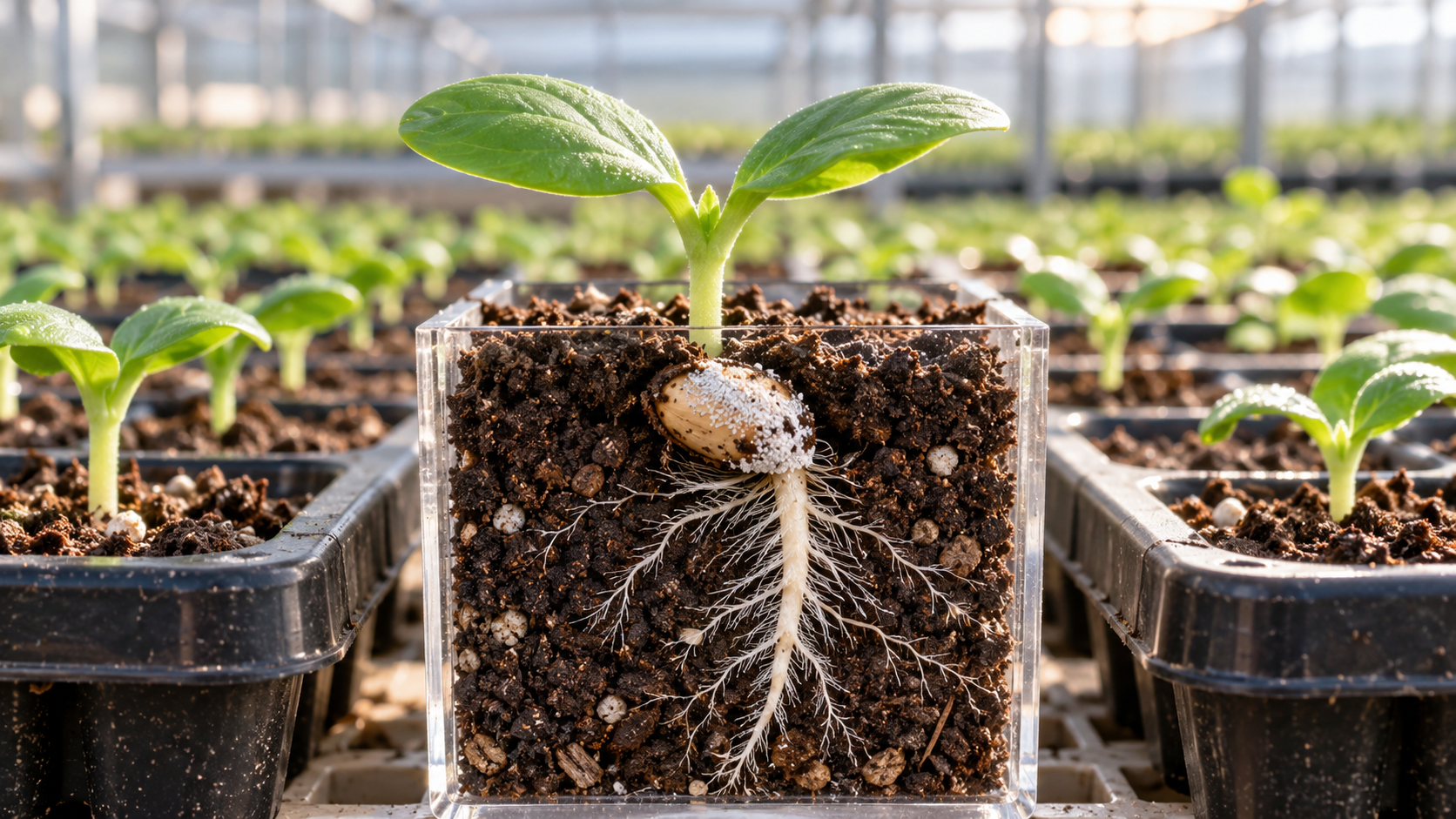
    • How Do Microbial Fungicides for Seed Treatment Reduce Damping-Off?
      How Do Microbial Fungicides for Seed Treatment Reduce Damping-Off?
      Oct 22, 2026
      Agrochemical Molecular Architect
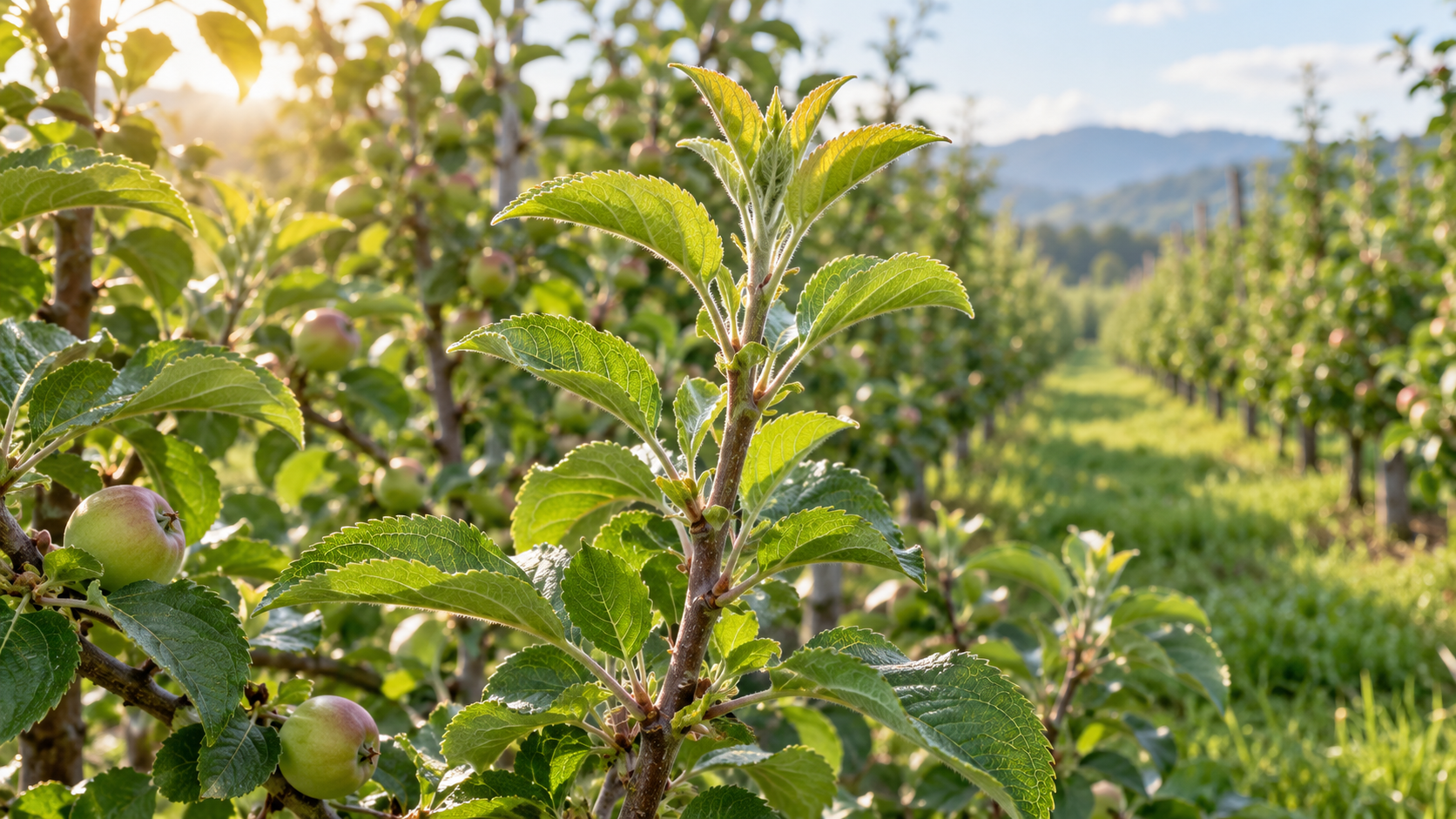
    • How Can Plant Growth Regulators Control Excessive Shoot Growth?
      How Can Plant Growth Regulators Control Excessive Shoot Growth?
      Oct 22, 2026
      Agrochemical Molecular Architect

    Weekly Insights

    Stay ahead with our curated technology reports delivered every Monday.

    Subscribe Now
    FCAS

    The Global Fine Chemicals & Agrochemical Systems (FCAS) is a premier intelligence portal dedicated to eco-friendly pesticide APIs, controlled-release compound fertilizers, food-grade preservatives, and ultra-pure industrial surfactants.

    

    Links

    • 

      Home

    • 

      News

    • 

      About

    • 

      Contact Us

    • 

      Resources

    Mechanical

    • 

      Intelligence Dimension

    • 

      Eco-Pesticides & Crop Protection

    • 

      Compound Fertilizers & Nutrition

    • 

      Food Additives & Ingredients

    • 

      Flavors & Fragrances

    • 

      Cleaning Auxiliaries & Surfactants

    Copyright © Global Fine Chemicals & Agrochemical Intelligence Network

    Site Index

    