How Can Plant Growth Regulators Control Excessive Shoot Growth?
How Can Plant Growth Regulators Control Excessive Shoot Growth?
Excessive shoot growth can crowd crop canopies, increase pruning demands, and make spraying and harvesting more difficult. Plant Growth Regulators can help manage this unwanted vigor by modifying growth signals. Some products limit gibberellin production, reducing internode elongation so new shoots develop more compactly. They do not shorten stems that have already formed, and a stronger treatment is not necessarily a better one.
The practical challenge is to slow unwanted extension without suppressing the growth needed for canopy renewal, flowering, fruit development, or recovery from stress. That balance depends on the crop, cultivar, application timing, growing conditions, and the specific registered product. A useful program starts with diagnosing why shoots are growing too strongly—not with choosing a dose.
Check whether the crop actually needs chemical growth control
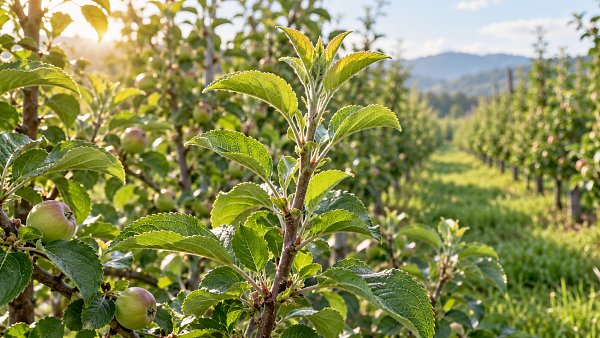
Long shoots alone do not prove that a crop needs treatment. Young orchard trees may need extension growth to fill their allotted space. An ornamental crop may be approaching its intended finished height. In a bearing orchard, however, upright shoots shading fruiting wood can become a genuine management problem. The same growth pattern can be useful or unwanted depending on the production objective.
Inspect representative plants across the block rather than judging from the most vigorous row. Check recent internode length, shoot extension, canopy density, crop load, and irrigation patterns. Compare vigorous areas with weaker ones. If excessive growth follows a fertigation zone or occurs mainly where crop load is light, a uniform whole-block treatment may over-regulate plants that were already balanced.
Also look backward. Heavy pruning, generous nitrogen supply, low light, and abundant water can encourage vegetative growth. Growth regulators may help manage the resulting canopy, but they do not correct the underlying imbalance. Conversely, deliberate water or nutrient deprivation is a poor substitute for a properly planned program; it can damage roots, fruit quality, and yield.
What changes inside the plant—and what does not
Gibberellins are plant hormones involved in stem elongation and other developmental processes. Several growth-retarding active ingredients inhibit steps in gibberellin biosynthesis. When less growth-promoting gibberellin is available in responsive tissues, developing internodes can remain shorter. Shoots may still produce leaves and nodes, but their extension is reduced.
This distinction matters in the field. A treatment applied after a canopy has become tangled will not pull existing branches back into place. Its value lies mainly in influencing subsequent growth. Where shoots already obstruct machinery or shade fruit severely, selective pruning or canopy positioning may still be necessary.
Nor does shorter growth automatically mean higher yield. Depending on crop and timing, growth regulation can also influence flowering, fruit set, fruit size, or subsequent growth cycles. Other Plant Growth Regulators—including products used for branching, thinning, or ripening—have different functions. The category name is not enough to identify a suitable shoot-control treatment.
Choose by crop, uptake route, and persistence
Active ingredients used for growth suppression include prohexadione-calcium, trinexapac-ethyl, paclobutrazol, chlormequat chloride, and mepiquat chloride. These are not interchangeable options. Their registered crops, formulations, application routes, and restrictions differ by jurisdiction. A product used legally in ornamental production should never be assumed suitable for a food crop.
For example, prohexadione-calcium is used in some registered orchard programs to suppress shoot extension. Mepiquat chloride is associated with vegetative growth management in cotton, while trinexapac-ethyl has established uses in certain cereal and turf programs. These examples illustrate different application contexts, not a cross-crop recommendation.
Root uptake and residual activity deserve particular attention. Paclobutrazol can provide prolonged growth suppression in some uses, which may be useful where sustained control is intended. The same persistence becomes a disadvantage if plants are over-regulated or a sensitive crop follows. Where soil or substrate applications are permitted, substrate properties, root distribution, irrigation, and previous treatments can affect response.
Before selecting a product, confirm:
- The crop, production setting, and intended growth-control use appear on the current local label.
- The permitted application route matches the equipment and growing system.
- The treatment window fits the actual crop stage, not simply the calendar date.
- Harvest intervals, worker-entry restrictions, seasonal limits, and rotation requirements can be met.
- For food crops, residue requirements in the destination market have been checked separately from local use authorization.
The Global Fine Chemicals & Agrochemical Intelligence Network (FCAS) emphasizes application fit, formulation behavior, and documentation when assessing agrochemical products. That perspective is useful here: an active ingredient name or purity specification alone cannot establish field suitability. Operators need the registered formulation, its label, safety documentation, and crop-specific technical guidance.
Timing usually matters more than chasing a stronger response
For many foliar shoot-control programs, the useful window is during active extension, before unwanted growth has accumulated. Exact timing is product- and crop-specific. An orchard program may use shoot development as a trigger; a greenhouse program may depend on transplant establishment and the intended finish date. Transferring a schedule between these situations is unreliable.
Treating too late often produces disappointment because existing shoot length remains unchanged. Treating too early can restrict growth needed to establish a canopy or reach marketable size. Plants under drought, root damage, temperature stress, or disease pressure may also respond differently from healthy plants, making label restrictions and local technical advice especially important.
Cultivar sensitivity adds another layer. Two cultivars receiving the same treatment may not finish at the same height. Where the label permits, a small representative trial with an untreated comparison is sensible before broad use on an unfamiliar cultivar or production system. Keep both areas under comparable irrigation, nutrition, and light conditions so the comparison means something.
Do not interpret a slow visible response as immediate treatment failure. Growth suppression becomes apparent as new tissues develop, and response time varies. An early repeat application can stack effects before the first treatment has been properly evaluated. Reapplication should follow the label and observed growth, not impatience.
Application errors can look like product failure
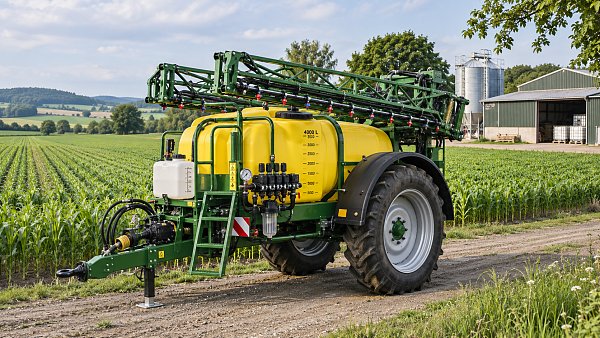
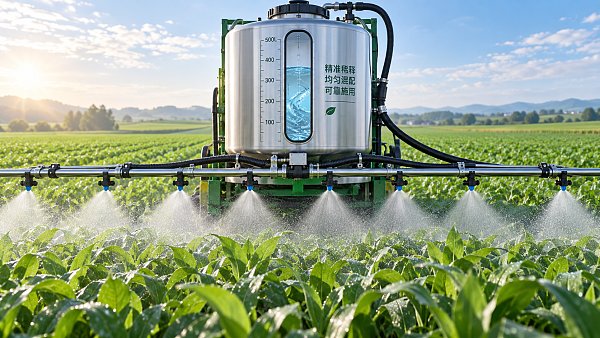
Uneven coverage can leave vigorous shoots beside strongly suppressed ones. Before spraying, check nozzle output, operating pressure, travel speed, agitation, and canopy penetration. In dense crops, wetting the outer foliage does not necessarily mean the intended tissues received an appropriate deposit. More spray volume is not automatically the answer, particularly where runoff changes exposure.
Read the rate expression carefully. A concentration in spray solution is not the same as an amount per treated area, and a drench requires attention to the delivered volume as well as concentration. Changing water volume while retaining the same concentration may change the total amount applied. Never copy a mixing rate from a different formulation or application method.
Adjuvants, water quality, and tank partners can also alter performance. Some formulations have specific requirements for water conditioning or mixing sequence. Do not assume a wetter will improve control, or that compatibility with a pesticide proves crop safety. A jar test can reveal certain physical incompatibilities; it cannot establish biological safety or authorize an unapproved mixture.
Follow product-specific weather restrictions and rainfast guidance. Prevent drift onto neighboring sensitive crops and clean equipment as directed. Wear label-required protective equipment and maintain treatment records. These details matter particularly when one sprayer serves crops with very different sensitivities.
Keep irrigation, nutrition, and pruning working in the same direction
A growth regulator should be one part of canopy management. Review nitrogen inputs using the crop’s nutritional status and an appropriate testing program. Account for nutrients supplied through irrigation water and other inputs rather than considering fertilizer applications in isolation. Avoid making large nutritional changes solely because foliage looks dark or shoots look long.
Irrigation should maintain suitable root-zone moisture without routinely supplying water beyond crop and substrate needs. In container production, differences in drainage or moisture can contribute to uneven treatment response. In field crops, persistent wet zones may explain vigor differences that no uniform spray can resolve neatly.
Pruning needs similar restraint. Severe cutting can stimulate replacement growth in many woody crops, undermining the intended reduction in vigor. Selective removal or positioning of unwanted shoots may preserve useful leaf area better than repeated hard cuts. The appropriate approach depends on the training system, crop load, and need for renewal wood.
Measure success before deciding on another treatment
Mark representative shoots and record extension from a consistent reference point. Compare new internode length, canopy accessibility, and growth uniformity with an untreated area where feasible. Also check for excessive suppression, abnormal foliage, delayed development, and changes in flowering or fruit growth. A compact canopy is not a successful outcome if marketable production suffers.
Keep records of formulation, application date, crop stage, delivered rate, spray or drench volume, weather, and recent irrigation or fertilizer changes. If control is weak, investigate timing and delivery before assuming the dose was insufficient. If growth is too restricted, seek crop-specific advice before attempting a corrective treatment. The next application should be justified by measured new growth and the label—not by a desire to make every plant equally short.
Facing technical bottlenecks in manufacturing or looking for more efficient industrial solutions? Leave your details below and let the engineering experts at FCAS solve them for you.
We respect your privacy. Your information is strictly confidential.
Related News
 Herbicides & Plant Growth RegulatorsChina Pesticide Retail Prices Diverge as Lambda-Cyhalothrin and Glyphosate Lead GainsChina pesticide retail prices diverge as lambda-cyhalothrin and glyphosate lead gains. Explore the implications for buyers, suppliers and procurement.MORE+
 Herbicides & Plant Growth RegulatorsHow to Apply Powder Single Superphosphate for Better Root GrowthDiscover how to apply powder single superphosphate for better root growth, with practical guidance on soil testing, fertilizer rates, safe placement, and application.MORE+
 Herbicides & Plant Growth RegulatorsEnvironmental Groups Urge EPA to Release Paraquat Litigation MaterialsParaquat litigation materials are at the center of a push for EPA disclosure. Explore what environmental groups are requesting and why it matters for the herbicide review.MORE+
 Herbicides & Plant Growth RegulatorsHow to Choose a Reliable Herbicide APIs ManufacturerChoose a reliable herbicide APIs manufacturer with confidence. Discover how to assess quality, compliance, delivered costs and supply reliability.MORE+
 Herbicides & Plant Growth RegulatorsEU Pesticide Reduction Stalls as Binding Targets Are ScrappedEU pesticide reduction is stalling as binding targets are scrapped. Discover what the uncertainty means for sourcing, compliance and supply-chain planning.MORE+
 Herbicides & Plant Growth RegulatorsNAFDAC Seizes Banned Farm Chemicals Worth 200 Million Naira in KanoNAFDAC seizes banned farm chemicals worth 200 million naira in Kano. Discover what the action means for pesticide suppliers, buyers and storage operators.MORE+
 Herbicides & Plant Growth RegulatorsHow Do Herbicide Intermediates Affect Production Yield?Discover how Herbicide Intermediates influence production yield, from impurity control to product recovery, and learn how to evaluate suppliers with confidence.MORE+
 Herbicides & Plant Growth RegulatorsHow to Choose Crop Protection Chemicals for Effective Weed ControlChoose Crop Protection Chemicals with confidence. Discover how to match herbicides to weeds, crop stages, field conditions, and resistance risks for effective control.MORE+
 Herbicides & Plant Growth RegulatorsBayer Launches First Group 12 Pre-Emergence Herbicide Convintro in the USBayer's Convintro brings a Group 12 pre-emergence herbicide option to US corn and soybean growers. Explore its potential role and key purchasing considerations.MORE+
 Herbicides & Plant Growth RegulatorsCalifornia Report Shows Continued Decline in High-Risk Pesticide UseCalifornia pesticide use reportedly declined 28% for carcinogen-classified products. Explore what this could mean for suppliers, buyers and market access.MORE+
 Herbicides & Plant Growth RegulatorsHow to Choose Adjuvant Systems for Herbicide FormulationsChoose Adjuvant Systems that improve herbicide performance without sacrificing crop safety or stability. Explore practical selection and testing strategies.MORE+
 Herbicides & Plant Growth RegulatorsHow to Choose Adjuvant Systems for HerbicidesChoose adjuvant systems for herbicides with confidence. Explore label requirements, compatibility, crop safety, and field testing to make better-informed decisions.MORE+
 Herbicides & Plant Growth RegulatorsReport Forecasts Global Agrochemical Market to Reach $387.7 Billion by 2031Global agrochemical market could reach $387.7 billion by 2031. Explore how technology, regulation and agricultural drones may shape industry decisions.MORE+
 Herbicides & Plant Growth RegulatorsWisconsin DNR Board to Vote on Drafting New Pesticide RulesWisconsin DNR pesticide rules are up for a drafting vote. See what the decision could mean for farmers, suppliers and future compliance.MORE+
 Herbicides & Plant Growth RegulatorsHow Do Herbicide APIs for Formulation Affect Final Product Stability?Discover how herbicide APIs for formulation affect product stability. Learn which impurities, particle properties, and tests matter to reduce storage failures and qualify reliable suppliers.MORE+
 Herbicides & Plant Growth RegulatorsHow Do You Choose Spray Adjuvant Systems for Herbicide Applications?Choose spray adjuvant systems with confidence. Compare surfactants, oils, and water conditioners, check label requirements, and learn how to avoid costly herbicide application mistakes.MORE+
 Herbicides & Plant Growth RegulatorsHow Can Plant Growth Regulators Control Excessive Shoot Growth?Plant Growth Regulators help control excessive shoot growth. Discover how crop-specific selection, timing, and application can improve canopy management without over-suppressing plants.MORE+
 Herbicides & Plant Growth RegulatorsCanadian Coalition Calls for Removal of Bill C-31 Pesticide ProvisionBill C-31 faces calls from a Canadian coalition to remove Section 13 over pesticide oversight concerns. Explore the debate and potential implications for farmers and suppliers.MORE+
 Herbicides & Plant Growth RegulatorsUS EPA Approves Three Controversial New Pesticide Active IngredientsExplore reported US EPA approvals of epyrifenacil, diflufenican and trifludimoxazin. Understand PFAS concerns and discover key checks for pesticide buyers and agricultural suppliers.MORE+
 Herbicides & Plant Growth RegulatorsEnvironmental Groups Sue EPA to Seek Atrazine Water Quality StandardsAtrazine water quality standards are at the center of a reported EPA lawsuit. Explore potential impacts on growers and suppliers, plus practical steps to prepare for possible regulatory changes.MORE+
 Herbicides & Plant Growth RegulatorsUsing Insect Growth Regulators to Protect Stored Grain from InfestationsInsect growth regulators for stored grain: learn how lifecycle control, precise application, sanitation, and residue planning help safeguard quality and market access.MORE+
 Herbicides & Plant Growth RegulatorsSelecting Benzyl Alcohol for Stable Agrochemical FormulationsBenzyl alcohol for agrochemical formulations: discover how to improve solubility, emulsion stability, storage performance, compliance, and supplier qualification.MORE+
 Herbicides & Plant Growth RegulatorsWhat to Verify Before Choosing a Suspoemulsion Pesticides SupplierChoose a reliable suspoemulsion pesticides supplier with confidence. Verify formulation stability, dilution performance, documentation, packaging, batch control, and supply reliability.MORE+
 Herbicides & Plant Growth RegulatorsHow to Assess Quality Risks at a Pesticide Formulation Intermediates FactoryPesticide formulation intermediates factory assessment guide: identify quality risks in raw materials, processes, testing, traceability, and storage.MORE+
 Herbicides & Plant Growth RegulatorsSoluble Concentrates Explained for Reliable Field ApplicationsSoluble Concentrates explained: improve mixing, calibration, water quality, compatibility, and spray coverage for more reliable field applications.MORE+
 Herbicides & Plant Growth RegulatorsHow to Test Wetting Agents for Crop Protection FormulationsHow to test industrial wetting agents for crop protection use? Explore practical checks for leaf coverage, foam, stability, sprayability, and crop safety to select the right formulation additive.MORE+
 Herbicides & Plant Growth RegulatorsWhat Does Water-Dispersible Granules Mean in Crop Protection Formulations?Water dispersible granules meaning explained: discover how WDG crop protection formulations disperse in water, improve handling, and support reliable spray performance.MORE+
 Herbicides & Plant Growth RegulatorsHow Plant Growth Promoters Improve Crop Uniformity and YieldPlant Growth Promoters help improve crop uniformity, root development, stress recovery, and yield potential. Learn how to choose the right product, timing, and application strategy.MORE+
 Herbicides & Plant Growth RegulatorsAre Bioherbicides Ready to Replace Conventional Weed Control in 2026Bioherbicides are gaining ground in 2026, but can they replace conventional weed control? Explore where they truly perform, what limits adoption, and which markets offer the biggest opportunity.MORE+
 Herbicides & Plant Growth RegulatorsHow to Compare Herbicides for Cost, Control, and Crop SafetyHerbicides comparison made practical: learn how to assess true cost per hectare, weed control reliability, crop safety, resistance risk, and supplier quality before you buy.MORE+