How Do You Evaluate a Low Residue Surfactants Supplier for Cleaning?
Select a low residue surfactants supplier on the strength of application test results, production consistency, and the ability to explain what remains after rinsing. A product that removes oil quickly can still leave an organic film, introduce ionic contamination, or interfere with coating adhesion. Approval should therefore require evidence that the proposed grade meets a defined cleanliness requirement under the intended cleaning, rinsing, and drying conditions.
The most useful comparison starts with a shared trial protocol and an agreed acceptance limit. Terms such as “clean rinsing,” “high purity,” and “low residue” have limited purchasing value until the supplier connects them to a test method, concentration, substrate, and rinse procedure.
Define the residue that would cause failure
Residue is not a single property. It can include adsorbed surfactant, retained oil, inorganic salts, formulation additives, or material deposited from rinse water. Each source requires a different response. Changing the surfactant will not solve mineral spotting caused by unsuitable rinse water, while adding rinse time may be ineffective against a strongly adsorbed organic film.
Start with the downstream process. Bonding and coating operations are sensitive to surface contamination that affects wetting or adhesion. Precision assemblies may require control of extractable ions. Parts with narrow passages can retain cleaning solution even when accessible surfaces appear clean. A supplier evaluation becomes more meaningful when the failure mechanism determines the measurements.
Write the requirement in observable terms: acceptable surface residue, extractable contamination, or downstream performance after cleaning. There is no universal residue limit suitable for every application. Set limits using the actual process requirement, an established internal baseline, or validation work that connects contamination to failure.
Make the supplier identify exactly what is being offered
Establish whether the quotation covers a single surfactant, an aqueous dilution, or a formulated cleaning blend. This distinction changes both technical evaluation and price comparison. A blend can contain builders, corrosion inhibitors, solvents, preservatives, or defoamers that contribute to residue independently of the surfactant.
Request the chemical family, active content, supplied form, relevant ionic character, and any intentionally added components that affect rinsing or contamination. Where the full formulation is confidential, application-relevant disclosures and agreed impurity limits can still support qualification. An unexplained trade name provides too little information to assess compatibility or manage later changes.
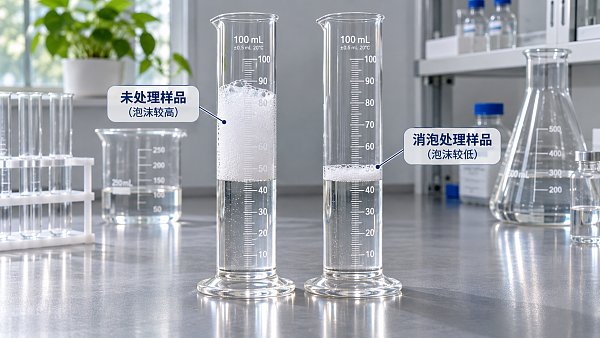
Several specification items require careful interpretation. Low foam supports spray cleaning and circulation, but does not demonstrate low surface residue. Strong wetting shows that a solution spreads effectively; it does not establish that the surfactant desorbs during rinsing. High active content reduces the amount of carrier purchased, while saying little about the cleanliness of the finished surface.
For nonionic grades, cloud point also needs context. Temperature, concentration, and other formulation ingredients influence phase behavior. A product selected from room-temperature data may behave differently in a heated cleaning bath. Ask for results under the intended operating conditions rather than relying on a single catalog value.
Choose measurements that answer different questions
A credible supplier should explain what its residue data measures and what it leaves unresolved. Combining complementary methods is often more useful than demanding one impressive number.
Low conductivity alone is insufficient evidence of low surfactant residue. A nonionic film can remain without producing a strong conductivity response. Likewise, a visually spotless surface can retain contamination below the threshold of visual detection.
For every reported result, request the sample preparation, dilution, extraction procedure, reporting units, blank correction, and detection or quantification limit. “Not detected” only means that the method did not detect the substance above its stated capability. Results from different extraction volumes or surface areas cannot be compared directly without normalization.
Use a trial that separates cleaning from rinsing
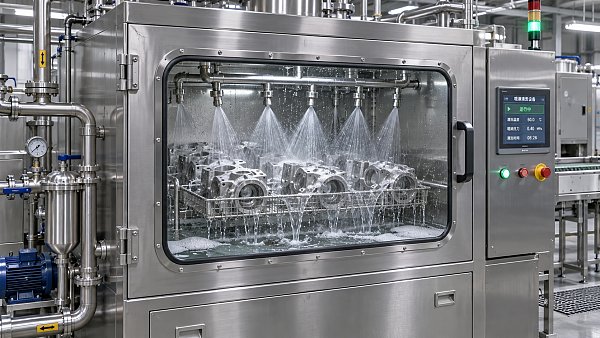
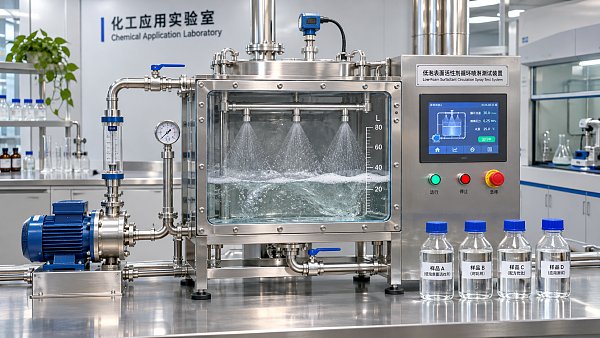
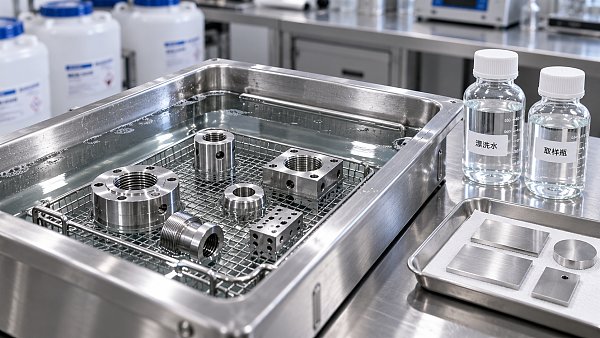
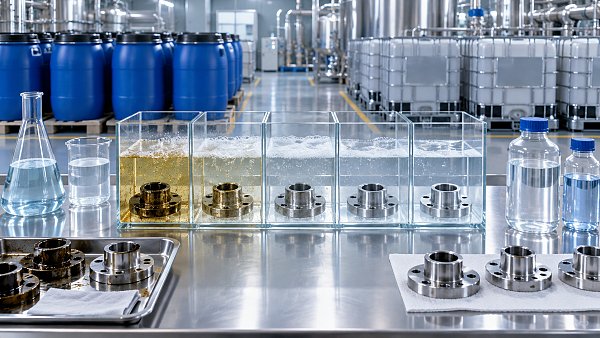
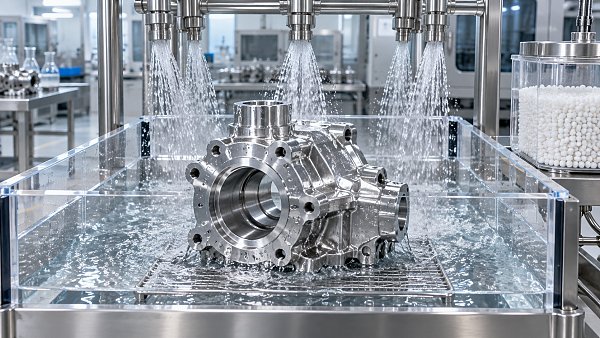
The first trial should compare candidates under the same conditions. Use representative substrates and soils, including the actual machining fluid, polishing compound, grease, or process contamination where available. Freshly applied laboratory oil can be easier to remove than aged or heat-exposed production soil.
Document the conditions that most strongly affect the outcome:
- Working concentration, stating whether it is based on product as supplied or active surfactant.
- Cleaning temperature, contact time, and mechanical action, including spray, immersion, agitation, or ultrasonics.
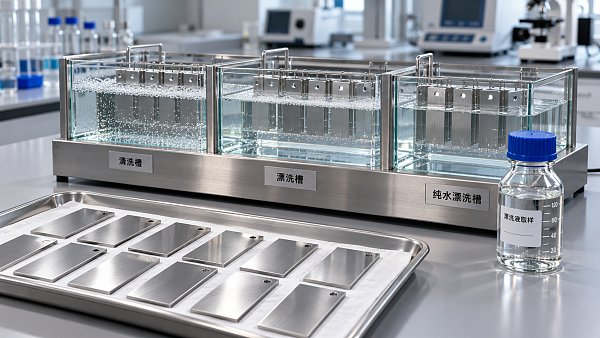
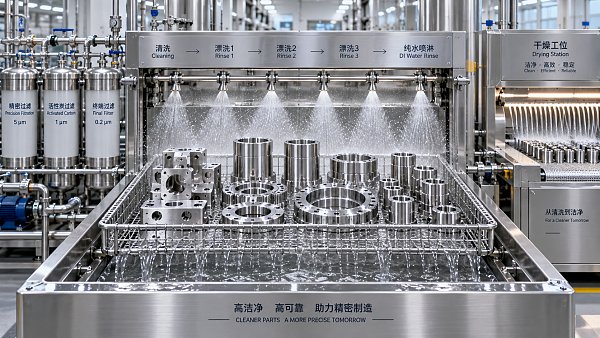
- Rinse water quality and the actual rinse sequence. Record flow or volume, temperature, drainage time, and whether water is reused.
- Drying conditions and the interval before measurement, since retained liquid and handling contamination can alter results.
Include an uncleaned reference, the current cleaning process where one exists, and a process blank suitable for the test. Clean witness coupons processed alongside soiled parts help reveal contamination deposited by the cleaning system itself. Keep handling and storage consistent so that fingerprints, packaging, or airborne contamination do not obscure the comparison.
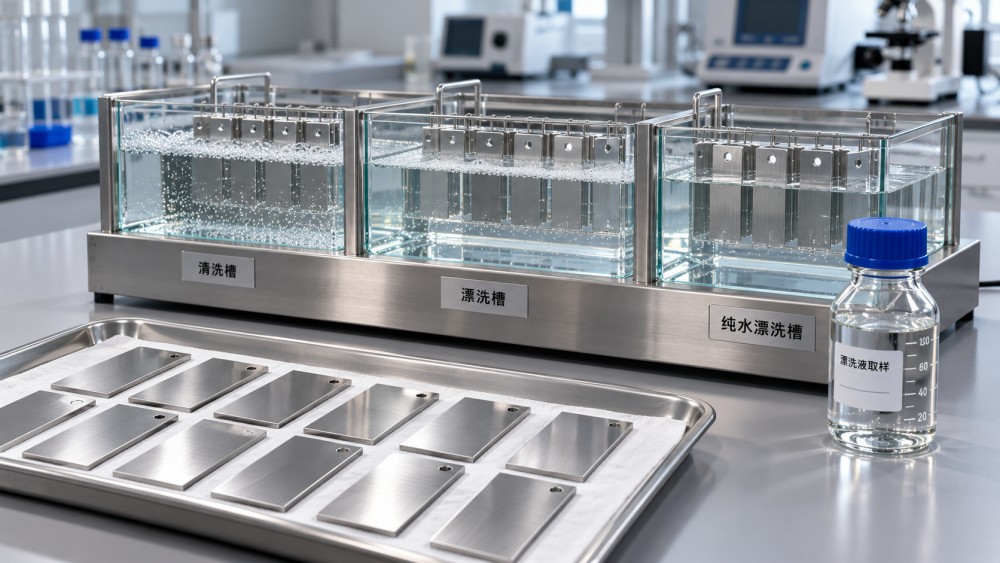
Measure soil removal and residual contamination separately. Otherwise, a candidate can appear to rinse clean simply because it removed little soil, or appear to leave surfactant residue when the remaining film is actually oil. Where the distinction affects selection, targeted analysis of the residue is more useful than repeating a general cleanliness measurement.
After the controlled comparison, allow each supplier to propose an optimized operating condition. This reveals whether a candidate needs a higher dose, hotter bath, or longer rinse to deliver acceptable results. Keep these optimized results separate from the initial comparison so that performance differences remain traceable.
Include the conditions most likely to expose a weak grade
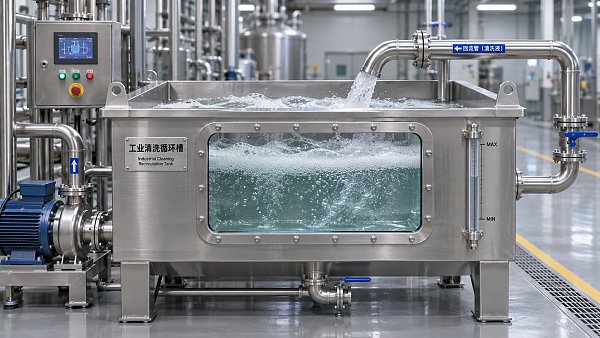
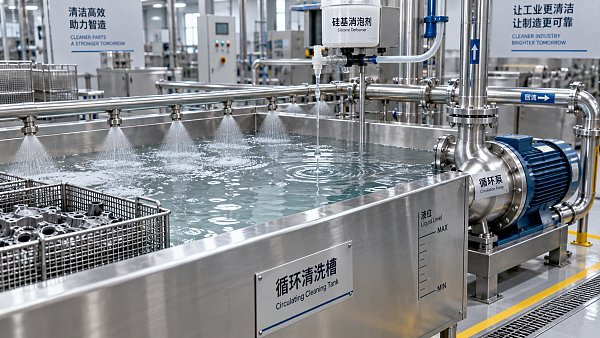
A fresh bath and flat coupon provide a useful starting point, but production introduces soil loading, drag-out, restricted drainage, and variable water quality. Extend the trial to representative recesses, joints, or internal passages. Test a realistically loaded bath as well as fresh solution, because accumulated oil and dissolved material can change cleaning and rinse behavior.
Establish an operating window rather than one successful setting. Modest variations in concentration, temperature, and rinse availability should not immediately produce unacceptable residue. A narrow window increases the burden on process control and makes supplier consistency more consequential.
Verify compatibility after the surface dries
Residue performance must be assessed alongside material compatibility. Aluminum, copper alloys, stainless steel, coated surfaces, elastomers, and engineering plastics respond differently to cleaning chemistry. The complete formulation matters: pH, builders, solvents, and inhibitors can dominate the effect even when the surfactant itself is suitable.
Evaluate discoloration, corrosion, etching, swelling, and changes in surface finish under the proposed exposure conditions. Include any drying or hold period that occurs before the next operation. A surface that looks acceptable immediately after rinsing can develop staining during storage.
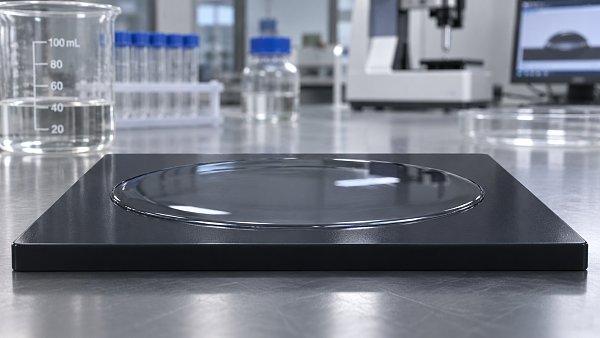
For bonded or coated components, carry cleaned samples through the actual downstream process. Contact-angle results alone cannot establish bond reliability. Where corrosion protection is necessary, define whether a protective film is acceptable and whether it must be removed later. A residue-free requirement and a persistent inhibitor film can create conflicting objectives.
Look for batch evidence and enforceable change control
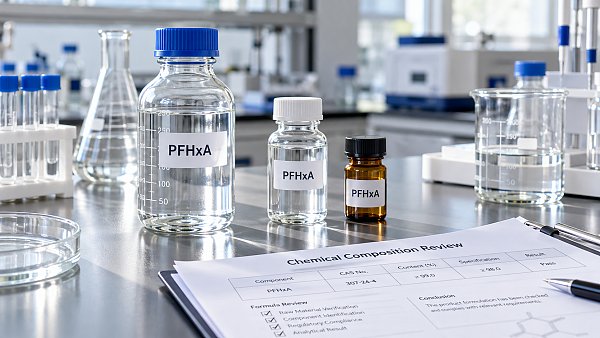
A successful sample qualifies that sample. Confidence in routine supply requires evidence that production batches remain within relevant limits. Request certificates of analysis from multiple recent lots, with sensitive commercial details removed if necessary, and distinguish measured results from statements such as “passes” or “conforms.”
The release specification should cover properties that influence the validated process. Depending on the chemistry, these could include active content, water content, pH under a defined dilution, cloud point, inorganic impurities, or a relevant residue measurement. Not every property needs routine release testing, but the supplier should explain how critical characteristics are controlled.
Agree how sampling, retained samples, complaints, and investigations are handled. A technical contact should be able to connect a lot number to production records and explain an unexpected result. Repeatedly attributing failures to application conditions without examining batch evidence is a reason to delay approval.
Written change notification should address changes capable of affecting qualification, such as raw material source, manufacturing site, process route, additive package, or packaging contact materials. The agreement should provide time to assess the change before affected material enters the process. An unchanged product name does not establish unchanged performance.
Compare the cost of an accepted cleaning result
Normalize quotations for active content, then calculate consumption at the validated working concentration. Include bath life, replenishment, rinse water, heating, drying, and the treatment burden associated with the process. A lower unit price loses its advantage if acceptable cleanliness requires substantially more chemical or additional rinsing.
Use trial observations to estimate rework and rejected-part exposure; avoid assigning savings to unsupported performance claims. If two grades meet the same limits, the one with a wider operating window may justify a higher price through simpler process control. That judgment requires evidence from the trial.
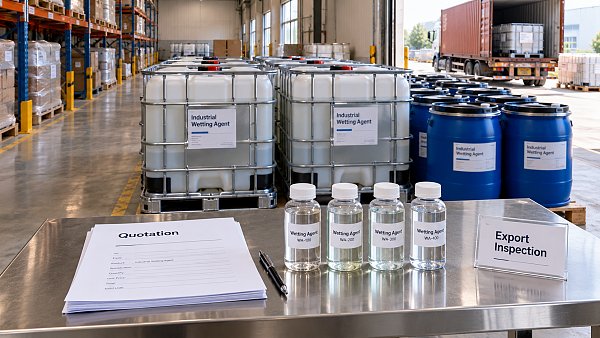
Supply terms also affect qualification. Confirm production lead time, minimum order quantity, shelf life, storage conditions, and handling instructions after temperature excursions. Where freezing or separation is relevant, obtain a defined recovery procedure and acceptance criteria. Packaging cleanliness deserves explicit attention when contamination limits are stringent.
Approve routine supply only when the material specification, trial results, lot traceability, and change-notification terms form a consistent record. If a required measurement remains unresolved, use a limited production release with defined acceptance criteria and retained samples. Expansion should follow demonstrated performance under normal operating conditions.
Facing technical bottlenecks in manufacturing or looking for more efficient industrial solutions? Leave your details below and let the engineering experts at FCAS solve them for you.
We respect your privacy. Your information is strictly confidential.
Related News
 Non-ionic Surfactants & DefoamersHow Do Low Foam Ethoxylated Surfactants Perform in Cleaning?Discover how low foam ethoxylated surfactants balance cleaning power and foam control, and learn what to test before selecting one for your process.MORE+
 Non-ionic Surfactants & DefoamersChoosing Low Residue Surfactants for Hard Surface CleaningLow residue surfactants for hard surface cleaning: discover how to compare cleaning performance, rinseability, residue testing, and total cost.MORE+
 Non-ionic Surfactants & DefoamersEPA Adopts Human Airway Tissue Method for Surfactant Inhalation Risk AssessmentEPA surfactant inhalation risk assessment may use human airway tissue. Explore potential impacts for industrial cleaners and the details still to verify.MORE+
 Non-ionic Surfactants & DefoamersWhy Do Low Foam Linear Alcohol Ethoxylates Still Cause Foam?Why do low foam linear alcohol ethoxylates still foam? Discover common causes and practical troubleshooting tips to restore consistent performance.MORE+
 Non-ionic Surfactants & DefoamersHow to Measure Foam Control Efficiency in Cleaning DefoamersMeasure cleaning defoamers foam control efficiency with practical tests, dose-response analysis, and plant trials to find the right solution for your process.MORE+
 Non-ionic Surfactants & DefoamersWhat to Check Before Choosing a Low Foaming Surfactants FactoryChoosing a low foaming surfactants factory? Discover how to assess foam performance, quality controls, documentation, supply reliability, and true working costs.MORE+
 Non-ionic Surfactants & DefoamersHow Non Ionic Wetting Agents Improve Surface CoverageDiscover how non ionic wetting agents improve surface coverage in coatings, cleaning, and sprays, and learn how to select and test the right formulation.MORE+
 Non-ionic Surfactants & DefoamersDo Industrial Dispersants Require Special Handling During Transport?Do industrial dispersants require special handling during transport? Discover how to protect product quality, meet shipping rules, and prevent costly delays.MORE+
 Non-ionic Surfactants & DefoamersCalifornia OEHHA Proposes Proposition 65 Cancer Listing for PFHxA and Its SaltsPFHxA and its salts face a proposed California Proposition 65 cancer listing. Explore what the OEHHA notice could mean for suppliers and compliance.MORE+
 Non-ionic Surfactants & DefoamersWhat Should a Quote From an Industrial Wetting Agents Exporter Include?Choosing an industrial wetting agents exporter? Learn what a complete quote should include, from product specs and active content to shipping terms, compliance, and true landed costs.MORE+
 Non-ionic Surfactants & DefoamersBASF Starts Up Expanded APG Production in Cincinnati to Serve North American DemandBASF expands APG production in Cincinnati to meet North American demand. Explore how added capacity supports local supply of bio-based, biodegradable surfactants.MORE+
 Non-ionic Surfactants & DefoamersWhat Should You Check When Buying Low-Residue Surfactants in Bulk?Buying low residue surfactants wholesale? Learn how to verify residue claims, assess batch consistency, and compare total costs before your next bulk order.MORE+
 Non-ionic Surfactants & DefoamersBASF Raises Bid for Evonik to €24 a ShareBASF raises its Evonik takeover bid to €24 a share, valuing the offer above €11 billion. Explore the revised terms, German plant pledges and employment guarantees.MORE+
 Non-ionic Surfactants & DefoamersWhen Do High Spreading Adjuvant Systems Improve Leaf Coverage?Discover when high spreading adjuvant systems improve leaf coverage on waxy foliage, and learn how to balance wetting, retention, compatibility, and crop safety for better spray performance.MORE+
 Non-ionic Surfactants & DefoamersHow Do You Evaluate a Low Residue Surfactants Supplier for Cleaning?Evaluate a low residue surfactants supplier with proven residue tests, batch consistency, and rinse performance. Learn how to reduce cleaning risks and choose with confidence.MORE+
 Non-ionic Surfactants & DefoamersHow Do Tank Mix Adjuvant Systems Affect Herbicide Spray Performance?Explore how tank mix adjuvant systems affect herbicide coverage, drift, and uptake. Get practical tips to check compatibility, choose additives, and improve spray performance.MORE+
 Non-ionic Surfactants & DefoamersHow Does Ethoxylation Affect Octylphenol Ethoxylates as Emulsifiers?Choosing an octylphenol ethoxylates emulsifier? Discover how ethoxylation affects HLB, cloud point, and stability to select the right grade for your formulation.MORE+
 Non-ionic Surfactants & DefoamersWhen Do Industrial Wetting Agents Improve Pesticide Spray Coverage?Do industrial wetting agents improve pesticide spray coverage? Discover when they help, how to test retention and compatibility, and what to check for crop safety before selecting an adjuvant.MORE+
 Non-ionic Surfactants & DefoamersHow Do Amine Oxides Affect Foam Stability in Cleaning Formulations?Amine Oxides can enhance foam stability in cleaning formulations. Discover how surfactant blends, pH, and soil affect performance—and learn to balance lasting foam with easy rinsing.MORE+
 Non-ionic Surfactants & DefoamersHow to Choose Linear Alcohol Ethoxylates for Textile WettingChoose linear alcohol ethoxylates for textile wetting with confidence. Compare penetration, foam, and bath compatibility to improve uniformity and find the right grade for your process.MORE+
 Non-ionic Surfactants & DefoamersHow Do You Choose Low Foam Linear Alcohol Ethoxylates for Cleaning?Choose low foam linear alcohol ethoxylates with confidence. Discover how cloud point, foam testing, and rinseability help you achieve reliable cleaning and stable equipment performance.MORE+
 Non-ionic Surfactants & DefoamersHow to Choose Non Ionic Low Foaming Surfactants for CIP CleaningNon ionic low foaming surfactants for CIP cleaning: learn how to balance wetting, foam control, compatibility, and rinseability for reliable cleaning performance.MORE+
 Non-ionic Surfactants & DefoamersWhat Cationic Surfactants Do and Where They Are UsedCationic Surfactants deliver antimicrobial action, conditioning, antistatic control, and surface treatment benefits. Explore key uses, compatibility, and safe selection tips.MORE+
 Non-ionic Surfactants & DefoamersChoosing Defoamers for Agrochemical Formulations Without Reducing EfficacyDefoamers for agrochemical formulations: learn how to control foam while protecting stability, spray performance, and active ingredient efficacy.MORE+
 Non-ionic Surfactants & DefoamersWhy Mild Cocamidopropyl Betaine Matters in Gentle Cleansing FormulasMild cocamidopropyl betaine helps create gentler cleansers with creamy foam, balanced viscosity, and improved surfactant compatibility. Explore its formulation benefits.MORE+
 Non-ionic Surfactants & DefoamersHow to Compare Alkyl Polyglucosides for High-Performance CleanersAlkyl Polyglucosides guide: compare APG grades for wetting, grease removal, foam control, stability, and substrate safety in high-performance cleaners.MORE+
 Non-ionic Surfactants & DefoamersHow Low Residue Wet Cleaning Agents Improve Precision Cleaning ResultsLow residue wet cleaning agents improve precision cleaning with better wetting, efficient rinsing, reduced films, and reliable results for sensitive surfaces.MORE+
 Non-ionic Surfactants & DefoamersHow to Compare Degreasing Surfactants Bulk Price and PerformanceCompare degreasing surfactants bulk price beyond cost per kg. Evaluate dosage, foam, rinse quality, compatibility, and supplier reliability to choose the best-value cleaner.MORE+
 Non-ionic Surfactants & DefoamersWhy Silicone Cleaning Defoamers Prevent Foam-Related Production DelaysSilicone cleaning defoamers prevent foam-related production delays by stabilizing cleaning systems, improving pump performance, and protecting process efficiency.MORE+
 Non-ionic Surfactants & DefoamersHow Non Ionic Intermediates Improve Pesticide Formulation StabilityDiscover how non ionic pesticide formulation intermediates enhance emulsion stability, wetting, hard-water tolerance, and storage performance in crop protection products.MORE+
 Non-ionic Surfactants & DefoamersHow to Choose Low Foam Cleaning Auxiliaries for CIP SystemsLow foam cleaning auxiliaries for CIP systems: learn how to balance foam control, wetting, soil removal, compatibility, and rinseability for reliable cleaning results.MORE+
 Non-ionic Surfactants & DefoamersWhen Silicone Free Industrial Defoaming Agents Solve Process FoamSilicone free industrial defoaming agents control persistent process foam while protecting coating quality, cleaning performance, and downstream compatibility. Explore smarter selection.MORE+
 Non-ionic Surfactants & DefoamersDo Industrial Dispersants Require Special Transport Handling?Do industrial dispersants require special handling during transport? Learn how SDS classification, packaging, temperature control, and freight modes determine safe, compliant delivery.MORE+
 Non-ionic Surfactants & DefoamersAre Cleaning Defoamers Compatible With Acidic Cleaning Solutions?Are cleaning defoamers compatible with acidic cleaning solutions? Discover how to select acid-stable, low-residue defoamers for reliable foam control, cleaner rinsing, and safer industrial performance.MORE+
 Non-ionic Surfactants & DefoamersDo Detergent Builders Improve Cleaning Efficiency in Cold Water?Do detergent builders increase cleaning efficiency in cold water? Discover how they control hardness, reduce redeposition, and optimize cold-water detergent performance.MORE+
 Non-ionic Surfactants & DefoamersHow to Choose Industrial Dispersants for Water-Based CoatingsHow to choose industrial dispersants for water-based coatings? Explore pigment, binder, milling, rheology, VOC, and stability factors for smarter formulation decisions.MORE+
 Non-ionic Surfactants & DefoamersLow-Foaming Nonionic Surfactants for CIP Cleaning: Selection by Soil LoadLow foaming nonionic surfactants for CIP cleaning: learn how to match wetting, emulsification, temperature stability, and rinseability to light, heavy, protein, and mixed soil loads.MORE+
 Non-ionic Surfactants & DefoamersWhat Are Octylphenol Ethoxylates and Where Are They RestrictedOctylphenol Ethoxylates explained: explore their uses, environmental risks, global restrictions, compliance challenges, and practical replacement strategies.MORE+
 Non-ionic Surfactants & DefoamersAre Octylphenol Ethoxylates Still Suitable for Industrial CleanersExplore whether octylphenol ethoxylates for industrial cleaners still deliver reliable performance amid evolving regulations, wastewater demands, and safer formulation alternatives.MORE+
 Non-ionic Surfactants & DefoamersHow Ethoxylated Surfactants Improve Wetting and Cleaning in Textile ProcessingDiscover how ethoxylated surfactants for textile processing enhance wetting, oil removal, foam control, and rinse performance for reliable fabric quality.MORE+