What Are Cationic Surfactants and Where Are They Commonly Used?
Cationic surfactants are valued for their positively charged molecular structure, which enables strong adsorption to negatively charged surfaces and supports antimicrobial control, antistatic performance, conditioning, and surface modification.
For technical evaluators, the central question is rarely whether a cationic surfactant works. It is whether its charge behavior, formulation compatibility, safety profile, and residual effects fit the intended application.
They are especially relevant where durable surface attachment matters more than detergency alone, including disinfection, fabric conditioning, hair care, corrosion-related treatment, coatings, and industrial surface preparation.
Why Positive Charge Changes Application Performance
Cationic surfactants contain a hydrophobic tail and a positively charged hydrophilic head group. In water, the positive charge remains associated with the molecule and governs how it interacts with surfaces.
Many commonly encountered substrates, including cotton fibers, hair, skin, mineral particles, glass, and microbial cell membranes, develop a net negative charge under typical processing conditions.
This opposite-charge attraction allows cationic surfactants to adsorb efficiently. The resulting surface film can provide conditioning, reduced static electricity, antimicrobial activity, lubrication, water repellency, or altered wettability.
Unlike anionic surfactants, which are widely selected for foam and soil removal, cationic surfactants are usually chosen when deposition, surface affinity, or biological membrane interaction is the primary requirement.
Common chemical classes include quaternary ammonium compounds, ester quats, amine oxides under certain conditions, imidazolinium derivatives, and fatty amines that become cationic after protonation with acid.
Quaternary ammonium compounds, often called quats, carry a permanent positive charge. Their performance is therefore less dependent on formulation pH than protonated amines, although pH still affects practical system behavior.
Fatty amines are conditionally cationic. They generally require acidic conditions to form positively charged ammonium species, making pH control a fundamental part of evaluating their performance.
Technical selection should begin with the required surface effect. A cationic ingredient should not be specified merely because it is labeled antimicrobial, antistatic, softening, or conditioning.
Where Cationic Surfactants Deliver the Most Value
Disinfectants and sanitizing formulations are among the best-known uses of cationic surfactants. Quaternary ammonium compounds can disrupt microbial cell membranes and support broad antimicrobial control under defined conditions.
In institutional cleaning, they may be used on hard surfaces in healthcare, food handling support areas, hospitality, transportation, and commercial facilities where cleaning and disinfection functions are combined.
However, antimicrobial claims depend on the active substance, concentration, contact time, target organism, water quality, soil loading, and applicable local regulatory approvals.
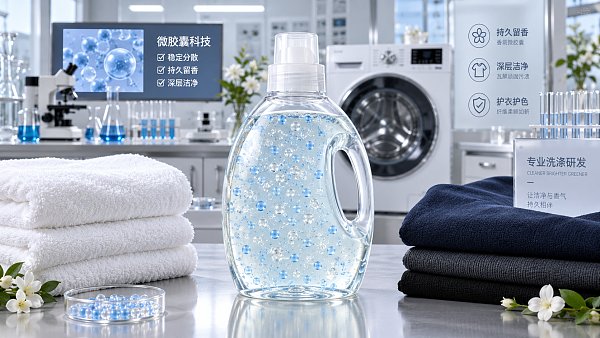
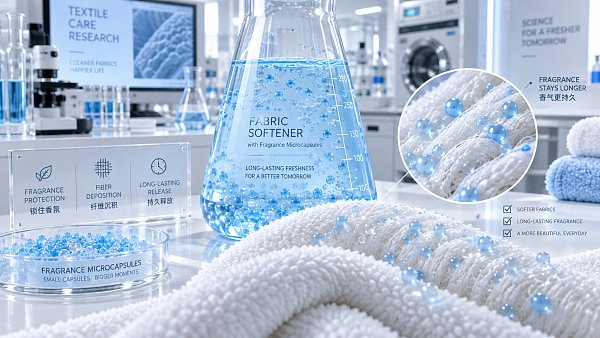
In textile processing, cationic surfactants are commonly used as softeners, antistatic agents, lubricants, dyeing auxiliaries, and fiber-treatment materials. Their affinity for negatively charged fibers supports durable deposition.
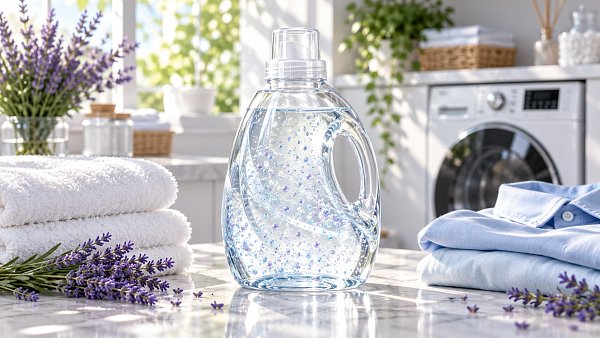
Fabric softeners often use ester quats because they offer softness and antistatic effects while allowing formulators to address biodegradability expectations more effectively than with certain older chemistries.
Personal care applications use cationic surfactants and polymers in hair conditioners, shampoos, creams, and specialty treatments. They improve combability, reduce friction, control flyaway, and create a smoother sensory profile.
Hair is particularly responsive because damaged hair carries more negative charge. Cationic conditioning ingredients can deposit preferentially on damaged areas, although excessive deposition may create buildup or reduce volume.
Industrial applications include metal treatment, corrosion inhibition systems, pigment processing, antistatic coatings, asphalt additives, flotation processes, and selected oilfield, mining, and paper-processing operations.
Antimicrobial Use Requires a More Careful Evaluation
Technical evaluators should distinguish between a surfactant’s inherent membrane activity and a finished product’s validated antimicrobial performance. These are related, but they are not interchangeable claims.
Cationic surfactants can interact with negatively charged microbial membranes, increasing membrane permeability and causing leakage of essential cellular components. This mechanism supports their role in many disinfectant systems.
Performance may fall substantially in the presence of heavy organic soil, high microbial loading, unsuitable dilution water, or incompatible detergent residues. Laboratory results must therefore reflect realistic use conditions.
Anionic surfactant residues are a particularly important concern. They can form ion pairs with cationic active ingredients, reducing available concentration and weakening antimicrobial or deposition performance.
For surface disinfection, the intended substrate also matters. Porous materials, rough surfaces, food-contact areas, coated metals, and sensitive plastics may need separate compatibility and efficacy assessment.
Regulatory status should be checked before commercial development or sourcing. Biocidal and disinfectant products are commonly controlled by jurisdiction-specific registration, labeling, efficacy, and data requirements.
Technical teams should request active assay methods, microbiological test standards, use-dilution instructions, contact-time data, stability information, and compatibility evidence rather than relying on generic product descriptions.
A raw material that performs well in a benchmark test may still be unsuitable if the final formulation cannot maintain active availability, acceptable odor, surface safety, or compliant labeling.
Compatibility Is Often the Main Formulation Constraint
The most important formulation rule is straightforward: cationic surfactants are frequently incompatible with anionic surfactants, anionic polymers, and negatively charged dispersions.
When oppositely charged materials are combined, they may form insoluble complexes, create haze, destabilize emulsions, reduce foam, lower antimicrobial activity, or cause viscosity changes during storage.
This does not mean cationic and anionic ingredients can never coexist. It means the combination requires deliberate formulation design, controlled ratios, sequencing, and validation under realistic production conditions.
Nonionic surfactants are often more compatible and can assist solubilization, wetting, or cleaning. Yet they may still alter deposition behavior, micelle structure, cloud point, foam, and active availability.
Amphoteric surfactants can provide useful flexibility, especially in personal care and mild cleaning products. Their charge state changes with pH, so compatibility must be assessed across the full product range.
Water hardness can also influence results. Calcium and magnesium ions may affect solution clarity, soil removal, preservative behavior, and interactions with other formulation components.
For emulsions and dispersions, evaluators should examine zeta potential, particle size, viscosity, centrifuge stability, freeze-thaw response, and storage behavior at elevated temperatures.
Packaging is another overlooked factor. Cationic materials may adsorb onto certain plastics, react with additives, or change viscosity over time, particularly in concentrated products or high-temperature storage.
How pH, Chain Length, and Structure Influence Selection
The molecular structure of a cationic surfactant determines more than charge. Hydrophobic chain length, number of alkyl groups, counterion, molecular architecture, and degree of unsaturation all influence practical performance.
Longer hydrophobic chains may improve adsorption and membrane interaction, but they can reduce water solubility and complicate handling. They may also increase sensitivity to formulation temperature and dilution conditions.
Shorter-chain structures can improve solubility and ease of blending, although they may deposit less strongly or deliver weaker softening, antimicrobial, or hydrophobic surface effects.
For protonated amines, pH is a performance lever. Below the relevant pKa range, the molecule becomes more cationic; at higher pH, charge density and water dispersibility can decline.
Ester quats are widely considered for fabric conditioning because their ester linkages can improve environmental degradation characteristics. Their hydrolysis sensitivity, however, must be evaluated under actual pH and storage conditions.
Dialkyl dimethyl ammonium compounds are often selected where strong adsorption and antimicrobial activity are required. Their handling, residual effect, surface compatibility, and regulatory position should be assessed carefully.
Counterions such as chloride, methyl sulfate, or other anions can influence physical form, solubility, conductivity, corrosivity, and supplier-specific processing behavior. They should appear clearly in product specifications.
Instead of selecting only by chemical family, compare materials using application-relevant performance indicators. These may include deposition efficiency, surface resistivity, microbial reduction, wet-comb force, foam, or rinse residue.
Common Applications Beyond Cleaning and Conditioning
In coatings and inks, cationic surfactants may support pigment wetting, substrate adhesion, static control, or surface modification. Their suitability depends heavily on resin type and pigment surface treatment.
Some mineral fillers and pigments carry negative surface charge, allowing cationic compounds to adsorb strongly. This can improve certain interactions but may also cause unwanted flocculation or viscosity increase.
Paper and pulp operations use cationic materials in retention systems, drainage aids, strength additives, and deposition control. These uses often involve polymers rather than low-molecular-weight surfactants alone.
In water treatment and mineral processing, cationic surfactants can serve as flotation collectors or surface modifiers. Their selective adsorption behavior can help separate particles with different surface properties.
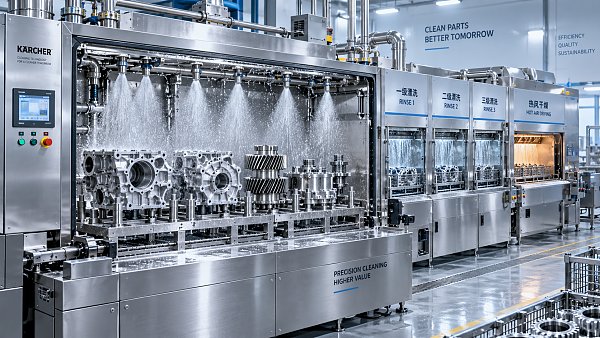
Metalworking and industrial maintenance formulations may use cationic components for corrosion inhibition, antistatic effects, biocidal support, or improved surface interaction on treated equipment.
In asphalt and construction chemistry, cationic emulsifiers can promote adhesion between asphalt binders and mineral aggregates. Aggregate chemistry and moisture conditions are central to evaluating this function.
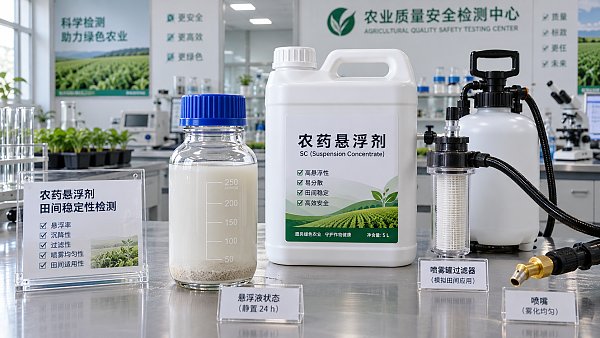
Agricultural formulation developers may encounter cationic materials in specialty adjuvants, seed-treatment systems, or antimicrobial applications. Crop safety and compatibility with actives require cautious formulation screening.
Because cationic substances can bind strongly to surfaces and biological materials, applications involving food, feed, crops, or direct human contact demand particularly rigorous toxicological and regulatory review.
What Technical Evaluators Should Ask Suppliers
A productive supplier evaluation begins with a precise use case. Identify the substrate, target effect, formulation type, process temperature, water quality, dosage range, and expected storage period.
Request the technical data sheet, safety data sheet, certificate of analysis, assay range, solvent or carrier composition, pH, color, odor, density, viscosity, and recommended storage conditions.
For active cationic materials, verify the exact active matter rather than only the commercial product concentration. Similar-looking products can have materially different active content and performance economics.
Ask whether the product contains free amines, residual solvents, formaldehyde donors, preservatives, or impurities that could affect odor, toxicology, corrosion, stability, or regulatory acceptance.
Batch consistency is essential for industrial scale-up. Review historical assay variation, physical appearance controls, microbial quality where relevant, and change-management procedures for feedstocks or manufacturing sites.
Evaluate transportation classification, low-temperature behavior, flammability, packaging compatibility, shelf life, and the availability of regional warehousing. These factors can alter delivered cost and operational reliability.
For antimicrobial applications, confirm that supplier documentation supports the intended market and claim. Raw-material status does not automatically authorize finished-product antimicrobial marketing in every region.
Finally, compare suppliers using application testing rather than price alone. A lower-cost material can become more expensive when it requires higher dosage, causes instability, or produces inconsistent surface performance.
A Practical Screening Protocol for New Formulations
Begin with a small formulation matrix that changes one major variable at a time. Test the cationic surfactant at realistic use levels alongside the target solvents, polymers, salts, and additives.
Check immediate appearance after mixing, then repeat after twenty-four hours, one week, and accelerated storage. Record haze, sediment, phase separation, viscosity drift, odor change, and color development.
Measure the performance that matters to the end use. For conditioners, this may include wet-comb force and static reduction; for cleaners, it may include antimicrobial efficacy and residue control.
Test across the relevant pH range rather than at a single nominal pH. Small pH shifts can materially change protonation, viscosity, stability, deposition, and compatibility with amphoteric ingredients.
Use both deionized water and representative process water when water quality may vary. Hardness, alkalinity, chloride content, and organic contamination can reveal problems hidden in ideal laboratory water.
Include representative substrates in screening. Test actual fabric, hair tresses, coated metal, plastic, glass, pigment, or mineral surfaces instead of drawing conclusions from solution properties alone.
For products with antimicrobial functions, validate standardized efficacy with appropriate laboratory methods. Internal screening can guide development but should not replace accredited testing required for formal claims.
Document mixing order and shear conditions. Cationic surfactant systems can be sensitive to dilution sequence, temperature, and local concentration gradients, especially when polymers or emulsions are present.
Conclusion: Choose Cationic Surfactants for Surface Affinity, Not as Generic Additives
Cationic surfactants are specialized functional ingredients whose positive charge enables strong interaction with negatively charged surfaces. Their most valuable roles involve deposition, conditioning, antimicrobial control, antistatic performance, and surface modification.
They are commonly used in disinfectants, fabric softeners, hair conditioners, textile treatments, coatings, mineral processing, paper systems, metalworking fluids, and selected agricultural or construction formulations.
For technical evaluators, compatibility is often the deciding factor. Interactions with anionic surfactants, polymers, dispersions, process water, packaging, and target substrates must be assessed before scale-up.
The strongest sourcing decision combines structural understanding with application testing. Review charge behavior, active content, pH dependence, regulatory status, safety documentation, stability data, and supplier consistency together.
When these factors are aligned, cationic surfactants can provide performance that conventional detergents or nonionic additives cannot easily deliver. When they are poorly matched, formulation instability and ineffective deposition are likely.