U.S. Health Aide’s Exit Raises Deregulation Hopes for Korean Food Exporters
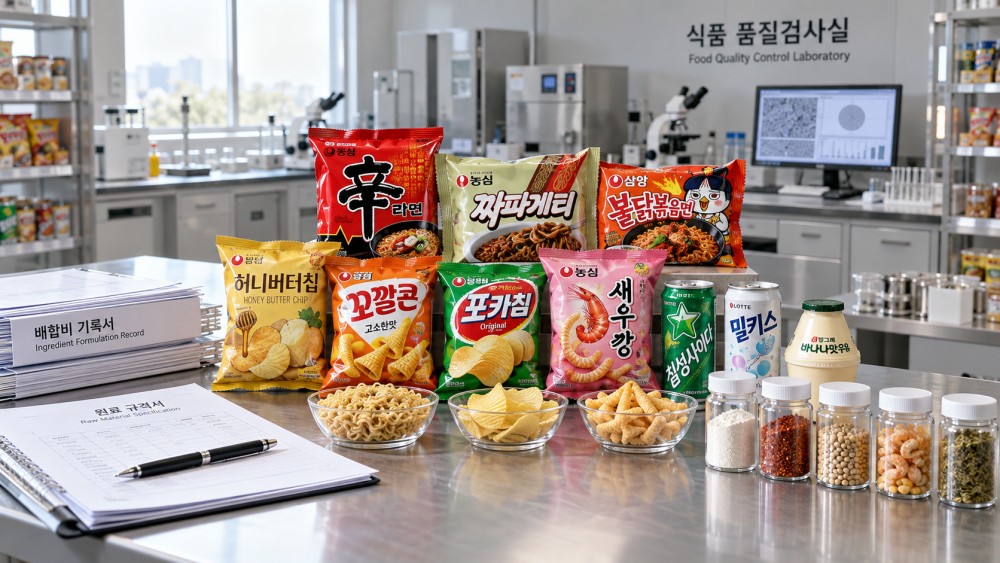
The resignation of a key U.S. health aide who supported strict regulation of ultra-processed foods (UPF) has raised hopes of deregulation among Korean food exporters, although the timing of the departure was not specified in the supplied information. With the proposed U.S. federal definition of UPF still delayed and the policy direction on food additives uncertain, the development deserves attention from exporters, food manufacturers and ingredient suppliers assessing future compliance needs.
A departure changes expectations while policy questions remain
The departing aide advocated strict regulation of ultra-processed foods. The resignation has encouraged deregulation hopes within the Korean food industry, but Korean exporters remain cautious because the U.S. policy path for UPF definitions and food additives remains uncertain.
The development follows continuing delays in the U.S. federal government's proposed definition of ultra-processed foods. According to the supplied summary, those delays affect global compliance strategies for food ingredients and additives.
Uncertainty reaches beyond finished food exports
Export planning depends on more than the personnel change
From an industry perspective, Korean exporters may need to distinguish expectations of a lighter regulatory approach from evidence of an actual rule change. Decisions about products intended for the U.S. market could depend on how a future UPF definition is framed and whether the policy direction on additives changes. The supplied information does not establish that any compliance obligation has been relaxed.
Formulation decisions may remain difficult to settle
Analysis suggests that food manufacturers and ingredient procurement teams could face continued uncertainty when assessing whether to retain existing formulations or investigate alternatives. A clearer UPF definition could influence those assessments, while additive policy may raise separate questions. Procurement teams could therefore benefit from reviewing ingredient specifications and supplier information before committing to changes based on deregulation expectations.
Buyers and suppliers may need a shared basis for decisions
For buyers and supply-chain partners, a possible business implication is a gap between commercial expectations and verified regulatory developments. Discussions about product acceptance, ingredient substitutions or delivery commitments could become harder if participants assume different policy outcomes. As a practical precaution, those discussions could identify which conditions reflect confirmed requirements and which remain planning assumptions.
Practical preparation while definitions remain unsettled
Look for a documented policy change
As a compliance recommendation, exporters should monitor subsequent official statements and proposed or finalized policy texts concerning both UPF definitions and food additives. The resignation alone provides no basis in the supplied information for concluding that a definition has been withdrawn, an additive restriction has changed or a new implementation timetable has been established.
Keep ingredient records ready for review
Manufacturers and suppliers could review the completeness of formulation records, ingredient specifications and additive information used in their U.S. market assessments. This is a preparation measure, rather than a newly confirmed documentation requirement. Keeping those records accessible may make it easier to assess any later policy text against the products concerned.
Assess alternatives before changing procurement
From a procurement perspective, businesses considering ingredient substitutions could evaluate their technical suitability and supply implications before making commitments. The current uncertainty does not establish that reformulation will be necessary or that existing reformulation plans can be abandoned. Any decision could be tied to a clearly stated regulatory assumption and reconsidered when more specific information becomes available.
Separate commercial assumptions from compliance conclusions
As a planning recommendation, exporters and their buyers could review whether product specifications, purchasing plans or delivery discussions rely on an expected easing of regulation. Recording those assumptions would help identify decisions that may need revision if the eventual policy direction differs from current industry hopes.
The stronger signal is a shift in expectations
Editorial analysis suggests that this development is best understood as a change in expectations about future regulation. The supplied information confirms renewed deregulation hopes, but it does not confirm a corresponding change in the rules governing food products or additives.
What deserves closer attention is whether subsequent official action changes the proposed UPF definition, clarifies its status or establishes a clearer approach to additives. For business planning, a definition and an additive policy should be assessed on their respective terms; a change in expectations about one does not, on the information provided, establish the outcome of the other.
Keep export decisions tied to verifiable developments
For Korean food exporters, the aide's departure creates a reason to reassess policy expectations while retaining a cautious approach to compliance planning. The practical significance will depend on later regulatory developments. At this stage, a proportionate response would be to monitor the policy process, maintain usable ingredient records and avoid treating hoped-for deregulation as a confirmed basis for procurement or delivery decisions.
Basis of this report and points requiring verification
This article was prepared solely from the user-provided news title, event timing information and event summary. The event timing was not specified, and no specific official source links were provided in the input. The analysis and recommendations above are interpretations of that limited information.
Further verification should draw on relevant official announcements, regulatory publications and authoritative reporting as they become available. Matters requiring continued observation include the status and wording of the proposed UPF definition, the policy approach to food additives, any implementation details, and subsequent industry feedback and company responses.
Facing technical bottlenecks in manufacturing or looking for more efficient industrial solutions? Leave your details below and let the engineering experts at FCAS solve them for you.
We respect your privacy. Your information is strictly confidential.
Related News
 EPA FIFRA & FDA GRAS RegsEPA Updates Aquatic Life Benchmarks for Pesticide Registration ReviewEPA aquatic life benchmarks add pesticide toxicity endpoints for registration review. See how they could shape risk assessments and future use restrictions.MORE+
 EPA FIFRA & FDA GRAS RegsEPA Cancels Pesticide Registrations Over Unpaid Maintenance FeesEPA pesticide registration cancellations over unpaid maintenance fees may affect procurement. Learn what buyers and suppliers should verify before the stated effective date.MORE+
 EPA FIFRA & FDA GRAS RegsEPA Issues Cancellation Order Affecting Certain Pesticide RegistrationsEPA pesticide registration cancellations may affect select products and supply chains. Learn what businesses should verify before making purchasing decisions.MORE+
 EPA FIFRA & FDA GRAS RegsEPA Reviews Glyphosate Safety, With Decision Expected in Early 2027EPA glyphosate safety review: Discover what the decision expected in early 2027 could mean for health, the environment, and businesses.MORE+
 EPA FIFRA & FDA GRAS RegsEPA Seeks Comment on Voluntary Pesticide Registration CancellationsEPA pesticide registration cancellations are open for public comment. Discover what the proposed changes could mean for product uses, compliance and supply.MORE+
 EPA FIFRA & FDA GRAS RegsEPA Lists Six Voluntary Paraquat Registration Cancellations for CommentEPA lists six voluntary paraquat registration cancellation requests for comment. Explore the potential supply impact and key deadline for buyers and suppliers.MORE+
 EPA FIFRA & FDA GRAS RegsEPA Settles with Colgate-Palmolive Over Chemical Import ReportingEPA's Colgate-Palmolive settlement highlights chemical import reporting obligations. Explore the CDR compliance lessons for importers and supply-chain teams.MORE+
 EPA FIFRA & FDA GRAS RegsEPA Exempts DMSO in Pesticide Formulations From Residue Tolerance RequirementsEPA exempts DMSO from pesticide residue tolerance requirements for specified uses. Explore the rule’s scope and what it means for formulators.MORE+
 EPA FIFRA & FDA GRAS RegsHow Do FDA Rules Affect Synthetic Food Preservatives for Beverages?Synthetic food preservatives for beverages face specific FDA requirements. Explore permitted uses, dosage, labeling, and safety validation to make smarter compliance decisions.MORE+
 EPA FIFRA & FDA GRAS RegsWhat FDA Compliance Records Should a Synthetic Food Preservatives Supplier Provide?Choosing a synthetic food preservatives supplier? Discover key FDA compliance records, batch certificates, and traceability checks to approve suppliers with confidence.MORE+
 EPA FIFRA & FDA GRAS RegsU.S. Health Aide’s Exit Raises Deregulation Hopes for Korean Food ExportersKorean food exporters eye U.S. deregulation after a health aide’s exit. Explore what uncertain ultra-processed food rules and additive policies mean for export planning.MORE+
 EPA FIFRA & FDA GRAS RegsTrump Administration Grants 202 Facilities Waivers From EPA Air Pollution RulesTrump administration EPA air pollution waivers cover 202 facilities. Explore what the Clean Air Act exemptions mean for industrial emissions and potential public health risks.MORE+
 EPA FIFRA & FDA GRAS RegsHow to Evaluate an Aroma Ingredients Manufacturer for Food UseEvaluate an aroma ingredients manufacturer for food use with practical checks on compliance, impurity controls, traceability, and batch consistency. Make confident sourcing decisions.MORE+
 EPA FIFRA & FDA GRAS RegsWhat Food Safety Documents Should an Ethyl Maltol Manufacturer Provide?Choosing an ethyl maltol manufacturer? Discover the COA, food-use compliance statements, and traceability records to request for safer sourcing and confident supplier approval.MORE+
 EPA FIFRA & FDA GRAS RegsSynthetic Food Preservatives Rules That Support Safer FormulasSynthetic Food Preservatives: learn the rules for safer formulas, compliant use levels, validated shelf life, labeling, and reliable microbial control.MORE+
 EPA FIFRA & FDA GRAS RegsButylparaben for Wet Wipes and Key Safety Compliance ConsiderationsButylparaben for wet wipes: explore regulatory compliance, preservative efficacy, skin safety, packaging risks, and supplier controls for confident product development.MORE+
 EPA FIFRA & FDA GRAS RegsWhat to Check When Using Synthetic Food Preservatives SafelySynthetic Food Preservatives: learn the essential checks for safe, compliant use—from dosage and pH to supplier control, labeling, and shelf-life validation.MORE+
 EPA FIFRA & FDA GRAS RegsWhat Certifications Do Flavor Bases Need for Food Export?What certifications do flavor bases need for food export? Explore food safety standards, market compliance, allergen documents, and export-ready paperwork.MORE+
 EPA FIFRA & FDA GRAS RegsHow Food Grade CO2 Extracts Meet Safety and Labeling RequirementsFood grade CO2 extracts: learn how source control, targeted testing, traceability, and accurate labeling support food safety compliance and confident product launches.MORE+
 EPA FIFRA & FDA GRAS RegsHow High Intensity Sweeteners for Tabletop Use Meet Labeling StandardsHigh intensity sweeteners for tabletop use: discover how accurate labeling, serving claims, ingredient lists, nutrition data, and regional rules support compliant market entry.MORE+
 EPA FIFRA & FDA GRAS RegsWhat to Check Before Choosing a Sucralose Supplier for Food ProductionChoose a reliable sucralose supplier with confidence. Explore essential checks for quality, compliance, batch consistency, traceability, packaging, and supply reliability.MORE+