How to Choose Low Calorie Bulk Sweeteners for Reduced-Sugar Foods
How to Choose Low Calorie Bulk Sweeteners for Reduced-Sugar Foods
Replacing sugar means replacing more than sweetness. Bulk, texture, water activity, and processing behavior can all change. A biscuit may lose its spread, a frozen dessert may become too hard, or a confectionery filling may develop crystals during storage—even when the initial sweetness seems right.
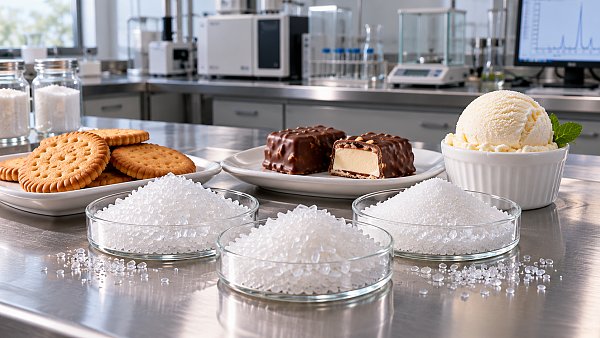
Choosing low calorie bulk sweeteners therefore requires balancing calorie reduction with sensory performance, formulation stability, digestive tolerance, and market-specific requirements. Erythritol, maltitol, and allulose are useful candidates, but they are not interchangeable. The practical question is not which ingredient most resembles sugar on a specification sheet. It is which system can meet the finished product’s requirements through manufacturing and shelf life.
Define what sugar is doing before choosing a replacement
Start with the existing formula and identify sugar’s functional contributions. In cakes, sugar affects aeration, moisture retention, and the timing of structure setting. In ice cream, dissolved sweeteners influence freezing behavior. In confectionery, crystallization and moisture migration can determine whether the product remains smooth, becomes grainy, or turns sticky.
Bulk sweeteners supply meaningful ingredient mass, unlike high-intensity sweeteners used at very low inclusion levels. However, matching the weight of removed sucrose does not automatically restore its functionality. Molecular properties, solubility, hygroscopicity, and interactions with proteins or starches still matter.
Before screening ingredients, establish a short development brief:
- The intended sugar reduction and finished-product energy target.
- Acceptable changes in sweetness, cooling sensation, color, and texture.
- Processing conditions, including heating, cooling, shear, and holding time.
- Serving size, expected consumption pattern, and destination markets.
- Shelf-life requirements and packaging constraints.
Keep sugar reduction and calorie reduction as separate calculations. Replacing sugar with a lower-energy ingredient may reduce calories, but additions of fat or other solids can offset part of that benefit. Assess the complete formula rather than the sweetener alone.
Compare candidates by their likely failure points
A useful shortlist should identify both the reason to test an ingredient and the reason it might fail. The following comparison is a screening guide, not a replacement for grade-specific technical data.
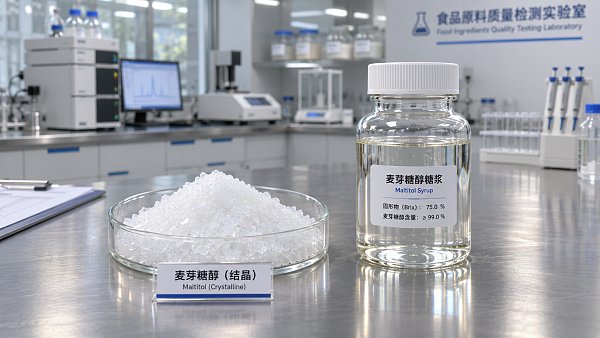
Allulose is a monosaccharide, not a polyol. That distinction matters when assessing labeling, analytical results, and permitted uses. Likewise, crystalline maltitol and maltitol syrup should not be treated as equivalent materials: syrup composition and water content can change both processing and nutritional calculations.
Relative sweetness is also context-dependent. Concentration, acidity, serving temperature, and other ingredients affect perception. Use supplier sweetness values to design initial trials, then evaluate sweetness onset, persistence, and aftertaste in the actual food.
Let the application determine the test plan
Bakery: check structure as carefully as sweetness
For cakes and muffins, monitor batter viscosity, aeration, baked volume, crumb firmness, and moisture loss. For biscuits, spread and fracture behavior may be more decisive. A replacement that looks acceptable directly after baking can still produce excessive firming or surface tack during storage.
Allulose can increase browning under baking conditions, particularly in protein-containing formulations. That may be helpful when color is lacking, but it can also create excessive surface color before the center is properly baked. Polyols generally do not reproduce sucrose’s browning behavior. Adjust the thermal process only after checking its effect on structure and food safety.
Dairy and frozen desserts: match dissolved behavior, not just solids
In yogurt and dairy desserts, examine dissolution, sediment, graininess, and flavor balance at refrigerated temperature. A sweetener that dissolves during hot preparation may crystallize after cooling or during storage.
Frozen desserts require particular attention to freezing-point depression. Equal weights of different sweeteners do not necessarily produce equal scoopability. Measure hardness at the intended serving temperature and assess melting behavior after realistic temperature cycling. Total solids alone cannot predict these outcomes.
Confectionery and chocolate: moisture and particle size become decisive
For chocolate, dry ingredient particle size and moisture affect refining, flow, and perceived smoothness. For hard candy, cooking behavior and moisture pickup deserve early attention. Filled products add another complication: moisture can migrate between the filling and shell even when each component is stable on its own.
Cooling sensation should be evaluated in context. It may complement mint confectionery but distract from caramel or chocolate flavors. Do not judge it only in an aqueous solution.
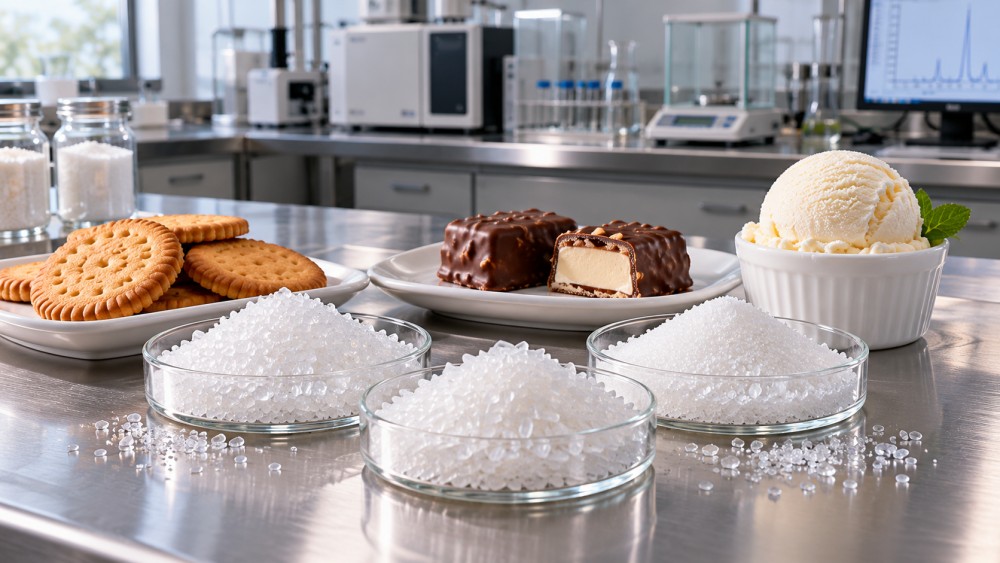
Across these applications, measure water activity rather than assuming that equal solids or moisture content provide equal preservation. Reformulation can change microbial stability and moisture migration. Shelf-life decisions need evidence from the finished formulation and package.
Use blends to solve specific problems
A single bulk sweetener rarely duplicates every function of sucrose. Blending can separate the tasks: one ingredient supplies bulk, another adjusts sweetness, and a fiber or hydrocolloid modifies body or water management. A high-intensity sweetener may close a sweetness gap without requiring more bulk sweetener.
Each addition introduces trade-offs. Extra fiber can change viscosity and digestive tolerance; hydrocolloids can create an unwanted gel-like texture; high-intensity sweeteners can alter sweetness persistence. Build blends around a measured deficiency, not around the assumption that more components create a better system.
For example, if an erythritol-based prototype develops graininess, increasing sweetness will not address the underlying crystallization problem. Investigate concentration, dissolution conditions, cooling history, and the surrounding matrix before adding another ingredient.
Treat tolerance and regulatory review as early screening gates
Digestive tolerance depends on the ingredient, amount consumed, food matrix, individual sensitivity, and intake from other products. Assess the amount per realistic eating occasion—not merely per nominal serving. A snack likely to be eaten in several portions needs a different assessment from a small individually wrapped confection.
Do not assume that replacing a polyol with allulose eliminates tolerance considerations. Nor should a supplier’s general tolerance statement be treated as a finished-product guarantee. Review available evidence and any applicable advisory-label requirements before finalizing inclusion levels.
Regulatory review should confirm permitted ingredient status, food-category restrictions, labeling names, energy calculation factors, and conditions for reduced-sugar or other nutrition claims. These requirements vary by market. Allulose particularly requires destination-specific verification; acceptance and labeling treatment in one jurisdiction do not establish compliance elsewhere.
Request the legal basis behind supplier statements and verify the current position with the relevant authority or qualified regulatory specialist. Commercial availability is not proof that every intended use is permitted.
Qualify the grade and supplier, not just the ingredient name
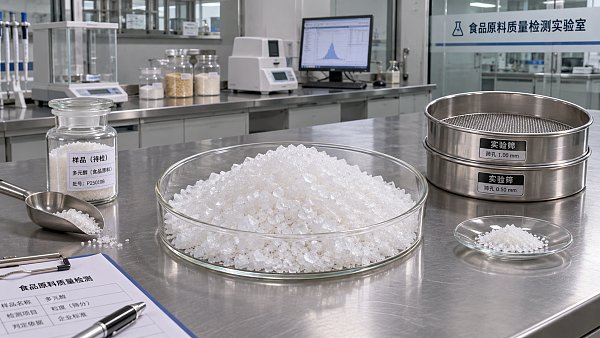
Two materials carrying the same ingredient name may behave differently in production. Particle-size distribution, moisture, assay, related carbohydrates, and physical form can affect dissolution, flowability, and texture. Specifications should therefore reflect application needs rather than simply accept a standard sales sheet.
Ask suppliers for:
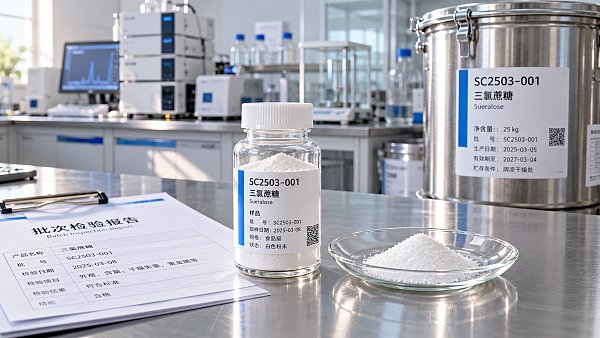
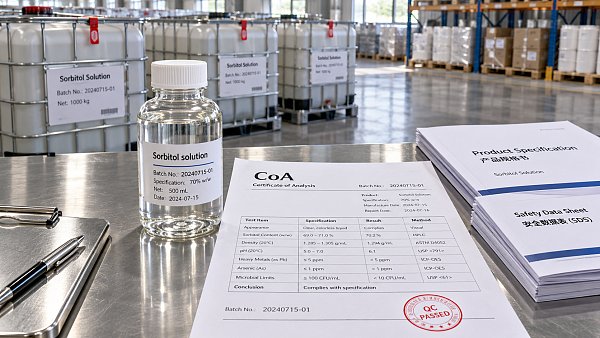
- A product specification, representative certificates of analysis, and analytical methods for critical attributes.
- Composition on a clearly stated basis, especially for syrups and blended ingredients.
- Relevant microbiological and contaminant controls, traceability information, and food-safety documentation.
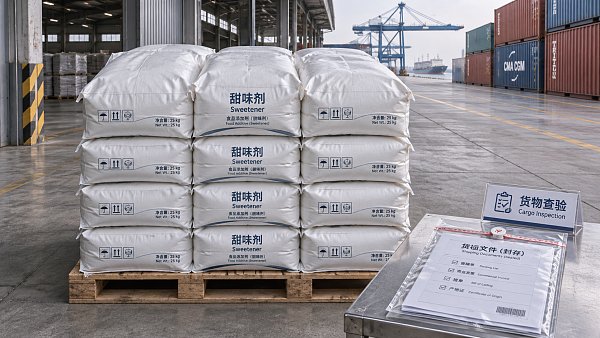
- Packaging, storage conditions, shelf life, and change-notification procedures.
- Commercial lead times, manufacturing-site information, and technical support for scale-up.
Compare cost per acceptable finished batch, not only price per kilogram. Inclusion rate, additional ingredients, processing time, yield, and packaging adjustments can reverse an apparently favorable raw-material comparison.
This application-led approach reflects how Global Fine Chemicals & Agrochemical Intelligence Network (FCAS) organizes food-ingredient knowledge: connecting material properties with formulation performance, documentation readiness, and supply-chain requirements rather than evaluating ingredients by purity or price alone.
Make the final choice through controlled validation
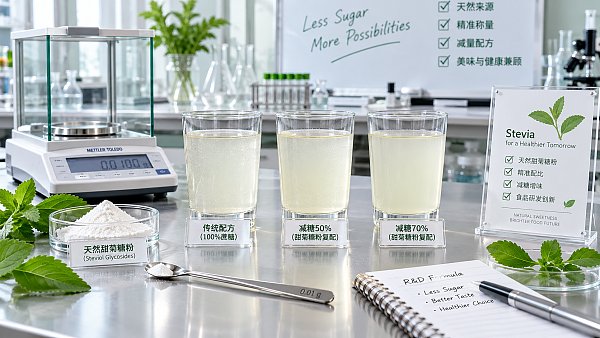
Keep the original product as a control and screen a small number of technically justified candidates. Record ingredient form, mixing sequence, temperatures, holding times, and cooling conditions. Changing several process variables alongside the sweetener makes disappointing results difficult to diagnose.
Set acceptance limits before reviewing results. These might cover sweetness balance, instrumental texture, water activity, visible crystallization, color, and line performance. Follow promising prototypes through storage in the intended packaging, then confirm performance at pilot scale and across multiple ingredient lots.
The right low calorie bulk sweeteners are those that pass the product’s critical requirements together. Before approving a formula, resolve three questions: does it remain acceptable through shelf life, is its intended use and labeling supported in each destination market, and can the selected supplier consistently deliver the grade that was validated?
Facing technical bottlenecks in manufacturing or looking for more efficient industrial solutions? Leave your details below and let the engineering experts at FCAS solve them for you.
We respect your privacy. Your information is strictly confidential.
Related News
 Zero-Calorie Sweeteners & AcidulantsHow to Choose Plant Based Natural Sweeteners for BeveragesChoose plant based natural sweeteners for beverages with confidence. Compare stevia, monk fruit and blends for taste, processing, labeling and cost.MORE+
 Zero-Calorie Sweeteners & AcidulantsChina’s New Food Labeling Standard to Prohibit “Zero Addition” ClaimsChina’s new food labeling standard targets “zero addition” and “no added” claims. Discover what the change means for food brands and ingredient suppliers.MORE+
 Zero-Calorie Sweeteners & AcidulantsHow to Use High Sweetness Sucralose in Reduced-Sugar DrinksDiscover how to use high sweetness sucralose in reduced-sugar drinks, with practical tips for balancing taste, mouthfeel, stability, and compliance.MORE+
 Zero-Calorie Sweeteners & AcidulantsChoosing High Intensity Sweeteners for Tabletop UseHigh intensity sweeteners for tabletop use: compare taste, formats, stability and compliance to create a consistent product consumers will enjoy.MORE+
 Zero-Calorie Sweeteners & AcidulantsHow to Evaluate a Maltitol Manufacturer for Consistent QualityEvaluate a maltitol manufacturer with confidence. Discover how to assess batch consistency, food safety, traceability, and trial performance before you buy.MORE+
 Zero-Calorie Sweeteners & AcidulantsChattogram Customs Seizes 4.2 Tonnes of Banned SweetenerChattogram Customs seized 4.2 tonnes of banned sodium cyclamate. Explore what the seizure means for sweetener sourcing and food compliance in Bangladesh.MORE+
 Zero-Calorie Sweeteners & AcidulantsHow to Evaluate a Crystalline Polyols ManufacturerChoosing a crystalline polyols manufacturer? Learn how to compare quality, production performance, documentation, and delivered costs with confidence.MORE+
 Zero-Calorie Sweeteners & AcidulantsHow to Evaluate a Sucralose Supplier Before Placing a Bulk OrderEvaluate a sucralose supplier with confidence. Learn how to verify quality, compliance, traceability, delivery reliability, and total costs before placing a bulk order.MORE+
 Zero-Calorie Sweeteners & AcidulantsHow to Choose Low Calorie Bulk Sweeteners for Reduced-Sugar FoodsChoose low calorie bulk sweeteners with confidence. Compare options for taste, texture, shelf life, and compliance to create better reduced-sugar foods.MORE+
 Zero-Calorie Sweeteners & AcidulantsWhich Quality Documents Should a Liquid Sorbitol Supplier Provide?Choosing a liquid sorbitol supplier? Learn which quality documents to request, how to verify CoAs and traceability, and what gaps should block release before you buy.MORE+
 Zero-Calorie Sweeteners & AcidulantsWhat Should You Check Before Choosing an Acidulants Supplier?Choosing an acidulants supplier? Learn how to verify specifications, batch quality, compliance, and delivery reliability to reduce risks and compare true usable costs.MORE+
 Zero-Calorie Sweeteners & AcidulantsHow Can You Reduce Bitterness When Using Natural Stevia Powder?Reduce bitterness in natural stevia sweetener powder with smarter dosing, glycoside selection, and sweetener blends. Discover practical tips for cleaner sweetness and a better finish.MORE+
 Zero-Calorie Sweeteners & AcidulantsHow Food Grade Stevia Sweetener Affects Taste and Label ClaimsFood grade stevia sweetener: learn how glycoside profiles, taste control, processing stability, and label claims shape successful lower-sugar products.MORE+
 Zero-Calorie Sweeteners & AcidulantsHow to Choose a Natural Sweeteners Supplier for Clean-Label ProductsNatural sweeteners supplier selection guide for clean-label products: compare formulation fit, traceability, documentation, and supply reliability.MORE+
 Zero-Calorie Sweeteners & AcidulantsWhat Drives Zero Calorie Sweeteners Bulk Price in 2026Zero calorie sweeteners bulk price in 2026: compare specifications, dosage, quality, freight, and supply risk to make smarter sourcing decisions.MORE+
 Zero-Calorie Sweeteners & AcidulantsHow to Choose Zero Calorie Sweeteners for Sugar Free ProductsZero calorie sweeteners for sugar free products: compare taste, stability, labeling, and cost to choose the right system for beverages, bakery, and functional foods.MORE+
 Zero-Calorie Sweeteners & AcidulantsChoosing Sucralose for Dairy Products Without Compromising TasteSucralose for dairy products: learn how to protect clean sweetness, optimize sensory performance, verify quality, and source reliably for reduced-sugar dairy.MORE+
 Zero-Calorie Sweeteners & AcidulantsHow to Choose Artificial Sweeteners for Beverages That Taste BetterArtificial sweeteners for beverages: learn how to choose solutions with better taste, stability, labeling fit, and cost efficiency for successful reduced-sugar drinks.MORE+
 Zero-Calorie Sweeteners & AcidulantsHow Acidity Regulators Improve Beverage Flavor and Shelf LifeAcidity Regulators help beverage brands balance flavor, pH control, microbial stability, and shelf life. Explore practical formulation insights for safer, more consistent drinks.MORE+
 Zero-Calorie Sweeteners & AcidulantsKey Quality Checks for High Purity Aspartame in Food FormulationHigh purity aspartame quality checks for food formulation: evaluate assay, impurities, particle consistency, stability, documentation, and total cost.MORE+
 Zero-Calorie Sweeteners & AcidulantsHow Liquid Flavors for Soft Drinks Improve Taste Consistency at ScaleLiquid flavors for soft drinks help manufacturers achieve reliable taste consistency at scale through accurate dosing, controlled mixing, stability management, and sensory quality control.MORE+
 Zero-Calorie Sweeteners & AcidulantsWhat to Check When Choosing a Saccharin Sodium Supplier for Global OrdersChoose a reliable saccharin sodium supplier for global orders. Learn how to assess quality, documentation, packaging, export readiness, and total landed reliability.MORE+
 Zero-Calorie Sweeteners & AcidulantsAre High Intensity Sweeteners for Tabletop Use Right for Your ProductExplore high intensity sweeteners for tabletop use: compare taste, carriers, serving cost, stability, packaging, and compliance to build a successful product.MORE+
 Zero-Calorie Sweeteners & AcidulantsSaccharin Sodium Selection Factors for Zero-Calorie FormulasSaccharin Sodium selection factors for zero-calorie formulas: optimize taste, purity, solubility, compliance, and batch consistency for reliable production.MORE+
 Zero-Calorie Sweeteners & AcidulantsHow High Purity Aspartame Supports Consistent Zero-Calorie FormulasHigh purity aspartame supports consistent zero-calorie formulas with reliable sweetness, process stability, traceability, and quality control across every batch.MORE+
 Zero-Calorie Sweeteners & AcidulantsHow Acesulfame Potassium for Soft Drinks Affects Taste and CostAcesulfame potassium for soft drinks can improve sweetness efficiency and lower formulation cost, but only with the right blend, taste control, and sourcing strategy. Learn what drives the best ROI.MORE+