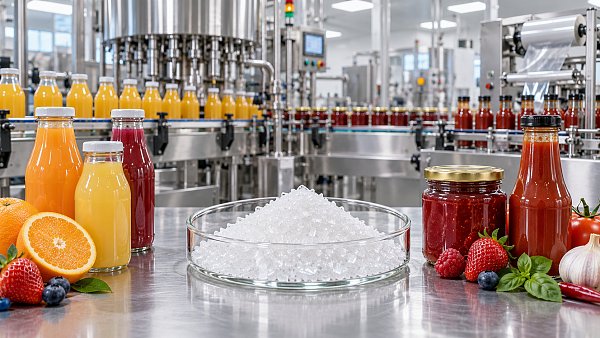
Choosing artificial sweeteners for beverages requires more than comparing sweetness intensity or cost. Procurement teams must assess flavor profile, aftertaste, solubility, heat and pH stability, regulatory status, labeling needs, and supplier consistency.
The right choice supports reduced-sugar positioning while maintaining an appealing sensory experience. This guide explains how buyers can evaluate sweetener solutions across beverage formulations, markets, and supply conditions.
Begin With the Beverage Formula, Not the Sweetener Price
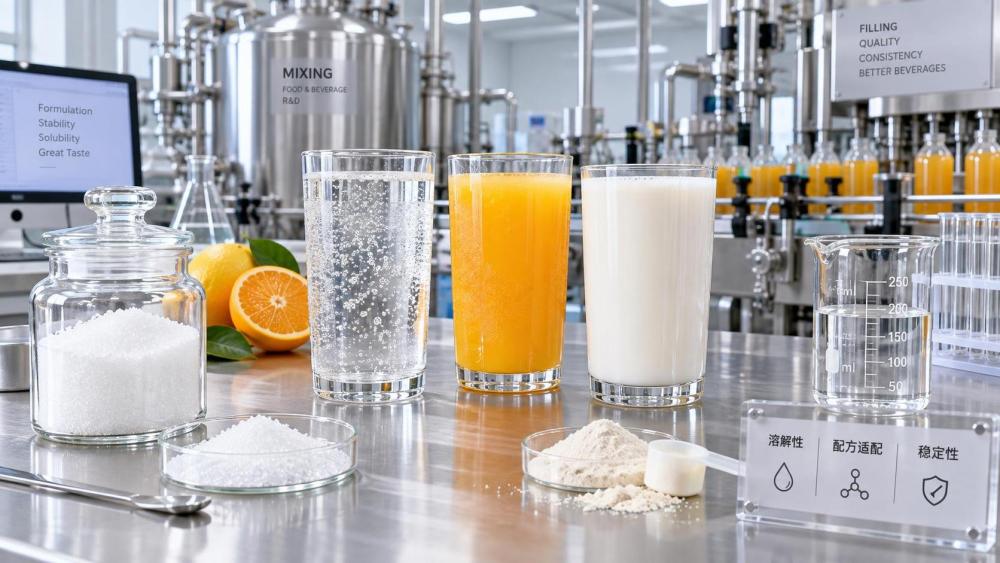
For procurement teams, the best artificial sweeteners for beverages are not necessarily the lowest-cost materials per kilogram. The right option is the one that delivers acceptable taste at the required finished-product cost.
A sweetener selected for sparkling water may perform poorly in a protein shake, acidic juice drink, hot-fill tea, or dairy-based beverage. Formula conditions determine which technical properties matter most.
Buyers should first define the beverage category, target serving format, sugar-reduction goal, expected shelf life, processing temperature, acidity range, and intended consumer market before comparing suppliers.
This formulation brief gives purchasing teams a practical basis for reviewing technical data sheets, samples, certificates of analysis, allergen statements, and regulatory declarations from qualified vendors.
It also prevents a common sourcing error: replacing sugar based only on sweetness equivalence. Sugar contributes body, flavor release, freezing behavior, and balance, while high-intensity sweeteners mainly provide sweetness.
When sugar is substantially reduced, the procurement specification may need to include bulking agents, acids, flavors, stabilizers, or masking ingredients. Sweetener sourcing should therefore support the wider formulation strategy.
A clear application specification also helps suppliers recommend suitable grades, particle sizes, blends, and packaging formats. This reduces unnecessary laboratory trials and improves alignment between commercial and technical teams.
Match Sweetness Profile and Aftertaste to Consumer Expectations
Flavor quality is usually the decisive factor when selecting artificial sweeteners for beverages. Consumers may accept a lower-calorie claim, but they are less likely to repurchase a drink with bitterness or lingering sweetness.
Sweetness intensity alone does not describe sensory performance. Buyers should ask how quickly sweetness appears, where it peaks, how long it remains, and whether it changes flavor perception after swallowing.
Aspartame can provide a sugar-like sweetness profile in many products, but its stability limitations make it unsuitable for certain high-temperature or long-shelf-life applications without careful formulation control.
Sucralose is widely used because it offers high sweetness intensity and relatively clean flavor in many beverages. However, its behavior should still be tested with acids, flavors, minerals, and processing conditions.
Acesulfame potassium, often called Ace-K, has strong sweetness onset and useful stability. In some formulas, it can introduce bitter or metallic notes when used alone at higher concentrations.
Saccharin remains economically attractive in selected markets and applications, yet its characteristic aftertaste can limit use in premium consumer beverages. Blending may improve its sensory performance and commercial feasibility.
Some beverage developers use sweetener blends because individual ingredients can compensate for one another. A blend may improve sweetness onset, reduce aftertaste, lower dosage, or create a more sugar-like temporal profile.
Procurement should request blind sensory comparisons using the actual beverage base rather than water solutions. Results from plain water rarely predict performance in flavored, acidic, carbonated, or fortified drinks.
Evaluate pH, Heat, and Shelf-Life Stability Before Approval
Artificial sweeteners for beverages must remain stable throughout manufacturing, filling, distribution, and consumer storage. A material that tastes acceptable immediately after production may deteriorate during the intended shelf-life period.
Acidified beverages require special attention because pH affects sweetener stability and flavor balance. Carbonated soft drinks, sports drinks, flavored waters, and juice beverages can all present different formulation stresses.
Heat exposure is equally important. Hot-fill beverages, pasteurized drinks, retort products, concentrates, and syrup bases may require sweeteners that withstand elevated temperatures without excessive degradation or sensory changes.
Suppliers should provide application-relevant stability information rather than broad statements such as “heat stable.” Buyers need testing conditions, including temperature, time, pH, packaging, and measurement methods.
Storage conditions affect finished-product quality as well. Light exposure, oxygen, trace metals, flavor ingredients, and long warehouse periods can influence sweetness retention, color, aroma, and perceived aftertaste.
Ask suppliers whether the recommended dosage has been tested in products similar to yours. Data from tabletop sweetener applications may not transfer directly to ready-to-drink beverage systems.
Accelerated shelf-life testing is useful, but it should not replace real-time validation for important launches. Procurement teams should build sampling and approval schedules around the actual distribution environment.
Check Solubility, Dispersion, and Processing Compatibility
Solubility determines whether a sweetener can be incorporated efficiently and consistently. Poor dissolution can create undissolved particles, inconsistent sweetness, production delays, or extra filtration and cleaning requirements.
High-intensity sweeteners are often used at very low dosage levels. This makes accurate weighing, premixing, and dosing especially important, because small errors can produce noticeable sensory differences.
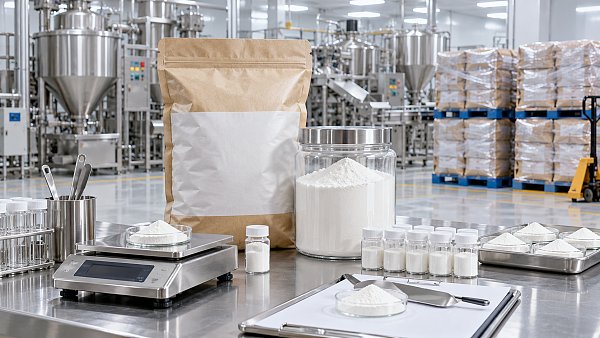
For dry-blended beverage powders, particle size, density, flowability, and segregation risk should be part of the purchasing review. A technically compliant sweetener may still cause poor blend uniformity.
For liquid beverages, buyers should confirm the preferred addition sequence. Some materials dissolve more reliably in a premix, while others require controlled temperature, agitation, or dilution before use.
Mineral-fortified waters and electrolyte drinks deserve additional compatibility testing. Calcium, magnesium, iron, zinc, and salts can affect flavor perception, solubility behavior, and the need for masking systems.
Protein beverages can introduce further complexity. Protein source, pH, heat treatment, and flavor system may amplify bitterness or alter sweetness perception, requiring a different sweetener selection than clear beverages.
Procurement specifications should include assay range, moisture, particle characteristics, microbiological limits where relevant, and acceptable foreign-matter controls. These details support reproducible manufacturing and quality assurance.
Compare Cost in Use Instead of Comparing Cost Per Kilogram
Cost per kilogram can be misleading because artificial sweeteners differ greatly in sweetness potency. Procurement teams should calculate cost in use based on required dosage in the finished beverage.
A lower-priced ingredient may need a higher dosage or additional masking flavors. A more expensive sweetener may reduce total formula cost by simplifying the blend or improving consumer acceptance.
Build a total-cost model that includes sweetener dosage, flavor modification, processing losses, yield impact, packaging, quality-control testing, inventory carrying cost, and potential product reformulation expenses.
Supply reliability also belongs in the economic assessment. An attractive quotation has limited value when the supplier cannot maintain batch consistency, documentation quality, lead times, or responsive technical support.
Buyers should compare minimum order quantities and shelf life against actual consumption. High-potency ingredients are used sparingly, so excessive purchase quantities can create expiration and inventory-management risks.
Currency exposure, freight conditions, import duties, and local warehousing should be considered for global sourcing programs. These factors can materially change the landed cost of beverage sweetener ingredients.
Where feasible, qualify more than one supplier for strategically important materials. Dual sourcing can improve negotiating position and business continuity, provided both sources meet the same sensory and quality requirements.
Confirm Regulatory Status and Labeling Fit in Every Target Market
Regulatory approval is not a general product attribute. The permitted use, maximum level, labeling language, and consumer communication requirements for artificial sweeteners vary by country and beverage category.
Before contracting, confirm that the sweetener is approved for the intended product type in each sales market. Do not rely solely on a supplier’s statement that the ingredient is “globally compliant.”
Request current regulatory documentation, including identity information, applicable food additive specifications, purity criteria, relevant limits, and statements addressing the markets where the finished beverages will be sold.
Labeling teams should review ingredient declarations, sweetener-specific notices, nutrition claims, and front-of-pack rules early. A compliant ingredient can still complicate a preferred clean-label or marketing position.
Some buyers also need assurance concerning genetically modified organism status, allergens, irradiation, animal-derived processing aids, country of origin, and contaminant controls. Requirements should be documented before supplier qualification.
For beverages marketed to children, health-conscious consumers, or sensitive demographic groups, legal and reputational review may be more stringent. Procurement decisions should account for brand policy as well as legal compliance.
Regulatory monitoring should continue after approval. Food additive rules, labeling requirements, and acceptable daily intake discussions can evolve, creating a need for updated supplier declarations and internal reviews.
Use Supplier Qualification to Protect Taste Consistency
Consistency matters because slight variations in high-intensity sweeteners can affect finished beverage taste. Procurement should assess whether suppliers control raw materials, manufacturing parameters, impurities, and packaging effectively.
A detailed certificate of analysis is necessary but insufficient. Review specification ranges, batch-to-batch history, change-control procedures, audit availability, complaint handling, and the supplier’s ability to investigate deviations.
Ask whether the manufacturer operates under recognized food safety and quality systems. Relevant certifications can support confidence, but they should be reviewed alongside actual technical capability and product documentation.
Packaging deserves attention because sweeteners may be sensitive to moisture or contamination. Confirm container materials, seals, pallet protection, storage recommendations, and residual shelf life at delivery.
For imported ingredients, verify traceability from manufacturing site to destination warehouse. Clear traceability supports recall readiness, regulatory inspection response, and investigation of any unexpected sensory or quality issue.
Technical support should be evaluated as part of supplier value. A capable supplier can assist with dosage guidance, blend optimization, stability questions, analytical methods, and timely troubleshooting during scale-up.
Maintain retained samples for approved lots when feasible. Comparing retained materials with later batches can help determine whether a sensory difference comes from the sweetener, flavor system, processing, or storage conditions.
Create a Practical Sweetener Selection and Approval Process
A structured selection process prevents purchasing decisions from being driven by a single price quote or supplier claim. It also creates a shared decision framework for procurement, R&D, quality, regulatory, and commercial teams.
Start by defining the target beverage profile: sweetness level, calorie target, expected flavor character, pack format, processing method, shelf-life target, sales regions, and maximum acceptable ingredient cost.
Next, shortlist sweeteners and blends that meet baseline regulatory and technical requirements. Request representative samples, specifications, safety documentation, recommended use levels, and stability information from each candidate supplier.
Run laboratory trials in the finished beverage base, followed by sensory screening. Evaluate sweetness quality, aftertaste, aroma interaction, acidity balance, and performance at both fresh and aged conditions.
Promising candidates should then move to pilot-scale production. This stage identifies dosing difficulties, mixing problems, filtration issues, processing losses, and unexpected interactions with packaging or other ingredients.
Use a weighted scorecard rather than an informal preference. Suggested criteria include sensory quality, regulatory fit, stability, cost in use, supply security, documentation, technical support, and supplier quality performance.
Final approval should define the exact material, supplier site, specification, packaging, dosage range, and change-notification expectations. This prevents unreviewed substitutions that could alter beverage taste or compliance.
Conclusion: Choose Sweeteners as a Beverage System Decision
The best artificial sweeteners for beverages are selected through combined sensory, technical, regulatory, and commercial evaluation. Procurement teams gain better outcomes when they assess total formula performance instead of sweetness intensity alone.
Taste remains central, but it must be supported by solubility, stability, compliant labeling, reliable supply, and controlled batch quality. These factors determine whether a reduced-sugar beverage succeeds beyond the first trial.
For buyers, the most effective approach is to define application requirements early, test candidates in realistic conditions, compare cost in use, and qualify suppliers using documented quality and change-control criteria.
With this process, beverage companies can source sweetener solutions that support better flavor, stronger product consistency, lower development risk, and commercially credible reduced-sugar positioning across their intended markets.