How Does Low DE Maltodextrin Affect Texture in Powdered Drinks?
A powdered drink can taste right yet still feel thin, gritty, or difficult to mix. For operators adjusting beverage formulations, low DE maltodextrin can add body and soften a watery mouthfeel without contributing much sweetness. But the result depends on the grade, concentration, other ingredients, and preparation method. A material intended to improve texture can become a source of lumps if it does not disperse properly.
The practical question is not simply whether maltodextrin makes a drink thicker. It is whether it delivers the right kind of fullness while keeping the powder easy to handle and the finished beverage easy to prepare. That distinction matters when moving from a laboratory mixer to a consumer’s shaker bottle.
What “low DE” tells you—and what it does not
DE stands for dextrose equivalent, a measure of reducing sugars expressed as dextrose on a dry-solids basis. It indicates the extent of starch hydrolysis; it is not a direct measurement of sweetness, viscosity, or dissolution speed.
Compared with higher-DE maltodextrins, lower-DE grades generally contain a larger proportion of longer carbohydrate chains. At comparable solids levels, this often means lower sweetness and a greater contribution to body or solution viscosity. However, DE is an average value. Two products with the same stated DE can have different molecular distributions and different behavior in a beverage.
Commercial descriptions of “low DE” also vary. Ask for the actual specification rather than selecting a material by its name alone. Starch source, manufacturing process, particle size, and instantization can all influence application performance.
Low DE maltodextrin is best treated as a body-building carbohydrate, not as a substitute for a powerful thickener. At modest concentrations, its effect may be subtle. If a drink needs strong suspension or substantial thickness at low dosage, another ingredient system may be necessary.
How low DE maltodextrin changes the drinking experience
More fullness without making the drink much sweeter
Adding dissolved carbohydrate solids can make a beverage feel less watery. Longer-chain components may also increase viscosity, although the extent depends strongly on grade and concentration. The sensory result may be described as fuller, rounder, or more substantial rather than noticeably thick.
This can be useful in reduced-sugar drink powders, where removing sucrose takes away bulk as well as sweetness. An intense sweetener restores sweetness but contributes very little physical substance. Maltodextrin can replace some of that missing body, although it does not reproduce every sensory property of sugar.
There is an important formulation trade-off: low sweetness does not mean low calorie or low carbohydrate. Adding maltodextrin still affects nutritional composition and may change the product’s suitability for particular positioning or labeling claims.
Smoother perception, but not the removal of grit
A fuller liquid phase can sometimes make fine particles feel less prominent. It does not dissolve insoluble cocoa, eliminate protein aggregates, or correct coarse mineral particles. If the drink feels sandy, increasing maltodextrin may simply produce a fuller drink that is still sandy.
Separate these sensations during testing. Body is the fullness of the liquid; grit is the perception of individual particles. Chalkiness, dryness, and a lingering coating sensation are different again. Describing the defect accurately prevents unnecessary ingredient changes.
A possible contribution to creaminess—not fat replacement by itself
In dairy-style drinks, maltodextrin can support the impression of creaminess by increasing dissolved solids and modifying the liquid phase. Yet fat droplets, proteins, emulsifiers, and flavor also shape creaminess. Adding maltodextrin to water does not automatically create the lubrication or richness associated with milk fat.
For a reduced-fat powder, assess the whole system. A formulation may gain body while still lacking lubrication, or become heavy without feeling creamy. Those outcomes call for different adjustments.
Why a good ingredient can still produce a lumpy drink
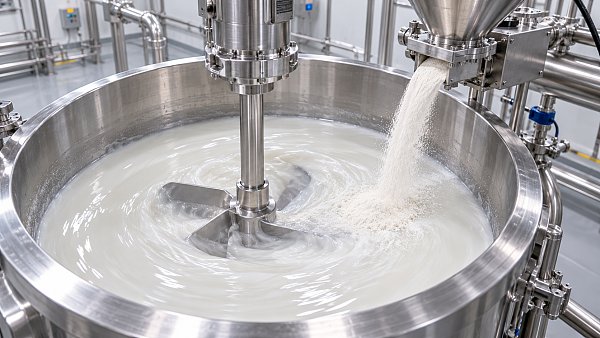
Reconstitution involves several events: water must wet the powder, particles must disperse, and soluble material must dissolve. These steps are related, but they are not interchangeable. A soluble ingredient can still be difficult to mix when its surface wets unevenly or particles collect into clumps.
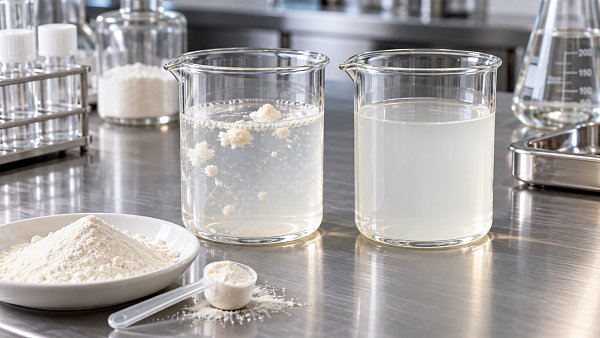
Fine powder added too quickly may form agglomerates with wet outer layers and dry centers. The drink then contains soft lumps even though the ingredient should eventually dissolve. More mixing may help in production, but that is not a reliable solution for a consumer stirring with a spoon.
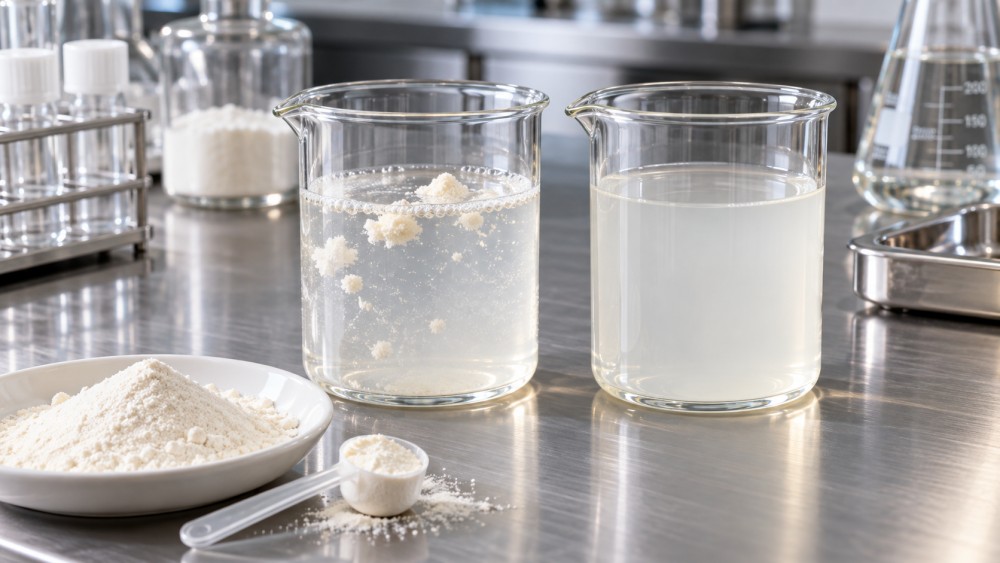
During a mixing trial, inspect the preparation at three points: immediately after powder addition, after the intended mixing time, and after a defined standing period. Look for floating islands, dry-centered lumps, bottom sediment, and changes in body. Each observation points toward a different cause.
Do not assume that every low-DE grade dissolves slowly or that every higher-DE grade mixes instantly. Particle engineering can strongly affect reconstitution. An agglomerated grade may perform better under gentle stirring than a finer powder with a similar DE.
Match the texture strategy to the drink
Clear fruit and electrolyte drinks: The target is often light body with a clean finish. Maltodextrin may reduce wateriness, but excessive addition can make the beverage feel too substantial. If transparency matters, test clarity in the complete formula rather than assuming it from the ingredient specification.
Protein and meal-replacement drinks: Additional body may be welcome, but proteins already influence viscosity, hydration, and mouth-coating. Check texture after standing as well as immediately after shaking. An initially acceptable drink may become too heavy as other components hydrate.
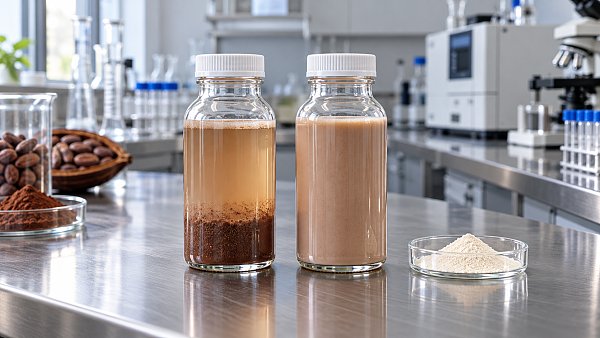
Cocoa and dairy-style powders: Maltodextrin can support fullness, but it is not a dependable suspension agent for insoluble cocoa. If settling is the main complaint, investigate particle size, wetting, and an appropriate stabilizer system. Increasing body alone may not prevent visible sediment.
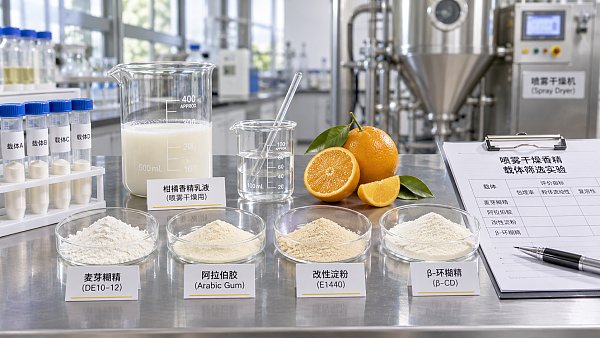
Powders containing encapsulated flavors or fats: Maltodextrin may already be present as a carrier. Include that contribution when calculating the overall formula. Carrier-grade performance in spray drying does not automatically predict the best mouthfeel in the reconstituted drink.
A mixing trial that produces useful answers
A useful trial separates ingredient effects from preparation effects. Changing the maltodextrin grade, water temperature, mixing speed, and serving concentration together may produce a better sample, but it will not show which change mattered.
Start with the actual preparation conditions
Use the intended serving size and water quantity. If consumers prepare the product in cold water with a shaker, test that method—not only warm water under high shear. Specify mixing time, vessel, water temperature, and the interval before evaluation.
Where water quality varies across the target market, include representative water conditions, particularly for drinks containing proteins or minerals. Keep the preparation method consistent enough that operators can repeat it.
Define whether you are adding or replacing solids
When maltodextrin is added on top of an existing formula, total solids increase. When it replaces sugar or another carrier, total solids may stay similar while sweetness and texture change. These are different experiments and should not be interpreted in the same way.
Prepare a control and a small concentration ladder appropriate to the product. There is no universal dosage that guarantees a smooth powdered drink. Calculate maltodextrin in the prepared beverage, not only as a percentage of the dry blend, and account for maltodextrin introduced through compound ingredients.
Record sensory and physical results together
Evaluate fullness, sweetness, smoothness, chalkiness, coating, and ease of swallowing. Alongside sensory notes, record mixing time, visible lumps, sediment, foam, and any viscosity measurement available.
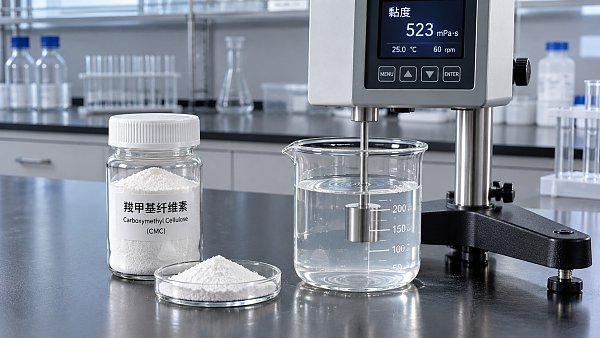
For viscosity comparisons, use the same temperature, instrument settings, and sample age. In drinks containing gums or proteins, mixing history and measurement conditions can substantially affect the result. A single viscosity reading cannot fully describe mouthfeel.
Compare samples immediately after preparation and after a realistic holding interval. Keep the distinction between intended consumer use and extended laboratory observation clear: a drink meant for immediate consumption need not behave like a shelf-stable ready-to-drink beverage.
When to change the grade instead of increasing the dose
If additional maltodextrin gives little improvement before the beverage becomes too calorie-dense, too heavy, or difficult to prepare, reassess the ingredient choice. More of the same material may not solve the underlying problem.
- Body is still insufficient: Compare grades at equal prepared-beverage solids, then assess whether a complementary hydrocolloid is needed.
- Cold-water mixing is poor: Investigate an instantized or agglomerated option before assuming that DE alone is responsible.
- Sediment remains: Address insoluble particles and suspension requirements rather than relying on maltodextrin alone.
- The finish feels too heavy: Review total solids and interactions with protein, fat, and gums.
- Performance changes between deliveries: Compare particle size, moisture, bulk density, and supplier specifications as well as DE.
For sourcing discussions, request the DE range, starch source, moisture specification, particle-size information, bulk density, and available reconstitution guidance. Confirm applicable food-grade documentation, source-related labeling requirements, and batch consistency. A trial sample should represent the commercial grade that will actually be supplied.
Keep powder handling in the texture decision
The beverage may pass a fresh mixing test while the powder becomes difficult to scoop or disperse after storage. Moisture uptake, caking, particle segregation, and packaging protection can all affect the consumer’s eventual experience.
Lower-DE maltodextrins often differ from higher-DE materials in hygroscopicity and glass-transition behavior, but DE alone cannot predict finished-blend storage stability. Sugars, acids, salts, flavors, moisture content, and storage humidity all matter. Recheck flow and reconstitution after storage in the intended packaging under relevant conditions.
The best use of low DE maltodextrin is therefore specific: build enough body to remove wateriness without creating an unnecessarily heavy drink, and preserve that result through realistic mixing and storage. When operators distinguish fullness from grit, dissolution from dispersion, and body from suspension, formulation adjustments become much more targeted—and the finished drink is more likely to feel right outside the laboratory.
Facing technical bottlenecks in manufacturing or looking for more efficient industrial solutions? Leave your details below and let the engineering experts at FCAS solve them for you.
We respect your privacy. Your information is strictly confidential.
Related News
 Hydrocolloids & EmulsifiersHow Does Agar Work as a Gelling Agent in Food?Discover how agar transforms liquids into firm gels, what affects texture and setting, and how to troubleshoot common problems in food formulations.MORE+
 Hydrocolloids & EmulsifiersHow Do Hydrocolloid Gums Improve Texture and Stability in Foods?Discover how hydrocolloid gums improve food texture and stability, and learn how to choose the right gum for your formulation.MORE+
 Hydrocolloids & EmulsifiersHow to Use Hydrocolloid Stabilizer Blends for SaucesDiscover how to use hydrocolloid stabilizer blends for sauces to improve texture, prevent separation, and achieve consistent results from trial to production.MORE+
 Hydrocolloids & EmulsifiersWhat to Look for in a Konjac Gum ManufacturerChoosing a konjac gum manufacturer? Learn how to assess quality, consistency, food safety, pricing, and supply reliability before you buy.MORE+
 Hydrocolloids & EmulsifiersHow to Choose Flavor Carriers for Spray Dried FlavorsChoose flavor carriers for spray dried flavors with confidence. Compare maltodextrin, gum arabic and modified starch for retention, stability and release.MORE+
 Hydrocolloids & EmulsifiersHow to Use Tara Gum for Dessert Toppings With Better StabilityDiscover how to use tara gum for dessert toppings to improve texture and stability, with practical hydration, formulation, and testing tips.MORE+
 Hydrocolloids & EmulsifiersHow Seaweed Extract Hydrocolloids Improve Food TextureSeaweed Extract Hydrocolloids improve food texture and stability. Discover how alginate, carrageenan, and agar perform in real formulations.MORE+
 Hydrocolloids & EmulsifiersWhat to Check Before Buying Carboxymethyl Cellulose WholesaleBuying carboxymethyl cellulose wholesale? Learn how to compare grades, supplier documents, performance and delivered costs before placing your order.MORE+
 Hydrocolloids & EmulsifiersHow Cocamidopropyl Betaine Improves Foam in Bath ProductsDiscover how cocamidopropyl betaine for bath products can enhance foam, support a creamy lather, and help formulators improve bath and shower products.MORE+
 Hydrocolloids & EmulsifiersHow Does Low DE Maltodextrin Affect Texture in Powdered Drinks?Discover how low de maltodextrin adds body to powdered drinks with minimal sweetness. Learn how to select grades, improve mixing, and fine-tune texture for a better drinking experience.MORE+
 Hydrocolloids & EmulsifiersHow Do You Choose Flavor Emulsions for Beverages With Low Sugar?Choose flavor emulsions for beverages with low sugar. Learn how to balance taste, validate stability, compare cost per dose, and meet labeling requirements for a confident selection.MORE+
 Hydrocolloids & EmulsifiersNutrition Experts Urge White House to Define Ultra-Processed FoodsUltra-processed foods face a push for an official White House definition. Explore what the proposed criteria could mean for ingredient suppliers and food product development.MORE+
 Hydrocolloids & EmulsifiersHow Can Flavor Emulsions for Beverages Stay Stable During Storage?Keep flavor emulsions for beverages stable during storage. Discover practical ways to control droplet size, prevent oil rings, protect aroma, and validate shelf life.MORE+
 Hydrocolloids & EmulsifiersHow Does Locust Bean Gum Compare With Guar Gum as a Thickener?Compare locust bean gum thickener with guar gum for hydration, texture, stability, and cost. Discover which option fits your process and delivers better product performance.MORE+
 Hydrocolloids & EmulsifiersHow Can You Verify Quality at a Microcrystalline Cellulose Factory?Verify quality at a microcrystalline cellulose factory with practical audit tips on traceability, testing, and batch consistency. Explore the guide to make confident sourcing decisions.MORE+
 Hydrocolloids & EmulsifiersHow Do Clean Label Stabilizer Blends Prevent Separation in Drinks?Discover how clean label stabilizer blends help reduce drink separation while preserving texture. Learn how to choose and validate the right blend for your beverage.MORE+
 Hydrocolloids & EmulsifiersHow to Choose Food Thickeners That Keep Sauces Stable After FreezingChoose Food Thickeners that keep frozen sauces smooth and stable. Compare starches, gums, and freeze–thaw tests to reduce water separation and find the right fit for your formulation.MORE+
 Hydrocolloids & EmulsifiersHow to Prevent Lumps When Mixing Powder Hydrocolloid Stabilizer BlendsPrevent lumps in powder hydrocolloid stabilizer blends with practical tips on feeding, dispersion, temperature, and hydration. Learn how to achieve smoother, more consistent batches.MORE+
 Hydrocolloids & EmulsifiersHow Can You Use Carboxymethyl Cellulose for Food Thickening Without Clumps?Use carboxymethyl cellulose for food thickening without clumps. Discover practical dispersion, mixing, and hydration tips for smoother textures and fewer wasted batches.MORE+
 Hydrocolloids & EmulsifiersWhich Encapsulation Wall Materials for Flavors Work Best in Baking?Compare encapsulation wall materials for flavors in baking. Explore starch, gum arabic, protein and lipid options to improve aroma retention and find the right fit for your products.MORE+
 Hydrocolloids & EmulsifiersHow Locust Bean Gum Improves Texture and Stability in Dairy ProductsLocust bean gum for dairy products improves creaminess, reduces whey separation, and supports stable yogurt, ice cream, spreads, and dairy drinks.MORE+
 Hydrocolloids & EmulsifiersWhy Clean Label Food Emulsifiers Matter in Modern FormulationClean label food emulsifiers shape stability, texture, processing, and shelf life. Explore practical formulation insights for beverages, sauces, bakery, and more.MORE+
 Hydrocolloids & EmulsifiersHow Natural Food Emulsifiers Improve Plant-Based Product TextureNatural food emulsifiers for plant based products improve creaminess, stability, and texture. Explore practical formulation strategies for beverages, dressings, desserts, and more.MORE+
 Hydrocolloids & EmulsifiersHow Konjac Gum Powder Improves Texture in Low-Calorie FoodsKonjac gum powder improves body, stability, and mouthfeel in low-calorie foods. Discover practical tips for smoother sauces, beverages, and reduced-fat formulations.MORE+
 Hydrocolloids & EmulsifiersHow Bulk Price Factors Affect Hydrocolloid Stabilizer Blend SourcingHydrocolloid stabilizer blends bulk price: compare dosage efficiency, quality consistency, logistics, and documentation to reduce total sourcing costs.MORE+
 Hydrocolloids & EmulsifiersHow Hydrocolloid Systems for Meat Products Improve Texture and YieldHydrocolloid systems for meat products improve yield, texture, water retention, and slicing quality. Explore practical formulation strategies for stable, high-performing meat products.MORE+
 Hydrocolloids & EmulsifiersHow Locust Bean Gum Thickener Improves Texture and StabilityLocust bean gum thickener improves texture, water retention, suspension, and stability. Learn practical hydration and blending tips for better product performance.MORE+
 Hydrocolloids & EmulsifiersChoosing Maltodextrin for Flavor Carriers in Dry Food BlendsMaltodextrin for flavor carriers: discover how to optimize aroma protection, powder flow, moisture control, compliance, and supply reliability in dry food blends.MORE+
 Hydrocolloids & EmulsifiersHow Guar Gum Derivatives Solve Texture and Stability IssuesGuar Gum Derivatives help solve texture, settling, separation, and viscosity loss. Discover practical formulation strategies for stable, high-performing products.MORE+
 Hydrocolloids & EmulsifiersHow Non-GMO Food Emulsifiers Improve Label-Friendly FormulationsNon-GMO food emulsifiers help create stable, label-friendly sauces, beverages, bakery products, and frozen foods. Explore sourcing, processing, and formulation insights.MORE+
 Hydrocolloids & EmulsifiersWhat to Evaluate When Choosing a Hydrocolloid Systems ManufacturerHydrocolloid systems manufacturer selection made easier: evaluate performance, documentation, supply reliability, and total cost for dependable results.MORE+
 Hydrocolloids & EmulsifiersWhat to Check Before Buying Natural Food Emulsifiers WholesaleNatural food emulsifiers wholesale: learn how to evaluate label fit, formula performance, documentation, supplier reliability, and total landed cost before buying.MORE+
 Hydrocolloids & EmulsifiersPreventing Melt-Down With Ice Cream Stabilizer Blend SelectionHydrocolloid stabilizer blends for ice cream: diagnose melt-down, improve creamy melt quality, and select formulas for stable texture and cold-chain resilience.MORE+
 Hydrocolloids & EmulsifiersWhen Cold Soluble Tara Gum Is the Right Choice for Beverage FormulasCold soluble tara gum helps beverage formulators achieve rapid hydration, smooth texture, and reliable stability. Explore when it delivers the right processing advantage.MORE+
 Hydrocolloids & EmulsifiersHow High Viscosity Locust Bean Gum Improves Texture StabilityHigh viscosity locust bean gum improves texture stability, water control, and mouthfeel in dairy, sauces, fillings, and frozen foods. Explore practical selection insights.MORE+
 Hydrocolloids & EmulsifiersFood Texturants: How to Match Hydrocolloids to Beverage and Sauce SystemsFood texturants guide: match hydrocolloids to beverage and sauce systems for stable texture, smooth processing, and better sensory performance.MORE+
 Hydrocolloids & EmulsifiersChoosing Cold Soluble Hydrocolloid Systems for Instant Beverage TextureCold soluble hydrocolloid systems for instant beverages: compare dispersion, texture, stability, process fit, and cost to select the right solution for scalable production.MORE+
 Hydrocolloids & EmulsifiersWhy Spray Dried Gum Arabic Is Used to Improve Powder StabilitySpray dried gum arabic improves powder stability by protecting sensitive ingredients, supporting flow, and enhancing water dispersibility. Discover its key benefits.MORE+
 Hydrocolloids & EmulsifiersHow to Select Flavor Emulsions That Keep Juice Drinks Smooth and StableFlavor emulsions for juice drinks: learn how to select stable systems that prevent oil rings, maintain cloud, protect aroma, and support smooth shelf-life performance.MORE+
 Hydrocolloids & EmulsifiersWhy Gellan Gum Is Used to Control Texture in Modern FoodsGellan Gum gives modern foods precise texture control, from light beverage suspension to clean gels and creamy body. Explore uses, processing factors, and formulation tips.MORE+