
Natural Food Antioxidants That Help Extend Shelf Life in Clean Labels
A snack oil that looked stable at release can develop a stale, cardboard-like note before its intended shelf-life date. A chilled sauce may retain acceptable microbiological quality while its color fades and its herb aroma becomes flat. In both situations, the problem is often oxidation rather than spoilage. For clean-label products, the practical answer is not simply to replace a synthetic antioxidant with a “natural” one. The selected material must match the food’s fat system, processing temperature, pH, oxygen exposure, metal content, packaging, and sensory profile.
Natural Food Antioxidants can help extend shelf life when they are selected as part of an oxidation-control system, not treated as a single-label substitution. Tocopherol-rich extracts, rosemary extracts, ascorbic acid systems, plant polyphenol extracts, and certain antioxidant-supporting ingredients each have different strengths and limitations. Quality and safety teams should first identify where oxidation begins, then confirm that the proposed antioxidant remains effective through processing, distribution, and the actual storage conditions stated on the label.
Start with the oxidation symptom, not the ingredient name
Oxidation is not one uniform failure mode. Lipid oxidation in a fried snack, oxidative flavor loss in a beverage, pigment degradation in a sauce, and rancidity in a nut-based spread may all require different controls. Selecting an extract because it is natural or widely used can lead to inconsistent protection if the mechanism of deterioration has not been defined.
During routine shelf-life review, the following symptoms point to different areas of investigation:
- Rancid, paint-like, cardboard, or old-oil notes: usually associated with oxidation of fats and oils, especially those containing unsaturated fatty acids.
- Loss of fresh flavor in citrus, herb, tea, or fruit products: may involve oxidation of volatile aroma compounds, ascorbic acid degradation, or oxygen pickup during filling.
- Fading of red, green, yellow, or orange color: can result from oxidation, light exposure, metal ions, heat, or an unfavorable pH environment.
- Darkening in cut fruit, vegetable preparations, or botanical ingredients: may involve enzymatic browning as well as non-enzymatic oxidation.
- Variable shelf-life results between batches: often indicates differences in raw-material freshness, trace-metal load, oxygen control, antioxidant dispersion, or packaging integrity.
An antioxidant program should be built around the specific vulnerable component. In an oil-rich food, the first concern is usually lipid oxidation. In an aqueous beverage, oxidation of flavor compounds or colorants may dominate. A product with both oil and water phases can require protection at the oil-water interface, where oxidation reactions can be accelerated by emulsifiers, dissolved oxygen, and trace metals.
Natural options and where they tend to fit
“Natural” does not describe a single chemistry class. It may refer to extracts, concentrates, fermentation-derived ingredients, or compounds obtained from natural source materials. The useful question for product development is whether the antioxidant is compatible with the food matrix and the intended clean-label position, while remaining permitted and correctly declared in the target market.
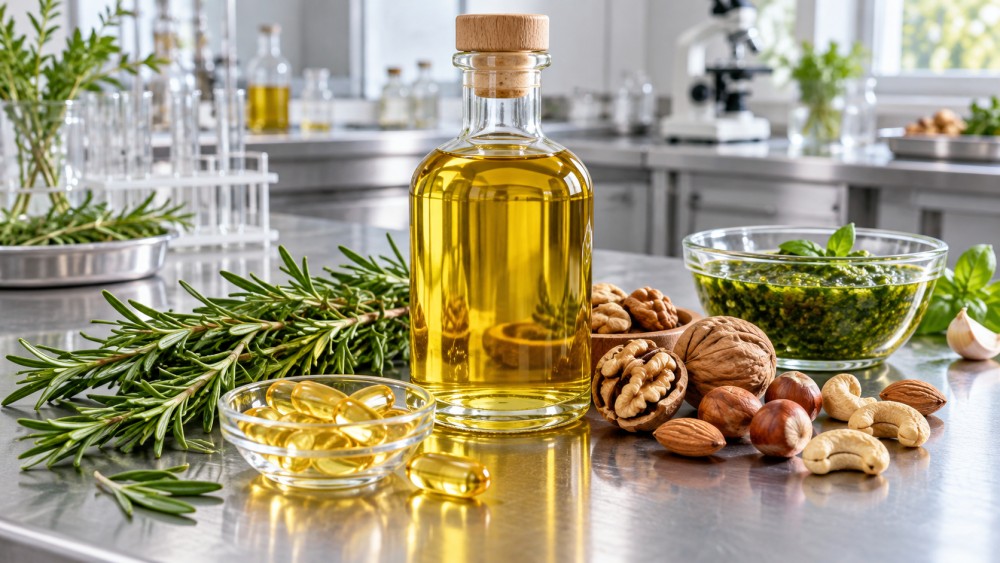
Tocopherols are often considered first for oils and fat-based foods because they are oil-soluble and can be incorporated directly into the lipid phase. Their performance depends on the degree of unsaturation in the oil, the initial peroxide condition of the raw material, frying or baking exposure, and the presence of other compounds that may regenerate or consume antioxidant activity. A tocopherol-rich ingredient can be helpful, but it cannot correct oil that is already oxidized before production begins.
Rosemary-derived antioxidants are commonly evaluated where stronger protection of fats is needed. They can be useful in savory systems, meat applications, oils, and dressings, but the extract format matters. Some preparations are designed for oil dispersion, while others are more suitable for emulsions or dry blends. Their sensory contribution should be assessed in the finished food rather than in a simplified laboratory base, particularly in lightly flavored products.
Ascorbic acid performs differently from oil-phase antioxidants. In beverages and fruit products, it may reduce oxidative stress and protect certain sensory attributes. Yet its behavior is highly dependent on oxygen, pH, light, and metal contamination. In systems containing available iron or copper, poorly controlled ascorbic acid use may accelerate undesirable reactions. This is why it should be evaluated with realistic process water, packaging headspace, and storage conditions.
Why a natural antioxidant can fail in a finished food
A promising result in a bench sample does not always translate to production. The most frequent reason is that the antioxidant was tested under conditions that did not represent the actual product life cycle. A dry sample stored in a sealed container may appear stable, while the commercial pack experiences oxygen ingress, light exposure, temperature cycling, vibration, or repeated opening by consumers.
Placement in the food matrix matters
Oxidation reactions occur where reactants meet. In a water-in-oil or oil-in-water emulsion, protection may be needed at the interface rather than only in the bulk oil phase. An oil-soluble antioxidant that is effective in a frying oil may not protect an emulsion in the same way. Likewise, an aqueous antioxidant system may offer limited benefit against oxidation occurring inside dispersed oil droplets.
Dispersion should be checked before full-scale use. Inadequate mixing can create uneven antioxidant distribution, leading to batch variability. For powders, the carrier and blending sequence can affect uniformity. For liquid extracts, the addition point, temperature, shear conditions, and pre-dilution method may determine whether the ingredient remains dispersed or separates during storage.
Heat can change both protection and flavor
Some antioxidant compounds are consumed during baking, frying, retorting, or extended hot holding. Others survive but generate a detectable herbal, bitter, or cooked note after heating. The correct evaluation is therefore not simply “before and after processing.” It should compare untreated and treated product after processing and during storage, using the same packaging format intended for sale.
In high-temperature applications, raw-material control becomes even more important. Oxidized oils, long storage of nut meals, or exposure of fat-rich ingredients to air can consume antioxidant capacity early. Introducing a natural antioxidant at the final blend stage may not fully recover shelf life if oxidation products are already present.
Metals and oxygen can overwhelm the formulation
Iron and copper can promote oxidation at very low levels. They may enter through water, salt, mineral ingredients, vegetable powders, processing equipment, or contamination from handling systems. A sudden decline in stability after changing a supplier or manufacturing line should therefore trigger review of trace-metal exposure as well as antioxidant dosage.
Oxygen control is equally important. Excess headspace oxygen, poor nitrogen flushing, inadequate seals, or oxygen-permeable packaging can shorten the useful life of an otherwise well-formulated product. Natural Food Antioxidants slow oxidative reactions; they do not make oxygen irrelevant. When packaging is the main failure point, raising the antioxidant level may create flavor or labeling complications without solving the root cause.
A practical evaluation route before release
Quality teams can reduce trial-and-error work by setting an evaluation sequence that separates ingredient performance from broader process failures. The aim is to establish whether the antioxidant is suitable, not merely whether it produces an acceptable result in one sample.
- Define the critical quality attribute. Decide what failure means for the product: rancid odor, peroxide increase, hexanal development, color loss, flavor flattening, browning, or another measurable and sensory-relevant change.
- Establish the untreated baseline. Review current shelf-life samples and identify when the first meaningful deterioration appears. Include normal and reasonably foreseeable adverse storage conditions where appropriate.
- Characterize the product matrix. Document fat type, water activity, pH, salt level, emulsifier system, botanical ingredients, mineral inputs, processing temperature, and packaging barrier properties.
- Screen a limited number of suitable options. Compare candidates at technically justified use levels. Include a control and avoid changing several unrelated formulation factors at once.
- Run process-representative trials. Use the actual heating, mixing, filling, cooling, and packaging sequence. This is where solubility, foam, precipitation, and sensory effects become visible.
- Assess sensory and analytical evidence together. A low oxidation indicator does not automatically mean the product tastes acceptable, and a favorable sensory result at one point does not prove long-term chemical stability.
- Confirm documentation and labeling position. Verify ingredient identity, specification, allergen relevance where applicable, origin claims, permitted use conditions, and declaration requirements for each destination market.
Accelerated storage can be useful for screening, but it should not be treated as a direct substitute for real-time shelf-life confirmation. Elevated temperature may change reaction pathways, packaging behavior, or ingredient interactions. It is most useful when linked to a real-time program and when acceptance criteria are defined in advance.
Clean-label decisions should not ignore sensory limits
A natural-source antioxidant may be technically active yet unsuitable at the level required for protection. Rosemary extracts can introduce herbal or bitter notes in delicate bakery products, mild oils, dairy-style foods, or lightly flavored beverages. Polyphenol-rich materials may add haze, darkening, astringency, or sediment. Tocopherol systems are often relatively neutral, but their protective effect may be insufficient in highly stressed oil systems unless supported by better packaging, fresher raw materials, or another compatible control measure.
The clean-label objective should therefore be written as a product-specific requirement, not as a broad instruction to remove one additive and add another. A useful internal brief might state that the product must retain its intended flavor and color through the labeled shelf life, use an ingredient compatible with the desired declaration approach, remain stable through the production process, and avoid creating new consumer-visible defects.
Questions that should be resolved with suppliers and internal teams
Before approval, ask for information that supports technical traceability rather than relying on a marketing description such as “natural antioxidant.” The ingredient specification should identify the relevant active fractions or standardization approach, physical form, carrier system, recommended storage conditions, solubility behavior, and lot-to-lot controls. For extracts, the botanical source and extraction-related processing information may matter for both consistency and labeling review.
Procurement and quality functions should also confirm packaging format, shelf-life expectations for the antioxidant ingredient itself, transport temperature sensitivity, and whether the supplier can provide documentation needed for the intended market. A material may perform well when fresh but lose activity during prolonged storage under unsuitable conditions. Receiving controls should therefore include inspection of packaging integrity, storage history where available, and segregation from heat, light, or strong odors when relevant.
Where oxidative failure persists despite a reasonable antioxidant trial, investigate the complete system: raw-material age, incoming oil quality, process residence time, oxygen pickup, trace metals, packaging seal performance, light exposure, and storage temperature. The most reliable shelf-life improvement often comes from correcting two or three contributing factors rather than expecting one natural ingredient to carry the entire burden.
Related News
 Antioxidants & Natural PreservativesWhat Quality Checks Matter When Sourcing Butylparaben for Personal CareButylparaben for personal care sourcing guide: compare assay, impurities, physical performance, documentation, traceability, and supplier quality to reduce formulation risk.MORE+
 Nano-microcapsule FormulationsHow Encapsulated Flavors Protect Taste During Processing and StorageEncapsulated Flavors protect taste from heat, oxygen, moisture, and storage loss. Explore smarter release, carrier selection, and processing strategies.MORE+
 Chelated Trace Element FertilizersHow Greenhouse Fertigation Systems Reduce Water and Fertilizer WasteGreenhouse fertigation systems reduce water and fertilizer waste with precise dosing, uniform irrigation, drainage monitoring, and smarter crop-zone control. Learn practical strategies.MORE+
 Supercritical CO2 Essential OilsHow Natural Essential Oil Blends Improve Consistent Product FragranceNatural essential oil blends help brands achieve consistent, appealing fragrance across batches. Explore smart blend design, stability testing, and product compatibility strategies.MORE+
 Non-ionic Surfactants & DefoamersHow to Choose Non Ionic Low Foaming Surfactants for CIP CleaningNon ionic low foaming surfactants for CIP cleaning: learn how to balance wetting, foam control, compatibility, and rinseability for reliable cleaning performance.MORE+
 Nano-microcapsule FormulationsHow Food Grade Cyclodextrin Complexes Protect Sensitive FlavorsFood grade cyclodextrin inclusion complexes help protect sensitive flavors from oxidation, evaporation, and processing loss while supporting controlled release and consistent sensory quality.MORE+
 Polymer-Coated Water Soluble NPKHow Fertilizer Coating Polymers Improve NPK Granule ReleaseFertilizer coating polymers for NPK granules improve controlled nutrient release, reduce loss risks, and enhance product consistency. Discover key selection and process insights.MORE+
 Chelated Trace Element FertilizersWhat Diammonium Phosphate Means for Crop Nutrition PlanningDiammonium Phosphate: learn how DAP supports early phosphorus access, nitrogen budgeting, smart placement, and balanced crop nutrition planning.MORE+
 Maillard Reaction Savory FlavorsHow to Assess a Flavor Bases Supplier List for Reliable SourcingGlobal Fine Chemicals & Agrochemical Intelligence Network flavor bases supplier list: assess specs, samples, supply risk, and true cost to source with confidence.MORE+
 Hydrocolloids & EmulsifiersHow Konjac Gum Powder Improves Texture in Low-Calorie FoodsKonjac gum powder improves body, stability, and mouthfeel in low-calorie foods. Discover practical tips for smoother sauces, beverages, and reduced-fat formulations.MORE+
 Supercritical CO2 Essential OilsWhat to Check Before Choosing a Botanical Essential Oils ManufacturerChoose a botanical essential oils manufacturer with confidence. Explore key checks for purity, traceability, compliance, batch consistency, and reliable supply.MORE+
 Microencapsulated FragrancesHow Fragrance Carriers for Detergents Improve Scent PerformanceFragrance carriers for detergents improve stability, fabric deposition, and long-lasting scent. Explore practical solutions for better wash-to-wear fragrance performance.MORE+
 Antioxidants & Natural PreservativesWhen Propyl Gallate Antioxidant Is the Right Choice for Oil StabilityPropyl gallate antioxidant: learn when it is the right choice for oil stability, shelf-life protection, processing compatibility, and smarter formulation decisions.MORE+
 Antioxidants & Natural PreservativesHow Potassium Sorbate Extends Shelf Life in Food and Beverage ProductsPotassium Sorbate helps food and beverage brands control yeast and mold spoilage. Explore pH, dosage, processing, and packaging strategies for reliable shelf life.MORE+
 Antioxidants & Natural PreservativesHow to Source Bulk Herbal Extracts With Reliable Quality ControlBulk herbal extracts sourcing guide: compare suppliers, verify traceability, review CoAs, and build reliable quality controls for safer, consistent purchasing.MORE+
 Antioxidants & Natural PreservativesWhat to Check Before Sourcing Butylparaben for Personal Care FormulasButylparaben for personal care sourcing guide: check market eligibility, purity, supplier controls, formula compatibility, packaging, and total risk before buying.MORE+
 Targeted Bio-pesticides & APIsChoosing Microbial Fungicides for Foliar Diseases in Integrated Crop ProgramsMicrobial fungicides for foliar diseases: learn how to match biology, formulation, tank compatibility, and timing for stronger integrated crop protection.MORE+
 Targeted Bio-pesticides & APIsHow Microbial Insecticides Control Caterpillars With Lower Crop Residue RiskMicrobial insecticides for caterpillars help protect crops with targeted early-larval control and lower residue-management pressure. Learn timing, coverage, compliance, and scouting essentials.MORE+
 Microencapsulated FragrancesHow to Add Encapsulated Laundry Fragrances Without Weakening Wash ResultsEncapsulated laundry fragrances: learn how to boost long-lasting scent while protecting cleaning power, stability, foam control, and fabric care.MORE+
 Supercritical CO2 Essential OilsHow Aroma Ingredients Shape Lasting and Skin-Safe Personal Care ProductsAroma ingredients for personal care: discover how to achieve lasting scent, formulation stability, skin safety, and confident product performance.MORE+
 Targeted Bio-pesticides & APIsInsecticides Explained Through Labels, Active Ingredients, and SafetyInsecticides explained through labels, active ingredients, formulations, and safety. Learn how to compare products, manage risk, and make informed crop protection decisions.MORE+
 Heavy-duty Industrial DegreasersHow to Select Parts Wash Cleaners for Automotive ComponentsParts wash cleaners for automotive components: learn how to match chemistry, materials, rinsing, safety, and waste controls for reliable cleaning results.MORE+
 Chelated Trace Element FertilizersHow Precision Fertigation Systems Improve Water and Nutrient ControlPrecision fertigation systems improve water and nutrient control with accurate dosing, uniform irrigation, smart monitoring, and reduced waste. Discover how to optimize crop performance.MORE+
 Hydrocolloids & EmulsifiersHow Bulk Price Factors Affect Hydrocolloid Stabilizer Blend SourcingHydrocolloid stabilizer blends bulk price: compare dosage efficiency, quality consistency, logistics, and documentation to reduce total sourcing costs.MORE+
 Zero-Calorie Sweeteners & AcidulantsHow to Choose a Natural Sweeteners Supplier for Clean-Label ProductsNatural sweeteners supplier selection guide for clean-label products: compare formulation fit, traceability, documentation, and supply reliability.MORE+
 Non-ionic Surfactants & DefoamersWhat Cationic Surfactants Do and Where They Are UsedCationic Surfactants deliver antimicrobial action, conditioning, antistatic control, and surface treatment benefits. Explore key uses, compatibility, and safe selection tips.MORE+
 Targeted Bio-pesticides & APIsHow to Evaluate Pesticide Suspension Concentrates for Field StabilityPesticide Suspension Concentrates: learn how to evaluate field stability, redispersibility, dilution, tank-mix compatibility, and spray safety for reliable performance.MORE+
 Hydrocolloids & EmulsifiersHow Hydrocolloid Systems for Meat Products Improve Texture and YieldHydrocolloid systems for meat products improve yield, texture, water retention, and slicing quality. Explore practical formulation strategies for stable, high-performing meat products.MORE+
 Microencapsulated FragrancesHow Laundry Fragrances for Liquid Detergents Improve Scent LongevityLaundry fragrances for liquid detergents: discover how fragrance design, deposition, and encapsulation create lasting fabric freshness and stronger product appeal.MORE+
 Nano-microcapsule FormulationsChoosing Fragrance Preparations That Perform Well in Personal WashFragrance preparations for personal wash: learn how to select options that protect clarity, stability, foam, scent performance, and packaging compatibility.MORE+
 Controlled-Release ThermodynamicsModified Cyclodextrins Explained for Controlled Fragrance ReleaseModified cyclodextrins enable controlled fragrance release, odor control, and volatile-note protection. Explore how they optimize performance in detergents, fabric care, and more.MORE+
 Microencapsulated FragrancesHow Fragrance Delivery Systems Improve Fabric Softener LongevityFragrance delivery systems for fabric softeners improve scent longevity through smart protection, reliable deposition, and controlled release for lasting freshness.MORE+
 Supercritical CO2 Essential OilsHow to Evaluate a Natural Cardamom Oil Supplier for Reliable SupplyNatural cardamom oil supplier evaluation guide: verify botanical origin, purity, batch consistency, documentation, packaging, and delivery reliability for confident sourcing.MORE+
 Maillard Reaction Savory FlavorsHow Ethyl Maltol Purity Testing Supports Flavor Safety ComplianceEthyl Maltol purity testing strengthens flavor safety compliance through identity checks, impurity profiling, supplier verification, and audit-ready documentation.MORE+
 Microencapsulated FragrancesEssential Oil Extracts Compared for Fragrance and Wellness UsesEssential Oil Extracts compared for fragrance and wellness: explore scent profiles, extraction methods, stability, safety, and sourcing insights for smarter formulation choices.MORE+
 Zero-Calorie Sweeteners & AcidulantsWhat Drives Zero Calorie Sweeteners Bulk Price in 2026Zero calorie sweeteners bulk price in 2026: compare specifications, dosage, quality, freight, and supply risk to make smarter sourcing decisions.MORE+
 EPA FIFRA & FDA GRAS RegsSynthetic Food Preservatives Rules That Support Safer FormulasSynthetic Food Preservatives: learn the rules for safer formulas, compliant use levels, validated shelf life, labeling, and reliable microbial control.MORE+
 Micelle Fluidics & ChelationHow Anionic Industrial Dispersants Improve Coating StabilityAnionic industrial dispersants improve coating stability, pigment wetting, viscosity control, gloss, and storage performance. Learn how to select and test the right solution.MORE+
 Supercritical CO2 Essential OilsHow to Choose Eucalyptus Oil Grades for Clean, Consistent ProductsChoose the right Eucalyptus Oil grade with confidence. Compare cineole content, purity, origin, processing, documentation, and application fit for consistent products.MORE+
 Micelle Fluidics & ChelationWhat Are Cationic Surfactants and Where Are They Commonly Used?Cationic Surfactants deliver powerful surface affinity for disinfection, fabric softening, hair conditioning, antistatic control, and industrial treatments. Explore key uses and selection factors.MORE+







































