How to Select Natural Food Preservatives for Chilled Ready Meals
A chilled ready meal can pass its initial taste assessment yet develop sour notes, gas, or microbial failures before its intended use-by date. Selecting natural food preservatives for ready meals starts with identifying the organisms and product conditions that limit shelf life—not with choosing the most appealing clean-label ingredient. Shortlist systems that fit the meal’s pH, water activity, processing sequence, and packaging, then verify their performance in the finished product.
For meals containing meat, rice, vegetables, and sauce, one preservative may not protect every component equally. A system that controls spoilage in an acidic sauce may offer insufficient protection in a near-neutral protein portion. The practical decision is therefore a preservation system: validated processing and hygiene, controlled refrigeration, suitable packaging, and an antimicrobial ingredient where it provides a demonstrated benefit.
Define the failure you need to prevent
Separate food-safety objectives from quality objectives before requesting samples. Visible mold, package swelling, souring, and oxidative flavor changes require different investigations. A meal can remain acceptable in appearance while presenting a microbial hazard; conversely, a safe product may become commercially unacceptable because of oxidation or texture deterioration.
Build a product brief that records the target unopened shelf life, storage instructions, expected distribution conditions, preparation method, and whether consumers may eat the product without further heating. Do not assume that microwave instructions provide a validated safety treatment. Where safety depends on consumer heating, that dependency requires specific assessment and validation.
- Product characteristics: pH and water activity of individual components and the assembled meal, salt content, fat and protein levels, and formulation variability.
- Process exposure: cooking conditions, cooling performance, handling after cooking, ingredient additions, and sealing point.
- Packaging: air, vacuum, or modified atmosphere; film barrier properties; seal integrity; and relevant changes during storage.
- Microbial concerns: organisms indicated by the hazard analysis, historical results, raw materials, and production environment.
For chilled ready-to-eat products, Listeria monocytogenes may require particular attention because post-process contamination and growth during refrigeration can be relevant. Cooked grains can raise concerns about Bacillus cereus, while reduced-oxygen chilled products require assessment of nonproteolytic Clostridium botulinum. These hazards cannot be addressed by selecting an ingredient from a generic antimicrobial table.
Measure the meal, not just the sauce
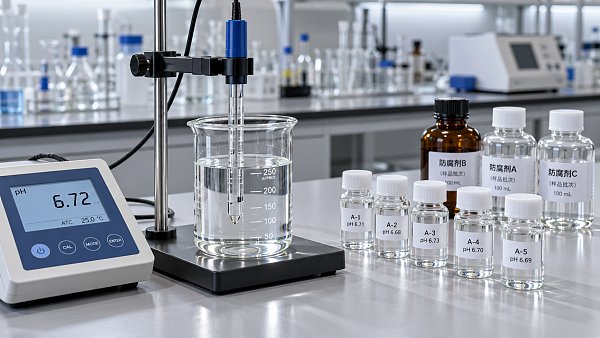
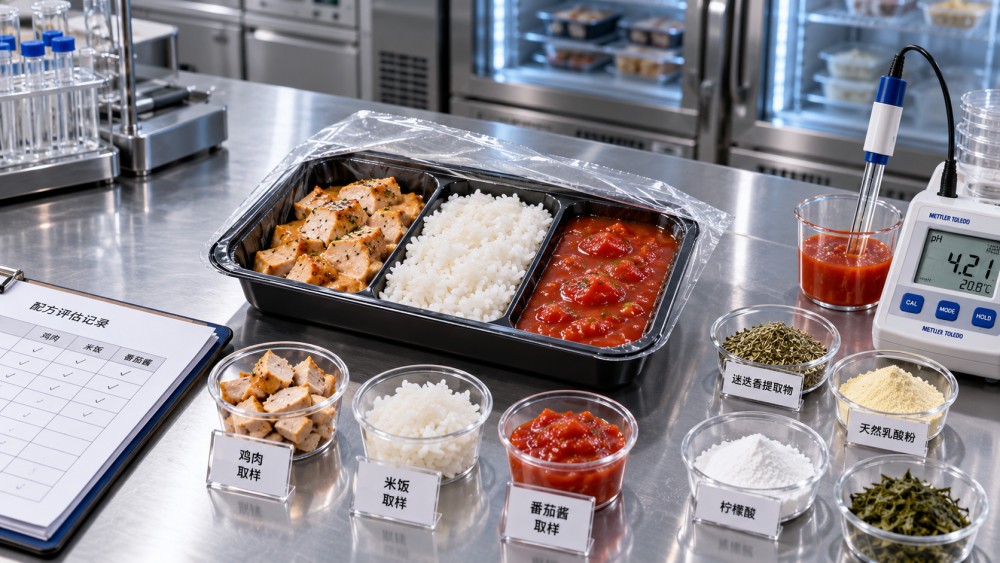
A bulk pH result can conceal the conditions inside meat pieces, grain clusters, or vegetable inclusions. Acid migration and moisture redistribution may change those conditions after packing. Measure representative components and interfaces at appropriate stages, including after equilibration and during storage, using a sampling method suited to the product.
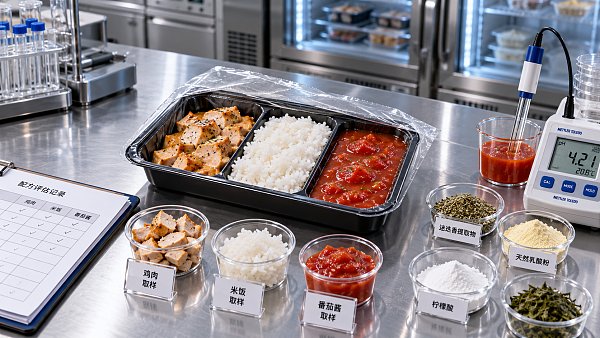
Consider a tray containing cooked chicken, rice, and tomato sauce. Acidification of the sauce does not establish equivalent acidity throughout the chicken or rice. Likewise, a preservative dispersed into the sauce may not reach a useful concentration inside solid pieces. The selection question becomes both “Does this antimicrobial work?” and “Is it present where microbial growth could occur?”
Water activity should be measured rather than inferred from recipe moisture or salt addition. Most moist chilled meals do not gain a sufficient preservation hurdle from modest recipe changes alone. Also assess buffering capacity: protein-rich components can require more acid to achieve a given pH change, increasing the risk of unacceptable sourness or texture effects.
Compare ingredient families by their actual function
“Natural” does not define antimicrobial spectrum, strength, or legal status. Products within the same ingredient family can differ in active composition, carriers, standardization, and application instructions. Use the comparison below to establish trial candidates, not to substitute for product-specific evidence.
Organic-acid systems deserve careful pH assessment because the undissociated acid fraction often contributes substantially to antimicrobial action. Equal additions of two products do not imply equal protection: acid identity, concentration, neutralization, and meal buffering all matter. Compare candidates on their specified active composition and proposed application conditions, not simply their inclusion percentages.
Fermentation-derived ingredients also need closer scrutiny than a “cultured” description provides. Ask which metabolites are standardized, how batch consistency is controlled, and whether supporting studies address the organism of concern. Evidence for suppression of general spoilage flora does not establish control of a specific pathogen.
Keep antioxidant claims separate from antimicrobial claims. Rosemary extract, for example, may help delay oxidative deterioration in fatty components, but that does not establish adequate microbial preservation. An antioxidant can be useful in the same formulation while serving a different purpose.
Check whether the process defeats the ingredient
Addition point can determine performance. An ingredient incorporated before cooking must retain suitable functionality through heating and cooling. Addition after cooking may avoid heat exposure but introduces another handling step, which must not undermine hygienic control. The process should establish uniform incorporation without relying on an idealized mixing assumption.
Fat and protein can bind or partition some antimicrobial compounds, reducing the fraction available in the aqueous phase. Essential-oil preparations illustrate this problem: activity in laboratory broth may not translate into a fatty sauce or meat matrix. Increasing the dose may produce an unacceptable aroma before providing sufficient protection.
Packaging changes the microbial environment rather than eliminating risk. Modified-atmosphere or vacuum packaging may suppress some spoilage organisms while leaving other hazards relevant. Evaluate preservatives under the actual gas mixture, headspace, film, and sealing conditions. Protection demonstrated in an air-packed sample should not be transferred automatically to a reduced-oxygen product.
Cooling remains a separate control. A preservative should not be used to justify slow cooling or poor temperature management. Where the process allows spore germination, growth, or toxin formation, adding an antimicrobial later may not correct the resulting hazard.
Turn supplier claims into an evidence request
Request documentation before committing to a production-scale trial. A useful technical package explains what the ingredient contains, how it should be used, and what its evidence actually supports. A broad statement such as “extends freshness” is insufficient for evaluating pathogen growth control.
- Composition and specifications: active components or relevant analytical markers, carrier materials, moisture, microbiological limits, and batch-release criteria.
- Application evidence: tested food matrix, pH, inclusion level, storage conditions, organisms assessed, study duration, and controls.
- Processing guidance: solubility, mixing requirements, heat stability, addition point, and known incompatibilities.
- Compliance information: permitted uses for the destination market, applicable restrictions, proposed declaration, allergen information, and origin documentation where relevant.
- Supply controls: certificate-of-analysis content, storage requirements, ingredient shelf life, traceability, and change-notification procedures.
“Natural” and “clean label” are not interchangeable with legal permission. An ingredient may qualify differently across markets, and a fermented material may still have a preservative function requiring particular regulatory treatment. Confirm the actual formulation and intended use rather than relying on the supplier’s marketing terminology.
Compare cost only among technically viable candidates. Include the effective use level, mixing or handling changes, sensory impact, and quality-control burden. A cheaper ingredient that requires tighter formulation tolerances or causes unacceptable flavor is not necessarily the lower-cost system.
Build a trial that can reject an unsuitable option
Set acceptance criteria before testing. These should cover microbial safety, spoilage, sensory quality, physical stability, and manufacturing practicality. Keep the existing validated system as a reference where available, and include appropriate comparison formulations. Controls must be planned so experimental products cannot accidentally enter saleable stock.
- Screen formulation compatibility. Evaluate feasible use levels for flavor, aroma, texture, pH, dispersion, and appearance. Reject options that cannot meet sensory requirements at potentially effective concentrations.
- Run finished-product shelf-life studies. Use the intended process and packaging, multiple representative production batches, and storage conditions reflecting the defined distribution scenario. Assess microbiological and quality endpoints throughout storage.
- Determine whether challenge testing is needed. Where growth potential or targeted inhibition must be established, have a qualified food microbiology laboratory design an appropriate product-specific study.
- Confirm production reproducibility. Verify dosing, mixing uniformity, component variation, cooling, packaging, and batch-to-batch consistency before approving the system.
Routine shelf-life testing and challenge testing answer different questions. Naturally contaminated samples may not contain the hazard of interest, so satisfactory routine results cannot by themselves demonstrate inhibition. Challenge testing deliberately evaluates relevant organisms under controlled conditions and requires specialist design, containment, and interpretation; it is not a production-line exercise.
The protocol should address credible worst-case conditions within the proposed product specification, such as higher pH, lower preservative concentration, or relevant temperature excursions. Sampling should cover susceptible components rather than relying only on a blended whole-meal result. Include sensory assessment because microbial inhibition can outlast acceptable taste or texture.
Do not extrapolate a successful study across a meal range without technical justification. Changing the protein source, sauce ratio, component size, packaging atmosphere, or cooling process can change the preservation challenge.
Make approval conditional on a defined operating window
The selected system should have a documented operating window: approved recipe and ingredient specifications, permitted dosing tolerance, relevant pH and water-activity limits, processing conditions, packaging specification, storage requirements, and supported shelf life. Define which deviations require product hold, investigation, or reassessment rather than leaving them to informal judgment.
If no candidate delivers acceptable flavor and the required microbial performance, reconsider the shelf-life target or another controllable hurdle. A shorter distribution window, improved post-cook segregation, faster cooling, or a different validated process may be more defensible than escalating preservative addition.
Revalidation should be triggered by meaningful changes, including a supplier’s active-composition change, recipe reformulation, new packaging, or altered storage conditions. Approval belongs to the tested meal-and-process combination—not to the ingredient name printed on the specification.
Facing technical bottlenecks in manufacturing or looking for more efficient industrial solutions? Leave your details below and let the engineering experts at FCAS solve them for you.
We respect your privacy. Your information is strictly confidential.
Related News
 Antioxidants & Natural PreservativesHow Do Food Preservative Blends for Dairy Beverages Work?Food preservative blends for dairy beverages work differently across formulations. Discover how pH, processing and testing shape shelf-life performance.MORE+
 Antioxidants & Natural PreservativesIndexBox Forecasts Moderate BHT Market Growth Through 2035BHT market growth is forecast at 2.5% annually through 2035. Explore the demand drivers and what the outlook means for suppliers and buyers.MORE+
 Antioxidants & Natural PreservativesHow Do Food Preservation Ingredients Extend Shelf Life?Food Preservation Ingredients extend shelf life by slowing microbial growth and oxidation. Discover how to select and validate the right solution for your product.MORE+
 Antioxidants & Natural PreservativesWhat Drives Antioxidant Blends Bulk Price Changes?Discover what drives antioxidant blends bulk price changes, from ingredient costs to delivery terms, and learn how to compare quotes for better value.MORE+
 Antioxidants & Natural PreservativesWhat Affects Benzyl Alcohol Wholesale Pricing and Quality?Benzyl alcohol wholesale prices vary by purity, packaging, and delivery terms. Learn how to compare quality and total costs before you buy.MORE+
 Antioxidants & Natural PreservativesHow Preservative Blends Help Control Spoilage in FoodsPreservative Blends can help control food spoilage and support shelf life. Discover how to select and validate the right system for your product.MORE+
 Antioxidants & Natural PreservativesWhat Affects the Bulk Price of Food Preservation Ingredients?Explore what drives the food preservation ingredients bulk price, from specifications and order volume to freight, compliance, and supplier reliability.MORE+
 Antioxidants & Natural PreservativesHow to Choose Tocopherols for Food Oxidation ControlDiscover how to choose Tocopherols for food oxidation control. Compare profiles, dosage, formulation compatibility, and shelf-life testing.MORE+
 Antioxidants & Natural PreservativesHow Does pH Affect the Performance of Antimicrobial Preservatives?Antimicrobial Preservatives perform differently as pH shifts. Learn how to select effective systems, avoid formulation pitfalls, and validate lasting product protection.MORE+
 Antioxidants & Natural PreservativesHow to Select Natural Food Preservatives for Chilled Ready MealsSelect natural food preservatives for ready meals with confidence. Compare options, assess pH and packaging, and validate shelf life while protecting taste. Explore the guide.MORE+
 Antioxidants & Natural PreservativesWhat Affects the Bulk Price of Antioxidant Blends for Food Use?Compare antioxidant blends bulk price factors, from active concentration to dosage and delivery costs. Learn how to assess quotes and choose better value for food applications.MORE+
 Antioxidants & Natural PreservativesHow Do Propionates Prevent Mold Without Slowing Yeast in Bread?Propionates help delay mold in bread while allowing effective proofing. Discover how pH, dosage, and process control balance longer shelf life with yeast performance.MORE+
 Antioxidants & Natural PreservativesWhat Makes Stable Synthetic Aroma Chemicals Resist Degradation?Learn why stable synthetic aroma chemicals resist degradation, how formulation and packaging affect performance, and what to test when choosing ingredients for lasting fragrance quality.MORE+
 Antioxidants & Natural PreservativesHow Do You Choose a Natural Food Preservatives Supplier You Can Trust?Choose a natural food preservatives supplier you can trust. Learn how to verify compliance, validate performance, and assess supply reliability before you buy.MORE+
 Antioxidants & Natural PreservativesWhat Determines TBHQ Bulk Price and How Can You Compare Quotes?Compare tbhq bulk price with confidence. Discover key cost drivers, specification checks, and landed-cost essentials to evaluate supplier quotes and avoid hidden costs.MORE+
 Antioxidants & Natural PreservativesHow to Choose Food Preservation Ingredients for Beverages That LastChoose food preservation ingredients for beverages with confidence. Explore pH, microbial control, compliance, and testing to protect flavor and achieve reliable shelf life.MORE+
 Antioxidants & Natural PreservativesWhat Purity Tests Are Needed for Cosmetic Grade Butylparaben?Cosmetic grade butylparaben needs more than a high assay. Discover essential purity tests, impurity controls, and supplier checks to make confident sourcing decisions.MORE+
 Antioxidants & Natural PreservativesTBHQ Antioxidant Performance, Limits, and Food Safety ComplianceTBHQ antioxidant performance, legal limits, and food safety compliance explained. Learn practical controls for oils, frying, packaging, shelf life, and documentation.MORE+
 Antioxidants & Natural PreservativesNatural Food Preservatives for Sauces That Protect Shelf LifeNatural food preservatives for sauces: discover practical strategies for safer shelf life, clean-label formulation, pH control, packaging, and validation.MORE+
 Antioxidants & Natural PreservativesHow Herbal Extracts for Functional Foods Support Product DevelopmentHerbal extracts for functional foods: explore smarter selection, sensory balance, processing stability, documentation, and scalable supply for successful product development.MORE+
 Antioxidants & Natural PreservativesWhat Quality Checks Matter When Sourcing Butylparaben for Personal CareButylparaben for personal care sourcing guide: compare assay, impurities, physical performance, documentation, traceability, and supplier quality to reduce formulation risk.MORE+
 Antioxidants & Natural PreservativesWhen Propyl Gallate Antioxidant Is the Right Choice for Oil StabilityPropyl gallate antioxidant: learn when it is the right choice for oil stability, shelf-life protection, processing compatibility, and smarter formulation decisions.MORE+
 Antioxidants & Natural PreservativesHow Potassium Sorbate Extends Shelf Life in Food and Beverage ProductsPotassium Sorbate helps food and beverage brands control yeast and mold spoilage. Explore pH, dosage, processing, and packaging strategies for reliable shelf life.MORE+
 Antioxidants & Natural PreservativesHow to Source Bulk Herbal Extracts With Reliable Quality ControlBulk herbal extracts sourcing guide: compare suppliers, verify traceability, review CoAs, and build reliable quality controls for safer, consistent purchasing.MORE+
 Antioxidants & Natural PreservativesWhat to Check Before Sourcing Butylparaben for Personal Care FormulasButylparaben for personal care sourcing guide: check market eligibility, purity, supplier controls, formula compatibility, packaging, and total risk before buying.MORE+
 Antioxidants & Natural PreservativesNatural Food Antioxidants That Help Extend Shelf Life in Clean LabelsNatural Food Antioxidants: learn how tocopherols, rosemary extracts, and ascorbic systems help protect flavor, color, and shelf life in clean-label foods.MORE+
 Antioxidants & Natural PreservativesWhat to Check Before Choosing a Butylparaben Wholesale SupplierButylparaben wholesale buyers: learn how to assess quality, documentation, market fit, packaging, supply reliability, and total landed cost before choosing a supplier.MORE+
 Antioxidants & Natural PreservativesWhat to Check Before Choosing a Synthetic Food Preservatives SupplierSynthetic food preservatives supplier selection: check regulatory fit, batch consistency, documentation, logistics, and support to reduce risks and hidden costs.MORE+
 Antioxidants & Natural PreservativesWhat to Verify Before Choosing a Synthetic Food Preservatives FactorySynthetic food preservatives factory checklist: verify food-grade quality, impurity control, traceability, packaging, and regulatory fit before supplier approval.MORE+
 Antioxidants & Natural PreservativesHow to Compare Food Preservative Blends Wholesale QuotesFood preservative blends wholesale: compare quotes by true cost, dosage, compliance, quality consistency, and supply reliability to choose the best-value solution.MORE+
 Antioxidants & Natural PreservativesHow Natural Food Preservatives Keep Sauces Fresh Without Sacrificing FlavorNatural food preservatives for sauces help balance microbial control, shelf life, and authentic flavor. Explore practical formulation, processing, and packaging strategies.MORE+
 Antioxidants & Natural PreservativesHow Propionates Extend Shelf Life While Meeting Food Safety RequirementsPropionates extend shelf life by controlling mold in bakery and moisture-sensitive foods. Explore smart dosage, compliance, supplier quality, and safer distribution strategies.MORE+
 Antioxidants & Natural PreservativesHow Oxidation Resistant Flavor Encapsulates Protect Taste During ProcessingOxidation resistant flavor encapsulates help protect delicate taste through heat, oxygen, and storage. Discover how to improve flavor retention, release, and processing consistency.MORE+
 Antioxidants & Natural PreservativesHow to Choose Green Tea Extract for Stable, Consistent FormulationsGreen Tea Extract selection guide for stable, consistent formulations—compare standardization, solubility, carriers, stability, and batch quality with confidence.MORE+
 Antioxidants & Natural PreservativesIs TBHQ for Shortening Safe and Effective for Longer Shelf Life?TBHQ for shortening: discover how safe, compliant antioxidant use can reduce rancidity, protect quality, and support longer shelf life through validated controls.MORE+
 Antioxidants & Natural PreservativesWhy Ferulic Acid Matters in Modern Antioxidant FormulationsFerulic Acid helps modern formulations enhance oxidative stability, protect sensitive ingredients, and support differentiated product performance across key applications.MORE+
 Antioxidants & Natural PreservativesHow Natural Food Preservatives Extend Shelf Life Without CompromiseNatural Food Preservatives extend shelf life through smart hurdle systems, balancing safety, clean-label appeal, sensory quality, and regulatory compliance.MORE+
 Antioxidants & Natural PreservativesHow to Choose a Food Preservation Ingredients Manufacturer with ConfidenceFood preservation ingredients manufacturer selection starts with risk control. Learn how to compare quality, documentation, supply stability, and technical support with confidence.MORE+
 Antioxidants & Natural PreservativesIs Cosmetic Grade Butylparaben Still a Smart Choice for FormulatorsCosmetic grade butylparaben remains a key consideration for formulators. Explore when it still makes sense, when to replace it, and how to balance performance, compliance, and market demands.MORE+
 Antioxidants & Natural PreservativesHow to Choose a Reliable Gum Arabic Powder Supplier for Consistent QualityGum arabic powder supplier selection starts with quality, traceability, and supply stability. Learn how to compare specs, compliance, and continuity to reduce sourcing risk.MORE+