How to Choose Food Preservation Ingredients for Beverages That Last
A beverage can taste perfect at production yet fail long before its intended shelf life. A fruit drink develops fermentation notes, a tea loses its fresh aroma, or a fortified beverage changes color while the microbiological results remain acceptable. These failures look different because they come from different deterioration pathways.
Choosing food preservation ingredients for beverages therefore requires more than comparing additive specifications. Technical evaluators need to connect microbial risks, product pH, processing conditions, packaging, and sensory compatibility. Preservatives and antioxidants perform different jobs, and neither can compensate for an unsuitable manufacturing process.
The practical goal is not to find the strongest preservative. It is to identify a legally permitted, formulation-compatible preservation system that maintains safety and acceptable quality throughout realistic distribution and use.
Define what “lasting” means before screening ingredients
A shelf-life target is incomplete without storage conditions. An unopened beverage held under refrigeration presents a different challenge from the same formulation shipped through warm warehouses. Likewise, unopened shelf life and the period after opening require separate assessments.
Before requesting supplier samples, prepare a short product brief covering:
- Product matrix: juice content, dairy or plant proteins, sugars, pulp, minerals, botanical extracts, and functional ingredients.
- Chemical conditions: finished-product pH range, titratable acidity, and relevant oxygen exposure.
- Manufacturing: heat treatment, filtration, filling temperature, sanitation controls, and opportunities for post-process contamination.
- Distribution: ambient or refrigerated storage, likely temperature excursions, and exposure to light.
- Packaging and use: container material, closure performance, single-serve or resealable format, and after-opening instructions.
- Commercial constraints: target markets, label expectations, and acceptable changes in flavor, color, or appearance.
This brief prevents a common sourcing mistake: evaluating ingredients against an ideal laboratory formulation rather than the product that will actually leave the filling line.
Separate microbial control from oxidation and physical stability
Microbial spoilage may cause gas formation, haze, sediment, off-odors, or package swelling. Oxidation may reduce aroma intensity, degrade sensitive nutrients, or cause browning. Physical instability can produce separation or precipitation without either mechanism being responsible.
A preservative does not automatically protect flavor, and an antioxidant does not establish microbial safety. Stabilizers and emulsifiers may improve appearance, but they should not be treated as antimicrobial ingredients unless a specific, validated function supports that claim.
More than one pathway often matters. A citrus beverage might require yeast control alongside oxygen management, while a protein drink may need a validated thermal process and careful control of mineral-driven instability.
Screen food preservation ingredients for beverages by application fit
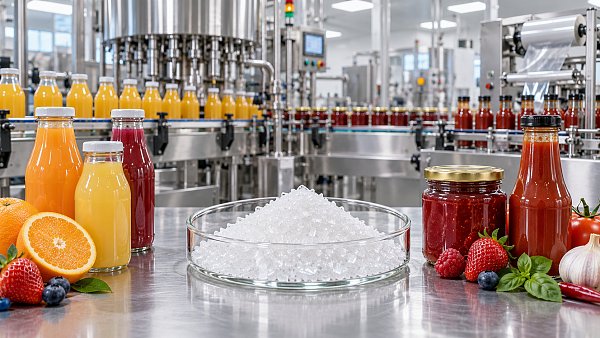
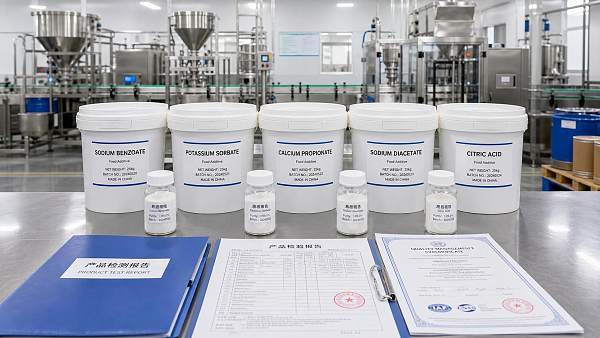
Benzoates and sorbates: useful candidates for acidic systems
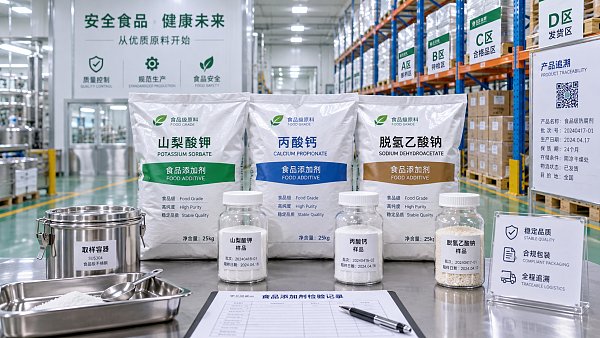
Sodium benzoate and potassium sorbate are familiar candidates in acidic beverages, where permitted. Their antimicrobial activity depends strongly on pH because the undissociated acid form contributes substantially to performance. As pH rises, the same nominal addition can become less effective.
Benzoates are commonly considered for acidic soft drinks and related formulations. Sorbates are often evaluated for yeast and mold control, although performance depends on the organism and beverage matrix. Neither should be selected from a generic dosage chart alone.
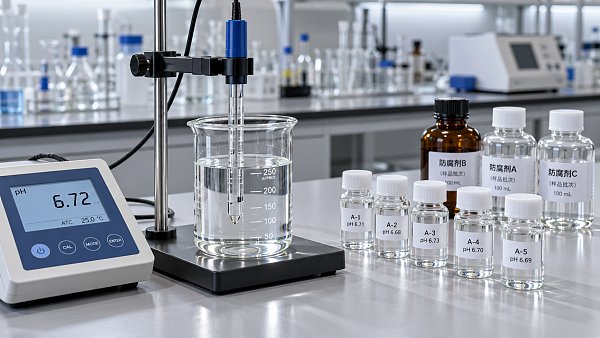
Check the highest expected finished-product pH, not just the development batch average. Raw-material variability, dilution, and measurement differences can narrow the preservation margin. Titratable acidity also matters to formulation and taste, but it does not replace pH as a screening parameter for these weak-acid preservatives.
For beverages containing benzoates and ascorbic acid, assess potential benzene formation under relevant conditions. Heat, light, trace metals, and the broader formulation can influence this risk. Their coexistence is not proof of an unacceptable product, but it warrants formulation review and appropriate analytical verification.
Specialized antimicrobials require a narrower decision
Dimethyl dicarbonate, where authorized, may be considered for certain beverage applications. It requires controlled dosing equipment, trained handling, and process-specific validation. Because it hydrolyzes after addition, it should not be treated as a persistent protective barrier against later contamination.
Nisin can be relevant in selected systems targeting susceptible Gram-positive bacteria. It is not a broad-spectrum substitute for yeast and mold control, and its usefulness depends on the matrix, process, and permitted application.
Other antimicrobial ingredients may have tightly restricted beverage uses or no authorization in a target market. Supplier descriptions such as “food grade” or “widely used” do not establish legal suitability for the intended beverage category.
Antioxidants: select against the actual oxidation mechanism
Ascorbic acid can support oxygen-related quality protection in some beverages, but its behavior depends on oxygen exposure, metals, and other ingredients. It may itself degrade during storage. Adding more does not necessarily provide proportionally better protection.
Oil-soluble antioxidants may suit an oil phase or flavor emulsion but perform poorly when simply added to an aqueous drink. Chelating ingredients can sometimes help manage metal-catalyzed oxidation, where permitted, yet they need compatibility and labeling review.
Before adding an antioxidant, examine dissolved oxygen after mixing and filling, headspace oxygen, package permeability, and light exposure. An ingredient cannot reliably offset continuous oxygen ingress from an unsuitable package.
Know when preservation ingredients are not the main answer
A low-acid, shelf-stable beverage is not simply an acidic drink with a higher preservative dose. Many such products require validated processing and packaging controls appropriate to their hazards, such as commercial sterilization and aseptic filling.
In some regulatory frameworks, pH 4.6 is an important classification boundary, but classification also depends on factors such as water activity, formulation, and processing. It is not a universal pass-or-fail rule for beverage safety. Acidic products can still require validated controls for relevant pathogens.
Refrigerated dairy and plant-based beverages also need assessment within their intended cold chain. Antimicrobial additions cannot rescue inadequate heat treatment, contaminated equipment, or unrealistic storage assumptions.
The most useful screening sequence is therefore: characterize the beverage, identify hazards and spoilage risks, establish the processing strategy, then evaluate ingredients as part of that system.
Compatibility problems often appear outside the preservative specification
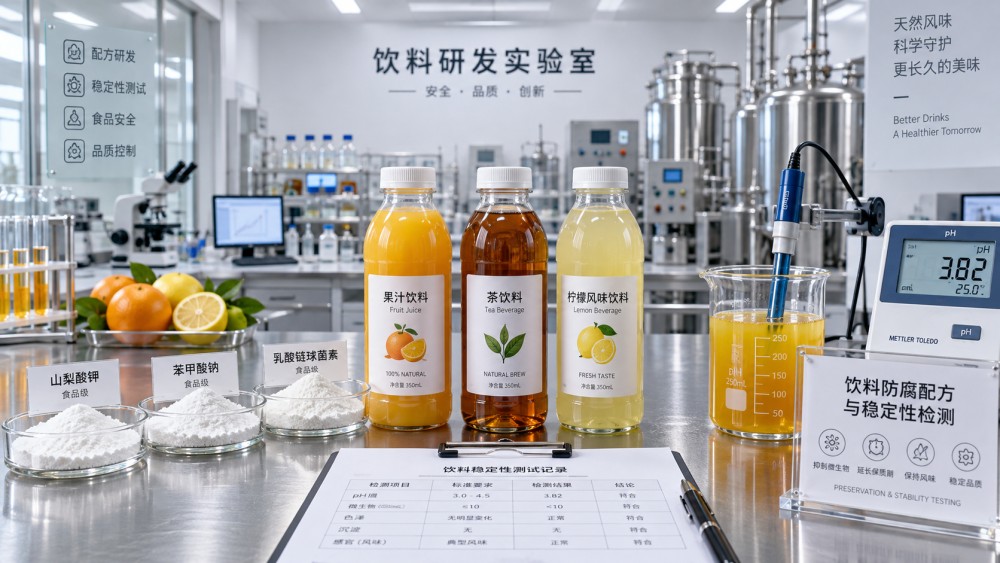
A certificate of analysis can confirm ingredient identity and purity without predicting performance in a finished beverage. Technical evaluation must extend to the complete formulation.
Solubility and addition order: Check whether the ingredient dissolves fully at the intended mixing temperature and concentration. A convenient soluble salt may still produce precipitation or localized problems when introduced into an acidic concentrate.
Proteins, pulp, and emulsions: These components can alter antimicrobial availability, partitioning, or microbial protection. A clear model solution is useful for initial screening, but it is not a reliable substitute for a pulpy juice or protein-containing beverage.
Heat and holding time: Evaluate whether the ingredient remains functional through processing and whether reactions affect color, aroma, or sensitive nutrients. Test realistic production hold times as well as the nominal heat-treatment conditions.
Packaging: Check oxygen and light barriers, closure integrity, and possible ingredient interactions with contact materials. If a bottle, liner, or closure changes, reconsider the preservation evidence rather than assuming the original shelf life transfers.
Sensory assessment belongs here, not at the end of development. Bitterness, lingering notes, reduced aroma freshness, or altered acidity can make a technically effective candidate commercially unsuitable.
Apply regulatory screening before committing to a formulation
Build a market-by-market compliance check using current official requirements. For each candidate, confirm the exact ingredient identity, authorized beverage category, maximum level or applicable use condition, purity requirements, and declaration rules.
Pay attention to how limits are expressed. Some may refer to the acid equivalent rather than the supplied salt; combined-use provisions may also apply. Carry-over from flavor preparations, fruit ingredients, or other components may need assessment.
Claims require a separate review. “Natural,” “clean label,” and “no preservatives” are not interchangeable technical categories, and interpretations vary between markets. A fermentation-derived ingredient does not automatically justify a particular claim.
Where several destination markets are involved, establish whether one common formulation is feasible. Discovering an authorization conflict after pilot validation can force reformulation and repeat testing.
Validate a shortlist, not an assumption
Laboratory screening should narrow the options; it should not be the final approval. A defensible validation program combines analytical checks, sensory evaluation, storage studies, and microbiological work designed by qualified specialists.
- Confirm actual addition and product conditions. Verify relevant preservative levels, pH, and other critical parameters after processing and during storage where appropriate.
- Use representative production samples. Include realistic raw materials, process conditions, filling practices, and the intended package.
- Test foreseeable variability. Consider the upper pH specification, lower preservative tolerance, and credible distribution temperatures without combining impossible extremes.
- Design appropriate microbial studies. Select relevant organisms and methods with a qualified laboratory. Spoilage challenge testing and pathogen-control validation answer different questions.
- Track quality alongside microbial results. Measure flavor, aroma, color, nutrient retention where relevant, haze, sediment, and package condition against predefined limits.
Accelerated studies can help compare candidates and reveal instability, but elevated temperatures may change deterioration mechanisms. They should not automatically be converted into a shelf-life claim. Real-time evidence under intended conditions remains important.
After-opening performance also deserves attention for resealable products. Any recommended consumption period should reflect a supported use scenario, not merely the unopened test results.
Make supplier comparison part of technical approval
Once application performance is established, procurement teams still need to confirm that the selected material can be supplied consistently. Request a specification, representative certificates of analysis, traceability information, storage guidance, packaging details, and applicable regulatory documentation.
Discuss impurity controls, manufacturing-site changes, batch consistency, and change-notification procedures. For blends, clarify active content, carriers, and the information needed for labeling and compliance. Proprietary composition should not prevent an adequate safety and regulatory assessment.
Compare cost at the validated use level, including dosing equipment, analytical testing, process adjustments, waste, and logistics—not only the quoted price per kilogram.
FCAS approaches food ingredient evaluation in this application-led context: connecting chemical properties with processing, documentation, supply reliability, and commercial decisions rather than treating a preservative as an isolated commodity.
A practical approval rule
Approve a preservation system only when four conditions align: it is permitted in the target market, controls the relevant risks within a validated process, maintains acceptable sensory quality, and can be supplied consistently.
If one condition fails, increasing the ingredient level is not necessarily the solution. The better answer may be tighter pH control, improved filling hygiene, stronger oxygen protection, a different process, or a shorter shelf-life target.
Well-chosen food preservation ingredients for beverages do more than extend a date on a label. Within a properly designed system, they help the product reach the customer with the safety, flavor, and consistency that the development team intended.
Facing technical bottlenecks in manufacturing or looking for more efficient industrial solutions? Leave your details below and let the engineering experts at FCAS solve them for you.
We respect your privacy. Your information is strictly confidential.
Related News
 Antioxidants & Natural PreservativesHow Do Food Preservative Blends for Dairy Beverages Work?Food preservative blends for dairy beverages work differently across formulations. Discover how pH, processing and testing shape shelf-life performance.MORE+
 Antioxidants & Natural PreservativesIndexBox Forecasts Moderate BHT Market Growth Through 2035BHT market growth is forecast at 2.5% annually through 2035. Explore the demand drivers and what the outlook means for suppliers and buyers.MORE+
 Antioxidants & Natural PreservativesHow Do Food Preservation Ingredients Extend Shelf Life?Food Preservation Ingredients extend shelf life by slowing microbial growth and oxidation. Discover how to select and validate the right solution for your product.MORE+
 Antioxidants & Natural PreservativesWhat Drives Antioxidant Blends Bulk Price Changes?Discover what drives antioxidant blends bulk price changes, from ingredient costs to delivery terms, and learn how to compare quotes for better value.MORE+
 Antioxidants & Natural PreservativesWhat Affects Benzyl Alcohol Wholesale Pricing and Quality?Benzyl alcohol wholesale prices vary by purity, packaging, and delivery terms. Learn how to compare quality and total costs before you buy.MORE+
 Antioxidants & Natural PreservativesHow Preservative Blends Help Control Spoilage in FoodsPreservative Blends can help control food spoilage and support shelf life. Discover how to select and validate the right system for your product.MORE+
 Antioxidants & Natural PreservativesWhat Affects the Bulk Price of Food Preservation Ingredients?Explore what drives the food preservation ingredients bulk price, from specifications and order volume to freight, compliance, and supplier reliability.MORE+
 Antioxidants & Natural PreservativesHow to Choose Tocopherols for Food Oxidation ControlDiscover how to choose Tocopherols for food oxidation control. Compare profiles, dosage, formulation compatibility, and shelf-life testing.MORE+
 Antioxidants & Natural PreservativesHow Does pH Affect the Performance of Antimicrobial Preservatives?Antimicrobial Preservatives perform differently as pH shifts. Learn how to select effective systems, avoid formulation pitfalls, and validate lasting product protection.MORE+
 Antioxidants & Natural PreservativesHow to Select Natural Food Preservatives for Chilled Ready MealsSelect natural food preservatives for ready meals with confidence. Compare options, assess pH and packaging, and validate shelf life while protecting taste. Explore the guide.MORE+
 Antioxidants & Natural PreservativesWhat Affects the Bulk Price of Antioxidant Blends for Food Use?Compare antioxidant blends bulk price factors, from active concentration to dosage and delivery costs. Learn how to assess quotes and choose better value for food applications.MORE+
 Antioxidants & Natural PreservativesHow Do Propionates Prevent Mold Without Slowing Yeast in Bread?Propionates help delay mold in bread while allowing effective proofing. Discover how pH, dosage, and process control balance longer shelf life with yeast performance.MORE+
 Antioxidants & Natural PreservativesWhat Makes Stable Synthetic Aroma Chemicals Resist Degradation?Learn why stable synthetic aroma chemicals resist degradation, how formulation and packaging affect performance, and what to test when choosing ingredients for lasting fragrance quality.MORE+
 Antioxidants & Natural PreservativesHow Do You Choose a Natural Food Preservatives Supplier You Can Trust?Choose a natural food preservatives supplier you can trust. Learn how to verify compliance, validate performance, and assess supply reliability before you buy.MORE+
 Antioxidants & Natural PreservativesWhat Determines TBHQ Bulk Price and How Can You Compare Quotes?Compare tbhq bulk price with confidence. Discover key cost drivers, specification checks, and landed-cost essentials to evaluate supplier quotes and avoid hidden costs.MORE+
 Antioxidants & Natural PreservativesHow to Choose Food Preservation Ingredients for Beverages That LastChoose food preservation ingredients for beverages with confidence. Explore pH, microbial control, compliance, and testing to protect flavor and achieve reliable shelf life.MORE+
 Antioxidants & Natural PreservativesWhat Purity Tests Are Needed for Cosmetic Grade Butylparaben?Cosmetic grade butylparaben needs more than a high assay. Discover essential purity tests, impurity controls, and supplier checks to make confident sourcing decisions.MORE+
 Antioxidants & Natural PreservativesTBHQ Antioxidant Performance, Limits, and Food Safety ComplianceTBHQ antioxidant performance, legal limits, and food safety compliance explained. Learn practical controls for oils, frying, packaging, shelf life, and documentation.MORE+
 Antioxidants & Natural PreservativesNatural Food Preservatives for Sauces That Protect Shelf LifeNatural food preservatives for sauces: discover practical strategies for safer shelf life, clean-label formulation, pH control, packaging, and validation.MORE+
 Antioxidants & Natural PreservativesHow Herbal Extracts for Functional Foods Support Product DevelopmentHerbal extracts for functional foods: explore smarter selection, sensory balance, processing stability, documentation, and scalable supply for successful product development.MORE+
 Antioxidants & Natural PreservativesWhat Quality Checks Matter When Sourcing Butylparaben for Personal CareButylparaben for personal care sourcing guide: compare assay, impurities, physical performance, documentation, traceability, and supplier quality to reduce formulation risk.MORE+
 Antioxidants & Natural PreservativesWhen Propyl Gallate Antioxidant Is the Right Choice for Oil StabilityPropyl gallate antioxidant: learn when it is the right choice for oil stability, shelf-life protection, processing compatibility, and smarter formulation decisions.MORE+
 Antioxidants & Natural PreservativesHow Potassium Sorbate Extends Shelf Life in Food and Beverage ProductsPotassium Sorbate helps food and beverage brands control yeast and mold spoilage. Explore pH, dosage, processing, and packaging strategies for reliable shelf life.MORE+
 Antioxidants & Natural PreservativesHow to Source Bulk Herbal Extracts With Reliable Quality ControlBulk herbal extracts sourcing guide: compare suppliers, verify traceability, review CoAs, and build reliable quality controls for safer, consistent purchasing.MORE+
 Antioxidants & Natural PreservativesWhat to Check Before Sourcing Butylparaben for Personal Care FormulasButylparaben for personal care sourcing guide: check market eligibility, purity, supplier controls, formula compatibility, packaging, and total risk before buying.MORE+
 Antioxidants & Natural PreservativesNatural Food Antioxidants That Help Extend Shelf Life in Clean LabelsNatural Food Antioxidants: learn how tocopherols, rosemary extracts, and ascorbic systems help protect flavor, color, and shelf life in clean-label foods.MORE+
 Antioxidants & Natural PreservativesWhat to Check Before Choosing a Butylparaben Wholesale SupplierButylparaben wholesale buyers: learn how to assess quality, documentation, market fit, packaging, supply reliability, and total landed cost before choosing a supplier.MORE+
 Antioxidants & Natural PreservativesWhat to Check Before Choosing a Synthetic Food Preservatives SupplierSynthetic food preservatives supplier selection: check regulatory fit, batch consistency, documentation, logistics, and support to reduce risks and hidden costs.MORE+
 Antioxidants & Natural PreservativesWhat to Verify Before Choosing a Synthetic Food Preservatives FactorySynthetic food preservatives factory checklist: verify food-grade quality, impurity control, traceability, packaging, and regulatory fit before supplier approval.MORE+
 Antioxidants & Natural PreservativesHow to Compare Food Preservative Blends Wholesale QuotesFood preservative blends wholesale: compare quotes by true cost, dosage, compliance, quality consistency, and supply reliability to choose the best-value solution.MORE+
 Antioxidants & Natural PreservativesHow Natural Food Preservatives Keep Sauces Fresh Without Sacrificing FlavorNatural food preservatives for sauces help balance microbial control, shelf life, and authentic flavor. Explore practical formulation, processing, and packaging strategies.MORE+
 Antioxidants & Natural PreservativesHow Propionates Extend Shelf Life While Meeting Food Safety RequirementsPropionates extend shelf life by controlling mold in bakery and moisture-sensitive foods. Explore smart dosage, compliance, supplier quality, and safer distribution strategies.MORE+
 Antioxidants & Natural PreservativesHow Oxidation Resistant Flavor Encapsulates Protect Taste During ProcessingOxidation resistant flavor encapsulates help protect delicate taste through heat, oxygen, and storage. Discover how to improve flavor retention, release, and processing consistency.MORE+
 Antioxidants & Natural PreservativesHow to Choose Green Tea Extract for Stable, Consistent FormulationsGreen Tea Extract selection guide for stable, consistent formulations—compare standardization, solubility, carriers, stability, and batch quality with confidence.MORE+
 Antioxidants & Natural PreservativesIs TBHQ for Shortening Safe and Effective for Longer Shelf Life?TBHQ for shortening: discover how safe, compliant antioxidant use can reduce rancidity, protect quality, and support longer shelf life through validated controls.MORE+
 Antioxidants & Natural PreservativesWhy Ferulic Acid Matters in Modern Antioxidant FormulationsFerulic Acid helps modern formulations enhance oxidative stability, protect sensitive ingredients, and support differentiated product performance across key applications.MORE+
 Antioxidants & Natural PreservativesHow Natural Food Preservatives Extend Shelf Life Without CompromiseNatural Food Preservatives extend shelf life through smart hurdle systems, balancing safety, clean-label appeal, sensory quality, and regulatory compliance.MORE+
 Antioxidants & Natural PreservativesHow to Choose a Food Preservation Ingredients Manufacturer with ConfidenceFood preservation ingredients manufacturer selection starts with risk control. Learn how to compare quality, documentation, supply stability, and technical support with confidence.MORE+
 Antioxidants & Natural PreservativesIs Cosmetic Grade Butylparaben Still a Smart Choice for FormulatorsCosmetic grade butylparaben remains a key consideration for formulators. Explore when it still makes sense, when to replace it, and how to balance performance, compliance, and market demands.MORE+
 Antioxidants & Natural PreservativesHow to Choose a Reliable Gum Arabic Powder Supplier for Consistent QualityGum arabic powder supplier selection starts with quality, traceability, and supply stability. Learn how to compare specs, compliance, and continuity to reduce sourcing risk.MORE+