What Should You Ask a Citrus Oils Supplier About CO2 Extraction?
A CO2-extracted citrus ingredient is not automatically a better purchase than a cold-pressed or distilled oil. Its value depends on what was extracted, which fractions were retained, and whether the resulting composition improves performance in the finished formulation. Before accepting a premium, ask the supplier to connect the extraction process to measurable specifications, application results, and usable yield.
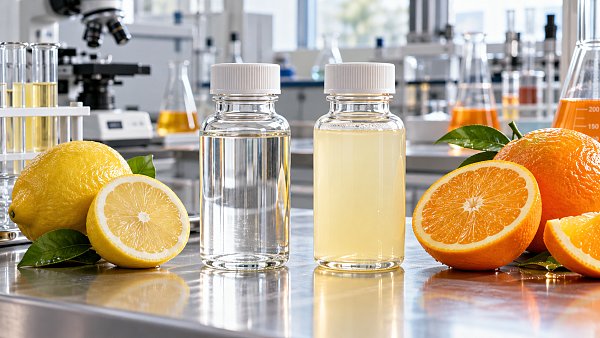
The most important opening question is simple: “Are you extracting citrus peel with CO2, or using CO2 to process an existing citrus oil?” These routes can produce materially different ingredients. A quotation that says only “CO2 citrus oil” does not provide enough information to compare quality, cost, or substitution risk.
What exactly is the material being offered?
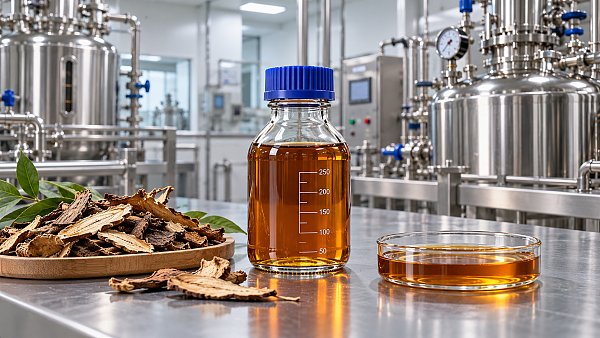
Ask for the botanical identity, plant part, feedstock condition, and complete processing route. Orange, lemon, lime, bergamot, and grapefruit ingredients are not interchangeable, and species identity alone does not define their aroma or chemical composition. Peel freshness, drying, storage, and prior processing can also affect the extract.
The supplier should distinguish between direct extraction from peel, selective extraction or fractionation of an existing oil, and a finished blend containing a CO2-derived fraction. Clarify whether the product is supplied neat, diluted in a carrier, standardized with other citrus fractions, or formulated with antioxidants.
This distinction matters commercially. A concentrated aroma fraction, a broad extract containing waxes, and a standardized citrus oil may all have citrus character, but they serve different formulation needs. Comparing their prices per kilogram without defining their composition creates a misleading comparison.
Request a process flow diagram showing feedstock preparation, extraction, separation, finishing, and blending. Proprietary equipment details are unnecessary; the objective is to understand the identity of the purchased material and which operations could change it.
Which extraction conditions determine the specification?
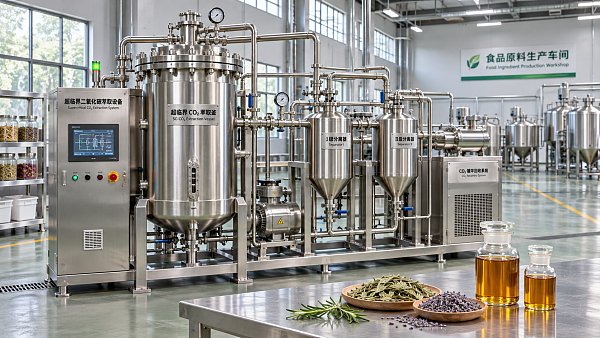
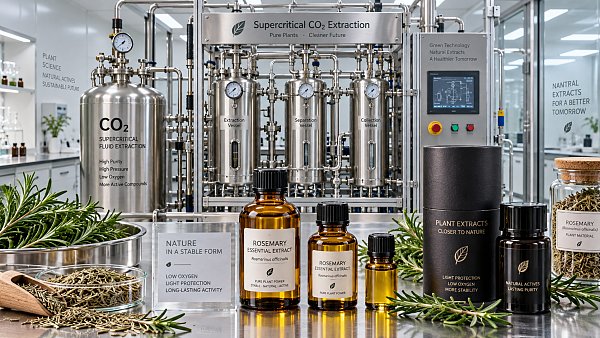
CO2 extraction is not a single fixed process. Carbon dioxide becomes supercritical above approximately 31°C and 74 bar, but commercial extraction can also use liquid CO2 under subcritical conditions. The label “supercritical” does not establish the exact operating temperature, selectivity, or final product quality.
Ask the citrus oils supplier which process variables are controlled and how they affect the supplied grade:
- Pressure and temperature: how the operating conditions influence solvent density and extraction selectivity.
- Feedstock preparation: whether moisture, particle size, and storage conditions are specified.
- Extraction and separation stages: whether fractions are collected separately or recombined.
- Finishing operations: whether filtration, dewaxing, distillation, or other treatments follow extraction.
- Change control: which changes require notification and product requalification.
Higher pressure is not inherently better. Changing conditions can broaden extraction and increase recovery of heavier constituents, rather than simply improve recovery of desirable aroma compounds. A process suitable for a rich fragrance extract may produce unwanted color or insoluble material in a clear beverage.
Exact operating settings may be confidential. A useful alternative is a documented process description supported by agreed composition limits and notification requirements. The essential question is whether production consistently delivers the approved material—not whether the supplier discloses its entire extraction recipe.
Were co-solvents or other processing materials used?
Ask directly whether ethanol or another modifier is introduced during extraction. Co-solvents can change extraction selectivity, particularly for compounds that pure CO2 extracts less efficiently. Their use is not automatically a quality defect, but it affects the meaning of claims such as “solvent-free.”
Expand the question beyond the extraction vessel. Feedstock pretreatment, equipment cleaning, downstream processing, and blending can introduce materials not apparent from the CO2 process description. Request disclosure of carriers, antioxidants, processing aids, and any relevant residual-solvent controls.
CO2 separates readily when pressure is released, but this does not prove that the finished ingredient is free from all solvent residues. Where a residual-solvent specification is relevant, request the test method, reporting limit, and batch result. “Not detected” is meaningful only when the method can detect a concentration low enough for the intended requirement.
What does the analytical package prove—and leave unanswered?
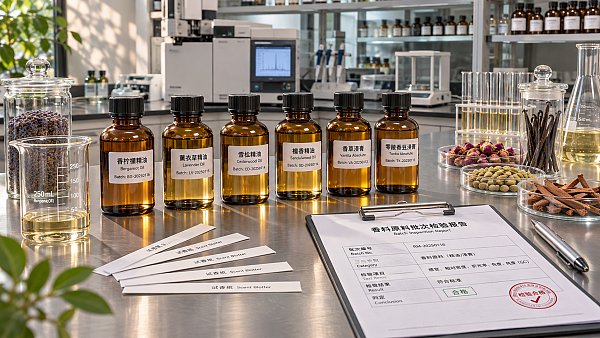
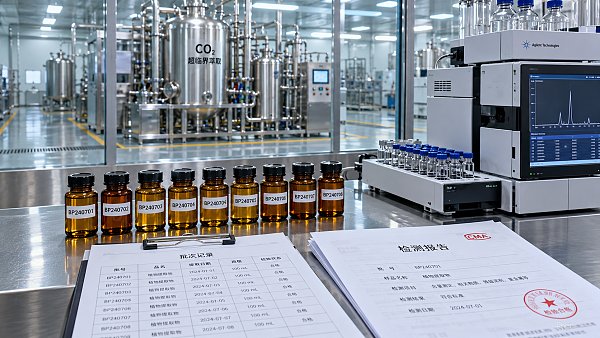
A useful certificate of analysis should report batch-specific results against agreed acceptance limits, rather than reproduce a generic product description. Identity and routine physical properties matter, but they do not fully establish aroma performance, authenticity, or the absence of unwanted constituents.
Gas chromatography can characterize the volatile fraction and support comparison of key aroma compounds. However, a normalized GC peak-area percentage is not necessarily a mass-based purity result. It may also leave nonvolatile material largely uncharacterized. A specification stating a high limonene percentage therefore needs a clear explanation of the analytical basis.
Ask for recent production-batch results, not just one ideal reference sample. For authenticity concerns, request a risk-based approach that may include additional chromatographic or isotope testing where justified. No single routine test establishes the absence of every possible adulterant.
Retain an approved reference sample and define how sensory differences will be assessed. A chemically compliant batch can still differ enough in fresh-peel character, bitterness, or oxidized notes to require formulation adjustment.
Which unwanted constituents could follow the desired aroma?
CO2 extraction should not be treated as a universal purification step. Transfer of pesticide residues and other unwanted constituents depends on their properties, the feedstock, and the extraction conditions. Some substances can partition into the extracted fraction, so agricultural residue controls remain relevant even when the extraction solvent itself leaves little residue.
Request the pesticide-testing scope, analytical limits, sampling approach, and basis for selecting the panel. A general “pesticide-free” statement is less useful than results assessed against requirements applicable to the ingredient, its intended use, and destination market.
For relevant citrus species and applications, also ask about furocoumarins. These compounds matter particularly where phototoxicity is a concern in skin-contact products. Do not assume that a CO2-extracted material is furocoumarin-free, or equivalent to a distilled or specifically treated grade. Relevant claims require appropriate analytical support.
Oxidation deserves separate attention. Citrus terpenes can oxidize during processing and storage, changing odor and potentially increasing sensitization concerns. Ask how oxygen exposure is controlled, whether antioxidants are added, and which stability indicators support the shelf-life claim. A single oxidation measurement should not substitute for a suitable stability assessment.
Does the ingredient perform better at the actual use level?
A blotter evaluation cannot establish suitability for every application. A strong aroma in the sample bottle may not survive dilution, heating, emulsification, or storage in the finished product. Equally, a richer extract can introduce color, haze, sediment, or off-notes that offset its aromatic value.
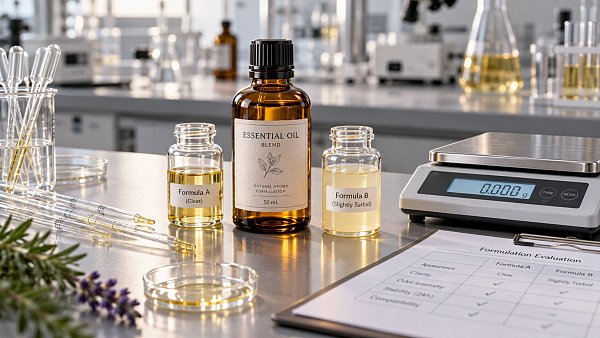
Request a representative production sample and evaluate it against the current ingredient under matched conditions. For beverages, relevant checks can include clarity, emulsion behavior, flavor balance, and stability at the intended acidity. For fragrance or personal-care applications, assess odor development, base compatibility, discoloration, and the applicable safety restrictions.
The comparison should use equivalent sensory performance, not automatically equal dosage. If the CO2-derived ingredient reaches the required profile at a lower addition rate, a higher kilogram price may be justified. If it requires extra filtration, solubilizer, or reformulation, those costs belong in the comparison.
Confirm that the approved sample represents the quoted commercial grade. A specially selected laboratory fraction is not an adequate basis for approval unless the supplier can reproduce it at the contracted production scale.
Which documents support the intended use and destination?
Request documentation for the specific grade and manufacturing site, rather than relying on a general company certificate. The package may include a technical specification, safety data sheet, batch certificate of analysis, traceability statement, and declarations relevant to the intended application.
Food use requires an appropriate basis under the destination market’s rules; a material sold for fragrance use should not be assumed suitable for food. Likewise, the acceptability of a “natural” description depends on the applicable framework and processing history, not simply on the use of CO2.
Where fragrance applications are involved, request the relevant allergen information and support for assessing applicable IFRA Standards. IFRA conformity is not a substitute for all legal obligations or a finished-product safety assessment. Organic, kosher, or halal claims also need current documentation covering the actual product and relevant operations.
Traceability should connect the supplied batch to feedstock origin, processing site, extraction batch, and any blending operations. Country of shipment alone does not establish agricultural origin. Define which origin or process changes require advance notice, especially when they could affect labeling, certification, or composition.
What is the cost of usable performance—not just purchased weight?
Ask the supplier to explain the premium in terms of the supplied grade. Relevant cost drivers include feedstock preparation, extraction throughput, fractionation, finishing losses, analytical controls, packaging, and minimum production runs. None independently proves better value, but they help establish whether quotations cover equivalent materials and service conditions.
A practical comparison is landed ingredient cost multiplied by the validated application dosage, adjusted for handling losses and additional formulation costs. Keep formulation benefit separate from unverified claims about extraction yield or aroma strength.
Commercial terms can change that calculation substantially. Confirm minimum order quantity, standard pack sizes, lead time, manufacturing frequency, and remaining shelf life at delivery. A lower unit price can become expensive if the minimum order exceeds consumption before the material loses its approved sensory profile.
Ask how the ingredient is protected during transport and after opening: container material, closure integrity, headspace control, recommended temperature, and storage instructions should be explicit. Smaller packs may reduce repeated oxygen exposure, but their added packaging and handling costs should be weighed against the expected reduction in waste.
Sustainability claims also need defined boundaries. CO2 recovery, compression energy, feedstock drying, and co-product allocation affect an environmental comparison. Neither “CO2-extracted” nor “upcycled peel” alone establishes a lower footprint.
What must be agreed before the first commercial order?
Approval should attach to a defined grade with agreed specifications, a representative sample, documentation, and clear change-control terms. Specify how nonconforming material will be handled, how long retained samples are kept, and what evidence will be used if a batch passes analytical limits but fails the agreed sensory assessment.
A price premium is defensible when the supplier can connect its process to a reproducible benefit: a required aroma profile, lower effective dosage, improved compatibility, or a documented compositional requirement. If that connection remains unsupported, the extraction method is a process description—not a purchasing advantage.
Facing technical bottlenecks in manufacturing or looking for more efficient industrial solutions? Leave your details below and let the engineering experts at FCAS solve them for you.
We respect your privacy. Your information is strictly confidential.
Related News
 Supercritical CO2 Essential OilsWhat Should You Check When Choosing a CO2 Essential Oils Supplier?Choosing a CO2 essential oils supplier? Learn how to assess sourcing, batch testing, documentation, and delivery to secure quality and reliable supply.MORE+
 Supercritical CO2 Essential OilsWhat Affects the Botanical Oleoresins Bulk Price?Botanical oleoresins bulk price depends on sourcing, strength, extraction and freight. Learn how to compare supplier quotes and reduce total costs.MORE+
 Supercritical CO2 Essential OilsHow Are Food Grade Essential Oil Extracts Made with CO2?Discover how food grade essential oil extracts are made with CO2, what shapes their flavor, and how to assess safety and suitability for food applications.MORE+
 Supercritical CO2 Essential OilsWhat to Check When Buying Aroma Ingredients WholesaleBuying aroma ingredients wholesale? Discover how to assess quality, supplier reliability, documentation and landed cost before placing your order.MORE+
 Supercritical CO2 Essential OilsHow to Choose Citrus Oils for Beverages Without CloudingChoose citrus oils for beverages with confidence. Compare delivery systems and stability tests to prevent clouding while preserving fresh citrus flavor.MORE+
 Supercritical CO2 Essential OilsWhat to Check When Choosing a CO2 Botanical Extracts ManufacturerChoosing a CO2 botanical extracts manufacturer? Discover how to assess quality, traceability, compliance and true costs before you commit.MORE+
 Supercritical CO2 Essential OilsHow Can You Verify Quality Controls at a CO2 Extracts Factory?Evaluate a co2 extracts factory with confidence. Learn how to verify batch testing, traceability, and quality controls to reduce sourcing risks and choose a reliable supplier.MORE+
 Supercritical CO2 Essential OilsWhat Determines Essential Oil Blend Bulk Prices Beyond Order Size?Explore essential oil blends bulk price factors beyond volume, from botanical quality to testing and freight. Learn how to compare suppliers and uncover the true cost before buying.MORE+
 Supercritical CO2 Essential OilsHow Do Extraction Methods and Grades Affect Oleoresin Bulk Prices?Compare oleoresins bulk price by extraction method, grade, and potency. Discover how to evaluate supplier quotes, verify quality, and lower costs at the right application dose.MORE+
 Supercritical CO2 Essential OilsWhat Should You Ask a Citrus Oils Supplier About CO2 Extraction?Choosing a citrus oils supplier? Discover what to ask about CO2 extraction, purity, testing, and cost to verify quality, avoid costly mistakes, and buy with confidence.MORE+
 Supercritical CO2 Essential OilsWhat Determines the Bulk Price of CO2 Botanical Extracts Before Shipping?Compare co2 botanical extracts bulk price drivers before shipping, from yield and potency to testing and packaging. Learn how to assess supplier quotes and buy with confidence.MORE+
 Supercritical CO2 Essential OilsHow to Verify the Purity of High Cineole Eucalyptus Oil With GC-MSVerify high cineole eucalyptus oil with GC-MS. Learn how to confirm identity, measure cineole accurately, and spot quality risks before approving your next batch.MORE+
 Supercritical CO2 Essential OilsHow Does Supercritical CO2 Extraction Affect Bulk Tea Tree Oil?Discover how supercritical CO2 extraction affects bulk tea tree oil composition, stability, and formulation performance—and what to check before approving a bulk replacement.MORE+
 Supercritical CO2 Essential OilsHow Do CO2 Botanical Extract Certifications Affect Sourcing Costs?CO2 botanical extracts supplier certifications can raise prices but lower sourcing costs. Learn how to verify coverage, compare total costs, and pay only for credentials that add value.MORE+
 Supercritical CO2 Essential OilsHow to Evaluate a Natural Aroma Chemicals Supplier for QualityNatural aroma chemicals supplier evaluation made practical: assess quality, traceability, odor consistency, documentation, packaging, and total delivered cost before you buy.MORE+
 Supercritical CO2 Essential OilsHow to Verify CO2 Botanical Extract Supplier CertificationsCO2 botanical extracts supplier certifications: learn how to verify certificates, site scope, batch traceability, and process controls before approving suppliers.MORE+
 Supercritical CO2 Essential OilsHow Oleoresins Bulk Price Changes with Crop Quality and SupplyOleoresins bulk price insights: learn how crop quality, extraction yield, grade availability and supply risks shape costs—compare supplier offers with confidence.MORE+
 Supercritical CO2 Essential OilsHow Natural Essential Oil Blends Improve Consistent Product FragranceNatural essential oil blends help brands achieve consistent, appealing fragrance across batches. Explore smart blend design, stability testing, and product compatibility strategies.MORE+
 Supercritical CO2 Essential OilsWhat to Check Before Choosing a Botanical Essential Oils ManufacturerChoose a botanical essential oils manufacturer with confidence. Explore key checks for purity, traceability, compliance, batch consistency, and reliable supply.MORE+
 Supercritical CO2 Essential OilsHow Aroma Ingredients Shape Lasting and Skin-Safe Personal Care ProductsAroma ingredients for personal care: discover how to achieve lasting scent, formulation stability, skin safety, and confident product performance.MORE+
 Supercritical CO2 Essential OilsHow to Evaluate a Natural Cardamom Oil Supplier for Reliable SupplyNatural cardamom oil supplier evaluation guide: verify botanical origin, purity, batch consistency, documentation, packaging, and delivery reliability for confident sourcing.MORE+
 Supercritical CO2 Essential OilsHow to Choose Eucalyptus Oil Grades for Clean, Consistent ProductsChoose the right Eucalyptus Oil grade with confidence. Compare cineole content, purity, origin, processing, documentation, and application fit for consistent products.MORE+
 Supercritical CO2 Essential OilsHow Food Grade Citrus Oils Improve Flavor in Beverage FormulationsFood grade citrus oils help beverage formulators create brighter, more authentic flavor. Learn how to select, stabilize, dose, and protect citrus oils for lasting appeal.MORE+
 Supercritical CO2 Essential OilsWhy Citrus Terpene Fragrances Are Growing in Home Care ProductsCitrus terpene fragrances are transforming home care products with fresh, trusted cleaning cues. Explore performance, stability, compliance, sourcing, and cost factors for smarter fragrance selection.MORE+
 Supercritical CO2 Essential OilsHow to Choose Ginger Oil for Beverages With a Clean Flavor ProfileGinger oil for beverages: learn how to select a clean, bright, stable profile that performs through processing, shelf life, and every sip.MORE+
 Supercritical CO2 Essential OilsCO2 Essential Oil Extracts for Functional Foods and Clean LabelsDiscover CO2 essential oil extracts for functional foods: clean-label potential, botanical flavor innovation, formulation insights, and smarter sourcing strategies.MORE+
 Supercritical CO2 Essential OilsHow to Use Cardamom Oil for Flavoring Without Overpowering FoodsCardamom oil for flavoring: learn dilution, dispersion, blending, and process tips to create balanced beverages, bakery, and desserts without overpowering taste.MORE+
 Supercritical CO2 Essential OilsWhat to Evaluate When Sourcing Custom Essential Oil BlendsCustom essential oil blends: discover how to evaluate formulation fit, quality consistency, compliance, total cost, and supply reliability for confident sourcing decisions.MORE+
 Supercritical CO2 Essential OilsHow to Verify Purity and Sourcing of Cosmetic Grade Lavender OilCosmetic grade lavender oil: learn how to verify botanical origin, batch-specific purity, GC-MS reports, sourcing, storage, and safe cosmetic use before you buy.MORE+
 Supercritical CO2 Essential OilsWhat to Evaluate Before Choosing an Aromatic Extracts FactoryChoose the right aromatic extracts factory with expert guidance on traceability, extraction methods, batch consistency, documentation, and reliable supply.MORE+
 Supercritical CO2 Essential OilsAre CO2 Botanical Extracts More Stable Than Solvent Extracts?Are CO2 botanical extracts more stable than solvent extracts? Compare oxidation risk, packaging, and formulation factors to make smarter sourcing decisions.MORE+
 Supercritical CO2 Essential OilsWhy High Terpinen Tea Tree Oil Quality Depends on Chemotype and TestingHigh terpinen tea tree oil quality starts with verified chemotype, full GC/MS testing, oxidation control, and traceable storage—learn how to choose reliable oil.MORE+
 Supercritical CO2 Essential OilsHow Mint Oils for Oral Care Improve Flavor and Fresh BreathMint oils for oral care create cooling flavor, lasting freshness, and a better daily brushing experience. Explore peppermint, spearmint, and smart product choices.MORE+
 Supercritical CO2 Essential OilsWhat to Evaluate Before Choosing an Essential Oil Blends ManufacturerEssential oil blends manufacturer selection guide: evaluate quality, traceability, compliance, formula performance, and supply reliability to source with confidence.MORE+
 Supercritical CO2 Essential OilsHow to Evaluate a Natural Aroma Chemicals Manufacturer for Reliable SupplyNatural aroma chemicals manufacturer evaluation guide: verify traceability, batch consistency, compliance, application support, capacity, and total cost to secure reliable supply.MORE+
 Supercritical CO2 Essential OilsWhat Should You Know About Natural Aroma Chemicals and Their UsesNatural Aroma Chemicals: explore how to select, test, and formulate natural aroma ingredients for fragrances, food, personal care, and home care products.MORE+
 Supercritical CO2 Essential OilsWhen Oil Soluble Essential Oil Extracts Work Best in FormulationsOil soluble essential oil extracts work best in anhydrous beauty, fragrance, food, and cleaning formulas. Explore compatibility, stability, and application tips.MORE+
 Supercritical CO2 Essential OilsWhy Solvent Free Aromatic Extracts Matter for Clean Label Fragrance FormulasSolvent free aromatic extracts are reshaping clean label fragrance formulas by improving transparency, sensory appeal, and sourcing credibility. Learn why they matter now.MORE+
 Supercritical CO2 Essential OilsWhy Citrus Oils Matter in Clean Label Food and Wellness TrendsCitrus Oils drive clean label food and wellness innovation with fresh flavor, natural appeal, and versatile formulation value. Explore why buyers and brands are paying closer attention.MORE+
 Supercritical CO2 Essential OilsWhy Steam Distilled Clove Oil Is Gaining Ground in Natural FormulationsSteam distilled clove oil is gaining attention for its natural appeal, eugenol profile, and formulation versatility. Discover why buyers value it across personal care, fragrance, and home care.MORE+