What Determines Essential Oil Blend Bulk Prices Beyond Order Size?
What Determines Essential Oil Blend Bulk Prices Beyond Order Size?
Two suppliers can quote very different prices for the same volume of an essential oil blend—but are they offering comparable products? Evaluating an essential oil blends bulk price means looking beyond order size to botanical composition, extraction methods, ingredient origin, seasonal availability, and quality verification. Concentration, batch consistency, documentation, packaging, and freight terms can also change the true purchasing cost.
The starting point is not “What is your price per kilogram?” It is “What exactly does that kilogram contain, and what must it do in our formulation?” Without an agreed specification, a lower quotation may represent a different product rather than a better deal.
The Blend Name Is Not a Purchasing Specification
Names such as “citrus refresh” or “relaxation blend” describe a sensory direction, not a standardized composition. One supplier may use only essential oils. Another may offer essential oils diluted in a carrier, or a fragrance compound containing both natural oils and other aroma ingredients. These can all serve legitimate applications, but they are not interchangeable purchasing categories.
Even an undiluted, all-essential-oil blend can vary substantially in cost. Botanical species, plant part, chemotype where relevant, and the proportions of individual oils affect both the raw-material bill and the finished aroma. Lavender and lavandin, for example, should not be treated as identical materials simply because their common names and fragrance associations overlap.
A supplier may reasonably protect a proprietary recipe. Procurement still needs enough disclosure to establish concentration, permitted ingredient categories, restricted substances, and application suitability. Where exact percentages remain confidential, agree on a controlled product code, measurable acceptance limits, and notification requirements for material changes.
Botanical Supply and Processing Set the Cost Base
Essential oils are agricultural materials before they become formulation ingredients. Harvest conditions, crop disease, distillation capacity, labor availability, and competing demand can affect supply. A blend containing a small proportion of an expensive or constrained oil may have a disproportionate cost exposure to that ingredient.
Origin matters, but not as a simple quality ranking. Growing conditions and local processing can influence composition and odor. A specified origin may also reduce sourcing flexibility. If the finished product genuinely requires that profile, the restriction may be justified; if it exists only because an old specification was copied forward, it may add avoidable cost.
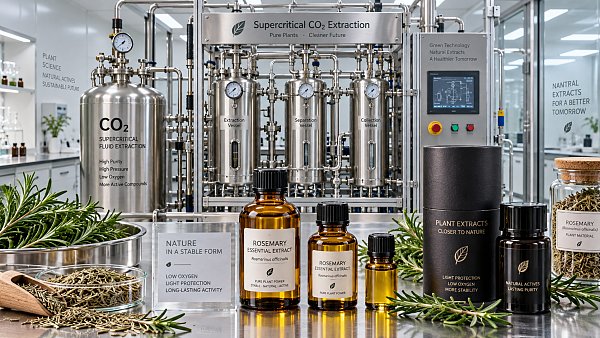
Extraction and subsequent processing also deserve attention. Steam-distilled oils, expressed citrus oils, and further-processed grades do not necessarily have the same composition or application behavior. Folded or deterpenated citrus materials, for instance, involve additional processing and a changed constituent profile. They may address a formulation need, but “more processed” does not automatically mean “better.”
For repeat purchasing, ask whether pricing reflects current inventory or the next production cycle. A spot quotation supported by existing stock is not necessarily a reliable budget for future call-offs. Quote validity, raw-material reservation, and any price-adjustment mechanism should be explicit.
Compare Cost at the Working Dose
Price per kilogram is useful only after concentration and performance are understood. A diluted blend may be easier to handle or dose, but its invoice price includes the carrier. Conversely, an undiluted blend may require additional solubilizer or processing work in the buyer’s formulation.
For a disclosed dilution, dividing the quoted price by the essential-oil mass fraction gives a preliminary oil-content comparison. This is not a complete performance comparison: different oil compositions can deliver different odor intensity, persistence, and compatibility even at equal oil content.
The more useful measure is the ingredient cost at the validated use level in the finished product. Include any additional solubilizer, stabilizer, processing, or filtration that the blend requires.
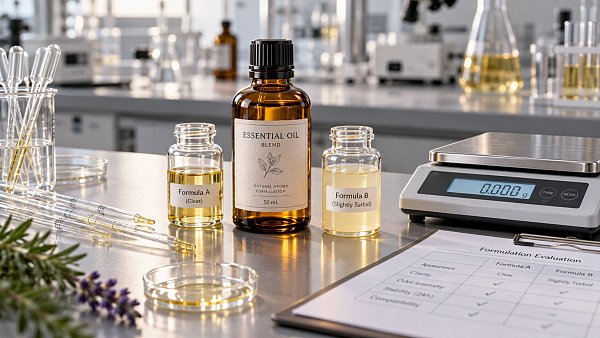
A scent that performs well on a blotter may behave differently in an alkaline cleaner, surfactant concentrate, cream, or heated process. Evaluate samples in the actual base, using the intended packaging and relevant storage conditions. Check odor retention, discoloration, haze, separation, and packaging compatibility rather than relying on the initial fragrance impression.
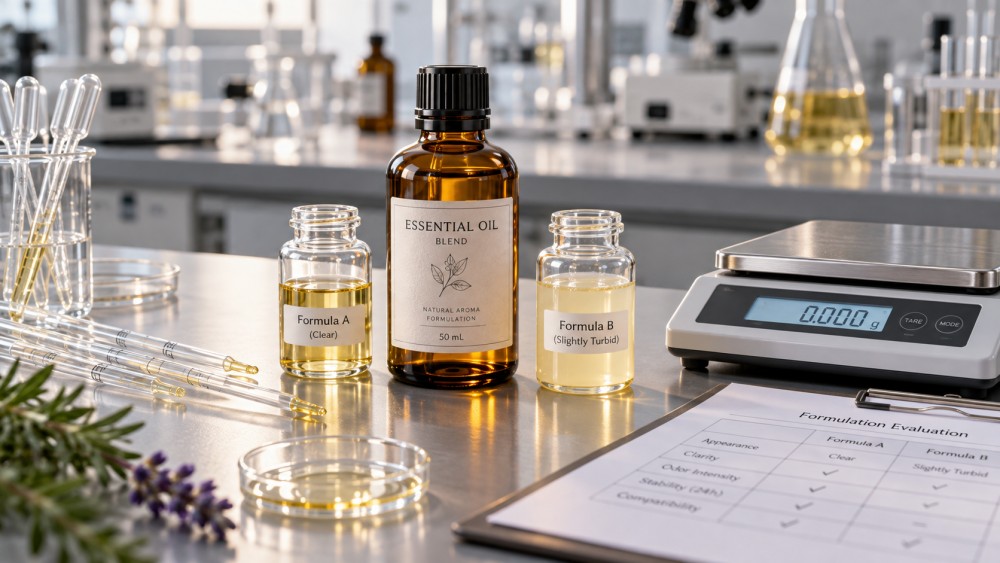
Replacing one blend with another solely on purchase price can shift costs into formulation development, production handling, or rejected finished goods. Those costs belong in the sourcing decision, even when they sit outside the ingredient budget.
Quality Verification Costs Money—but So Does Uncertainty
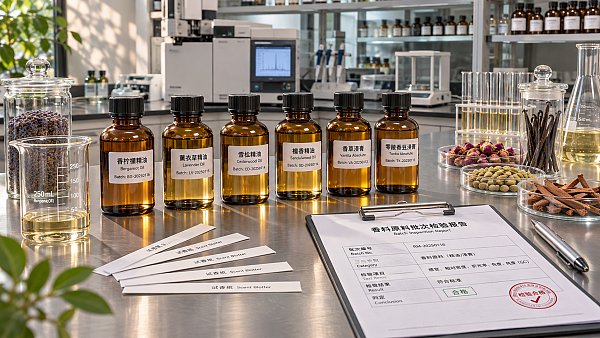
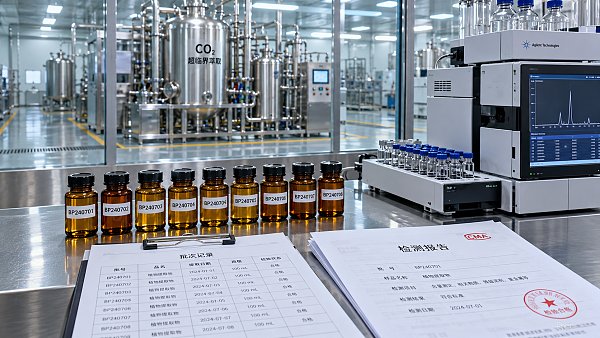
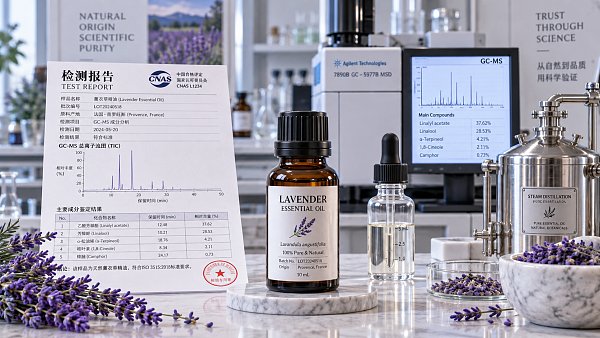
A meaningful quality premium should correspond to defined controls. Relevant checks may include appearance, odor against an approved reference, relative density, refractive index, and chromatographic profiling. Acceptance criteria should reflect the blend and its application, not a generic testing package.
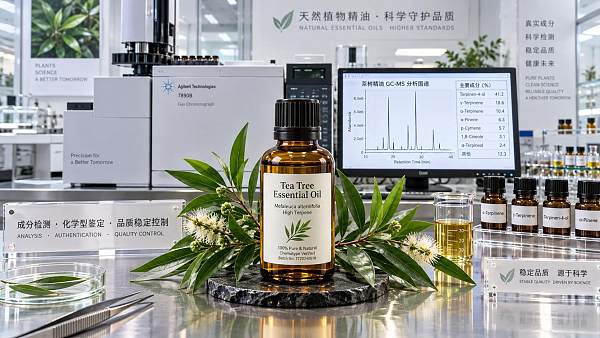
Gas chromatography–mass spectrometry can support compositional assessment, but a GC-MS report alone does not prove botanical origin, exclude every form of adulteration, or establish suitability for every use. Interpretation depends on reference materials, methods, and the complexity of the blend. Additional testing may be warranted where authenticity or a specific contaminant is a material risk.
The distinction between a typical specification sheet and a batch-specific certificate of analysis matters. The former describes expected limits; the latter should report the supplied batch’s results for the stated tests. Ask which checks occur on every batch and which are periodic or available at extra cost.
Consistency is another cost driver. Natural oils vary, and maintaining a narrow sensory profile may require raw-material selection, blending adjustments, and retained-reference comparisons. Agree whether the priority is a fixed botanical recipe, a consistent odor profile, or both. These requirements can conflict when agricultural inputs change.
Documentation Must Match the Intended Market
A safety data sheet addresses hazard communication; it is not evidence that a blend is suitable for food, cosmetics, household products, or pesticidal claims. Each application requires its own assessment under the rules of the destination market.
For fragrance applications, IFRA-related documentation should correspond to the relevant product category and current applicable standards. It does not replace a finished-product safety assessment. Allergen information, traceability, and statements supporting natural or organic claims may also be needed, depending on the product and market.
Do not pay for an undefined “premium grade” or “therapeutic grade” designation. Ask what specification, test, or independently verifiable requirement the description represents. Equally, avoid purchasing documentation that the project does not need.
Packaging, Freight, and Inventory Can Reverse the Price Ranking
A drum price and a small-container price include different handling economics. Larger packs can reduce packaging cost per kilogram, but they may create more frequent opening, longer exposure after opening, or difficult transfer operations at the receiving plant. Packaging compatibility, closure integrity, and protection from light and air should follow the material’s needs.
Transport classification must be confirmed for the actual blend. Some essential-oil mixtures may require dangerous-goods handling depending on their properties and applicable transport rules. Do not assume that all natural oils ship as ordinary cargo—or that every blend has the same freight restrictions.
Compare quotations under a common named Incoterm and place. Identify freight, insurance, clearance, duties, terminal charges, and domestic delivery costs that remain with the buyer. Currency, payment terms, and financing costs can further alter the comparison.
Then check usable shelf life at receipt, not simply shelf life from manufacture. A discounted older batch may suit immediate production but be unsuitable for a slow-moving product. Buying more to obtain a lower unit price can become expensive if storage exposure or write-offs increase.
Make the RFQ Comparable Before Negotiating
A focused request for quotation reduces clarification rounds and exposes differences that a price sheet hides. Give suppliers the intended application and destination market, then request a common commercial and technical basis:
- Product identity: approved specification or reference sample, concentration, carrier disclosure, and ingredient restrictions.
- Acceptance basis: required tests, sensory reference, sample approval procedure, and batch-release documents.
- Supply arrangement: initial quantity, forecast demand, call-off sizes, lead time, and minimum remaining shelf life.
- Delivered-cost terms: pack size, net weight, currency, payment terms, named Incoterm and place, and quotation validity.
- Change control: notification of formulation or source changes, substitution approval, and handling of nonconforming material.
Keep sample approval linked to production supply. Confirm whether the evaluation sample represents available commercial stock, a laboratory blend, or a future production target. Retain an approved reference and define what happens if the delivered batch falls outside agreed limits.
This application-led approach is central to the industry information provided by Global Fine Chemicals & Agrochemical Intelligence Network (FCAS). Across fragrance ingredients, food ingredients, surfactants, and specialty chemicals, a meaningful price comparison connects material specification with formulation performance, documentation, and delivery conditions—not just the number on the quotation.
Before selecting the lowest essential oil blend bulk price, resolve three questions: Are the offered materials genuinely comparable? Have they passed the same application checks? And does the delivered-cost calculation include the obligations and risks your business will retain? If any answer is unclear, the quotation is not yet ready for a purchasing decision.
Facing technical bottlenecks in manufacturing or looking for more efficient industrial solutions? Leave your details below and let the engineering experts at FCAS solve them for you.
We respect your privacy. Your information is strictly confidential.
Related News
 Supercritical CO2 Essential OilsWhat Should You Check When Choosing a CO2 Essential Oils Supplier?Choosing a CO2 essential oils supplier? Learn how to assess sourcing, batch testing, documentation, and delivery to secure quality and reliable supply.MORE+
 Supercritical CO2 Essential OilsWhat Affects the Botanical Oleoresins Bulk Price?Botanical oleoresins bulk price depends on sourcing, strength, extraction and freight. Learn how to compare supplier quotes and reduce total costs.MORE+
 Supercritical CO2 Essential OilsHow Are Food Grade Essential Oil Extracts Made with CO2?Discover how food grade essential oil extracts are made with CO2, what shapes their flavor, and how to assess safety and suitability for food applications.MORE+
 Supercritical CO2 Essential OilsWhat to Check When Buying Aroma Ingredients WholesaleBuying aroma ingredients wholesale? Discover how to assess quality, supplier reliability, documentation and landed cost before placing your order.MORE+
 Supercritical CO2 Essential OilsHow to Choose Citrus Oils for Beverages Without CloudingChoose citrus oils for beverages with confidence. Compare delivery systems and stability tests to prevent clouding while preserving fresh citrus flavor.MORE+
 Supercritical CO2 Essential OilsWhat to Check When Choosing a CO2 Botanical Extracts ManufacturerChoosing a CO2 botanical extracts manufacturer? Discover how to assess quality, traceability, compliance and true costs before you commit.MORE+
 Supercritical CO2 Essential OilsHow Can You Verify Quality Controls at a CO2 Extracts Factory?Evaluate a co2 extracts factory with confidence. Learn how to verify batch testing, traceability, and quality controls to reduce sourcing risks and choose a reliable supplier.MORE+
 Supercritical CO2 Essential OilsWhat Determines Essential Oil Blend Bulk Prices Beyond Order Size?Explore essential oil blends bulk price factors beyond volume, from botanical quality to testing and freight. Learn how to compare suppliers and uncover the true cost before buying.MORE+
 Supercritical CO2 Essential OilsHow Do Extraction Methods and Grades Affect Oleoresin Bulk Prices?Compare oleoresins bulk price by extraction method, grade, and potency. Discover how to evaluate supplier quotes, verify quality, and lower costs at the right application dose.MORE+
 Supercritical CO2 Essential OilsWhat Should You Ask a Citrus Oils Supplier About CO2 Extraction?Choosing a citrus oils supplier? Discover what to ask about CO2 extraction, purity, testing, and cost to verify quality, avoid costly mistakes, and buy with confidence.MORE+
 Supercritical CO2 Essential OilsWhat Determines the Bulk Price of CO2 Botanical Extracts Before Shipping?Compare co2 botanical extracts bulk price drivers before shipping, from yield and potency to testing and packaging. Learn how to assess supplier quotes and buy with confidence.MORE+
 Supercritical CO2 Essential OilsHow to Verify the Purity of High Cineole Eucalyptus Oil With GC-MSVerify high cineole eucalyptus oil with GC-MS. Learn how to confirm identity, measure cineole accurately, and spot quality risks before approving your next batch.MORE+
 Supercritical CO2 Essential OilsHow Does Supercritical CO2 Extraction Affect Bulk Tea Tree Oil?Discover how supercritical CO2 extraction affects bulk tea tree oil composition, stability, and formulation performance—and what to check before approving a bulk replacement.MORE+
 Supercritical CO2 Essential OilsHow Do CO2 Botanical Extract Certifications Affect Sourcing Costs?CO2 botanical extracts supplier certifications can raise prices but lower sourcing costs. Learn how to verify coverage, compare total costs, and pay only for credentials that add value.MORE+
 Supercritical CO2 Essential OilsHow to Evaluate a Natural Aroma Chemicals Supplier for QualityNatural aroma chemicals supplier evaluation made practical: assess quality, traceability, odor consistency, documentation, packaging, and total delivered cost before you buy.MORE+
 Supercritical CO2 Essential OilsHow to Verify CO2 Botanical Extract Supplier CertificationsCO2 botanical extracts supplier certifications: learn how to verify certificates, site scope, batch traceability, and process controls before approving suppliers.MORE+
 Supercritical CO2 Essential OilsHow Oleoresins Bulk Price Changes with Crop Quality and SupplyOleoresins bulk price insights: learn how crop quality, extraction yield, grade availability and supply risks shape costs—compare supplier offers with confidence.MORE+
 Supercritical CO2 Essential OilsHow Natural Essential Oil Blends Improve Consistent Product FragranceNatural essential oil blends help brands achieve consistent, appealing fragrance across batches. Explore smart blend design, stability testing, and product compatibility strategies.MORE+
 Supercritical CO2 Essential OilsWhat to Check Before Choosing a Botanical Essential Oils ManufacturerChoose a botanical essential oils manufacturer with confidence. Explore key checks for purity, traceability, compliance, batch consistency, and reliable supply.MORE+
 Supercritical CO2 Essential OilsHow Aroma Ingredients Shape Lasting and Skin-Safe Personal Care ProductsAroma ingredients for personal care: discover how to achieve lasting scent, formulation stability, skin safety, and confident product performance.MORE+
 Supercritical CO2 Essential OilsHow to Evaluate a Natural Cardamom Oil Supplier for Reliable SupplyNatural cardamom oil supplier evaluation guide: verify botanical origin, purity, batch consistency, documentation, packaging, and delivery reliability for confident sourcing.MORE+
 Supercritical CO2 Essential OilsHow to Choose Eucalyptus Oil Grades for Clean, Consistent ProductsChoose the right Eucalyptus Oil grade with confidence. Compare cineole content, purity, origin, processing, documentation, and application fit for consistent products.MORE+
 Supercritical CO2 Essential OilsHow Food Grade Citrus Oils Improve Flavor in Beverage FormulationsFood grade citrus oils help beverage formulators create brighter, more authentic flavor. Learn how to select, stabilize, dose, and protect citrus oils for lasting appeal.MORE+
 Supercritical CO2 Essential OilsWhy Citrus Terpene Fragrances Are Growing in Home Care ProductsCitrus terpene fragrances are transforming home care products with fresh, trusted cleaning cues. Explore performance, stability, compliance, sourcing, and cost factors for smarter fragrance selection.MORE+
 Supercritical CO2 Essential OilsHow to Choose Ginger Oil for Beverages With a Clean Flavor ProfileGinger oil for beverages: learn how to select a clean, bright, stable profile that performs through processing, shelf life, and every sip.MORE+
 Supercritical CO2 Essential OilsCO2 Essential Oil Extracts for Functional Foods and Clean LabelsDiscover CO2 essential oil extracts for functional foods: clean-label potential, botanical flavor innovation, formulation insights, and smarter sourcing strategies.MORE+
 Supercritical CO2 Essential OilsHow to Use Cardamom Oil for Flavoring Without Overpowering FoodsCardamom oil for flavoring: learn dilution, dispersion, blending, and process tips to create balanced beverages, bakery, and desserts without overpowering taste.MORE+
 Supercritical CO2 Essential OilsWhat to Evaluate When Sourcing Custom Essential Oil BlendsCustom essential oil blends: discover how to evaluate formulation fit, quality consistency, compliance, total cost, and supply reliability for confident sourcing decisions.MORE+
 Supercritical CO2 Essential OilsHow to Verify Purity and Sourcing of Cosmetic Grade Lavender OilCosmetic grade lavender oil: learn how to verify botanical origin, batch-specific purity, GC-MS reports, sourcing, storage, and safe cosmetic use before you buy.MORE+
 Supercritical CO2 Essential OilsWhat to Evaluate Before Choosing an Aromatic Extracts FactoryChoose the right aromatic extracts factory with expert guidance on traceability, extraction methods, batch consistency, documentation, and reliable supply.MORE+
 Supercritical CO2 Essential OilsAre CO2 Botanical Extracts More Stable Than Solvent Extracts?Are CO2 botanical extracts more stable than solvent extracts? Compare oxidation risk, packaging, and formulation factors to make smarter sourcing decisions.MORE+
 Supercritical CO2 Essential OilsWhy High Terpinen Tea Tree Oil Quality Depends on Chemotype and TestingHigh terpinen tea tree oil quality starts with verified chemotype, full GC/MS testing, oxidation control, and traceable storage—learn how to choose reliable oil.MORE+
 Supercritical CO2 Essential OilsHow Mint Oils for Oral Care Improve Flavor and Fresh BreathMint oils for oral care create cooling flavor, lasting freshness, and a better daily brushing experience. Explore peppermint, spearmint, and smart product choices.MORE+
 Supercritical CO2 Essential OilsWhat to Evaluate Before Choosing an Essential Oil Blends ManufacturerEssential oil blends manufacturer selection guide: evaluate quality, traceability, compliance, formula performance, and supply reliability to source with confidence.MORE+
 Supercritical CO2 Essential OilsHow to Evaluate a Natural Aroma Chemicals Manufacturer for Reliable SupplyNatural aroma chemicals manufacturer evaluation guide: verify traceability, batch consistency, compliance, application support, capacity, and total cost to secure reliable supply.MORE+
 Supercritical CO2 Essential OilsWhat Should You Know About Natural Aroma Chemicals and Their UsesNatural Aroma Chemicals: explore how to select, test, and formulate natural aroma ingredients for fragrances, food, personal care, and home care products.MORE+
 Supercritical CO2 Essential OilsWhen Oil Soluble Essential Oil Extracts Work Best in FormulationsOil soluble essential oil extracts work best in anhydrous beauty, fragrance, food, and cleaning formulas. Explore compatibility, stability, and application tips.MORE+
 Supercritical CO2 Essential OilsWhy Solvent Free Aromatic Extracts Matter for Clean Label Fragrance FormulasSolvent free aromatic extracts are reshaping clean label fragrance formulas by improving transparency, sensory appeal, and sourcing credibility. Learn why they matter now.MORE+
 Supercritical CO2 Essential OilsWhy Citrus Oils Matter in Clean Label Food and Wellness TrendsCitrus Oils drive clean label food and wellness innovation with fresh flavor, natural appeal, and versatile formulation value. Explore why buyers and brands are paying closer attention.MORE+
 Supercritical CO2 Essential OilsWhy Steam Distilled Clove Oil Is Gaining Ground in Natural FormulationsSteam distilled clove oil is gaining attention for its natural appeal, eugenol profile, and formulation versatility. Discover why buyers value it across personal care, fragrance, and home care.MORE+