Two oleoresin quotes may look comparable per kilogram yet deliver very different value in production. For procurement teams evaluating oleoresins bulk price, specifications explain much of the gap.
Conventional solvent extraction and supercritical CO₂ processing can differ in operating costs, selectivity, and residual solvent profiles, while potency, standardization, and application requirements shape specifications.
This article examines how these factors influence bulk pricing and shows buyers how to compare supplier offers on a consistent basis, balancing purchase cost with production performance.
The central purchasing rule is straightforward: compare cost at the required application dose, then assess documentation, consistency, and supply reliability before accepting a premium.
Why Can Similar Oleoresins Have Very Different Bulk Prices?
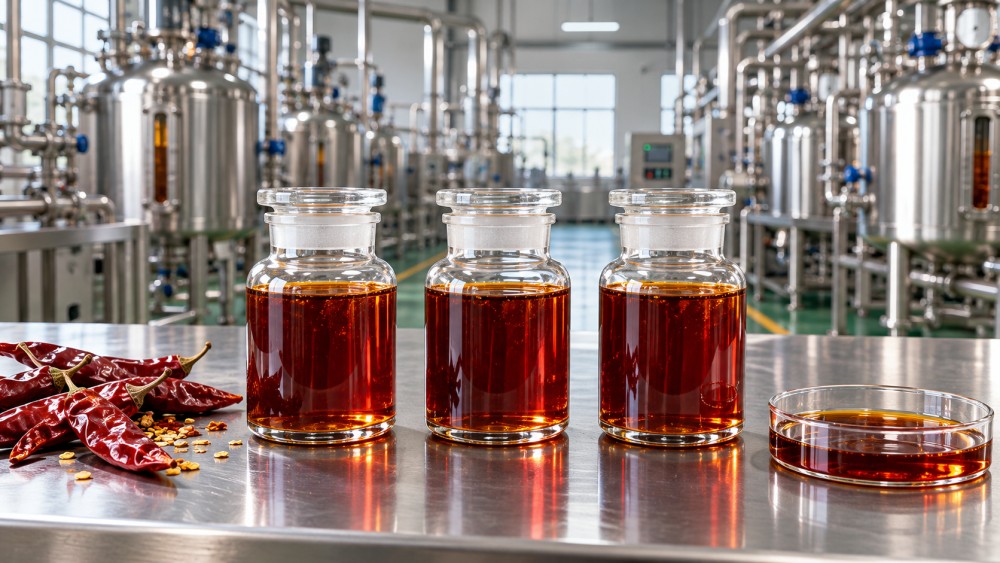
Oleoresins are concentrated botanical extracts containing combinations of volatile and nonvolatile constituents. Their commercial value depends on which constituents matter in your finished product.
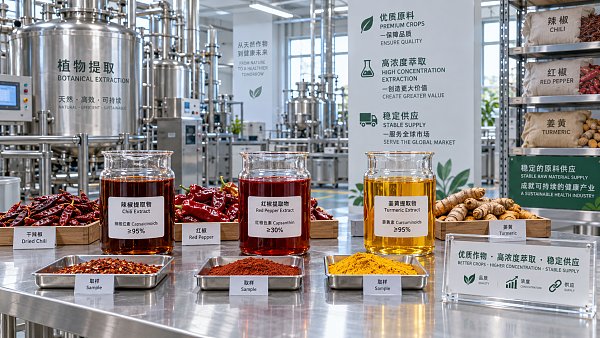
A paprika buyer may prioritize color strength, while a capsicum buyer focuses on pungency. For black pepper, both piperine content and aroma can matter.
Consequently, two products bearing the same botanical name may differ substantially in concentration, carrier content, sensory character, dispersibility, and suitability for a particular process.
Extraction technology contributes to these differences, but it rarely explains the entire quotation. Raw material quality, standardization targets, testing requirements, and order terms also influence pricing.
A useful initial comparison separates three questions: what the extract contains, how it performs at the intended dose, and what delivery and compliance obligations accompany it.
Request the botanical species, plant part, extraction method, carrier composition, and specification before comparing prices. Without these details, an apparently competitive offer may be misleading.
Buyers should also distinguish an extraction intermediate from a standardized commercial ingredient. The latter may include blending, formulation, additional testing, and tighter batch release controls.
These additional operations can increase purchase price while improving dosing predictability. Their value depends on whether they reduce meaningful costs or risks in your application.
When Does the Extraction Method Justify a Higher Price?
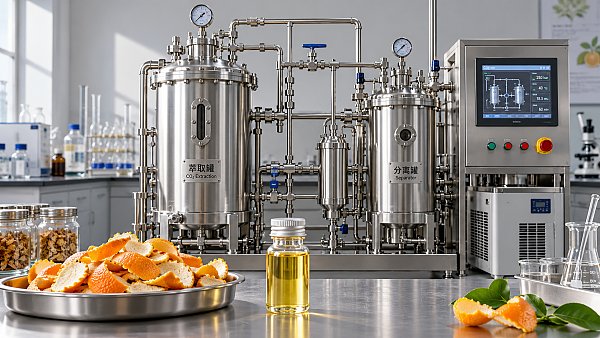
Conventional solvent extraction remains widely used because it can recover commercially useful combinations of flavor, color, and pungent constituents with established equipment and processing practices.
Its cost depends on solvent selection, extraction yield, energy consumption, solvent recovery, and subsequent concentration. Large production volumes can spread equipment and operating costs.
Removing solvent to meet agreed limits requires controlled processing and verification. A lower quotation deserves scrutiny if the supplier cannot provide relevant residual solvent results.
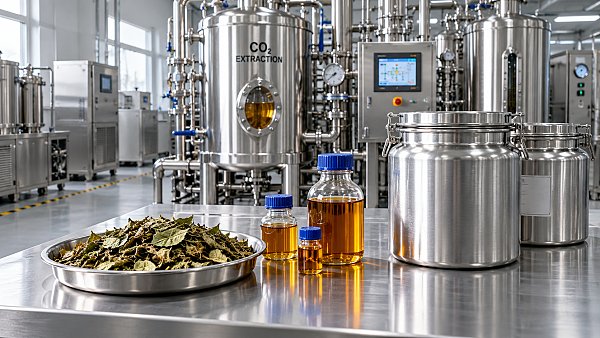
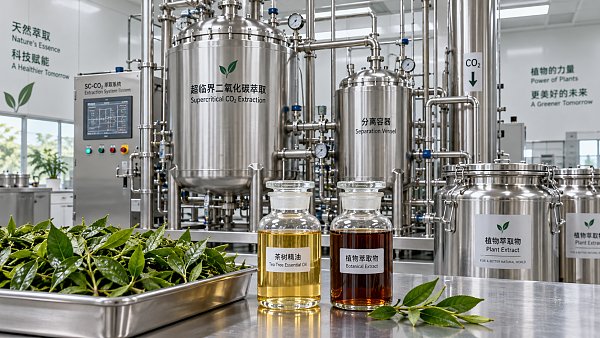
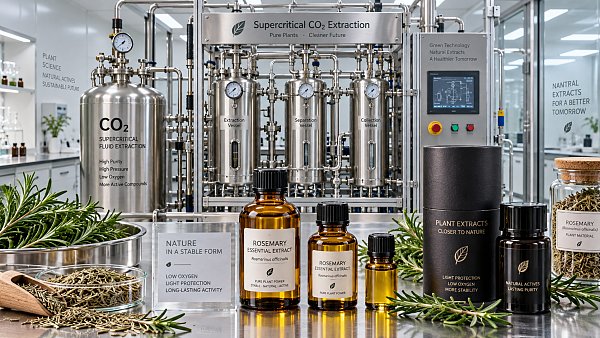
Supercritical CO₂ extraction uses pressurized carbon dioxide, with pressure and temperature influencing extraction behavior. Equipment investment and compression requirements can contribute to higher processing costs.
Its selectivity can support particular aroma or composition targets, but performance depends on the botanical material, operating conditions, and any fractionation or subsequent formulation steps.
A CO₂ extract does not automatically deliver better flavor, stronger color, or lower usage cost. Some applications benefit more from a broader conventional extract profile.
Ask whether co-solvents are used and whether carriers are added afterward. The extraction method alone does not describe every substance present in the supplied ingredient.
Pay a method premium when trials demonstrate a relevant benefit, such as improved aroma retention, a required composition, or compatibility with a customer specification.
Which Grade Specifications Actually Change Purchasing Value?
Grade names such as premium, industrial, or export quality are not universal specifications. Buyers need measurable acceptance criteria rather than relying on supplier terminology.
For food applications, suitability includes permitted use, relevant extraction solvents, contaminants, traceability, and documentation. A food-grade description alone does not establish acceptance in every destination market.
Potency is often the most visible price driver. Higher standardized color, piperine, capsaicinoid, or other relevant constituent levels can increase the value delivered per kilogram.
However, the assay must match the purchasing objective. A high piperine result does not establish the aroma balance required for a particular seasoning or sauce.
Confirm the test method, reporting units, and whether results apply to the supplied product. Values reported on different bases cannot support a reliable price comparison.
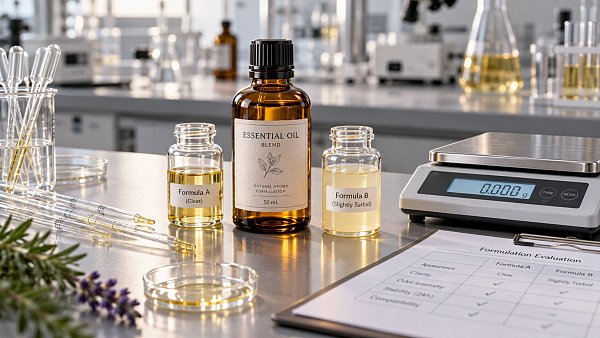
Carrier composition also matters. Vegetable oils, emulsifiers, or other permitted formulation materials can change concentration, viscosity, handling behavior, labeling implications, and compatibility with production equipment.
Water-dispersible grades may command higher prices because they require additional formulation work. Their value depends on dispersion quality, stability, and suitability for the intended product.
For beverage applications, assess separation and appearance under actual formulation conditions. For dry seasonings, evaluate distribution, flow behavior, and whether additional processing aids are necessary.
Tighter microbiological or contaminant specifications may require selective sourcing, validated treatment, and more testing. Confirm these requirements reflect your application and applicable market obligations.
Certification can also influence price and supplier availability. Request current documents covering the product and production site, including any relevant organic or religious certification scope.
How Can Buyers Compare Quotes on an Equivalent Basis?
Begin by aligning the product identity, specification, order quantity, packaging, currency, and delivery basis. Then normalize the price against the attribute that drives performance.
For a measurable constituent, divide the product price per kilogram by its mass fraction. This produces an indicative cost per kilogram of that constituent.
For example, assume two otherwise comparable pepper oleoresins cost $24 per kilogram at 40% piperine and $29 per kilogram at 50% piperine, respectively.
The first costs $60 per kilogram of piperine; the second costs $58. These hypothetical figures illustrate normalization and do not represent current market quotations.
This calculation helps screen offers, but it cannot establish sensory equivalence. Aroma composition, carrier behavior, and interactions with the food matrix still require evaluation.
For color specifications expressed through a defined analytical method, compare cost against equivalent measured color strength. Confirm both suppliers use comparable methods and reporting conventions.
The more decisive calculation usually uses the approved application dose: delivered ingredient price multiplied by the quantity needed per tonne of finished product produced.
These hypothetical doses must come from application trials. They should not be inferred solely from assay differences, especially when sensory character determines finished-product acceptance.
Include meaningful secondary costs, such as preblending, heating, cleaning, handling losses, and rejected batches. Avoid adding speculative savings that the supplier cannot substantiate through trials.
What Should Procurement Verify Before Awarding a Bulk Order?
Issue the same specification and quotation template to each supplier. A consistent request reduces clarification cycles and makes exceptions visible before commercial negotiations advance.
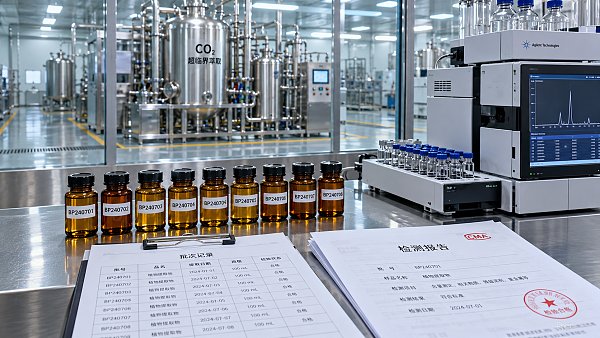
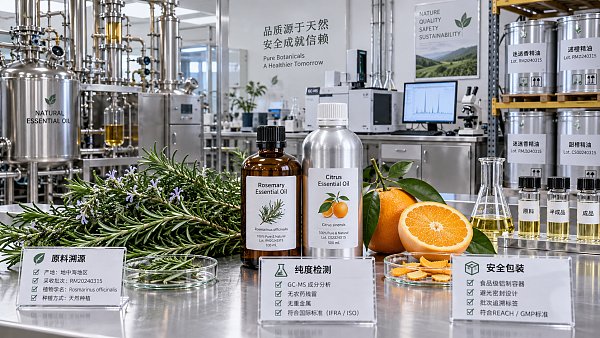
Ask for representative batch certificates of analysis, the current specification, shelf life, storage conditions, packaging details, and the supplier's process for communicating product changes.
Review several recent batch results when consistency is critical. A specification range can appear acceptable while actual variation still creates frequent adjustments in production.
Agree which attributes require shipment-specific testing and how disputes will be resolved. Include sampling procedures and analytical methods when measurement differences could affect acceptance.
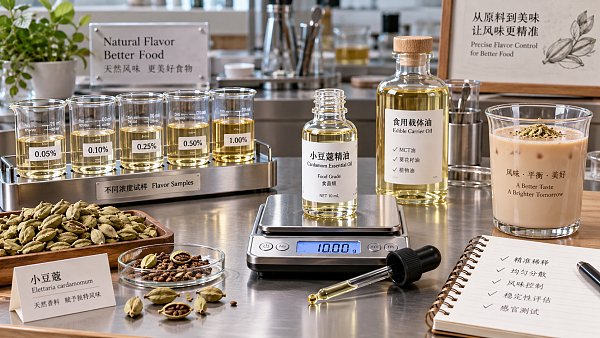
Obtain samples representative of commercial supply and test them in the intended formulation. Laboratory acceptance should precede a controlled production trial when process behavior remains uncertain.
For viscous products, evaluate pumping, drum emptying, and any permitted warming procedure. Material left in packaging increases the effective cost of usable extract received.
Check whether the offered packaging protects the ingredient throughout transport and storage. Oxygen exposure, temperature, and repeated opening may affect aroma or color stability.
Compare freight, insurance, duties, local charges, and payment terms separately from ingredient value. Offers under different Incoterms need adjustment to a common delivered-cost basis.
Minimum order quantities also affect economics. A lower unit price can lose its advantage if excess inventory creates financing costs, storage pressure, or expiry losses.
Finally, assess lead times, crop exposure, production capacity, and supply continuity. A qualified alternative supplier can reduce disruption costs when harvests or shipping conditions change.
How Should Buyers Decide Whether a Premium Is Worth Paying?
A premium deserves consideration when it delivers a verified outcome: lower application cost, acceptable sensory performance, easier processing, stronger consistency, or access to a required market.
It deserves further challenge when the supplier relies mainly on extraction terminology, undefined grade labels, or concentration claims without comparable methods and supporting application evidence.
Keep technical qualification and commercial evaluation connected. Procurement, quality, regulatory, and production teams should agree on acceptance criteria before choosing the lowest evaluated offer.
Use the approved specification and trial results to establish a purchasing baseline. Reassess that baseline when carriers, extraction conditions, raw materials, or manufacturing sites change.
When evaluating oleoresins bulk price, the strongest decision combines equivalent specifications, demonstrated application performance, and realistic delivered costs. Extraction method matters through those measurable consequences.
Choose the offer that meets required performance at the best verified total cost. A higher price per kilogram can be economical when less material reliably achieves the target.