A competitive quote means little if an extract fails your specifications or arrives without reliable documentation. Procurement teams need evidence that quality controls work consistently.
When evaluating a co2 extracts factory, start with an agreed specification, then trace an actual shipment through raw material records, production controls, testing, and release.
Certificates help establish credibility, but purchasing decisions should depend on batch evidence, suitable analytical methods, contaminant controls, and the supplier’s response when results fall outside limits.
This guide explains which documents to request, what to examine during an audit, and how to determine whether an extract suits your application and market.
What Evidence Should You Request Before Approving a Supplier?
Begin by defining the material you intend to buy. A botanical name and extraction method alone rarely provide enough detail for a dependable purchasing specification.
Record the species, plant part, extract type, target constituents, concentration range, physical characteristics, and permitted carriers or processing aids. Include the intended application and destination.
Clarify whether the supplier offers a selective CO2 extract, a broader extract, or a standardized blend. These differences affect composition, consistency, pricing, and formulation performance.
Request the following evidence before placing a commercial order. Confidential records can be reviewed under a confidentiality agreement or through an appropriately scoped independent audit.
Ask your technical and regulatory colleagues to review these documents together. A commercially attractive ingredient can still be unsuitable for its intended use or jurisdiction.
Set acceptance criteria before comparing quotations. Otherwise, buyers may unknowingly compare a fully characterized extract with a cheaper material carrying weaker specifications and incomplete testing.
Can the Factory Trace a Finished Batch Back to Its Raw Materials?
Choose one finished batch yourself and ask the supplier to reconstruct its history. This reveals more than reviewing a prepared presentation about the quality system.
The records should connect the finished extract to incoming botanical lots, approved suppliers, receipt dates, identification checks, storage locations, and production quantities throughout the process.
For botanical materials, confirm the scientific name and plant part. Where relevant, also examine growing region, harvest timing, drying conditions, and agricultural treatment information carefully.
Identity testing must suit the material. Microscopy or other botanical identification may support incoming plant checks, while processed extracts often require suitable chemical fingerprint methods.
Review how the factory handles mixed raw material lots, reprocessing, blending, and yield reconciliation. Each operation should preserve traceability and follow an approved written procedure.
Ask for a recent mock recall report showing quantities traced, reconciliation, elapsed time, and unresolved gaps. Performance matters more than possessing a generic recall procedure.
If the seller is a distributor, identify the actual manufacturing site and testing responsibilities. Confirm how manufacturing records and investigation support remain accessible when needed.
Are Extraction Conditions Controlled and Recorded for Every Batch?
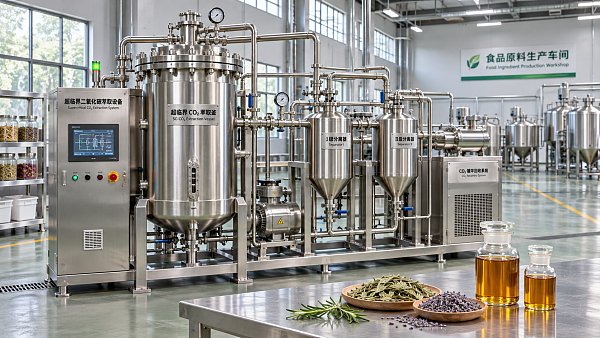
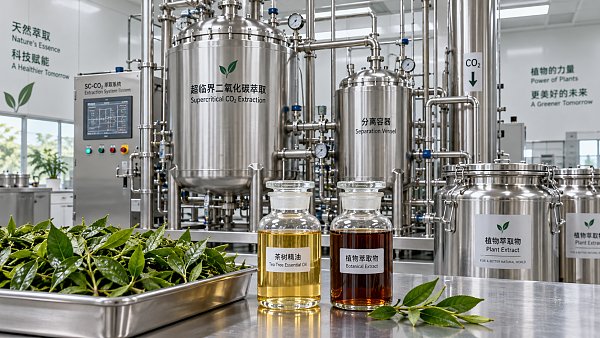
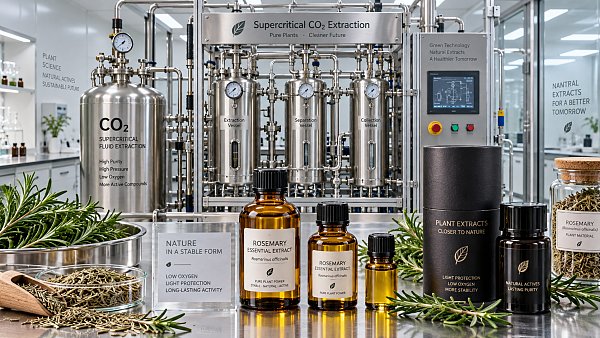
CO2 extraction can produce different compositions from the same botanical material. Pressure, temperature, extraction time, feed preparation, and separation settings all influence the resulting profile.
Ask which parameters are critical for your product and how acceptable ranges were established. Operators should record actual conditions against an approved manufacturing instruction consistently.
Review a completed batch record for deviations, missing entries, unusual yields, and unexplained adjustments. Check that authorized personnel reviewed exceptions before approving the batch release.
Where instruments affect quality decisions, request calibration status and evidence that overdue or failed instruments trigger an impact assessment for potentially affected batches and measurements.
Confirm the grade and specification of extraction CO2, including relevant impurity controls. Recovered CO2 systems also need defined monitoring, maintenance, and contamination prevention measures onsite.
Ask explicitly about ethanol or other modifiers, cleaning agents, carriers, antioxidants, and standardization ingredients. A CO2 extraction claim does not establish that nothing else was used.
For shared equipment, examine cleaning procedures and evidence that cleaning works for relevant residues. Consider allergens, potent botanicals, fragrances, and materials from incompatible product categories.
Document who approves process changes and when customers receive notification. Changes to feedstock, extraction settings, equipment, or blending can affect performance despite an unchanged description.
Does the Certificate of Analysis Actually Demonstrate Batch Quality?
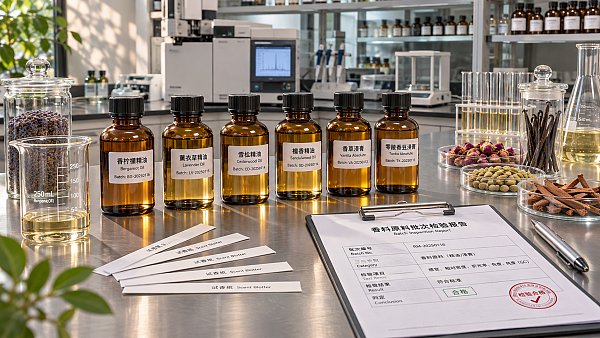
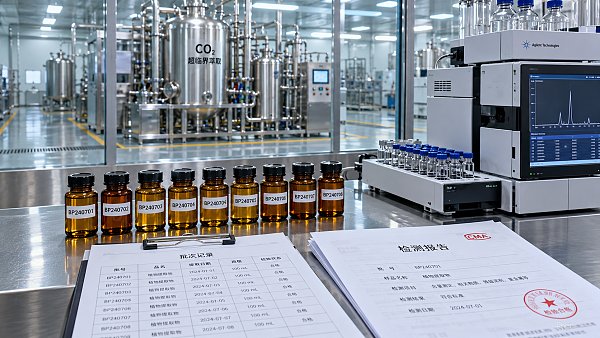
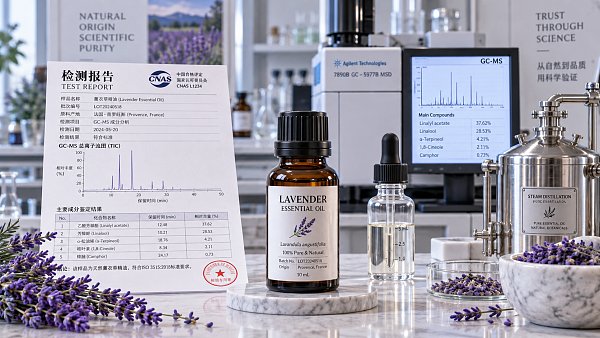
A useful certificate of analysis identifies the product, manufacturer or responsible issuer, batch number, specification reference, test methods, results, and authorized release information clearly enough.
Prefer numerical results for quantitative attributes such as marker content and moisture. A simple “passes” statement provides less information for comparing batches or investigating drift.
Check units and reporting basis carefully. Results expressed on a dry basis, as supplied, or after dilution can appear comparable while representing materially different concentrations.
Ask whether reported composition reflects direct analysis, calculation, or standardization through blending. Where carriers are present, understand their contribution to the finished ingredient’s declared concentration.
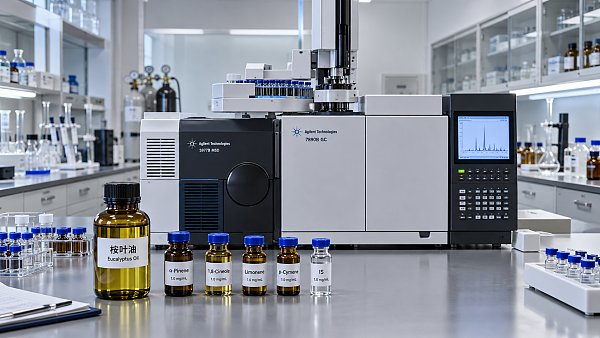
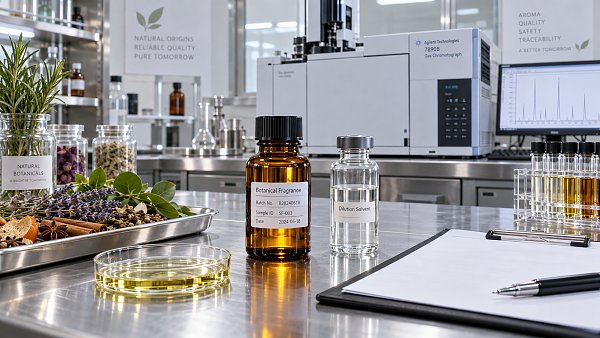
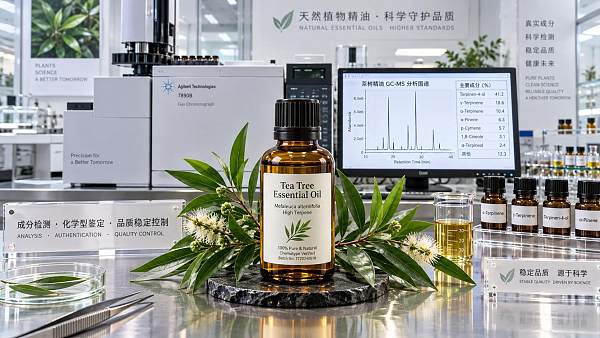
For chromatography, request representative chromatograms and an explanation of identity criteria, reference standards, and quantification. A visually similar fingerprint alone does not establish equivalent potency.
Methods should be demonstrated as suitable for the extract matrix and intended measurement. Relevant characteristics include specificity, accuracy, precision, range, and appropriate detection or quantification limits.
When external laboratories are used, verify their relevant capabilities. ISO/IEC 17025 accreditation is useful when its scope covers the particular testing activities being relied upon.
Compare several recent certificates for trends and investigate implausibly identical results. For higher risk purchases, arrange independent testing of a representative, traceable sample before approval.
Which Contaminants Need Testing for Your Intended Use?
CO2 extraction does not automatically remove pesticides, heavy metals, microorganisms, or other hazards. Some substances may transfer into extracts, depending on their properties and conditions.
Build the testing panel around the botanical source, manufacturing process, intended application, destination market, and customer requirements. There is no universally sufficient panel for every extract.
Pesticide screening should cover relevant agricultural practices and applicable requirements. Ask for the analyte list, individual reporting limits, and evidence that the method handles the matrix.
For metals, clarify which elements are measured and whether additional characterization is necessary. Acceptance limits must reflect applicable requirements and the ingredient’s intended use conditions.
Microbiological criteria should match the product category and application. Do not assume pressurized extraction provides a validated microbial reduction step without supporting evidence for that process.
Residual solvent testing should reflect actual processing, including modifiers and downstream operations. Relevant solvent or cleaning residues require assessment even when CO2 is the primary solvent.
Consider mycotoxins, polycyclic aromatic hydrocarbons, allergens, or adulteration where sourcing and processing justify concern. Ask the supplier to explain both included tests and justified exclusions.
Risk based testing frequencies may be appropriate, but they require documented justification and verification. Understand which results are batch specific and which reflect periodic monitoring.
Will the Extract Stay Consistent During Formulation and Storage?
A batch can satisfy chemical specifications yet fail in your formulation. Before qualification, test representative material under the processing conditions and dosage your business expects.
For flavors and fragrances, evaluate sensory profile alongside analytical results. Oxidation, volatile losses, or compositional shifts can change performance even when a marker remains acceptable.
For food or agricultural formulations, assess relevant compatibility, dispersibility, precipitation, and storage behavior. An ingredient specification should include properties that materially affect its intended application.
Request stability evidence supporting the stated shelf life in the proposed commercial packaging. Accelerated studies can support assessment, but their limitations should be understood clearly.
Check whether stability monitoring includes sensitive markers, oxidation indicators, appearance, odor, or microbiological attributes where relevant. Measuring only one stable constituent can miss meaningful deterioration.
Review container compatibility, closure integrity, light protection, headspace controls, and transport temperatures. Confirm whether opening the package creates additional storage requirements or a shorter usable period.
Where practical, qualify samples from multiple production batches and retain reference samples. A successful laboratory sample alone does not demonstrate consistency at commercial production scale.
What Should You Challenge During the Factory Audit?
Use the audit to connect procedures with actual behavior. Follow one selected batch through receiving, production, laboratory testing, release, storage, and dispatch using original records.
Check how quarantined, approved, rejected, and returned materials are identified and segregated. The system should prevent accidental use or shipment while preserving clear inventory status.
Review an out of specification investigation and a related corrective action. Look for evidence preservation, scientifically justified conclusions, assigned responsibilities, and checks that corrective measures worked.
Repeated testing until a passing result appears is a serious concern. Ask how retesting is authorized and how original results remain visible within the investigation.
For electronic records, examine user access, change histories, backups, and review practices. For paper records, check controlled forms, contemporaneous entries, and transparent corrections preserving original information.
Verify certifications directly with the issuer or its directory where possible. Check their site and activity scope; management certification alone does not establish individual product compliance.
Close audit findings with evidence and deadlines. Unresolved identity, contamination, traceability, or data integrity problems should prevent approval until the supplier demonstrates an adequate resolution.
How Should Procurement Turn the Findings into a Buying Decision?
Approve a co2 extracts factory against documented requirements covering identity, composition, contaminants, process control, traceability, stability, and application performance. Keep commercial evaluation connected to technical evidence.
Use a quality agreement to define testing responsibilities, release criteria, change notification, complaint handling, investigation support, and rejection procedures. Specify how disputes will be resolved.
Start with a controlled qualification order when appropriate, then monitor batch trends, delivery condition, complaints, and supplier responsiveness. Review performance as sourcing risks or requirements change.
The strongest purchasing decision rests on records that agree with one another and material that performs as expected. Certificates become valuable when the underlying evidence supports them.