What Should You Check Before Choosing a Flavor Paste Exporter?
A flavor paste that tastes excellent in a supplier’s sample room can still become an expensive purchasing mistake. It may lose its aroma during baking, separate after a warm sea journey, or arrive with an allergen declaration that does not satisfy your customer. Choosing a flavor pastes exporter therefore requires more than comparing quotations and approving a taste sample.
For procurement teams, the real question is whether the supplier can deliver a compliant, consistent ingredient at a predictable cost throughout the supply relationship. That means checking the formulation, manufacturing controls, application performance, shipping conditions, and documentation together—not treating them as separate paperwork exercises.
Define What You Are Buying Before Comparing Exporters
“Flavor paste” is a commercial description, not a sufficiently precise purchasing specification. It may refer to a concentrated flavor preparation, a nut-based paste, a fruit preparation, or a sweetened compound containing flavorings, colors, stabilizers, and carriers. Two products with the same flavor name may behave very differently in production.
Before requesting prices, prepare a short application brief covering:
- Finished product: ice cream, bakery filling, confectionery, dairy dessert, beverage, or another application.
- Processing conditions: heating temperature and duration, mixing method, product pH, and freezing or refrigeration requirements.
- Sensory target: flavor character, intensity, sweetness, color, mouthfeel, and acceptable variation.
- Commercial constraints: target dosage, annual volume, pack size, storage capacity, and destination market.
- Label requirements: allergen restrictions, permitted claims, and any requirements concerning natural flavoring, animal-derived ingredients, or certification.
This brief makes quotations more comparable. Without it, the lowest-priced offer may simply contain more carrier, deliver less flavor at the proposed dosage, or fail a labeling requirement that only emerges after sampling.
Ask for Evidence That Matches the Actual Product
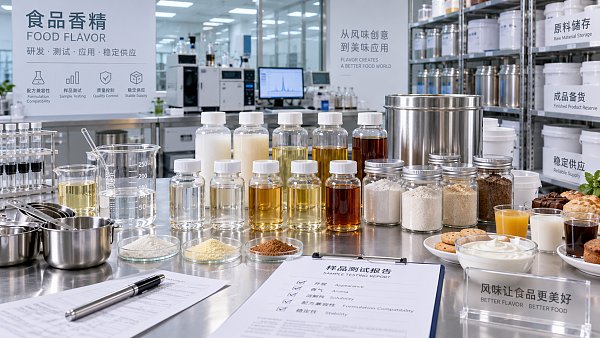
A polished company profile tells you little about a particular paste. The useful evidence is product-specific, current, and traceable to the manufacturing site. Request the following documents before moving into commercial negotiations.
Not every formulation requires identical testing. Depending on the ingredients and process, relevant parameters may include moisture, water activity, pH, viscosity, soluble solids, microbiological limits, or specific contaminants. Nut-containing products, for example, may require attention to mycotoxin controls, while other formulations present different hazards. Ask why each parameter is controlled rather than accepting a generic testing list.
Also establish whether the exporter manufactures the paste or sources it from another company. A trading company can be a reliable partner, but responsibility for specifications, technical questions, complaints, and manufacturing changes must remain clear.
Check Food Safety Controls Beyond the Certificate
A recognized food safety certificate is a useful screening tool, not a substitute for product evaluation. Confirm that its scope covers the relevant facility and activity. If certification is a contractual requirement, verify its status through the issuing body or an appropriate verification system.
Then discuss how the manufacturer controls the risks associated with the paste. Useful questions concern raw-material approval, hazard analysis, sanitation, foreign-material prevention, and allergen segregation. Where a microbial reduction step is relied upon, ask how its effectiveness is validated and monitored.
Do not assume that sweetness, thickness, or a sealed container makes a paste microbiologically stable. Stability depends on the formulation, process, packaging, and storage conditions. Low water activity may limit microbial growth, but it does not automatically eliminate pathogen survival or post-process contamination risks.
For shared production lines, ask how changeovers are managed and cleaning effectiveness is verified. A vague statement such as “allergen-free production” deserves further investigation, especially when the supplier also handles milk, nuts, peanuts, soy, sesame, or gluten-containing cereals.
Destination-Market Compliance Needs Its Own Review
A flavor paste legally sold in its country of manufacture is not automatically suitable for import or use elsewhere. Your regulatory team or qualified local adviser should review the formulation against the destination market and intended finished-food category.
Pay particular attention to permitted flavoring substances, colors, preservatives, sweeteners, carriers, and their conditions of use. Evaluate the proposed dosage in the finished food; legality may depend on the application and resulting concentration rather than the paste alone.
Flavor naming also matters. Terms such as “natural,” “vanilla,” or “fruit” can carry specific requirements depending on the jurisdiction and presentation. Obtain enough composition and origin information to support the intended declaration. Where detailed formulation information is commercially sensitive, agree on a confidential review process rather than accepting an unsupported compliance statement.
Halal, kosher, organic, or other certificates should be checked when required by your market or customer. Confirm that the exact product and manufacturing site are covered. These certificates do not replace food safety approval or local regulatory review.
Approve Performance in Your Process, Not Just on a Spoon
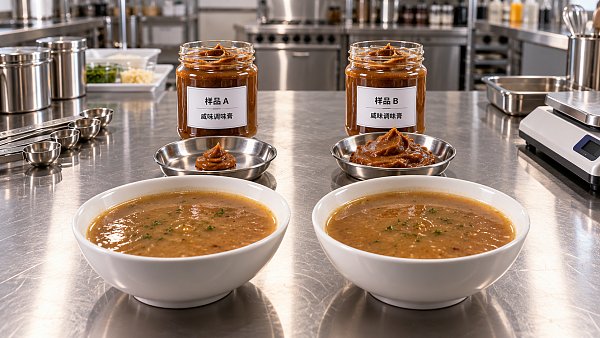
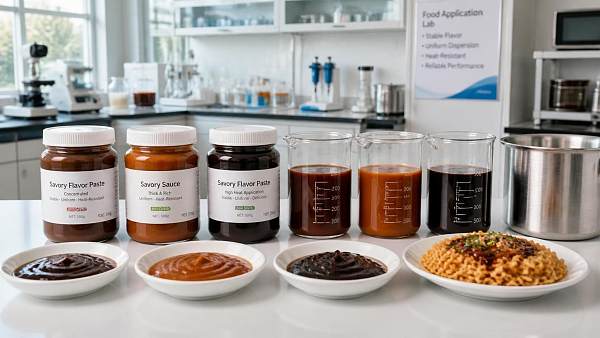
Tasting the paste directly is useful for initial screening, but purchasing approval should depend on trials in the actual food matrix. Fat, protein, acidity, sweetness, and processing conditions can change flavor perception and stability.
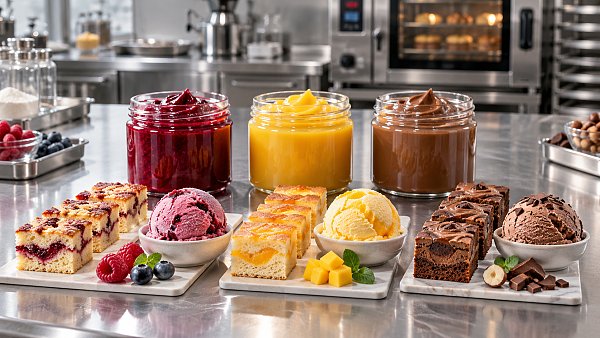
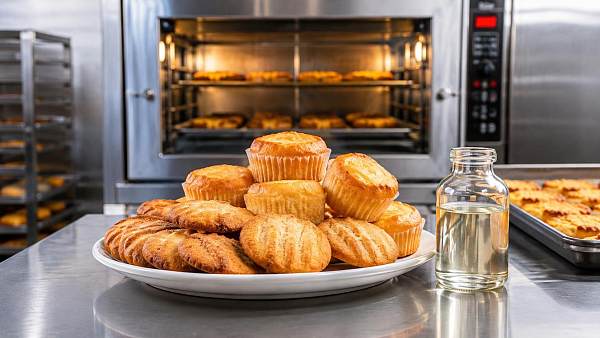
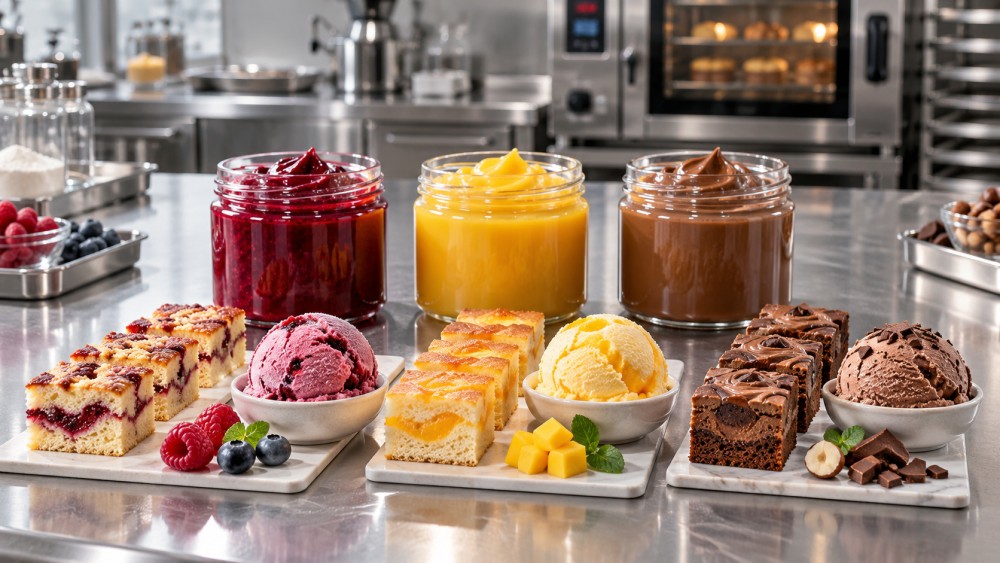
A bakery paste may smell convincing before baking yet lose key aroma notes in the oven. A paste intended for frozen desserts may introduce particles, alter texture, or require more mixing than expected. In an acidic application, an otherwise attractive formulation may separate or develop an unbalanced flavor.
Use a controlled trial sequence: compare samples at the supplier’s recommended dosage, adjust toward your sensory target, and record the final dose and processing requirements. Evaluate the finished product after processing and during relevant storage—not only immediately after mixing.
Before awarding routine business, request samples from multiple production batches where practical. Assess flavor profile, color, viscosity, dispersion, and other agreed attributes. A retained reference sample and documented sensory method help make future comparisons less subjective.
Ask whether the approval sample represents normal commercial production. If it was prepared in a laboratory or pilot facility, qualify a commercial batch before relying on it for routine supply. Record the approved product code and specification revision to reduce the risk of later substitutions.
Calculate Cost per Finished Product, Not Just per Kilogram
The cheapest paste is not necessarily the lowest-cost ingredient to use. A more concentrated product may require a lower dosage, while a difficult-to-handle paste may create losses that outweigh a favorable purchase price.
A useful starting point is:
Flavor paste cost per kilogram of finished food = landed cost per kilogram of paste × inclusion rate.
For illustration only, a paste costing $6 per kilogram at a 2% inclusion rate contributes $0.12 per kilogram of finished food. A paste costing $8 per kilogram at 1% contributes $0.08. That comparison matters only if both achieve an acceptable sensory result and meet the same technical and compliance requirements.
Extend the calculation to include freight, insurance, duties, customs clearance, testing, inland transport, and temperature control where needed. Then examine costs that quotations often hide:
- Paste left inside containers because of high viscosity or unsuitable pack design.
- Extra labor for warming, mixing, scraping, or cleaning.
- Inventory financing and storage driven by minimum order quantities.
- Expired stock caused by slow consumption or limited remaining shelf life.
- Rework, rejected production, or emergency purchases following inconsistent supply.
Compare offers using the same named Incoterms rule, version, and location. A price excluding freight is not directly comparable with one including carriage to your destination, and freight inclusion does not necessarily mean the seller bears transit risk until arrival. Confirm responsibilities explicitly.
Make Shelf Life and Shipping Conditions Work Together
A shelf-life statement is only useful when its conditions are clear. Ask what evidence supports it, which packaging was evaluated, and whether it covers microbiological, sensory, and physical stability. Accelerated studies may support an assessment, but they should not be treated as interchangeable with real-time evidence in every formulation.
Distinguish unopened shelf life from storage life after opening. Once a production operator opens a pail, contamination exposure and handling conditions change. Obtain instructions for resealing, storage, any permitted warming, and use after opening.
For exports, review the whole route: factory storage, inland transport, port dwell time, ocean or air shipment, customs clearance, and final delivery. “Ambient storage” should be translated into a defined temperature range. A long period in a hot container may cause oil separation, aroma loss, discoloration, or packaging damage even if the product remains microbiologically acceptable.
Specify a minimum remaining shelf life at receipt, with a clear measurement point and procedure for delays. Check container seals, food-contact suitability, tamper evidence, leakage resistance, and pallet protection. For temperature-sensitive products, agree on monitoring arrangements and how excursions will be assessed.
Questions to Ask a Flavor Pastes Exporter Before Signing
Once technical approval is close, test whether the exporter can support routine purchasing rather than just a successful first shipment.
- What are normal production lead times, peak-season constraints, and minimum order quantities?
- Which ingredients create supply vulnerability, and how are shortages managed?
- Will changes to raw-material sources, formulation, site, process, or packaging require advance notification and approval?
- Who investigates complaints, and what records or retained samples support the investigation?
- How are short shipments, damaged packs, nonconforming batches, and rejected deliveries handled?
- Can a replacement source or manufacturing site be introduced without requalification?
Include agreed specifications, documentation requirements, change control, acceptance criteria, and complaint procedures in the supply agreement. Define how samples are taken and tested if results are disputed. Clear responsibilities are more valuable than a broad promise to “guarantee quality.”
A Practical Approval Decision
Use food safety, destination-market legality, and application suitability as pass-or-fail gates. A low price should not compensate for an unresolved allergen risk or an unsuitable formulation. After those gates are passed, compare qualified exporters on total cost, consistency, delivery reliability, technical responsiveness, and commercial terms.
Where feasible, begin with a controlled commercial order before making a large commitment. Verify the delivered documentation, packaging condition, batch performance, and actual receiving costs. The right flavor paste exporter is not simply the one whose sample tastes best; it is the one whose product and supply arrangements remain dependable when real production begins.
Facing technical bottlenecks in manufacturing or looking for more efficient industrial solutions? Leave your details below and let the engineering experts at FCAS solve them for you.
We respect your privacy. Your information is strictly confidential.
Related News
 Maillard Reaction Savory FlavorsHow Does an Ethyl Maltol Factory Control Product Quality?How does an ethyl maltol factory ensure consistent quality? Explore testing, contamination controls, traceability, and key questions to ask suppliers.MORE+
 Maillard Reaction Savory FlavorsHow Spray Dried Flavors Retain Flavor in Dry Food MixesDiscover how Spray Dried Flavors preserve aroma in dry food mixes, and learn how formulation, storage and packaging influence flavor quality.MORE+
 Maillard Reaction Savory FlavorsHow High Purity Ethyl Maltol Enhances Flavor in FoodDiscover how high purity ethyl maltol enhances sweet, fruity and caramel notes, and explore practical tips for food formulation and sourcing.MORE+
 Maillard Reaction Savory FlavorsHow to Choose Spray Dried Flavors for Better Powder StabilityChoose Spray Dried Flavors with confidence. Compare carriers, moisture behavior, particle properties, and packaging to improve powder stability and flavor retention.MORE+
 Maillard Reaction Savory FlavorsHow Do Savory Flavor Paste Prices Affect Your Cost per Serving?Compare flavor pastes price by validated dose, landed cost, and usable recovery—not price per kilogram alone. Discover how to lower cost per serving without compromising flavor.MORE+
 Maillard Reaction Savory FlavorsWhat Should You Check Before Choosing a Flavor Paste Exporter?Choosing a flavor pastes exporter? Discover how to verify food safety, compliance, product performance, and landed costs to avoid costly mistakes and secure reliable supply.MORE+
 Maillard Reaction Savory FlavorsWhat to Consider When Developing Flavor Bases for Food ApplicationsCan flavor bases be customized for specific food applications? Explore sensory targets, processing stability, compliance, and cost-effective development strategies.MORE+
 Maillard Reaction Savory FlavorsHow Oil Soluble Aroma Ingredients Improve Flavor ConsistencyOil soluble aroma ingredients improve flavor consistency in fat-based foods by enhancing distribution, stability, and controlled aroma release. Discover practical selection tips.MORE+
 Maillard Reaction Savory FlavorsWhat to Check Before Choosing Flavor Bases Wholesale for BeveragesFlavor bases wholesale guide for beverage buyers: evaluate taste, stability, documentation, dosage costs, and supplier reliability before scaling production.MORE+
 Maillard Reaction Savory FlavorsHow to Assess a Flavor Bases Supplier List for Reliable SourcingGlobal Fine Chemicals & Agrochemical Intelligence Network flavor bases supplier list: assess specs, samples, supply risk, and true cost to source with confidence.MORE+
 Maillard Reaction Savory FlavorsHow Ethyl Maltol Purity Testing Supports Flavor Safety ComplianceEthyl Maltol purity testing strengthens flavor safety compliance through identity checks, impurity profiling, supplier verification, and audit-ready documentation.MORE+
 Maillard Reaction Savory FlavorsHow to Evaluate an Ethyl Maltol Supplier for Reliable Flavor QualityChoose an ethyl maltol supplier with confidence. Learn how to assess sensory consistency, purity, documentation, compliance, and supply reliability for dependable flavor quality.MORE+
 Maillard Reaction Savory FlavorsHow Aroma Ingredients for Baked Goods Shape Fresh-Baked AppealAroma ingredients for baked goods help create authentic fresh-baked appeal. Explore heat stability, sensory balance, sourcing, and formulation tips for better bakery products.MORE+
 Maillard Reaction Savory FlavorsHow to Select Liquid Flavorings for Consistent Beverage ProfilesLiquid Flavorings guide for consistent beverage profiles—compare stability, dosage, carriers, processing performance, and supplier reliability for better product results.MORE+
 Maillard Reaction Savory FlavorsHow Flavoring Preparations for Confectionery Stay Stable in ProductionFlavoring preparations for confectionery: learn how to protect aroma, ensure even dispersion, control heat exposure, and achieve consistent production quality.MORE+
 Maillard Reaction Savory FlavorsHow Powder Flavors Improve Consistency in Snack SeasoningPowder flavors for snack seasoning improve blend uniformity, adhesion, aroma release, and shelf-life stability. Learn how to control key process variables.MORE+
 Maillard Reaction Savory FlavorsHow Natural Flavor Bases Create Consistent Savory Food ProfilesNatural flavor bases help create consistent savory food profiles. Learn how sensory testing, processing control, and storage practices protect flavor quality.MORE+
 Maillard Reaction Savory FlavorsHow High Color Oleoresins Improve Consistency in Savory Food FormulationsHigh color oleoresins improve savory food consistency through precise dosing, stable dispersion, and heat-aware processing. Discover practical formulation controls.MORE+
 Maillard Reaction Savory FlavorsWhy Do Food Flavorings Change Taste During Long-Term Storage?Why do food flavorings change taste after prolonged storage? Discover how oxidation, heat, packaging, and ingredient interactions affect flavor stability.MORE+
 Maillard Reaction Savory FlavorsEthyl Maltol in Food Formulations for Balanced Sweet Aroma ProfilesEthyl Maltol helps food formulators create balanced sweet aroma profiles. Explore dosage control, sensory performance, quality assurance, and compliance insights.MORE+
 Maillard Reaction Savory FlavorsHow Concentrated Flavor Pastes Solve Batch-to-Batch Flavor VariationConcentrated flavor pastes help manufacturers reduce batch-to-batch variation with precise dosing, reliable dispersion, and stronger sensory consistency.MORE+
 Maillard Reaction Savory FlavorsHow Reaction Flavors Create Richer Taste in Baked and Savory FoodsReaction Flavors bring roasted, toasted, and savory depth to bakery, snacks, sauces, and plant-based foods. Learn how to select profiles that perform after processing.MORE+
 Maillard Reaction Savory FlavorsCan Flavor Bases Withstand High-Temperature Baking Without Losing Flavor?Can flavor bases withstand high temperature baking? Discover how heat, moisture, encapsulation, and formula design affect flavor retention in baked goods.MORE+
 Maillard Reaction Savory FlavorsWhat Determines Flavoring Preparations Bulk Price in 2026Flavoring preparations bulk price in 2026 depends on formula, dosage, logistics, compliance, and supplier reliability. Learn how to compare total cost and reduce sourcing risk.MORE+
 Maillard Reaction Savory FlavorsWhy Food Grade Flavor Pastes Help Build Stable Savory ProfilesFood grade flavor pastes help manufacturers build stable savory profiles with better dispersion, heat retention, and dosing control—ideal for sauces, snacks, meats, and ready meals.MORE+
 Maillard Reaction Savory FlavorsHow Microencapsulated Flavors for Chewing Gum Extend TasteMicroencapsulated flavors for chewing gum help extend taste by improving flavor retention, controlling release, and supporting longer-lasting sensory performance from processing to chew.MORE+
 Maillard Reaction Savory FlavorsWhy Spray Dried Flavors Fit Modern Beverage Premix DevelopmentSpray dried flavors for beverage premixes help brands improve stability, dosing, and dry blending efficiency. See why they fit faster launches and scalable modern premix production.MORE+
 Maillard Reaction Savory FlavorsFlavor Bases for Sauces, Snacks, and Seasonings: How to Match Base Notes to Product FormatFlavor Bases guide for sauces, snacks, and seasonings—learn how to match base notes to each format for better stability, flavor release, and product performance.MORE+