Which Quality Specifications Matter When Sourcing Bioherbicide APIs?
When sourcing Bioherbicide APIs, prioritize verified identity, relevant biological activity, controlled impurities, and stability through the intended storage period. A high purity figure alone cannot establish whether a material will perform consistently after transport, formulation, and storage. The specification must reflect what the active material actually is: a living microorganism, a botanical mixture, or a defined biologically derived substance.
The most useful purchasing specification connects each acceptance limit to a practical requirement. It should establish that the material is the correct active, contains enough usable activity, meets safety-related limits, and can be processed into the intended formulation. Price comparisons become meaningful only after those conditions are aligned.
Define the supplied material before comparing specifications
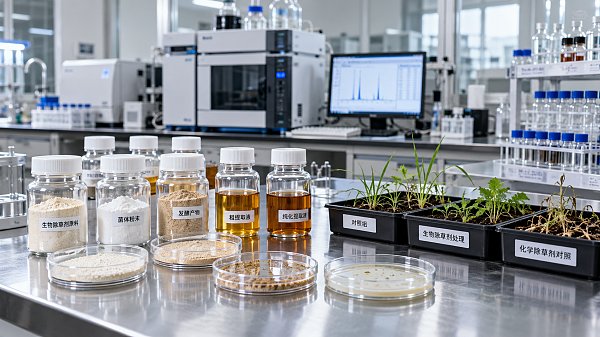
“API” is often used commercially to mean active ingredient, but bioherbicide suppliers may offer very different materials under that description. A shipment could contain concentrated microbial biomass, dried spores, a fermentation preparation, a botanical extract, or a purified metabolite. These materials require different quality controls and may include substantial amounts of carriers or fermentation residues.
Ask suppliers to define the active component, its concentration, the production form, and any intentionally added materials. Establish whether the quotation covers technical material for formulation or a finished product. Otherwise, a lower price per kilogram may simply reflect a more dilute preparation or a material that requires additional processing.
These categories can overlap. A fermentation preparation may contain both viable organisms and active metabolites. Its specification should address whichever components contribute to performance or affect safety, rather than forcing the material into a single testing model.
Identity and potency deserve separate acceptance criteria
Identity establishes what is in the shipment
For microbial materials, species identification may be insufficient when the intended active is a particular strain. Request an identification method capable of distinguishing the supplied organism at the level relevant to the product. A general identification result does not establish that every strain within that species has equivalent herbicidal behavior.
Botanical identity requires more than a plant name. Plant part, extraction process, and chemical profile can influence composition. A fingerprint can help detect substitution or process drift, while selected constituent ranges provide more focused control. Neither automatically proves herbicidal activity unless a useful relationship has been established.
For a defined metabolite, identity testing should distinguish the intended substance from related compounds. Where different chemical forms or isomers affect performance, the agreed specification should capture that distinction.
Potency establishes how much useful activity is present
A microbial count and a biological potency result answer different questions. Colony-forming units estimate organisms capable of growing under the specified culture conditions. Spore counts may include spores that do not germinate. Neither result alone necessarily predicts weed suppression.
Where performance depends on germination, infection, or metabolite production, request an appropriate functional measure alongside the concentration result. A controlled bioassay can support this assessment, provided its conditions and acceptance criteria are defined. It should use a relevant target weed and growth stage, with suitable reference and control treatments.
Bioassays also have practical limits: temperature, humidity, plant condition, and assessment timing can affect results. For some materials, a validated chemical assay or another functional test may provide a more repeatable routine release measure. The important question is whether the chosen test has a demonstrated relationship to the material’s intended activity.
Agree on the reporting basis before accepting any potency figure. Results per gram of dry matter cannot be compared directly with results per gram of supplied material. Moisture, carrier content, and the test method can all change the apparent concentration.
Set impurity and contamination limits around the production route
A generic “purity” requirement is too broad to control the risks associated with biological materials. Specifications should identify the impurities that could reasonably arise from the organism, feedstock, extraction solvent, equipment, or storage conditions.
For microbial preparations, distinguish the intended organism from unwanted microorganisms. Depending on the material and its intended use, controls may need to address specified pathogens, non-target organisms, and contamination that could impair stability or activity. A single total microbial count can be misleading when the product itself contains a high concentration of living organisms.
Botanical extracts may require controls for residual solvents, relevant elemental contaminants, pesticide residues, or naturally occurring undesirable constituents. The appropriate panel depends on the source and process. Ordering every available test adds cost without necessarily improving control; omitting a foreseeable contaminant leaves a more consequential gap.
Fermentation-derived substances may also need limits for unwanted metabolites, residual processing aids, or degradation products. High active content does not compensate for a problematic minor component. Ask suppliers to explain the basis for their impurity panel and how significant process changes affect it.
Limits should reflect the intended use, exposure profile, formulation, and applicable registration requirements. “Not detected” should always be linked to a named method and its detection capability; it does not mean the same thing across all laboratories.
Buy the quality that will remain when the material is used
A release result describes a batch at the time it was tested. It does not establish what will arrive after shipment or remain after months in storage. This distinction is particularly important for living actives and chemically unstable extracts or metabolites.
Request stability evidence for the supplied material in its proposed packaging under the recommended storage conditions. The study should follow relevant quality attributes, such as viable count, biological activity, active content, impurity formation, and physical condition. Appearance alone is insufficient.
Accelerated studies can help identify sensitivities and compare packaging options, but they do not automatically replace real-time evidence. For living materials especially, loss of viability under elevated temperature may not translate reliably into a normal-storage shelf life.
Define the minimum remaining shelf life required at delivery, alongside any minimum potency needed during the agreed storage period. A batch close to expiry can pass its release specification while providing too little time for incoming testing, formulation, and distribution.
Transport requirements should follow the stability evidence. If temperature control is necessary, specify the permitted conditions, monitoring arrangements, and handling of excursions. Packaging also matters: moisture uptake, oxygen exposure, light, or repeated opening may change quality even when warehouse temperature is acceptable.
Formulation compatibility can determine whether an acceptable batch is usable
Incoming material can meet its analytical specification and still cause manufacturing problems. Particle size, moisture, pH, viscosity, dispersibility, and insoluble matter may affect processing, depending on the formulation being developed.
For a wettable powder or water-dispersible product, poor wetting and persistent aggregates can produce uneven dosing or application problems. In a liquid system, sedimentation, phase separation, or excessive viscosity may prevent consistent filling and redispersion. These properties deserve limits when they affect the intended process.
Living organisms introduce additional compatibility concerns. Solvents, preservatives, surfactants, processing heat, and drying conditions may reduce viability or activity. A supplier’s statement that a material is “compatible with common adjuvants” provides little guidance unless the tested ingredients, concentrations, contact time, and conditions are specified.
Qualification should therefore include a trial in the intended formulation and packaging, followed by the relevant stability and application checks. Raw-material shelf life cannot be transferred automatically to a finished formulation. Equally, a material suitable for one formulation type may be an unnecessarily expensive or unsuitable choice for another.
Make the certificate of analysis useful for batch acceptance
A certificate of analysis should identify the batch and report the results needed to judge it against the agreed specification. A document containing only broad descriptions such as “conforms” or “standard quality” offers limited help when investigating variation.
Request numerical results for critical quantitative attributes, together with units, reporting basis, specification limits, and test-method references. Manufacturing date, test date, and expiry or retest information should be clear. Where pass/fail reporting is appropriate, the acceptance criterion still needs to be defined.
Method agreement is especially important for biological measurements. Culture media, incubation conditions, sample preparation, extraction procedures, and reference materials can produce different results. A disagreement between two laboratories may reflect a method difference rather than a defective shipment.
During qualification, compare supplier results with an agreed independent or receiving-laboratory method where practical. Establish a sampling plan that accounts for batch size, container variation, and any tendency to settle or segregate. Retained samples and a defined dispute-testing procedure make later investigations more manageable.
Review results from multiple representative production batches. A specification may allow a wide range while normal production remains tightly grouped—or it may conceal substantial variability. Batch trends help determine whether routine adjustments will be needed in formulation.
Compare cost per usable activity, then account for handling losses
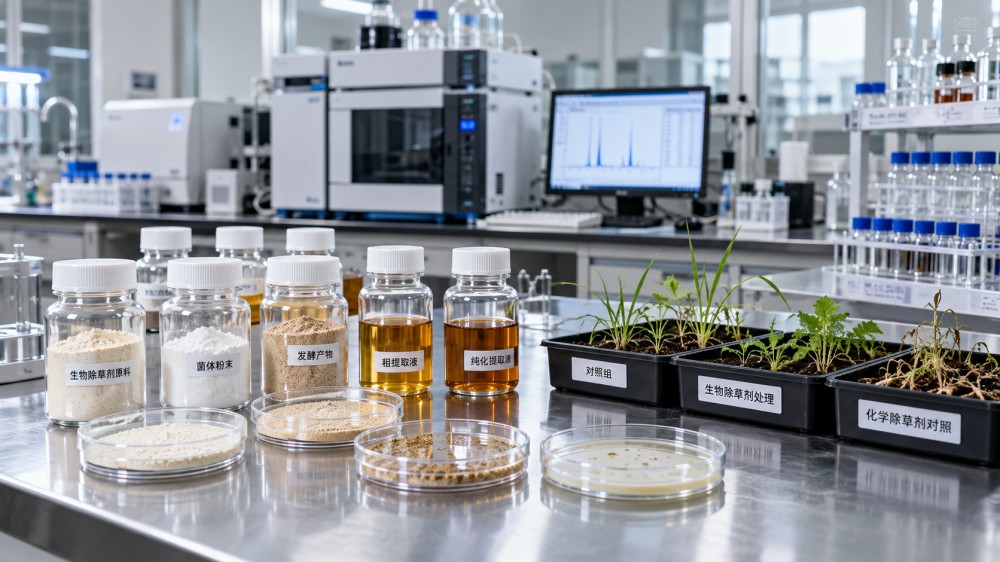
Price per kilogram is a weak comparison when offers differ in concentration, potency, moisture, or carrier content. Start with cost per agreed unit of usable activity, using comparable methods and reporting bases. Then account for the quantity expected to remain acceptable through transport, storage, and processing.
A lower-priced material may require more refrigerated storage, additional testing, higher formulation inputs, or more frequent deliveries. Short remaining shelf life can increase write-offs. A concentrated material may reduce freight but create dispersion or handling difficulties that offset the saving.
Keep the calculation tied to supported performance. Potency measurements are useful for comparing material quality, but they do not automatically establish equivalent field application rates across different actives. Those rates depend on the product, target weeds, application conditions, and relevant use requirements.
Separate essential acceptance limits from optional refinements. Tighter particle-size control is valuable when it prevents a processing problem; it adds little if the process is insensitive to that range. Specifications should protect product quality without paying for precision that has no practical benefit.
Turn the specification into a supply agreement
Before placing a routine order, make the approved specification part of the purchasing agreement. It should identify the supplied material, critical limits, test methods, packaging, storage conditions, and required delivery documentation.
Include notification requirements for changes that could affect quality: strain source, fermentation conditions, botanical sourcing, extraction process, manufacturing site, carriers, or analytical methods. A batch can continue meeting a limited specification while an unreported process change alters its formulation behavior.
Set clear arrangements for sampling, acceptance, out-of-specification investigations, and replacement or credit. Quality responsibilities become harder to resolve when the material has already entered production and neither party agreed how a disputed result would be assessed.
The next useful step is to send shortlisted suppliers the same material-specific specification and request representative batch data, stability evidence, and a qualification sample. That creates a sound basis for choosing a supply whose identity, activity, consistency, and delivered condition justify its cost.
Facing technical bottlenecks in manufacturing or looking for more efficient industrial solutions? Leave your details below and let the engineering experts at FCAS solve them for you.
We respect your privacy. Your information is strictly confidential.
Related News
 Targeted Bio-pesticides & APIsWhen Should You Apply Botanical Insecticides for Fruit Trees?When should you apply botanical insecticides for fruit trees? Discover how to time treatments for vulnerable pests while protecting pollinators and your harvest.MORE+
 Targeted Bio-pesticides & APIsHow to Use Microbial Fungicides for Soil Borne DiseasesDiscover how to use microbial fungicides for soil borne diseases, from product selection to root-zone application, and build a more effective crop protection program.MORE+
 Targeted Bio-pesticides & APIsHow to Choose Insecticides Based on the Pest and CropChoose insecticides with confidence. Learn how to match treatments to pests and crops while protecting beneficial insects and meeting harvest requirements.MORE+
 Targeted Bio-pesticides & APIsHow Are Fungicide APIs Used in Crop Protection Products?Fungicide APIs for crop protection power disease control products. Discover how formulation, application and resistance management affect results.MORE+
 Targeted Bio-pesticides & APIsHow to Evaluate Quality Control at a Botanical Insecticides FactoryEvaluate a botanical insecticides factory with practical checks for sourcing, testing, batch traceability and stability. Learn how to identify quality risks before choosing a supplier.MORE+
 Targeted Bio-pesticides & APIsHow Microbial Insecticides for Public Health Control MosquitoesDiscover how microbial insecticides for public health control mosquito larvae, and learn how to choose formulations and improve field results.MORE+
 Targeted Bio-pesticides & APIsHow Effective Are Botanical Fungicides for Anthracnose?Botanical fungicides for anthracnose can help suppress disease, but results vary. Discover what affects performance and how to choose and use them effectively.MORE+
 Targeted Bio-pesticides & APIsHow to Select Insecticide APIs for Ultra Low Volume FormulationsExplore how to select insecticide APIs for ultra low volume formulations, from stability and droplet performance to regulatory compliance and supply.MORE+
 Targeted Bio-pesticides & APIsEFSA Publishes Peer Review of Trichoderma asperellum ICC012EFSA’s peer review of Trichoderma asperellum ICC012 finds no safety concerns for its assessed EU uses. Explore the implications for biopesticide compliance.MORE+
 Targeted Bio-pesticides & APIsHow to Apply Microbial Pesticides to Foliage EffectivelyMicrobial pesticides for foliar application work best with proper mixing, timing, and leaf coverage. Discover practical steps to improve results and avoid common mistakes.MORE+
 Targeted Bio-pesticides & APIsHow to Use Botanical Fungicides for Fruits EffectivelyBotanical fungicides for fruits can help protect your crop when used correctly. Learn how to choose, time, and apply treatments for healthier fruit.MORE+
 Targeted Bio-pesticides & APIsHow Are Insecticide APIs Used in Public Health Programs?Insecticide APIs for public health support vector control through sprays, treated nets and larvicides. Discover how formulation, resistance and safety shape product selection.MORE+
 Targeted Bio-pesticides & APIsGerman Research Reinforces Pesticide Risks to Aquatic EcosystemsPesticide risks to aquatic ecosystems gain new support from German research. Explore the findings and why holistic approaches matter for agriculture and environmental protection.MORE+
 Targeted Bio-pesticides & APIsSulfonium Modification Offers a Potential Route Around Antifungal ResistanceSulfonium modification shows potential against antifungal resistance in wax moth larvae. Explore what this early finding could mean for future antifungal drug development.MORE+
 Targeted Bio-pesticides & APIsHow Do Microbial Fungicides for Seed Treatment Reduce Damping-Off?Discover how microbial fungicides for seed treatment help reduce damping-off. Learn what to check in strains, coatings, and efficacy data to protect seedlings.MORE+
 Targeted Bio-pesticides & APIsHow to Evaluate a Microbial Insecticides Supplier Before OrderingEvaluate a microbial insecticides supplier with confidence. Learn to verify potency, shelf life, compliance, and delivery quality before ordering to reduce risk and protect your budget.MORE+
 Targeted Bio-pesticides & APIsWhich Quality Specifications Matter When Sourcing Bioherbicide APIs?Sourcing Bioherbicide APIs? Discover the quality specs that matter—from identity and potency to impurities and stability—to compare suppliers and buy with confidence.MORE+
 Targeted Bio-pesticides & APIsHow to Select Residue-Compliant Insect Growth Regulators for CropsSelect residue compliant insect growth regulators with confidence. Discover key checks for crop approvals, export MRLs, harvest intervals, and testing to make informed treatment decisions.MORE+
 Targeted Bio-pesticides & APIsHow to Choose a Reliable Supplier of Insect Growth RegulatorsChoose a reliable insect growth regulators supplier with confidence. Learn how to verify quality, regulatory fit, traceability, and delivery before committing to your next order.MORE+
 Targeted Bio-pesticides & APIsHow Botanical Insecticides Protect Vegetable Crops EffectivelyBotanical insecticides for vegetables help growers improve pest control, spray coverage, IPM compatibility, and crop protection results. Explore practical application insights.MORE+
 Targeted Bio-pesticides & APIsChoosing Microbial Fungicides for Foliar Diseases in Integrated Crop ProgramsMicrobial fungicides for foliar diseases: learn how to match biology, formulation, tank compatibility, and timing for stronger integrated crop protection.MORE+
 Targeted Bio-pesticides & APIsHow Microbial Insecticides Control Caterpillars With Lower Crop Residue RiskMicrobial insecticides for caterpillars help protect crops with targeted early-larval control and lower residue-management pressure. Learn timing, coverage, compliance, and scouting essentials.MORE+
 Targeted Bio-pesticides & APIsInsecticides Explained Through Labels, Active Ingredients, and SafetyInsecticides explained through labels, active ingredients, formulations, and safety. Learn how to compare products, manage risk, and make informed crop protection decisions.MORE+
 Targeted Bio-pesticides & APIsHow to Evaluate Pesticide Suspension Concentrates for Field StabilityPesticide Suspension Concentrates: learn how to evaluate field stability, redispersibility, dilution, tank-mix compatibility, and spray safety for reliable performance.MORE+
 Targeted Bio-pesticides & APIsHow Microbial Inoculants for Seed Treatment Improve Early Crop VigorDiscover how microbial inoculants for seed treatment support early crop vigor through viable microbes, precise application, compatibility, storage, and stronger root establishment.MORE+
 Targeted Bio-pesticides & APIsSelecting Fungicide APIs for Soluble Liquid FormulationsFungicide APIs for soluble liquid formulations: explore solubility, stability, solvent selection, compliance, and sourcing factors for scalable product development.MORE+
 Targeted Bio-pesticides & APIsHow to Qualify a Pesticide Formulation Intermediates SupplierChoose a reliable pesticide formulation intermediates supplier with proven quality control, traceability, formulation testing, and change management expertise.MORE+
 Targeted Bio-pesticides & APIsHow to Evaluate a Microbial Insecticides Factory Before You Place an OrderEvaluate a microbial insecticides factory with confidence. Compare strain control, formulation stability, batch consistency, documents, logistics, and real cost before ordering.MORE+
 Targeted Bio-pesticides & APIsHow to Select Insecticide APIs for Reliable Stored Grain ProtectionInsecticide APIs for stored grain: learn how to select compliant, reliable actives for pest control, residue limits, formulation fit, and supplier quality.MORE+
 Targeted Bio-pesticides & APIsHow Botanical Insecticides Support Greenhouse Pest ControlBotanical insecticides for greenhouse use: learn practical IPM strategies for pest control, spray coverage, crop safety, and beneficial insect protection.MORE+
 Targeted Bio-pesticides & APIsChoosing Fungicide APIs for Stable Water Dispersible GranulesFungicide APIs for water dispersible granules: learn how particle behavior, wettability, carrier compatibility, and stability drive reliable WDG performance.MORE+
 Targeted Bio-pesticides & APIsHow Botanical Fungicides Protect Vegetables Without Residue RisksBotanical fungicides for vegetables help reduce residue risks while supporting effective disease control, compliance, and market-ready crop quality.MORE+
 Targeted Bio-pesticides & APIsHow to Select Intermediates for Stable Emulsifiable ConcentratesPesticide formulation intermediates for emulsifiable concentrate: learn how to select solvents and emulsifiers for robust solubility, dilution stability, hard-water performance, and scalable EC products.MORE+
 Targeted Bio-pesticides & APIsHow Organic Botanical Insecticides Can Improve Integrated Pest ManagementOrganic botanical insecticides can strengthen IPM through targeted pest control, smarter monitoring, safer application, and better protection of crops and beneficial insects.MORE+
 Targeted Bio-pesticides & APIsWhat to Evaluate Before Choosing a Botanical Insecticides ManufacturerBotanical insecticides manufacturer selection guide: evaluate raw material traceability, formulation stability, regulatory documents, supply continuity, and cost per hectare.MORE+
 Targeted Bio-pesticides & APIsHow Chitin Synthesis Inhibitors Control Insects Without ResistanceChitin synthesis inhibitor insect growth regulators disrupt pest development. Learn timing, coverage, monitoring, and resistance-management strategies for smarter control.MORE+
 Targeted Bio-pesticides & APIsIs Microbial Inoculants Wholesale the Right Move for Cost ControlMicrobial inoculants wholesale can cut costs—but only when storage, shelf life, logistics, and supplier consistency protect product performance. Learn what distributors must check before buying.MORE+
 Targeted Bio-pesticides & APIsWhen Microbial Fungicides Work Best for Greenhouse CropsMicrobial fungicides for greenhouse crops work best when applied early under balanced humidity, clean sanitation, and strong scouting. Learn the best timing, crop stages, and use tips for better disease control.MORE+
 Targeted Bio-pesticides & APIsBiocontrol Agents for Fruit Crops That Help Cut Residue and Pest PressureBiocontrol agents for fruit crops help reduce residue risk, ease pest pressure, and support resistance management. Learn where they fit best for orchards and vineyards.MORE+
 Targeted Bio-pesticides & APIsWhen Microbial Fungicides for Foliar Diseases Work Better Than ChemicalsMicrobial fungicides for foliar diseases can outperform chemicals when timing, coverage, and residue control matter most. See where they deliver stronger field results.MORE+