How to Select Residue-Compliant Insect Growth Regulators for Crops
How to Select Residue-Compliant Insect Growth Regulators for Crops
Selecting residue compliant insect growth regulators requires more than comparing pest-control performance. For quality control and safety teams, the challenge is matching approved crop uses, application rates, and preharvest intervals with destination-market maximum residue limits and buyer specifications. An insect growth regulator’s mode of action alone does not establish residue compliance. Registration checks, relevant residue data, formulation quality, and a defensible testing plan must support the decision.
The practical question is not, “Which IGR leaves the least residue?” It is, “Which legally permitted treatment can control the target pest within this crop’s harvest schedule while meeting every applicable release requirement?” That distinction prevents a promising active ingredient from becoming an unsuitable export-crop input.
Residue compliance belongs to a specific use—not an ingredient name
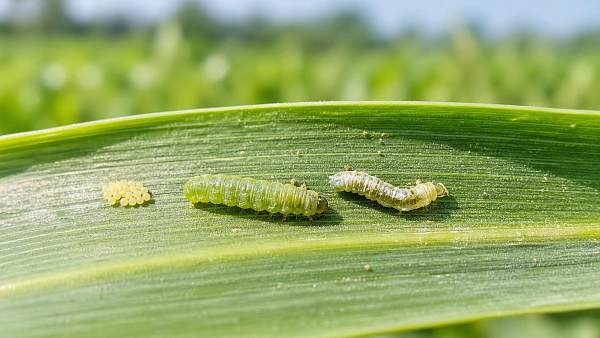
Insect growth regulators, or IGRs, disrupt processes such as molting and development. Examples include juvenile hormone mimics, chitin biosynthesis inhibitors, and ecdysone receptor agonists. Their biological selectivity can make them useful in integrated pest management, but it does not prove rapid dissipation, negligible residues, or suitability for every crop.
Pyriproxyfen, buprofezin, and methoxyfenozide illustrate different IGR modes of action; they are not interchangeable recommendations. Whether any product is suitable depends on its current authorization, target pest, crop, formulation, application conditions, and destination requirements. Neither an “eco-oriented” description nor a favorable toxicological profile replaces these checks.
A maximum residue limit, or MRL, is a legal limit for a defined pesticide residue in a specified commodity. It is not an application rate or a universal safety threshold. An MRL exceedance is a compliance problem, while assessment of health risk requires separate exposure and toxicological considerations. Conversely, a residue result below an MRL does not make an unauthorized application lawful.
Build the market requirements before comparing products
Start with the crop’s intended sales destinations, including possible alternative markets. A treatment permitted in the production country may lack a suitable tolerance or MRL in an importing market. Codex MRLs provide an international reference, but they are not automatically the applicable legal limits everywhere.
Use current official sources: the production-country registration authority, the European Commission’s EU Pesticides Database and applicable legislation, US EPA tolerances in 40 CFR Part 180, and the Codex pesticide residues database where relevant. Confirm effective dates and transitional provisions rather than relying on an undated supplier spreadsheet.
Where no specific MRL exists, do not assume either unrestricted use or a universal default limit. The applicable rule depends on the jurisdiction and substance. Resolve that uncertainty before including the product in the crop-protection program.
Match residue evidence to the actual harvest program
The preharvest interval, or PHI, is the label-specified minimum time between the last application and harvest. It must be observed, but it is not a blanket guarantee of compliance with every export limit or private specification. A domestic label may support a different residue requirement from the one governing the shipment.
Ask whether the available supervised residue trials reflect the proposed good agricultural practice: application rate, number of treatments, treatment interval, crop stage, formulation, and application method. Protected cultivation and open-field production may not be interchangeable. Crop-group extrapolation should follow the relevant authority’s rules rather than informal comparisons between similar-looking crops.
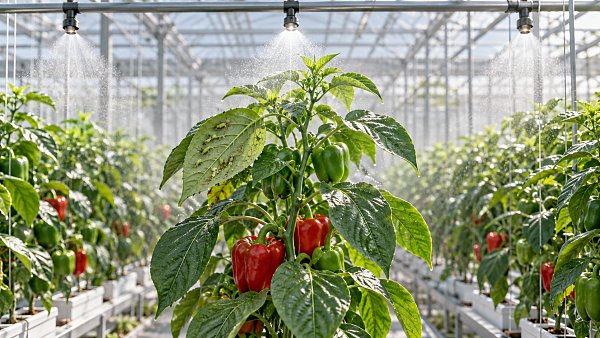
Repeated-picking crops deserve particular attention. On peppers, berries, or other crops harvested in successive rounds, a treatment may fit one harvest window but conflict with the next. Quality staff need the block-level picking calendar, not just the seasonal spray plan. Where a longer interval is proposed to meet a buyer limit, it needs supporting evidence; it should not be guessed from a generic dissipation claim.
A useful review follows the decision from authorized use through harvest timing to analytical verification. Missing information at any stage is a reason to pause approval.
IGRs also need to fit pest development. Many work best against particular immature stages and should not be treated as immediate adult knockdown products. Poor timing can lead to unnecessary repeat applications or additional rescue treatments. Use scouting and the current IRAC mode-of-action classification to plan resistance management; changing brands without changing the relevant mode of action is not a meaningful rotation.
Evaluate formulation quality without confusing it with crop-residue proof
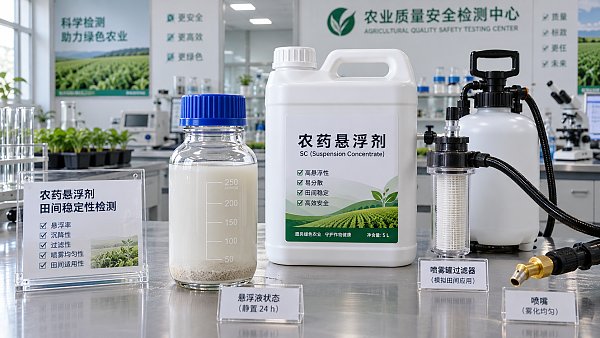
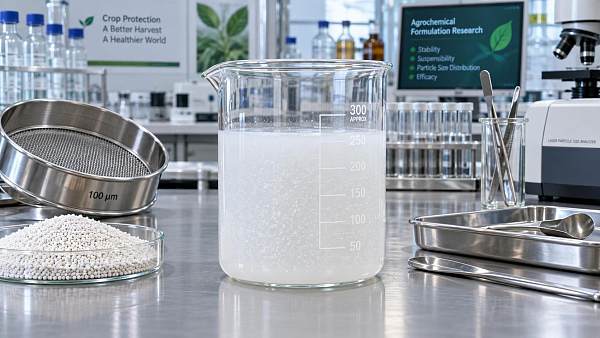
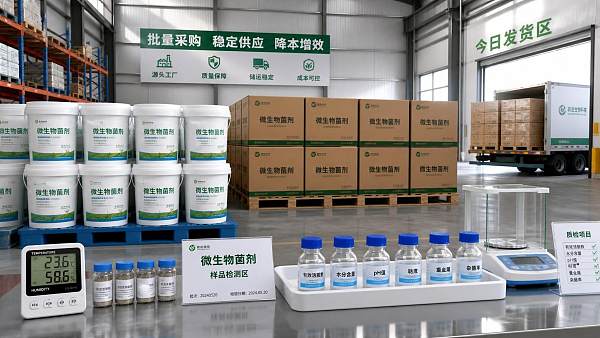
Two formulations containing the same active ingredient are not automatically equivalent in handling, deposition, or field performance. Active concentration, suspension stability, dispersibility, particle-size distribution where relevant, and storage behavior can affect application consistency. Adjuvants may alter wetting and retention, so tank mixtures should follow approved directions and relevant supporting evidence.
The distinction between product quality and crop residues matters. A certificate of analysis can document a pesticide batch’s composition against its specification. It does not demonstrate that harvested produce will meet an importing country’s MRL.
For supplier qualification, request documentation that answers specific questions:
- Current registration evidence and approved label for the exact commercial formulation.
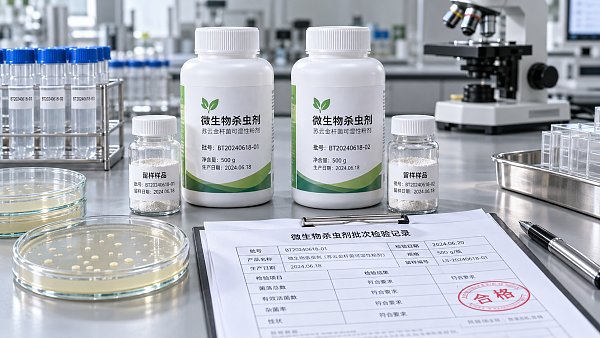
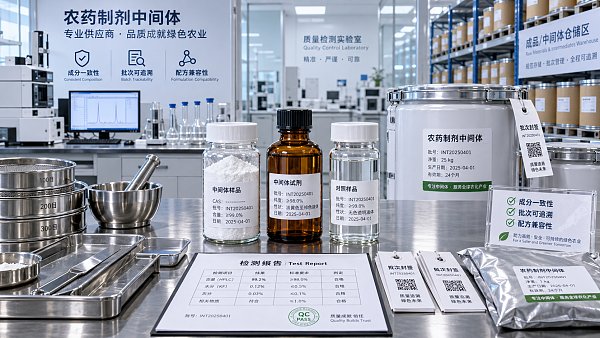
- Batch-linked certificate of analysis, agreed specifications, and relevant impurity controls.
- Safety data sheet, shelf life, storage conditions, packaging compatibility, and traceability records.
- Relevant residue-study references or regulatory assessment documents, with limitations clearly identified.
- Change-notification arrangements covering formulation, manufacturing site, or other changes that could affect quality or authorization.
Worker protection remains a separate approval requirement. A product acceptable for crop-residue purposes still requires appropriate handling controls, personal protective equipment, and observance of any restricted-entry interval. The restricted-entry interval and PHI serve different purposes and should not be substituted for one another.
Make the laboratory plan capable of answering the release question
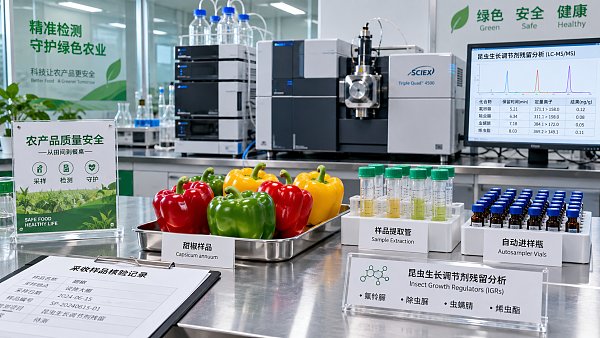
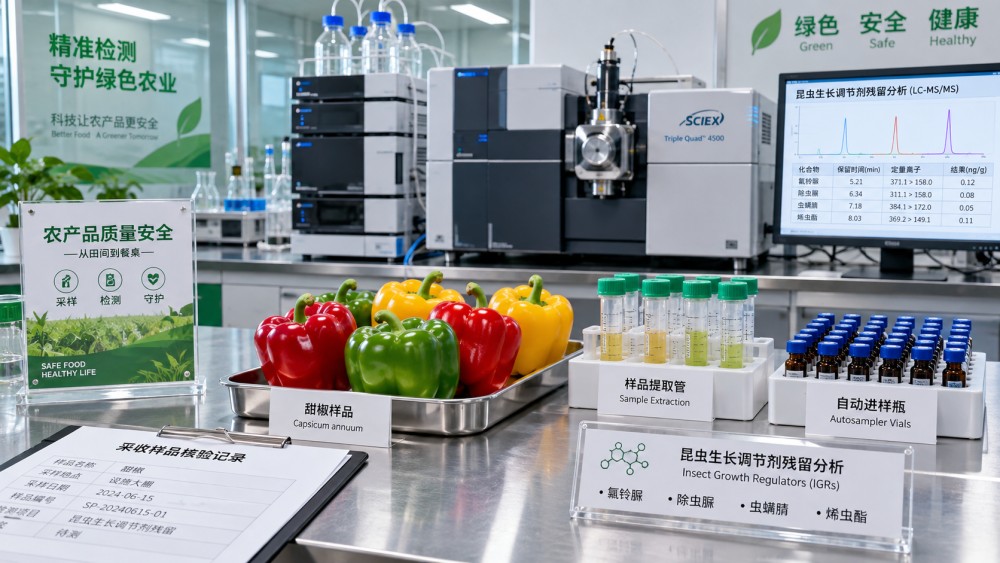
“Pesticide screen passed” is not enough. Before sampling, confirm that the laboratory can measure the selected IGR and every component required by the applicable enforcement residue definition. Some definitions include metabolites or sums expressed as the parent compound. A parent-only result may therefore be insufficient.
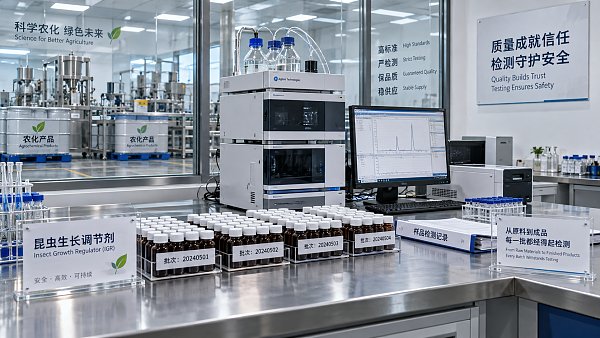
Check the laboratory’s ISO/IEC 17025 accreditation scope and the method’s suitability for the commodity. Accreditation alone does not establish competence for every analyte and matrix. Ask about the limit of quantification, recovery, precision, matrix effects, and measurement uncertainty. LC-MS/MS and GC-MS/MS are common platforms, but the platform name does not establish method coverage.
A “not quantified” result means the residue is below the method’s quantification capability—not that no residue exists. If that capability is insufficient for the relevant legal or buyer limit, the report cannot support release against that limit. Agree in advance how uncertainty and results near the acceptance boundary will be handled, taking account of applicable enforcement rules and contractual requirements.
Sampling must also represent the lot. Follow applicable official sampling requirements where relevant, define the lot boundaries, and document sample collection, preservation, transport, and chain of custody. One convenient sample cannot reliably characterize several blocks with different treatment histories.
Preharvest testing can help identify problems early, but results apply to the sampled material and conditions. Later applications, commingling, drift, or shared-equipment contamination can change the situation. Drying may concentrate residues, while washing or processing effects vary; neither should be assumed to correct a noncompliant lot.
Turn product approval into a controlled release decision
Keep one decision record linking the approved product to the crop block, destination markets, applicable limits, application records, harvest dates, laboratory results, and release authorization. Record who checked the regulatory sources and when. Recheck requirements when markets, labels, or buyer specifications change.
A practical internal action limit may be set below a legal or contractual ceiling to accommodate variability, but it needs a documented rationale. It must not be presented as a statutory requirement. Lots with missing treatment records or unresolved analytical findings should remain on hold until the evidence supports a decision.
Global Fine Chemicals & Agrochemical Intelligence Network (FCAS) connects formulation, application, regulatory, and supply-chain considerations through structured industry information. For this selection task, that perspective helps teams distinguish three different questions: whether a pesticide batch meets specification, whether its use is authorized, and whether the harvested crop meets release requirements. Each needs its own evidence.
The next step is to review candidate products against one defined crop and market combination. Confirm the exact formulation, lawful use pattern, harvest schedule, residue definition, and laboratory capability before approving treatment. Residue-compliant selection is defensible only when those pieces agree—not when a supplier simply describes an IGR as “low residue.”
Facing technical bottlenecks in manufacturing or looking for more efficient industrial solutions? Leave your details below and let the engineering experts at FCAS solve them for you.
We respect your privacy. Your information is strictly confidential.
Related News
 Targeted Bio-pesticides & APIsWhen Should You Apply Botanical Insecticides for Fruit Trees?When should you apply botanical insecticides for fruit trees? Discover how to time treatments for vulnerable pests while protecting pollinators and your harvest.MORE+
 Targeted Bio-pesticides & APIsHow to Use Microbial Fungicides for Soil Borne DiseasesDiscover how to use microbial fungicides for soil borne diseases, from product selection to root-zone application, and build a more effective crop protection program.MORE+
 Targeted Bio-pesticides & APIsHow to Choose Insecticides Based on the Pest and CropChoose insecticides with confidence. Learn how to match treatments to pests and crops while protecting beneficial insects and meeting harvest requirements.MORE+
 Targeted Bio-pesticides & APIsHow Are Fungicide APIs Used in Crop Protection Products?Fungicide APIs for crop protection power disease control products. Discover how formulation, application and resistance management affect results.MORE+
 Targeted Bio-pesticides & APIsHow to Evaluate Quality Control at a Botanical Insecticides FactoryEvaluate a botanical insecticides factory with practical checks for sourcing, testing, batch traceability and stability. Learn how to identify quality risks before choosing a supplier.MORE+
 Targeted Bio-pesticides & APIsHow Microbial Insecticides for Public Health Control MosquitoesDiscover how microbial insecticides for public health control mosquito larvae, and learn how to choose formulations and improve field results.MORE+
 Targeted Bio-pesticides & APIsHow Effective Are Botanical Fungicides for Anthracnose?Botanical fungicides for anthracnose can help suppress disease, but results vary. Discover what affects performance and how to choose and use them effectively.MORE+
 Targeted Bio-pesticides & APIsHow to Select Insecticide APIs for Ultra Low Volume FormulationsExplore how to select insecticide APIs for ultra low volume formulations, from stability and droplet performance to regulatory compliance and supply.MORE+
 Targeted Bio-pesticides & APIsEFSA Publishes Peer Review of Trichoderma asperellum ICC012EFSA’s peer review of Trichoderma asperellum ICC012 finds no safety concerns for its assessed EU uses. Explore the implications for biopesticide compliance.MORE+
 Targeted Bio-pesticides & APIsHow to Apply Microbial Pesticides to Foliage EffectivelyMicrobial pesticides for foliar application work best with proper mixing, timing, and leaf coverage. Discover practical steps to improve results and avoid common mistakes.MORE+
 Targeted Bio-pesticides & APIsHow to Use Botanical Fungicides for Fruits EffectivelyBotanical fungicides for fruits can help protect your crop when used correctly. Learn how to choose, time, and apply treatments for healthier fruit.MORE+
 Targeted Bio-pesticides & APIsHow Are Insecticide APIs Used in Public Health Programs?Insecticide APIs for public health support vector control through sprays, treated nets and larvicides. Discover how formulation, resistance and safety shape product selection.MORE+
 Targeted Bio-pesticides & APIsGerman Research Reinforces Pesticide Risks to Aquatic EcosystemsPesticide risks to aquatic ecosystems gain new support from German research. Explore the findings and why holistic approaches matter for agriculture and environmental protection.MORE+
 Targeted Bio-pesticides & APIsSulfonium Modification Offers a Potential Route Around Antifungal ResistanceSulfonium modification shows potential against antifungal resistance in wax moth larvae. Explore what this early finding could mean for future antifungal drug development.MORE+
 Targeted Bio-pesticides & APIsHow Do Microbial Fungicides for Seed Treatment Reduce Damping-Off?Discover how microbial fungicides for seed treatment help reduce damping-off. Learn what to check in strains, coatings, and efficacy data to protect seedlings.MORE+
 Targeted Bio-pesticides & APIsHow to Evaluate a Microbial Insecticides Supplier Before OrderingEvaluate a microbial insecticides supplier with confidence. Learn to verify potency, shelf life, compliance, and delivery quality before ordering to reduce risk and protect your budget.MORE+
 Targeted Bio-pesticides & APIsWhich Quality Specifications Matter When Sourcing Bioherbicide APIs?Sourcing Bioherbicide APIs? Discover the quality specs that matter—from identity and potency to impurities and stability—to compare suppliers and buy with confidence.MORE+
 Targeted Bio-pesticides & APIsHow to Select Residue-Compliant Insect Growth Regulators for CropsSelect residue compliant insect growth regulators with confidence. Discover key checks for crop approvals, export MRLs, harvest intervals, and testing to make informed treatment decisions.MORE+
 Targeted Bio-pesticides & APIsHow to Choose a Reliable Supplier of Insect Growth RegulatorsChoose a reliable insect growth regulators supplier with confidence. Learn how to verify quality, regulatory fit, traceability, and delivery before committing to your next order.MORE+
 Targeted Bio-pesticides & APIsHow Botanical Insecticides Protect Vegetable Crops EffectivelyBotanical insecticides for vegetables help growers improve pest control, spray coverage, IPM compatibility, and crop protection results. Explore practical application insights.MORE+
 Targeted Bio-pesticides & APIsChoosing Microbial Fungicides for Foliar Diseases in Integrated Crop ProgramsMicrobial fungicides for foliar diseases: learn how to match biology, formulation, tank compatibility, and timing for stronger integrated crop protection.MORE+
 Targeted Bio-pesticides & APIsHow Microbial Insecticides Control Caterpillars With Lower Crop Residue RiskMicrobial insecticides for caterpillars help protect crops with targeted early-larval control and lower residue-management pressure. Learn timing, coverage, compliance, and scouting essentials.MORE+
 Targeted Bio-pesticides & APIsInsecticides Explained Through Labels, Active Ingredients, and SafetyInsecticides explained through labels, active ingredients, formulations, and safety. Learn how to compare products, manage risk, and make informed crop protection decisions.MORE+
 Targeted Bio-pesticides & APIsHow to Evaluate Pesticide Suspension Concentrates for Field StabilityPesticide Suspension Concentrates: learn how to evaluate field stability, redispersibility, dilution, tank-mix compatibility, and spray safety for reliable performance.MORE+
 Targeted Bio-pesticides & APIsHow Microbial Inoculants for Seed Treatment Improve Early Crop VigorDiscover how microbial inoculants for seed treatment support early crop vigor through viable microbes, precise application, compatibility, storage, and stronger root establishment.MORE+
 Targeted Bio-pesticides & APIsSelecting Fungicide APIs for Soluble Liquid FormulationsFungicide APIs for soluble liquid formulations: explore solubility, stability, solvent selection, compliance, and sourcing factors for scalable product development.MORE+
 Targeted Bio-pesticides & APIsHow to Qualify a Pesticide Formulation Intermediates SupplierChoose a reliable pesticide formulation intermediates supplier with proven quality control, traceability, formulation testing, and change management expertise.MORE+
 Targeted Bio-pesticides & APIsHow to Evaluate a Microbial Insecticides Factory Before You Place an OrderEvaluate a microbial insecticides factory with confidence. Compare strain control, formulation stability, batch consistency, documents, logistics, and real cost before ordering.MORE+
 Targeted Bio-pesticides & APIsHow to Select Insecticide APIs for Reliable Stored Grain ProtectionInsecticide APIs for stored grain: learn how to select compliant, reliable actives for pest control, residue limits, formulation fit, and supplier quality.MORE+
 Targeted Bio-pesticides & APIsHow Botanical Insecticides Support Greenhouse Pest ControlBotanical insecticides for greenhouse use: learn practical IPM strategies for pest control, spray coverage, crop safety, and beneficial insect protection.MORE+
 Targeted Bio-pesticides & APIsChoosing Fungicide APIs for Stable Water Dispersible GranulesFungicide APIs for water dispersible granules: learn how particle behavior, wettability, carrier compatibility, and stability drive reliable WDG performance.MORE+
 Targeted Bio-pesticides & APIsHow Botanical Fungicides Protect Vegetables Without Residue RisksBotanical fungicides for vegetables help reduce residue risks while supporting effective disease control, compliance, and market-ready crop quality.MORE+
 Targeted Bio-pesticides & APIsHow to Select Intermediates for Stable Emulsifiable ConcentratesPesticide formulation intermediates for emulsifiable concentrate: learn how to select solvents and emulsifiers for robust solubility, dilution stability, hard-water performance, and scalable EC products.MORE+
 Targeted Bio-pesticides & APIsHow Organic Botanical Insecticides Can Improve Integrated Pest ManagementOrganic botanical insecticides can strengthen IPM through targeted pest control, smarter monitoring, safer application, and better protection of crops and beneficial insects.MORE+
 Targeted Bio-pesticides & APIsWhat to Evaluate Before Choosing a Botanical Insecticides ManufacturerBotanical insecticides manufacturer selection guide: evaluate raw material traceability, formulation stability, regulatory documents, supply continuity, and cost per hectare.MORE+
 Targeted Bio-pesticides & APIsHow Chitin Synthesis Inhibitors Control Insects Without ResistanceChitin synthesis inhibitor insect growth regulators disrupt pest development. Learn timing, coverage, monitoring, and resistance-management strategies for smarter control.MORE+
 Targeted Bio-pesticides & APIsIs Microbial Inoculants Wholesale the Right Move for Cost ControlMicrobial inoculants wholesale can cut costs—but only when storage, shelf life, logistics, and supplier consistency protect product performance. Learn what distributors must check before buying.MORE+
 Targeted Bio-pesticides & APIsWhen Microbial Fungicides Work Best for Greenhouse CropsMicrobial fungicides for greenhouse crops work best when applied early under balanced humidity, clean sanitation, and strong scouting. Learn the best timing, crop stages, and use tips for better disease control.MORE+
 Targeted Bio-pesticides & APIsBiocontrol Agents for Fruit Crops That Help Cut Residue and Pest PressureBiocontrol agents for fruit crops help reduce residue risk, ease pest pressure, and support resistance management. Learn where they fit best for orchards and vineyards.MORE+
 Targeted Bio-pesticides & APIsWhen Microbial Fungicides for Foliar Diseases Work Better Than ChemicalsMicrobial fungicides for foliar diseases can outperform chemicals when timing, coverage, and residue control matter most. See where they deliver stronger field results.MORE+