How to Choose a Reliable Supplier of Insect Growth Regulators
A reliable insect growth regulators supplier should be able to demonstrate consistent product quality, traceable manufacturing, documentation that supports your intended market, and dependable delivery. A competitive quotation matters only after those conditions are met. Otherwise, a lower purchase price can lead to rejected batches, formulation problems, or inventory that cannot be used as planned.
The most useful starting point is a written buying specification. Define the active ingredient, product form, intended application, destination market, and acceptance criteria before requesting quotations. This makes supplier comparisons meaningful and exposes gaps that a catalogue description or headline purity figure can hide.
Define the product you need before comparing suppliers
Insect growth regulators, or IGRs, interfere with insect development or reproduction. Their suitability depends on the active ingredient, target pest, life stage, application method, and permitted use. They are not interchangeable simply because they belong to the same broad product category.
For example, juvenile hormone mimics such as pyriproxyfen and methoprene act differently from chitin synthesis inhibitors such as diflubenzuron. That distinction affects product selection and performance assessment. An application intended to interrupt immature insect development needs a different evaluation approach from one intended to produce rapid adult knockdown. A supplier promising immediate results across all pest stages should explain the basis for that claim.
Also distinguish between technical material for formulation and a finished pesticide product. Technical material requires suitable specifications, impurity controls, and compatibility with your manufacturing process. A finished formulation requires evaluation of its active content, physical stability, packaging, application characteristics, and authorized uses.
Your enquiry should establish:
- The active ingredient identity, including its chemical name and CAS number where applicable.
- Whether you need technical material, a concentrate, or a finished formulation.
- The required assay, relevant impurity limits, and physical properties.
- The intended formulation process or end-use application.
- The destination market, packaging format, expected order pattern, and required delivery window.
A supplier that asks detailed questions about these requirements is usually offering a more useful service than one that immediately quotes a generic grade. However, technical discussion should lead to written commitments that can be checked against delivered material.
Treat market access as an early qualification gate
Before investing in samples and commercial negotiations, establish whether the proposed material and manufacturing source can support the intended regulatory pathway. Acceptance of an active ingredient does not automatically authorize every formulation, manufacturing source, crop, pest, or application.
The required evidence varies by destination and product category. Relevant documents may include manufacturing-source information, composition and impurity data, registration-related records, approved labeling, and permission to reference protected supporting studies. Ask the supplier to identify exactly what it can provide and who holds the rights to use those documents.
A statement such as “registered internationally” is too broad to support a purchasing decision. It should be replaced with identifiable products, markets, registration holders, and the relationship between those registrations and the material being offered. Regulatory review should connect the actual source and grade to the intended commercial use.
Keep safety and authorization documents separate in your evaluation. A safety data sheet explains hazards, handling, storage, and related information; it does not prove that a pesticide is authorized for sale or use. Likewise, a quality-management certificate does not establish product registration or suitability for a particular formulation.
For crop protection products, permitted uses and residue requirements can also affect commercial suitability. For public health or structural pest control products, different application and labeling conditions may apply. Resolve these questions before placing an order that depends on a specific use.
Read the specification and certificate of analysis together
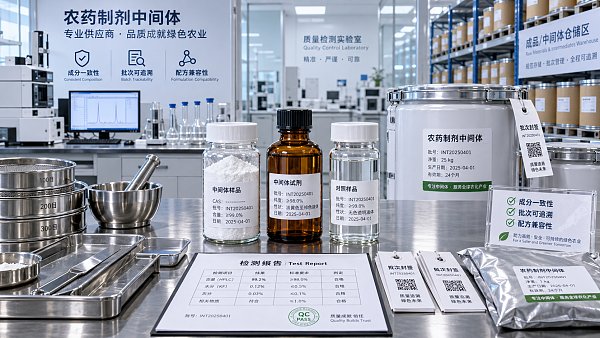
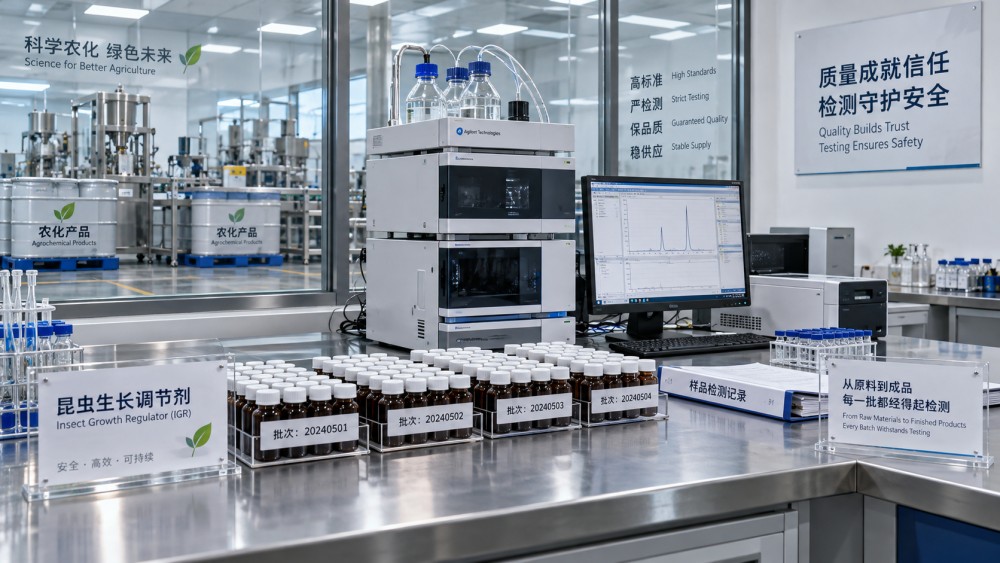
The product specification defines what the supplier promises to deliver. The certificate of analysis, or COA, records the reported results for a particular batch. Both are necessary: a detailed specification without batch results provides limited assurance, while a COA without agreed acceptance limits leaves room for disagreement.
Do not select technical material on assay alone. Two batches with similar active ingredient content can behave differently because of moisture, residual solvents, impurities, or physical properties. Which characteristics matter depends on the chemistry and intended formulation.
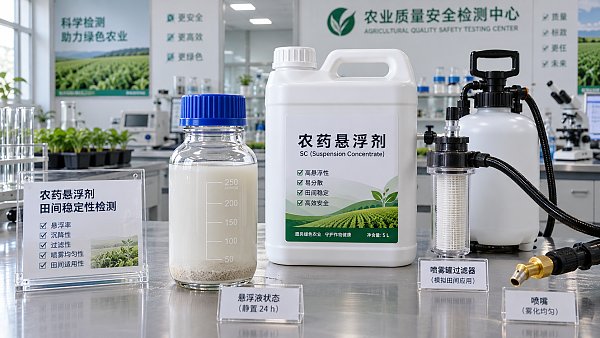
For a solid active ingredient entering a suspension concentrate, particle characteristics may affect milling and dispersion. Where the process involves dissolving the active ingredient, solvent compatibility and crystallization behavior can become more significant. Ask your technical team to identify the properties that affect production and include those in the purchasing specification.
Request results from distinct commercial batches rather than relying on a single sample COA. Documents containing only “passes” or “conforms” offer less visibility where a numerical result would help assess variation. Repeated identical values are a reason to ask how results are measured and reported, although they do not by themselves prove a quality problem.
Agree on a procedure for conflicting laboratory results. Different methods, sample preparation, or reporting conventions can produce apparent discrepancies. A defined sampling process, retained samples, and an agreed reference method make disputes easier to resolve.
Establish who manufactures the material and controls changes
A distributor can be a reliable supply partner, especially when it provides local stock, smaller order quantities, and responsive technical support. Direct purchasing from a manufacturer can offer closer access to production information. Neither business model guarantees reliability.
The important question is whether the seller can trace every shipment to an identified production site and batch. Ask who manufactures, tests, releases, repacks, and stores the product. If several businesses are involved, responsibilities should remain clear throughout the chain.
Assess manufacturing capability through evidence of process control rather than company size alone. Useful topics include incoming-material controls, batch records, laboratory capability, contamination prevention, equipment cleaning, retained samples, and procedures for handling out-of-specification results. An audit can explore whether those procedures operate in practice.
Change control deserves particular attention. A different synthesis route, raw-material source, production site, or formulation component may affect impurity profiles, processing behavior, or regulatory acceptance even when the product name stays the same. Require advance notification of relevant changes and define when your approval is necessary before shipment.
A supplier using multiple factories should explain how each source is qualified. Additional capacity provides meaningful resilience only when material from those sites is technically and commercially acceptable for your application.
Use representative samples to test formulation fit
A sample should represent the grade and manufacturing source proposed for routine supply. Establish whether it came from ordinary production or was specially prepared. Record its batch number and compare its documentation with the specification offered for commercial orders.
For technical material, testing should follow the intended manufacturing process. Depending on the formulation, this may involve dissolution, milling, dispersion, emulsification, or granulation. Evaluate relevant behavior during processing and storage, including crystallization, sedimentation, redispersibility, or separation.
For finished formulations, assess dilution behavior, physical stability, packaging compatibility, and application performance under relevant conditions. Water quality can affect some formulations, so a successful dilution test in one water source may not establish suitability for every use setting.
Biological assessment must match how the selected IGR works. Developmental effects may require observation beyond the short period used to assess fast-acting insecticides. Suitable endpoints can include successful molting, adult emergence, or reproduction, depending on the active ingredient and intended claim. Physical compatibility alone does not establish pest-control performance.
Move from laboratory evaluation to a controlled pilot or initial commercial batch before making a large commitment. This helps reveal processing issues that a small sample cannot show. Keep approval tied to the evaluated source, specification, and formulation rather than treating one successful trial as approval for all future variants.
Compare delivery reliability and total usable cost
A quoted lead time is useful only when you understand what it includes. Ask whether it starts at order confirmation, payment, production scheduling, or completion of export documentation. Distinguish stock availability from planned production, particularly when seasonal demand overlaps with your required delivery period.
Request evidence of delivery performance for comparable orders where available. Discuss production constraints, shutdown planning, inventory policy, and how delays are communicated. A supplier that identifies a realistic constraint early gives you more planning value than one that accepts every requested date.
Packaging should protect the material throughout transport and storage. Check closure integrity, lining compatibility, moisture protection where relevant, and handling arrangements. Transportation classification and any associated packaging requirements should follow the actual product and its hazard profile.
Compare quotations using a common commercial basis. Include freight, import-related costs, testing, financing, storage, and any additional processing needed to make the material usable. For finished formulations, concentration alone does not determine value; usability and performance within the intended application also matter.
A lower-priced material may create extra milling time, filtration losses, or more frequent batch adjustments. Conversely, paying for a tighter specification has little value if that property does not affect your process. The objective is to purchase the quality your application needs at a dependable delivered cost.
Turn qualification findings into an enforceable supply agreement
Separate mandatory requirements from preferences when building your shortlist. Product identity, regulatory suitability, acceptable quality, traceability, and sample approval should act as qualification gates. Price, payment terms, order flexibility, and service responsiveness can then distinguish suppliers that have passed those gates.
Put the approved specification, manufacturing source, documentation requirements, and packaging into the purchase agreement. Define the minimum remaining shelf life or acceptable retest status on delivery, as applicable. Include change notification, complaint handling, investigation responsibilities, and remedies for material that fails agreed acceptance criteria.
Begin routine supply with a controlled order and evaluate the full transaction: document accuracy, shipment condition, delivered quality, and response to questions. If a backup supplier is needed, qualify it before an interruption occurs. Matching the active ingredient name is insufficient evidence that an alternative can enter the same process without adjustment.
Industry knowledge platforms such as Global Fine Chemicals & Agrochemical Intelligence Network (FCAS) can help frame questions about formulation behavior, documentation, and supply-chain risk. Supplier approval should rest on product-specific records, representative testing, and written commitments. Before awarding the order, make sure the selected partner can explain what it will supply, demonstrate why it is suitable, and take responsibility when delivery falls short of the agreement.
Facing technical bottlenecks in manufacturing or looking for more efficient industrial solutions? Leave your details below and let the engineering experts at FCAS solve them for you.
We respect your privacy. Your information is strictly confidential.
Related News
 Targeted Bio-pesticides & APIsWhen Should You Apply Botanical Insecticides for Fruit Trees?When should you apply botanical insecticides for fruit trees? Discover how to time treatments for vulnerable pests while protecting pollinators and your harvest.MORE+
 Targeted Bio-pesticides & APIsHow to Use Microbial Fungicides for Soil Borne DiseasesDiscover how to use microbial fungicides for soil borne diseases, from product selection to root-zone application, and build a more effective crop protection program.MORE+
 Targeted Bio-pesticides & APIsHow to Choose Insecticides Based on the Pest and CropChoose insecticides with confidence. Learn how to match treatments to pests and crops while protecting beneficial insects and meeting harvest requirements.MORE+
 Targeted Bio-pesticides & APIsHow Are Fungicide APIs Used in Crop Protection Products?Fungicide APIs for crop protection power disease control products. Discover how formulation, application and resistance management affect results.MORE+
 Targeted Bio-pesticides & APIsHow to Evaluate Quality Control at a Botanical Insecticides FactoryEvaluate a botanical insecticides factory with practical checks for sourcing, testing, batch traceability and stability. Learn how to identify quality risks before choosing a supplier.MORE+
 Targeted Bio-pesticides & APIsHow Microbial Insecticides for Public Health Control MosquitoesDiscover how microbial insecticides for public health control mosquito larvae, and learn how to choose formulations and improve field results.MORE+
 Targeted Bio-pesticides & APIsHow Effective Are Botanical Fungicides for Anthracnose?Botanical fungicides for anthracnose can help suppress disease, but results vary. Discover what affects performance and how to choose and use them effectively.MORE+
 Targeted Bio-pesticides & APIsHow to Select Insecticide APIs for Ultra Low Volume FormulationsExplore how to select insecticide APIs for ultra low volume formulations, from stability and droplet performance to regulatory compliance and supply.MORE+
 Targeted Bio-pesticides & APIsEFSA Publishes Peer Review of Trichoderma asperellum ICC012EFSA’s peer review of Trichoderma asperellum ICC012 finds no safety concerns for its assessed EU uses. Explore the implications for biopesticide compliance.MORE+
 Targeted Bio-pesticides & APIsHow to Apply Microbial Pesticides to Foliage EffectivelyMicrobial pesticides for foliar application work best with proper mixing, timing, and leaf coverage. Discover practical steps to improve results and avoid common mistakes.MORE+
 Targeted Bio-pesticides & APIsHow to Use Botanical Fungicides for Fruits EffectivelyBotanical fungicides for fruits can help protect your crop when used correctly. Learn how to choose, time, and apply treatments for healthier fruit.MORE+
 Targeted Bio-pesticides & APIsHow Are Insecticide APIs Used in Public Health Programs?Insecticide APIs for public health support vector control through sprays, treated nets and larvicides. Discover how formulation, resistance and safety shape product selection.MORE+
 Targeted Bio-pesticides & APIsGerman Research Reinforces Pesticide Risks to Aquatic EcosystemsPesticide risks to aquatic ecosystems gain new support from German research. Explore the findings and why holistic approaches matter for agriculture and environmental protection.MORE+
 Targeted Bio-pesticides & APIsSulfonium Modification Offers a Potential Route Around Antifungal ResistanceSulfonium modification shows potential against antifungal resistance in wax moth larvae. Explore what this early finding could mean for future antifungal drug development.MORE+
 Targeted Bio-pesticides & APIsHow Do Microbial Fungicides for Seed Treatment Reduce Damping-Off?Discover how microbial fungicides for seed treatment help reduce damping-off. Learn what to check in strains, coatings, and efficacy data to protect seedlings.MORE+
 Targeted Bio-pesticides & APIsHow to Evaluate a Microbial Insecticides Supplier Before OrderingEvaluate a microbial insecticides supplier with confidence. Learn to verify potency, shelf life, compliance, and delivery quality before ordering to reduce risk and protect your budget.MORE+
 Targeted Bio-pesticides & APIsWhich Quality Specifications Matter When Sourcing Bioherbicide APIs?Sourcing Bioherbicide APIs? Discover the quality specs that matter—from identity and potency to impurities and stability—to compare suppliers and buy with confidence.MORE+
 Targeted Bio-pesticides & APIsHow to Select Residue-Compliant Insect Growth Regulators for CropsSelect residue compliant insect growth regulators with confidence. Discover key checks for crop approvals, export MRLs, harvest intervals, and testing to make informed treatment decisions.MORE+
 Targeted Bio-pesticides & APIsHow to Choose a Reliable Supplier of Insect Growth RegulatorsChoose a reliable insect growth regulators supplier with confidence. Learn how to verify quality, regulatory fit, traceability, and delivery before committing to your next order.MORE+
 Targeted Bio-pesticides & APIsHow Botanical Insecticides Protect Vegetable Crops EffectivelyBotanical insecticides for vegetables help growers improve pest control, spray coverage, IPM compatibility, and crop protection results. Explore practical application insights.MORE+
 Targeted Bio-pesticides & APIsChoosing Microbial Fungicides for Foliar Diseases in Integrated Crop ProgramsMicrobial fungicides for foliar diseases: learn how to match biology, formulation, tank compatibility, and timing for stronger integrated crop protection.MORE+
 Targeted Bio-pesticides & APIsHow Microbial Insecticides Control Caterpillars With Lower Crop Residue RiskMicrobial insecticides for caterpillars help protect crops with targeted early-larval control and lower residue-management pressure. Learn timing, coverage, compliance, and scouting essentials.MORE+
 Targeted Bio-pesticides & APIsInsecticides Explained Through Labels, Active Ingredients, and SafetyInsecticides explained through labels, active ingredients, formulations, and safety. Learn how to compare products, manage risk, and make informed crop protection decisions.MORE+
 Targeted Bio-pesticides & APIsHow to Evaluate Pesticide Suspension Concentrates for Field StabilityPesticide Suspension Concentrates: learn how to evaluate field stability, redispersibility, dilution, tank-mix compatibility, and spray safety for reliable performance.MORE+
 Targeted Bio-pesticides & APIsHow Microbial Inoculants for Seed Treatment Improve Early Crop VigorDiscover how microbial inoculants for seed treatment support early crop vigor through viable microbes, precise application, compatibility, storage, and stronger root establishment.MORE+
 Targeted Bio-pesticides & APIsSelecting Fungicide APIs for Soluble Liquid FormulationsFungicide APIs for soluble liquid formulations: explore solubility, stability, solvent selection, compliance, and sourcing factors for scalable product development.MORE+
 Targeted Bio-pesticides & APIsHow to Qualify a Pesticide Formulation Intermediates SupplierChoose a reliable pesticide formulation intermediates supplier with proven quality control, traceability, formulation testing, and change management expertise.MORE+
 Targeted Bio-pesticides & APIsHow to Evaluate a Microbial Insecticides Factory Before You Place an OrderEvaluate a microbial insecticides factory with confidence. Compare strain control, formulation stability, batch consistency, documents, logistics, and real cost before ordering.MORE+
 Targeted Bio-pesticides & APIsHow to Select Insecticide APIs for Reliable Stored Grain ProtectionInsecticide APIs for stored grain: learn how to select compliant, reliable actives for pest control, residue limits, formulation fit, and supplier quality.MORE+
 Targeted Bio-pesticides & APIsHow Botanical Insecticides Support Greenhouse Pest ControlBotanical insecticides for greenhouse use: learn practical IPM strategies for pest control, spray coverage, crop safety, and beneficial insect protection.MORE+
 Targeted Bio-pesticides & APIsChoosing Fungicide APIs for Stable Water Dispersible GranulesFungicide APIs for water dispersible granules: learn how particle behavior, wettability, carrier compatibility, and stability drive reliable WDG performance.MORE+
 Targeted Bio-pesticides & APIsHow Botanical Fungicides Protect Vegetables Without Residue RisksBotanical fungicides for vegetables help reduce residue risks while supporting effective disease control, compliance, and market-ready crop quality.MORE+
 Targeted Bio-pesticides & APIsHow to Select Intermediates for Stable Emulsifiable ConcentratesPesticide formulation intermediates for emulsifiable concentrate: learn how to select solvents and emulsifiers for robust solubility, dilution stability, hard-water performance, and scalable EC products.MORE+
 Targeted Bio-pesticides & APIsHow Organic Botanical Insecticides Can Improve Integrated Pest ManagementOrganic botanical insecticides can strengthen IPM through targeted pest control, smarter monitoring, safer application, and better protection of crops and beneficial insects.MORE+
 Targeted Bio-pesticides & APIsWhat to Evaluate Before Choosing a Botanical Insecticides ManufacturerBotanical insecticides manufacturer selection guide: evaluate raw material traceability, formulation stability, regulatory documents, supply continuity, and cost per hectare.MORE+
 Targeted Bio-pesticides & APIsHow Chitin Synthesis Inhibitors Control Insects Without ResistanceChitin synthesis inhibitor insect growth regulators disrupt pest development. Learn timing, coverage, monitoring, and resistance-management strategies for smarter control.MORE+
 Targeted Bio-pesticides & APIsIs Microbial Inoculants Wholesale the Right Move for Cost ControlMicrobial inoculants wholesale can cut costs—but only when storage, shelf life, logistics, and supplier consistency protect product performance. Learn what distributors must check before buying.MORE+
 Targeted Bio-pesticides & APIsWhen Microbial Fungicides Work Best for Greenhouse CropsMicrobial fungicides for greenhouse crops work best when applied early under balanced humidity, clean sanitation, and strong scouting. Learn the best timing, crop stages, and use tips for better disease control.MORE+
 Targeted Bio-pesticides & APIsBiocontrol Agents for Fruit Crops That Help Cut Residue and Pest PressureBiocontrol agents for fruit crops help reduce residue risk, ease pest pressure, and support resistance management. Learn where they fit best for orchards and vineyards.MORE+
 Targeted Bio-pesticides & APIsWhen Microbial Fungicides for Foliar Diseases Work Better Than ChemicalsMicrobial fungicides for foliar diseases can outperform chemicals when timing, coverage, and residue control matter most. See where they deliver stronger field results.MORE+