US EPA Approves Three Controversial New Pesticide Active Ingredients
According to the supplied account, the US Environmental Protection Agency (EPA) approved the registration of three new pesticide active ingredients on October 20, 2026: epyrifenacil, diflufenican and trifludimoxazin. The approvals could affect pesticide suppliers, crop producers and agricultural buyers, particularly those handling the crops identified for epyrifenacil and diflufenican. From an industry perspective, the development warrants attention because the registration decisions are accompanied by environmental groups’ concerns about possible PFAS classification, agricultural residues and environmental accumulation.
Three Registrations Accompanied by PFAS Concerns
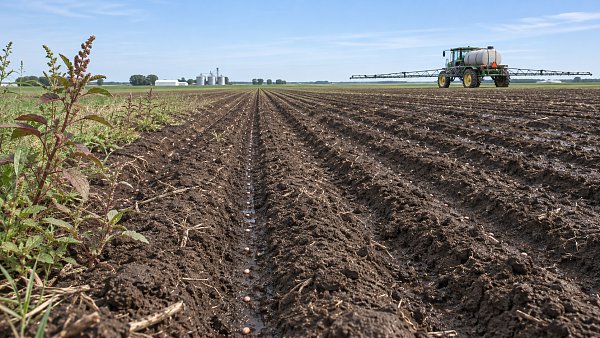
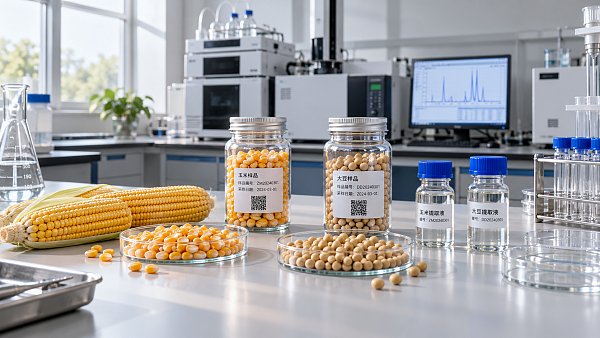
The reported EPA decision covers epyrifenacil, diflufenican and trifludimoxazin. Epyrifenacil is intended for use on canola, corn, soybeans and wheat, while diflufenican is intended for corn and soybeans.
Environmental groups have indicated that these ingredients could fall within international definitions of PFAS, commonly described as forever chemicals. Their concerns relate to potential residues in agricultural products and accumulation in the environment. The supplied account presents this classification as a concern raised by environmental groups, rather than a confirmed EPA classification.
Potential Implications Across Agricultural Supply Chains
Product planning may require closer review of approved uses
Analysis suggests that pesticide suppliers and distributors may need to examine the registration documentation before making product availability or crop-use commitments. The stated crop applications provide an initial basis for assessing commercial relevance, but the supplied information does not establish detailed conditions of use or delivery schedules. Suppliers could therefore benefit from checking the documented scope of each approval before updating technical materials or advising customers.
Crop purchasing may bring residue questions into supplier discussions
From an industry perspective, growers, agricultural traders and processors handling canola, corn, soybeans or wheat could face additional questions about pesticide use and crop traceability. This is a possible commercial response to the controversy, rather than an established new purchasing requirement. Buyers may wish to assess whether existing supplier declarations and application records provide enough information to answer ingredient-specific questions.
Export decisions may depend on separate market checks
For exporters and their customers, analysis suggests that the reported EPA approvals alone provide insufficient information to determine acceptance in a destination market. Before making shipment commitments, businesses could review any applicable residue requirements and contractual specifications for the relevant crop and ingredient. The supplied account does not identify a new trade restriction, a change in import requirements or a certification obligation.
Practical Checks Before Procurement and Delivery Decisions
Confirm the documented scope of each registration
As a practical recommendation, businesses considering these ingredients should obtain and review the relevant official registration materials. Particular attention could be given to the approved crops and any documented use conditions. The supplied information identifies crop uses for epyrifenacil and diflufenican but does not specify the crop applications for trifludimoxazin; those applications should therefore remain unconfirmed in procurement and sales planning until verified.
Keep classification questions separate from residue findings
Analysis suggests that compliance reviews should distinguish between a possible PFAS classification, evidence of residues and evidence of environmental accumulation. The concerns reported in the supplied account do not establish measured residue levels or confirmed environmental outcomes. Companies could use this distinction when reviewing supplier statements, customer inquiries and any proposed testing, avoiding claims that go beyond the available evidence.
Align supplier records with customer specifications
As a preparedness measure, agricultural buyers and processors could review whether their records identify the active ingredients used on purchased crops and connect that information to relevant deliveries. Where customers raise PF
Facing technical bottlenecks in manufacturing or looking for more efficient industrial solutions? Leave your details below and let the engineering experts at FCAS solve them for you.
We respect your privacy. Your information is strictly confidential.
Related News
 Herbicides & Plant Growth RegulatorsChina Pesticide Retail Prices Diverge as Lambda-Cyhalothrin and Glyphosate Lead GainsChina pesticide retail prices diverge as lambda-cyhalothrin and glyphosate lead gains. Explore the implications for buyers, suppliers and procurement.MORE+
 Herbicides & Plant Growth RegulatorsHow to Apply Powder Single Superphosphate for Better Root GrowthDiscover how to apply powder single superphosphate for better root growth, with practical guidance on soil testing, fertilizer rates, safe placement, and application.MORE+
 Herbicides & Plant Growth RegulatorsEnvironmental Groups Urge EPA to Release Paraquat Litigation MaterialsParaquat litigation materials are at the center of a push for EPA disclosure. Explore what environmental groups are requesting and why it matters for the herbicide review.MORE+
 Herbicides & Plant Growth RegulatorsHow to Choose a Reliable Herbicide APIs ManufacturerChoose a reliable herbicide APIs manufacturer with confidence. Discover how to assess quality, compliance, delivered costs and supply reliability.MORE+
 Herbicides & Plant Growth RegulatorsEU Pesticide Reduction Stalls as Binding Targets Are ScrappedEU pesticide reduction is stalling as binding targets are scrapped. Discover what the uncertainty means for sourcing, compliance and supply-chain planning.MORE+
 Herbicides & Plant Growth RegulatorsNAFDAC Seizes Banned Farm Chemicals Worth 200 Million Naira in KanoNAFDAC seizes banned farm chemicals worth 200 million naira in Kano. Discover what the action means for pesticide suppliers, buyers and storage operators.MORE+
 Herbicides & Plant Growth RegulatorsHow Do Herbicide Intermediates Affect Production Yield?Discover how Herbicide Intermediates influence production yield, from impurity control to product recovery, and learn how to evaluate suppliers with confidence.MORE+
 Herbicides & Plant Growth RegulatorsHow to Choose Crop Protection Chemicals for Effective Weed ControlChoose Crop Protection Chemicals with confidence. Discover how to match herbicides to weeds, crop stages, field conditions, and resistance risks for effective control.MORE+
 Herbicides & Plant Growth RegulatorsBayer Launches First Group 12 Pre-Emergence Herbicide Convintro in the USBayer's Convintro brings a Group 12 pre-emergence herbicide option to US corn and soybean growers. Explore its potential role and key purchasing considerations.MORE+
 Herbicides & Plant Growth RegulatorsCalifornia Report Shows Continued Decline in High-Risk Pesticide UseCalifornia pesticide use reportedly declined 28% for carcinogen-classified products. Explore what this could mean for suppliers, buyers and market access.MORE+
 Herbicides & Plant Growth RegulatorsHow to Choose Adjuvant Systems for Herbicide FormulationsChoose Adjuvant Systems that improve herbicide performance without sacrificing crop safety or stability. Explore practical selection and testing strategies.MORE+
 Herbicides & Plant Growth RegulatorsHow to Choose Adjuvant Systems for HerbicidesChoose adjuvant systems for herbicides with confidence. Explore label requirements, compatibility, crop safety, and field testing to make better-informed decisions.MORE+
 Herbicides & Plant Growth RegulatorsReport Forecasts Global Agrochemical Market to Reach $387.7 Billion by 2031Global agrochemical market could reach $387.7 billion by 2031. Explore how technology, regulation and agricultural drones may shape industry decisions.MORE+
 Herbicides & Plant Growth RegulatorsWisconsin DNR Board to Vote on Drafting New Pesticide RulesWisconsin DNR pesticide rules are up for a drafting vote. See what the decision could mean for farmers, suppliers and future compliance.MORE+
 Herbicides & Plant Growth RegulatorsHow Do Herbicide APIs for Formulation Affect Final Product Stability?Discover how herbicide APIs for formulation affect product stability. Learn which impurities, particle properties, and tests matter to reduce storage failures and qualify reliable suppliers.MORE+
 Herbicides & Plant Growth RegulatorsHow Do You Choose Spray Adjuvant Systems for Herbicide Applications?Choose spray adjuvant systems with confidence. Compare surfactants, oils, and water conditioners, check label requirements, and learn how to avoid costly herbicide application mistakes.MORE+
 Herbicides & Plant Growth RegulatorsHow Can Plant Growth Regulators Control Excessive Shoot Growth?Plant Growth Regulators help control excessive shoot growth. Discover how crop-specific selection, timing, and application can improve canopy management without over-suppressing plants.MORE+
 Herbicides & Plant Growth RegulatorsCanadian Coalition Calls for Removal of Bill C-31 Pesticide ProvisionBill C-31 faces calls from a Canadian coalition to remove Section 13 over pesticide oversight concerns. Explore the debate and potential implications for farmers and suppliers.MORE+
 Herbicides & Plant Growth RegulatorsUS EPA Approves Three Controversial New Pesticide Active IngredientsExplore reported US EPA approvals of epyrifenacil, diflufenican and trifludimoxazin. Understand PFAS concerns and discover key checks for pesticide buyers and agricultural suppliers.MORE+
 Herbicides & Plant Growth RegulatorsEnvironmental Groups Sue EPA to Seek Atrazine Water Quality StandardsAtrazine water quality standards are at the center of a reported EPA lawsuit. Explore potential impacts on growers and suppliers, plus practical steps to prepare for possible regulatory changes.MORE+
 Herbicides & Plant Growth RegulatorsUsing Insect Growth Regulators to Protect Stored Grain from InfestationsInsect growth regulators for stored grain: learn how lifecycle control, precise application, sanitation, and residue planning help safeguard quality and market access.MORE+
 Herbicides & Plant Growth RegulatorsSelecting Benzyl Alcohol for Stable Agrochemical FormulationsBenzyl alcohol for agrochemical formulations: discover how to improve solubility, emulsion stability, storage performance, compliance, and supplier qualification.MORE+
 Herbicides & Plant Growth RegulatorsWhat to Verify Before Choosing a Suspoemulsion Pesticides SupplierChoose a reliable suspoemulsion pesticides supplier with confidence. Verify formulation stability, dilution performance, documentation, packaging, batch control, and supply reliability.MORE+
 Herbicides & Plant Growth RegulatorsHow to Assess Quality Risks at a Pesticide Formulation Intermediates FactoryPesticide formulation intermediates factory assessment guide: identify quality risks in raw materials, processes, testing, traceability, and storage.MORE+
 Herbicides & Plant Growth RegulatorsSoluble Concentrates Explained for Reliable Field ApplicationsSoluble Concentrates explained: improve mixing, calibration, water quality, compatibility, and spray coverage for more reliable field applications.MORE+
 Herbicides & Plant Growth RegulatorsHow to Test Wetting Agents for Crop Protection FormulationsHow to test industrial wetting agents for crop protection use? Explore practical checks for leaf coverage, foam, stability, sprayability, and crop safety to select the right formulation additive.MORE+
 Herbicides & Plant Growth RegulatorsWhat Does Water-Dispersible Granules Mean in Crop Protection Formulations?Water dispersible granules meaning explained: discover how WDG crop protection formulations disperse in water, improve handling, and support reliable spray performance.MORE+
 Herbicides & Plant Growth RegulatorsHow Plant Growth Promoters Improve Crop Uniformity and YieldPlant Growth Promoters help improve crop uniformity, root development, stress recovery, and yield potential. Learn how to choose the right product, timing, and application strategy.MORE+
 Herbicides & Plant Growth RegulatorsAre Bioherbicides Ready to Replace Conventional Weed Control in 2026Bioherbicides are gaining ground in 2026, but can they replace conventional weed control? Explore where they truly perform, what limits adoption, and which markets offer the biggest opportunity.MORE+
 Herbicides & Plant Growth RegulatorsHow to Compare Herbicides for Cost, Control, and Crop SafetyHerbicides comparison made practical: learn how to assess true cost per hectare, weed control reliability, crop safety, resistance risk, and supplier quality before you buy.MORE+