China’s Phosphate Fertilizer Export Collapse Squeezes Global Supply
China’s phosphate fertilizer exports have fallen to nearly zero as Beijing prioritizes domestic supply, according to an October 19 report by Global Agriculture. The timing of the underlying developments is not explicitly specified. For fertilizer traders, producers and buyers, the reported domestic supply priority signals a potential constraint on export availability, with implications for procurement and delivery planning. The information provided does not establish a newly enacted export rule or specify its implementation terms.
Domestic Supply Takes Priority as Exports Fall
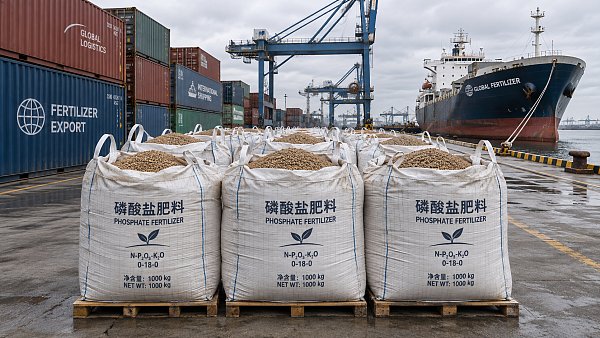
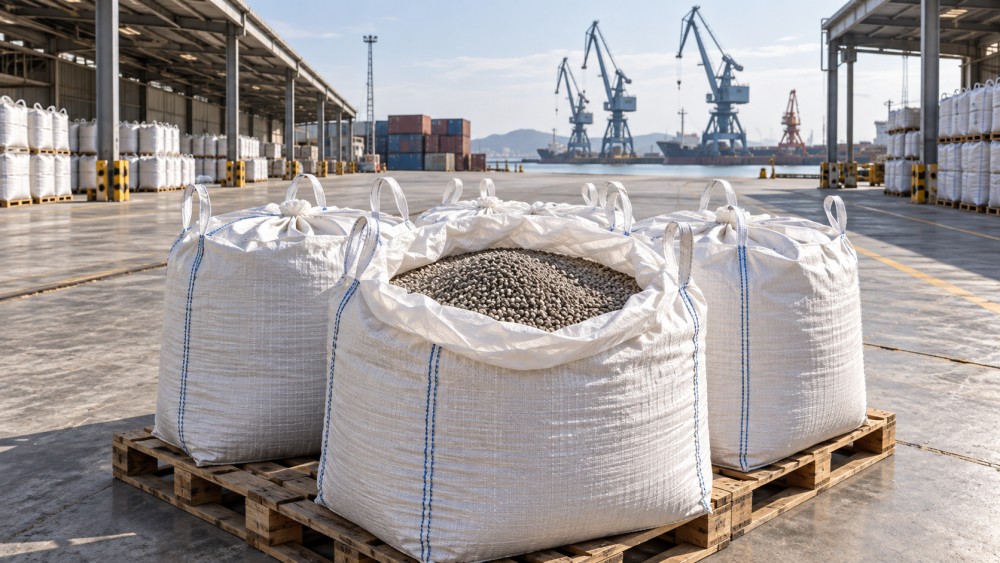
According to the supplied summary of the Global Agriculture report, China’s phosphate fertilizer exports have declined sharply to nearly zero while Beijing gives priority to supplying the domestic market. The reduction has tightened the global nutrient supply chain.
The summary also reports that sulfur shortages have already caused factory shutdowns in Brazil. Global phosphate fertilizer affordability has fallen to its lowest level in years, adding to supply pressure and price volatility in the international fertilizer market.
Reduced Availability Puts Purchasing and Delivery Under Pressure
Traders Face Greater Uncertainty Over Exportable Supply
From an industry perspective, the reported export decline could make it harder for traders sourcing from China to establish reliable shipment commitments. The immediate commercial issue is whether suppliers can confirm quantities and delivery dates under the domestic supply priority. Analysis suggests that traders should distinguish indicative offers from confirmed supply and check whether any applicable export requirements affect individual transactions.
Producers Need to Assess Raw Materials and Finished Fertilizer Together
The reported sulfur-related shutdowns in Brazil indicate an existing disruption to production. Analysis suggests that manufacturers and procurement teams may need to assess raw material availability alongside access to finished phosphate fertilizers. An alternative supplier may offer limited delivery protection if its own production depends on constrained inputs; this remains a consideration for verification rather than a confirmed condition across suppliers.
Buyers and Distributors May Have Less Room to Absorb Delays
Analysis suggests that tighter supply and weaker affordability could complicate purchasing schedules, quotation validity and onward delivery commitments. Buyers and distributors may need to verify how much of an order is supported by available stock or confirmed production. The supplied information does not establish the extent of any resulting delays, contract changes or purchasing reductions.
Verify Supply Commitments and the Rules Behind Them
Seek Confirmation of Any Applicable Export Conditions
As a practical precaution, businesses considering purchases from China should verify current transaction requirements through relevant official information and supplier documentation. The supplied summary does not identify a policy instrument, effective date, product coverage or export procedure. It therefore provides no basis for treating a particular restriction, permit requirement or certification change as confirmed.
Check the Basis of Shipment Promises
Analysis suggests that procurement teams should ask suppliers to substantiate available quantities, production schedules and shipment readiness before relying on delivery commitments. Where timing is critical, buyers could review contractual provisions for delays, changes in availability and revised delivery dates. These are commercial precautions, not mandatory measures established by the reported development.
Assess Exposure to Sulfur Supply Disruption
Given the reported shutdowns in Brazil, buyers sourcing from affected production chains should consider checking operating status and the basis for promised deliveries. Any assessment of recovery timing would require further evidence: the input provides no restart schedule or confirmed resolution of the sulfur shortage.
Validate Alternatives Before Revising Procurement Plans
As a procurement recommendation, businesses evaluating alternative sources should verify product specifications, supplier capability, delivery feasibility and applicable trade requirements. Analysis suggests that a change of source could help manage availability risk, but the supplied information does not establish that suitable replacement volumes are available or that alternatives would improve affordability.
A Supply Priority Signal With Unspecified Policy Mechanics
At this stage, it is more appropriate to understand the report as evidence of sharply reduced export availability associated with China’s domestic supply priority. It does not provide enough detail to characterize the development as a newly formalized export ban or a defined change in certification or customs procedures.
From an editorial perspective, the key distinction is between the reported market outcome and the unconfirmed mechanism behind it. Near-zero exports are commercially relevant, but businesses still need evidence of the applicable rules before drawing conclusions about transaction eligibility or future access to supply. Subsequent official statements, trade execution and supplier delivery performance could materially affect that assessment.
Plan Around Confirmed Availability and Review New Evidence
Analysis suggests that the immediate business response should focus on verifying supply, testing delivery assumptions and reviewing exposure to constrained inputs. The reported combination of China’s export decline and sulfur-related shutdowns in Brazil warrants closer procurement scrutiny, while the absence of implementation details limits conclusions about the duration or precise scope of any policy constraint.
The development is best treated as a reported supply disruption and a signal of domestic supply prioritization requiring continued verification. Purchasing and sales commitments should reflect confirmed transaction conditions, with plans reviewed as further policy and market evidence becomes available.
Reporting Basis and Points Requiring Follow-Up
This article was prepared from the user-provided news title, event timing and summary, which attribute the report to Global Agriculture on October 19. The input does not specify the year of publication or the timing of the underlying events. No specific official source links were provided, and subsequent verification remains necessary.
Relevant follow-up sources could include official announcements, customs or trade authority information, industry association updates and further reporting. Points to monitor include any published policy details, actual export execution, supplier fulfillment, production conditions in Brazil and industry feedback on availability and affordability. The business implications and suggested responses above are analysis, not independently verified implementation requirements.
Facing technical bottlenecks in manufacturing or looking for more efficient industrial solutions? Leave your details below and let the engineering experts at FCAS solve them for you.
We respect your privacy. Your information is strictly confidential.
Related News
 Polymer-Coated Water Soluble NPKHow to Use Calcium Nitrate Fertilizer in Drip IrrigationCalcium Nitrate Fertilizer in drip irrigation: learn how to calculate doses, mix stock solutions, prevent clogged emitters, and support healthy crops.MORE+
 Polymer-Coated Water Soluble NPK2026 Fertilizer Price Swings Shape 2027 Planting Decisions2026 fertilizer price swings are shaping 2027 planting decisions. Explore nutrient cost pressures and practical strategies for planning purchases.MORE+
 Polymer-Coated Water Soluble NPKRecord Fertilizer Prices Could Shape 2027 US Corn and Soybean Planting DecisionsRecord fertilizer prices could influence 2027 US corn and soybean planting decisions. Explore the potential impact on farm budgets and acreage.MORE+
 Polymer-Coated Water Soluble NPKUSDA Announces $1.34 Billion Investment to Expand Domestic Fertilizer SupplyUSDA’s $1.34 billion fertilizer investment targets eight domestic projects. Discover what the plans could mean for suppliers, buyers and future sourcing.MORE+
 Polymer-Coated Water Soluble NPKHow to Choose a Potassium Sulfate Fertilizer SupplierChoose a potassium sulfate fertilizer supplier with confidence. Compare product quality, delivered costs, reliability, and contract terms before you buy.MORE+
 Polymer-Coated Water Soluble NPKIndonesian Farmers' Association Warns of Prolonged Fertilizer ShortagesIndonesia fertilizer shortages could persist as high prices and supply disruptions strain farmers. Explore the risks for agriculture and the regional market.MORE+
 Polymer-Coated Water Soluble NPKEU Fertilizer Prices Remain High Amid Gas Costs and Supply DisruptionsEU fertilizer prices remain high amid gas costs and supply disruptions. Explore the impact on farmers, suppliers and purchasing decisions.MORE+
 Polymer-Coated Water Soluble NPKUS Commerce Department Recommends Keeping Duties on Moroccan Phosphate FertilizersUS Commerce Department recommends keeping duties on Moroccan phosphate fertilizers. Explore the findings and what comes next for exporters and US buyers.MORE+
 Polymer-Coated Water Soluble NPKWhen to Apply Sulfate of Potash Fertilizer to Chloride-Sensitive CropsSulfate of potash fertilizer timing can make all the difference. Discover when and how to apply it to chloride-sensitive crops for efficient nutrient delivery.MORE+
 Polymer-Coated Water Soluble NPKUS Commerce Department Says Ending Moroccan Fertilizer Duty Would Harm IndustryMoroccan fertilizer duty removal could harm the US industry, the Commerce Department says. Explore what the finding means ahead of the ITC vote.MORE+
 Polymer-Coated Water Soluble NPKGlobal Fertilizer Prices May Fall as Demand Weakens and Stocks Remain HighGlobal fertilizer prices may fall as weak demand and high stocks reshape the market. Explore what this could mean for purchasing and inventory planning.MORE+
 Polymer-Coated Water Soluble NPKWhen to Apply Potassium Sulfate Fertilizer for PotatoesLearn when to apply potassium sulfate fertilizer for potatoes, from pre-planting to tuber growth, and build a soil-test-based plan for your crop.MORE+
 Polymer-Coated Water Soluble NPKHow to Evaluate a Controlled Release Fertilizer Systems SupplierChoosing a controlled release fertilizer systems supplier? Compare release performance, quality, supply reliability, and total costs with this practical guide.MORE+
 Polymer-Coated Water Soluble NPKHow to Choose Potassium Chloride Fertilizer for Bulk BlendingChoose potassium chloride fertilizer for bulk blending with confidence. Learn how particle size, durability, and moisture affect blend quality—and compare suppliers beyond price.MORE+
 Polymer-Coated Water Soluble NPKUSDA Pushes Domestic Fertilizer Capacity as Analysts Expect Further Price DeclinesUSDA fertilizer policies and expanded domestic production could push prices lower. Explore what shifting supply expectations mean for farm input costs and buying decisions.MORE+
 Polymer-Coated Water Soluble NPKHow to Choose Fertilizer Coating Resins for Controlled ReleaseChoose fertilizer coating resins for controlled release with confidence. Compare release profiles, processing needs, durability, and total costs in this practical selection guide.MORE+
 Polymer-Coated Water Soluble NPKShould You Use Potassium Chloride or Coated NPK as Basal Fertilizer?Compare potassium chloride fertilizer for basal application with coated NPK. Discover how soil needs, chloride sensitivity, nutrient timing, and costs guide your best choice.MORE+
 Polymer-Coated Water Soluble NPKUSDA Selects Eight Fertilizer Projects for $573M Under FIELDS ProgramUSDA selects eight fertilizer projects for $573M under the FIELDS Program. Explore plans to add over 1 million tons of U.S. capacity and the potential impact on supply chains.MORE+
 Polymer-Coated Water Soluble NPKWhen Is Potassium Chloride Fertilizer with 60% K2O Right for Crops?Is potassium chloride fertilizer 60 k2o right for your crops? Discover how soil tests, chloride tolerance, and application timing guide smarter fertilizer choices.MORE+
 Polymer-Coated Water Soluble NPKAlgeria Directs Producers to Stop Urea Exports to FranceAlgeria reportedly halts urea exports to France, raising supply concerns for fertilizer buyers. Explore potential price risks and practical steps to protect procurement plans.MORE+
 Polymer-Coated Water Soluble NPKGlobal Fertilizer Uncertainty Complicates Buying for U.S. Corn and Soybean GrowersGlobal fertilizer uncertainty challenges U.S. corn and soybean growers. Explore supply risks, cost pressures and practical buying checks to make more informed purchasing decisions.MORE+
 Polymer-Coated Water Soluble NPKWhen Are Polymer-Coated Granular NPK Fertilizers Worth the Cost?Granular NPK Fertilizers: Are polymer coatings worth the premium? Compare release timing, application savings, and break-even costs to make a smarter fertilizer investment.MORE+
 Polymer-Coated Water Soluble NPKUAN32, UAN28 and Anhydrous Ammonia Lead US Fertilizer Gains in October 2026, Week 2UAN32, UAN28 and anhydrous ammonia lead US fertilizer price gains in October 2026, Week 2. Explore reported trends and key procurement checks before revising quotes, budgets or orders.MORE+
 Polymer-Coated Water Soluble NPKHow to Compare Fully Soluble NPK Fertilizer Grades Before BuyingCompare fully soluble npk fertilizer grades by nutrient balance, solubility, water compatibility, and batch quality. Learn what to check before buying to avoid costly mistakes.MORE+
 Polymer-Coated Water Soluble NPKChina’s Phosphate Fertilizer Export Collapse Squeezes Global SupplyChina’s phosphate fertilizer export collapse tightens global supply. Explore procurement risks, sulfur shortages and practical steps to verify suppliers and protect delivery plans.MORE+
 Polymer-Coated Water Soluble NPKHow Does High Potassium Sulfate Fertilizer Fit Into NPK Blends?See how high potassium sulfate fertilizer fits into NPK blends. Learn to balance potassium and sulfur, control chloride, and select the right grade for reliable performance.MORE+
 Polymer-Coated Water Soluble NPKHow Should You Apply Water Soluble NPK Fertilizers to Greenhouse Crops?Apply npk water soluble fertilizers for greenhouse crops with confidence. Learn precise dosing, fertigation, and EC/pH monitoring techniques to support healthy growth and avoid salt stress.MORE+
 Polymer-Coated Water Soluble NPKHow Fertilizer Coating Polymers Improve NPK Granule ReleaseFertilizer coating polymers for NPK granules improve controlled nutrient release, reduce loss risks, and enhance product consistency. Discover key selection and process insights.MORE+
 Polymer-Coated Water Soluble NPKHow Fully Soluble NPK Fertilizer Improves Precision FertigationFully soluble NPK fertilizer improves precision fertigation with clean injection, uniform nutrient delivery, flexible crop-stage feeding, and lower clogging risk. Learn practical system-management tips.MORE+
 Polymer-Coated Water Soluble NPKHow Potassium Chloride Fertilizer 60 K2O Supports Crop YieldPotassium chloride fertilizer 60 K2O supports crop yield with efficient potassium nutrition. Explore benefits, chloride considerations, application tips, and smarter fertilizer selection.MORE+
 Polymer-Coated Water Soluble NPKWhat Determines Fertigation Systems Price and Long-Term Operating CostFertigation systems price depends on capacity, automation, filtration, water quality, and fertilizer compatibility. Explore total ownership costs and compare suppliers smarter.MORE+
 Polymer-Coated Water Soluble NPKHow Drip Irrigation Fertilizers Improve Nutrient EfficiencyDrip Irrigation Fertilizers improve nutrient efficiency with precise root-zone feeding, smarter timing, and reduced waste. Discover practical fertigation strategies.MORE+
 Polymer-Coated Water Soluble NPKHow to Choose Resin Coated NPK Fertilizers for Efficient Nutrient ReleaseResin Coated NPK Fertilizers: learn how to match release duration, nutrient profiles, granule quality, and supplier reliability to your crop programme for better efficiency and lower costs.MORE+
 Polymer-Coated Water Soluble NPKWhich Specialty Fertilizers Best Support High-Value Crop Production?Specialty Fertilizers for high-value crops: compare controlled-release, water-soluble, micronutrient, and biostimulant options for precision, quality, and reliable results.MORE+
 Polymer-Coated Water Soluble NPKWhat Fertilizer Coatings Mean for Nutrient Efficiency and Cost ControlFertilizer Coatings improve nutrient timing, cut loss risk, and support cost control. Discover how coated fertilizers can boost efficiency and strengthen field performance.MORE+