When Potassium Sulfate Fertilizer 52 K2O Is the Better Choice
When Potassium Sulfate Fertilizer 52 K2O Is the Better Choice
Choosing the right potassium source can influence crop quality, nutrient efficiency, and soil management. Potassium sulfate fertilizer 52 K2O is often preferable where chloride sensitivity, sulfur demand, or premium crop performance matters.
For information researchers, the key question is not whether potassium sulfate is universally superior. It is whether its nutrient profile, application value, and commercial cost fit a specific crop, field, and production objective.
Potassium sulfate fertilizer 52 K2O supplies a concentrated potassium source with very low chloride content. It also contributes sulfur, making it relevant where both nutrients could limit yield, quality, or nutrient balance.
This article explains when potassium sulfate fertilizer 52 K2O is the better choice, how it compares with other potassium sources, and what buyers should assess before making sourcing decisions.
Start With the Crop, Soil, and Quality Requirement
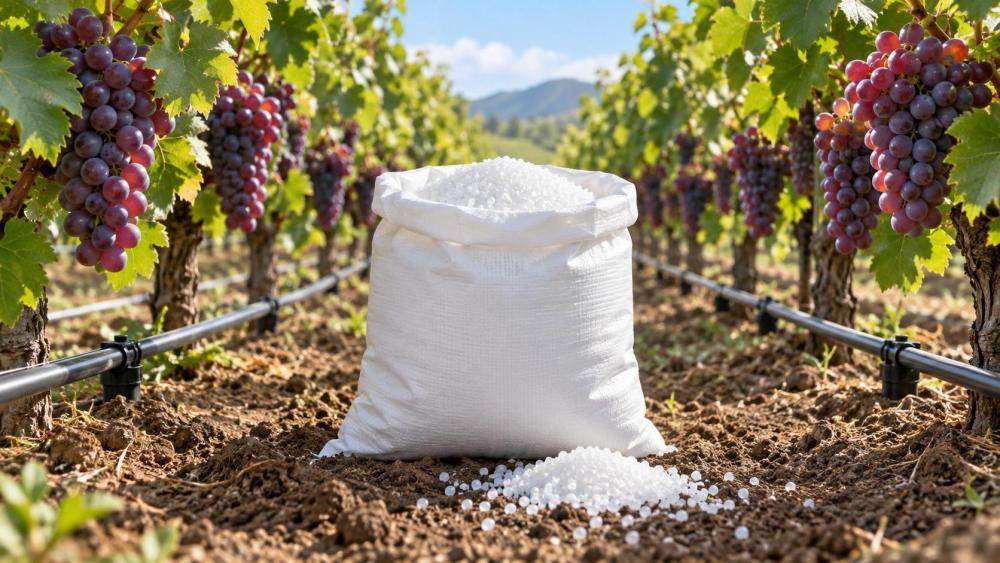
Potassium sulfate fertilizer 52 K2O becomes most valuable when a crop can benefit from potassium but may respond poorly to chloride, salinity pressure, or an unbalanced nutrient program.
Potassium supports many essential plant functions, including water regulation, enzyme activation, carbohydrate movement, stress tolerance, and fruit development. Its influence is often visible in marketable yield and crop quality.
However, potassium should not be evaluated only through nutrient concentration. The accompanying anion matters because chloride, sulfate, nitrate, and other forms can affect soil chemistry, crop response, and fertilizer compatibility.
Potassium sulfate is generally selected when growers need potassium without introducing substantial chloride. This distinction is especially important for chloride-sensitive crops, high-value horticultural production, and intensive protected cultivation.
Commonly cited chloride-sensitive or chloride-responsive crops include tobacco, potatoes, grapes, berries, citrus, avocados, many vegetables, flowers, ornamentals, and selected fruit crops. Actual response still depends on local growing conditions.
Chloride sensitivity is not an absolute classification. A crop may tolerate chloride under one soil and irrigation condition but show reduced quality or greater stress under another production system.
Soils with poor drainage, limited leaching, existing salinity, or saline irrigation water require closer review. In these situations, avoiding unnecessary chloride additions can support more conservative salt management.
Potassium sulfate fertilizer 52 K2O can also be attractive when buyers want one product to contribute potassium and sulfur. This may simplify nutrient planning where sulfur demand is measurable.
Sulfur is required for amino acid formation, protein synthesis, enzyme activity, and chlorophyll-related processes. Modern fertilizer programs may need additional sulfur because atmospheric sulfur deposition has declined in many regions.
High-yield crops can remove substantial sulfur, particularly where repeated harvesting, intensive irrigation, and limited organic matter reduce the soil’s ability to supply available sulfate throughout the season.
The product is therefore not simply a premium replacement for potassium chloride. It is a targeted nutrient source for situations where chloride avoidance and sulfur supply create agronomic or commercial value.
Why 52 K2O Matters in Product Comparison
The “52 K2O” designation indicates the product’s potassium content expressed as potassium oxide equivalent. This convention is widely used in fertilizer specifications, labels, nutrient calculations, and procurement comparisons.
A typical potassium sulfate fertilizer 52 K2O grade also contains approximately 18 percent sulfur, often expressed as sulfur trioxide equivalent on product documentation. Buyers should verify the supplier’s stated analysis.
Its potassium concentration is lower than muriate of potash, commonly known as potassium chloride or MOP. MOP typically contains about 60 percent K2O, giving it a lower cost per potassium unit.
That comparison can make MOP appear automatically more economical. Yet cost per nutrient unit is only one part of the decision, particularly where chloride creates crop quality, soil salinity, or marketability concerns.
Potassium sulfate, often called sulfate of potash or SOP, is normally more expensive per tonne and per unit of potassium. The price difference reflects production route, supply availability, and lower global volume.
The additional cost may be justified when the fertilizer improves crop value rather than merely nutrient delivery. For premium potatoes, export fruit, greenhouse vegetables, or specialty crops, quality differences can matter materially.
Quality gains may involve tuber dry matter, sugar balance, fruit firmness, color development, storage behavior, uniformity, or reduced risk of quality penalties. Such outcomes should be validated locally.
Potassium nitrate is another alternative for chloride-sensitive production. It provides potassium and immediately available nitrogen, but its higher cost and nitrogen contribution may not fit every crop stage.
Potassium sulfate fertilizer 52 K2O is often more suitable when nitrogen should be limited, delayed, or supplied separately. This is particularly relevant during fruit filling, ripening, or quality-focused finishing programs.
Monopotassium phosphate provides potassium and phosphorus, but it serves a different nutrient-management role. It can be valuable early in crop development, while potassium sulfate may fit later potassium and sulfur requirements.
Buyers should compare fertilizers by delivered nutrient value, application suitability, crop response, and logistical practicality. A lower-priced potassium source can become costly when it reduces quality or complicates nutrient balancing.
When Chloride Avoidance Creates Real Value
Chloride is a plant nutrient in small quantities, and potassium chloride remains an effective fertilizer for many broad-acre crops. It should not be treated as unsuitable in every situation.
The decision changes when chloride is already abundant through soil reserves, irrigation water, manure inputs, or repeated potassium chloride use. Additional chloride may then increase avoidable management pressure.
In salt-affected soils, total soluble salts can reduce water uptake by increasing osmotic stress. Crop roots must work harder to extract water, even when moisture appears physically present in the soil.
Chloride can contribute to electrical conductivity, although total salinity depends on all dissolved ions. A nutrient plan should therefore consider complete soil and water analyses rather than chloride alone.
Potassium sulfate fertilizer 52 K2O can be useful in greenhouse systems, high tunnels, and drip-irrigated fields where fertilizer salts are concentrated within a limited root-zone volume.
In these systems, frequent fertilization can improve nutrient timing but also increases the importance of managing irrigation quality, drainage fraction, substrate conductivity, and accumulated salt concentrations.
For potatoes, chloride management is often discussed in relation to dry matter, specific gravity, processing characteristics, and storage quality. Response depends on variety, potassium status, climate, and total nutrient program.
For grapes and fruit crops, growers may consider potassium sulfate where quality objectives include soluble solids, color, firmness, flavor development, or balanced maturation. Excessive potassium itself can still create nutrient antagonism.
For tobacco, potassium source selection may influence leaf quality and burning characteristics. Fertilizer programs for this crop should follow local recommendations, curing requirements, and contracted quality specifications.
In vegetable production, chloride avoidance may support a more controlled program for sensitive crops grown under intensive fertigation. The strongest case exists where field history indicates salt or quality constraints.
The practical lesson is straightforward: choose SOP when chloride reduction addresses a documented production risk. Do not assume a premium fertilizer will solve unrelated issues such as poor drainage or inadequate irrigation.
How Sulfur Changes the Fertilizer Decision
The sulfur contribution in potassium sulfate fertilizer 52 K2O is frequently overlooked during basic potassium comparisons. In sulfur-deficient systems, this co-nutrient can improve the overall economic case.
Sulfate sulfur is plant available and can be taken up by roots relatively quickly. It is also mobile in many soils, meaning split applications may be useful where leaching risk is significant.
Light-textured soils, high-rainfall regions, low-organic-matter fields, and heavily irrigated production systems may be more likely to require active sulfur management. Soil testing and tissue analysis provide stronger evidence.
Sulfur deficiency can resemble nitrogen deficiency because both may produce pale foliage and reduced growth. Sulfur symptoms often appear first on younger leaves because sulfur is less mobile within plants.
Where sulfur is already supplied through ammonium sulfate, gypsum, elemental sulfur, manure, or irrigation water, the sulfur value of SOP may be smaller. Buyers should avoid double-counting nutrient benefits.
Elemental sulfur has a different release pattern because soil microorganisms must oxidize it before plants can use it. Potassium sulfate provides sulfate directly, which can be valuable for immediate seasonal demand.
SOP may be particularly useful where a fertilizer plan needs potassium without additional nitrogen or phosphorus. It enables more precise adjustment of separate nitrogen, phosphorus, calcium, and magnesium inputs.
This flexibility matters when excessive nitrogen could delay ripening, promote soft growth, increase disease susceptibility, or reduce desired quality attributes in fruit, flowers, and certain specialty crops.
It also supports formulations designed for nutrient balancing. Fertilizer blenders can use potassium sulfate fertilizer 52 K2O to create lower-chloride NPK products targeted at horticultural or export-oriented crop segments.
Application Methods and Compatibility Questions
Potassium sulfate is sold in several physical forms, including granular products, powder grades, soluble grades, and compacted particles. The appropriate form depends on the application system and product specification.
Granular SOP is commonly used for broadcast application, banding, basal fertilization, and dry blends. Particle-size consistency matters because it affects blending uniformity, segregation risk, and field distribution.
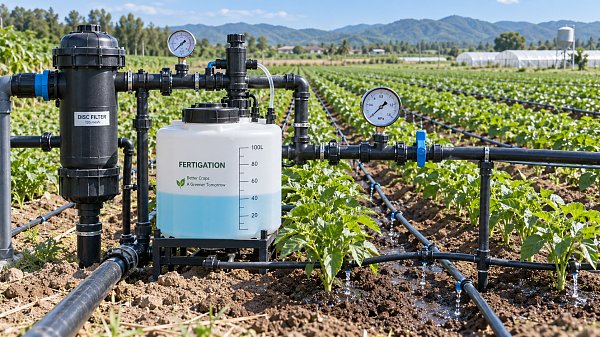
Water-soluble potassium sulfate grades are used in fertigation and, in some cases, foliar nutrition programs. Buyers should confirm solubility data rather than assuming every SOP product suits irrigation equipment.
Fertigation programs must consider source-water quality, solution concentration, stock-tank temperature, filtration, injector capacity, and potential precipitation with other fertilizers. Technical guidance should come from validated compatibility information.
Potassium sulfate can be useful in drip irrigation when potassium demand rises during bulking, fruit filling, or quality development. Application timing should follow crop uptake patterns, not a fixed calendar.
Foliar use requires particular care because salt concentration, water quality, weather conditions, leaf surface, and tank-mix partners influence phytotoxicity risk. Label instructions and local agronomic advice remain essential.
For dry applications, nutrient placement matters. Potassium is relatively immobile in many clay-rich soils, so band placement can improve access for young roots where soil-test potassium is low.
In sandy soils or highly irrigated conditions, smaller and more frequent applications may reduce nutrient losses and better match crop demand. This approach also supports more stable root-zone salinity management.
Application planning should account for the full fertilizer program. Potassium can compete with magnesium and calcium uptake, so high potassium rates require monitoring of crop balance, especially in intensive systems.
What Procurement Teams Should Verify Before Buying
For B2B buyers, the right potassium sulfate fertilizer 52 K2O product is defined by specification reliability as much as nominal nutrient analysis. A supplier comparison should go beyond price quotations.
First, confirm guaranteed K2O and sulfur content, chloride level, moisture, water-insoluble matter, particle-size distribution, and solubility where relevant. These values determine both application performance and formulation suitability.
Chloride content should be documented clearly when low-chloride positioning is commercially important. Different markets, customers, and crop programs may use different threshold expectations, so specification language must be precise.
For soluble grades, request dissolution behavior under realistic conditions rather than a single laboratory statement. Fine particles, impurities, or incomplete dissolution can affect filters, emitters, and mixing operations.
For granular materials, evaluate granule hardness, dust level, caking tendency, bulk density, and storage stability. These properties influence plant handling, blending efficiency, bagging quality, and customer satisfaction.
Packaging should suit the intended supply chain, whether bags, bulk bags, or bulk shipment. Moisture protection is important because poor storage can lead to lump formation and uneven application performance.
Documentation may include certificates of analysis, safety data sheets, origin records, product specifications, transport classifications, and batch traceability. These materials support purchasing control and downstream customer confidence.
Supply security also deserves attention. SOP availability can be affected by production concentration, raw-material access, regional demand, freight conditions, and seasonal fertilizer purchasing cycles.
Procurement teams should compare delivered cost to the farm, blender, or distributor warehouse. Freight, packaging, handling losses, payment terms, and inventory duration may change the apparent advantage of a lower ex-works price.
A practical sourcing review combines technical compliance, crop-market fit, logistics reliability, and total cost. The goal is a consistent product that supports the intended fertilizer program without unnecessary quality risk.
Build a Decision Framework Instead of Choosing by Price Alone
Potassium sulfate fertilizer 52 K2O is usually the better choice when three conditions align: chloride management matters, sulfur has value, and crop quality can justify a higher nutrient cost.
Start with soil-test potassium, sulfur status, electrical conductivity, chloride concentration where available, soil texture, drainage, irrigation-water analysis, and historical crop-quality results. These inputs establish the agronomic baseline.
Next, define the crop objective in measurable terms. It may be marketable yield, storage life, processing quality, fruit firmness, soluble solids, export compliance, or improved production consistency.
Then compare nutrient sources at the program level. Include all fertilizers required to meet potassium, sulfur, nitrogen, and phosphorus needs instead of comparing a single product in isolation.
Field trials can provide useful local evidence, especially for premium crops. Small replicated comparisons between SOP-based and chloride-based potassium programs can reveal whether quality improvements justify the cost difference.
Trials should measure more than final yield. Include grade distribution, marketable pack-out, quality parameters, nutrient status, soil conductivity, storage outcomes, and net return after fertilizer and handling costs.
For distributors and formulators, customer segmentation is equally important. SOP products are often best positioned for horticulture, fertigation, specialty blends, chloride-sensitive crops, and quality-oriented production systems.
They may be less compelling for broad-acre crops with adequate chloride tolerance, low quality premiums, and no sulfur need. In those cases, potassium chloride can remain the economically rational option.
The strongest recommendation is therefore conditional rather than universal. Potassium sulfate should be selected because it solves a defined nutrient-management problem and supports a worthwhile crop-performance objective.
Conclusion: Use SOP Where Its Full Value Is Recognized
Potassium sulfate fertilizer 52 K2O is a strategic potassium source for growers and fertilizer buyers managing chloride sensitivity, sulfur demand, salinity risk, or premium crop-quality requirements.
Its lower chloride profile and sulfur contribution can make it more valuable than potassium chloride, even though its purchase price per potassium unit is normally higher.
The decision should be based on soil conditions, water quality, crop sensitivity, nutrient balance, application method, expected quality value, and dependable product specifications from the supplier.
When those factors point toward chloride reduction and sulfur support, SOP can contribute to a more precise fertilizer program. When they do not, a lower-cost potassium source may remain appropriate.
For informed sourcing, the best question is not whether potassium sulfate fertilizer 52 K2O is premium. It is whether its agronomic advantages produce measurable value in the intended production system.
Related News
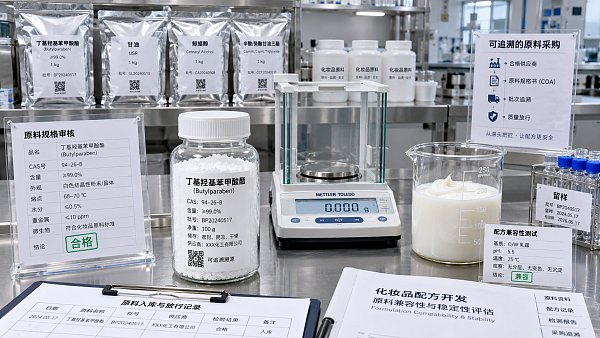
 Antioxidants & Natural PreservativesWhat Quality Checks Matter When Sourcing Butylparaben for Personal CareButylparaben for personal care sourcing guide: compare assay, impurities, physical performance, documentation, traceability, and supplier quality to reduce formulation risk.MORE+
 Nano-microcapsule FormulationsHow Encapsulated Flavors Protect Taste During Processing and StorageEncapsulated Flavors protect taste from heat, oxygen, moisture, and storage loss. Explore smarter release, carrier selection, and processing strategies.MORE+
 Chelated Trace Element FertilizersHow Greenhouse Fertigation Systems Reduce Water and Fertilizer WasteGreenhouse fertigation systems reduce water and fertilizer waste with precise dosing, uniform irrigation, drainage monitoring, and smarter crop-zone control. Learn practical strategies.MORE+
 Supercritical CO2 Essential OilsHow Natural Essential Oil Blends Improve Consistent Product FragranceNatural essential oil blends help brands achieve consistent, appealing fragrance across batches. Explore smart blend design, stability testing, and product compatibility strategies.MORE+
 Non-ionic Surfactants & DefoamersHow to Choose Non Ionic Low Foaming Surfactants for CIP CleaningNon ionic low foaming surfactants for CIP cleaning: learn how to balance wetting, foam control, compatibility, and rinseability for reliable cleaning performance.MORE+
 Nano-microcapsule FormulationsHow Food Grade Cyclodextrin Complexes Protect Sensitive FlavorsFood grade cyclodextrin inclusion complexes help protect sensitive flavors from oxidation, evaporation, and processing loss while supporting controlled release and consistent sensory quality.MORE+
 Polymer-Coated Water Soluble NPKHow Fertilizer Coating Polymers Improve NPK Granule ReleaseFertilizer coating polymers for NPK granules improve controlled nutrient release, reduce loss risks, and enhance product consistency. Discover key selection and process insights.MORE+
 Chelated Trace Element FertilizersWhat Diammonium Phosphate Means for Crop Nutrition PlanningDiammonium Phosphate: learn how DAP supports early phosphorus access, nitrogen budgeting, smart placement, and balanced crop nutrition planning.MORE+
 Maillard Reaction Savory FlavorsHow to Assess a Flavor Bases Supplier List for Reliable SourcingGlobal Fine Chemicals & Agrochemical Intelligence Network flavor bases supplier list: assess specs, samples, supply risk, and true cost to source with confidence.MORE+
 Hydrocolloids & EmulsifiersHow Konjac Gum Powder Improves Texture in Low-Calorie FoodsKonjac gum powder improves body, stability, and mouthfeel in low-calorie foods. Discover practical tips for smoother sauces, beverages, and reduced-fat formulations.MORE+
 Supercritical CO2 Essential OilsWhat to Check Before Choosing a Botanical Essential Oils ManufacturerChoose a botanical essential oils manufacturer with confidence. Explore key checks for purity, traceability, compliance, batch consistency, and reliable supply.MORE+
 Microencapsulated FragrancesHow Fragrance Carriers for Detergents Improve Scent PerformanceFragrance carriers for detergents improve stability, fabric deposition, and long-lasting scent. Explore practical solutions for better wash-to-wear fragrance performance.MORE+
 Antioxidants & Natural PreservativesWhen Propyl Gallate Antioxidant Is the Right Choice for Oil StabilityPropyl gallate antioxidant: learn when it is the right choice for oil stability, shelf-life protection, processing compatibility, and smarter formulation decisions.MORE+
 Antioxidants & Natural PreservativesHow Potassium Sorbate Extends Shelf Life in Food and Beverage ProductsPotassium Sorbate helps food and beverage brands control yeast and mold spoilage. Explore pH, dosage, processing, and packaging strategies for reliable shelf life.MORE+
 Antioxidants & Natural PreservativesHow to Source Bulk Herbal Extracts With Reliable Quality ControlBulk herbal extracts sourcing guide: compare suppliers, verify traceability, review CoAs, and build reliable quality controls for safer, consistent purchasing.MORE+
 Antioxidants & Natural PreservativesWhat to Check Before Sourcing Butylparaben for Personal Care FormulasButylparaben for personal care sourcing guide: check market eligibility, purity, supplier controls, formula compatibility, packaging, and total risk before buying.MORE+
 Targeted Bio-pesticides & APIsChoosing Microbial Fungicides for Foliar Diseases in Integrated Crop ProgramsMicrobial fungicides for foliar diseases: learn how to match biology, formulation, tank compatibility, and timing for stronger integrated crop protection.MORE+
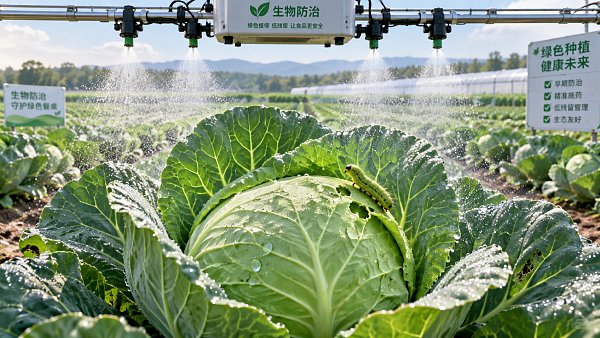
 Targeted Bio-pesticides & APIsHow Microbial Insecticides Control Caterpillars With Lower Crop Residue RiskMicrobial insecticides for caterpillars help protect crops with targeted early-larval control and lower residue-management pressure. Learn timing, coverage, compliance, and scouting essentials.MORE+
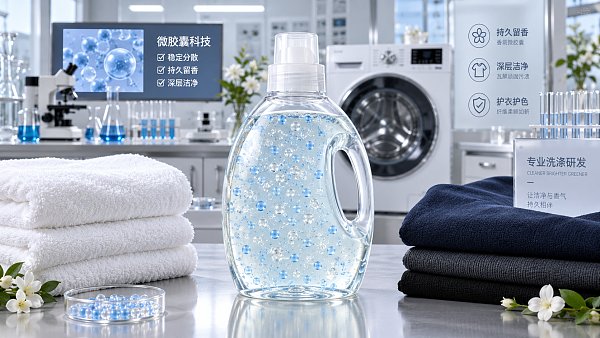
 Microencapsulated FragrancesHow to Add Encapsulated Laundry Fragrances Without Weakening Wash ResultsEncapsulated laundry fragrances: learn how to boost long-lasting scent while protecting cleaning power, stability, foam control, and fabric care.MORE+
 Supercritical CO2 Essential OilsHow Aroma Ingredients Shape Lasting and Skin-Safe Personal Care ProductsAroma ingredients for personal care: discover how to achieve lasting scent, formulation stability, skin safety, and confident product performance.MORE+
 Targeted Bio-pesticides & APIsInsecticides Explained Through Labels, Active Ingredients, and SafetyInsecticides explained through labels, active ingredients, formulations, and safety. Learn how to compare products, manage risk, and make informed crop protection decisions.MORE+
 Heavy-duty Industrial DegreasersHow to Select Parts Wash Cleaners for Automotive ComponentsParts wash cleaners for automotive components: learn how to match chemistry, materials, rinsing, safety, and waste controls for reliable cleaning results.MORE+
 Chelated Trace Element FertilizersHow Precision Fertigation Systems Improve Water and Nutrient ControlPrecision fertigation systems improve water and nutrient control with accurate dosing, uniform irrigation, smart monitoring, and reduced waste. Discover how to optimize crop performance.MORE+
 Hydrocolloids & EmulsifiersHow Bulk Price Factors Affect Hydrocolloid Stabilizer Blend SourcingHydrocolloid stabilizer blends bulk price: compare dosage efficiency, quality consistency, logistics, and documentation to reduce total sourcing costs.MORE+
 Zero-Calorie Sweeteners & AcidulantsHow to Choose a Natural Sweeteners Supplier for Clean-Label ProductsNatural sweeteners supplier selection guide for clean-label products: compare formulation fit, traceability, documentation, and supply reliability.MORE+
 Non-ionic Surfactants & DefoamersWhat Cationic Surfactants Do and Where They Are UsedCationic Surfactants deliver antimicrobial action, conditioning, antistatic control, and surface treatment benefits. Explore key uses, compatibility, and safe selection tips.MORE+
 Targeted Bio-pesticides & APIsHow to Evaluate Pesticide Suspension Concentrates for Field StabilityPesticide Suspension Concentrates: learn how to evaluate field stability, redispersibility, dilution, tank-mix compatibility, and spray safety for reliable performance.MORE+
 Hydrocolloids & EmulsifiersHow Hydrocolloid Systems for Meat Products Improve Texture and YieldHydrocolloid systems for meat products improve yield, texture, water retention, and slicing quality. Explore practical formulation strategies for stable, high-performing meat products.MORE+
 Microencapsulated FragrancesHow Laundry Fragrances for Liquid Detergents Improve Scent LongevityLaundry fragrances for liquid detergents: discover how fragrance design, deposition, and encapsulation create lasting fabric freshness and stronger product appeal.MORE+
 Nano-microcapsule FormulationsChoosing Fragrance Preparations That Perform Well in Personal WashFragrance preparations for personal wash: learn how to select options that protect clarity, stability, foam, scent performance, and packaging compatibility.MORE+
 Controlled-Release ThermodynamicsModified Cyclodextrins Explained for Controlled Fragrance ReleaseModified cyclodextrins enable controlled fragrance release, odor control, and volatile-note protection. Explore how they optimize performance in detergents, fabric care, and more.MORE+
 Microencapsulated FragrancesHow Fragrance Delivery Systems Improve Fabric Softener LongevityFragrance delivery systems for fabric softeners improve scent longevity through smart protection, reliable deposition, and controlled release for lasting freshness.MORE+
 Supercritical CO2 Essential OilsHow to Evaluate a Natural Cardamom Oil Supplier for Reliable SupplyNatural cardamom oil supplier evaluation guide: verify botanical origin, purity, batch consistency, documentation, packaging, and delivery reliability for confident sourcing.MORE+
 Maillard Reaction Savory FlavorsHow Ethyl Maltol Purity Testing Supports Flavor Safety ComplianceEthyl Maltol purity testing strengthens flavor safety compliance through identity checks, impurity profiling, supplier verification, and audit-ready documentation.MORE+
 Microencapsulated FragrancesEssential Oil Extracts Compared for Fragrance and Wellness UsesEssential Oil Extracts compared for fragrance and wellness: explore scent profiles, extraction methods, stability, safety, and sourcing insights for smarter formulation choices.MORE+
 Zero-Calorie Sweeteners & AcidulantsWhat Drives Zero Calorie Sweeteners Bulk Price in 2026Zero calorie sweeteners bulk price in 2026: compare specifications, dosage, quality, freight, and supply risk to make smarter sourcing decisions.MORE+
 EPA FIFRA & FDA GRAS RegsSynthetic Food Preservatives Rules That Support Safer FormulasSynthetic Food Preservatives: learn the rules for safer formulas, compliant use levels, validated shelf life, labeling, and reliable microbial control.MORE+
 Micelle Fluidics & ChelationHow Anionic Industrial Dispersants Improve Coating StabilityAnionic industrial dispersants improve coating stability, pigment wetting, viscosity control, gloss, and storage performance. Learn how to select and test the right solution.MORE+
 Supercritical CO2 Essential OilsHow to Choose Eucalyptus Oil Grades for Clean, Consistent ProductsChoose the right Eucalyptus Oil grade with confidence. Compare cineole content, purity, origin, processing, documentation, and application fit for consistent products.MORE+
 Micelle Fluidics & ChelationWhat Are Cationic Surfactants and Where Are They Commonly Used?Cationic Surfactants deliver powerful surface affinity for disinfection, fabric softening, hair conditioning, antistatic control, and industrial treatments. Explore key uses and selection factors.MORE+