How to Select Semiconductor Process Cleaners for Fab Use
Semiconductor process cleaners should be selected by the contamination mechanism at a specific process step, not by purity grade or price alone. A chemistry that removes particles effectively after CMP may be unacceptable before gate-stack formation if it roughens an exposed film, leaves ionic residue, changes surface termination, or creates a particle burden during rinse and dry. The practical question is not “Which cleaner is strongest?” but “Which controlled cleaning sequence restores the required surface condition without creating a larger downstream defect risk?”
That distinction matters because a fab cleaner is part of an integrated process window. Its performance depends on the incoming wafer state, exposed materials, tool configuration, bath age, filtration, delivery system, rinse quality, drying method, and permitted thermal budget. A technically sound selection therefore starts with a defined failure mode and ends with qualified performance on production-representative wafers and equipment.
Define the residue before comparing chemistries
“Cleaning” covers several different tasks that should not be treated as interchangeable. Organic photoresist residue, post-etch polymer, metallic contamination, native oxide, CMP slurry particles, airborne molecular contamination, and handling-derived particles require different removal mechanisms. Selecting a cleaner without separating these mechanisms can lead to a formulation that performs well in an isolated analytical test but fails to protect yield.
For example, a solvent-based stripper may dissolve photoresist efficiently but have limited value against inorganic particles or metal ions. An oxidizing acidic mixture may remove organic residue and metallic species but can attack sensitive metal layers or modify dielectric surfaces. Dilute HF-containing chemistries can remove native oxide and alter surface termination, but that is not equivalent to cleaning a particle-contaminated surface. Alkaline chemistries may provide strong particle lift-off and organic removal, while raising compatibility concerns for certain films, adhesives, metals, or porous low-k structures.
A useful starting point is to specify the contamination in operational terms:
- What is the contaminant: organic, inorganic, metallic, particulate, polymeric, or mixed?
- Where is it located: open field, high-aspect-ratio feature, wafer edge, backside, bevel, carrier-contact area, or chamber-exposed surface?
- What created it: lithography, plasma etch, ion implantation, CMP, wet process carryover, handling, or storage?
- What materials are exposed during cleaning?
- What condition must the wafer have at the next process step?
The last question is often decisive. A post-CMP clean may prioritize low particle count, slurry residue removal, metal control, and minimized corrosion. A pre-deposition clean may prioritize oxide-state control, trace-metal limits, surface energy, and rapid transfer to the next module. A resist-strip sequence may prioritize complete organic and fluorocarbon-polymer removal without damaging critical dimensions or metal interconnects.
Purity is necessary, but it is not a complete specification
High-purity grade is a baseline requirement for semiconductor process cleaners, but it does not establish suitability. A cleaner can meet a nominal purity designation while still introducing unacceptable levels of particles, trace metals, ionic species, extractables, dissolved gases, or organic contaminants for a particular node, layer, or tool set.
The more useful evaluation question is whether the supplier’s impurity-control system matches the fab’s contamination budget. This requires examining impurity categories individually rather than accepting one overall purity claim.
Analytical values also need context. A certificate of analysis may report the raw chemical before point-of-use filtration, mixing, or dilution. Yet the wafer sees the chemistry after it has passed through drums or bottles, dispense lines, valves, pumps, filters, mix tanks, and potentially recycled loops. Selection should therefore account for the entire chemical delivery path. A clean reagent cannot compensate for a poorly compatible distribution system.
Match chemical action to the exposed material stack
Material compatibility is usually where apparently capable cleaning chemistries become unsuitable. The relevant exposure is rarely a single material. A wafer may contain silicon, thermal oxide, silicon nitride, high-k dielectric, titanium- or tantalum-based barrier layers, copper, cobalt, tungsten, aluminum, photoresist, hard mask, low-k dielectric, and multiple interfaces within the same cleaning step.
Compatibility must be assessed not only as visible etching or gross corrosion. Small changes can be consequential: recess at a metal line, increased roughness, altered contact resistance, galvanic corrosion between dissimilar metals, water-mark formation, loss of adhesion, dielectric damage, or modification of a surface intended for subsequent deposition.
Chemistry concentration, temperature, exposure time, agitation, wafer orientation, and replenishment rate all influence this risk. A formulation that is benign at room temperature for a short spray application may behave differently in a heated immersion bath with extended dwell time. Likewise, an inhibitor that protects one metal stack may introduce organic carryover or lose effectiveness after bath aging.
Compatibility assessment should use patterned structures where possible, rather than relying exclusively on blanket-film data. Blanket wafers are valuable for screening film-loss and roughness trends, but they may not reveal localized attack at vias, line edges, interfaces, or high-aspect-ratio features. For cleaning sequences after etch or CMP, test structures should reflect the geometry and material exposure expected in production.
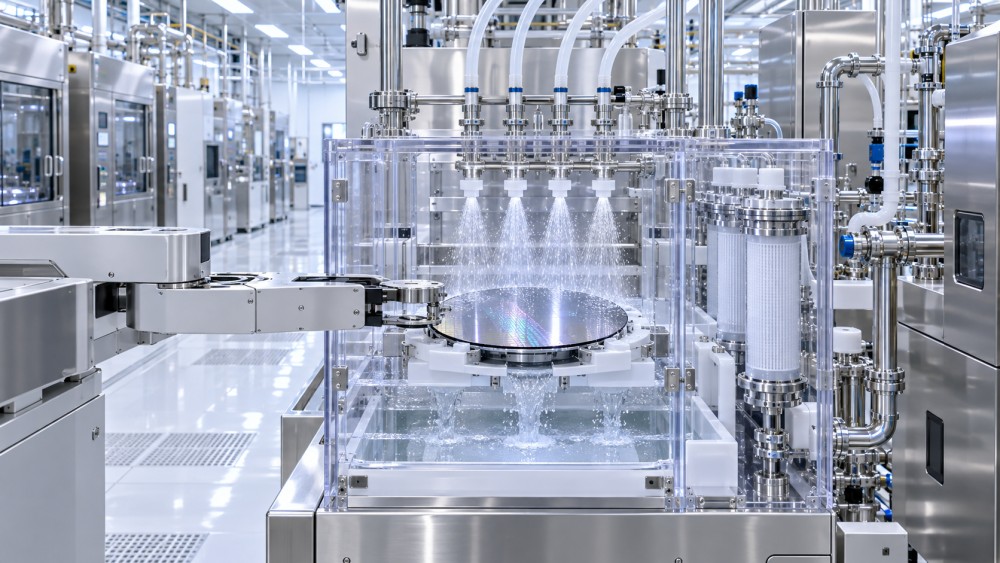
Particle removal is a system property, not only a chemical property
Particle control is one of the most misunderstood selection criteria for semiconductor process cleaners. A chemical may lower particle counts in a static wafer test yet perform poorly in a production tool because it does not maintain particles in suspension, permits redeposition, generates precipitates after mixing, or interacts unfavorably with filter media.
Effective particle removal generally requires a combination of surface modification, wetting, controlled chemical action, mechanical energy, rapid removal of detached contamination, high-purity rinse water, and reliable drying. The best balance varies by wafer condition. Stronger chemical action is not automatically better if it changes surface charge in a way that encourages redeposition or compromises exposed films.
Evaluation should include the process conditions that determine real particle behavior: megasonic power where used, spray pressure, fluid flow pattern, wafer rotation, bath circulation, filtration cutoff, chemical recirculation, and rinse sequence. Attention is also needed at wafer edges and backsides. These areas can carry particles or chemical residue into later equipment even when frontside inspection results appear acceptable.
Cleaner stability matters here. Some formulations can change with dilution, temperature, carbon dioxide exposure, metal pickup, or accumulated reaction by-products. Precipitation, gas evolution, viscosity drift, or reduced wetting can alter both cleaning effectiveness and defectivity. A bath-life claim is meaningful only when linked to defined operating conditions and a measurable endpoint for replacement or replenishment.
Rinse and dry behavior can decide the outcome
A cleaning chemistry should not be qualified as a standalone liquid. It must be assessed with its rinse and dry sequence. Residual surfactants, salts, reaction products, metal complexes, oxidizers, or solvent components may remain after nominal cleaning and become visible only after high-temperature processing, deposition, lithography, or electrical test.
Rinse efficiency depends on chemical solubility, viscosity, surface tension, wafer geometry, flow delivery, water quality, and time. A chemistry requiring an unusually long rinse may reduce tool throughput, increase water consumption, or introduce water-mark risk. Conversely, an apparently short rinse may leave trace species below the detection capability of a simple surface inspection but still affect a sensitive downstream step.
Drying behavior deserves the same scrutiny. Surface tension and volatile components influence watermark formation and particle migration during spin drying, Marangoni drying, or vapor-assisted drying. If the cleaning process leaves a surface with nonuniform wettability, drying defects can become a hidden source of wafer-level variation. Surface-sensitive methods, contact-angle trends where applicable, residue analysis, and downstream process response can provide more meaningful evidence than visual inspection alone.
Separate formulation performance from tool compatibility
A cleaner may be chemically appropriate for the wafer but unsuitable for the installed wet bench or single-wafer tool. Compatibility questions extend to tanks, piping, pumps, seals, valves, fittings, filters, sensors, exhaust systems, and waste-treatment infrastructure. Highly oxidizing, acidic, alkaline, or solvent-rich formulations can each impose different constraints on fluoropolymers, elastomers, metals, and measurement components.
Tool compatibility also includes process-control capability. If cleaning performance depends on narrow concentration or temperature control, the tool must be able to maintain and verify those conditions. A formulation that requires frequent manual adjustment introduces a different risk profile from one that supports stable automated monitoring. Where chemicals are blended on site, the quality of source chemicals, mixing order, dilution control, and reaction heat management become part of the qualification scope.
Waste handling should be considered early rather than after technical selection. The cleaner may generate metal-bearing waste, fluoride-containing streams, oxidizing waste, solvent-containing waste, or mixtures that cannot be managed through the same treatment route. A technically effective formulation that complicates segregation, neutralization, or permitted disposal can create operational constraints that change its true cost and implementation feasibility.
Documentation should support root-cause analysis, not merely purchasing
When yield excursions occur, the fab must be able to trace chemical-related variables quickly. This makes documentation quality a technical requirement. The useful package goes beyond a safety data sheet and standard certificate of analysis. It should make clear the product identity, formulation control boundaries where disclosure is possible, lot numbering, manufacturing site, test methods, release specifications, shelf life, storage conditions, packaging configuration, and change-notification process.
Analytical method transparency is especially important. A reported impurity value has limited meaning without knowing the measurement method, detection limit, sample preparation, and whether the result applies to neat chemical or diluted material. For particle data, the measurement size range and sample handling conditions should be understood. For trace metals, the listed elemental panel should match the fab’s relevant contamination concerns rather than a generic assay list.
Change control is equally important for cleaners containing multiple components, stabilizers, complexing agents, or proprietary additives. Changes in raw-material source, purification route, packaging material, filtration configuration, manufacturing location, or test method can alter process behavior even when the product name remains unchanged. A supplier’s notification discipline should be evaluated before the cleaner becomes process-critical.
A qualification path that avoids false positives
Initial laboratory screening is useful for eliminating obviously incompatible candidates, but it should not be mistaken for full qualification. A robust sequence moves from chemical characterization and blanket-wafer compatibility testing to patterned-wafer evaluation, tool trials, and downstream integration checks.
The cleaner should be judged against the current baseline process, not against an idealized target. Relevant comparisons may include defect counts by size range, residue removal, film loss, surface roughness, metal contamination, contact-angle or surface-state change, electrical response, corrosion indicators, and downstream process performance. The exact metrics depend on the process module, but they should be established before testing begins. Changing success criteria after results are known makes it difficult to distinguish actual improvement from a trade-off.
Tests should also include stressed conditions where justified: aged bath chemistry, upper and lower operating concentrations, realistic maximum dwell time, post-maintenance tool conditions, and representative wafer loading. This is where chemical stability, filtration robustness, and rinse tolerance become visible. A process that works only under freshly prepared, tightly controlled laboratory conditions may not provide sufficient manufacturing margin.
Supplier qualification should run in parallel with process qualification. Lot-to-lot consistency, packaging cleanliness, lead-time resilience, transport controls, emergency response capability, and availability of technical data can all affect whether a cleaner remains viable after release. The correct decision is therefore rarely based on the best single performance result. It is based on the chemistry that provides acceptable removal, compatible material interaction, stable defect performance, controllable operation, and traceable supply quality across the intended process window.
For semiconductor process cleaners for fab use, the strongest selection discipline is to treat cleaning as surface engineering under contamination-control constraints. Once residue type, exposed stack, defect sensitivity, rinse behavior, tool limits, and documentation requirements are defined together, the comparison becomes more rigorous—and far less likely to shift a cleaning problem into the next process module.
Related News
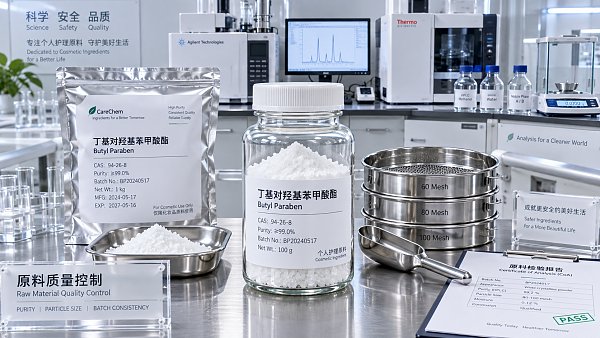
 Antioxidants & Natural PreservativesWhat Quality Checks Matter When Sourcing Butylparaben for Personal CareButylparaben for personal care sourcing guide: compare assay, impurities, physical performance, documentation, traceability, and supplier quality to reduce formulation risk.MORE+
 Nano-microcapsule FormulationsHow Encapsulated Flavors Protect Taste During Processing and StorageEncapsulated Flavors protect taste from heat, oxygen, moisture, and storage loss. Explore smarter release, carrier selection, and processing strategies.MORE+
 Chelated Trace Element FertilizersHow Greenhouse Fertigation Systems Reduce Water and Fertilizer WasteGreenhouse fertigation systems reduce water and fertilizer waste with precise dosing, uniform irrigation, drainage monitoring, and smarter crop-zone control. Learn practical strategies.MORE+
 Supercritical CO2 Essential OilsHow Natural Essential Oil Blends Improve Consistent Product FragranceNatural essential oil blends help brands achieve consistent, appealing fragrance across batches. Explore smart blend design, stability testing, and product compatibility strategies.MORE+
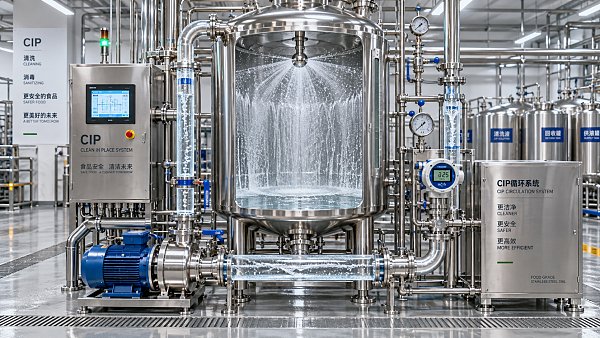
 Non-ionic Surfactants & DefoamersHow to Choose Non Ionic Low Foaming Surfactants for CIP CleaningNon ionic low foaming surfactants for CIP cleaning: learn how to balance wetting, foam control, compatibility, and rinseability for reliable cleaning performance.MORE+
 Nano-microcapsule FormulationsHow Food Grade Cyclodextrin Complexes Protect Sensitive FlavorsFood grade cyclodextrin inclusion complexes help protect sensitive flavors from oxidation, evaporation, and processing loss while supporting controlled release and consistent sensory quality.MORE+
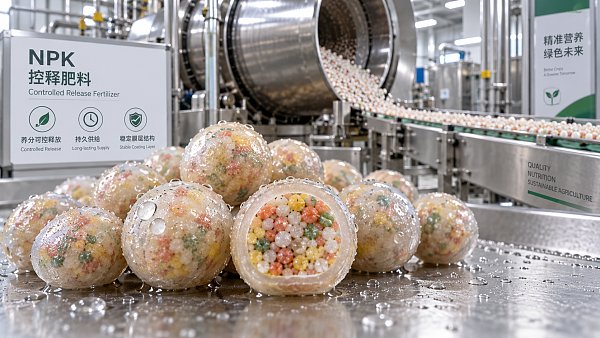
 Polymer-Coated Water Soluble NPKHow Fertilizer Coating Polymers Improve NPK Granule ReleaseFertilizer coating polymers for NPK granules improve controlled nutrient release, reduce loss risks, and enhance product consistency. Discover key selection and process insights.MORE+
 Chelated Trace Element FertilizersWhat Diammonium Phosphate Means for Crop Nutrition PlanningDiammonium Phosphate: learn how DAP supports early phosphorus access, nitrogen budgeting, smart placement, and balanced crop nutrition planning.MORE+
 Maillard Reaction Savory FlavorsHow to Assess a Flavor Bases Supplier List for Reliable SourcingGlobal Fine Chemicals & Agrochemical Intelligence Network flavor bases supplier list: assess specs, samples, supply risk, and true cost to source with confidence.MORE+
 Hydrocolloids & EmulsifiersHow Konjac Gum Powder Improves Texture in Low-Calorie FoodsKonjac gum powder improves body, stability, and mouthfeel in low-calorie foods. Discover practical tips for smoother sauces, beverages, and reduced-fat formulations.MORE+
 Supercritical CO2 Essential OilsWhat to Check Before Choosing a Botanical Essential Oils ManufacturerChoose a botanical essential oils manufacturer with confidence. Explore key checks for purity, traceability, compliance, batch consistency, and reliable supply.MORE+
 Microencapsulated FragrancesHow Fragrance Carriers for Detergents Improve Scent PerformanceFragrance carriers for detergents improve stability, fabric deposition, and long-lasting scent. Explore practical solutions for better wash-to-wear fragrance performance.MORE+
 Antioxidants & Natural PreservativesWhen Propyl Gallate Antioxidant Is the Right Choice for Oil StabilityPropyl gallate antioxidant: learn when it is the right choice for oil stability, shelf-life protection, processing compatibility, and smarter formulation decisions.MORE+
 Antioxidants & Natural PreservativesHow Potassium Sorbate Extends Shelf Life in Food and Beverage ProductsPotassium Sorbate helps food and beverage brands control yeast and mold spoilage. Explore pH, dosage, processing, and packaging strategies for reliable shelf life.MORE+
 Antioxidants & Natural PreservativesHow to Source Bulk Herbal Extracts With Reliable Quality ControlBulk herbal extracts sourcing guide: compare suppliers, verify traceability, review CoAs, and build reliable quality controls for safer, consistent purchasing.MORE+
 Antioxidants & Natural PreservativesWhat to Check Before Sourcing Butylparaben for Personal Care FormulasButylparaben for personal care sourcing guide: check market eligibility, purity, supplier controls, formula compatibility, packaging, and total risk before buying.MORE+
 Targeted Bio-pesticides & APIsChoosing Microbial Fungicides for Foliar Diseases in Integrated Crop ProgramsMicrobial fungicides for foliar diseases: learn how to match biology, formulation, tank compatibility, and timing for stronger integrated crop protection.MORE+
 Targeted Bio-pesticides & APIsHow Microbial Insecticides Control Caterpillars With Lower Crop Residue RiskMicrobial insecticides for caterpillars help protect crops with targeted early-larval control and lower residue-management pressure. Learn timing, coverage, compliance, and scouting essentials.MORE+
 Microencapsulated FragrancesHow to Add Encapsulated Laundry Fragrances Without Weakening Wash ResultsEncapsulated laundry fragrances: learn how to boost long-lasting scent while protecting cleaning power, stability, foam control, and fabric care.MORE+
 Supercritical CO2 Essential OilsHow Aroma Ingredients Shape Lasting and Skin-Safe Personal Care ProductsAroma ingredients for personal care: discover how to achieve lasting scent, formulation stability, skin safety, and confident product performance.MORE+
 Targeted Bio-pesticides & APIsInsecticides Explained Through Labels, Active Ingredients, and SafetyInsecticides explained through labels, active ingredients, formulations, and safety. Learn how to compare products, manage risk, and make informed crop protection decisions.MORE+
 Heavy-duty Industrial DegreasersHow to Select Parts Wash Cleaners for Automotive ComponentsParts wash cleaners for automotive components: learn how to match chemistry, materials, rinsing, safety, and waste controls for reliable cleaning results.MORE+
 Chelated Trace Element FertilizersHow Precision Fertigation Systems Improve Water and Nutrient ControlPrecision fertigation systems improve water and nutrient control with accurate dosing, uniform irrigation, smart monitoring, and reduced waste. Discover how to optimize crop performance.MORE+
 Hydrocolloids & EmulsifiersHow Bulk Price Factors Affect Hydrocolloid Stabilizer Blend SourcingHydrocolloid stabilizer blends bulk price: compare dosage efficiency, quality consistency, logistics, and documentation to reduce total sourcing costs.MORE+
 Zero-Calorie Sweeteners & AcidulantsHow to Choose a Natural Sweeteners Supplier for Clean-Label ProductsNatural sweeteners supplier selection guide for clean-label products: compare formulation fit, traceability, documentation, and supply reliability.MORE+
 Non-ionic Surfactants & DefoamersWhat Cationic Surfactants Do and Where They Are UsedCationic Surfactants deliver antimicrobial action, conditioning, antistatic control, and surface treatment benefits. Explore key uses, compatibility, and safe selection tips.MORE+
 Targeted Bio-pesticides & APIsHow to Evaluate Pesticide Suspension Concentrates for Field StabilityPesticide Suspension Concentrates: learn how to evaluate field stability, redispersibility, dilution, tank-mix compatibility, and spray safety for reliable performance.MORE+
 Hydrocolloids & EmulsifiersHow Hydrocolloid Systems for Meat Products Improve Texture and YieldHydrocolloid systems for meat products improve yield, texture, water retention, and slicing quality. Explore practical formulation strategies for stable, high-performing meat products.MORE+
 Microencapsulated FragrancesHow Laundry Fragrances for Liquid Detergents Improve Scent LongevityLaundry fragrances for liquid detergents: discover how fragrance design, deposition, and encapsulation create lasting fabric freshness and stronger product appeal.MORE+
 Nano-microcapsule FormulationsChoosing Fragrance Preparations That Perform Well in Personal WashFragrance preparations for personal wash: learn how to select options that protect clarity, stability, foam, scent performance, and packaging compatibility.MORE+
 Controlled-Release ThermodynamicsModified Cyclodextrins Explained for Controlled Fragrance ReleaseModified cyclodextrins enable controlled fragrance release, odor control, and volatile-note protection. Explore how they optimize performance in detergents, fabric care, and more.MORE+
 Microencapsulated FragrancesHow Fragrance Delivery Systems Improve Fabric Softener LongevityFragrance delivery systems for fabric softeners improve scent longevity through smart protection, reliable deposition, and controlled release for lasting freshness.MORE+
 Supercritical CO2 Essential OilsHow to Evaluate a Natural Cardamom Oil Supplier for Reliable SupplyNatural cardamom oil supplier evaluation guide: verify botanical origin, purity, batch consistency, documentation, packaging, and delivery reliability for confident sourcing.MORE+
 Maillard Reaction Savory FlavorsHow Ethyl Maltol Purity Testing Supports Flavor Safety ComplianceEthyl Maltol purity testing strengthens flavor safety compliance through identity checks, impurity profiling, supplier verification, and audit-ready documentation.MORE+
 Microencapsulated FragrancesEssential Oil Extracts Compared for Fragrance and Wellness UsesEssential Oil Extracts compared for fragrance and wellness: explore scent profiles, extraction methods, stability, safety, and sourcing insights for smarter formulation choices.MORE+
 Zero-Calorie Sweeteners & AcidulantsWhat Drives Zero Calorie Sweeteners Bulk Price in 2026Zero calorie sweeteners bulk price in 2026: compare specifications, dosage, quality, freight, and supply risk to make smarter sourcing decisions.MORE+
 EPA FIFRA & FDA GRAS RegsSynthetic Food Preservatives Rules That Support Safer FormulasSynthetic Food Preservatives: learn the rules for safer formulas, compliant use levels, validated shelf life, labeling, and reliable microbial control.MORE+
 Micelle Fluidics & ChelationHow Anionic Industrial Dispersants Improve Coating StabilityAnionic industrial dispersants improve coating stability, pigment wetting, viscosity control, gloss, and storage performance. Learn how to select and test the right solution.MORE+
 Supercritical CO2 Essential OilsHow to Choose Eucalyptus Oil Grades for Clean, Consistent ProductsChoose the right Eucalyptus Oil grade with confidence. Compare cineole content, purity, origin, processing, documentation, and application fit for consistent products.MORE+
 Micelle Fluidics & ChelationWhat Are Cationic Surfactants and Where Are They Commonly Used?Cationic Surfactants deliver powerful surface affinity for disinfection, fabric softening, hair conditioning, antistatic control, and industrial treatments. Explore key uses and selection factors.MORE+