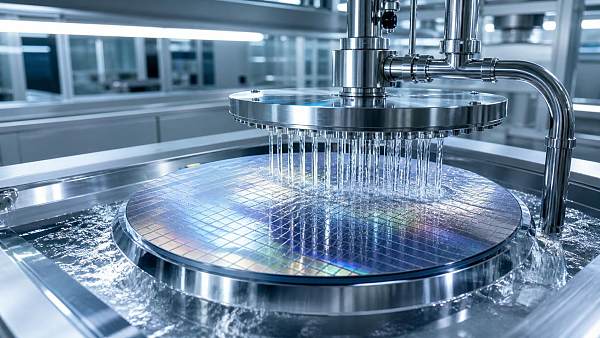
How to Select Aqueous Semiconductor Process Cleaners for Copper
How to Select Aqueous Semiconductor Process Cleaners for Copper
Selecting aqueous semiconductor process cleaners for copper requires more than demonstrating effective residue removal. Technical evaluators must balance cleaning performance against copper corrosion, surface roughness, trace contamination, and compatibility with adjacent dielectric and barrier materials. A formulation that performs well on blanket copper may behave differently on patterned structures under actual process conditions.
The useful question is not simply, “Does this cleaner remove the residue?” It is, “Does the complete clean, rinse, and dry sequence leave this device stack ready for its next operation?” That distinction changes the qualification plan—and often eliminates apparently attractive candidates early.
Define the residue and exposed stack before comparing chemistry
“Copper cleaning” can describe substantially different tasks. Post-CMP cleaning may need to remove abrasive particles, organic slurry components, and copper-containing residues. Post-etch or post-ash cleaning may involve polymeric material and inorganic reaction products. Pre-bond cleaning can place particular emphasis on surface oxide, organic contamination, and the interval between cleaning and bonding.
These applications should not share a cleaner specification merely because they all expose copper. An oxide-removal step may intentionally consume some copper-containing surface material; a post-CMP step may instead prioritize particle removal while tightly limiting copper loss. Define which surface changes are acceptable before interpreting test results.
Document the complete exposed stack, including barrier or liner materials, dielectric type, cap layers, and any other metals. Include the incoming surface condition and upstream queue time. A freshly processed wafer and one held in air can present different oxide coverage and residue adhesion. Without controlling that history, chemistry comparisons become difficult to interpret.
Treat pH as a screening variable, not a compatibility guarantee
Neither neutral pH nor a “mild alkaline” description establishes copper compatibility. Copper behavior also depends on oxidizing conditions, dissolved oxygen, complexing agents, inhibitors, temperature, and exposure time. Two formulations at the same pH can produce very different dissolution rates and surface finishes.
Ask suppliers to explain the function of each major chemistry group, even when the exact formulation remains proprietary:
- Complexing agents can help keep removed copper species in solution, but may also promote further dissolution by stabilizing dissolved copper.
- Oxidizing or reducing components influence surface oxidation state and residue removal. Their suitability depends on the intended final surface.
- Surfactants and dispersants support wetting and particle control, but introduce their own rinse and adsorption questions.
- Corrosion inhibitors can suppress attack during cleaning, yet may leave a film that interferes with subsequent processing.
This is where industrial cleaning intuition needs adjustment. Stronger detergency, more chelation, or better corrosion protection is not automatically better for semiconductor processing. The chemistry must remove the target contamination without replacing it with a less visible integration problem.
An inhibitor can solve one problem and create another
Benzotriazole-type inhibitors illustrate the trade-off. They can protect copper through surface film formation, but residual inhibitor may be undesirable before bonding, deposition, or another surface-sensitive operation. An inhibitor-free formulation is not inherently superior either; it may require tighter control of exposure, oxygen, or rinse conditions.
Evaluate protection during the clean and removability afterward as separate requirements. A visually bright copper surface is not evidence that either requirement has been met.
Measure local damage, not just average copper loss
Blanket copper coupons are useful for screening. They can reveal gross attack and support comparisons of film thickness, roughness, and surface composition. They cannot reproduce every vulnerability of a patterned wafer.
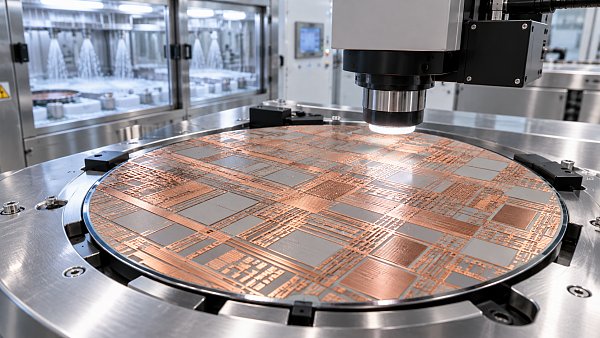
Electrically connected copper and exposed barrier materials can form local electrochemical couples. Feature geometry, relative exposed areas, and solution access can make patterned structures respond differently from isolated films. A low average dissolution rate therefore does not rule out localized recess, pitting, or attack at interfaces.
Use microscopy at representative features, including vulnerable edges and dense or isolated patterns. Combine it with thickness and roughness measurements. AFM can help characterize topography, while suitable surface analysis can distinguish organic residue or altered surface chemistry from physical damage. Select methods according to the failure being investigated rather than requesting an impressive but unfocused analytical package.
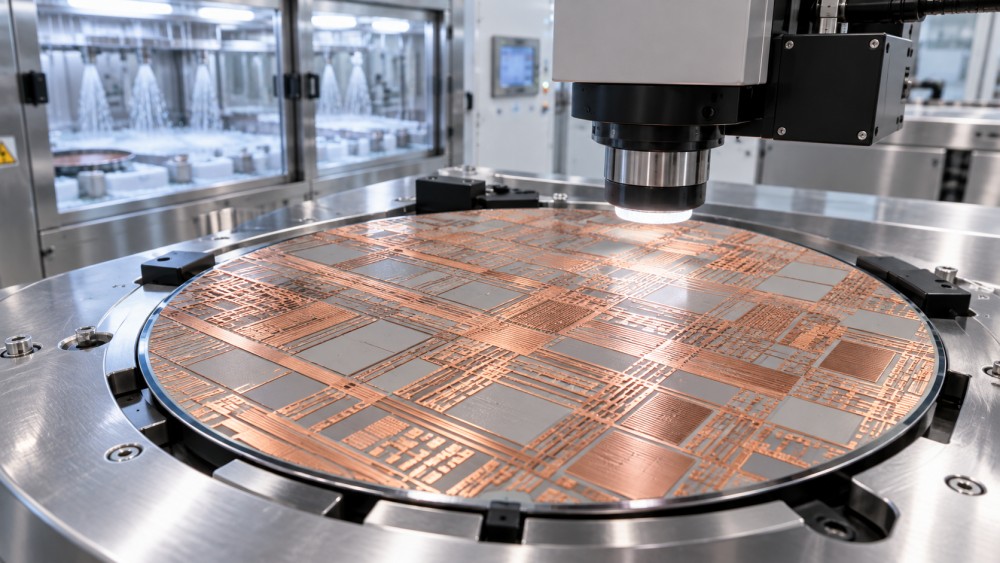
Also test the actual dielectric and barrier materials. Porous low-k films, for example, may be sensitive to chemical uptake or changes in surface chemistry that blanket copper testing will miss. Where relevant, follow physical inspection with electrical measurements: an acceptable image does not prove acceptable leakage, resistance, or dielectric performance.
Qualify the rinse and dry sequence with the cleaner
One overlooked failure point is the transition out of the cleaning solution. Dilution changes inhibitor concentration, ionic strength, and chemical equilibria. Copper that was protected in the working bath may become vulnerable during displacement or a prolonged wet hold.
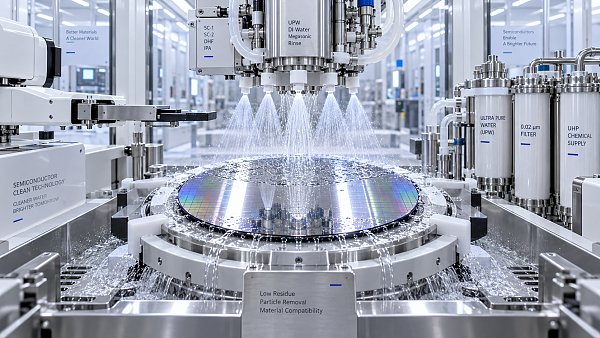
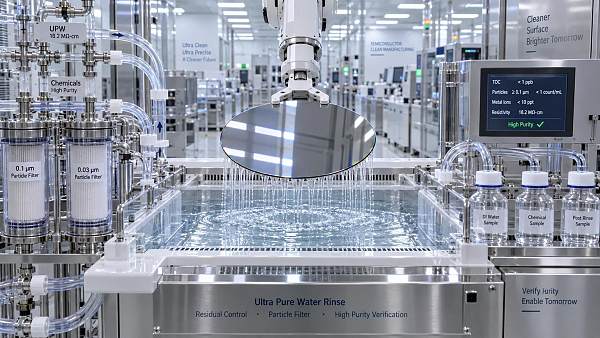
Reproduce the intended ultrapure-water rinse, transfer time, flow conditions, and drying method. Check for redeposited particles, watermarks, organic carryover, and surface changes after a representative queue time. If a cleaner requires an unusually long rinse to achieve acceptable residue levels, that burden belongs in the selection decision—not in a later optimization exercise.
Rinse-water conductivity can help monitor displacement of ionic chemistry, but it does not establish freedom from adsorbed organics or particles. Likewise, contact angle can provide a useful surface-change indicator, but cannot identify the contaminant responsible. Use these as supporting signals, not stand-alone acceptance tests.
Build a qualification matrix around credible process variation
A supplier’s recommended recipe is a starting point. Qualification should establish whether the formulation has an operating window wide enough for the tool and production controls available. Begin with a small screening study, then advance viable candidates to patterned wafers and integrated testing.
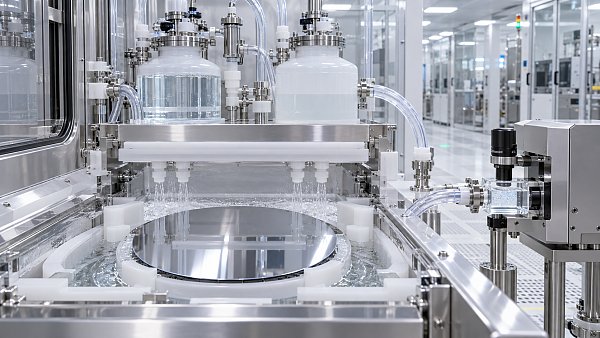
The matrix should include nominal conditions and credible excursions in concentration, temperature, contact time, and rinse delay. For recirculating systems, examine bath age and contamination loading. For single-wafer tools, pay attention to dispense coverage, wafer rotation, brush interaction where applicable, and chemical residence time. Mechanical cleaning can change both particle removal and damage risk.
- Set acceptance criteria before testing. Specify residue and defect limits, copper loss, roughness, material compatibility, and downstream performance using the process requirements.
- Include appropriate controls. Compare against the current qualified sequence when available, with matched incoming wafers and consistent handling.
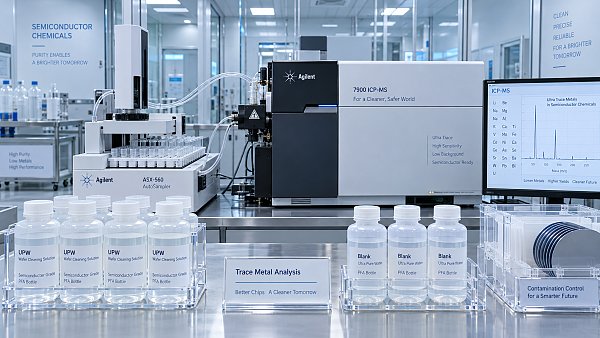
- Check measurement capability. Analytical detection limits and repeatability must support the acceptance limits; “not detected” is otherwise easy to overinterpret.
- Repeat the meaningful conditions. Confirm promising results across repeat runs and representative chemical lots before committing to production.
Do not set a universal copper etch-rate limit without considering the integration budget. A tolerable average loss for one structure may be unacceptable for another. Similarly, maximizing particle removal is not a sound objective if the additional cleaning intensity damages the dielectric or changes line resistance.
Make supplier evidence specific enough to audit
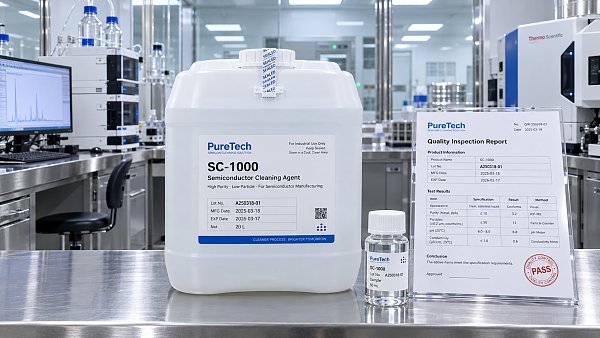
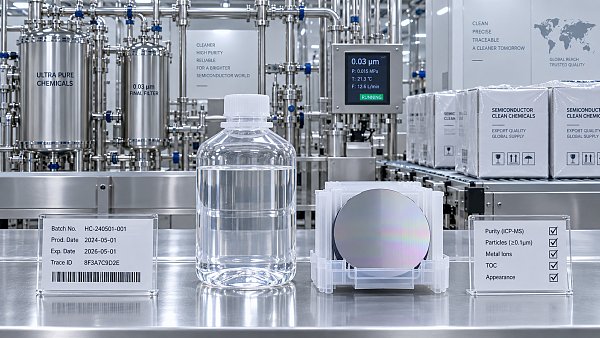
“Semiconductor grade” is not a complete specification. Request the controlled impurity list, reporting limits, analytical methods, particle specifications where relevant, and a representative certificate of analysis. A bulk purity figure says little about whether a particular trace metal or ionic contaminant is controlled at the level your process needs.
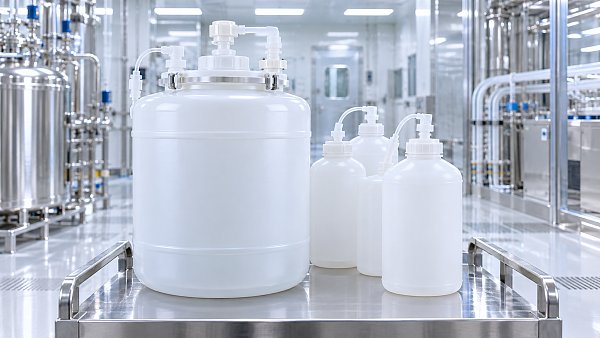
Check whether specifications apply to the concentrate, ready-to-use product, or both. Dilution water, mixing equipment, filters, and delivery lines can introduce contamination after the chemical leaves the supplier. Packaging compatibility and point-of-use handling therefore belong in the qualification scope.
For proprietary aqueous semiconductor process cleaners, suppliers may not disclose every ingredient openly. They should still provide adequate safety information, storage conditions, shelf life, dilution guidance, and material-compatibility evidence. Where necessary, use confidentiality arrangements to resolve technical questions that cannot be answered from a safety data sheet alone.
Request traceability and change-notification arrangements covering relevant raw materials, manufacturing locations, purification, filtration, and packaging. A formulation can retain its commercial name while a supply-chain change affects impurity levels or performance. The notification process matters as much as the initial sample quality.
Choose the controllable process, not the best-looking sample
Once candidates meet the technical requirements, compare the full operating burden: chemical consumption, rinse demand, bath monitoring, tool compatibility, waste treatment, and requalification risk. “Aqueous” does not automatically mean low hazard or straightforward disposal. Copper-bearing waste and complexing agents require review against site treatment capability and applicable local requirements.
For readers using the Global Fine Chemicals & Agrochemical Intelligence Network (FCAS) to assess high-purity cleaning materials, the useful distinction is between application evidence and general product positioning. Supplier comparisons become more meaningful when they connect formulation behavior, contamination control, documentation, and supply consistency rather than relying on purity claims alone.
Prefer a cleaner that meets the required surface condition across a reproducible process window over one that produces an exceptional result only under tightly tuned laboratory conditions. Before approval, close the remaining gaps on patterned structures, post-rinse residues, downstream performance, and lot consistency. Those are the checks most likely to separate a promising cleaning chemistry from a dependable production process.
Facing technical bottlenecks in manufacturing or looking for more efficient industrial solutions? Leave your details below and let the engineering experts at FCAS solve them for you.
We respect your privacy. Your information is strictly confidential.
Related News
 Ultra-pure Semiconductor CleanersHow to Select Non Ionic Semiconductor SurfactantsSelect non ionic semiconductor surfactants with confidence. Explore purity, rinseability, compatibility, and supplier checks for a reliable cleaning process.MORE+
 Ultra-pure Semiconductor CleanersHow to Choose Electronic Cleaning Chemicals for Corrosion ProtectionElectronic cleaning chemicals corrosion protection starts with the right selection. Discover how to assess compatibility, residues, drying, and safety.MORE+
 Ultra-pure Semiconductor CleanersWhat Affects the Bulk Price of Semiconductor Process Cleaners?Semiconductor process cleaners bulk price depends on purity, packaging, logistics, and more. Discover how to compare quotes and control costs.MORE+
 Ultra-pure Semiconductor CleanersHow to Evaluate Low Ionic Electronic Grade Cleaners for ChipmakingDiscover how to evaluate low ionic electronic grade cleaners for chipmaking, from surface residue and material compatibility to supplier qualification.MORE+
 Ultra-pure Semiconductor CleanersHow to Choose Water-Based Electronic Cleaning Chemicals That Rinse CleanChoose water based electronic cleaning chemicals that rinse clean. Learn how to compare residue removal, material compatibility, and rinse performance for reliable production.MORE+
 Ultra-pure Semiconductor CleanersHow to Select Aqueous Semiconductor Process Cleaners for CopperSelect aqueous semiconductor process cleaners for copper with confidence. Learn how to balance residue removal, corrosion control, and process compatibility for reliable results.MORE+
 Ultra-pure Semiconductor CleanersHow Can You Verify Purity When Buying Semiconductor Cleaners Wholesale?Buying semiconductor cleaners wholesale? Learn how to verify batch purity, assess test methods, and check packaging to reduce contamination risks and buy with confidence.MORE+
 Ultra-pure Semiconductor CleanersHow Are Trace Metals Measured in Low Metal Wafer Cleaning Solutions?How are trace metals measured in low metal wafer cleaning solutions? Explore ICP-MS, contamination controls, and validation essentials for confident batch-release decisions.MORE+
 Ultra-pure Semiconductor CleanersWhat Should You Check Before Buying Ultrapure Cleaning Chemicals?Buying Ultrapure Cleaning Chemicals? Discover key checks for purity, test results, packaging, and supplier reliability to reduce contamination risks and make smarter purchasing decisions.MORE+
 Ultra-pure Semiconductor CleanersHow Ultra-Pure Semiconductor Cleaners Improve Post-CMP Cleaning ResultsSemiconductor cleaners for post CMP cleaning improve residue removal, reduce contamination risk, and protect sensitive wafer surfaces for more reliable yields.MORE+
 Ultra-pure Semiconductor CleanersA Practical Guide to Semiconductor Process Cleaner Purity RequirementsSemiconductor process cleaners purity requirements explained: assess metals, particles, ions, residues, packaging, and batch consistency to protect yield and process reliability.MORE+
 Ultra-pure Semiconductor CleanersHow to Select Semiconductor Process Cleaners for Fab UseSemiconductor process cleaners for fab use: learn how to match chemistry, material compatibility, particle control, rinse performance, and tool requirements to protect yield.MORE+
 Ultra-pure Semiconductor CleanersHow Precision Cleaning Agents Protect Semiconductor Yield and ReliabilityPrecision cleaning agents for semiconductors protect yield and reliability by removing trace contaminants, safeguarding sensitive materials, and improving rinse performance.MORE+
 Ultra-pure Semiconductor CleanersHow to Assess a Semiconductor Wafer Cleaners ExporterSemiconductor wafer cleaners exporter assessment guide: compare purity controls, packaging, documentation, process fit, and supply reliability before sourcing.MORE+
 Ultra-pure Semiconductor CleanersHow to Verify Semiconductor Process Cleaners Purity RequirementsSemiconductor process cleaners purity requirements: learn how to verify trace metals, ions, particles, residues, COAs, and packaging controls for reliable wafer cleaning.MORE+
 Ultra-pure Semiconductor CleanersIs Semiconductor Cleaner Packaging Critical to Shelf Life?Is semiconductor process cleaner packaging critical for shelf life? Discover how packaging controls contamination, stability, and process-ready purity in high-sensitivity applications.MORE+
 Ultra-pure Semiconductor CleanersCan Electronic Cleaning Chemicals Be Used on Sensitive Circuit Boards?Can electronic cleaning chemicals be used on sensitive circuit boards? Discover safe cleaner selection, material compatibility, targeted application, and drying steps for reliable results.MORE+
 Ultra-pure Semiconductor CleanersHow to Verify Residue Control in Semiconductor Process CleanersSemiconductor Process Cleaners: learn how to verify ionic, organic, metal, and particle residue control with risk-based qualification, rinse testing, and ongoing process monitoring.MORE+
 Ultra-pure Semiconductor CleanersSelecting Low Residue Semiconductor Wafer Cleaners for Critical ProcessesLow residue semiconductor wafer cleaners: learn how to select compatible, rinse-ready solutions that protect critical processes, reduce contamination risk, and support reliable yield.MORE+
 Ultra-pure Semiconductor CleanersHow to Evaluate a Semiconductor Cleaners Factory for Ultra-Pure SupplySemiconductor cleaners factory evaluation guide: verify ultra-pure specifications, contamination controls, packaging integrity, and supply resilience before qualification.MORE+
 Ultra-pure Semiconductor CleanersHow to Evaluate an Electronic Grade Cleaners SupplierElectronic grade cleaners supplier evaluation made simple: learn how to assess purity, batch consistency, compatibility, documentation, packaging, and supply resilience.MORE+
 Ultra-pure Semiconductor CleanersIs Higher Purity Worth the Switch for Semiconductor Process Cleaners?Is it worth switching to semiconductor process cleaners with higher purity? Explore contamination control, compatibility, and cost factors to make a confident choice.MORE+
 Ultra-pure Semiconductor CleanersHow Semiconductor Cleaners for Post CMP Cleaning Prevent DefectsSemiconductor cleaners for post CMP cleaning help prevent particle defects, metal contamination, corrosion, and yield loss. Explore smarter qualification strategies.MORE+
 Ultra-pure Semiconductor CleanersHow to Compare Metal Cleaning Chemicals Wholesale OffersMetal cleaning chemicals wholesale: compare true in-use cost, cleaning performance, compatibility, compliance, and supply reliability to choose the best offer.MORE+
 Ultra-pure Semiconductor CleanersHow to Compare Semiconductor Process Cleaners from Different SuppliersHow to compare semiconductor process cleaners from different suppliers? Learn a practical method to assess purity, residue, compatibility, stability, and supplier support for safer qualification.MORE+
 Ultra-pure Semiconductor CleanersChoosing Degreasing Solvents for Electronic Components Without ResidueDegreasing solvents for electronic components: learn how to choose low-residue, compliant, and material-safe cleaners that improve reliability, reduce risk, and support smarter QC decisions.MORE+
 Ultra-pure Semiconductor CleanersHow Bulk Semiconductor Wafer Cleaners Improve Yield and Defect ControlBulk semiconductor wafer cleaners improve yield by reducing particles, residue, and repeatable defect risks. Learn what technical teams should verify before selecting a system.MORE+
 Ultra-pure Semiconductor CleanersHow to Choose Electronic Cleaning Chemicals for Sensitive PCB and Semiconductor LinesElectronic Cleaning Chemicals for sensitive PCB and semiconductor lines demand more than strong cleaning—they need low residue, material compatibility, and stable process control. Learn how to choose the right chemistry for reliable results.MORE+
 Ultra-pure Semiconductor CleanersWhat Semiconductor Process Cleaners Remove Most Effectively in Advanced Fab ProcessesSemiconductor Process Cleaners remove photoresist, etch residues, particles, and metal ions most effectively in advanced fabs—helping protect yield with precise, low-residue cleaning.MORE+