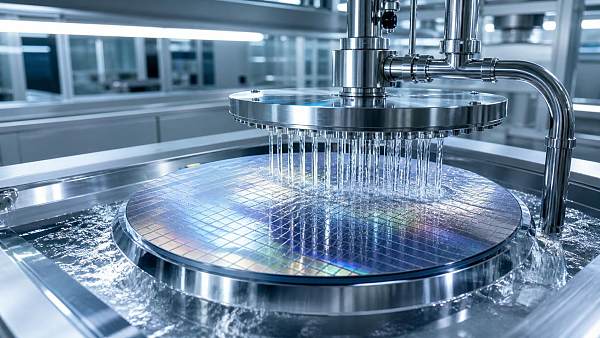
How to Choose Water-Based Electronic Cleaning Chemicals That Rinse Clean
Choose water based electronic cleaning chemicals by the cleanliness they deliver after rinsing and drying on your actual assembly. A candidate should remove the target contamination, leave little cleaner-derived residue, and work within the rinse capacity of your equipment. Strong soil removal in a beaker is only an initial screening result. Qualification depends on whether the complete process can clean beneath components, clear dissolved contamination, and dry the assembly without damaging materials.
For technical evaluators, the most useful comparison is between complete operating windows: cleaner concentration, temperature, exposure time, mechanical action, rinse conditions, and drying. A formulation that performs well only with unusually long rinsing or temperatures your assembly cannot tolerate may be a poor production choice. Establish those constraints before comparing supplier claims such as “low residue,” “free rinsing,” or “electronics grade.”
Define what must be removed—and where it can remain.
Start with the assembly and its contamination. Solder flux residues, machining oils, fingerprints, polishing compounds, and particulate contamination create different cleaning demands. Even within one flux category, residue behavior can change with formulation, soldering conditions, and the delay before cleaning. A cleaner qualified against one residue should not automatically be accepted for a different solder paste or thermal history.
Flux designation alone is insufficient. A “no-clean” flux does not establish that its residue will dissolve readily in an aqueous process, while a water-soluble flux still requires effective removal and rinsing. Where cleaning is required, evaluate the specific flux after the intended soldering process. Include the longest credible hold time before washing, because aged or heat-altered residues may respond differently from freshly prepared contamination.
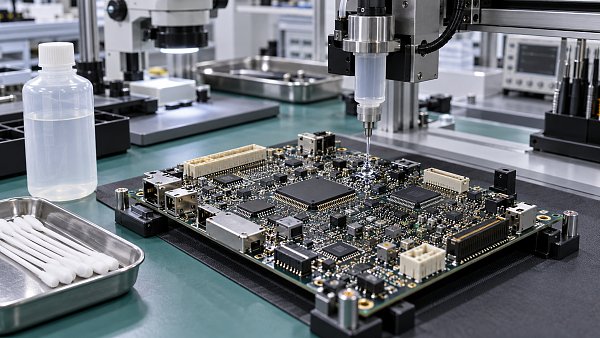
Geometry can make an apparently successful chemistry fail. Low component standoff, tight connector features, shielding, and enclosed spaces restrict fluid exchange. The wash solution may reach a location but leave slowly during rinsing. Conversely, an exposed surface may rinse easily while contamination remains beneath a component. Select representative assemblies with the most difficult accessible geometries, and identify parts that cannot tolerate aqueous processing before testing begins.
Define acceptance around the next operation and the product’s electrical demands. A board moving to conformal coating may need evidence of coating adhesion as well as electrical cleanliness. High-impedance circuitry or assemblies exposed to humidity may warrant particular attention to moisture-sensitive residues. Appearance, ionic contamination, organic films, and retained moisture are separate concerns; one measurement rarely resolves all four.
Read formulation claims through their effect on rinsing.
Aqueous cleaners can combine surfactants, alkaline components, solvents, complexing agents, corrosion inhibitors, and other additives. These ingredients may improve removal, but they also enter the rinse system. Ask the supplier how the recommended formulation behaves when diluted, contaminated with the target soil, and transferred into rinse water. A product’s behavior at working strength does not fully describe what happens as it washes away.
Surfactants help wet surfaces and transport contamination. Their contribution to rinseability depends on molecular structure, concentration, adsorption, temperature, and the surrounding formulation. A nonionic surfactant can still leave an organic film. An ionic ingredient can be removed successfully by an effective rinse. Broad ingredient categories are therefore useful screening information, but they do not establish the finished assembly’s cleanliness.
Alkalinity may help remove certain flux residues and oily soils, yet increasing it can introduce compatibility concerns. Evaluate pH at the intended dilution alongside buffering behavior and the supplier’s material restrictions. Concentrate pH alone is a weak basis for comparison. Two products with similar working-solution pH can differ in cleaning performance, rinse demand, and their effect on sensitive materials.
Solvents and solubilizers can improve removal of difficult organic residues, while inhibitors may protect vulnerable metals during washing. Both deserve closer review when residual films could affect bonding, coating, or electrical performance. Ask whether the formulation is intended to leave any protective layer and whether its compatibility evidence covers your downstream process. A residue acceptable on an industrial metal part may be unsuitable on an electronic assembly.
Foam must also be assessed in the intended equipment. Agitation, spray impact, air entrainment, temperature, and accumulated soils can change foam behavior. Excess foam may interfere with pumping, spray delivery, drainage, or rinse control. For temperature-sensitive surfactant systems, ask whether the operating range approaches a cloud point or another change in solution behavior. Such behavior can be part of a deliberate formulation design, but it needs a controlled process window.
Supplier documentation should move the evaluation beyond adjectives. Request the following information for the proposed application:
- Recommended operating concentration, temperature, exposure time, and equipment type, including restrictions.
- Cleaning and rinse results identifying the soil, substrate, test method, and process conditions.
- Compatibility information covering relevant metals, polymers, markings, adhesives, and component materials.
- A practical method for monitoring cleaner concentration and guidance on interference from accumulated contamination.
- Bath maintenance, rinse management, and change-control guidance relevant to production use.
A safety data sheet supports handling decisions, but it cannot establish rinse performance or assembly compatibility. Where the full formulation is proprietary, useful technical support can still include relevant ingredient classes, known restrictions, residue characteristics, and application-specific test evidence.
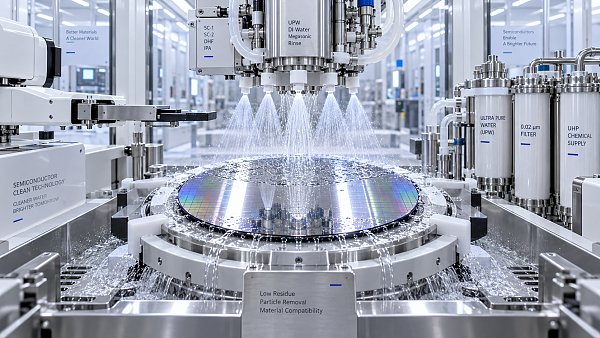
Check whether the rinse system can remove what the wash releases.
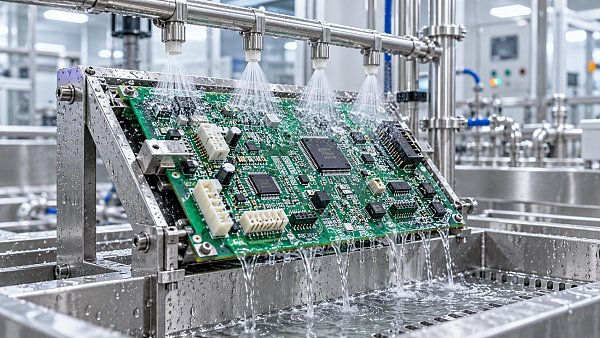
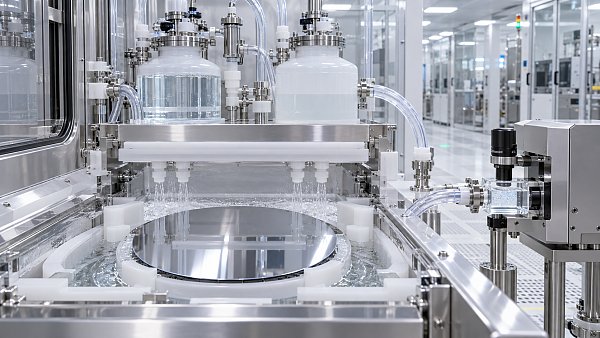
Rinsing removes both the cleaning formulation and the contamination it carries. Performance depends on dilution, drainage, fluid exchange, water quality, and access to difficult locations. If a board carries excessive wash solution into the first rinse, even a readily rinsed cleaner can overload that stage. Drain orientation, transfer time, and trapped liquid volumes belong in the evaluation alongside chemistry.
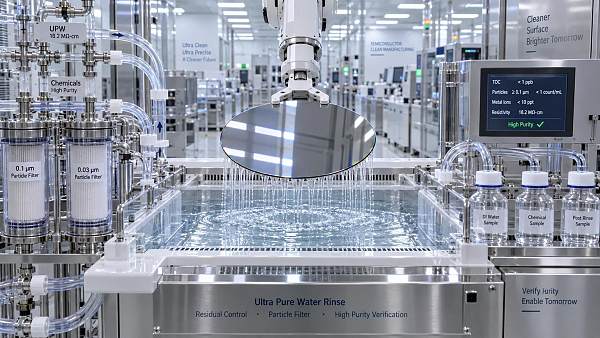
Rinse-water quality should match the assembly’s cleanliness requirements. Dissolved minerals in incoming water can contribute deposits or ionic contamination. Deionized water can reduce that incoming burden, but it becomes contaminated as it receives cleaner and soil. Its quality at the point of use—and during production—matters more than the specification of the water supply alone.
Conductivity or resistivity monitoring can help track ionic loading, provided temperature and sampling conditions are controlled. These measurements have limits: some organic residues contribute little conductivity. Clear rinse water and a favorable conductivity reading therefore cannot, by themselves, demonstrate that surfactant films or other nonionic residues have been removed from an assembly.
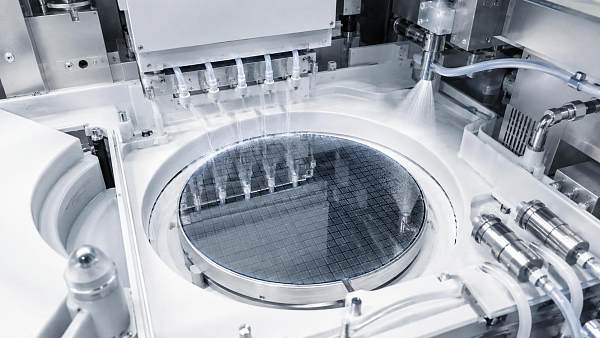
Rinse temperature, flow, spray access, stage arrangement, and renewal rate should be tested together. Warmer water may improve removal in some processes, while temperature limits or formulation behavior may constrain its use. Multiple rinse stages can improve dilution efficiency, but their benefit still depends on liquid reaching and leaving the contaminated areas. Increasing rinse time will have limited value where fluid exchange is poor.
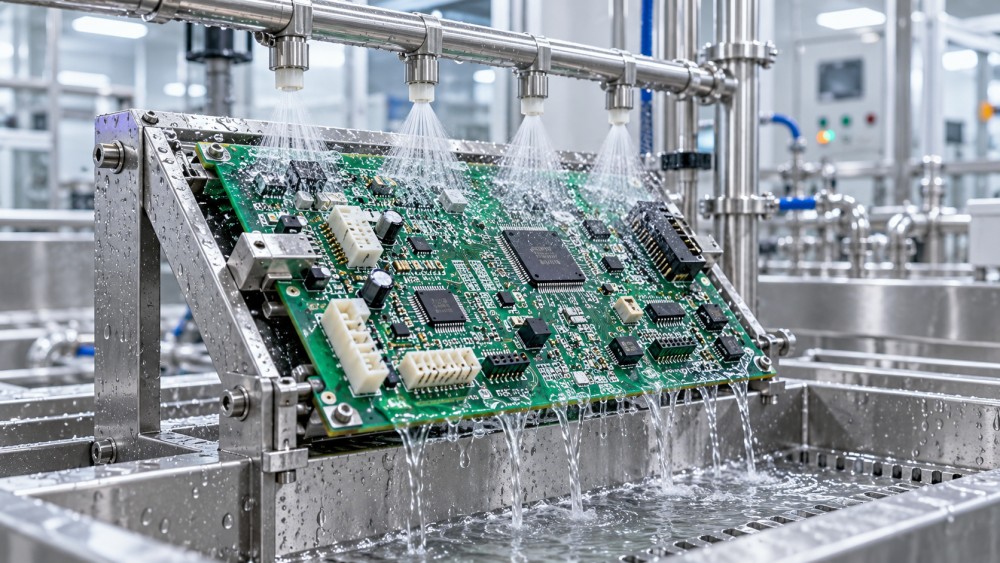
When a trial fails, examine where the residue originates. Remaining flux may indicate insufficient cleaning action, an unsuitable chemistry, or inaccessible geometry. Cleaner-derived residue may point to excessive concentration, poor drainage, adsorption, or inadequate rinsing. Mineral spots may originate in the water system. Separating these causes prevents an evaluator from repeatedly changing cleaner chemistry to solve an equipment or water-quality problem.
Drying needs its own acceptance criteria. An assembly can look dry while retaining water beneath components or inside features. Residual liquid may concentrate dissolved material as it evaporates and can interfere with subsequent processing. Check drying effectiveness at the permitted temperature and cycle time, including areas where liquid is likely to collect. Some component constructions may make aqueous cleaning impractical regardless of the cleaner’s rinseability.
Qualify the cleaner with evidence that matches the failure risk.
Use small-scale screening to eliminate unsuitable candidates, then validate the shortlist on representative hardware. Screening can compare removal of the actual soil, obvious material attack, foam, and visible residue under controlled conditions. Keep the comparison relevant to production: allow each candidate to operate within its recommended range, but reject requirements that exceed the equipment or assembly limits.
During assembly trials, record the conditions needed to reproduce the result. Include contamination history, cleaner concentration, bath temperature, exposure, agitation or spray settings, loading, rinse conditions, and drying. Test difficult locations and credible process extremes. A single clean board processed in a fresh bath at favorable settings provides limited evidence of routine performance.
Visual inspection under suitable magnification remains useful for identifying deposits, discoloration, and obvious unremoved flux. It should be supported by analytical or reliability testing where the application requires it. Bulk ionic extraction can help compare processes or monitor certain changes, but extraction efficiency and dilution can obscure localized contamination. A numerical result needs interpretation against the assembly, method, and applicable customer requirements.
Ion chromatography can help identify specific ionic species when the extraction and analytical method are appropriate. Surface insulation resistance testing can assess electrical behavior under defined environmental and bias conditions. For concerns about organic films, coating adhesion, or bondability, select a method that addresses that particular risk. A bulk ionic test cannot establish the absence of every electrically or mechanically significant residue.
Avoid applying a universal cleanliness threshold without establishing its relevance. Acceptance limits should follow the product’s requirements, customer specifications, applicable standards, and an understood test method. Where a standard is specified, confirm the required revision, procedure, and acceptance basis before testing. Results produced using different extraction conditions or reporting conventions may not support a direct comparison.
Compatibility testing should include the full exposure sequence and repeated cycles where rework is credible. Examine metal finishes, solder mask, component markings, adhesives, elastomers, optical materials, and other sensitive surfaces as applicable. Check for changes that matter after cleaning, such as weakened adhesion or impaired connector function, as well as visible damage. Some effects become apparent only during drying, storage, or subsequent processing.
Finally, repeat the relevant checks as the bath accumulates representative contamination. Dissolved flux, oils, particles, and evaporation can change cleaning action, foam, drainage, and rinse demand. Confirm how concentration will be measured and distinguish concentration adjustment from bath replacement. A bath can remain at its nominal concentration while its contamination burden makes it unsuitable for continued use.
The selection decision should favor the candidate that meets the assembly’s cleanliness and compatibility requirements with a controllable production window. Compare its required rinse-water use, drying time, bath maintenance, and monitoring effort alongside chemical consumption. A cheaper concentrate may lose its advantage if it needs additional rinse stages or frequent reprocessing; a higher-priced product needs measurable process benefits to justify the difference.
Before release, document the approved chemistry, operating limits, rinse controls, verification methods, and triggers for requalification. Changes to flux, component geometry, cleaner formulation, or wash equipment can alter the result. The strongest evidence for a cleaner that rinses clean is a repeatable process that continues to meet the assembly’s requirements as normal production conditions vary.
Facing technical bottlenecks in manufacturing or looking for more efficient industrial solutions? Leave your details below and let the engineering experts at FCAS solve them for you.
We respect your privacy. Your information is strictly confidential.
Related News
 Ultra-pure Semiconductor CleanersHow to Select Non Ionic Semiconductor SurfactantsSelect non ionic semiconductor surfactants with confidence. Explore purity, rinseability, compatibility, and supplier checks for a reliable cleaning process.MORE+
 Ultra-pure Semiconductor CleanersHow to Choose Electronic Cleaning Chemicals for Corrosion ProtectionElectronic cleaning chemicals corrosion protection starts with the right selection. Discover how to assess compatibility, residues, drying, and safety.MORE+
 Ultra-pure Semiconductor CleanersWhat Affects the Bulk Price of Semiconductor Process Cleaners?Semiconductor process cleaners bulk price depends on purity, packaging, logistics, and more. Discover how to compare quotes and control costs.MORE+
 Ultra-pure Semiconductor CleanersHow to Evaluate Low Ionic Electronic Grade Cleaners for ChipmakingDiscover how to evaluate low ionic electronic grade cleaners for chipmaking, from surface residue and material compatibility to supplier qualification.MORE+
 Ultra-pure Semiconductor CleanersHow to Choose Water-Based Electronic Cleaning Chemicals That Rinse CleanChoose water based electronic cleaning chemicals that rinse clean. Learn how to compare residue removal, material compatibility, and rinse performance for reliable production.MORE+
 Ultra-pure Semiconductor CleanersHow to Select Aqueous Semiconductor Process Cleaners for CopperSelect aqueous semiconductor process cleaners for copper with confidence. Learn how to balance residue removal, corrosion control, and process compatibility for reliable results.MORE+
 Ultra-pure Semiconductor CleanersHow Can You Verify Purity When Buying Semiconductor Cleaners Wholesale?Buying semiconductor cleaners wholesale? Learn how to verify batch purity, assess test methods, and check packaging to reduce contamination risks and buy with confidence.MORE+
 Ultra-pure Semiconductor CleanersHow Are Trace Metals Measured in Low Metal Wafer Cleaning Solutions?How are trace metals measured in low metal wafer cleaning solutions? Explore ICP-MS, contamination controls, and validation essentials for confident batch-release decisions.MORE+
 Ultra-pure Semiconductor CleanersWhat Should You Check Before Buying Ultrapure Cleaning Chemicals?Buying Ultrapure Cleaning Chemicals? Discover key checks for purity, test results, packaging, and supplier reliability to reduce contamination risks and make smarter purchasing decisions.MORE+
 Ultra-pure Semiconductor CleanersHow Ultra-Pure Semiconductor Cleaners Improve Post-CMP Cleaning ResultsSemiconductor cleaners for post CMP cleaning improve residue removal, reduce contamination risk, and protect sensitive wafer surfaces for more reliable yields.MORE+
 Ultra-pure Semiconductor CleanersA Practical Guide to Semiconductor Process Cleaner Purity RequirementsSemiconductor process cleaners purity requirements explained: assess metals, particles, ions, residues, packaging, and batch consistency to protect yield and process reliability.MORE+
 Ultra-pure Semiconductor CleanersHow to Select Semiconductor Process Cleaners for Fab UseSemiconductor process cleaners for fab use: learn how to match chemistry, material compatibility, particle control, rinse performance, and tool requirements to protect yield.MORE+
 Ultra-pure Semiconductor CleanersHow Precision Cleaning Agents Protect Semiconductor Yield and ReliabilityPrecision cleaning agents for semiconductors protect yield and reliability by removing trace contaminants, safeguarding sensitive materials, and improving rinse performance.MORE+
 Ultra-pure Semiconductor CleanersHow to Assess a Semiconductor Wafer Cleaners ExporterSemiconductor wafer cleaners exporter assessment guide: compare purity controls, packaging, documentation, process fit, and supply reliability before sourcing.MORE+
 Ultra-pure Semiconductor CleanersHow to Verify Semiconductor Process Cleaners Purity RequirementsSemiconductor process cleaners purity requirements: learn how to verify trace metals, ions, particles, residues, COAs, and packaging controls for reliable wafer cleaning.MORE+
 Ultra-pure Semiconductor CleanersIs Semiconductor Cleaner Packaging Critical to Shelf Life?Is semiconductor process cleaner packaging critical for shelf life? Discover how packaging controls contamination, stability, and process-ready purity in high-sensitivity applications.MORE+
 Ultra-pure Semiconductor CleanersCan Electronic Cleaning Chemicals Be Used on Sensitive Circuit Boards?Can electronic cleaning chemicals be used on sensitive circuit boards? Discover safe cleaner selection, material compatibility, targeted application, and drying steps for reliable results.MORE+
 Ultra-pure Semiconductor CleanersHow to Verify Residue Control in Semiconductor Process CleanersSemiconductor Process Cleaners: learn how to verify ionic, organic, metal, and particle residue control with risk-based qualification, rinse testing, and ongoing process monitoring.MORE+
 Ultra-pure Semiconductor CleanersSelecting Low Residue Semiconductor Wafer Cleaners for Critical ProcessesLow residue semiconductor wafer cleaners: learn how to select compatible, rinse-ready solutions that protect critical processes, reduce contamination risk, and support reliable yield.MORE+
 Ultra-pure Semiconductor CleanersHow to Evaluate a Semiconductor Cleaners Factory for Ultra-Pure SupplySemiconductor cleaners factory evaluation guide: verify ultra-pure specifications, contamination controls, packaging integrity, and supply resilience before qualification.MORE+
 Ultra-pure Semiconductor CleanersHow to Evaluate an Electronic Grade Cleaners SupplierElectronic grade cleaners supplier evaluation made simple: learn how to assess purity, batch consistency, compatibility, documentation, packaging, and supply resilience.MORE+
 Ultra-pure Semiconductor CleanersIs Higher Purity Worth the Switch for Semiconductor Process Cleaners?Is it worth switching to semiconductor process cleaners with higher purity? Explore contamination control, compatibility, and cost factors to make a confident choice.MORE+
 Ultra-pure Semiconductor CleanersHow Semiconductor Cleaners for Post CMP Cleaning Prevent DefectsSemiconductor cleaners for post CMP cleaning help prevent particle defects, metal contamination, corrosion, and yield loss. Explore smarter qualification strategies.MORE+
 Ultra-pure Semiconductor CleanersHow to Compare Metal Cleaning Chemicals Wholesale OffersMetal cleaning chemicals wholesale: compare true in-use cost, cleaning performance, compatibility, compliance, and supply reliability to choose the best offer.MORE+
 Ultra-pure Semiconductor CleanersHow to Compare Semiconductor Process Cleaners from Different SuppliersHow to compare semiconductor process cleaners from different suppliers? Learn a practical method to assess purity, residue, compatibility, stability, and supplier support for safer qualification.MORE+
 Ultra-pure Semiconductor CleanersChoosing Degreasing Solvents for Electronic Components Without ResidueDegreasing solvents for electronic components: learn how to choose low-residue, compliant, and material-safe cleaners that improve reliability, reduce risk, and support smarter QC decisions.MORE+
 Ultra-pure Semiconductor CleanersHow Bulk Semiconductor Wafer Cleaners Improve Yield and Defect ControlBulk semiconductor wafer cleaners improve yield by reducing particles, residue, and repeatable defect risks. Learn what technical teams should verify before selecting a system.MORE+
 Ultra-pure Semiconductor CleanersHow to Choose Electronic Cleaning Chemicals for Sensitive PCB and Semiconductor LinesElectronic Cleaning Chemicals for sensitive PCB and semiconductor lines demand more than strong cleaning—they need low residue, material compatibility, and stable process control. Learn how to choose the right chemistry for reliable results.MORE+
 Ultra-pure Semiconductor CleanersWhat Semiconductor Process Cleaners Remove Most Effectively in Advanced Fab ProcessesSemiconductor Process Cleaners remove photoresist, etch residues, particles, and metal ions most effectively in advanced fabs—helping protect yield with precise, low-residue cleaning.MORE+