What Should a Quote From an Industrial Wetting Agents Exporter Include?
A low unit price can hide costly gaps in a chemical supply offer. When evaluating a quote from an industrial wetting agents exporter, commercial teams need more than a price per kilogram: they need clear product specifications, active content, packaging details, order quantities, delivery terms, and supporting documentation. These details determine whether competing offers are genuinely comparable and suitable for the intended application.
A useful quotation should let purchasing, technical, logistics, and regulatory colleagues assess the same offer without making different assumptions. It does not need to contain every laboratory report, but it should identify the documents and conditions that form the basis of supply. Anything left unresolved can become a cost—or a dispute—after the purchase order is issued.
Start with an identifiable product, not just “wetting agent”
“Industrial wetting agent” describes a function, not a sufficiently precise purchasing specification. Products sold under that description may differ in surfactant chemistry, ionic character, concentration, carrier system, foam behavior, and compatibility. Two materials that both wet a surface quickly may behave very differently in an alkaline metal cleaner or a waterborne coating.
The quotation should state the commercial grade, manufacturer or manufacturing source, country of origin, and relevant chemical identity. CAS identifiers are useful where applicable, but a single CAS number may not adequately describe a formulated blend. Where composition is confidential, request enough disclosure for technical qualification and regulatory review, using a confidentiality agreement if necessary.
Also establish whether the exporter manufactures the material, distributes an identified producer’s grade, or sources from several factories. Trading companies can provide reliable supply; the concern is undisclosed substitution. An approved sample should not quietly become a different formulation when the commercial order ships.
Make the specification part of the commercial agreement
Ask the supplier to reference a dated specification or attach it to the quotation. A technical data sheet often contains typical values, which are not necessarily release limits. Purchasing against “typical appearance” or “approximately stated activity” leaves considerable room for disagreement.
The necessary parameters depend on the formulation and application. For many liquid surfactants, the following distinctions deserve attention:
Do not automatically treat nonvolatile content as surfactant active content. A blend may contain other nonvolatile ingredients. Likewise, a low equilibrium surface-tension value does not establish fast wetting on a moving production line. Dynamic behavior, substrate condition, and contact time may matter more.
Compare cost at a useful dosage—not only per kilogram
The quotation should identify currency, price unit, net product weight, quantity tier, and whether packaging is included. Confirm that “per kilogram” means per kilogram of supplied product, rather than per kilogram of active material. This distinction becomes important when comparing concentrated grades with diluted blends.
Cost per kilogram of active material = cost per kilogram of supplied product ÷ active mass fraction.
That calculation is a screening tool, not a final ranking. Different surfactant systems do not necessarily deliver equivalent performance at equal active dosage. The more meaningful comparison is cost at the dosage that achieves the required wetting, foam control, rinsing, and formulation stability.
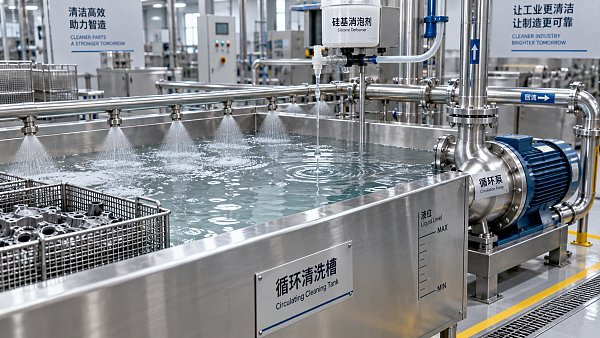
Consider a recirculating spray cleaner. A cheaper wetting agent may create enough foam to require additional defoamer or operating adjustments. In a coating, good initial spreading may be offset by defects or poor water resistance. These are reasons to test the material, not reasons to assume the higher-priced offer is better.
Request a representative sample and confirm the grade, source, and specification it represents. Where performance remains unverified, make the initial commercial commitment conditional on an agreed qualification process.
Turn the shipping term into a landed-cost calculation
An export price is incomplete without an Incoterms® rule, its version, and a named place or port. “FOB price” without a shipment port is not a sufficiently defined basis for comparison. For containerized cargo, discuss whether FCA better reflects the actual handover arrangement rather than accepting FOB automatically.
Ask a freight forwarder to build the remaining cost from that delivery point. Depending on the transaction, this can include freight, insurance, destination handling, customs brokerage, duties, inland transport, storage, and nonrecoverable taxes. Treat recoverable import taxes separately when assessing long-term cost and short-term cash requirements.
A CIF offer should not be read as an all-inclusive delivered price. Under CIF, the seller pays specified carriage and insurance costs to the named destination port, while risk transfers at shipment under the rule. Destination charges and insurance adequacy still require review.
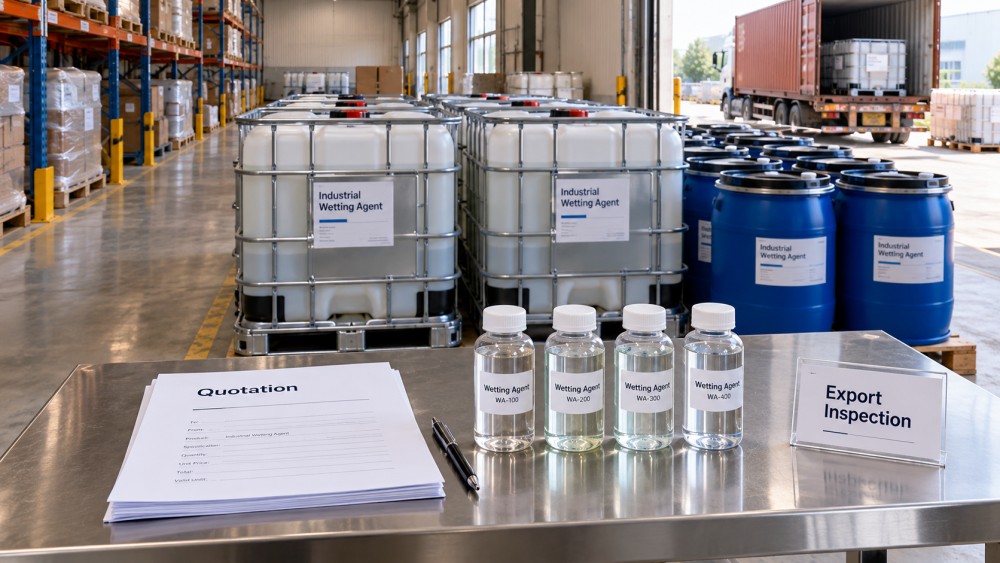
Request separate product and freight validity dates where freight is quoted. Also confirm whether the transport classification used for pricing matches the actual formulation and transport mode. A suggested HS code may help start customs review, but classification and duty treatment should be checked for the destination rather than accepted solely from the exporter.
Packaging and order size can change the economics
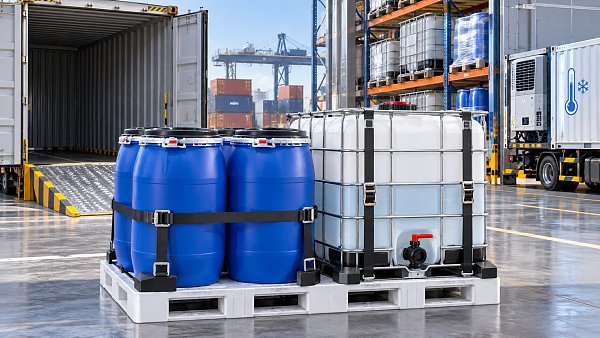
Specify container type and material, net fill weight, package count, pallet arrangement, and shipment weight. Drum and IBC offers may have different prices, unloading requirements, residue losses, and disposal costs. Ask whether pallets, protective wrapping, and any applicable deposits or return charges are included.
Packaging should suit the chemical and transport conditions. For dangerous goods, confirm applicable approved packaging and marking requirements. For other materials, packaging compatibility still matters: a non-dangerous-goods classification does not establish that any container is suitable.
The quote should distinguish the minimum order quantity from the quantity needed to obtain the stated price. Ask about mixed-grade shipments, partial loads, and trial-order pricing. Buying a full container may reduce freight per kilogram while increasing inventory exposure beyond what the plant can reasonably consume.
Shelf life therefore belongs in the commercial discussion. Confirm storage conditions, manufacturing-date expectations, and minimum remaining shelf life at dispatch or arrival. If cold weather can cause separation, clouding, or high viscosity, request handling instructions and establish whether recovery procedures are validated for that grade.
Confirm documentation before paying the deposit
A complete quotation should identify which documents are included, when they become available, and whether special documents cost extra. Typically, the review starts with a current safety data sheet, technical data sheet, agreed specification, and sample certificate of analysis. The shipment’s batch-specific certificate should follow at the agreed stage.
These documents answer different questions. An SDS communicates hazards and handling information; it is not proof of application performance or blanket authorization to import or use the product. A certificate of analysis reports specified batch results; it does not necessarily verify every marketing claim.
Ask who is responsible for destination-market chemical compliance and what evidence supports any claimed registration, exemption, or inventory status. Requirements depend on composition, jurisdiction, volume, use, and the parties’ legal roles. An industrial grade suitable for general cleaning is not automatically acceptable for food-contact, agricultural, or high-purity applications.
Global Fine Chemicals & Agrochemical Intelligence Network (FCAS) approaches specialty chemical sourcing through these connected questions: application fit, production consistency, safety information, and supply-chain readiness. That perspective is useful when commercial and technical teams might otherwise approve different parts of the same purchase in isolation.
Close the gaps in timing, payment, and claims
“Delivery in four weeks” is ambiguous unless the starting event and endpoint are defined. Does the clock begin with deposit receipt, artwork approval, or technical acceptance? Does delivery mean production completion, cargo handover, vessel departure, or arrival? Separate production lead time from transit estimates.
Payment terms should identify the beneficiary, deposit and balance triggers, bank-charge allocation, and required documents. Independently verify changes to bank details. Also establish how shortages, damaged packaging, or off-specification material will be reported and assessed, including sampling arrangements, claim periods, and available remedies.
Before selecting an industrial wetting agents exporter, return one consolidated clarification request covering unresolved technical and commercial points. Ask the supplier to incorporate its answers into a revised quotation or agreed contract attachments. If the price is clear but the grade, freight basis, acceptance criteria, or compliance responsibilities remain uncertain, the offer is not yet ready for a purchasing decision.
Facing technical bottlenecks in manufacturing or looking for more efficient industrial solutions? Leave your details below and let the engineering experts at FCAS solve them for you.
We respect your privacy. Your information is strictly confidential.
Related News
 Non-ionic Surfactants & DefoamersHow Do Low Foam Ethoxylated Surfactants Perform in Cleaning?Discover how low foam ethoxylated surfactants balance cleaning power and foam control, and learn what to test before selecting one for your process.MORE+
 Non-ionic Surfactants & DefoamersChoosing Low Residue Surfactants for Hard Surface CleaningLow residue surfactants for hard surface cleaning: discover how to compare cleaning performance, rinseability, residue testing, and total cost.MORE+
 Non-ionic Surfactants & DefoamersEPA Adopts Human Airway Tissue Method for Surfactant Inhalation Risk AssessmentEPA surfactant inhalation risk assessment may use human airway tissue. Explore potential impacts for industrial cleaners and the details still to verify.MORE+
 Non-ionic Surfactants & DefoamersWhy Do Low Foam Linear Alcohol Ethoxylates Still Cause Foam?Why do low foam linear alcohol ethoxylates still foam? Discover common causes and practical troubleshooting tips to restore consistent performance.MORE+
 Non-ionic Surfactants & DefoamersHow to Measure Foam Control Efficiency in Cleaning DefoamersMeasure cleaning defoamers foam control efficiency with practical tests, dose-response analysis, and plant trials to find the right solution for your process.MORE+
 Non-ionic Surfactants & DefoamersWhat to Check Before Choosing a Low Foaming Surfactants FactoryChoosing a low foaming surfactants factory? Discover how to assess foam performance, quality controls, documentation, supply reliability, and true working costs.MORE+
 Non-ionic Surfactants & DefoamersHow Non Ionic Wetting Agents Improve Surface CoverageDiscover how non ionic wetting agents improve surface coverage in coatings, cleaning, and sprays, and learn how to select and test the right formulation.MORE+
 Non-ionic Surfactants & DefoamersDo Industrial Dispersants Require Special Handling During Transport?Do industrial dispersants require special handling during transport? Discover how to protect product quality, meet shipping rules, and prevent costly delays.MORE+
 Non-ionic Surfactants & DefoamersCalifornia OEHHA Proposes Proposition 65 Cancer Listing for PFHxA and Its SaltsPFHxA and its salts face a proposed California Proposition 65 cancer listing. Explore what the OEHHA notice could mean for suppliers and compliance.MORE+
 Non-ionic Surfactants & DefoamersWhat Should a Quote From an Industrial Wetting Agents Exporter Include?Choosing an industrial wetting agents exporter? Learn what a complete quote should include, from product specs and active content to shipping terms, compliance, and true landed costs.MORE+
 Non-ionic Surfactants & DefoamersBASF Starts Up Expanded APG Production in Cincinnati to Serve North American DemandBASF expands APG production in Cincinnati to meet North American demand. Explore how added capacity supports local supply of bio-based, biodegradable surfactants.MORE+
 Non-ionic Surfactants & DefoamersWhat Should You Check When Buying Low-Residue Surfactants in Bulk?Buying low residue surfactants wholesale? Learn how to verify residue claims, assess batch consistency, and compare total costs before your next bulk order.MORE+
 Non-ionic Surfactants & DefoamersBASF Raises Bid for Evonik to €24 a ShareBASF raises its Evonik takeover bid to €24 a share, valuing the offer above €11 billion. Explore the revised terms, German plant pledges and employment guarantees.MORE+
 Non-ionic Surfactants & DefoamersWhen Do High Spreading Adjuvant Systems Improve Leaf Coverage?Discover when high spreading adjuvant systems improve leaf coverage on waxy foliage, and learn how to balance wetting, retention, compatibility, and crop safety for better spray performance.MORE+
 Non-ionic Surfactants & DefoamersHow Do You Evaluate a Low Residue Surfactants Supplier for Cleaning?Evaluate a low residue surfactants supplier with proven residue tests, batch consistency, and rinse performance. Learn how to reduce cleaning risks and choose with confidence.MORE+
 Non-ionic Surfactants & DefoamersHow Do Tank Mix Adjuvant Systems Affect Herbicide Spray Performance?Explore how tank mix adjuvant systems affect herbicide coverage, drift, and uptake. Get practical tips to check compatibility, choose additives, and improve spray performance.MORE+
 Non-ionic Surfactants & DefoamersHow Does Ethoxylation Affect Octylphenol Ethoxylates as Emulsifiers?Choosing an octylphenol ethoxylates emulsifier? Discover how ethoxylation affects HLB, cloud point, and stability to select the right grade for your formulation.MORE+
 Non-ionic Surfactants & DefoamersWhen Do Industrial Wetting Agents Improve Pesticide Spray Coverage?Do industrial wetting agents improve pesticide spray coverage? Discover when they help, how to test retention and compatibility, and what to check for crop safety before selecting an adjuvant.MORE+
 Non-ionic Surfactants & DefoamersHow Do Amine Oxides Affect Foam Stability in Cleaning Formulations?Amine Oxides can enhance foam stability in cleaning formulations. Discover how surfactant blends, pH, and soil affect performance—and learn to balance lasting foam with easy rinsing.MORE+
 Non-ionic Surfactants & DefoamersHow to Choose Linear Alcohol Ethoxylates for Textile WettingChoose linear alcohol ethoxylates for textile wetting with confidence. Compare penetration, foam, and bath compatibility to improve uniformity and find the right grade for your process.MORE+
 Non-ionic Surfactants & DefoamersHow Do You Choose Low Foam Linear Alcohol Ethoxylates for Cleaning?Choose low foam linear alcohol ethoxylates with confidence. Discover how cloud point, foam testing, and rinseability help you achieve reliable cleaning and stable equipment performance.MORE+
 Non-ionic Surfactants & DefoamersHow to Choose Non Ionic Low Foaming Surfactants for CIP CleaningNon ionic low foaming surfactants for CIP cleaning: learn how to balance wetting, foam control, compatibility, and rinseability for reliable cleaning performance.MORE+
 Non-ionic Surfactants & DefoamersWhat Cationic Surfactants Do and Where They Are UsedCationic Surfactants deliver antimicrobial action, conditioning, antistatic control, and surface treatment benefits. Explore key uses, compatibility, and safe selection tips.MORE+
 Non-ionic Surfactants & DefoamersChoosing Defoamers for Agrochemical Formulations Without Reducing EfficacyDefoamers for agrochemical formulations: learn how to control foam while protecting stability, spray performance, and active ingredient efficacy.MORE+
 Non-ionic Surfactants & DefoamersWhy Mild Cocamidopropyl Betaine Matters in Gentle Cleansing FormulasMild cocamidopropyl betaine helps create gentler cleansers with creamy foam, balanced viscosity, and improved surfactant compatibility. Explore its formulation benefits.MORE+
 Non-ionic Surfactants & DefoamersHow to Compare Alkyl Polyglucosides for High-Performance CleanersAlkyl Polyglucosides guide: compare APG grades for wetting, grease removal, foam control, stability, and substrate safety in high-performance cleaners.MORE+
 Non-ionic Surfactants & DefoamersHow Low Residue Wet Cleaning Agents Improve Precision Cleaning ResultsLow residue wet cleaning agents improve precision cleaning with better wetting, efficient rinsing, reduced films, and reliable results for sensitive surfaces.MORE+
 Non-ionic Surfactants & DefoamersHow to Compare Degreasing Surfactants Bulk Price and PerformanceCompare degreasing surfactants bulk price beyond cost per kg. Evaluate dosage, foam, rinse quality, compatibility, and supplier reliability to choose the best-value cleaner.MORE+
 Non-ionic Surfactants & DefoamersWhy Silicone Cleaning Defoamers Prevent Foam-Related Production DelaysSilicone cleaning defoamers prevent foam-related production delays by stabilizing cleaning systems, improving pump performance, and protecting process efficiency.MORE+
 Non-ionic Surfactants & DefoamersHow Non Ionic Intermediates Improve Pesticide Formulation StabilityDiscover how non ionic pesticide formulation intermediates enhance emulsion stability, wetting, hard-water tolerance, and storage performance in crop protection products.MORE+
 Non-ionic Surfactants & DefoamersHow to Choose Low Foam Cleaning Auxiliaries for CIP SystemsLow foam cleaning auxiliaries for CIP systems: learn how to balance foam control, wetting, soil removal, compatibility, and rinseability for reliable cleaning results.MORE+
 Non-ionic Surfactants & DefoamersWhen Silicone Free Industrial Defoaming Agents Solve Process FoamSilicone free industrial defoaming agents control persistent process foam while protecting coating quality, cleaning performance, and downstream compatibility. Explore smarter selection.MORE+
 Non-ionic Surfactants & DefoamersDo Industrial Dispersants Require Special Transport Handling?Do industrial dispersants require special handling during transport? Learn how SDS classification, packaging, temperature control, and freight modes determine safe, compliant delivery.MORE+
 Non-ionic Surfactants & DefoamersAre Cleaning Defoamers Compatible With Acidic Cleaning Solutions?Are cleaning defoamers compatible with acidic cleaning solutions? Discover how to select acid-stable, low-residue defoamers for reliable foam control, cleaner rinsing, and safer industrial performance.MORE+
 Non-ionic Surfactants & DefoamersDo Detergent Builders Improve Cleaning Efficiency in Cold Water?Do detergent builders increase cleaning efficiency in cold water? Discover how they control hardness, reduce redeposition, and optimize cold-water detergent performance.MORE+
 Non-ionic Surfactants & DefoamersHow to Choose Industrial Dispersants for Water-Based CoatingsHow to choose industrial dispersants for water-based coatings? Explore pigment, binder, milling, rheology, VOC, and stability factors for smarter formulation decisions.MORE+
 Non-ionic Surfactants & DefoamersLow-Foaming Nonionic Surfactants for CIP Cleaning: Selection by Soil LoadLow foaming nonionic surfactants for CIP cleaning: learn how to match wetting, emulsification, temperature stability, and rinseability to light, heavy, protein, and mixed soil loads.MORE+
 Non-ionic Surfactants & DefoamersWhat Are Octylphenol Ethoxylates and Where Are They RestrictedOctylphenol Ethoxylates explained: explore their uses, environmental risks, global restrictions, compliance challenges, and practical replacement strategies.MORE+
 Non-ionic Surfactants & DefoamersAre Octylphenol Ethoxylates Still Suitable for Industrial CleanersExplore whether octylphenol ethoxylates for industrial cleaners still deliver reliable performance amid evolving regulations, wastewater demands, and safer formulation alternatives.MORE+
 Non-ionic Surfactants & DefoamersHow Ethoxylated Surfactants Improve Wetting and Cleaning in Textile ProcessingDiscover how ethoxylated surfactants for textile processing enhance wetting, oil removal, foam control, and rinse performance for reliable fabric quality.MORE+